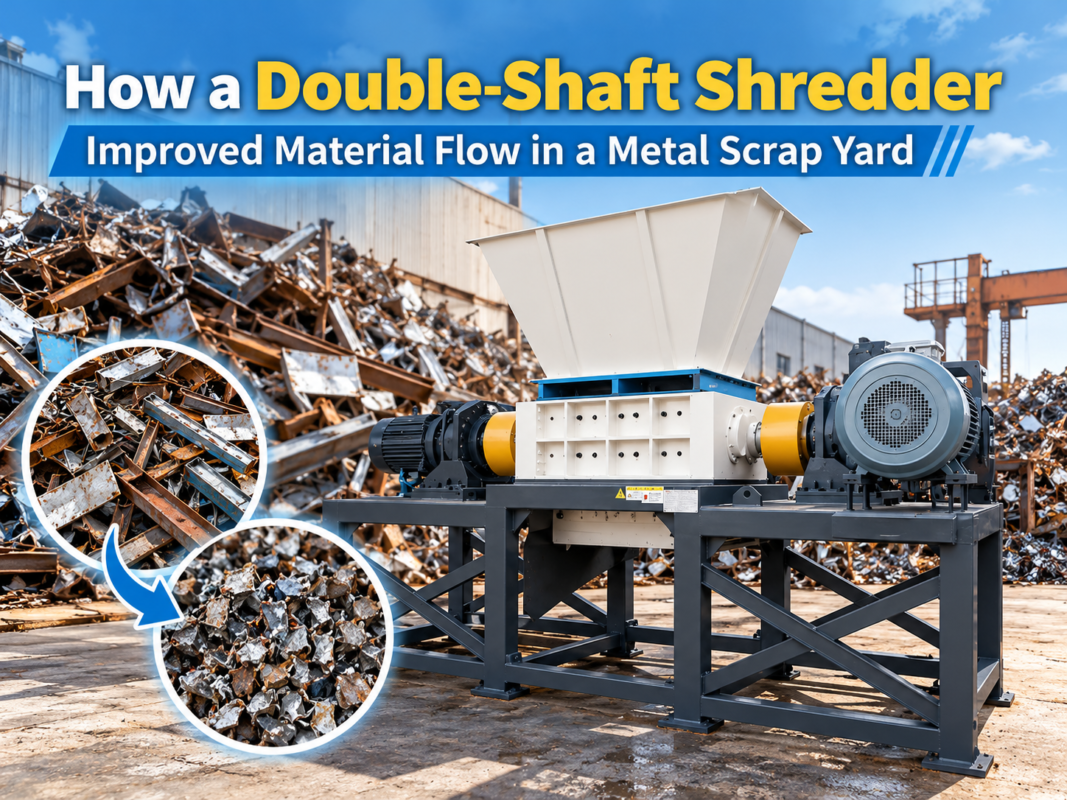
Horizontal Baler Case Study: Solving High-Volume Scrap Management In A Steel Workshop

Introduction
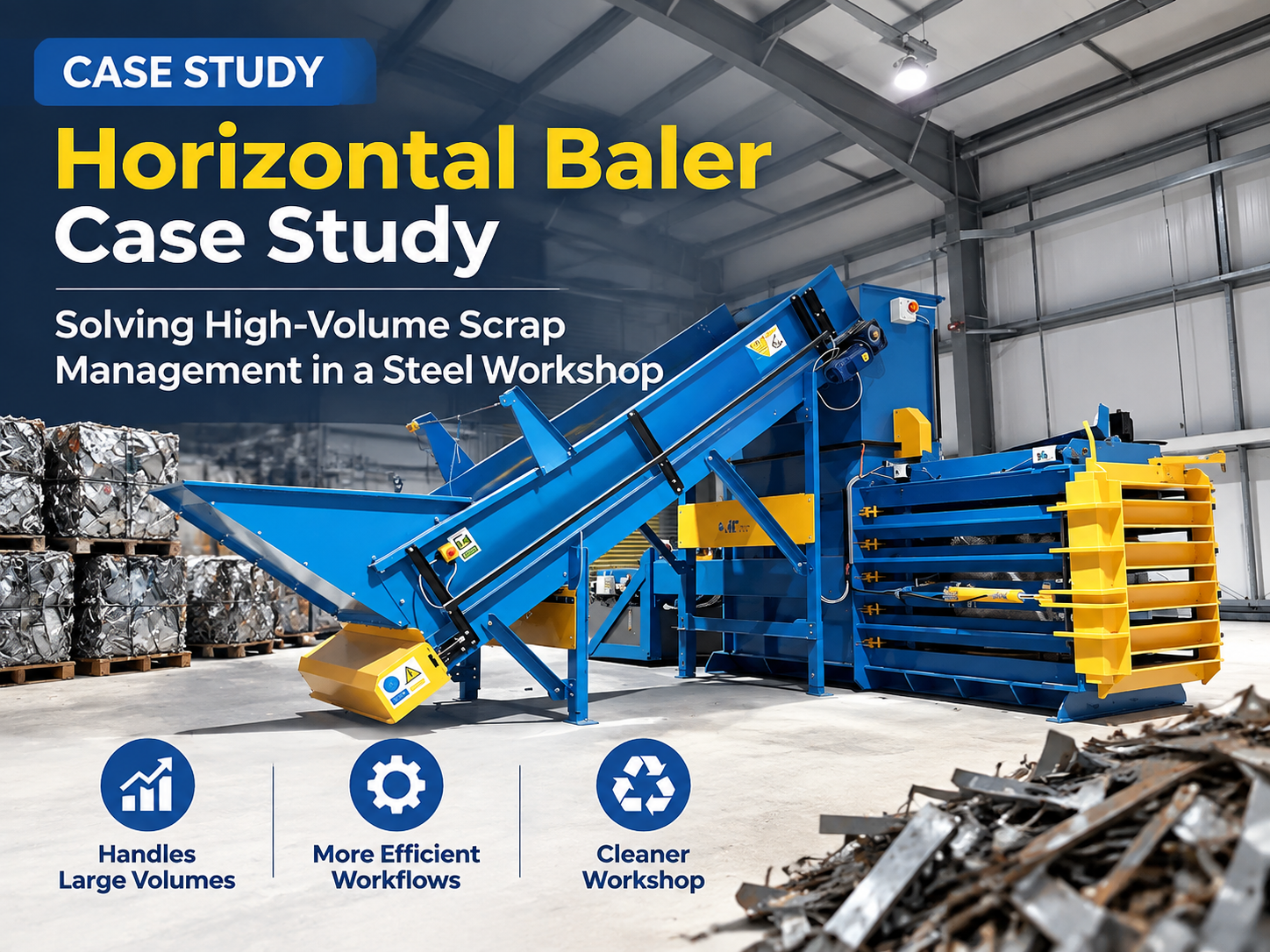
In the modern metal fabrication industry, the efficiency of a workshop is not solely determined by the speed of its cutting or bending machines, but also by how effectively it manages the byproduct of production: scrap metal. For high-volume steel workshops, the accumulation of offcuts, shavings, and sheet metal remnants can quickly become a logistical nightmare. This Horizontal Baler Case Study: Solving High-Volume Scrap Management In A Steel Workshop explores how HARSLE’s advanced baling technology transforms chaotic scrap piles into streamlined, revenue-generating assets.
Managing waste in a steel workshop involves more than just clearing floor space. It is about optimizing the supply chain, reducing transportation costs, and ensuring workplace safety. When a facility produces tons of steel scrap daily, manual handling is no longer viable. HARSLE has observed that workshops failing to implement automated baling solutions often lose significant profit margins due to inefficient storage and lower scrap value returns from recycling centers.
This article delves into the specific challenges faced by a mid-sized steel fabrication plant and how the integration of a HARSLE horizontal baler revolutionized their operations. By analyzing the technical requirements, the selection process, and the long-term operational benefits, we provide a blueprint for other manufacturers looking to modernize their scrap management systems.
As we navigate through this case study, we will highlight the importance of choosing the right machinery for specific material types, the role of automation in labor reduction, and the environmental impact of efficient scrap processing. Whether you are managing a small job shop or a large-scale industrial facility, understanding the mechanics of high-volume baling is essential for maintaining a competitive edge in the metal fabrication sector.
Considérations clés pour la gestion des rebuts
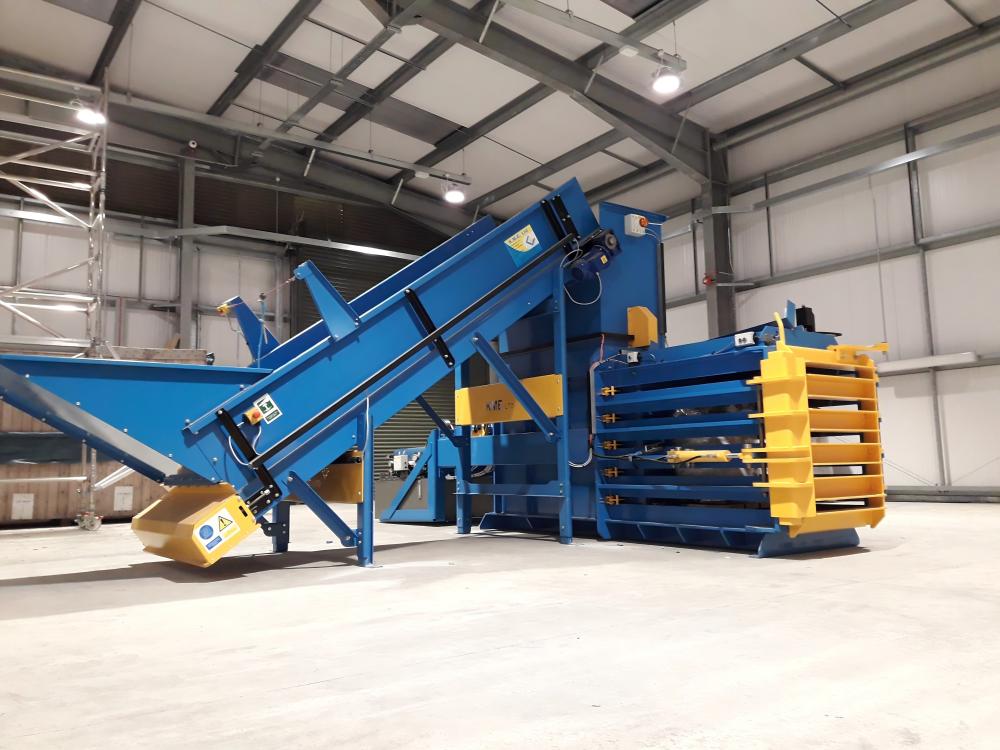
The primary challenge for any high-volume steel workshop is the sheer volume of material that needs to be moved. In a typical fabrication cycle, laser cutters, plasma tables, and punch presses generate vast amounts of skeleton scrap. If left unmanaged, this material occupies valuable square footage, creates tripping hazards, and complicates the workflow. A horizontal baler acts as the central hub for waste consolidation, turning loose scrap into dense, transportable blocks.
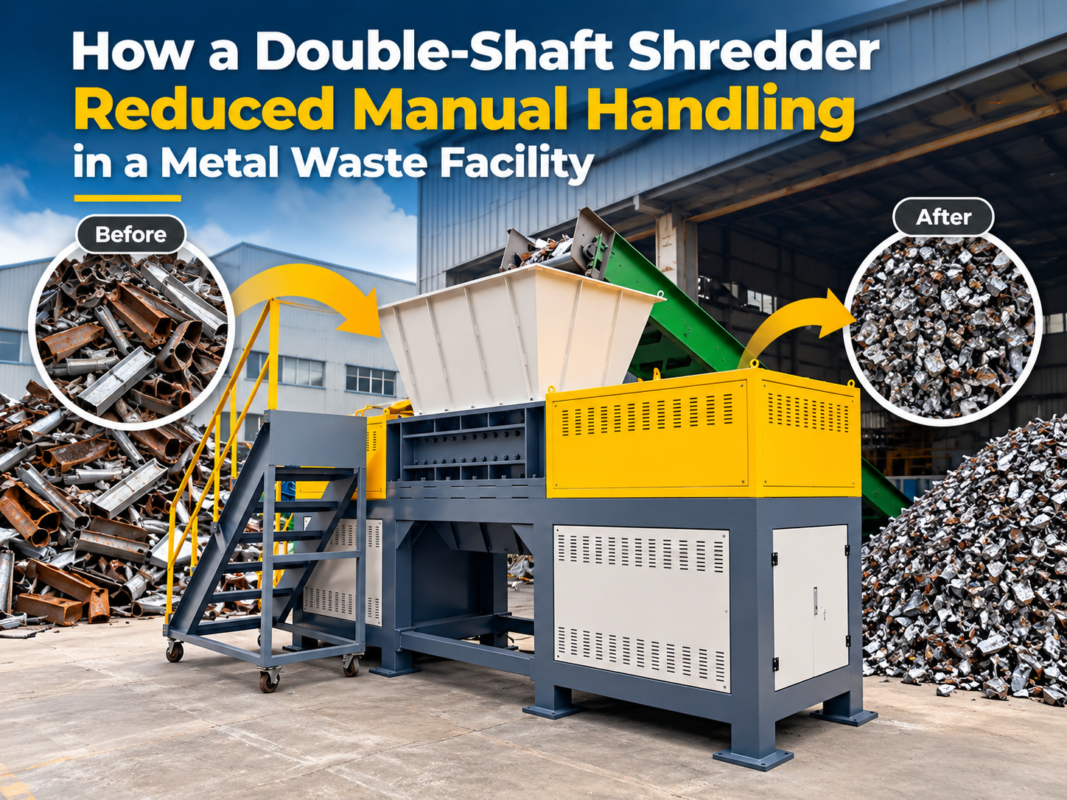
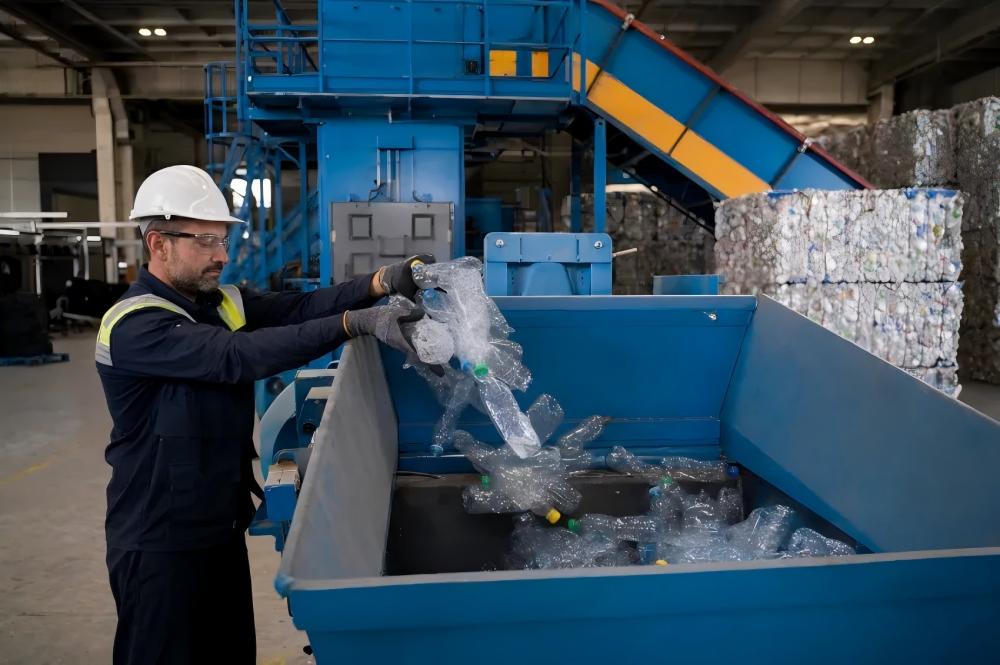
Safety is a paramount concern in any steel workshop. Sharp, jagged metal edges pose a constant threat to employees. By utilizing a horizontal baler, workers can feed scrap into a hopper or conveyor system, significantly reducing the need for manual handling of hazardous material. This shift not only protects the workforce but also improves the overall organization of the shop floor, allowing for better traffic flow and machine accessibility.
Another critical consideration is the economic value of the scrap. Recyclers pay significantly more for baled, uniform material than for loose, mixed scrap. Baled steel is easier to weigh, transport, and melt down, making it a preferred commodity for foundries and recycling facilities. By investing in a horizontal baler, a workshop can effectively turn a waste management cost center into a secondary revenue stream.
Finally, logistics and transportation costs cannot be ignored. Shipping loose scrap is inefficient because you are essentially paying to transport air. A horizontal baler increases the density of the scrap, allowing for maximum payload capacity in shipping containers or trucks. This reduction in the number of trips required to haul away waste directly translates to lower carbon footprints and reduced operational overhead for the fabrication facility.
Technical Details of HARSLE Horizontal Balers
HARSLE horizontal balers are engineered for durability and high-throughput performance. At the core of these machines is a robust hydraulic system designed to exert immense pressure, ensuring that even the toughest steel offcuts are compressed into tight, uniform bales. The structural integrity of the baler frame is critical, as it must withstand the constant stress of heavy-duty compression cycles without deformation.
The automation features of HARSLE balers are what set them apart in the industry. Equipped with advanced PLC (Programmable Logic Controller) systems, these machines offer seamless integration with existing workshop conveyors. Sensors detect the level of scrap in the hopper and automatically initiate the compression cycle, ensuring that the machine operates at peak efficiency without requiring constant operator supervision.
Technical specifications often include adjustable bale sizes and weights, allowing workshops to customize their output based on the requirements of their specific recycling partners. The hydraulic power units are designed for energy efficiency, utilizing variable frequency drives to minimize power consumption during idle periods. This technical foresight ensures that the baler is not just a powerful tool, but a sustainable one.
Maintenance is simplified through modular design. HARSLE provides comprehensive diagnostic interfaces that alert operators to potential issues, such as hydraulic pressure fluctuations or sensor misalignment, before they lead to downtime. This proactive approach to maintenance is vital in high-volume environments where machine availability is directly linked to production throughput.
Conseils de sélection : Choisir la bonne presse à balles
Selecting the right horizontal baler requires a thorough analysis of your workshop’s specific needs. The first step is to evaluate the volume and type of scrap produced. Are you dealing primarily with thin sheet metal, heavy plate offcuts, or a mix of materials? The thickness and density of the material will dictate the required compression force and the size of the feed opening.
Consider the physical layout of your facility. A horizontal baler requires a significant footprint, including space for the loading conveyor and the bale discharge area. It is essential to map out the flow of material from your fabrication machines to the baler to ensure that the scrap management process does not interfere with production lines. HARSLE engineers often work with clients to design custom layouts that optimize space utilization.
Another factor is the level of automation required. For facilities with extremely high volumes, a fully automatic baler with a tying system is recommended. This allows for continuous operation, where the machine automatically ties the bale with wire and ejects it, requiring minimal human intervention. For smaller workshops, a semi-automatic model may be more cost-effective while still providing the necessary density improvements.
Finally, look for a manufacturer that offers robust after-sales support. A baler is a long-term investment, and having access to spare parts, technical training, and remote support is crucial. HARSLE prides itself on providing a comprehensive service package, ensuring that your equipment remains operational for years to come. Always request a site assessment from the manufacturer to ensure the machine you choose is perfectly matched to your operational demands.
FAQ: Common Questions About Horizontal Balers
- What is the primary benefit of a horizontal baler over a vertical one? Horizontal balers are designed for high-volume, continuous operation. They feature larger feed openings and automated systems that make them far more efficient for large-scale steel workshops compared to vertical balers, which are typically manual and better suited for lower volumes.
- How much space do I need for a HARSLE horizontal baler? The space requirement varies by model. Generally, you need to account for the machine footprint, the conveyor system, and the area for bale storage. We recommend a site consultation to determine the optimal placement.
- Can a horizontal baler handle different types of metal? Yes, HARSLE balers are versatile and can handle various metals, including steel, aluminum, and copper. However, it is important to ensure the machine is configured correctly for the specific density and hardness of the materials you process.
- How often does a horizontal baler require maintenance? Routine maintenance, such as checking hydraulic fluid levels, inspecting wire ties, and cleaning sensors, should be performed weekly. A full professional service is recommended every 6 to 12 months, depending on usage intensity.
- Does the baler help with environmental compliance? Absolutely. By compacting scrap, you reduce the number of transport vehicles needed, which lowers your carbon emissions. Furthermore, efficient recycling of metal scrap is a key component of sustainable manufacturing practices.
Conclusion
The implementation of a HARSLE horizontal baler is a transformative step for any steel workshop struggling with high-volume scrap management. As demonstrated in this Horizontal Baler Case Study: Solving High-Volume Scrap Management In A Steel Workshop, the benefits extend far beyond simple waste removal. By improving safety, increasing the value of recycled materials, and streamlining logistics, a horizontal baler becomes a critical component of a profitable and efficient fabrication business.
Investing in industrial machinery is a strategic decision that requires careful planning and a focus on long-term value. HARSLE remains committed to providing high-performance, reliable, and innovative solutions that meet the evolving needs of the metal fabrication industry. Whether you are looking to optimize your current scrap management process or are planning a new facility, our team is ready to assist you in selecting the perfect equipment.
As the industry moves toward more sustainable and automated practices, the role of efficient scrap management will only grow in importance. By choosing the right technology today, you are not only solving the immediate challenges of your workshop but also positioning your business for future growth and success. Contact HARSLE today to learn more about our range of horizontal balers and how we can help you turn your scrap management challenges into operational advantages.