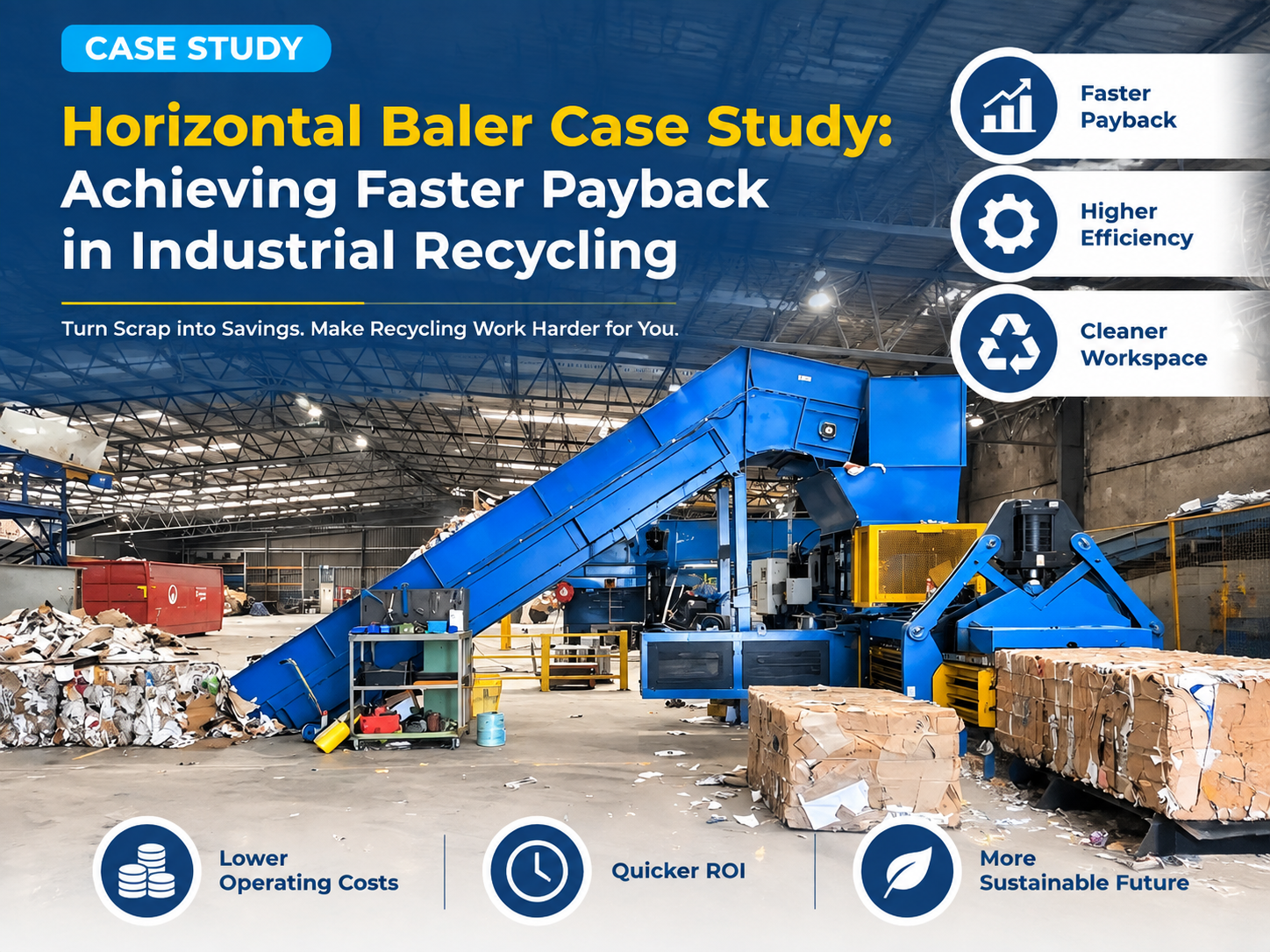
Horizontal Baler Case Study: Achieving Faster Payback In Industrial Recycling

Introduction
In the modern landscape of metal fabrication and industrial manufacturing, waste management is no longer just a logistical necessity—it is a critical profit center. For facilities processing high volumes of scrap metal, cardboard, or plastic, the transition from manual waste handling to automated compression is the single most effective way to improve operational efficiency. This Horizontal Baler Case Study: Achieving Faster Payback In Industrial Recycling explores how HARSLE machinery transforms waste streams into valuable commodities, significantly reducing overhead while maximizing floor space.
The primary challenge for many industrial plants is the accumulation of bulky, low-density waste that consumes valuable square footage and incurs high transportation costs. By implementing a high-performance horizontal baler, companies can consolidate these materials into dense, uniform bales that are easier to store, transport, and sell to recycling centers. This article examines the technical advantages of HARSLE systems and provides a roadmap for achieving a rapid return on investment (ROI) through strategic equipment integration.
HARSLE has spent decades refining hydraulic compression technology to meet the rigorous demands of the metal fabrication industry. Our horizontal balers are engineered for durability, high throughput, and minimal maintenance, ensuring that your recycling operations remain a seamless part of your production line. Whether you are dealing with aluminum offcuts, steel shavings, or corrugated packaging, the right baling solution is the key to unlocking hidden revenue in your waste stream.
As we delve into this case study, we will analyze the specific metrics that drive profitability in recycling. From energy consumption and labor reduction to the increased market value of baled scrap, we will demonstrate why investing in industrial-grade baling equipment is a strategic financial decision rather than a mere operational expense. Let us explore how HARSLE helps manufacturers turn their waste management challenges into a competitive advantage.
Key Considerations for Industrial Recycling Efficiency
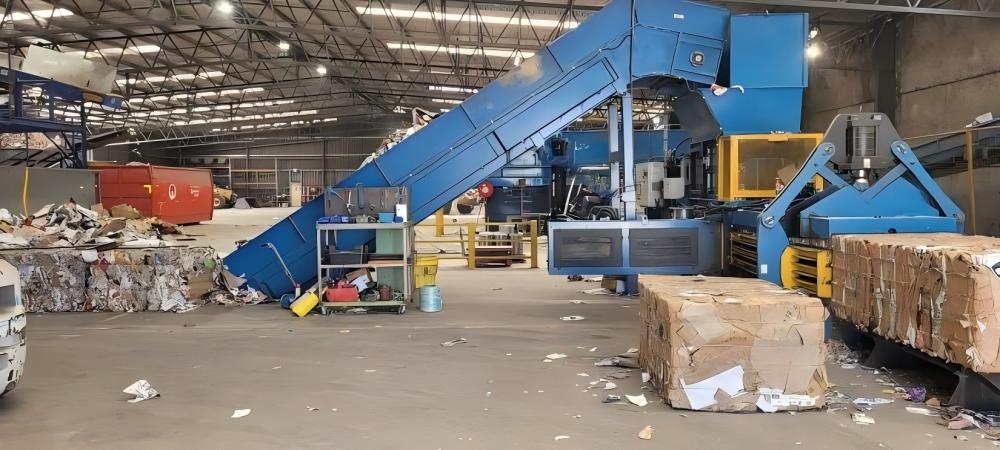
Before selecting a horizontal baler, facility managers must conduct a thorough audit of their waste stream. The volume, type, and consistency of the material dictate the required force, chamber size, and automation level of the machine. A common mistake is underestimating the growth potential of the facility; therefore, choosing a system with modular scalability is essential for long-term success.
Labor costs represent a significant portion of waste management expenses. Manual handling of loose scrap is not only inefficient but also poses safety risks to employees. A horizontal baler automates the feeding, compression, and ejection process, allowing staff to focus on core production tasks. By reducing the time spent on waste management by up to 70%, companies can reallocate human resources to more value-added activities, directly impacting the bottom line.
Logistics and transportation costs are often overlooked in waste management planning. Loose material requires more frequent pickups, leading to higher fuel surcharges and logistical headaches. By producing dense, stackable bales, you can maximize the payload of every truckload. This reduction in the number of required pickups is a primary driver of the fast payback periods observed in our case studies, as transportation savings often cover the monthly financing costs of the equipment.
Environmental compliance and corporate sustainability goals are increasingly important in the metal fabrication sector. Implementing a robust baling system demonstrates a commitment to circular economy principles. Many local governments and industry bodies offer tax incentives or grants for companies that demonstrate significant waste reduction and recycling efficiency. Aligning your equipment purchase with these sustainability objectives can further accelerate your ROI through government subsidies and improved brand reputation.
Technical Details of HARSLE Horizontal Balers
HARSLE horizontal balers are built upon a foundation of heavy-duty steel construction and precision-engineered hydraulic systems. The core of our technology lies in the high-pressure ram, which is designed to handle abrasive materials without compromising structural integrity. Our hydraulic power units are optimized for energy efficiency, utilizing variable-frequency drives (VFDs) to reduce power consumption during idle periods while maintaining peak force during the compression cycle.
The control interface of a HARSLE baler is designed for intuitive operation. Equipped with programmable logic controllers (PLCs), our machines allow operators to adjust compression cycles based on the specific material being processed. This flexibility is crucial for facilities that handle a mix of materials, such as light-gauge aluminum sheets and heavy steel scrap. The PLC system also provides real-time diagnostics, alerting maintenance teams to potential issues before they lead to costly downtime.
Safety is paramount in industrial environments. HARSLE balers are equipped with multiple safety interlocks, emergency stop buttons, and light curtains to ensure operator protection. The automated bale-tying system is another technical highlight, significantly reducing the time required to secure a finished bale. This system ensures consistent tension, resulting in stable, uniform bales that are ideal for automated loading and long-distance shipping.
Maintenance accessibility is a hallmark of HARSLE design. We understand that downtime is the enemy of profitability. Our machines feature easy-access panels for hydraulic fluid checks, filter replacements, and ram lubrication. By simplifying routine maintenance, we ensure that your baler remains operational for years, minimizing the total cost of ownership and maintaining high resale value should you choose to upgrade in the future.
Conseils de sélection : Choisir le bon équipement
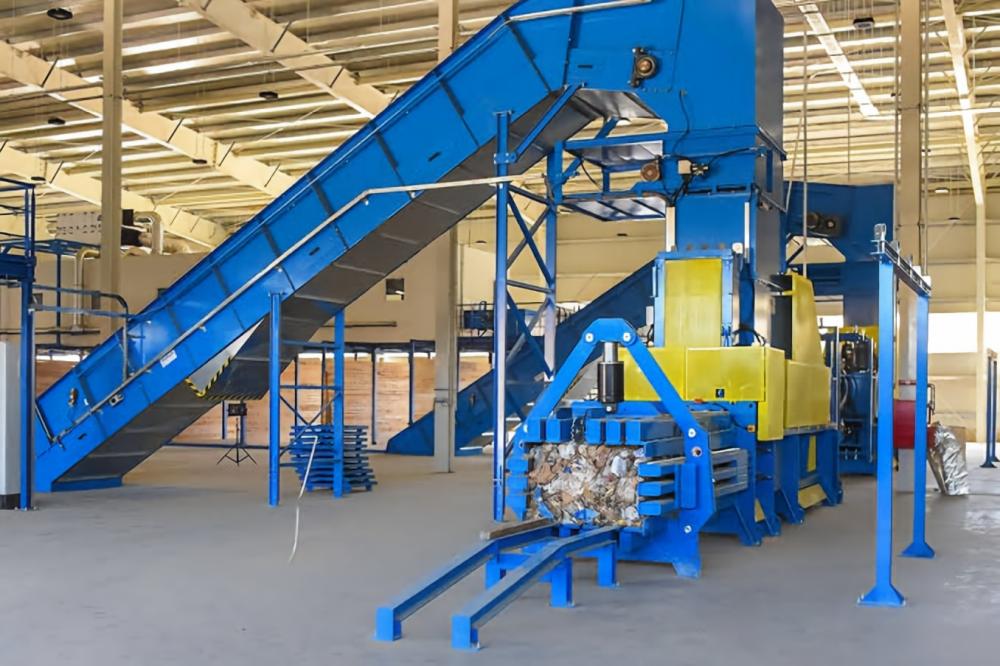
When selecting a horizontal baler, the first step is to define your throughput requirements. Are you processing waste continuously throughout the day, or is it a batch process? High-volume facilities require continuous-feed balers with conveyor systems, while smaller operations may benefit from semi-automatic models. Matching the machine capacity to your actual output prevents over-spending on unnecessary features while ensuring the machine can keep up with peak production times.
Consider the physical footprint of the equipment. In many metal fabrication shops, floor space is at a premium. HARSLE offers various configurations, including compact horizontal models that provide high compression force without requiring an extensive footprint. It is also important to consider the material loading method—whether it is via a conveyor, a forklift, or a pneumatic system—as this will influence the overall layout of your recycling area.
Material density is a critical factor in determining the required hydraulic pressure. For example, baling steel scrap requires significantly more force than baling cardboard. Our sales engineers work closely with clients to analyze their material samples, ensuring that the chosen baler provides the necessary PSI to create high-density, marketable bales. Investing in a machine that is slightly overpowered for your current needs is often a wise decision, as it provides a buffer for future production increases.
Finally, consider the support and service network of the manufacturer. A baler is a long-term investment, and having access to spare parts and technical support is vital. HARSLE provides comprehensive training for your operators and maintenance staff, ensuring that your team is fully equipped to handle daily operations and routine upkeep. Our commitment to after-sales support is a key reason why our clients achieve such rapid payback on their equipment investments.
Foire aux questions
How long does it typically take to see a return on investment with a HARSLE horizontal baler?
The payback period varies depending on the volume of waste and the current market price of the recycled material. However, many of our clients report a full return on investment within 12 to 24 months, driven by reduced labor costs, lower transportation fees, and increased revenue from high-density scrap sales.
What types of materials can be processed in a HARSLE horizontal baler?
Our balers are highly versatile and can process a wide range of materials, including corrugated cardboard, plastic film, aluminum cans, steel shavings, copper wire, and various non-ferrous metal offcuts. We recommend a material analysis to ensure the baler configuration is optimized for your specific waste stream.
How much maintenance does a horizontal baler require?
Routine maintenance is straightforward and includes checking hydraulic fluid levels, inspecting hoses for wear, and keeping the ram area clean. HARSLE provides a detailed maintenance schedule and training to ensure your machine operates at peak efficiency with minimal downtime.
Can the baler be integrated into an existing conveyor system?
Yes, HARSLE balers are designed for seamless integration. We offer various feed hopper designs and can coordinate with your existing conveyor systems to create a fully automated waste management line that requires minimal human intervention.
Conclusion
The transition to automated waste management is a transformative step for any metal fabrication facility. As demonstrated in this Horizontal Baler Case Study: Achieving Faster Payback In Industrial Recycling, the integration of HARSLE technology provides a clear path to improved operational efficiency and increased profitability. By reducing labor, optimizing logistics, and maximizing the value of your scrap, a horizontal baler pays for itself while simultaneously supporting your sustainability goals.
Choosing the right equipment is about more than just the purchase price; it is about selecting a partner who understands the complexities of industrial recycling. HARSLE remains dedicated to providing high-performance machinery, expert guidance, and reliable support to ensure your success. We invite you to contact our team for a personalized assessment of your facility’s waste management needs and to discover how our solutions can accelerate your path to a more profitable and sustainable future.
In an industry where every margin counts, the ability to turn waste into a revenue stream is a significant competitive advantage. Do not let your scrap material become a liability. Invest in the durability, efficiency, and precision of HARSLE horizontal balers and experience the difference that professional-grade equipment can make in your daily operations. Your journey toward faster payback and streamlined recycling starts with the right technology.