Hammer Shredder Motor Overheating: Troubleshooting Main Reasons


Introduction
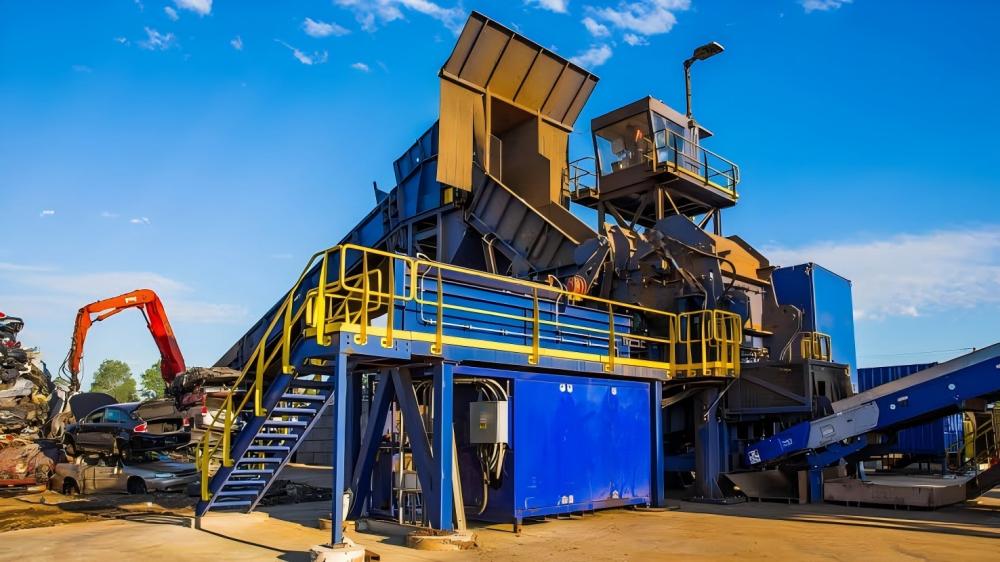
In the demanding world of metal fabrication and recycling, the hammer shredder stands as a cornerstone of efficiency. These robust machines are designed to reduce bulky scrap metal into manageable, high-density fragments. However, the sheer force required to pulverize metal puts immense strain on the drive system. When operators encounter a Hammer Shredder Motor Overheating: Troubleshooting Main Reasons becomes a critical priority to prevent catastrophic equipment failure and costly downtime.
At HARSLE, we understand that your production line relies on the consistent performance of your shredding machinery. An overheating motor is rarely a standalone issue; it is usually a symptom of underlying mechanical, electrical, or operational inefficiencies. By identifying the root cause early, facility managers can extend the lifespan of their equipment and ensure a safer working environment for their teams.
This guide provides an in-depth look at why your hammer shredder motor might be running hot and how to systematically address these challenges. From power supply fluctuations to internal mechanical resistance, we cover the technical aspects that every maintenance engineer should know to keep their metal fabrication equipment operating at peak capacity.
Key Considerations for Motor Health
The motor is the heart of your hammer shredder. When it begins to overheat, the insulation within the windings starts to degrade, leading to potential short circuits and permanent damage. The first step in any troubleshooting process is to monitor the operating temperature and compare it against the manufacturer’s specifications. If the motor casing is too hot to touch, you are likely already operating outside of safe parameters.
Environmental factors play a significant role in motor temperature. If your shredder is located in a poorly ventilated area or an environment with high ambient temperatures, the motor will struggle to dissipate heat effectively. Dust accumulation on the motor housing acts as an insulator, trapping heat inside. Regular cleaning of the cooling fins and ensuring adequate airflow around the motor are simple yet effective preventive measures.
Operational load is another critical factor. Hammer shredders are designed for specific throughput capacities. When operators attempt to feed material faster than the machine can process, or when they introduce materials that exceed the hardness or size specifications of the shredder, the motor is forced to draw excessive current. This increased current draw leads to rapid heat buildup, which can trigger thermal protection relays or, in worse cases, lead to motor burnout.
Finally, consider the age and maintenance history of the motor. Bearings that have lost their lubrication or have become worn will create significant mechanical resistance. This resistance forces the motor to work harder to maintain the required RPM, directly contributing to overheating. A proactive maintenance schedule that includes regular lubrication and vibration analysis can identify these issues before they manifest as thermal problems.
Technical Details: Diagnosing the Root Cause
When troubleshooting a Hammer Shredder Motor Overheating: Troubleshooting Main Reasons, you must look at both electrical and mechanical variables. Start by checking the power supply. Voltage imbalances between phases can cause a three-phase motor to draw uneven current, leading to localized heating in the windings. Use a multimeter to verify that the voltage is within the tolerance specified on the motor nameplate.
Next, inspect the drive system. Hammer shredders often utilize belt drives or direct couplings. If the belts are misaligned or tensioned incorrectly, they can place an axial or radial load on the motor shaft that it was not designed to handle. Similarly, a direct coupling that is out of alignment will cause vibration and friction, both of which generate heat that is transferred directly into the motor housing.
The shredding chamber itself is a frequent culprit. If the hammers are worn, dull, or improperly balanced, the shredder will experience uneven loading. This imbalance causes the motor to fluctuate in power demand as it struggles to maintain momentum. Furthermore, if the screen or grate at the bottom of the shredder is clogged, the material will remain in the chamber longer than necessary, forcing the hammers to work harder and increasing the torque demand on the motor.
Electrical connections should also be scrutinized. Loose terminals or corroded contactors can cause high resistance, which leads to voltage drops and increased current draw. Over time, these connections can heat up, and this heat can conduct back into the motor terminal box. Ensure all electrical connections are tight and free of oxidation as part of your routine inspection.
Advanced Troubleshooting: Beyond the Basics
When standard checks fail to resolve the issue, it is time to dive deeper into the motor’s internal health. One often overlooked area is the motor’s cooling fan. If the fan blades are damaged or if the fan shroud is obstructed, the motor loses its ability to shed heat, even under normal loads. Inspect the fan assembly for debris buildup, which is common in metal fabrication shops where metallic dust is prevalent.
Another technical aspect is the harmonic distortion in the power supply. If your facility uses many VFDs or other non-linear loads, harmonic currents can cause additional heating in the motor windings without necessarily increasing the torque output. Installing line reactors or harmonic filters can mitigate this issue, protecting the motor from unnecessary thermal stress.
Furthermore, consider the lubrication of the motor bearings. Over-greasing is just as detrimental as under-greasing. Excess grease can cause the bearings to churn, creating internal friction that generates heat. Always follow the manufacturer’s recommended grease type and quantity, and ensure that the grease relief ports are clear to allow old grease to exit the housing.
Selection Advice for Heavy-Duty Shredders
Choosing the right hammer shredder for your specific application is the best way to prevent motor overheating before it starts. When selecting equipment, always account for the peak load rather than the average load. If your facility processes high-density scrap, ensure the motor is oversized to handle the torque spikes associated with shredding thick metal pieces.
Look for motors with high service factors. A motor with a service factor of 1.15 or higher can handle temporary overloads without overheating, providing a buffer during challenging shredding cycles. Additionally, consider the cooling method of the motor. Totally Enclosed Fan Cooled (TEFC) motors are standard in industrial environments, but if you are operating in an extremely dusty environment, you may need a motor with a higher IP rating or an external forced-air cooling system.
Integration with a Variable Frequency Drive (VFD) can also be a game-changer. A VFD allows you to control the motor speed and torque more precisely, preventing the motor from drawing excessive current during startup or when encountering particularly tough material. By ramping up the speed gradually, you reduce the thermal stress on the motor windings.
Finally, prioritize equipment from reputable manufacturers like HARSLE that provide comprehensive documentation and support. A machine that is well-engineered will have optimized airflow paths and robust motor protection systems built-in. When purchasing, ask about the thermal protection features, such as thermistors or RTDs embedded in the motor windings, which can provide early warning signals to the control system before overheating occurs.
Preventive Maintenance Checklist
To ensure your shredder remains reliable, implement a rigorous maintenance schedule. Weekly, check for unusual vibrations or noise. Monthly, inspect the motor cooling fins and clean them with compressed air. Quarterly, perform a thermographic scan of the motor and electrical cabinet to identify “hot spots” before they lead to failure. Annually, have a professional technician test the motor insulation resistance (Megger test) to ensure the windings are in good condition.
FAQ: Hammer Shredder Motor Overheating
- Q: How hot is too hot for a shredder motor?
A: Most industrial motors are designed to operate with a temperature rise of 60°C to 80°C above ambient. If the motor casing exceeds 90°C, it is generally considered to be overheating and requires immediate investigation. - Q: Can a dull hammer cause the motor to overheat?
A: Yes. Dull hammers require more force to cut material, which increases the torque demand on the motor. This leads to higher current draw and subsequent overheating. - Q: How often should I check my motor connections?
A: We recommend checking electrical connections for tightness and signs of heat damage every 500 operating hours or during your quarterly maintenance cycle. - Q: Does the material type affect motor temperature?
A: Absolutely. Shredding high-tensile steel or thicker gauge materials will naturally draw more power than shredding aluminum or thin-gauge sheet metal. Adjust your feed rate accordingly. - Q: What is the first thing I should do if the motor trips on thermal overload?
A: Stop the machine, allow it to cool down completely, and inspect the shredding chamber for blockages or jammed material before attempting a restart. - Q: Can ambient humidity affect motor cooling?
A: While humidity itself isn’t the primary cause, high humidity combined with metallic dust can create a conductive paste that clogs cooling fins and potentially causes electrical tracking, leading to overheating.
Conclusion
Addressing a Hammer Shredder Motor Overheating: Troubleshooting Main Reasons is a vital skill for any maintenance team in the metal fabrication industry. By understanding the interplay between electrical load, mechanical resistance, and environmental factors, you can transform your approach from reactive repairs to proactive optimization. Remember that the motor is the engine of your productivity; treating it with the care it deserves will pay dividends in machine longevity and operational efficiency.
At HARSLE, we are committed to providing not just high-quality metal fabrication equipment, but also the knowledge required to maintain it. If you find that your shredder continues to experience thermal issues despite your best efforts, do not hesitate to consult with our technical support team. Regular maintenance, proper material handling, and informed equipment selection are the keys to a smooth, overheating-free production process. By investing time in understanding your equipment’s thermal limits, you secure your facility’s output and protect your capital investment for years to come.