What Causes Hammer Shredder Material Jams and How to Clear Them Safely


Introduction to Hammer Shredder Efficiency
In the demanding world of metal fabrication and recycling, the hammer shredder stands as a cornerstone of productivity. These robust machines are designed to reduce large, bulky metal components into manageable, high-density scrap. However, even the most advanced HARSLE hammer shredders can encounter operational hurdles. Understanding what causes hammer shredder material jams and how to clear them safely is essential for any facility manager or machine operator looking to maximize uptime and ensure workplace safety.
A material jam is more than just a temporary stoppage; it is a significant disruption that can lead to mechanical stress, motor burnout, and potential safety hazards if handled incorrectly. By identifying the root causes of these blockages, operators can implement preventative maintenance strategies that extend the lifespan of their equipment. This guide provides a comprehensive look at the technical aspects of shredder operation, safety protocols, and best practices for clearing obstructions.
Safety is the paramount concern when dealing with industrial shredding equipment. Because these machines utilize high-speed rotating hammers to impact and pulverize material, the energy stored within the system is immense. Attempting to clear a jam without following proper lockout/tagout (LOTO) procedures is a leading cause of workplace injuries. This article aims to educate operators on the delicate balance between efficient production and rigorous safety standards.
As we delve into the mechanics of these machines, we will explore how material characteristics, feed rates, and mechanical wear contribute to the frequency of jams. Whether you are operating a mobile unit or a stationary industrial shredder, the principles of jam prevention remain consistent. Let us examine the technical landscape of hammer shredder operation and how to maintain peak performance.
Key Considerations: What Causes Hammer Shredder Material Jams
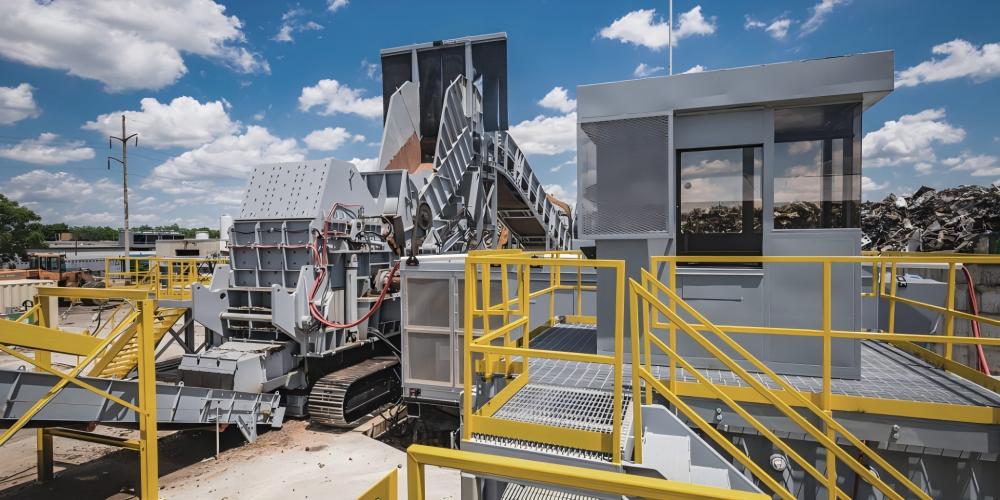
The primary causes of hammer shredder material jams often stem from a mismatch between the material being fed and the machine’s capacity. One of the most common culprits is the introduction of non-shreddable materials, often referred to as “tramp metal.” When items like thick steel plates, hardened alloy shafts, or large concrete chunks enter the shredding chamber, the hammers may fail to break them down, leading to an immediate stall or a gradual buildup that chokes the discharge grate.
Another significant factor is the moisture content and physical state of the scrap. Wet, sticky, or oily materials can create a cohesive mass that adheres to the inner walls of the shredder housing or clogs the discharge screen. This buildup reduces the effective volume of the shredding chamber, preventing the hammers from swinging freely and eventually causing the motor to trip due to excessive torque requirements.
Improper feed rates also play a critical role in jam frequency. If the infeed conveyor delivers material faster than the shredder can process it, the chamber becomes overfilled. This “choke-feeding” scenario prevents the material from being properly impacted by the hammers, leading to a packed chamber where the hammers are forced to drag through the material rather than striking it. This not only causes jams but also accelerates the wear on the hammer tips and the rotor assembly.
Finally, mechanical wear is a silent contributor to operational issues. As hammer tips wear down, the gap between the hammer and the anvil or the discharge grate increases. This larger gap allows larger pieces of material to pass through or get wedged in the discharge zone. Regular inspection of the wear components is vital to ensure that the shredder maintains its intended geometry and processing efficiency.
Technical Details: The Mechanics of Clearing Jams Safely
When a jam occurs, the first and most critical step is to initiate a complete emergency stop. Never attempt to clear a jam while the rotor is still spinning or while the machine has power. The kinetic energy stored in a heavy-duty rotor can continue to rotate for several minutes after the power is cut. Always wait for a full stop and verify that the machine is isolated from its power source using a documented Lockout/Tagout (LOTO) procedure.
Once the machine is safely powered down, the next step is to assess the nature of the obstruction. Use inspection ports to visually identify the location of the jam. If the blockage is near the infeed, it may be possible to use a mechanical hoist or a specialized extraction tool to pull the material back out. Never reach into the shredding chamber with your hands, even if you believe the machine is isolated. Use long-handled tools designed for this specific purpose to maintain a safe distance from the hammers.
In cases where the jam is deep within the chamber or involves a large piece of tramp metal, you may need to open the shredder housing. This process should only be performed by trained maintenance personnel. Ensure that the housing is properly supported and that any hydraulic opening systems are locked in place. Once the chamber is accessible, use cutting torches or plasma cutters to section the jammed material if it is too large to remove in one piece. Always ensure that the area is free of flammable debris before using heat-based tools.
After the obstruction has been removed, conduct a thorough inspection of the internal components. Check the hammers for signs of damage, ensure the rotor is free of debris, and verify that the discharge grates are not bent or cracked. Clearing a jam is not just about removing the blockage; it is about ensuring that the machine is in a safe state to resume operation. Once the inspection is complete, clear all tools from the area, close the housing, and perform a test run under no-load conditions before resuming production.
Selection Advice: Choosing the Right Shredder for Your Application
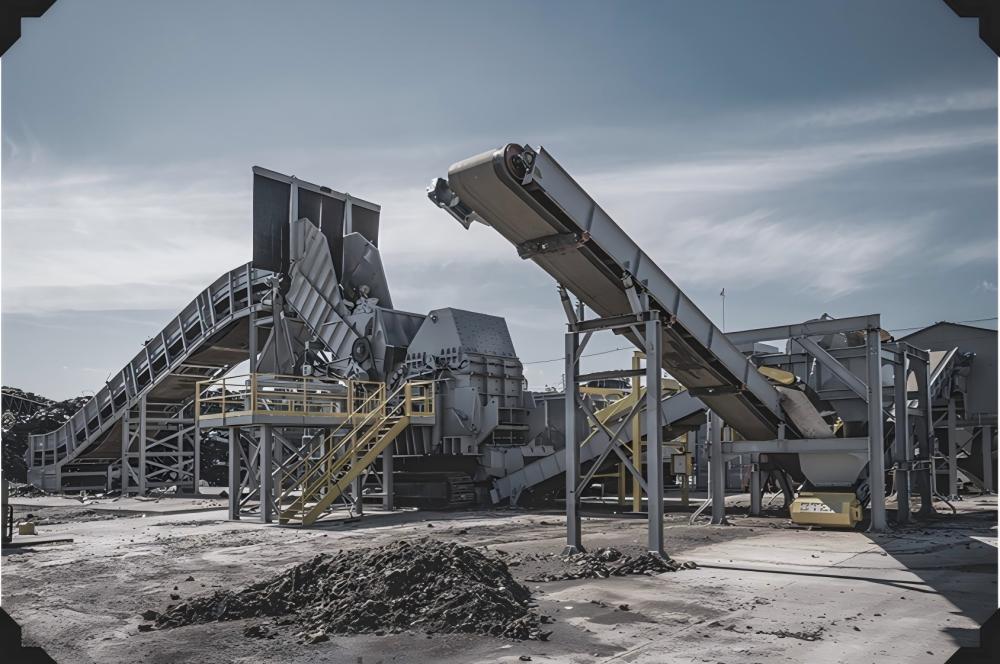
Selecting the right hammer shredder is the most effective way to prevent future jams. When evaluating equipment, consider the specific material stream you intend to process. If your facility handles mixed light-gauge scrap, a high-speed, lighter-duty shredder may suffice. However, if you are processing heavy automotive scrap or thick industrial steel, you require a high-torque, low-speed or heavy-duty hammer shredder designed to handle high-impact loads without stalling.
Consider the discharge grate design as well. Different grate patterns and hole sizes are available to control the output size of the shredded material. A grate that is too fine for the material being processed will inevitably lead to frequent jams. Work with your HARSLE representative to select a grate configuration that balances your desired output size with the throughput capacity of the machine.
The integration of an intelligent feed control system is highly recommended. Modern shredders can be equipped with sensors that monitor the motor load in real-time. If the load exceeds a pre-set threshold, the system can automatically slow down or reverse the infeed conveyor to prevent a jam before it happens. This level of automation significantly reduces the need for manual intervention and protects the motor from thermal damage.
Finally, look for machines that offer easy access for maintenance. Features such as hydraulic housing openers, quick-change hammer systems, and accessible inspection ports make the process of clearing jams and performing routine maintenance much faster and safer. A machine that is easy to maintain is a machine that will be maintained, leading to higher overall equipment effectiveness (OEE) and a safer working environment for your team.
FAQ: Common Questions About Hammer Shredder Jams
- Q: How often should I inspect the hammers for wear?
A: Inspection frequency depends on the volume and type of material processed. For high-volume facilities, a daily visual check is recommended, with a more detailed measurement of hammer tip wear performed weekly. - Q: Can I use a pry bar to clear a jam while the machine is off?
A: Yes, but only after the machine is fully locked out and tagged out. Ensure you have a stable footing and are not in a position where the material could shift suddenly when released. - Q: What is the most common cause of motor tripping?
A: The most common cause is overloading the chamber, which forces the motor to draw excessive current. This is often caused by inconsistent feed rates or material that is too dense for the current shredder settings. - Q: Are there specific materials that should never be put in a hammer shredder?
A: Yes. Explosive materials, sealed containers (which can cause pressure explosions), radioactive materials, and extremely hard alloys that exceed the machine’s design specifications should be strictly excluded. - Q: How does moisture affect shredder performance?
A: Moisture can cause material to clump and stick to the internal surfaces, leading to reduced throughput and increased risk of clogging the discharge grates.
Conclusion: Maintaining Operational Excellence
Understanding what causes hammer shredder material jams and how to clear them safely is a critical skill for any metal fabrication professional. By focusing on proper feed management, regular maintenance, and the use of appropriate safety protocols, you can significantly reduce the frequency of downtime and ensure that your HARSLE equipment operates at peak efficiency. Remember that the goal is not just to clear a jam, but to prevent it from occurring in the first place through proactive management.
Investing in the right machinery and training your staff on the nuances of shredder operation will pay dividends in the form of increased production, lower maintenance costs, and, most importantly, a safer workplace. As you continue to refine your processes, keep these guidelines in mind and do not hesitate to reach out to technical support for specific advice tailored to your unique operational needs. With the right approach, your hammer shredder will remain a reliable and productive asset for years to come.
In the competitive landscape of metal recycling and fabrication, the difference between a profitable operation and one plagued by delays often comes down to equipment reliability. By mastering the maintenance and safety aspects of your hammer shredder, you position your facility for long-term success. Stay vigilant, prioritize safety, and keep your machinery running smoothly to meet the demands of your customers and the challenges of the industry.