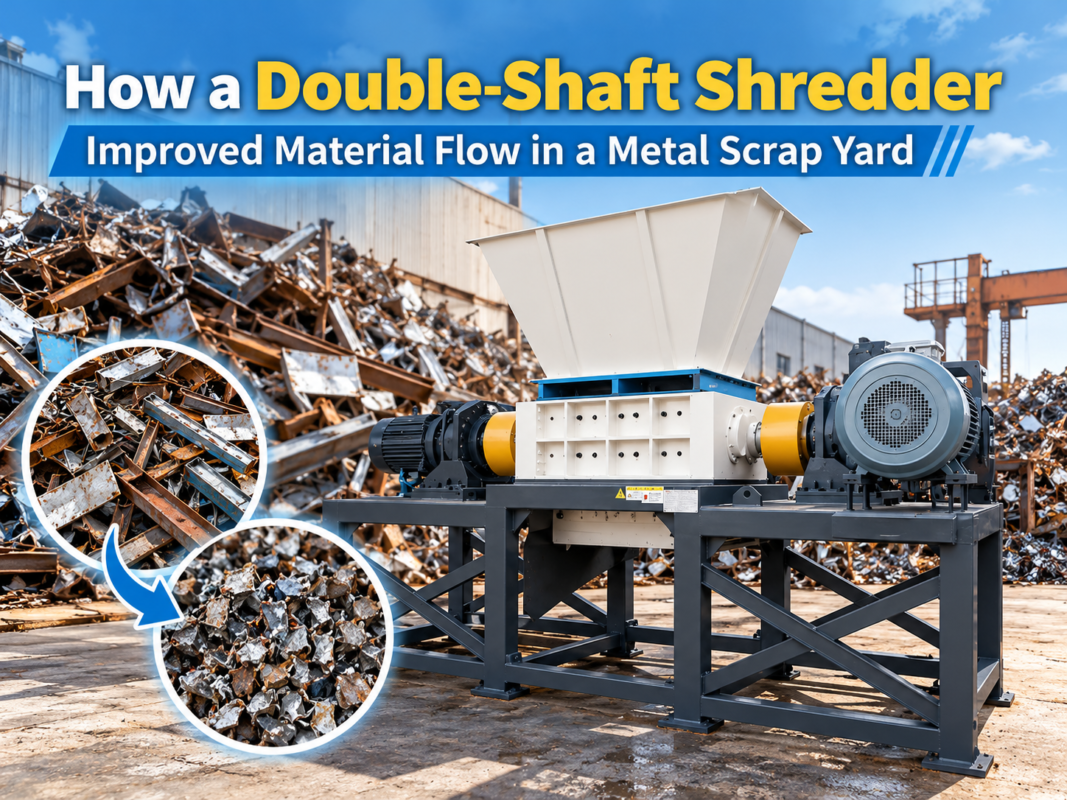
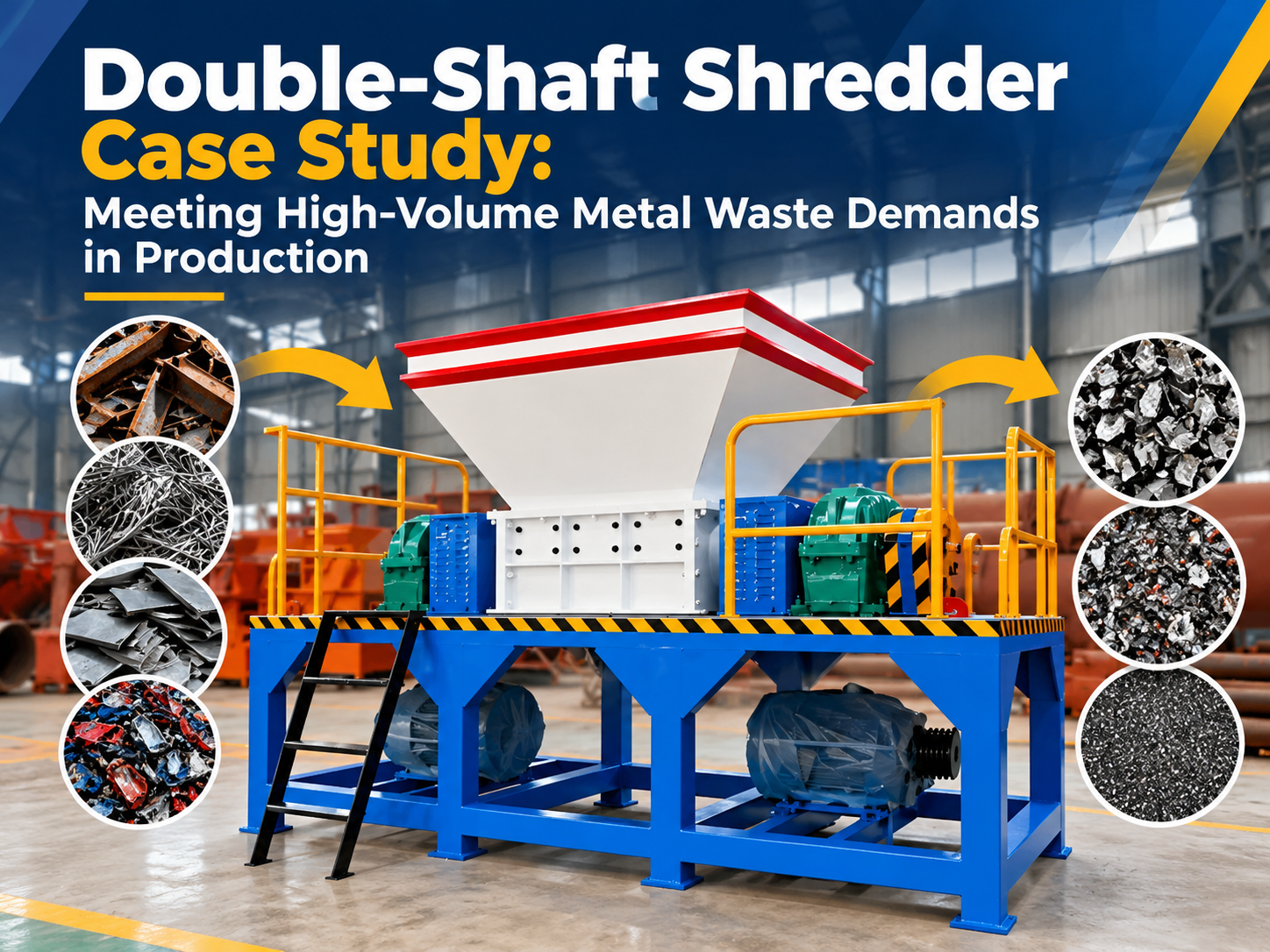
Double-Shaft Shredder Case Study: Meeting High-Volume Metal Waste Demands in Production

Introduction
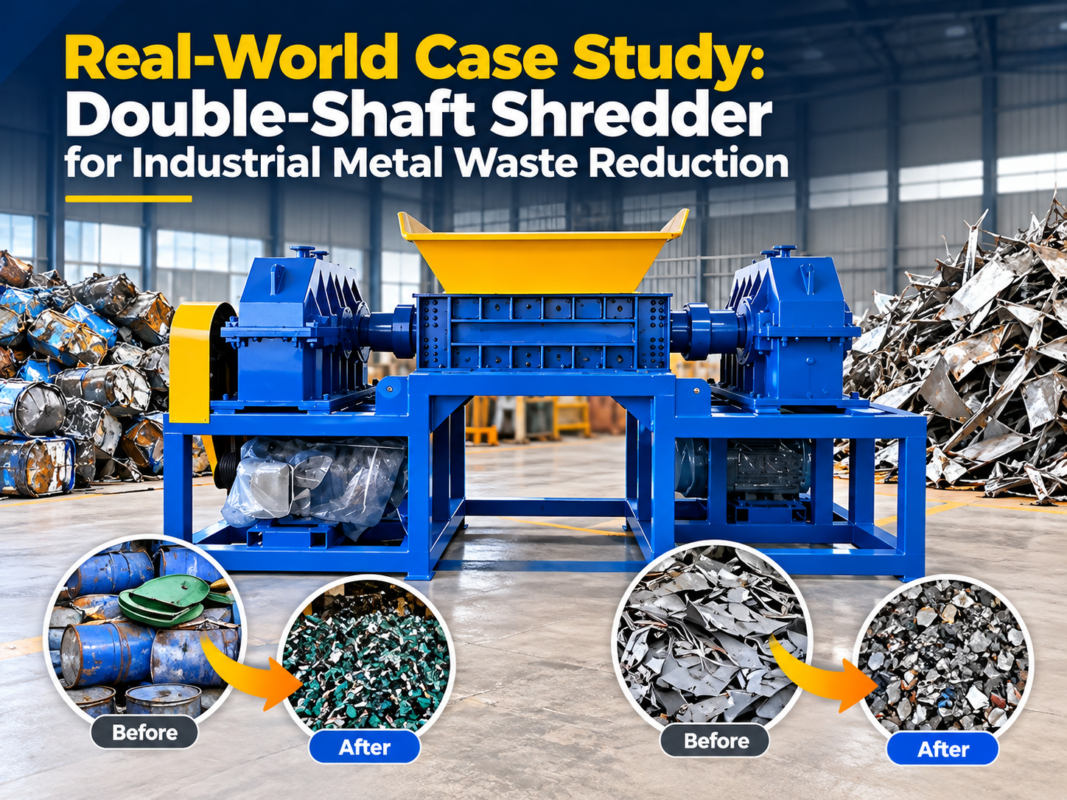
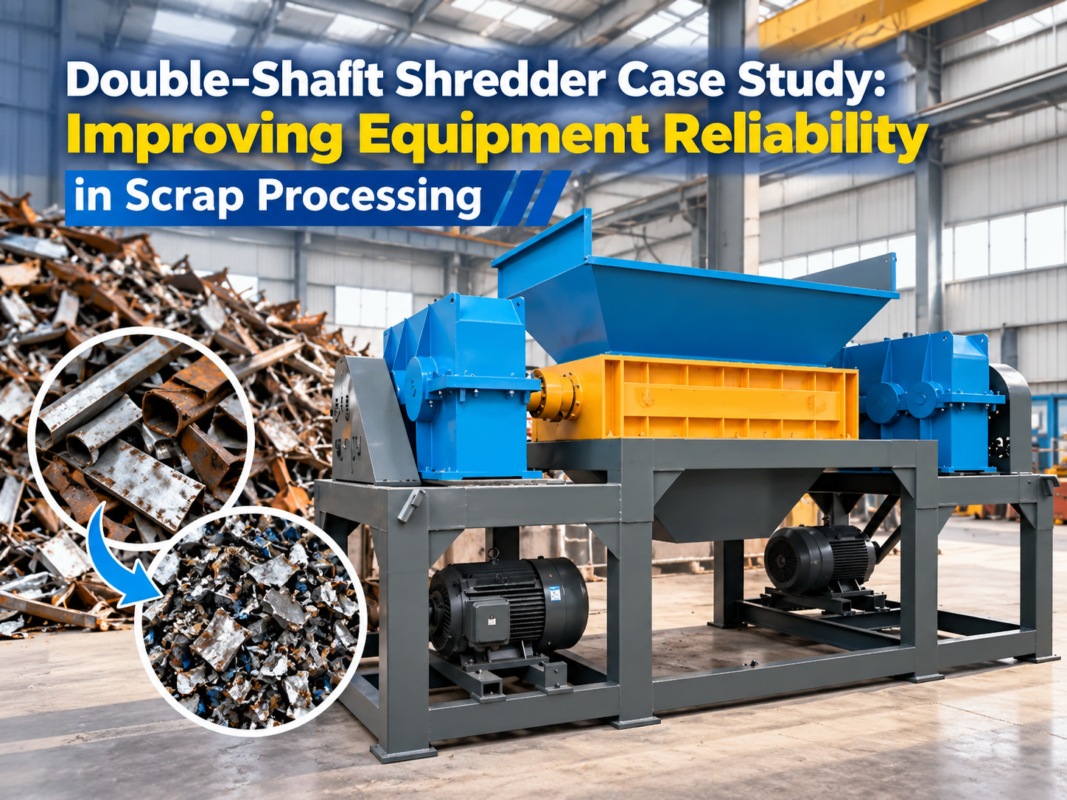
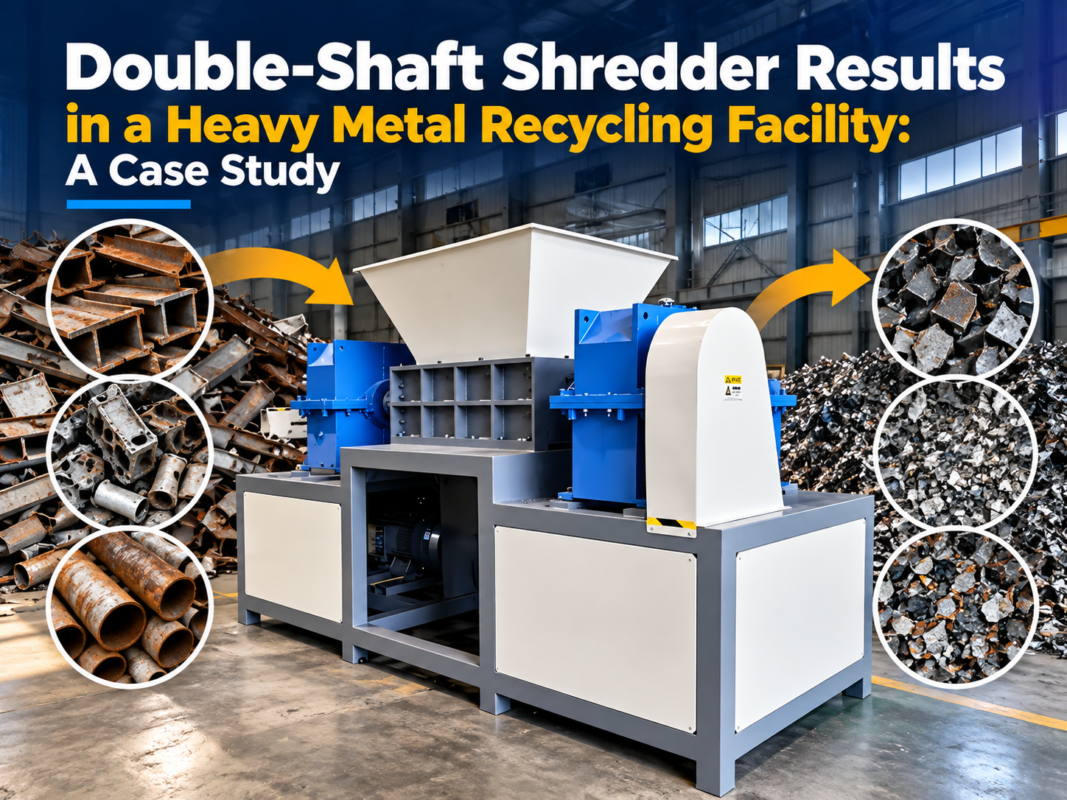
In the modern landscape of metal fabrication, the management of scrap material is no longer just a logistical afterthought—it is a critical component of operational efficiency and profitability. As production volumes scale, facilities often find themselves overwhelmed by bulky, irregular metal waste that consumes valuable floor space and complicates recycling logistics. This is where the implementation of advanced shredding technology becomes essential. Our Double-Shaft Shredder Case Study: Meeting High-Volume Metal Waste Demands in Production highlights how HARSLE engineering addresses these challenges head-on.
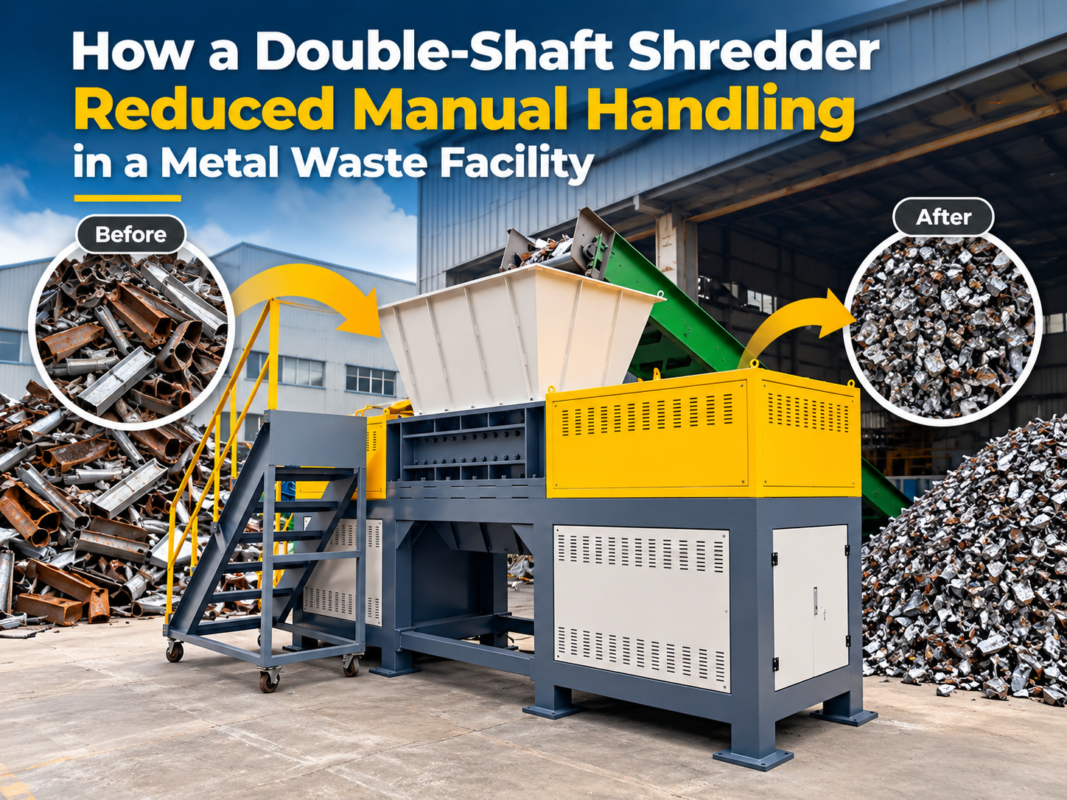
High-volume production environments require machinery that is not only robust but also intelligent in its design. The transition from manual scrap handling to automated shredding systems allows manufacturers to convert hazardous, sharp metal offcuts into manageable, high-density chips. This process significantly reduces transportation costs, increases the value of scrap metal for recycling centers, and improves overall workplace safety by eliminating the accumulation of jagged waste.
This article explores the technical nuances, operational benefits, and strategic considerations involved in integrating a double-shaft shredder into a high-output fabrication facility. By examining real-world application scenarios, we provide a blueprint for manufacturers looking to optimize their waste streams and align their operations with sustainable, lean manufacturing principles.
HARSLE has spent decades refining the mechanics of industrial shredding. Our commitment to durability and high-torque performance ensures that even the most stubborn alloys and thick-gauge sheets are processed with precision. Through this guide, we aim to provide a comprehensive look at how the right equipment selection can transform a production facility’s approach to metal waste management.
Key Considerations for High-Volume Metal Shredding
When evaluating the need for a double-shaft shredder, the first consideration must be the nature of the waste stream. Not all metal scrap is created equal; thin-gauge aluminum offcuts behave differently than heavy-duty steel structural remnants. Understanding the material composition, thickness, and volume is the foundation of any successful shredding strategy. A high-volume facility must account for peak throughput periods, ensuring that the shredder can handle surges without causing bottlenecks in the production line.
Space optimization is another critical factor. In many fabrication shops, floor space is at a premium. Integrating a shredder requires a thoughtful layout that facilitates the flow of scrap from the cutting or punching station directly into the shredder hopper. By minimizing the distance scrap travels, companies can reduce labor costs and the risk of workplace accidents associated with manual material handling.
Safety and environmental compliance are non-negotiable in modern manufacturing. Metal waste, if left unmanaged, poses significant risks to personnel. Furthermore, many regions now enforce strict regulations regarding the storage and disposal of industrial waste. A high-performance shredder not only mitigates these risks by containing the waste but also supports corporate sustainability goals by facilitating easier recycling and material recovery, which is increasingly demanded by supply chain partners and regulatory bodies.
Finally, the total cost of ownership (TCO) must be analyzed. While the initial investment in a high-capacity shredder is significant, the long-term savings are substantial. These include reduced labor hours, lower waste disposal fees, and the potential for higher revenue from selling shredded, high-density scrap. A reliable shredder minimizes downtime, ensuring that the production line remains fluid and that the facility operates at peak efficiency throughout the fiscal year.
Technical Details of HARSLE Shredding Systems
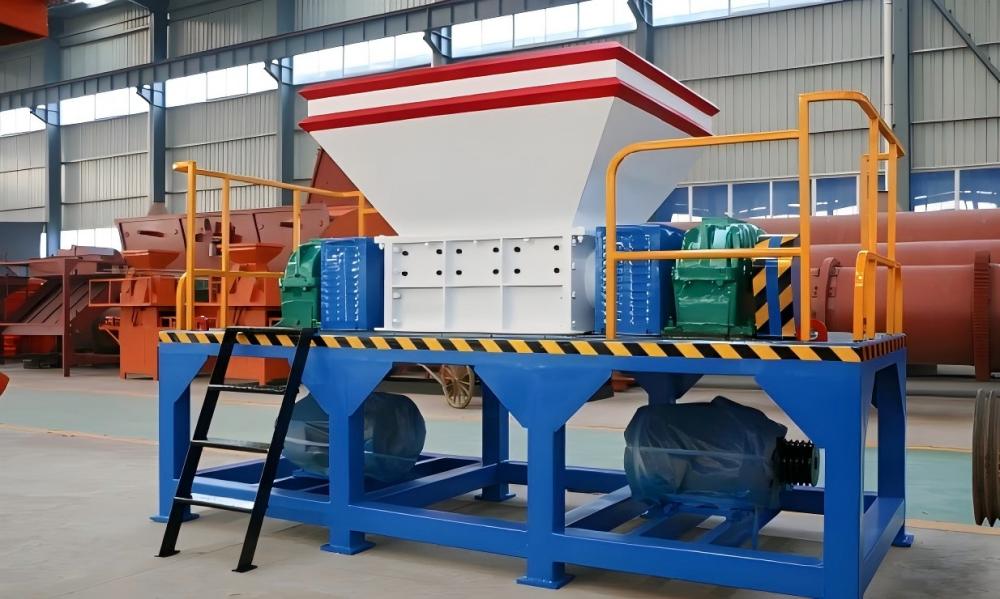
The core of the HARSLE double-shaft shredder lies in its high-torque, low-speed design. Unlike high-speed granulators that rely on impact, our double-shaft systems utilize a shearing action. This is achieved through two counter-rotating shafts equipped with hardened alloy steel blades. This design is specifically engineered to handle high-volume metal waste by providing the immense force required to tear through thick steel plates, pipes, and complex metal profiles without stalling the motor.
The cutting chamber is the heart of the machine. HARSLE utilizes specialized blade geometries that are optimized for different types of metal. For instance, blades designed for aluminum will have a different tooth profile than those intended for hardened steel. This modularity allows our clients to customize their shredders to match their specific production output. The blades are also designed for easy maintenance; they can be sharpened or replaced individually, which significantly extends the lifespan of the entire cutting assembly.
Advanced PLC control systems are integrated into every HARSLE shredder. These controllers monitor the load on the motors in real-time. If the shredder encounters an oversized or particularly dense piece of material, the system automatically triggers an auto-reverse function. This prevents mechanical jams, protects the motor from overheating, and ensures continuous operation without the need for manual intervention. This level of automation is essential for high-volume environments where downtime is costly.
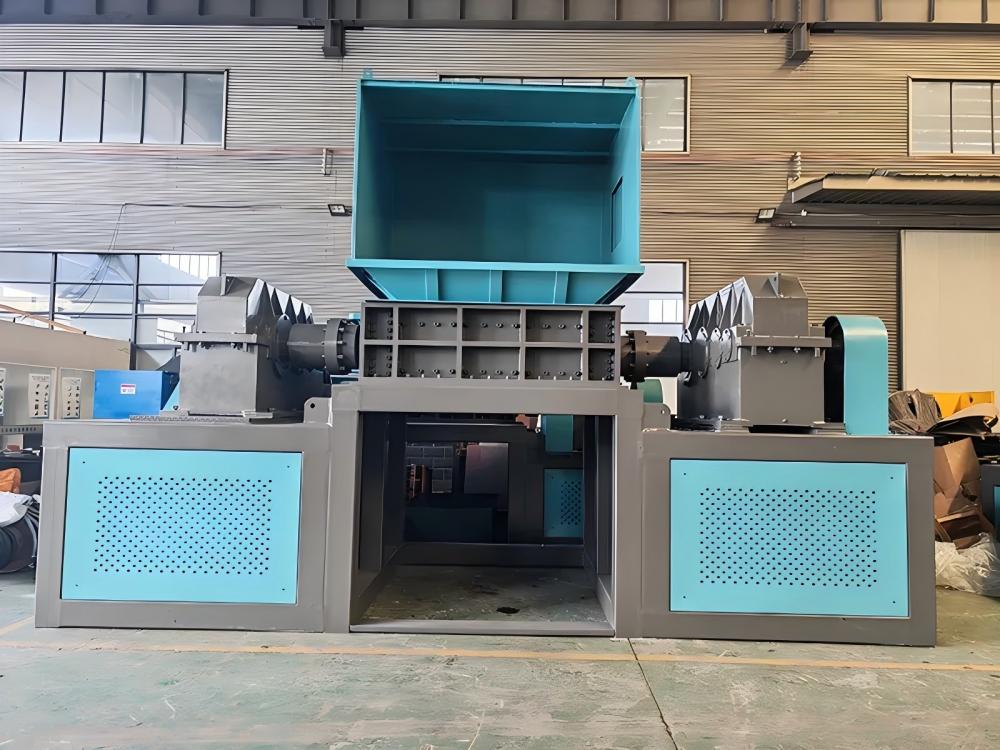
The drive system is another area of technical excellence. We employ heavy-duty gearboxes that translate the motor’s power into the high-torque shearing force necessary for metal processing. These gearboxes are lubricated and sealed to withstand the harsh conditions of a metal fabrication shop, including dust, vibration, and temperature fluctuations. By prioritizing robust mechanical components, HARSLE ensures that our shredders maintain their performance integrity over thousands of operating hours.
Selection Advice: Choosing the Right Shredder
Selecting the right double-shaft shredder requires a systematic approach. Start by conducting a thorough audit of your current waste output. Measure the volume of scrap generated per shift and categorize it by material type and size. This data will dictate the required motor power, hopper size, and blade configuration. A common mistake is undersizing the machine, which leads to frequent jams and premature wear; it is always better to have a slight capacity buffer to accommodate future production growth.
Consider the discharge method. Depending on your facility’s layout, you may need a conveyor belt system to move shredded material directly into a bin or a baler. Integrating the shredder with a downstream baler is a highly effective strategy for high-volume facilities, as it creates dense, uniform bales that are highly sought after by metal recyclers. This combination maximizes the value of your scrap and streamlines the entire waste management process.
Maintenance accessibility is a crucial selection criterion. Look for machines that offer easy access to the cutting chamber and electrical components. HARSLE designs its shredders with maintenance-friendly features, such as hinged access panels and modular blade assemblies, to ensure that routine inspections and repairs can be performed quickly. A machine that is difficult to maintain will inevitably be neglected, leading to reduced performance and shorter service life.
Finally, partner with a manufacturer that provides comprehensive support. Beyond the initial sale, you need a partner who offers technical training for your operators, readily available spare parts, and responsive customer service. HARSLE prides itself on being a long-term partner for our clients, providing the expertise and support necessary to ensure that your shredding solution continues to meet your production demands for years to come.
Foire aux questions (FAQ)
What is the primary advantage of a double-shaft shredder over a single-shaft model?
Double-shaft shredders provide superior torque and are better suited for heavy-duty metal applications. The counter-rotating shafts create a shearing action that is more effective at processing bulky, irregular metal waste compared to the impact-based cutting of single-shaft machines.
How often do the blades need to be sharpened?
The frequency of blade maintenance depends on the volume and hardness of the material being processed. In a high-volume facility, we recommend a quarterly inspection. HARSLE blades are made from high-grade alloy steel to maximize the time between sharpening cycles.
Can a double-shaft shredder handle mixed metal waste?
Yes, HARSLE shredders are designed to handle a variety of metals, including steel, aluminum, and copper. However, it is important to avoid non-metallic contaminants like large concrete chunks or heavy rubber, which can damage the blades.
How does the auto-reverse feature work?
The PLC controller monitors the motor current. If the current spikes due to a jam, the controller automatically reverses the rotation of the shafts for a few seconds to clear the obstruction before resuming normal operation.
Is it possible to integrate the shredder into an existing conveyor system?
Absolutely. HARSLE shredders are designed for modular integration. We work with your facility engineers to ensure the hopper and discharge chutes align perfectly with your existing material handling infrastructure.
Conclusion
The implementation of a double-shaft shredder is a transformative step for any high-volume metal fabrication facility. As demonstrated in our Double-Shaft Shredder Case Study: Meeting High-Volume Metal Waste Demands in Production, the right equipment does more than just manage waste—it optimizes the entire production workflow. By reducing the physical footprint of scrap, improving safety, and increasing the market value of recovered materials, HARSLE shredders provide a clear return on investment.
Choosing the right machinery involves a careful balance of technical capability, operational needs, and long-term support. HARSLE remains dedicated to providing the industrial machinery necessary to meet these challenges, ensuring that our clients stay ahead in an increasingly competitive market. Whether you are looking to streamline your current waste management or scale up your production capacity, our team is ready to provide the expertise and equipment to help you succeed.
Investing in high-quality shredding technology is an investment in the future of your facility. By prioritizing efficiency and sustainability today, you position your business for long-term growth and operational excellence. Contact HARSLE today to learn more about how our double-shaft shredders can be tailored to meet your specific production demands and help you achieve your manufacturing goals.