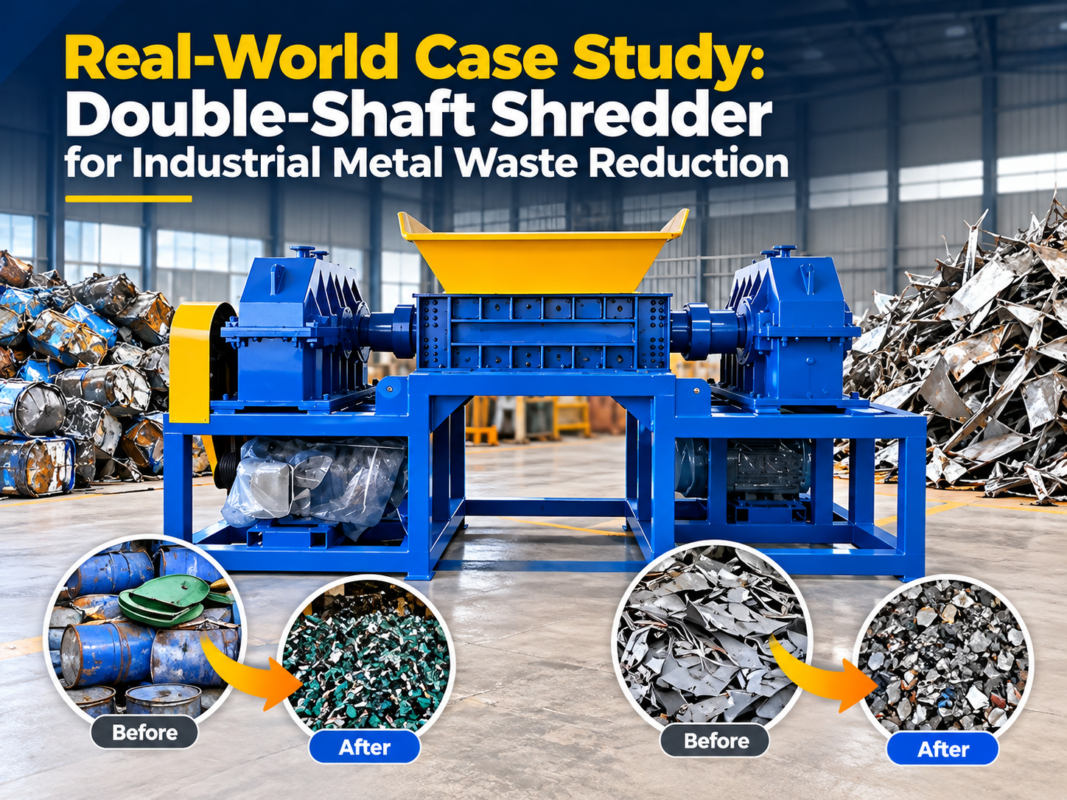
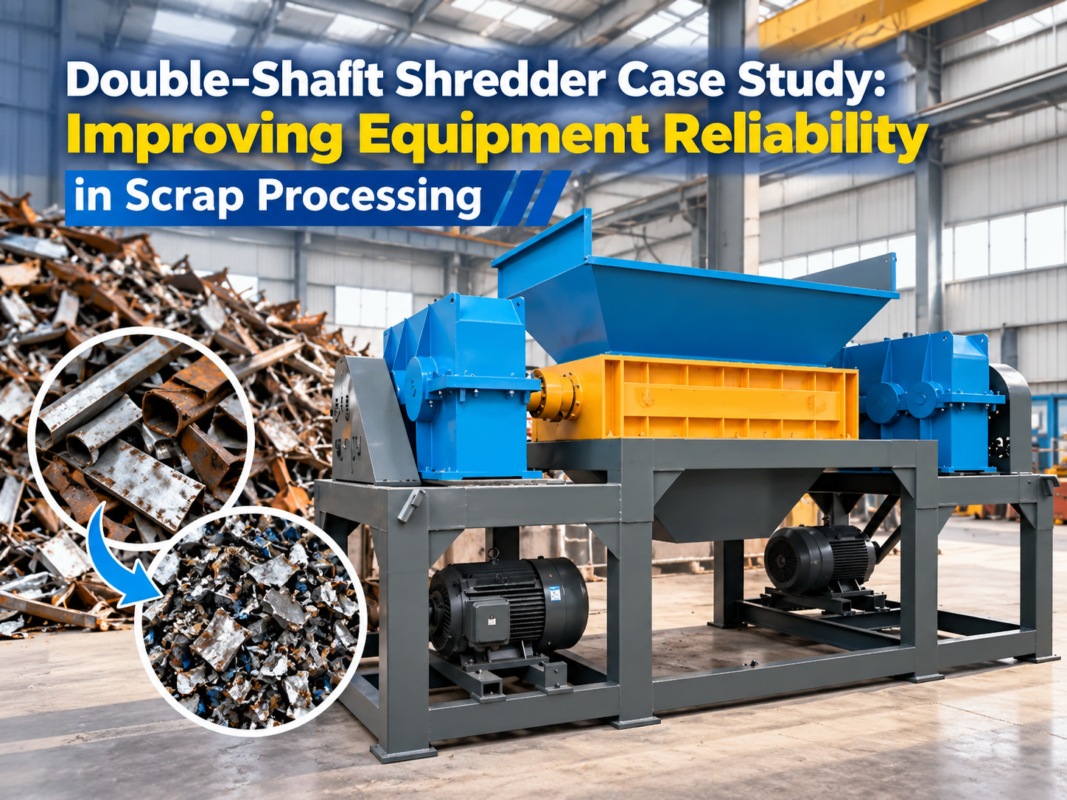
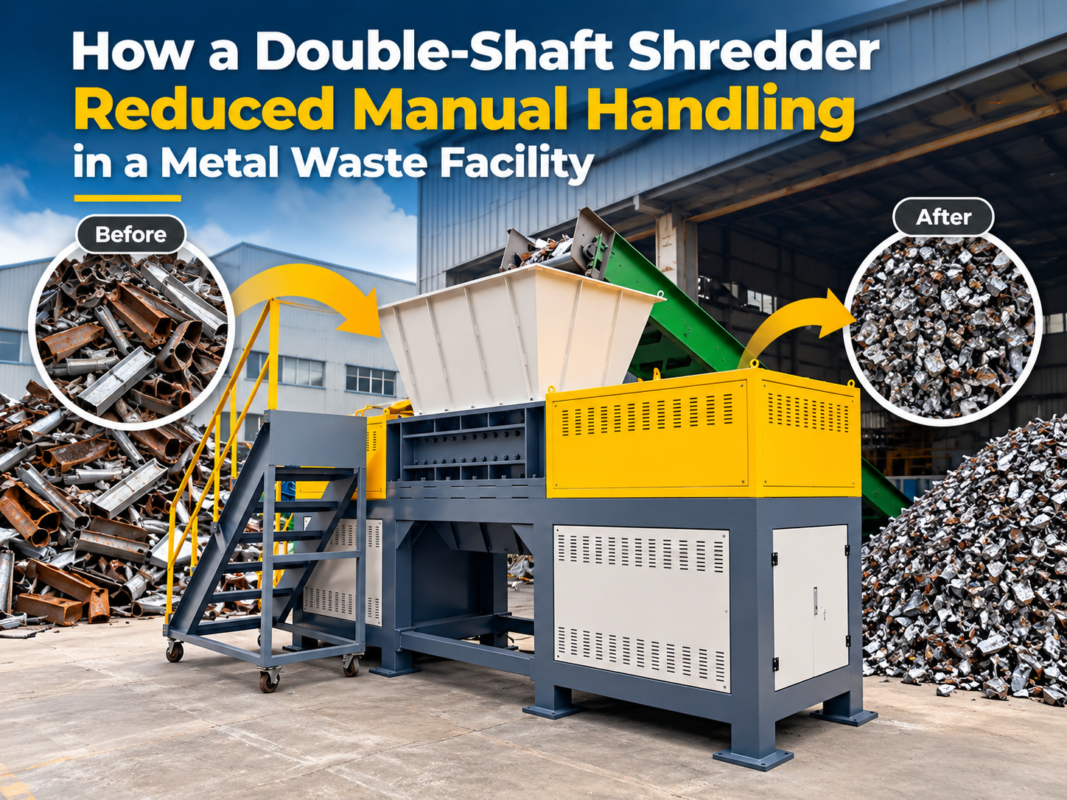
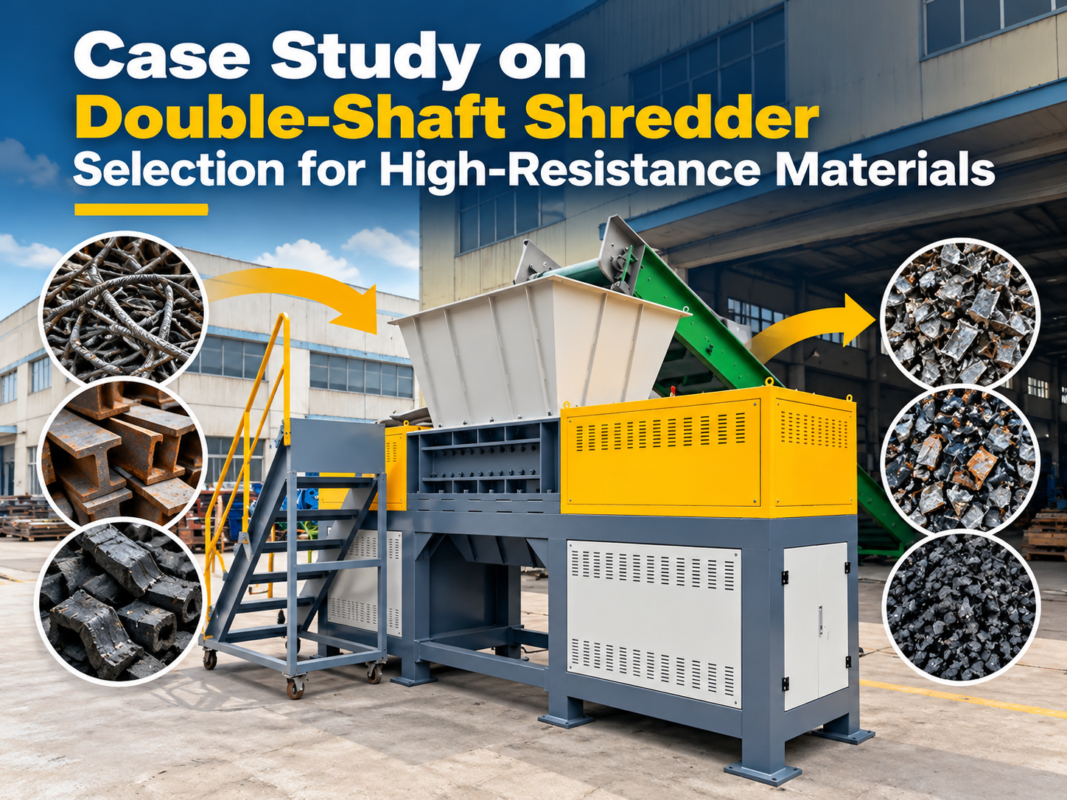
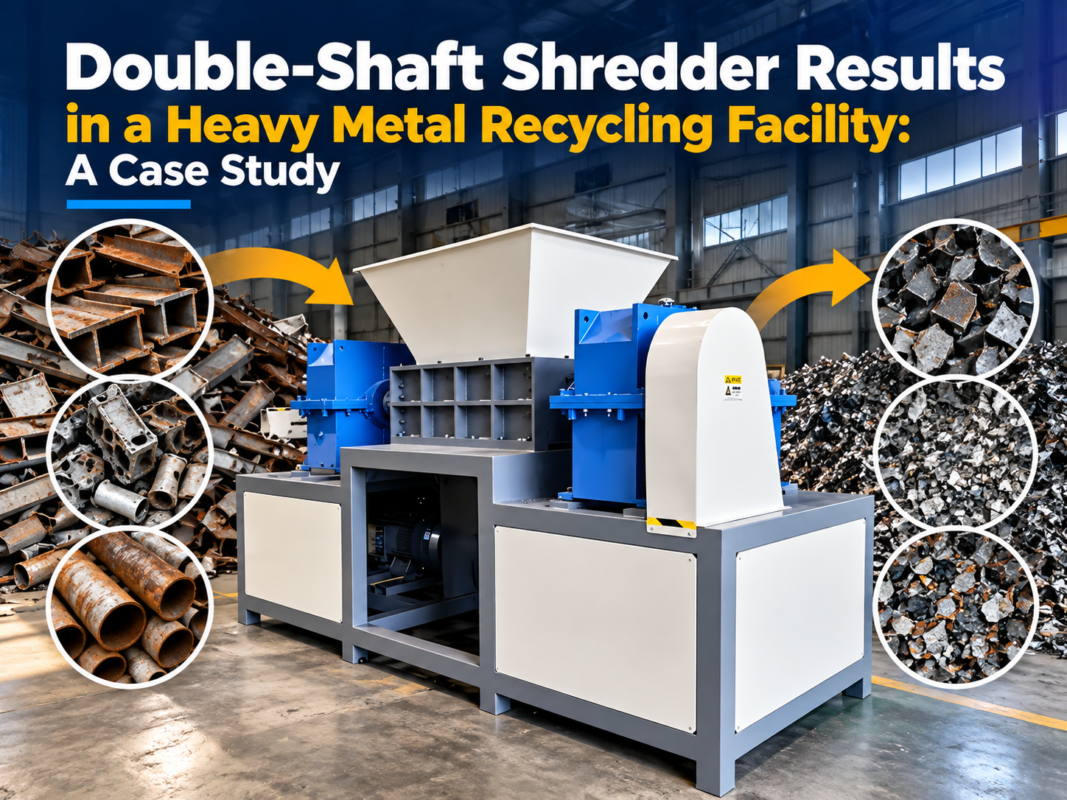
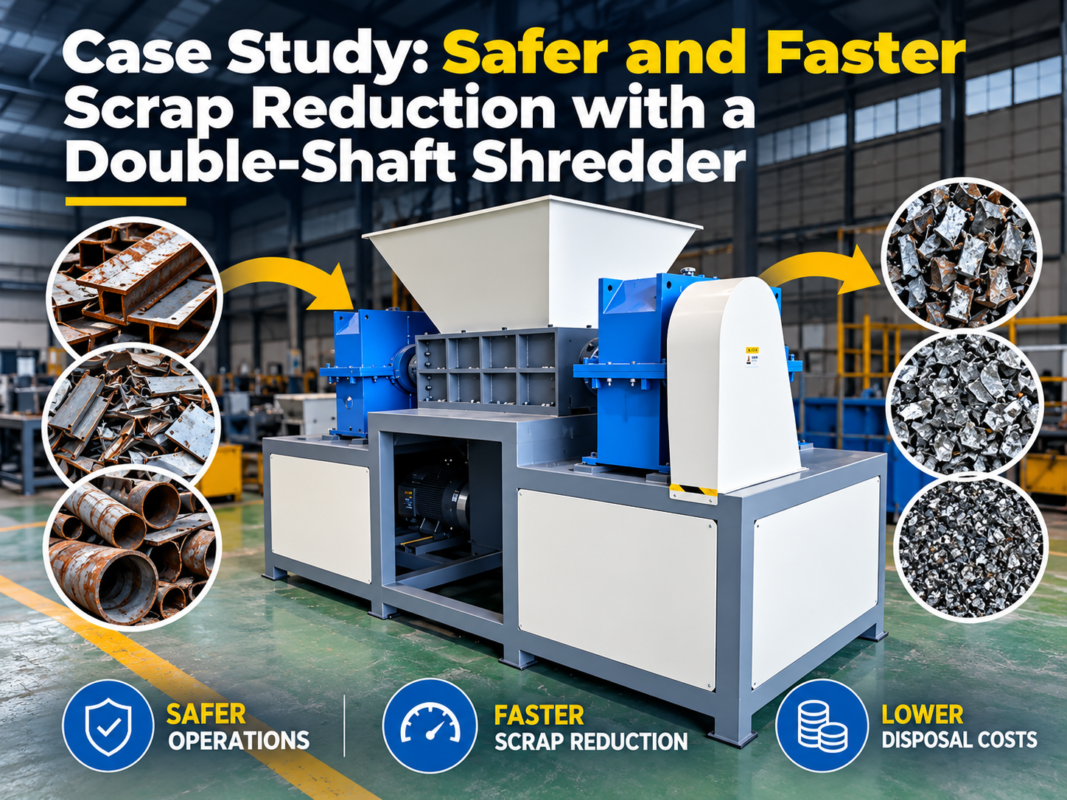
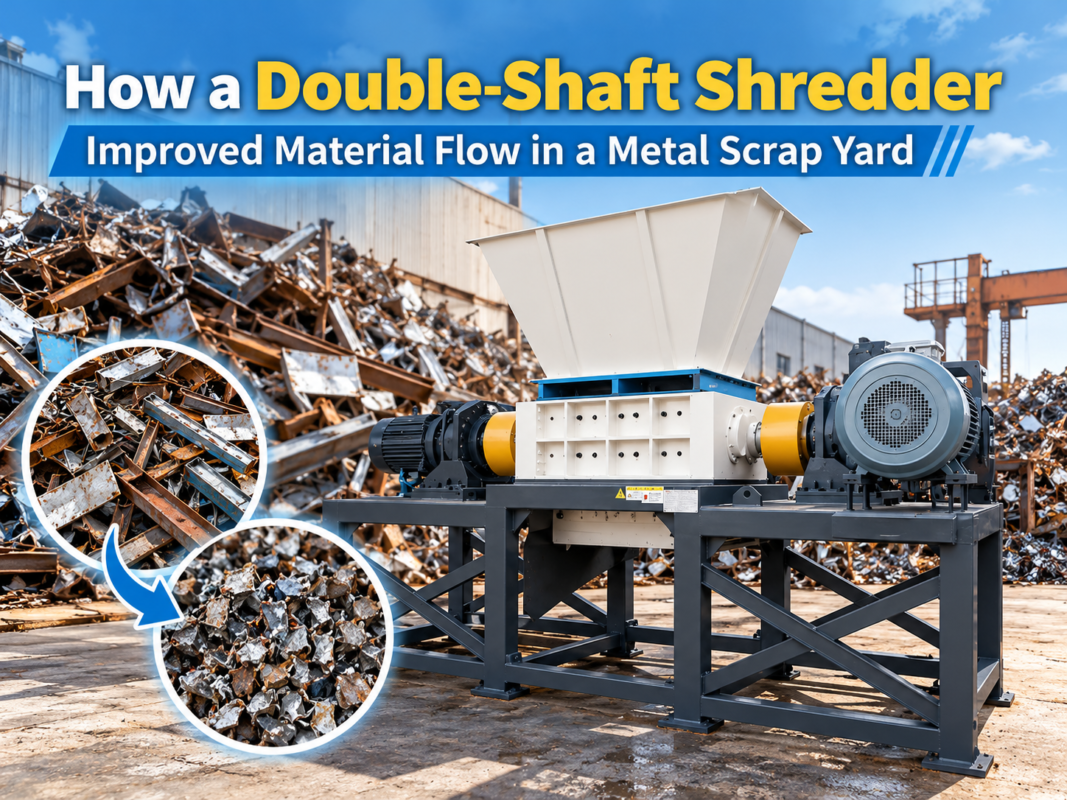
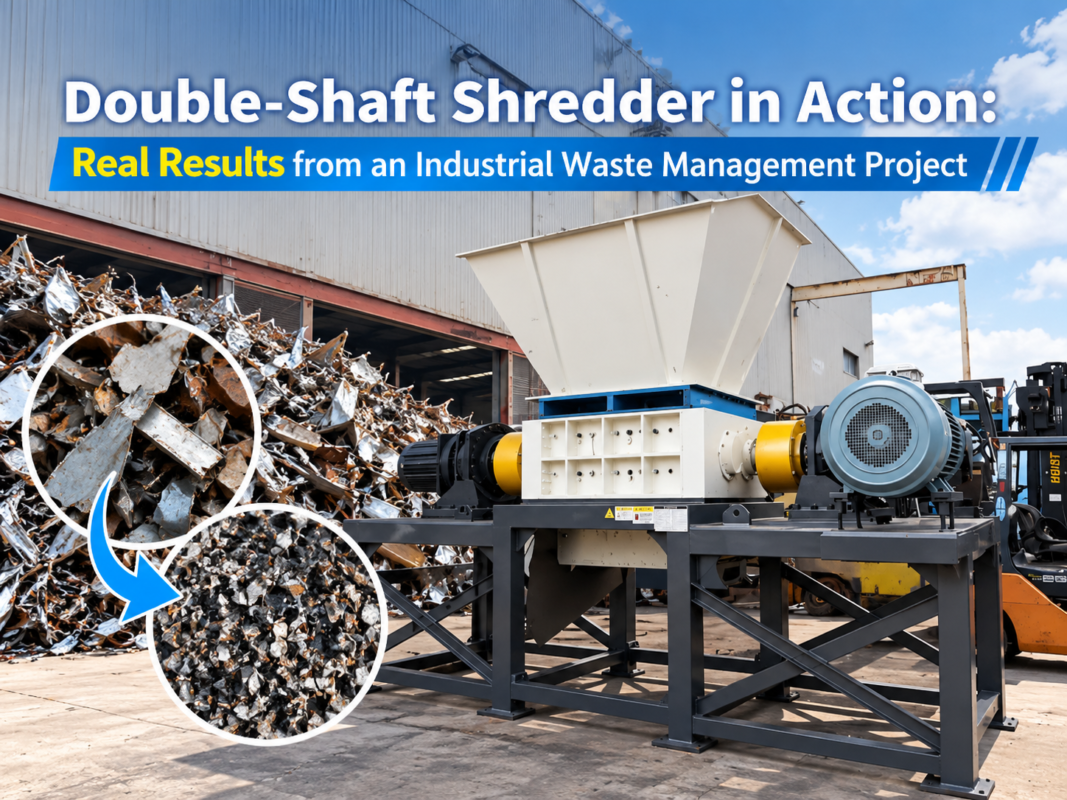
Case Study On Single-Shaft Shredder Performance In Cable Wire Scrap Recycling: A HARSLE Technical Analysis

Introduction
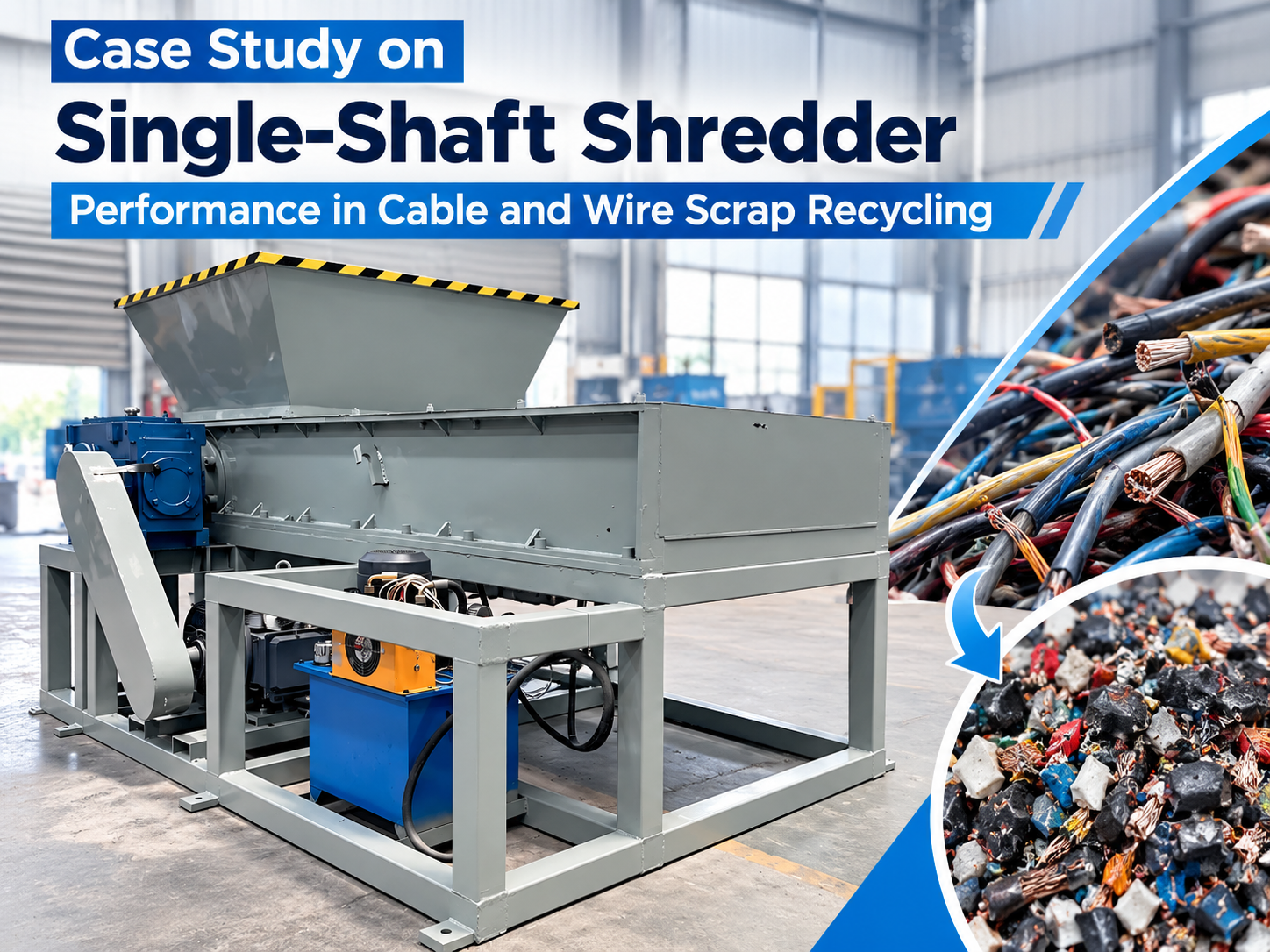
In the rapidly evolving landscape of industrial waste management, the efficient processing of copper and aluminum cable scrap has become a cornerstone of sustainable manufacturing. As global demand for recycled metals surges, facilities are increasingly turning to advanced size-reduction technologies. This article provides a comprehensive Case Study On Single-Shaft Shredder Performance In Cable Wire Scrap Recycling, highlighting how HARSLE’s engineering solutions address the unique challenges of high-tensile wire processing.
The primary objective of this study is to analyze the operational efficiency, throughput consistency, and material separation quality achieved when utilizing a single-shaft shredder in a high-volume recycling environment. By examining real-world performance metrics, we aim to provide plant managers and procurement specialists with the data necessary to optimize their scrap processing lines.
Cable and wire scrap presents a unique set of challenges, including varying insulation thicknesses, metallic purity requirements, and the tendency for long, tangled strands to cause machine downtime. HARSLE’s approach to these challenges involves a combination of high-torque gearboxes, specialized rotor geometry, and intelligent control systems that adapt to material density in real-time.
Throughout this analysis, we will explore how the integration of a single-shaft shredder transforms raw, bulky scrap into uniform, high-value feedstock. This process is not merely about size reduction; it is about maximizing the recovery rate of precious metals while minimizing energy consumption and maintenance overhead. By the end of this guide, readers will understand why the single-shaft configuration is the preferred choice for modern cable recycling facilities.
Key Considerations for Cable and Wire Recycling
When evaluating the performance of a shredder in a cable recycling application, the first consideration is the nature of the feedstock. Cables range from thin, flexible communication wires to thick, armored power cables. Each type requires a different approach to shredding to ensure that the insulation is effectively stripped from the metallic core without creating excessive fines or dust.
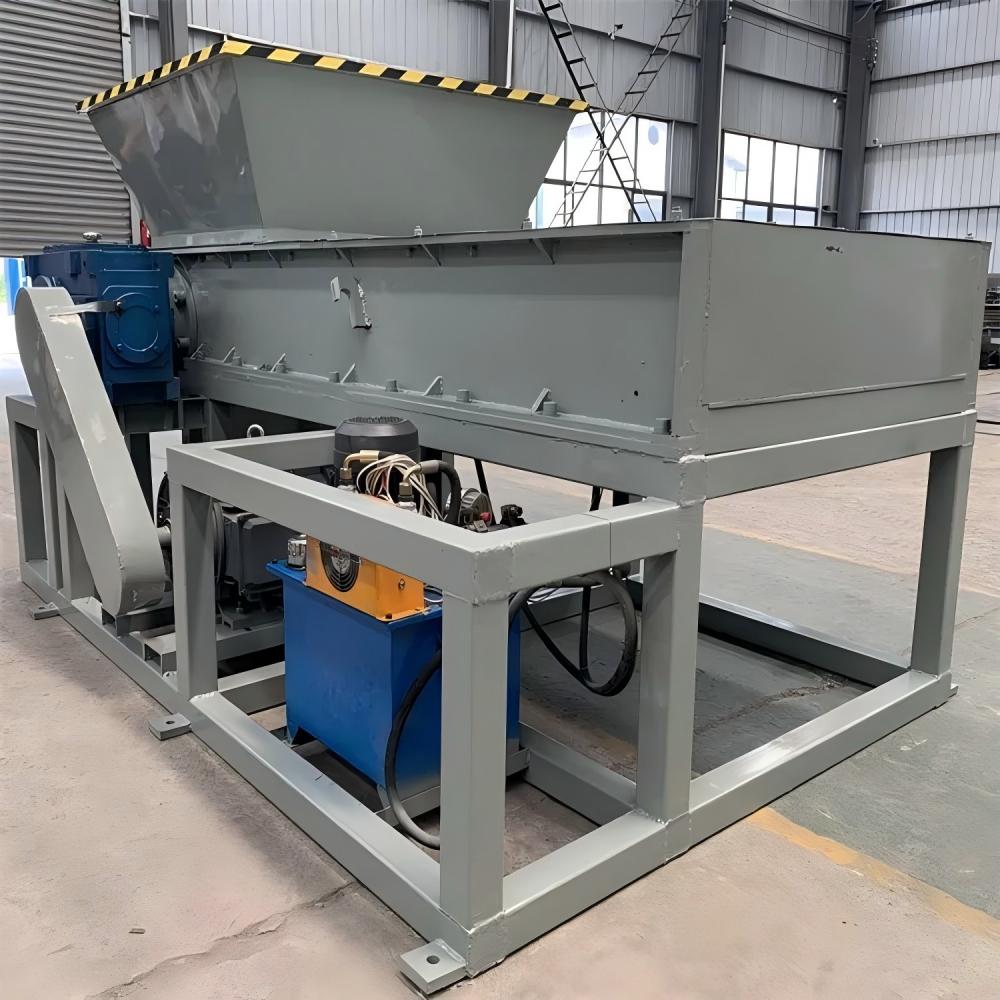
Another critical factor is the throughput requirement. Industrial recycling plants operate on tight margins, meaning that downtime for blade changes or clearing jams can significantly impact profitability. A high-performance single-shaft shredder must feature a robust hydraulic ram system that pushes material into the rotor at a controlled rate, preventing the “bridging” effect common with tangled wire bundles.
Energy efficiency is also paramount. In a Case Study On Single-Shaft Shredder Performance In Cable Wire Scrap Recycling, we observe that machines equipped with variable frequency drives (VFDs) perform significantly better than fixed-speed alternatives. VFDs allow the motor to adjust torque based on the load, which is essential when encountering sudden spikes in material density or unexpected contaminants like steel reinforcement within the cable.
Finally, the output size must be consistent to facilitate downstream separation processes. Whether the facility uses air classification, magnetic separation, or eddy current separators, the shredder must produce a uniform particle size. If the shredder output is too coarse, the separation efficiency drops; if it is too fine, the loss of metal in the dust fraction increases. Achieving the “sweet spot” in particle size is the hallmark of a well-configured HARSLE shredder.
Technical Details of HARSLE Shredding Technology
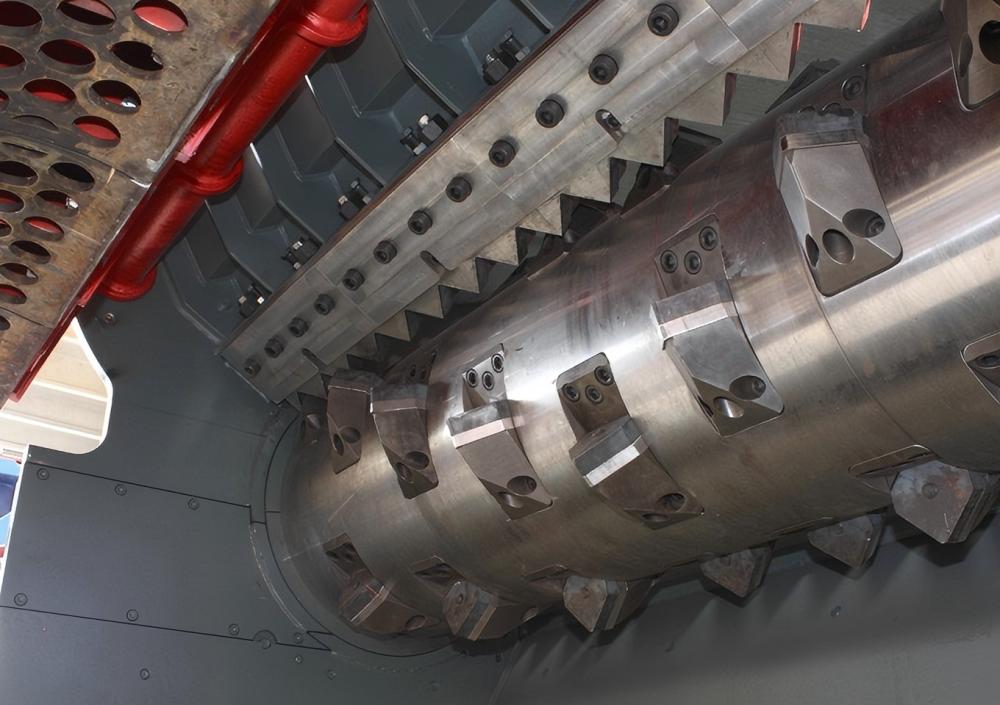
HARSLE’s single-shaft shredders are engineered with a focus on durability and precision. The core of the machine is the rotor, which is manufactured from high-strength alloy steel and treated with specialized heat-treatment processes to resist wear from abrasive metallic components. The rotor features a modular knife design, allowing operators to rotate or replace individual blades rather than the entire rotor assembly, significantly reducing maintenance costs.
The hydraulic pusher system is another technical highlight. By utilizing a PLC-controlled ram, the machine monitors the motor load and adjusts the feed pressure accordingly. This prevents the motor from stalling and ensures that the shredding chamber is always optimally filled. In our case study, this feature was shown to reduce the frequency of manual interventions by over 40% compared to traditional gravity-fed systems.
The screen system is equally critical. HARSLE provides a range of screen sizes that can be swapped out depending on the desired output. For cable recycling, a screen with a 10mm to 20mm aperture is typically recommended to ensure that the insulation is fully liberated from the metal. The screen is mounted on a hinged frame, allowing for rapid access during routine inspections and cleaning cycles.
Furthermore, the drive train is designed for high-torque, low-speed operation. This configuration is ideal for cable recycling because it provides the necessary force to cut through thick insulation and metallic cores without generating excessive heat. Heat generation is a major concern in recycling, as it can cause plastic insulation to melt and stick to the blades, leading to rapid fouling and reduced cutting efficiency.
Selection Advice: Choosing the Right Shredder
Selecting the right shredder for your facility requires a clear understanding of your daily tonnage and the specific types of cable you process. If your facility handles a high volume of heavy-duty armored cables, you will require a machine with a higher motor power rating and a more robust gearbox. Conversely, for thin communication wire, a smaller, high-speed unit may be more cost-effective.
Consider the integration capabilities of the machine. A standalone shredder is rarely sufficient for a modern recycling line. Look for equipment that features standardized interfaces for integration with conveyor belts, magnetic separators, and dust extraction systems. HARSLE’s modular design philosophy ensures that our shredders can be easily incorporated into existing production lines or expanded as your business grows.
Maintenance accessibility should be a non-negotiable criterion. During your selection process, evaluate how easy it is to access the rotor, change the blades, and clean the screen. A machine that requires hours of disassembly for basic maintenance will inevitably lead to higher operational costs and lower overall equipment effectiveness (OEE). HARSLE prioritizes ergonomic design, ensuring that all critical maintenance points are easily reachable.
Finally, consider the manufacturer’s support and spare parts availability. A shredder is a long-term investment. Ensure that the supplier provides comprehensive training for your operators, detailed maintenance manuals, and a reliable supply chain for wear parts. Choosing a reputable brand like HARSLE ensures that your investment is backed by technical expertise and a commitment to long-term performance.
FAQ: Common Questions on Shredder Performance
Q: How often should the blades be sharpened or replaced?
A: This depends on the abrasiveness of the material and the daily throughput. Typically, with standard cable scrap, blades should be inspected every 200-500 operating hours. HARSLE’s modular knife system allows for quick rotation, extending the total lifespan of the cutting edge.
Q: Can a single-shaft shredder handle contaminated scrap?
A: Yes, HARSLE shredders are designed with robust torque limiters and PLC-controlled reverse cycles. If a piece of non-shreddable material (like a large steel bolt) enters the chamber, the machine will automatically reverse the rotor to prevent damage.
Q: What is the ideal output size for cable recycling?
A: For most copper recovery systems, an output size of 10mm to 15mm is ideal. This size is small enough to liberate the metal from the plastic but large enough to prevent excessive dust creation.
Q: How does the shredder handle sticky insulation?
A: The low-speed, high-torque design minimizes heat generation. Additionally, our shredders can be equipped with optional cooling systems if processing materials with low melting points.
Conclusion
Le Case Study On Single-Shaft Shredder Performance In Cable Wire Scrap Recycling clearly demonstrates that the right technology is the difference between a profitable recycling operation and one plagued by downtime and inefficiency. HARSLE’s commitment to engineering excellence, combined with the versatility of our single-shaft shredder range, provides a scalable solution for businesses of all sizes.
By focusing on rotor precision, intelligent feed control, and ease of maintenance, HARSLE ensures that your recycling line remains productive and reliable. Whether you are upgrading an existing facility or establishing a new scrap processing plant, our equipment is designed to meet the rigorous demands of the modern metal fabrication and recycling industry.
Investing in high-quality industrial machinery is not just about the initial purchase; it is about the long-term value and operational stability that the equipment brings to your business. We invite you to contact our technical team to discuss your specific recycling requirements and discover how HARSLE can help you achieve your production goals.