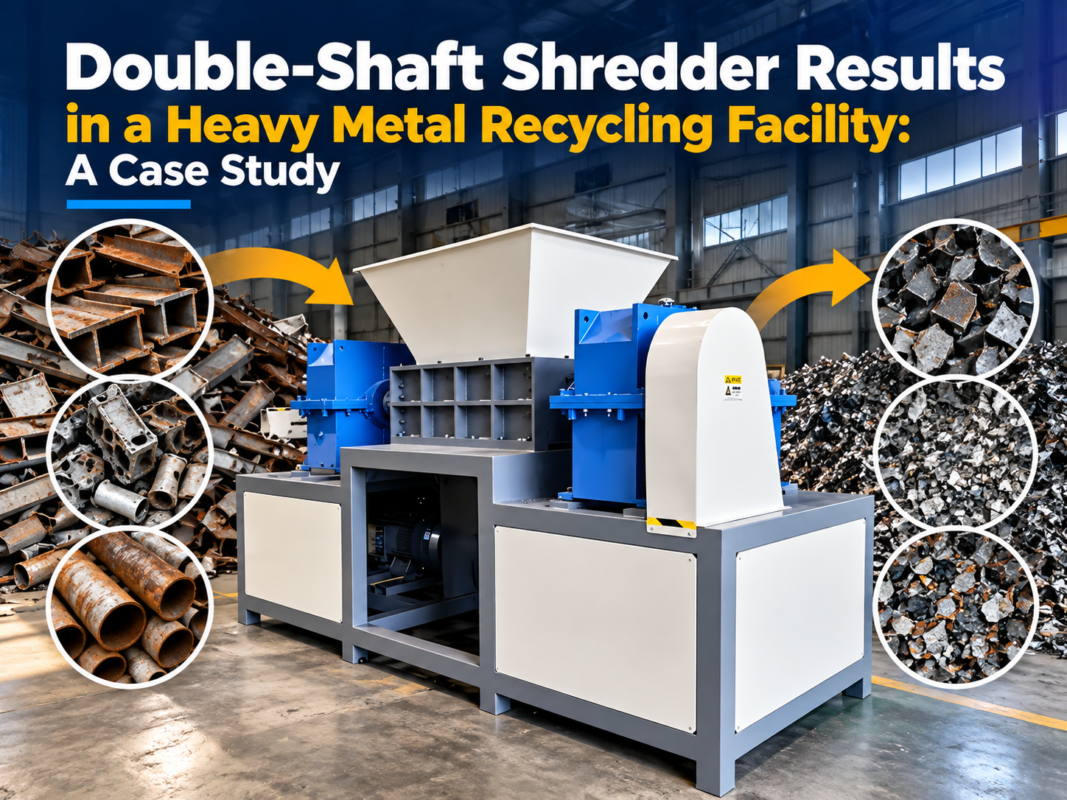
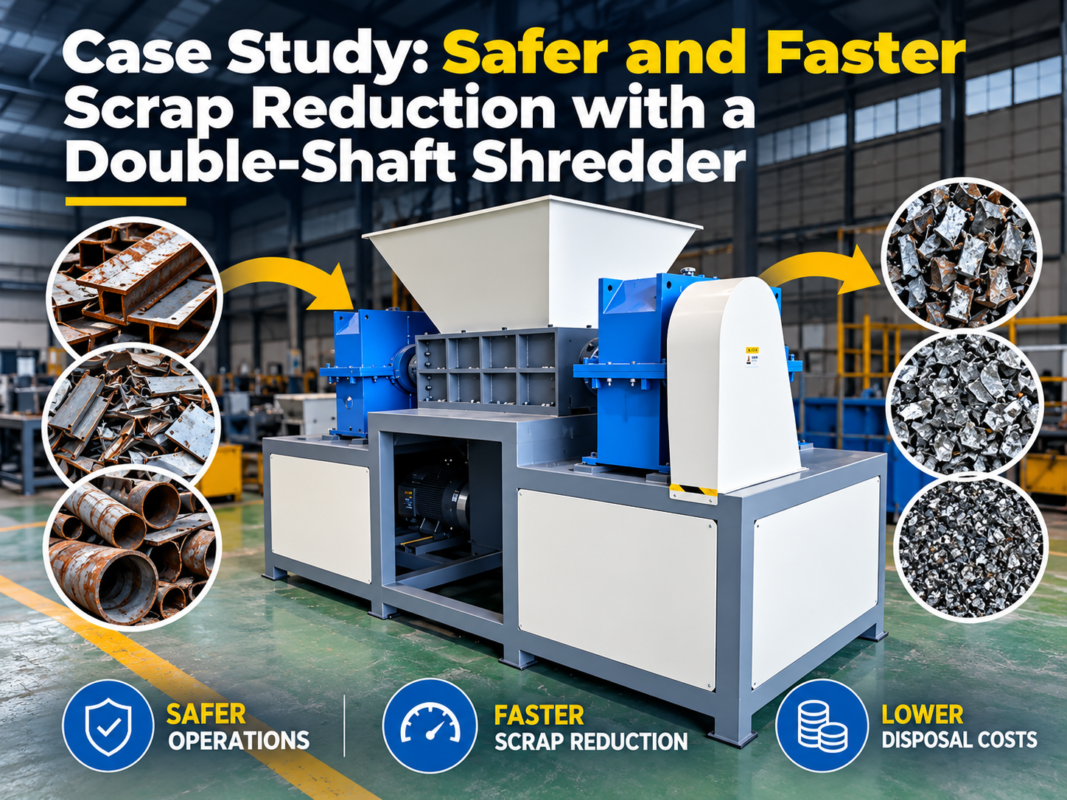
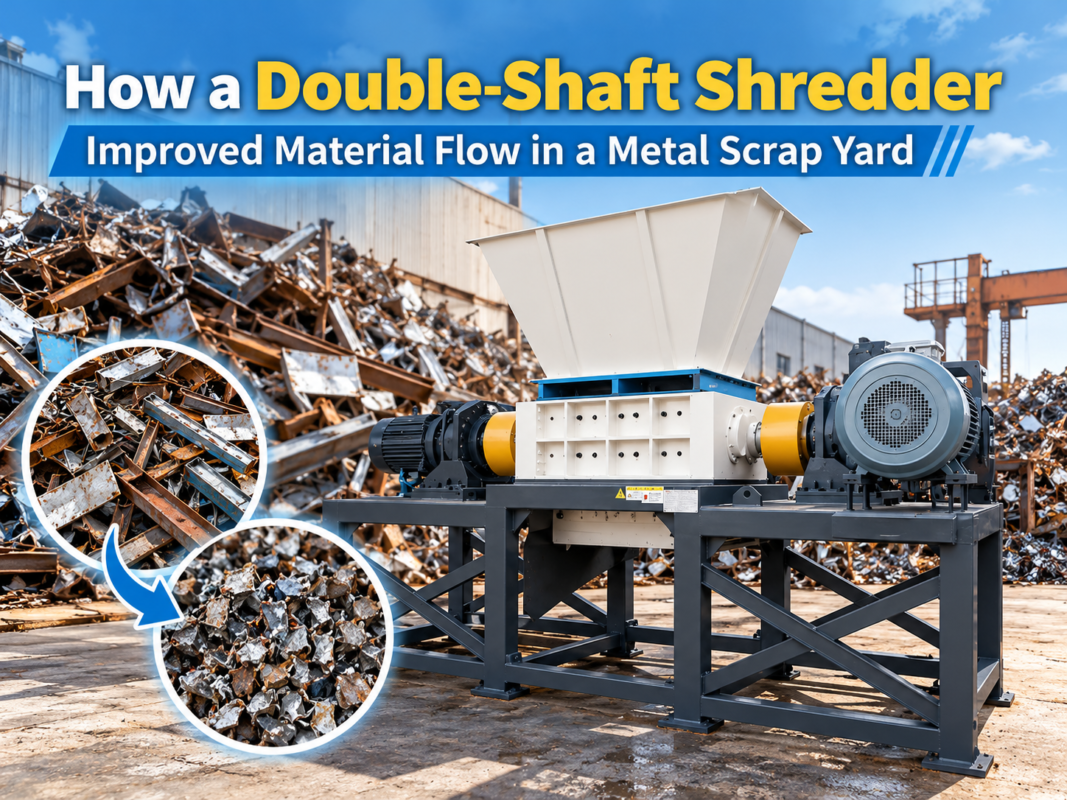
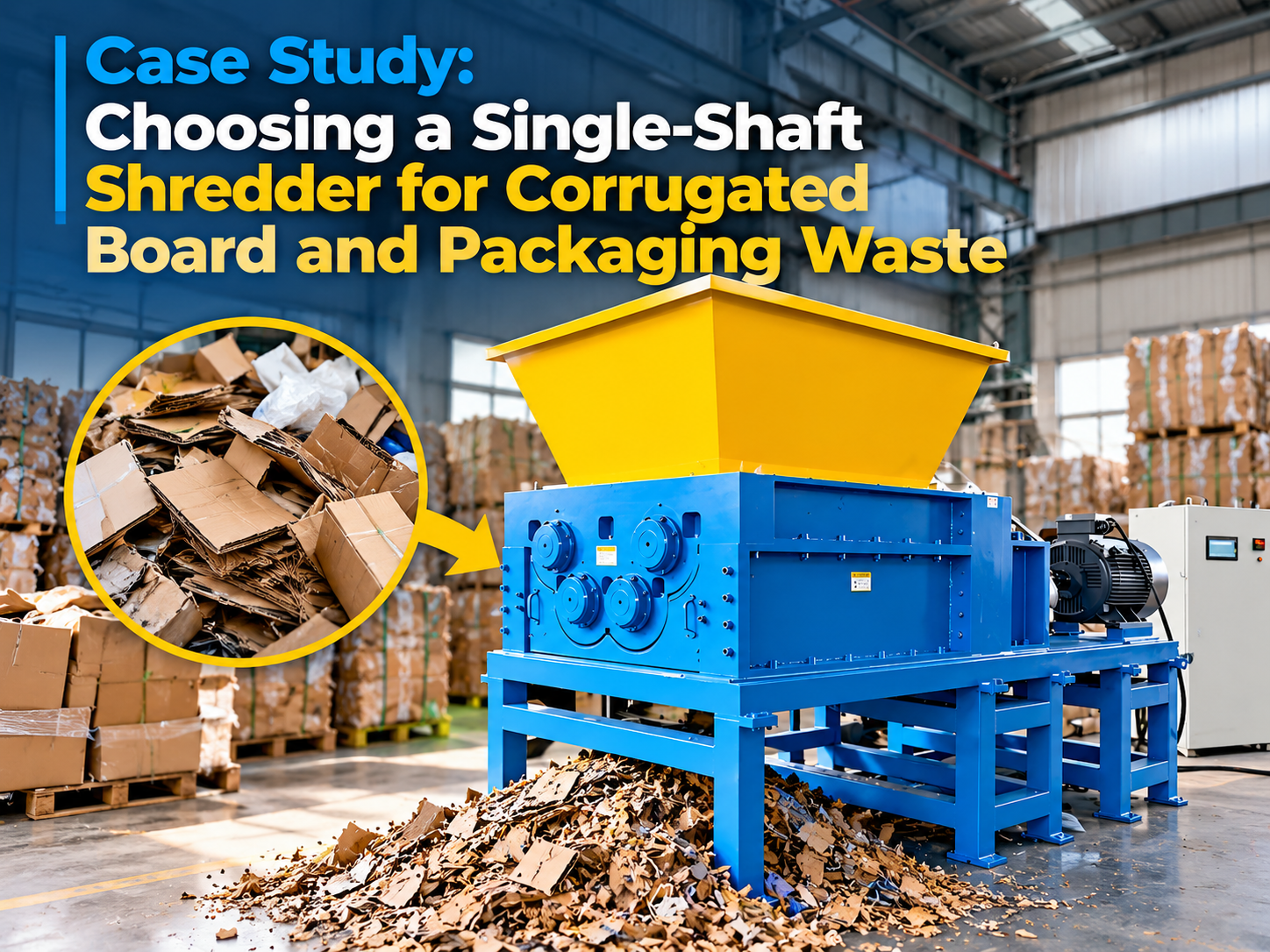
Case Study: Choosing A Single-Shaft Shredder For Corrugated Board And Packaging Waste

Introduction: The Challenge of Packaging Waste Management
In the modern manufacturing and logistics landscape, the volume of corrugated board and packaging waste generated daily is staggering. For companies looking to optimize their waste management, the selection of the right processing equipment is critical. This case study: choosing a single-shaft shredder for corrugated board and packaging waste examines how industrial facilities can transition from inefficient disposal methods to high-efficiency volume reduction through advanced shredding technology.
HARSLE has observed that many facilities struggle with the bulk density of cardboard, which leads to high transportation costs and inefficient storage. By implementing a robust single-shaft shredder, businesses can transform bulky waste into manageable, uniform particles suitable for recycling or secondary use. This article explores the technical requirements and strategic considerations for selecting the ideal machine for your specific operational needs.
The shift toward circular economy practices makes the choice of a shredder not just an operational decision, but a strategic one. Whether you are a packaging manufacturer or a logistics hub, understanding the nuances of shredder performance—such as torque, rotor speed, and screen sizing—is essential for long-term success. This guide provides a comprehensive look at how to evaluate your waste stream and select the right HARSLE equipment.
As we delve into this case study, we will highlight the importance of material consistency and throughput requirements. We will also address the common pitfalls that organizations face when selecting machinery that is either underpowered or poorly suited for the abrasive nature of certain packaging materials. By following these insights, you can ensure that your investment yields a high return on investment (ROI) while minimizing operational downtime.
Key Considerations for Selecting Shredding Equipment
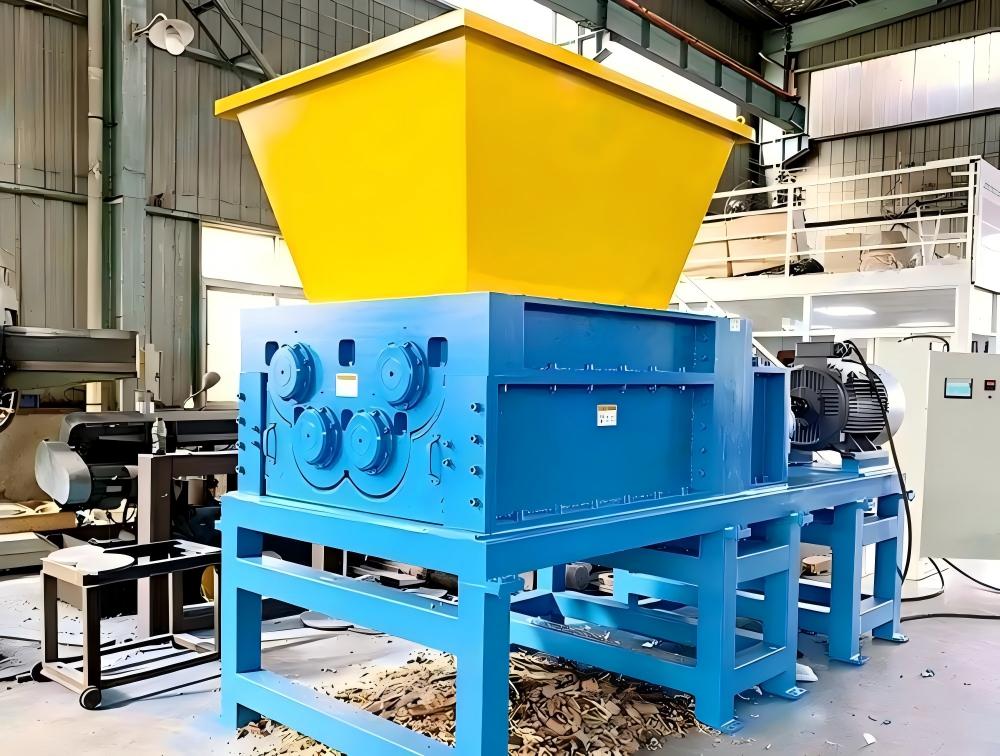
When embarking on the journey of choosing a single-shaft shredder for corrugated board and packaging waste, the first step is a thorough audit of your waste stream. Not all cardboard is created equal; some packaging contains plastic liners, adhesive tapes, or metallic staples that can affect the shredding process. Understanding the composition of your waste is the foundation of selecting the right rotor configuration and blade material.
Throughput capacity is another critical factor. You must calculate the volume of waste generated during peak production hours rather than relying on daily averages. A shredder that is constantly running at its maximum capacity will experience premature wear and increased maintenance costs. HARSLE recommends selecting a machine with a 20-30% buffer in capacity to ensure longevity and consistent performance under varying loads.
Space constraints and integration into existing production lines are often overlooked. A single-shaft shredder requires a stable foundation and adequate clearance for maintenance access. Furthermore, consider the discharge method—whether you require a conveyor belt system, a pneumatic extraction system, or a simple bin collection. Each of these options impacts the overall footprint and the efficiency of your waste handling workflow.
Safety and noise levels are also paramount in an industrial environment. Modern shredders are equipped with advanced safety features, including emergency stop buttons, overload protection, and sound-dampening enclosures. When evaluating equipment, ensure that the manufacturer provides comprehensive safety documentation and that the machine complies with local industrial standards for noise emissions and operator protection.
Technical Details: Why Single-Shaft Shredders Excel
The single-shaft shredder is the industry standard for corrugated board due to its ability to produce a uniform output size. Unlike dual-shaft shredders, which rely on tearing, the single-shaft design utilizes a high-speed rotor equipped with cutting knives that work against a stationary counter-knife. This mechanism provides a clean, precise cut that is ideal for downstream recycling processes.
The rotor design is the heart of the machine. For corrugated board, HARSLE utilizes specialized rotor geometries that prevent material wrapping and ensure consistent feeding. The knives are typically made from hardened alloy steel, which can be rotated or replaced easily when they become dull. This modularity is a key advantage, as it allows for cost-effective maintenance without the need for specialized heavy-duty tools.
Screen sizing is the final determinant of output quality. The screen, located at the bottom of the cutting chamber, ensures that material is only discharged once it has been reduced to the desired size. For corrugated board, a screen size of 20mm to 50mm is common, depending on whether the output is intended for baling, pulping, or animal bedding. The ability to swap screens quickly allows for versatility in your production output.
Drive systems in HARSLE shredders are engineered for high torque and low energy consumption. By utilizing high-efficiency motors and robust gearboxes, these machines can handle the occasional “unshreddable” object—such as a stray piece of wood or metal—without stalling. This reliability is essential for maintaining a continuous workflow in high-volume packaging facilities.
Selection Advice: Matching HARSLE Solutions to Your Needs
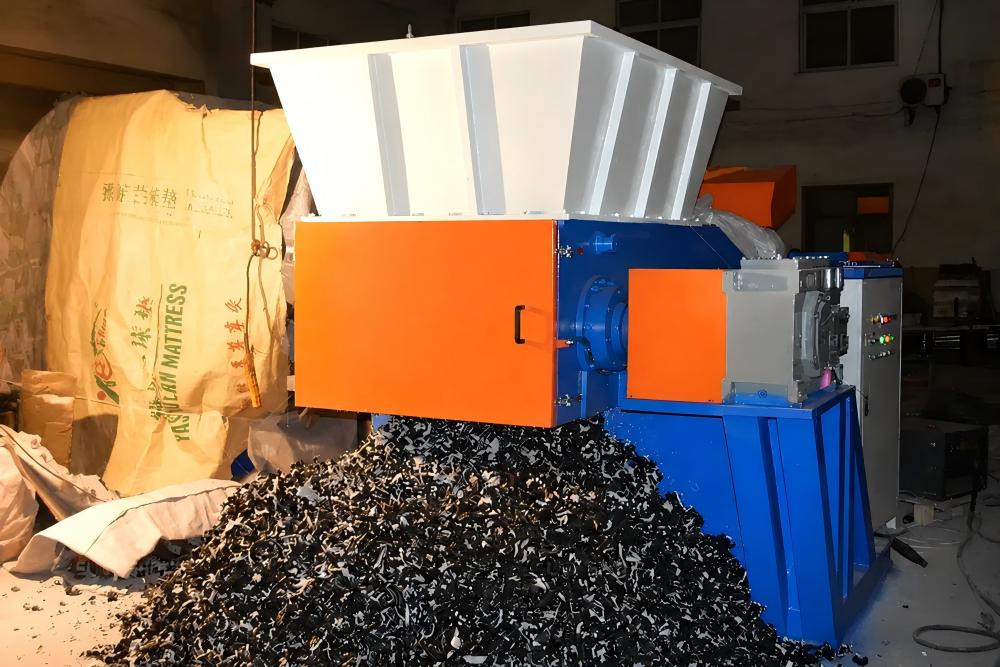
Choosing the right machine requires a partnership with the manufacturer. HARSLE suggests that clients provide samples of their specific packaging waste for testing. This allows our engineering team to analyze the material’s behavior and recommend the optimal knife configuration, rotor speed, and motor power. This empirical approach eliminates guesswork and ensures that the machine is perfectly tuned to your application.
Consider the long-term maintenance requirements. A machine that is difficult to clean or service will inevitably lead to operational bottlenecks. Look for features such as hydraulic access doors, easy-to-reach lubrication points, and intuitive control panels. HARSLE designs its shredders with the operator in mind, ensuring that routine inspections and blade changes can be performed safely and efficiently.
Budgeting should account for more than just the initial purchase price. Factor in the cost of spare parts, energy consumption, and potential downtime. A slightly higher initial investment in a premium-grade shredder often pays for itself through reduced energy bills and longer intervals between maintenance cycles. Always prioritize machines that offer robust technical support and readily available spare parts.
Finally, consider the scalability of your operation. If you anticipate growth in your packaging volume, look for a shredder that can be integrated into a larger automated system later. Modular design is a hallmark of HARSLE equipment, allowing you to add conveyors, magnetic separators, or dust collection systems as your facility evolves. This future-proofing approach protects your investment and ensures that your waste management system remains relevant for years to come.
Foire aux questions (FAQ)
- What is the primary advantage of a single-shaft shredder for cardboard? The primary advantage is the ability to produce a uniform particle size, which is essential for efficient recycling and volume reduction.
- How often should I sharpen the blades? Blade life depends on the volume and cleanliness of the material. Generally, a visual inspection every 200-500 operating hours is recommended.
- Can a single-shaft shredder handle plastic packaging mixed with cardboard? Yes, HARSLE shredders are designed to handle mixed waste streams, though the throughput may vary depending on the ratio of plastic to cardboard.
- What safety features are standard on HARSLE shredders? Standard features include emergency stop systems, motor overload protection, and safety interlocks on all access panels.
- How do I determine the right screen size? The screen size is determined by your end-use requirements. We can assist you in selecting the optimal size based on your downstream processing needs.
Conclusion : Investir dans l'efficacité
The case study: choosing a single-shaft shredder for corrugated board and packaging waste demonstrates that success lies in the details. From understanding material composition to selecting the right rotor and screen configuration, every choice impacts the efficiency and profitability of your waste management program. By partnering with a reputable manufacturer like HARSLE, you gain access to the expertise and technology necessary to streamline your operations.
Effective waste management is no longer just a regulatory requirement; it is a competitive advantage. By reducing the volume of your packaging waste, you lower transportation costs, improve workplace safety, and contribute to a more sustainable future. We encourage you to evaluate your current processes and consider how a high-performance single-shaft shredder can transform your facility’s waste handling capabilities.
HARSLE remains committed to providing industry-leading metal fabrication and processing equipment. Our team is ready to assist you in selecting the perfect shredder for your specific needs. Contact us today to discuss your requirements and take the first step toward a more efficient, cost-effective, and sustainable packaging waste management strategy.
As you move forward with your investment, remember that the best equipment is only as good as the support behind it. HARSLE provides comprehensive training, maintenance guides, and responsive technical support to ensure that your shredder operates at peak performance throughout its lifecycle. Let us help you turn your waste management challenges into a streamlined, value-added process.