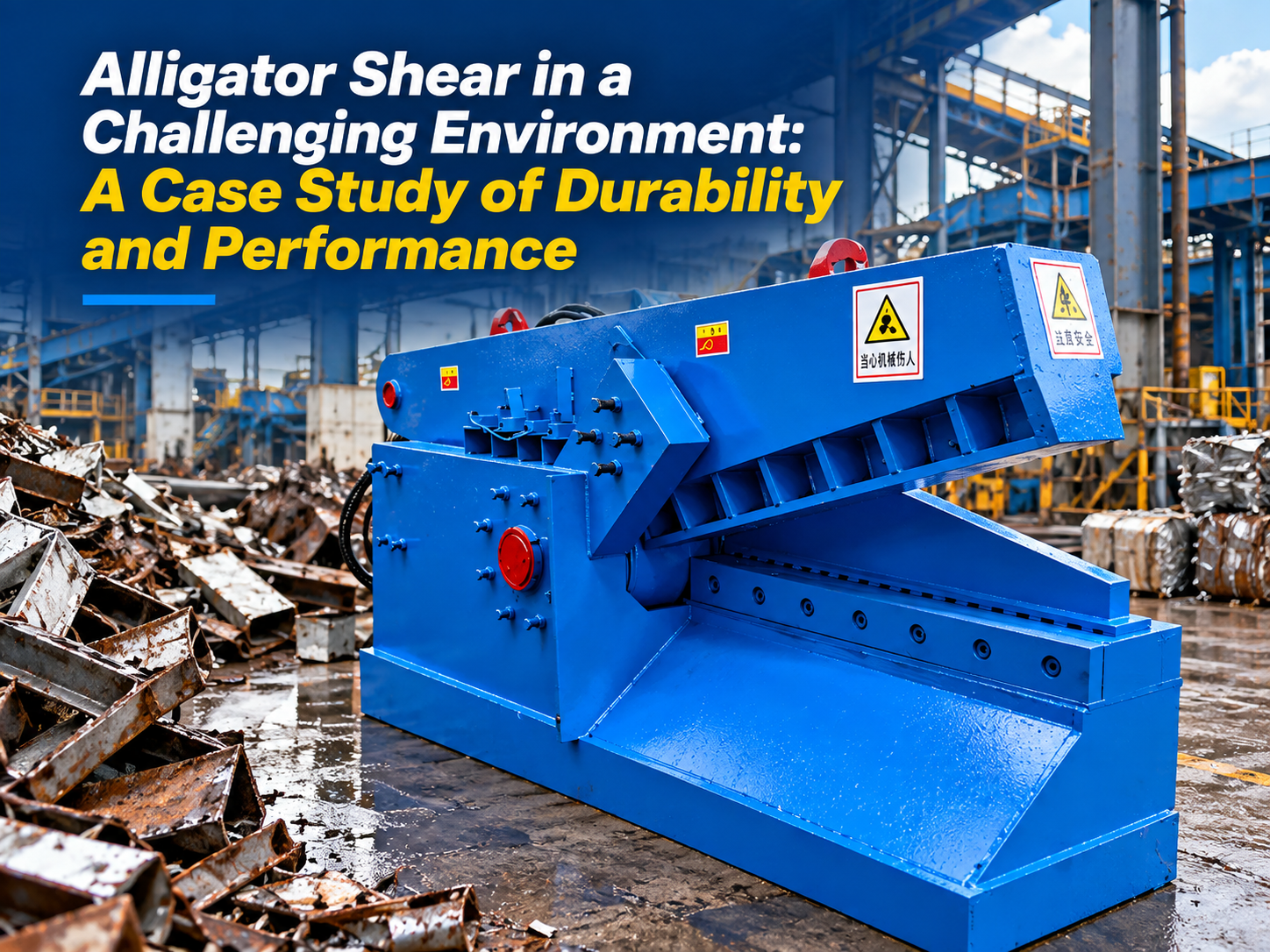
Alligator Shear In A Challenging Environment: A Case Study Of Durability Performance

Introduction
In the demanding world of metal recycling and heavy-duty fabrication, equipment failure is not just an inconvenience—it is a significant financial drain. When processing high-volume scrap, rebar, or structural steel, machinery is subjected to extreme mechanical stress, abrasive dust, and fluctuating temperatures. This article explores the real-world application of HARSLE technology through a detailed analysis of an Alligator Shear In A Challenging Environment: A Case Study Of Durability Performance. By examining how these machines withstand the rigors of high-intensity industrial sites, we provide a blueprint for facility managers looking to optimize their cutting operations.
The alligator shear remains a staple in the scrap metal industry due to its simple yet robust design. However, not all shears are created equal. When operating in environments characterized by extreme heat, corrosive debris, or 24/7 production cycles, the difference between a standard machine and a high-performance HARSLE unit becomes stark. This case study highlights the engineering resilience required to maintain consistent output while minimizing downtime in the most unforgiving industrial settings.
Throughout this guide, we will dissect the technical specifications that allow HARSLE equipment to excel where others falter. We will look at the structural integrity of the shear head, the efficiency of the hydraulic systems, and the operator-centric features that ensure safety and precision. Whether you are managing a scrap yard or a large-scale fabrication plant, understanding the performance metrics of these machines is essential for long-term operational success.

Key Considerations for Harsh Industrial Environments
Operating an alligator shear in a challenging environment requires more than just raw power. The primary challenge in these settings is the accumulation of metallic dust and grit, which can infiltrate hydraulic seals and pivot points. HARSLE engineers address this by utilizing reinforced housing designs that protect sensitive components from environmental contaminants. A machine that is not properly sealed will inevitably suffer from premature wear, leading to costly repairs and production bottlenecks.
Thermal management is another critical factor. In environments where ambient temperatures are high, hydraulic oil can degrade rapidly, losing its viscosity and lubrication properties. HARSLE systems incorporate advanced cooling solutions and high-grade hydraulic components that maintain stability under thermal stress. This ensures that the shear force remains consistent throughout the entire shift, preventing the “power fade” often seen in inferior equipment during peak summer months or in enclosed, poorly ventilated facilities.
Structural vibration and shock absorption are also paramount. When cutting high-tensile steel or heavy structural beams, the shear experiences massive kinetic energy transfer. If the frame is not engineered to absorb this shock, the stress is transferred to the welds and bolts, leading to fatigue cracks. HARSLE’s heavy-duty steel frame construction is specifically designed to dampen these vibrations, extending the lifespan of the shear blades and the structural integrity of the machine itself.
Finally, operator safety and ergonomics play a significant role in performance. In a challenging environment, fatigue is a major contributor to accidents and operational errors. HARSLE shears are equipped with intuitive control interfaces and safety guards that do not impede the workflow. By reducing the physical strain on operators and providing clear, responsive controls, these machines ensure that the human element of the production line remains as efficient as the mechanical one.
Technical Details of HARSLE Alligator Shears
The core of the HARSLE advantage lies in the precision-engineered shear head. Unlike standard shears that may experience blade deflection under heavy loads, HARSLE units utilize a high-rigidity pivot design that keeps the blades perfectly aligned. This alignment is crucial for clean cuts and for preventing the “jamming” that occurs when material is not sheared cleanly. The blades themselves are manufactured from high-carbon, high-chromium tool steel, heat-treated to achieve the perfect balance between hardness and toughness.
The hydraulic system is the heart of the machine. HARSLE utilizes high-pressure, variable-displacement pumps that deliver power on demand. This means that when the shear is idling or cutting lighter materials, the system consumes less energy and generates less heat. When the machine encounters a thick, high-tensile piece of scrap, the system automatically adjusts to provide maximum cutting force. This intelligent power management is a hallmark of modern industrial machinery design.
Maintenance accessibility is another technical highlight. In a challenging environment, the ability to perform routine maintenance quickly is vital. HARSLE designs its shears with modular components, allowing for easy access to hydraulic hoses, electrical panels, and blade adjustment points. This design philosophy minimizes the time technicians spend on routine tasks, ensuring that the machine spends more time in production and less time in the maintenance bay.
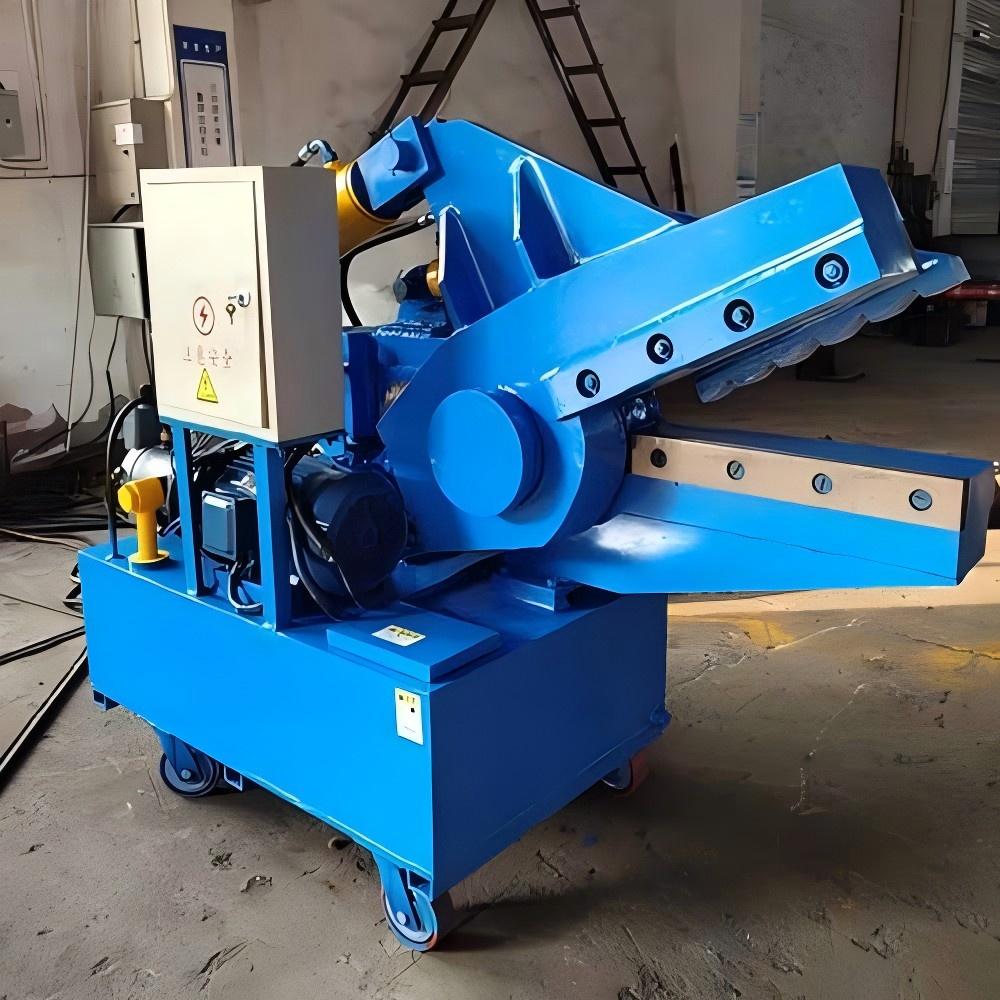
Furthermore, the electrical control systems are housed in NEMA-rated, dust-proof enclosures. This prevents the ingress of conductive metal dust, which is a leading cause of electrical shorts in industrial environments. By isolating the control logic from the harsh external environment, HARSLE ensures that the machine’s brain remains protected, even when the body is working in the most abrasive conditions imaginable.
Selection Advice: Choosing the Right Shear for Your Needs
When selecting an alligator shear, the first step is to conduct a thorough audit of your material stream. Are you cutting thin-gauge sheet metal, or are you processing heavy structural I-beams? The shear force required for these two tasks is vastly different. HARSLE offers a range of models with varying cutting capacities, and choosing the right one is the most important decision you will make. Overloading a machine designed for lighter work will lead to rapid failure, while purchasing an oversized machine may be an unnecessary capital expenditure.
Consider the duty cycle of your operation. If your facility operates on a single shift, a standard model may suffice. However, for 24/7 operations, you must prioritize models with enhanced cooling systems and heavy-duty hydraulic components. It is also wise to look at the availability of spare parts. HARSLE’s global support network ensures that when you do need a replacement blade or a hydraulic seal, you are not waiting weeks for international shipping.
Think about the integration of the shear into your existing workflow. Do you need an automated infeed conveyor? Does the shear need to be mobile, or will it be bolted to a concrete foundation? HARSLE provides customization options that allow the machine to fit seamlessly into your production line. Discussing these requirements with a technical consultant before purchase can save significant time and money during the installation phase.
Finally, evaluate the total cost of ownership. While the initial purchase price is a factor, the long-term cost is determined by energy efficiency, maintenance frequency, and the cost of replacement parts. HARSLE machines are engineered for longevity, meaning that while they may represent a premium investment, their lower rate of failure and longer service life result in a lower total cost of ownership over the life of the equipment.
FAQ: Common Questions About Alligator Shears
- Q: How often should I sharpen the blades on my HARSLE alligator shear?
A: The frequency depends on the material being cut and the volume of production. Generally, blades should be inspected weekly for signs of chipping or dulling. Regular sharpening prevents excessive strain on the hydraulic system. - Q: Can these shears cut stainless steel?
A: Yes, provided the machine is rated for the tensile strength of the specific stainless steel grade. Always consult the HARSLE technical manual for material capacity charts. - Q: What type of hydraulic oil is recommended?
A: We recommend high-quality, anti-wear hydraulic oil with a viscosity grade appropriate for your local climate. Refer to the machine’s maintenance log for specific manufacturer recommendations. - Q: Is specialized training required to operate the shear?
A: While the controls are intuitive, all operators should undergo safety training to understand the machine’s emergency stop functions, material handling protocols, and daily inspection requirements. - Q: How does HARSLE handle warranty and support?
A: HARSLE provides comprehensive warranty coverage and remote technical support to ensure that your machine remains operational. Our global network of service technicians is available to assist with complex repairs.
Conclusion
The Alligator Shear In A Challenging Environment: A Case Study Of Durability Performance demonstrates that industrial success is built on the foundation of reliable, well-engineered equipment. HARSLE has proven that by focusing on structural integrity, thermal management, and operator safety, it is possible to maintain high levels of productivity even in the most demanding scrap and fabrication environments. By choosing a machine that is built to withstand the rigors of your specific industry, you are not just purchasing a tool; you are investing in the long-term efficiency and profitability of your business.
As the metal fabrication industry continues to evolve, the demand for robust, high-performance machinery will only increase. HARSLE remains committed to innovation, ensuring that our alligator shears continue to set the standard for durability and performance. We invite you to evaluate your current operations and consider how a HARSLE solution can help you overcome the challenges of your environment, reduce your maintenance overhead, and increase your overall output. For more information on our full range of metal fabrication equipment, contact our technical team today.