Double-Shaft Shredder Results In A Heavy Metal Recycling Facility: A Case Study

Introduction
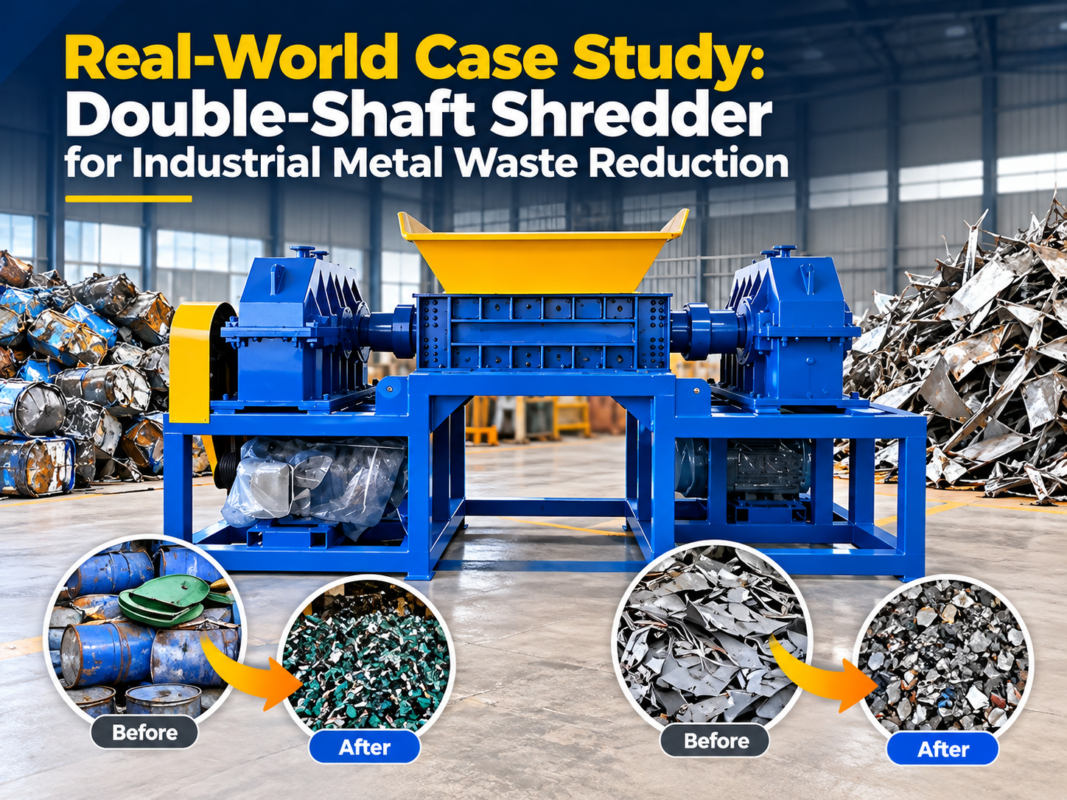
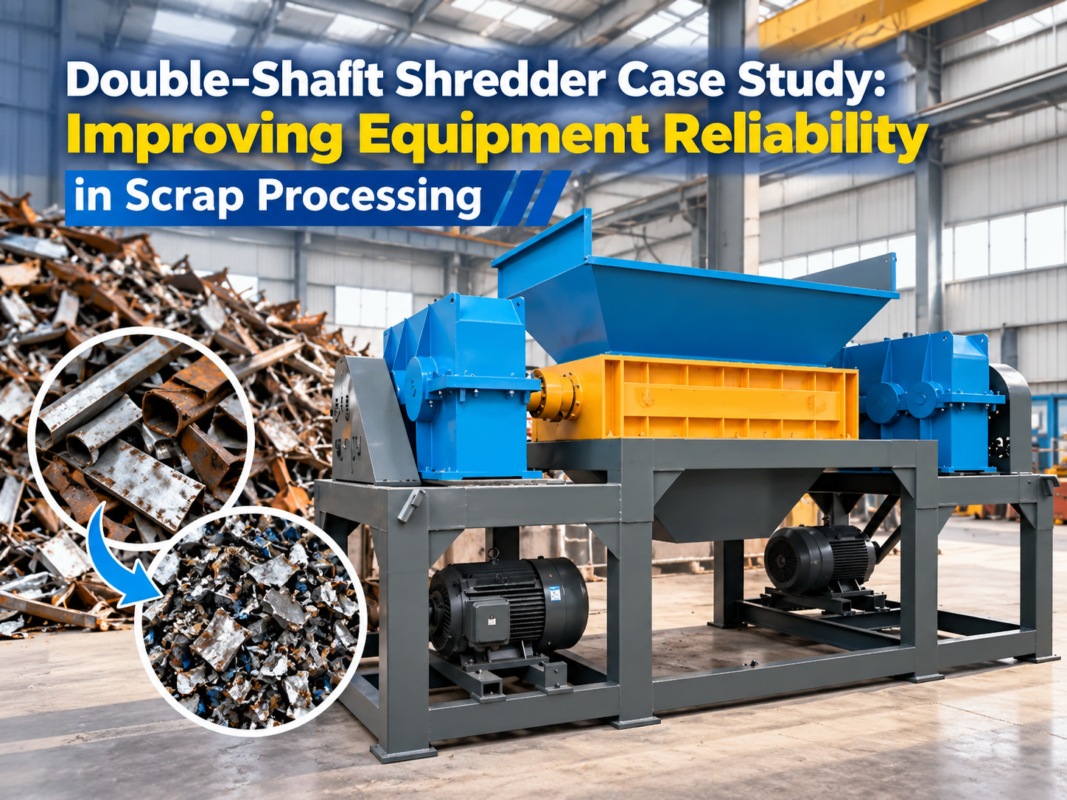
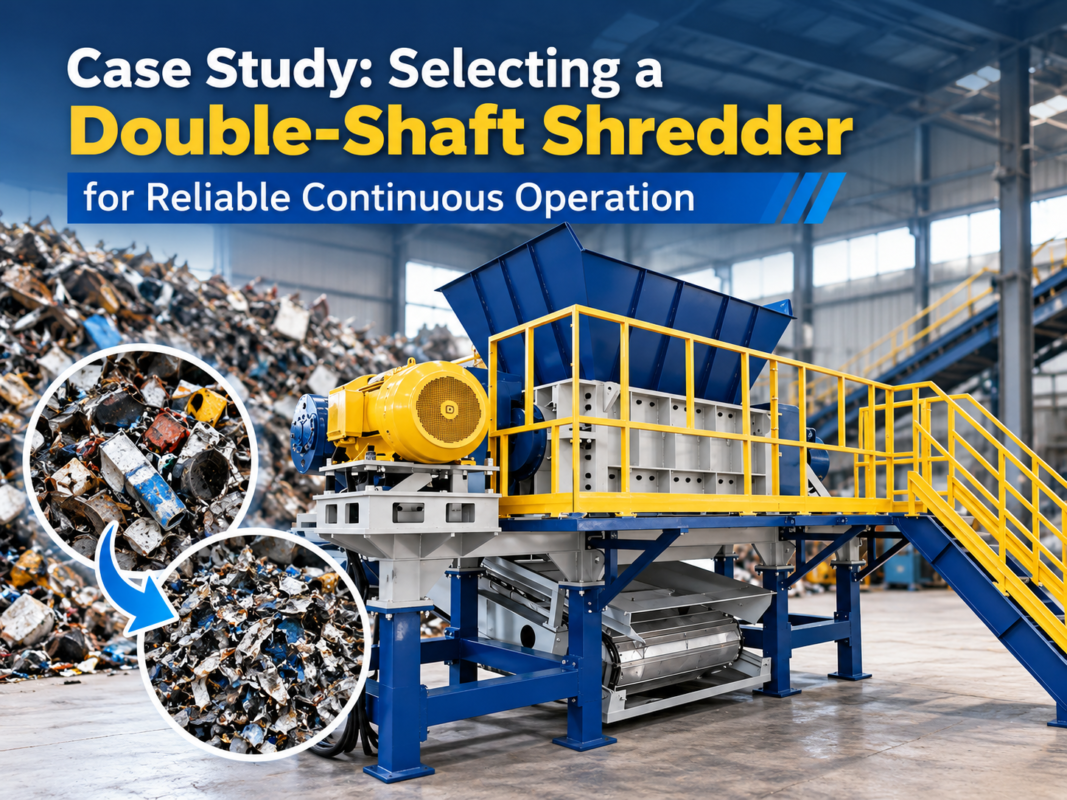
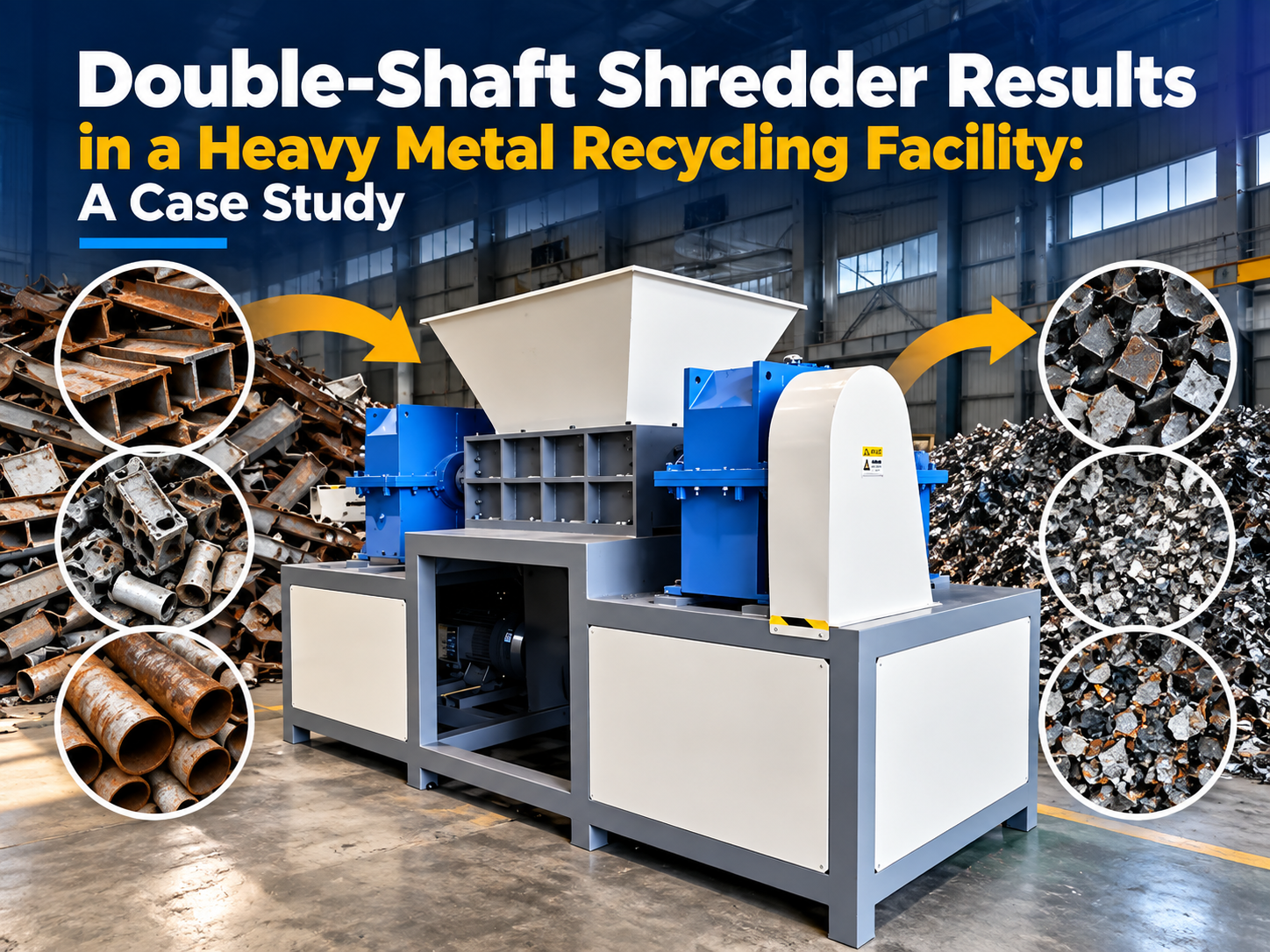
In the modern landscape of industrial metal fabrication and scrap management, the efficiency of material reduction is the primary driver of profitability. For a large-scale heavy metal recycling facility, the ability to process bulky, high-tensile scrap into manageable, uniform feedstock is not just an operational advantage—it is a necessity. This article explores the Double-Shaft Shredder Results In A Heavy Metal Recycling Facility: A Case Study, focusing on how HARSLE’s advanced shredding technology transformed a mid-sized recycling plant into a high-output processing hub.
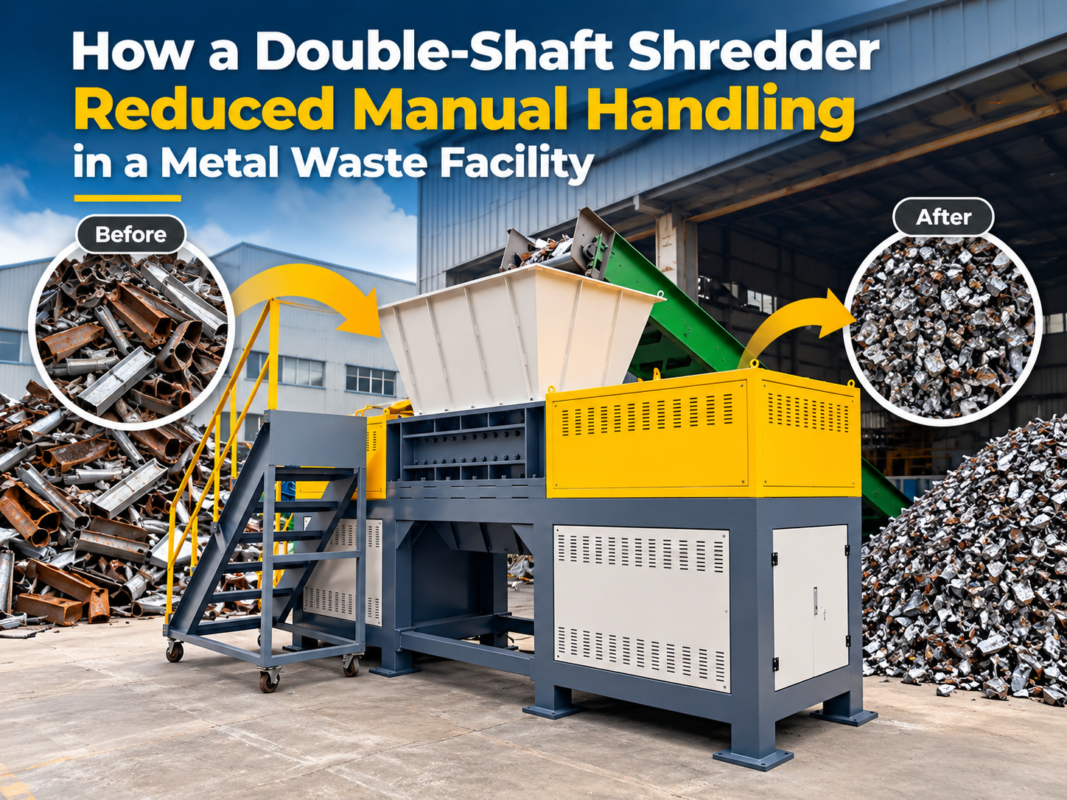
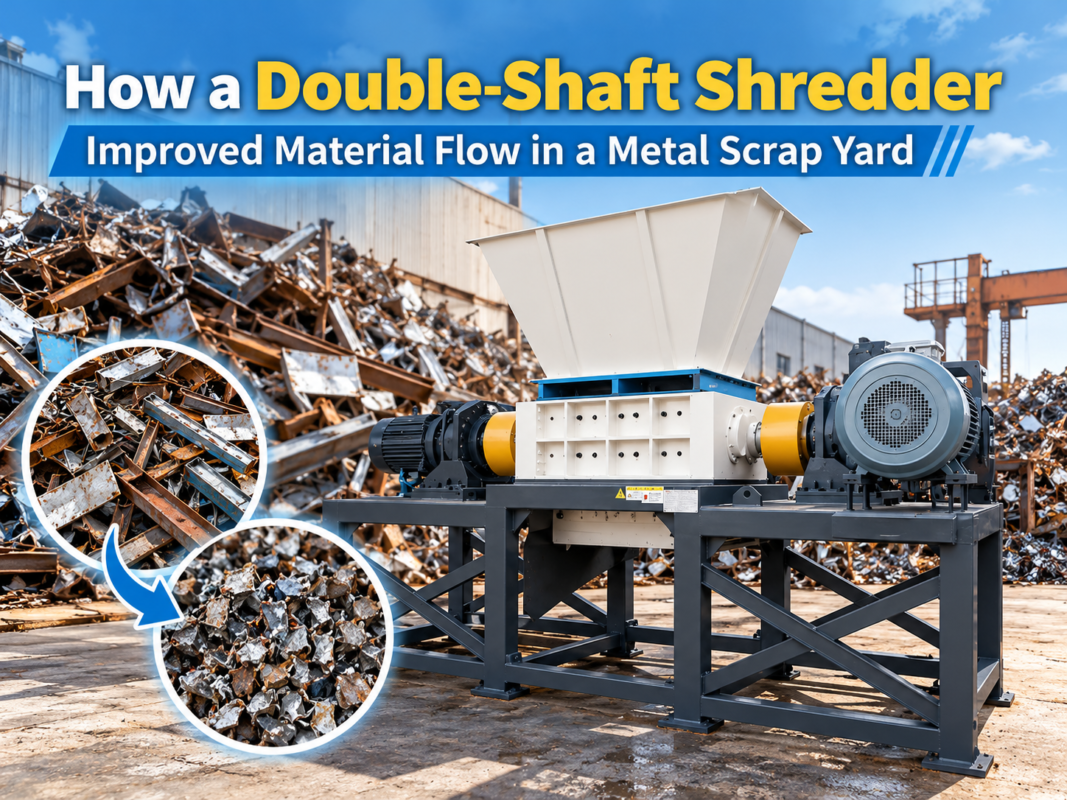
The facility in question faced significant bottlenecks due to the accumulation of oversized industrial scrap, including steel beams, automotive frames, and heavy-gauge plate offcuts. Traditional shearing methods were proving too slow and labor-intensive, leading to excessive downtime and high operational costs. By integrating a high-torque double-shaft shredder, the facility was able to streamline its workflow, improve material density for transport, and significantly increase the purity of its sorted output.
This case study delves into the technical specifications, the operational challenges overcome, and the long-term economic benefits observed after the implementation of the HARSLE shredding system. We will examine how the dual-shaft design provides the necessary shearing force to handle high-strength alloys while maintaining the durability required for 24/7 industrial operations.
As we navigate through the technical details and selection criteria, it becomes clear that the choice of shredding equipment is a strategic investment. Whether you are managing a scrap yard or a metal fabrication facility, understanding the mechanics of these machines is essential for optimizing your production line and maximizing the return on your scrap metal assets.
Key Considerations for Heavy Metal Shredding
When selecting equipment for a heavy metal recycling facility, the primary consideration is the material composition. Heavy metal scrap is rarely uniform; it consists of varying thicknesses, hardness levels, and shapes. A double-shaft shredder must be engineered to handle these variables without stalling or suffering from premature blade wear. The torque-to-speed ratio is critical here, as high-torque, low-speed operation is required to shear through thick steel without overheating the motor.
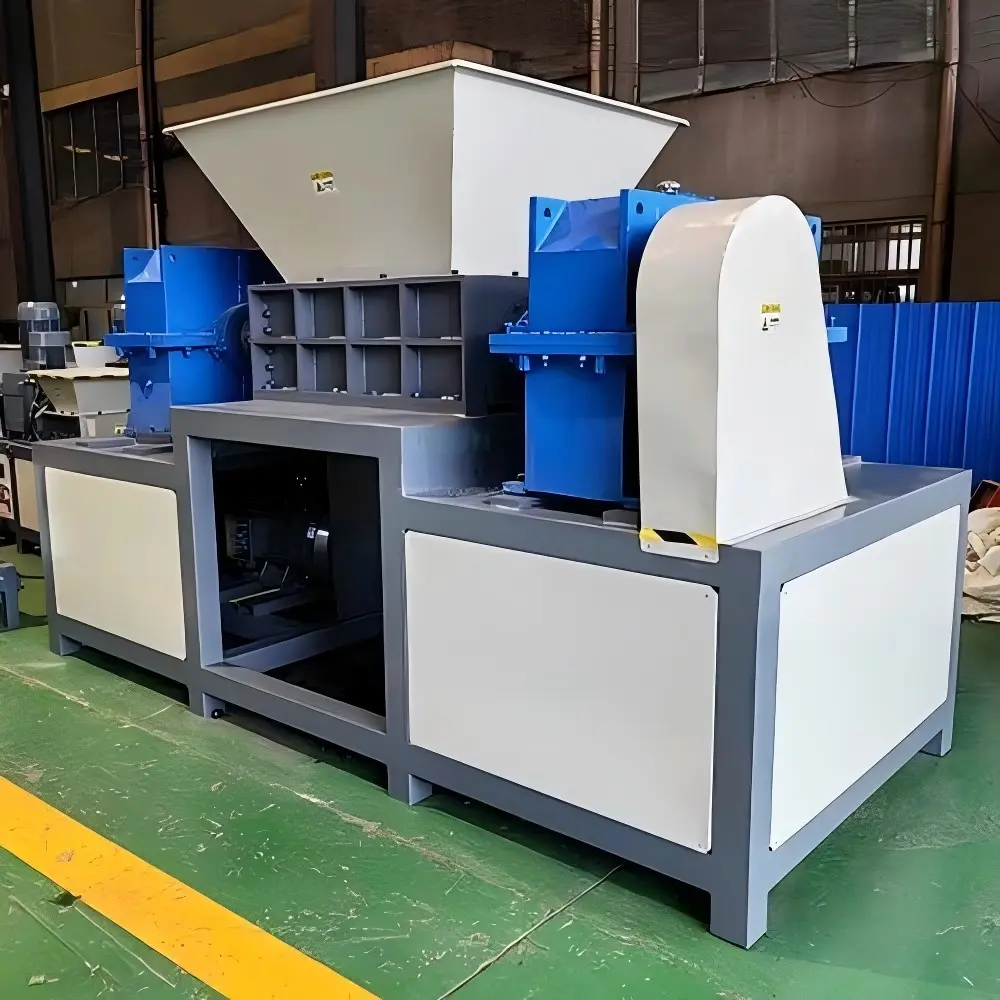
Another key consideration is the throughput requirement. In a high-volume facility, the shredder must be capable of continuous operation. This means the cooling system, the gearbox, and the structural integrity of the shredding chamber must be robust enough to withstand the constant vibration and impact forces generated by shredding heavy metal. HARSLE’s design philosophy focuses on modularity, allowing for easier maintenance and component replacement, which minimizes downtime during peak operational hours.
Safety and environmental compliance also play a significant role. Shredding heavy metal generates significant noise and dust. Modern facilities must invest in shredders that feature integrated noise-reduction housing and dust suppression systems. Furthermore, the shredder must be equipped with advanced PLC controls that monitor for overloads, automatically reversing the shafts if a non-shreddable object (such as a hardened tool steel die) is detected, thereby preventing catastrophic damage to the cutting blades.
Finally, the end-product size is a major factor. Depending on the downstream processes—such as magnetic separation, eddy current separation, or smelting—the shredder must produce a consistent particle size. The blade configuration, including the number of hooks and the width of the cutters, must be customized to achieve the desired output dimensions. This level of customization is what separates a standard industrial shredder from a high-performance recycling solution.
Technical Details of the HARSLE Shredding System
The HARSLE double-shaft shredder utilizes two counter-rotating shafts equipped with high-strength alloy steel blades. These blades are designed to intermesh, creating a powerful shearing action that pulls material into the cutting zone. The low-speed, high-torque drive system ensures that the machine can process even the most stubborn materials, such as hardened steel or thick-walled pipes, with ease.
At the heart of the system is the heavy-duty gearbox, which is designed to handle the extreme shock loads associated with metal shredding. The shafts are supported by oversized bearings, protected by multi-stage sealing systems to prevent metal dust and debris from entering the lubrication system. This attention to detail ensures a long service life, even in the harsh environments typical of a heavy metal recycling facility.
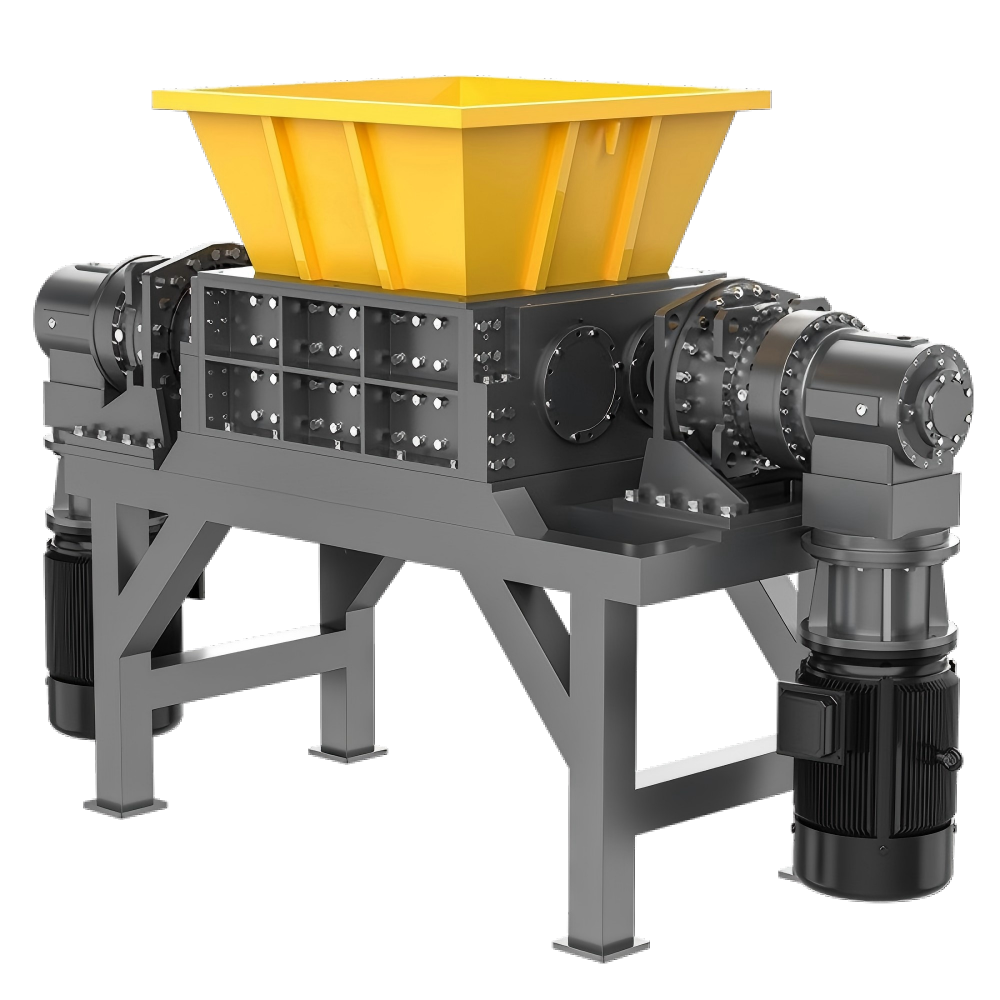
The control system is equally sophisticated. HARSLE shredders are equipped with intelligent sensors that monitor the current draw of the motors. If the shredder encounters a material that exceeds its capacity, the PLC automatically initiates a reverse cycle to clear the blockage before resuming forward operation. This feature significantly reduces the need for manual intervention and prevents damage to the drive train.
Maintenance is simplified through a modular design. The cutting chamber can be accessed easily, and the individual blades can be replaced or sharpened without removing the entire shaft assembly. This modularity is a game-changer for facilities that cannot afford extended downtime. Furthermore, the use of wear-resistant materials for the blades ensures that the shredder maintains its cutting efficiency over long periods, reducing the frequency of maintenance cycles.
Selection Advice: Choosing the Right Shredder
Choosing the right double-shaft shredder requires a thorough assessment of your facility’s specific needs. Start by analyzing the average and maximum dimensions of the scrap you intend to process. A shredder with a small feed opening will be ineffective for large automotive components, while an oversized shredder may be overkill for thin-gauge sheet metal. HARSLE offers a range of sizes to ensure that the machine is perfectly matched to the application.
Consider the power requirements of your facility. High-torque shredders require significant electrical infrastructure. Ensure that your power supply can handle the startup current and the continuous load of the shredder. It is also advisable to consult with HARSLE’s engineering team to discuss the specific alloy types you are processing, as this will dictate the metallurgy of the blades required for optimal performance.
Look for a manufacturer that provides comprehensive support. A shredder is a long-term investment, and you need a partner who can provide spare parts, technical training, and remote diagnostic support. HARSLE prides itself on its customer-centric approach, offering detailed installation guides and ongoing maintenance support to ensure that your shredder remains a productive asset for years to come.
Finally, evaluate the total cost of ownership. While the initial purchase price is important, the long-term costs—including energy consumption, blade replacement, and maintenance labor—are what truly impact your bottom line. A high-quality shredder from a reputable manufacturer like HARSLE may have a higher upfront cost, but its superior durability and efficiency will result in a lower total cost of ownership over the life of the machine.
Foire aux questions (FAQ)
What is the primary advantage of a double-shaft shredder over a single-shaft model?
Double-shaft shredders are superior for heavy metal recycling because they provide higher torque and a more aggressive shearing action. This allows them to process bulky, irregular scrap that would cause a single-shaft shredder to stall or jam.
How often do the blades need to be replaced?
Blade life depends on the type of material being shredded and the volume of throughput. HARSLE uses high-grade wear-resistant alloys to maximize blade longevity. Regular maintenance and proper operation can significantly extend the time between blade replacements.
Can the shredder handle non-metal contaminants?
While designed for metal, HARSLE shredders are robust enough to handle minor contaminants. However, the system is equipped with safety features to prevent damage if large, non-shreddable objects are introduced into the chamber.
What kind of maintenance is required for the gearbox?
The gearbox requires regular oil changes and monitoring of the lubrication system. HARSLE provides a detailed maintenance schedule to ensure the gearbox operates within its optimal temperature and pressure ranges.
Is it possible to customize the output size?
Yes, the output size can be adjusted by changing the blade configuration and the gap between the shafts. HARSLE works with clients to determine the ideal configuration for their specific downstream processing requirements.
Conclusion
The Double-Shaft Shredder Results In A Heavy Metal Recycling Facility: A Case Study demonstrates that the right equipment is the cornerstone of a successful recycling operation. By transitioning to HARSLE’s advanced shredding technology, the facility was able to overcome significant operational hurdles, increase its processing capacity, and improve the quality of its recycled metal output. The combination of high-torque performance, intelligent control systems, and modular design makes HARSLE shredders an ideal choice for any facility looking to optimize its metal fabrication and recycling processes.
Investing in industrial machinery is a complex decision that requires careful planning and a deep understanding of your operational needs. As this case study has shown, the benefits of a well-engineered shredder extend far beyond simple material reduction; they encompass improved safety, reduced downtime, and enhanced profitability. Whether you are dealing with heavy steel beams or complex scrap alloys, HARSLE provides the technology and the expertise to help you achieve your production goals.
We encourage facility managers and business owners to conduct a thorough audit of their current scrap processing workflows. If you are experiencing bottlenecks or high maintenance costs, it may be time to consider an upgrade to a modern, high-performance double-shaft shredder. With the right partner and the right equipment, you can transform your recycling facility into a model of efficiency and productivity, ensuring long-term success in the competitive metal fabrication industry.