How a Horizontal Baler Supported Large-Scale Metal Waste Compression: A Comprehensive Industrial Guide

Introduction: The Evolution of Metal Waste Management
In the modern metal fabrication industry, the management of scrap material is no longer just a logistical necessity; it is a critical component of operational profitability. As production volumes increase, so does the accumulation of metal offcuts, shavings, and discarded components. This is where the implementation of advanced machinery becomes vital. Specifically, how a horizontal baler supported large-scale metal waste compression has become a benchmark for efficiency in high-output manufacturing environments.
HARSLE has observed that many facilities struggle with the sheer volume of metal waste, leading to cluttered workspaces, safety hazards, and increased transportation costs. By integrating a high-capacity horizontal baler, companies can transform loose, unmanageable scrap into dense, uniform bales. This process not only optimizes storage space but also significantly increases the market value of the scrap, as recyclers prefer processed, high-density materials over loose debris.
The transition from manual handling or vertical baling to automated horizontal baling represents a significant leap in industrial maturity. This article explores the technical mechanics, operational benefits, and strategic advantages of deploying horizontal balers in large-scale metal fabrication facilities. We will delve into why this equipment is the cornerstone of a sustainable and profitable waste management strategy.
Key Considerations for Large-Scale Metal Compression
When evaluating how a horizontal baler supported large-scale metal waste compression, one must first consider the volume and type of material being processed. Metal scrap varies significantly in density, shape, and composition—ranging from thin aluminum sheets to heavy steel offcuts. A machine that works for light-gauge steel may not be suitable for heavy-duty industrial scrap, making material analysis the first step in the procurement process.
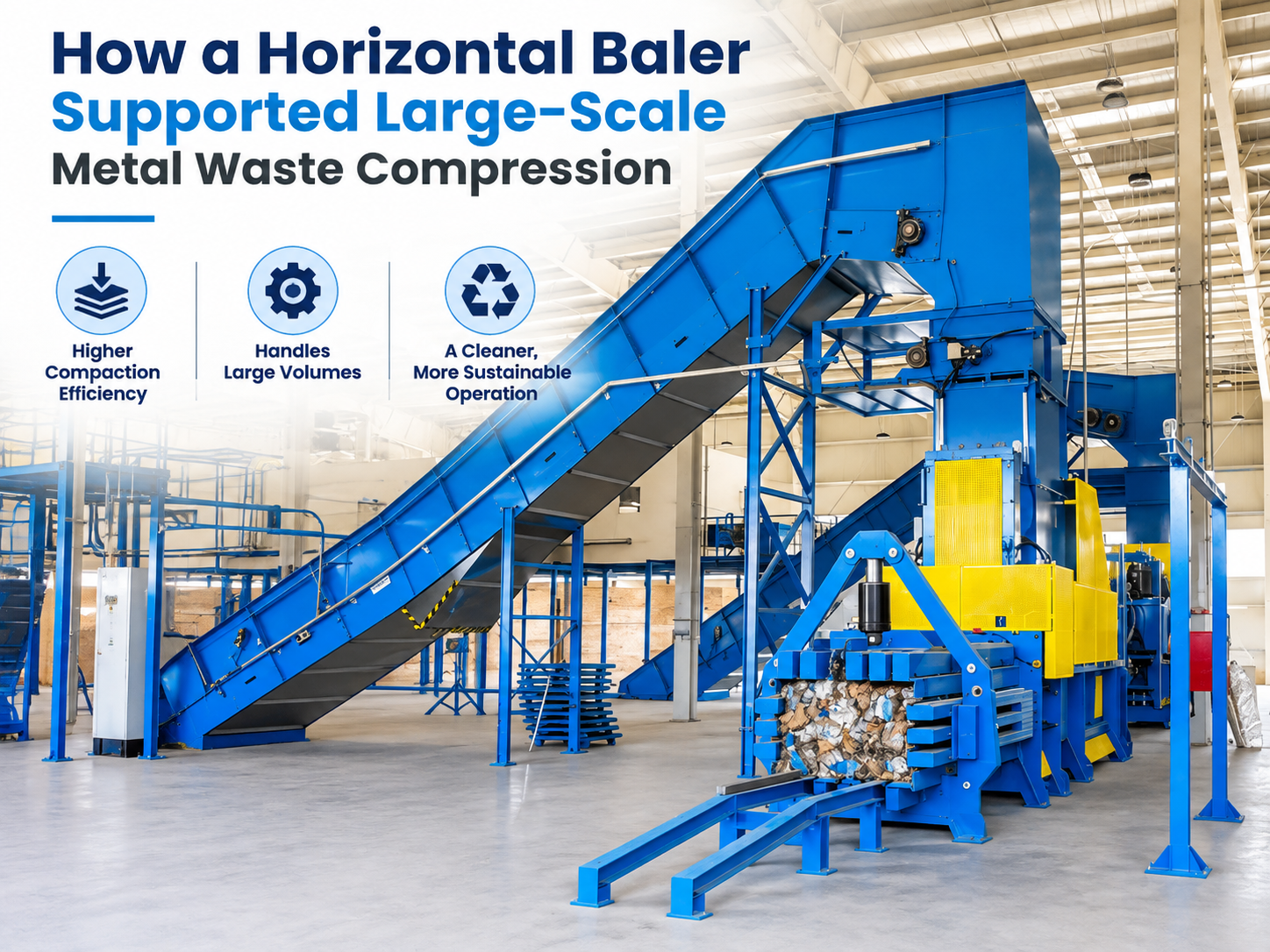
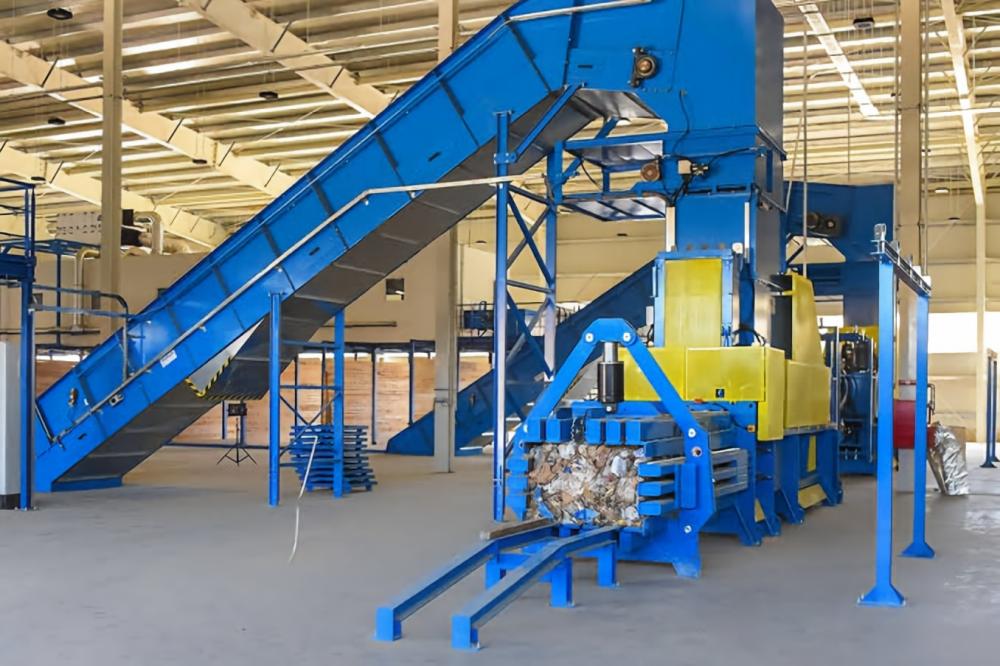
Operational throughput is another critical factor. Large-scale facilities often operate on multi-shift schedules, requiring equipment that can handle continuous loading without overheating or mechanical failure. The integration of conveyor systems is often necessary to maintain a steady feed rate, ensuring that the baler operates at its maximum capacity throughout the day. Without a consistent feed, the efficiency gains of a horizontal baler are quickly diminished.
Space allocation and facility layout play a major role in the success of the installation. Unlike vertical balers, horizontal units require a larger footprint and a dedicated area for bale ejection and storage. Planners must consider the flow of materials from the production line to the baler, minimizing the distance that scrap must be transported. Efficient layout design reduces labor costs and minimizes the risk of workplace accidents associated with moving heavy metal waste.
Finally, safety and regulatory compliance cannot be overlooked. Metal fabrication environments are inherently hazardous, and the addition of heavy machinery requires strict adherence to safety protocols. Modern horizontal balers come equipped with advanced sensors, emergency stop systems, and automated tying mechanisms that reduce the need for manual intervention, thereby protecting the workforce while maintaining high production speeds.
Technical Details: The Mechanics of High-Performance Baling
The core of how a horizontal baler supported large-scale metal waste compression lies in its hydraulic power and structural integrity. These machines utilize high-pressure hydraulic cylinders to exert immense force on the material, compressing it into a compact, rectangular bale. The hydraulic system is designed to handle the resistance of dense metals, ensuring that the bale maintains its shape during transport and handling.
One of the most significant technical advancements in HARSLE horizontal balers is the automated tying system. In large-scale operations, manual tying is a bottleneck that slows down production. Automated systems use high-tensile wire to secure the bale while it is still under pressure, ensuring that the final product is tight and stable. This feature is essential for processing materials like copper, aluminum, and steel, which have high spring-back properties.
The control system, typically powered by a Programmable Logic Controller (PLC), allows for precise adjustments to bale size, density, and cycle time. Operators can program the machine to handle different types of metal, optimizing the pressure settings for each material type. This versatility is crucial for facilities that process a variety of scrap, as it allows for a customized approach to waste management that maximizes the value of every bale produced.
Durability is built into the frame and the wear-resistant liners of the baling chamber. Because metal scrap is abrasive, the interior walls of the baler are often reinforced with Hardox or similar high-strength steel plates. These liners are replaceable, ensuring that the machine can withstand years of heavy use without compromising the structural integrity of the main frame. This focus on longevity is what makes the horizontal baler a sound long-term investment for any fabrication shop.
Conseils de sélection : Choisir le bon équipement
Selecting the right horizontal baler requires a deep understanding of your facility’s specific needs. Start by auditing your current waste output. Measure the weight and volume of your daily scrap production. This data will dictate the required force (measured in tons) and the chamber size of the baler. A common mistake is undersizing the equipment, which leads to frequent maintenance issues and bottlenecks in production.
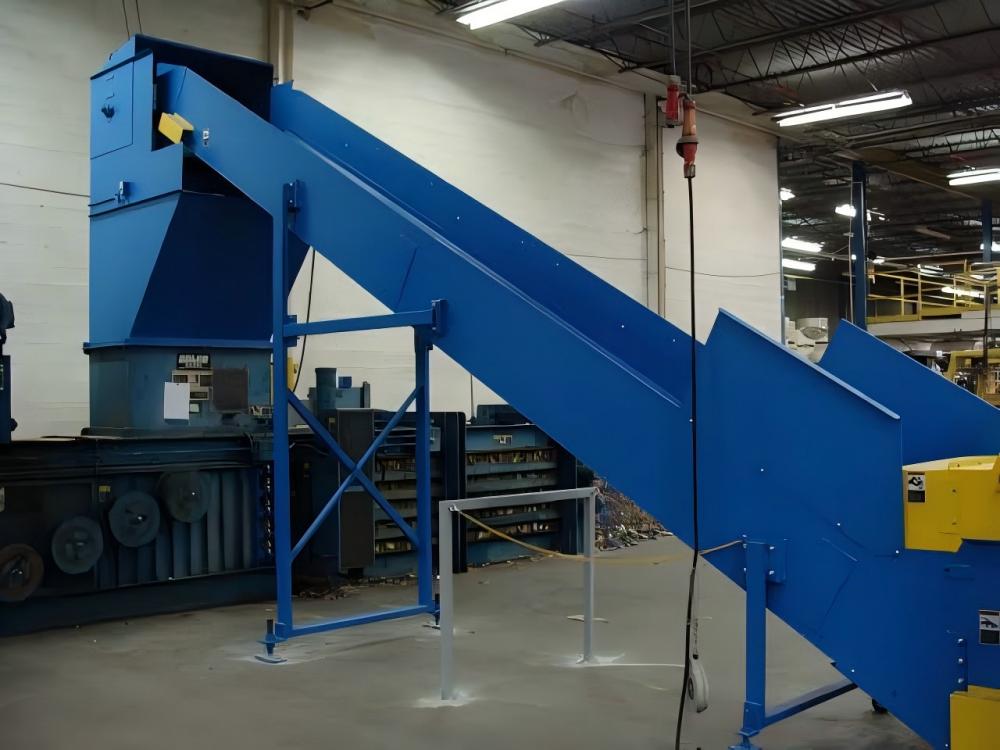
Consider the feeding mechanism. For large-scale operations, a hopper-fed system combined with a conveyor belt is almost always the best choice. This allows for continuous operation, as the conveyor can be loaded while the baler is completing a cycle. If your scrap is particularly bulky or irregular, a pre-crusher or shredder may be required before the material enters the baler, ensuring that the material is uniform and easy to compress.
Evaluate the power requirements and energy efficiency of the machine. Modern balers are designed with energy-saving hydraulic pumps that only draw power when the machine is actively compressing. This can lead to significant cost savings over the lifespan of the equipment. Additionally, look for machines that offer remote diagnostic capabilities, allowing technicians to troubleshoot issues without the need for an on-site visit, which minimizes downtime.
Finally, partner with a reputable manufacturer like HARSLE that provides comprehensive after-sales support. The availability of spare parts, technical training for your staff, and regular maintenance programs are just as important as the machine itself. A horizontal baler is a long-term asset, and the support you receive after the sale will determine its overall return on investment.
Foire aux questions (FAQ)
1. How does a horizontal baler differ from a vertical baler?
A horizontal baler is designed for continuous, high-volume processing, often featuring automated feeding and tying systems. Vertical balers are typically used for smaller volumes and require manual loading and tying, making them less suitable for large-scale metal fabrication.
2. What types of metal can be processed in a horizontal baler?
Horizontal balers can process a wide range of metals, including aluminum, copper, brass, and steel offcuts. However, it is essential to ensure the machine is rated for the specific density and hardness of the metal you are processing.
3. How much space is required for a horizontal baler installation?
The space requirement depends on the model, but you must account for the baler footprint, the conveyor system, and the area needed for bale ejection and forklift access. A professional site assessment is recommended.
4. What is the typical ROI for a horizontal baler?
ROI is achieved through reduced labor costs, lower transportation expenses (due to higher density), and increased revenue from selling processed scrap metal. Most facilities see a return on investment within 18 to 36 months.
5. How often does a horizontal baler require maintenance?
Regular maintenance, including hydraulic fluid checks, filter changes, and inspection of wear liners, should be performed according to the manufacturer’s schedule—typically every 500 to 1,000 operating hours.
Conclusion: Investing in Sustainable Efficiency
Understanding how a horizontal baler supported large-scale metal waste compression is essential for any fabrication business looking to scale its operations. By automating the waste management process, companies can reduce their environmental footprint, improve workplace safety, and turn a cost center into a revenue stream. The horizontal baler is more than just a piece of equipment; it is a strategic tool that enhances the overall efficiency of the production cycle.
As the metal fabrication industry continues to evolve, the demand for sustainable and efficient waste management solutions will only grow. HARSLE remains committed to providing the advanced machinery necessary to meet these challenges. By choosing the right equipment and implementing best practices for operation and maintenance, your facility can achieve a higher level of productivity and profitability, ensuring long-term success in a competitive market.
If you are ready to optimize your metal waste management, consider the benefits of a professional-grade horizontal baler. With the right planning and the right partner, you can transform your scrap handling process and focus on what you do best: manufacturing high-quality metal products.