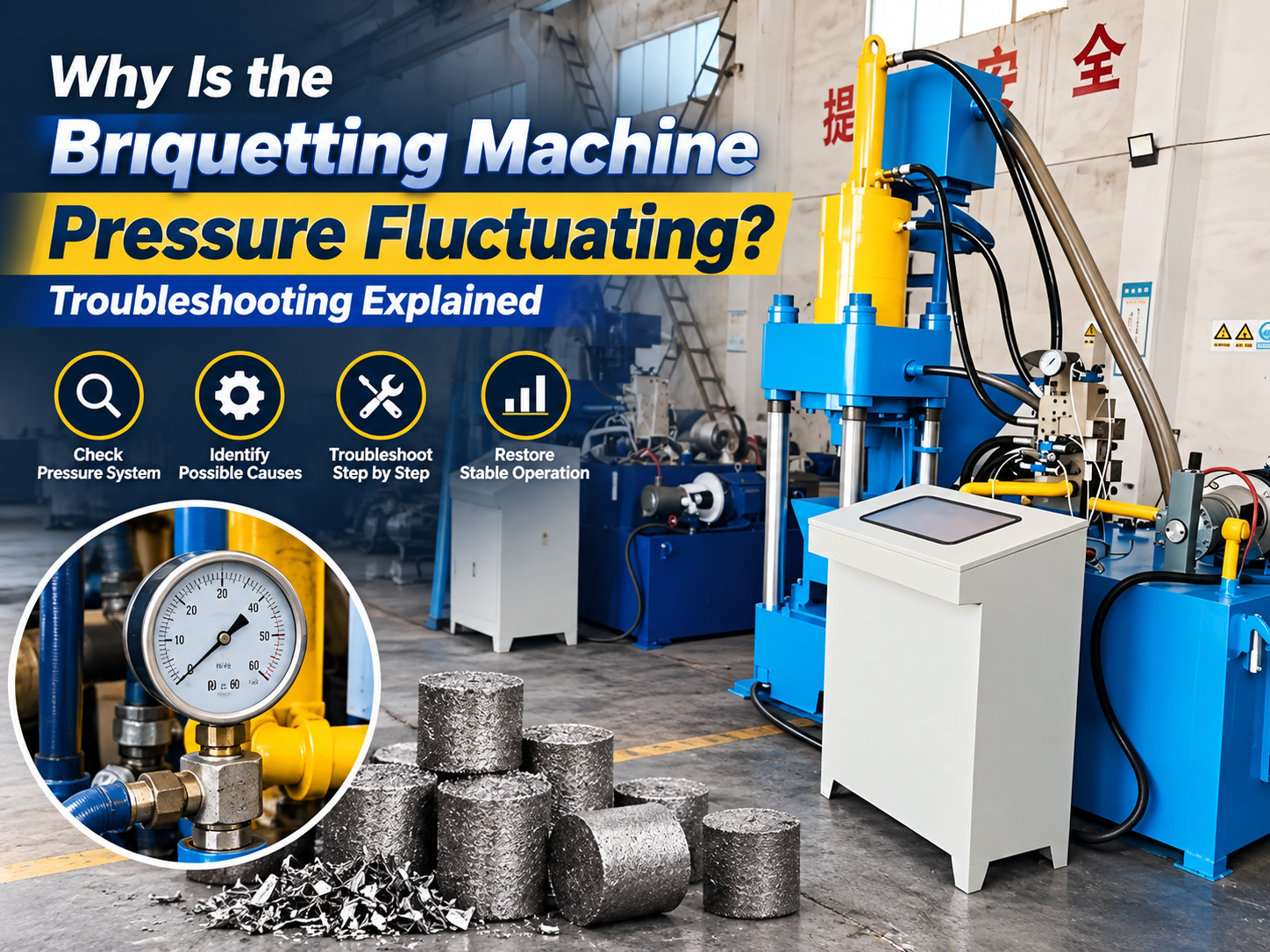
Why Is the Briquetting Machine Pressure Fluctuating? Troubleshooting Explained

Introduction: Understanding Pressure Stability in Briquetting
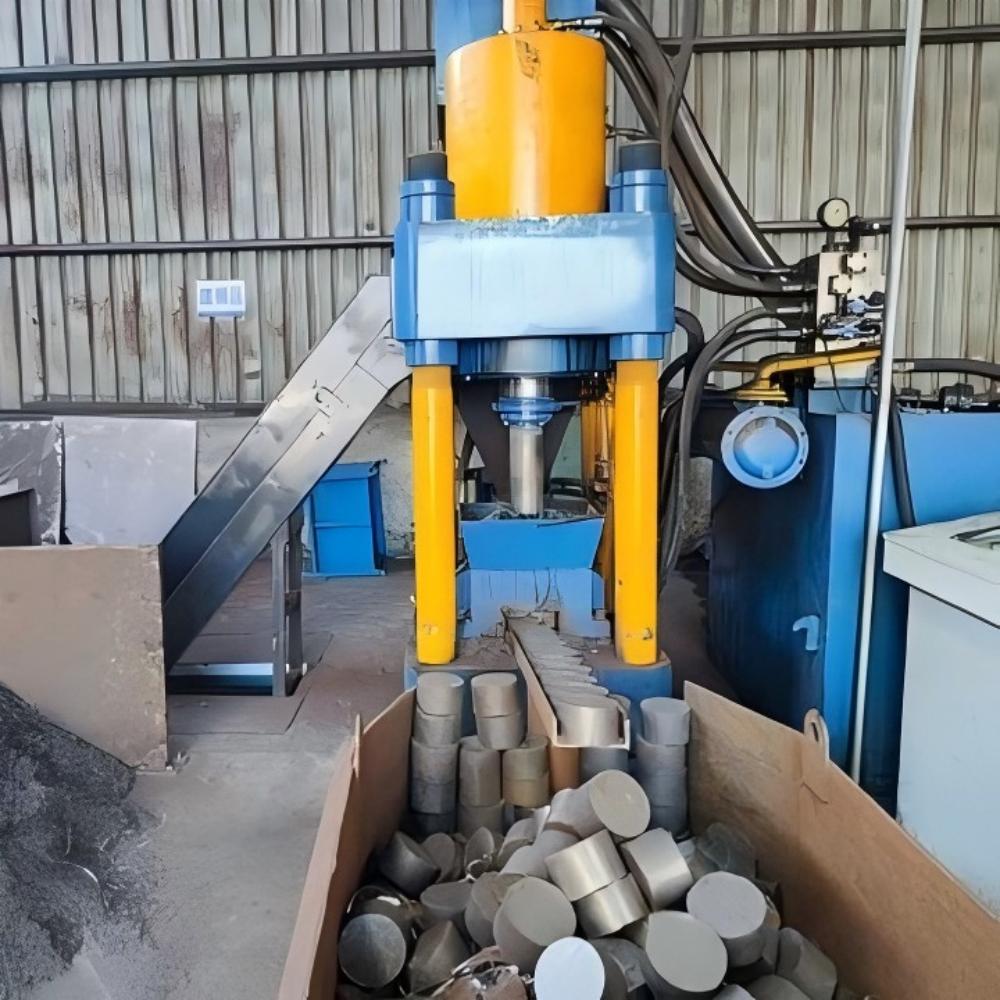
In the high-stakes environment of metal fabrication, the efficiency of your waste management system is paramount. A briquetting machine is designed to transform loose metal chips, turnings, and swarf into dense, manageable briquettes, significantly reducing volume and recovering valuable cutting fluids. However, operators often face a common technical hurdle: inconsistent compaction. When you ask, “Why is the briquetting machine pressure fluctuating? Troubleshooting explained,” you are addressing a critical performance issue that impacts both the quality of the final product and the longevity of your hydraulic components.
Pressure stability is the heartbeat of a briquetting press. Whether you are processing aluminum, steel, or copper, the hydraulic system must exert a consistent, high-force load to ensure the material reaches the required density. When pressure readings oscillate, it indicates a disruption in the hydraulic circuit, a mechanical blockage, or a failure in the control logic. Ignoring these fluctuations can lead to “soft” briquettes that crumble during transport, increased energy consumption, and premature wear on the main cylinder seals.
At HARSLE, we emphasize that understanding the root cause of pressure instability is the first step toward operational excellence. This guide serves as a comprehensive resource for maintenance teams and plant managers to diagnose, isolate, and resolve pressure-related anomalies. By systematically evaluating your hydraulic system, you can restore peak performance and ensure your metal fabrication equipment operates at its designed capacity.
This article will delve into the technical intricacies of hydraulic pressure regulation, the impact of material feed consistency, and the maintenance protocols required to keep your briquetting press running smoothly. We will explore why pressure fluctuations occur and provide actionable troubleshooting steps to mitigate these risks in your daily production cycle.
Key Considerations: Identifying the Symptoms of Pressure Instability
Before diving into complex repairs, it is essential to identify the specific nature of the pressure fluctuation. Is the pressure dropping during the compression stroke, or is it spiking erratically? A drop in pressure during the final stage of compaction usually points to a leak or a pump inefficiency, whereas erratic spikes often suggest air entrapment or a faulty pressure relief valve. Documenting these patterns is the first step in the troubleshooting process.
Another key consideration is the material feed. Briquetting machines are sensitive to the bulk density and moisture content of the incoming metal chips. If the feed mechanism delivers an uneven volume of material, the hydraulic system must work harder to compensate, leading to pressure variations. Ensuring that your chip processing system is synchronized with the press feed rate is vital for maintaining a steady hydraulic load.
Environmental factors also play a significant role. Hydraulic oil viscosity changes with temperature. If your facility experiences significant temperature swings, the oil may become too thin or too thick, affecting the response time of the valves. Monitoring oil temperature and ensuring the use of the correct grade of hydraulic fluid is a fundamental aspect of maintaining pressure stability in industrial machinery.
Finally, consider the age and condition of your hydraulic components. Over time, seals degrade, and internal bypasses can develop within the cylinders. If the pressure fluctuation is accompanied by a noticeable increase in heat or a change in the sound of the pump, it is likely that internal wear is the culprit. Regular inspection schedules should be established to catch these issues before they lead to total system failure.
Technical Details: Why Is the Briquetting Machine Pressure Fluctuating? Troubleshooting Explained
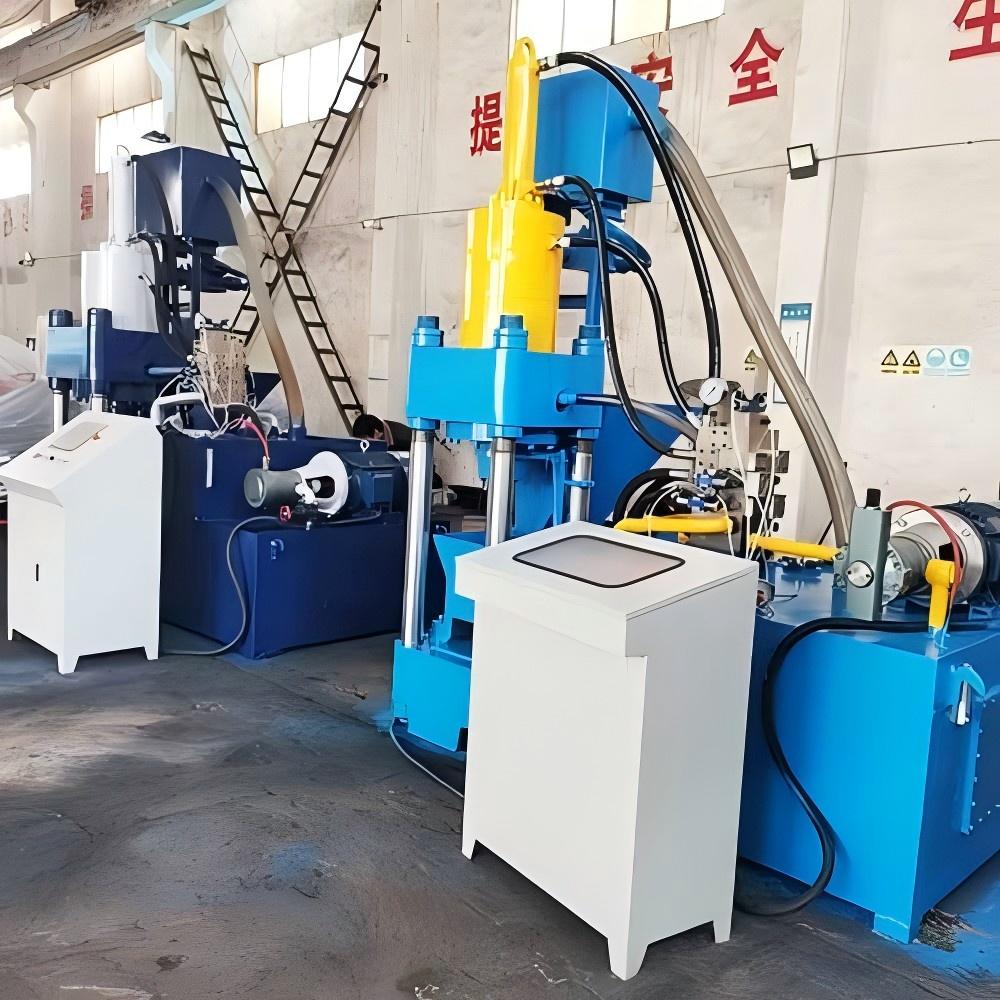
The primary reason for pressure fluctuation often lies within the hydraulic power unit (HPU). The pump, which is the heart of the system, may be experiencing cavitation. Cavitation occurs when air bubbles form in the hydraulic fluid, causing the pump to struggle to maintain a consistent flow. This is often caused by a clogged suction filter or a low oil level in the reservoir. Checking the suction line for air leaks is a critical troubleshooting step.
The pressure relief valve is another common point of failure. If the valve seat is contaminated with debris or if the spring has lost its tension, the valve may open prematurely or fail to close fully, causing the pressure to “hunt” or oscillate. Cleaning the valve or replacing the spring assembly can often resolve these fluctuations. It is important to follow the manufacturer’s specifications when adjusting these valves to avoid over-pressurizing the system.
Accumulators, if installed, are designed to dampen pressure pulses and store energy. If the nitrogen pre-charge in the accumulator is incorrect, it will fail to perform its function, leading to significant pressure instability. Regularly checking the nitrogen charge and the integrity of the bladder or diaphragm is essential for systems that rely on accumulators for smooth operation.
Electrical control issues can also manifest as pressure fluctuations. If the proportional valve or the pressure transducer is sending erratic signals to the PLC, the system will attempt to compensate by constantly adjusting the pump output. Verifying the integrity of the wiring, checking for electromagnetic interference, and calibrating the pressure sensors are necessary steps to rule out electronic malfunctions.
Conseils de sélection : Choisir le bon équipement pour vos besoins
When selecting a briquetting machine, it is important to consider the specific metal types you intend to process. Different metals have varying levels of hardness and spring-back, which require different pressure profiles. A machine that is under-specced for your material will constantly operate at its limit, leading to the pressure fluctuations you are trying to avoid. Always consult with HARSLE engineers to ensure the press capacity matches your production throughput.
Look for machines that feature advanced diagnostic capabilities. Modern briquetting presses often come equipped with integrated sensors that monitor pressure, temperature, and oil quality in real-time. These systems can provide early warnings before a minor fluctuation becomes a major breakdown. Investing in equipment with robust PLC integration allows for better control and easier troubleshooting when issues do arise.
Consider the ease of maintenance when evaluating potential machines. A well-designed briquetting press should have accessible hydraulic manifolds, easy-to-replace filters, and clear documentation. If the internal components are buried deep within the machine frame, maintenance tasks will take longer and are more likely to be skipped, leading to long-term reliability issues.
Finally, evaluate the manufacturer’s support network. A machine is only as good as the service behind it. Ensure that the supplier provides comprehensive training for your operators and has a readily available stock of spare parts. At HARSLE, we believe that the relationship with the customer continues long after the machine is installed, providing the technical guidance necessary to keep your operations running at peak efficiency.
Maintenance Best Practices for Pressure Stability
- Regular Oil Analysis: Test your hydraulic fluid every 500 hours of operation to check for contamination, oxidation, and viscosity changes.
- Filter Replacement: Do not wait for a pressure drop to change your filters. Follow a strict schedule to prevent pump cavitation.
- Seal Inspections: Check for external leaks around cylinders and valves. Even minor weeping can indicate internal seal degradation.
- Sensor Calibration: Annually calibrate pressure transducers to ensure the readings on your HMI match the actual system pressure.
- Cooling System Check: Ensure the oil cooler is free of dust and debris to maintain optimal operating temperatures.
FAQ: Common Questions Regarding Briquetting Pressure
Q: How often should I check the hydraulic pressure settings?
A: You should verify your pressure settings during every major maintenance interval, or whenever you notice a change in the density of the briquettes produced.
Q: Can air in the hydraulic system cause pressure fluctuations?
A: Yes, air entrapment is a leading cause of erratic pressure. Ensure the system is properly bled after any maintenance that involves opening the hydraulic lines.
Q: What is the ideal operating temperature for the hydraulic oil?
A: Most hydraulic systems operate best between 40°C and 60°C. Operating outside this range can significantly affect fluid viscosity and pressure control.
Q: Why do my briquettes come out soft?
A: Soft briquettes are usually a sign of insufficient compaction pressure or an inconsistent material feed. Check your pressure settings and the condition of the compression chamber.
Conclusion: Maintaining Excellence in Metal Fabrication
Addressing the question, “Why is the briquetting machine pressure fluctuating? Troubleshooting explained,” requires a methodical approach that combines mechanical knowledge with a keen eye for detail. By focusing on the hydraulic power unit, the control systems, and the material feed consistency, you can effectively diagnose and resolve the issues that lead to pressure instability. Remember that proactive maintenance is always more cost-effective than reactive repair.
At HARSLE, we are committed to providing the high-quality metal fabrication equipment and the technical support you need to succeed. Whether you are troubleshooting an existing machine or looking to upgrade your facility, our team is here to help you achieve consistent, reliable results. By following the guidelines outlined in this article, you can ensure that your briquetting process remains a profitable and efficient part of your production line.
Consistent pressure is not just a technical requirement; it is a standard of quality. By mastering the troubleshooting steps provided, you empower your team to maintain the integrity of your briquettes and the longevity of your machinery. Stay vigilant, perform regular maintenance, and never hesitate to reach out to professional support when complex issues arise.