Briquetting Machine Die Wear Issues: Symptoms, Causes, and Fixes

Introduction to Briquetting Machine Die Wear
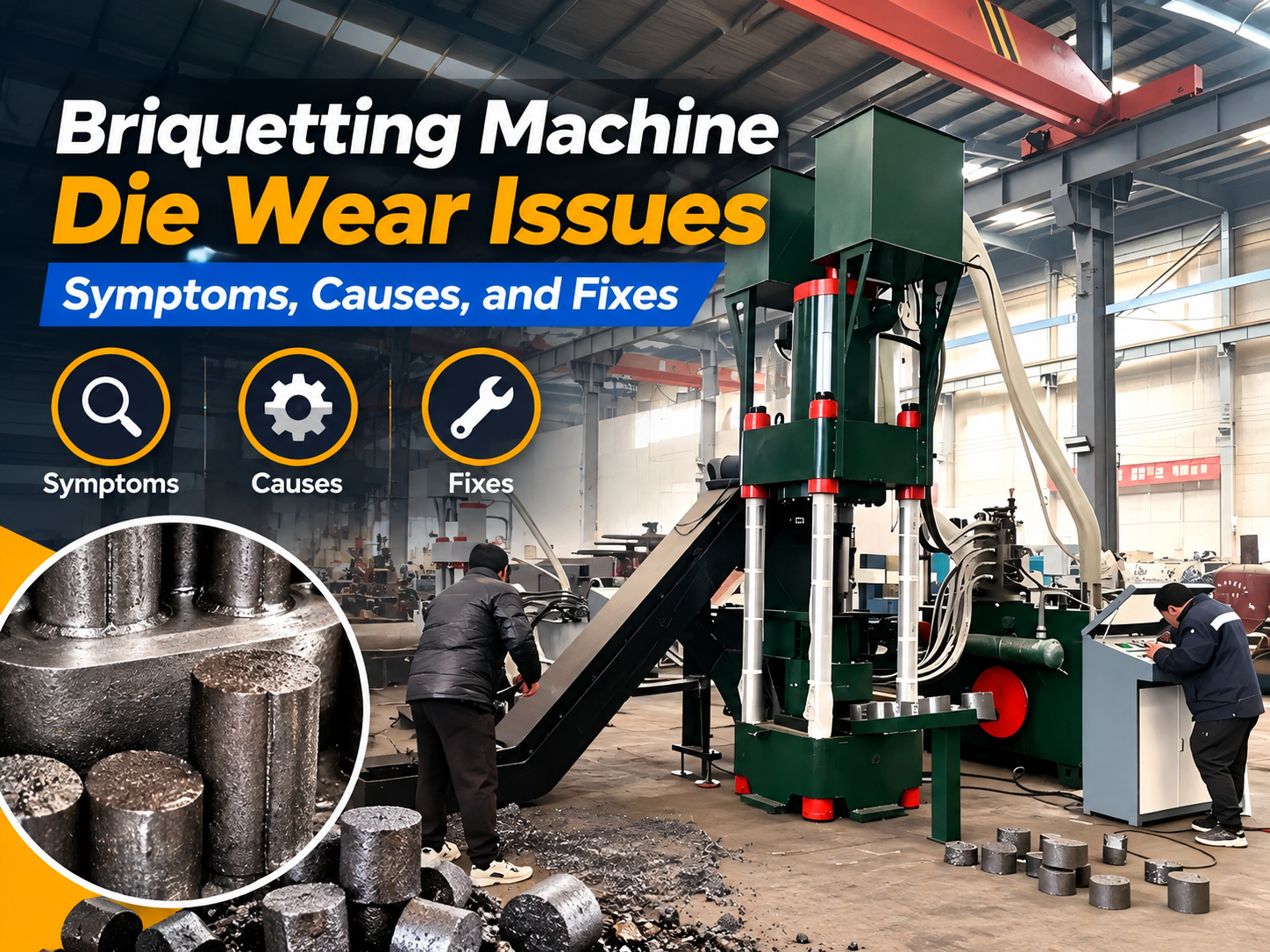
In the world of metal fabrication, efficiency is measured by the ability to transform waste into value. Briquetting machines play a pivotal role in this cycle, compressing loose metal chips, turnings, and swarf into dense, manageable pucks. However, the heart of this process—the die—is subjected to extreme mechanical stress, abrasive friction, and thermal cycling. Understanding Briquetting Machine Die Wear Issues: Symptoms, Causes, and Fixes is essential for any facility manager looking to minimize downtime and maximize the return on investment for their metal processing equipment.
Die wear is not merely a maintenance nuisance; it is a significant operational cost driver. When a die begins to degrade, the quality of the briquettes suffers, leading to increased porosity, structural instability, and potential damage to downstream equipment. By proactively addressing the symptoms of wear, operators can extend the lifespan of their tooling and ensure consistent production quality. This guide provides a comprehensive look at how to manage these critical components effectively.
Key Considerations for Die Longevity
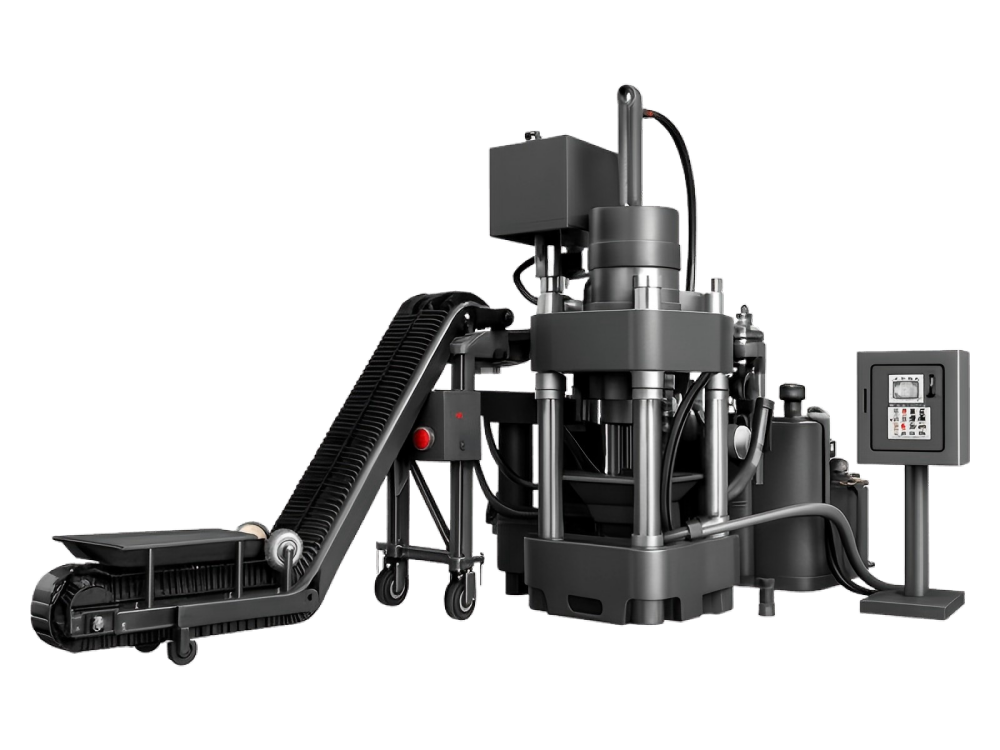
The longevity of a briquetting die is dictated by a combination of material science, operational parameters, and maintenance rigor. The first consideration is the nature of the material being processed. Harder metals, such as stainless steel or titanium, exert significantly higher abrasive forces on the die walls compared to softer materials like aluminum or copper. If the die material is not matched correctly to the hardness of the feedstock, premature wear is inevitable.
Another critical factor is the lubrication strategy. While some briquetting processes are designed to run dry, the introduction of appropriate lubricants can significantly reduce the coefficient of friction between the metal chips and the die surface. This reduction in friction not only lowers the heat generated during the compression cycle but also prevents the micro-welding of metal particles to the die wall, which is a primary precursor to galling and surface degradation.
Operational pressure settings must also be carefully calibrated. There is a common misconception that higher pressure always yields better briquettes. In reality, exceeding the manufacturer’s recommended pressure limits can lead to excessive stress on the die, causing it to deform or crack. Operators should utilize the HARSLE control interface to monitor pressure profiles and ensure that the machine is operating within the optimal window for the specific material density required.
Finally, the environment in which the machine operates plays a subtle but important role. Contaminants such as sand, grit, or coolant residues can act as lapping compounds, accelerating the wear process. Maintaining a clean feedstock supply and ensuring that the briquetting machine is housed in an environment that minimizes the ingress of abrasive dust will pay dividends in the long run. Regular inspection schedules should be integrated into the facility’s preventative maintenance plan to catch early signs of wear before they escalate into catastrophic failures.
Technical Details: Symptoms and Causes
Identifying Briquetting Machine Die Wear Issues: Symptoms, Causes, and Fixes requires a trained eye. The most common symptom is a noticeable change in the dimensions of the briquettes. If the diameter of the briquettes begins to increase or if the edges become ragged and inconsistent, it is a clear indicator that the die wall has begun to wear, leading to a loss of tolerance. This dimensional drift can cause issues with automated handling systems or melting furnaces downstream.
Another frequent symptom is an increase in the machine’s power consumption. As the die wears, the friction between the material and the die wall increases, requiring the hydraulic system to work harder to achieve the same level of compression. If operators notice that the motor is running hotter or that the cycle times are lengthening, it is often a sign that the internal surface of the die has become roughened, increasing resistance during the ejection phase.
Galling is a more severe symptom that manifests as deep scratches or streaks on the surface of the briquettes. This occurs when the protective layer of the die material is breached, allowing the feedstock to weld directly to the die surface. Once galling begins, it tends to propagate rapidly, as the rough surface creates more friction, which in turn generates more heat and leads to further welding. This is a critical failure state that requires immediate intervention.
The root causes of these issues are often multifaceted. Abrasive wear is the most common, caused by the constant sliding of metal chips against the die. Adhesive wear, or galling, is caused by the chemical affinity between the die material and the workpiece. Fatigue wear occurs due to the cyclic loading and unloading of the die, which can lead to micro-cracks that eventually propagate through the material. By diagnosing which type of wear is occurring, maintenance teams can select the appropriate fix, whether it be a change in material, a modification in lubrication, or a change in the die geometry.
Selection Advice and Maintenance Strategies
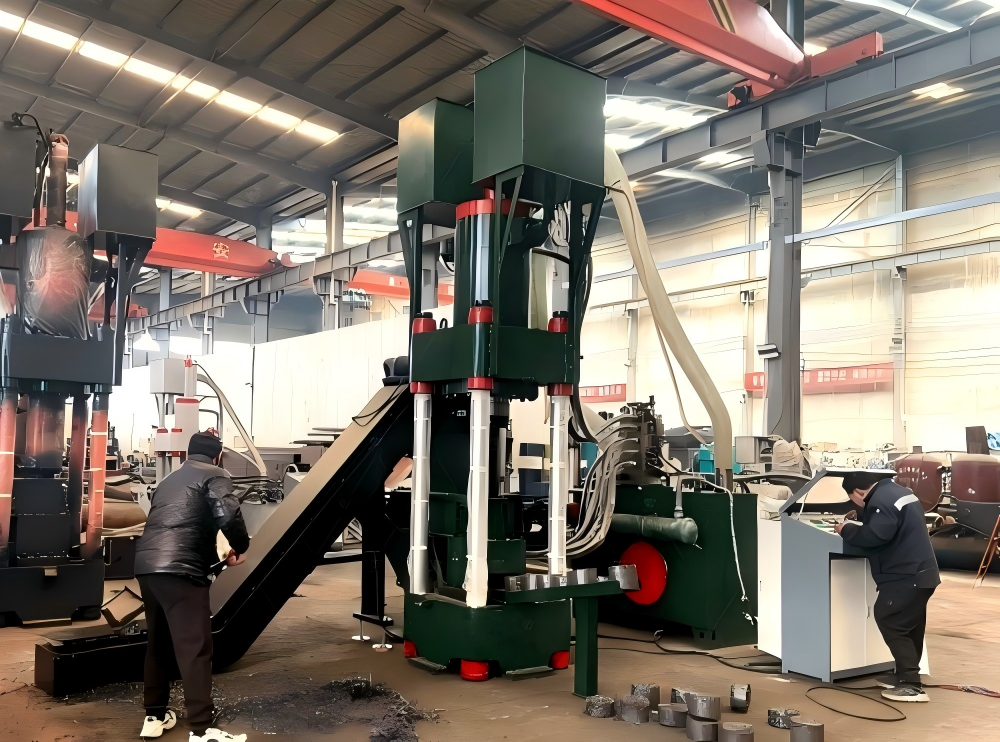
When selecting a die for your HARSLE briquetting machine, material selection is paramount. High-chromium tool steels are often preferred for their excellent wear resistance and toughness. However, for extremely abrasive applications, tungsten carbide inserts may be necessary. While the initial investment for carbide is higher, the extended service life often results in a lower total cost of ownership, especially in high-volume production environments.
Maintenance strategies should be proactive rather than reactive. Implementing a strict cleaning schedule is the first line of defense. After every shift, the die cavity should be inspected for debris and cleaned using non-abrasive tools. Furthermore, the hydraulic oil should be monitored for contamination. Metal fines that bypass the filtration system can circulate through the machine and contribute to the wear of internal components, including the die assembly.
Another effective strategy is the rotation of dies. If your production line utilizes multiple machines, rotating the dies between machines can help ensure even wear across the fleet. Additionally, keeping a detailed log of the number of cycles each die has performed allows for predictive maintenance. By replacing a die just before it reaches its expected wear limit, you avoid the risk of unplanned downtime and the potential for secondary damage to the machine’s ram or housing.
Finally, consider the role of training. Operators who understand the mechanics of the briquetting process are better equipped to identify the early warning signs of die wear. Training programs should cover the basics of material handling, the importance of lubrication, and the correct procedures for die inspection. A well-informed team is the most effective tool in preventing Briquetting Machine Die Wear Issues: Symptoms, Causes, and Fixes from impacting your bottom line.
Foire aux questions (FAQ)
How often should I inspect my briquetting machine die?
We recommend a visual inspection at the start of every shift and a more detailed dimensional check on a weekly basis. High-volume facilities should consider daily dimensional checks to ensure consistency.
What are the signs that a die needs to be replaced?
Signs include inconsistent briquette dimensions, increased power draw, visible scratches on the briquettes (galling), and excessive heat generation during the compression cycle.
Can I repair a worn die?
Minor surface imperfections can sometimes be polished out, but once the structural integrity or the critical dimensions of the die are compromised, replacement is the only safe and effective option.
Does the type of metal I process affect die life?
Yes, significantly. Harder metals like stainless steel or hardened alloys will cause wear much faster than softer metals like aluminum or brass. Adjust your maintenance intervals accordingly.
How can I prevent galling?
Ensure that the die surface is properly polished, use the correct lubricant for your specific material, and avoid exceeding the recommended pressure settings for your machine.
Conclusion
Managing Briquetting Machine Die Wear Issues: Symptoms, Causes, and Fixes is a fundamental aspect of maintaining a high-performance metal fabrication facility. By understanding the underlying causes of wear—whether it be abrasive, adhesive, or fatigue-related—and implementing a robust maintenance and inspection program, you can significantly extend the life of your equipment. HARSLE is committed to providing not only the highest quality machinery but also the technical expertise required to keep your operations running smoothly. Remember that a proactive approach to die maintenance is an investment in the reliability and profitability of your entire production line. For further technical support or to inquire about replacement tooling, contact our expert team today.