What to Do When a Briquetting Machine Makes Unusual Noise: A Comprehensive Troubleshooting Guide

Introduction
In the high-pressure environment of a modern metal fabrication facility, the briquetting machine serves as a critical link in the waste management and recycling chain. By compressing loose metal chips, turnings, and swarf into dense, manageable briquettes, these machines not only save space but also reclaim valuable cutting fluids and increase the resale value of scrap metal. However, like any heavy-duty industrial equipment, these machines are subject to mechanical wear and tear. One of the most common indicators that something is amiss is the emergence of strange, non-standard sounds during operation.
Understanding what to do when a briquetting machine makes unusual noise is essential for every plant manager and maintenance technician. Ignoring these auditory warnings can lead to catastrophic equipment failure, costly downtime, and significant repair expenses. When a machine that usually operates with a steady, rhythmic hum begins to clatter, screech, or bang, it is signaling that internal components are under stress or failing. This guide provides a deep dive into the diagnostic steps required to identify and resolve these issues effectively.
At HARSLE, we emphasize that proactive maintenance is the cornerstone of operational longevity. When you hear an unusual noise, the first step is always safety. Never attempt to inspect moving parts while the machine is under load or powered on. By following a systematic approach to troubleshooting, you can often pinpoint the source of the noise—whether it is hydraulic, mechanical, or electrical—and implement a solution before the problem escalates into a full-scale breakdown.
This article will walk you through the common causes of noise in briquetting systems, the technical steps for inspection, and the best practices for long-term maintenance. Whether you are dealing with a high-capacity aluminum briquetting system or a smaller unit for steel chips, the principles of diagnostic maintenance remain largely the same. Let us explore how to keep your equipment running smoothly and quietly.
Key Considerations When Troubleshooting Noise
When you are faced with the question of what to do when a briquetting machine makes unusual noise, the first consideration must be the environment and the nature of the sound. Is the noise a high-pitched whine, a deep grinding sound, or a rhythmic thumping? High-pitched noises often point toward hydraulic issues, such as cavitation or air in the lines, while grinding sounds are almost always indicative of mechanical friction, worn bearings, or debris trapped in the compression chamber.
Another key consideration is the timing of the noise. Does it occur only during the compression stroke, or is it constant while the motor is running? If the noise is synchronized with the movement of the piston, the issue is likely related to the hydraulic cylinder, the seals, or the guide rails. If the noise is constant, you should look toward the motor, the hydraulic pump, or the cooling fan. Identifying the timing helps narrow down the list of potential culprits significantly.
The type of material being processed also plays a major role. If you have recently switched from processing aluminum to a harder material like steel or titanium, the machine may be struggling with the increased density and resistance. This can cause the hydraulic system to work harder, leading to pressure spikes and unusual noises. Always ensure that the material being fed into the machine is within the specified hardness and size limits defined by the manufacturer.
Finally, consider the maintenance history. When was the last time the hydraulic oil was changed? Are the filters clean? Has the machine been lubricated according to the HARSLE maintenance schedule? Often, what seems like a major mechanical failure is simply a result of neglected routine maintenance. Keeping a detailed log of all maintenance activities will help you determine if the noise is a new development or a recurring issue that has finally reached a critical threshold.
Technical Details: Identifying the Source of the Noise
To effectively address the question of what to do when a briquetting machine makes unusual noise, you must perform a structured technical inspection. Start by checking the hydraulic system. A common cause of noise is air trapped in the hydraulic circuit, which can cause a “banging” or “knocking” sound as air bubbles collapse under pressure. Check the oil level in the reservoir and ensure that the suction lines are tight and free of leaks. If the oil appears foamy, it is a clear sign of air ingestion.
Next, inspect the hydraulic pump. A worn or failing pump will often produce a distinct whining or screeching sound. This is frequently caused by cavitation, which occurs when the pump cannot draw enough oil to meet its demand. This can be caused by a clogged intake filter or oil that has become too viscous due to cold temperatures or degradation. If the pump is the source of the noise, it may need to be rebuilt or replaced to prevent metal shavings from circulating through the entire hydraulic system.
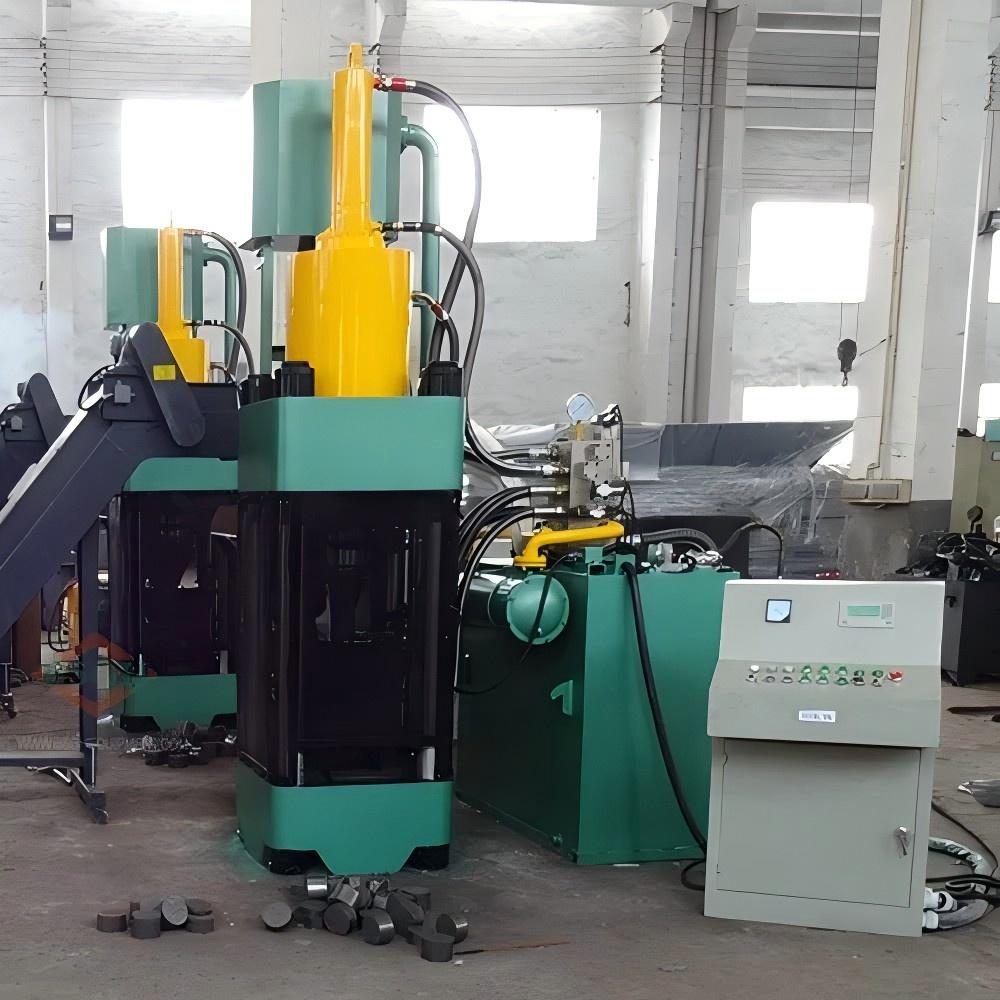
The compression chamber and the die set are the heart of the briquetting machine. If you hear a grinding or scraping noise, inspect the interior of the chamber for debris. Small pieces of metal that have escaped the compression zone can become lodged between the piston and the die wall. Over time, this can score the cylinder walls and cause significant damage. Ensure that the clearance between the piston and the die is within the manufacturer’s specifications. If the clearance is too tight, friction will increase; if it is too loose, material may bypass the piston, causing uneven pressure and noise.
Electrical and motor-related noises should not be overlooked. A loose motor mount can cause the entire machine to vibrate, creating a rattling sound that resonates through the frame. Check all mounting bolts and ensure that the motor is properly aligned with the pump coupling. If the coupling is worn or misaligned, it will produce a rhythmic clicking or clattering sound. Replacing the coupling spider or realigning the motor is a straightforward fix that can eliminate significant noise and prevent long-term damage to the pump shaft.
Conseils de sélection : Choisir le bon équipement pour vos besoins
When selecting a briquetting machine, the best way to avoid unusual noise is to choose a machine that is appropriately sized for your production volume and material type. An undersized machine that is constantly pushed to its maximum capacity will experience premature wear, leading to increased noise and frequent maintenance requirements. Always consult with HARSLE experts to determine the correct tonnage and throughput capacity for your specific application.
Consider the build quality of the machine. Industrial-grade briquetting machines should feature heavy-duty steel frames and precision-machined components. Machines with thin-gauge sheet metal or poorly fitted parts are more prone to vibration and noise. Investing in a robust, well-engineered machine from the start will save you significant money in the long run by reducing the frequency of repairs and extending the service life of the equipment.
Look for features that enhance operational stability, such as vibration-dampening mounts and high-quality hydraulic components. A machine that is designed with noise reduction in mind—such as those with enclosed hydraulic power units or sound-insulated cabinets—will create a better working environment for your staff. Additionally, ensure that the machine comes with a comprehensive control system that monitors pressure and temperature, allowing you to catch potential issues before they manifest as audible noise.
Finally, consider the availability of spare parts and technical support. Even the best machines will eventually require maintenance. Choosing a manufacturer like HARSLE, which provides excellent after-sales support, ensures that you can quickly source the correct parts and receive expert guidance when you encounter issues. A machine is only as good as the support behind it, and having a reliable partner is the best insurance against prolonged downtime.
FAQ: Common Questions About Briquetting Machine Noise
- Q: Is it normal for my briquetting machine to make a loud “thud” during the cycle?
A: A single, controlled thud at the end of the compression stroke is often normal as the piston reaches its limit. However, if the sound is excessively loud or accompanied by vibration, it may indicate that the pressure relief valve is set too high or that the machine is overloaded. - Q: Can low oil levels cause noise?
A: Yes, absolutely. Low oil levels can lead to air being drawn into the pump, causing cavitation, which sounds like marbles rattling inside the pump. Always check your oil levels daily. - Q: How often should I lubricate the moving parts?
A: Lubrication intervals depend on the machine model and usage intensity. Refer to your HARSLE maintenance manual for the specific schedule. Generally, high-friction areas should be greased weekly. - Q: What should I do if the noise persists after I have checked the oil and filters?
A: If basic maintenance does not resolve the issue, it is time to contact a professional technician. Do not continue to operate the machine, as you risk causing permanent damage to the hydraulic pump or the main cylinder. - Q: Does the type of metal chip affect the noise level?
A: Yes. Harder metals like steel require more force to compress, which increases the load on the hydraulic system and can result in higher noise levels compared to softer materials like aluminum.
Conclusion
Knowing what to do when a briquetting machine makes unusual noise is a vital skill for maintaining a productive and safe metal fabrication shop. By understanding the mechanical and hydraulic systems that power your equipment, you can quickly diagnose the source of the sound and take corrective action. Whether it is a simple matter of tightening a loose bolt, replacing a worn coupling, or addressing a more complex hydraulic issue, proactive attention to these details will ensure your machine remains a reliable asset for years to come.
At HARSLE, we are committed to providing high-quality metal fabrication equipment and the knowledge you need to operate it successfully. Remember that the best approach to noise issues is prevention. Adhering to a strict maintenance schedule, using the correct materials, and ensuring your operators are trained to recognize the signs of wear will keep your facility running efficiently. If you ever find yourself in doubt, do not hesitate to reach out to our technical support team for guidance.
Ultimately, your briquetting machine is an investment in your company’s efficiency and sustainability. By treating it with the care it deserves and responding promptly to the signals it gives you, you protect that investment and ensure that your production lines remain uninterrupted. Keep your machines well-maintained, listen closely to their operation, and you will enjoy the benefits of a quiet, efficient, and highly productive metal processing environment.