Why Your Aluminium Extrusion Press Is Producing Internal Cracks: A Comprehensive Troubleshooting Guide


Introduction
In the high-precision world of metal fabrication, the aluminium extrusion process is a cornerstone of modern manufacturing. However, even the most advanced machinery can encounter significant challenges. One of the most frustrating and costly issues operators face is when an aluminium extrusion press is producing internal cracks. These defects, often invisible to the naked eye during the initial extrusion phase, can compromise the structural integrity of the final product, leading to catastrophic failure in end-use applications.
Understanding why your aluminium extrusion press is producing internal cracks requires a deep dive into the thermodynamics, mechanical stresses, and material science involved in the extrusion cycle. Whether you are operating a high-tonnage HARSLE press or other industrial-grade equipment, the root causes often stem from a combination of billet temperature, extrusion speed, die design, and lubrication practices. This guide aims to provide a comprehensive analysis of these factors to help you optimize your production line.
Internal cracking, often referred to as ‘chevron cracking’ or ‘center bursting,’ occurs when the material flow within the die is inconsistent or when the tensile stresses at the center of the extrusion exceed the material’s yield strength. By identifying the specific variables that contribute to these internal fractures, manufacturers can implement corrective measures that reduce scrap rates, improve throughput, and ensure the highest quality standards for their aluminium profiles.
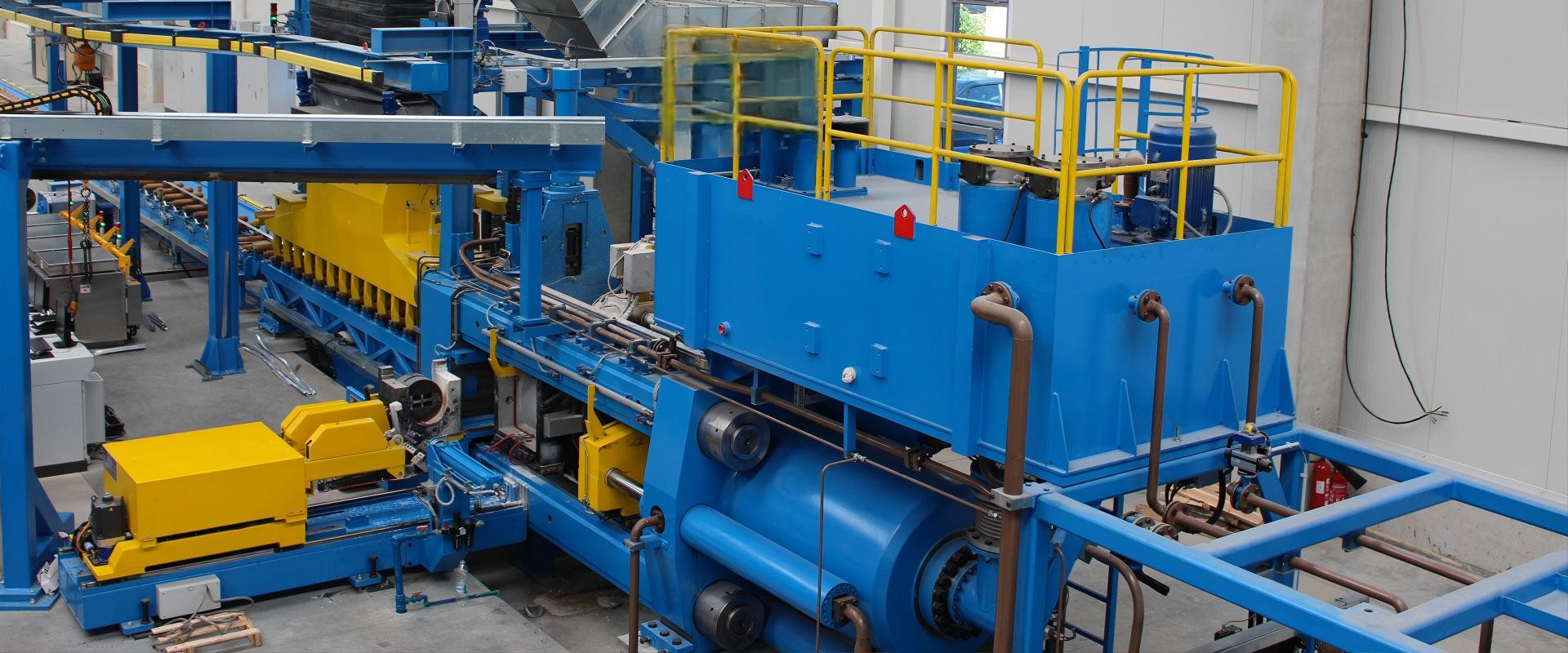
Key Considerations: The Mechanics of Internal Cracking
The primary reason an aluminium extrusion press is producing internal cracks is the development of excessive tensile stress in the core of the extruded section. During the extrusion process, the metal is forced through a die orifice under immense pressure. If the flow velocity at the center of the profile is significantly different from the flow velocity at the surface, internal shear forces are generated. When these forces become too great, the material literally tears from the inside out.
Billet temperature management is perhaps the most critical variable. If the billet is too cold, the metal lacks the necessary ductility to flow uniformly through the die. Conversely, if the billet is too hot, the material may become overly soft, leading to ‘hot shortness’ where the grain boundaries lose their cohesion. Finding the ‘Goldilocks zone’ for temperature is essential for maintaining the structural homogeneity of the aluminium alloy throughout the extrusion cycle.
Extrusion speed also plays a pivotal role. High-speed extrusion increases the strain rate, which in turn generates internal heat due to friction. This localized temperature spike can alter the metallurgical properties of the aluminium, creating a weak core that is susceptible to internal cracking. Operators must balance the need for high production volumes with the physical limitations of the alloy being processed.
Die design and geometry are equally important. A die with an incorrect bearing length or an improper approach angle can force the metal to undergo uneven deformation. If the die does not facilitate a smooth, laminar flow, the resulting turbulence within the metal matrix can lead to internal voids or cracks. Regular inspection and precision maintenance of extrusion dies are non-negotiable for high-quality output.
Technical Details: Analyzing the Root Causes
When investigating why your aluminium extrusion press is producing internal cracks, you must look at the metallurgical state of the billet. Impurities or inclusions within the aluminium alloy can act as stress concentrators. During the high-pressure extrusion process, these inclusions create micro-voids that propagate into larger internal cracks. Ensuring the quality of your raw material supply is the first step in defect prevention.
Lubrication practices significantly impact the friction between the billet and the container wall. If the lubrication is insufficient, the ‘dead metal zone’—the layer of stagnant material that forms at the container wall—can become unstable. This instability can cause the stagnant material to be dragged into the flow, disrupting the uniform movement of the metal and inducing internal stresses that manifest as cracks.
The extrusion ratio—the ratio of the cross-sectional area of the container to the cross-sectional area of the die orifice—is another technical factor. A very high extrusion ratio requires extreme pressure, which increases the likelihood of internal defects. If your press is consistently producing cracks, you may need to evaluate whether the current die design is appropriate for the specific alloy and profile geometry you are attempting to produce.
Furthermore, the cooling process post-extrusion cannot be ignored. If the profile is cooled too rapidly or unevenly, the resulting thermal stresses can cause internal cracking, especially in complex, thin-walled profiles. Implementing a controlled quenching system that matches the alloy’s specific cooling requirements is vital for maintaining internal integrity.
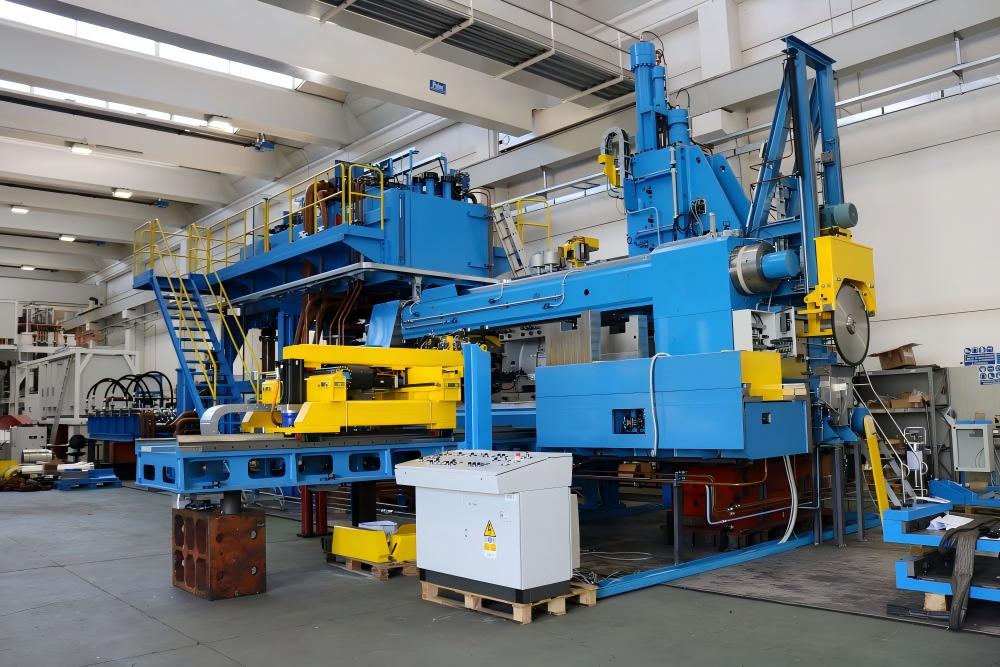
Advanced Troubleshooting: Beyond the Basics
To truly master the prevention of internal cracking, operators must look at the interaction between the dummy block and the container. A worn dummy block allows for the back-flow of metal, which introduces oxide layers into the core of the extrusion. This creates a weak interface that is highly prone to center bursting. Regular replacement of the dummy block and ensuring it is properly aligned with the ram is a fundamental maintenance task.
Additionally, consider the impact of the billet taper heating. By applying a temperature gradient to the billet (where the front is cooler than the back), you can compensate for the heat generated by friction during the extrusion process. This technique, known as isothermal extrusion, helps maintain a constant exit temperature, which is one of the most effective ways to prevent the metallurgical instability that leads to internal cracking.
Finally, examine the extrusion pressure curve. A sudden drop in pressure during the stroke can indicate that the material is failing internally. By monitoring the pressure-time graph, experienced operators can identify the exact moment when the internal structure begins to break down, allowing them to adjust the speed or temperature in real-time before the entire billet is ruined.
Selection Advice: Choosing the Right Equipment
When selecting an aluminium extrusion press, it is crucial to prioritize machines that offer advanced control systems. Modern HARSLE presses, for example, utilize sophisticated PLC (Programmable Logic Controller) systems that allow for real-time monitoring of pressure, temperature, and ram speed. These systems can automatically adjust parameters to compensate for fluctuations, significantly reducing the risk of internal cracking.
Consider the rigidity of the press frame. A press that experiences significant deflection under load will inevitably produce inconsistent extrusion profiles. High-quality metal fabrication equipment should be constructed with heavy-duty, stress-relieved steel to ensure maximum stability during the extrusion stroke. A stable press ensures that the die remains perfectly aligned, which is essential for uniform metal flow.
Look for features like isothermal extrusion capabilities. Isothermal extrusion maintains a constant temperature throughout the process, which is the most effective way to prevent the temperature-related internal cracks discussed earlier. Investing in a press with integrated billet heating and cooling control will pay dividends in product quality and reduced scrap rates.
Finally, consider the manufacturer’s support and training. An extrusion press is a complex piece of industrial machinery. Having access to expert technical support, comprehensive maintenance manuals, and operator training programs is just as important as the hardware itself. Ensure that your supplier provides a clear roadmap for maintenance and troubleshooting to keep your production line running smoothly.
FAQ: Troubleshooting Common Extrusion Issues
- Q: Can die wear cause internal cracks?
A: Yes. As die bearings wear down, the flow characteristics change, leading to uneven metal distribution and increased internal stress. Regular die maintenance is essential. - Q: Does alloy composition affect cracking?
A: Absolutely. High-strength alloys are more prone to internal cracking than softer alloys. You must adjust your extrusion parameters based on the specific alloy’s flow stress. - Q: How often should I calibrate my press sensors?
A: Sensors should be calibrated at least every six months or whenever you notice a drift in production quality. Accurate data is the foundation of defect prevention. - Q: Is there a specific speed at which cracks stop appearing?
A: There is no universal speed. You must perform a ‘speed trial’ for each new profile to find the optimal velocity that balances throughput with structural integrity. - Q: What role does the dummy block play?
A: The dummy block must be perfectly sized to prevent the oxide skin of the billet from entering the extrusion. A worn dummy block is a common culprit for internal defects. - Q: Can lubrication type influence internal integrity?
A: Yes, using the wrong lubricant or applying it unevenly can cause friction spikes that lead to localized overheating and subsequent cracking.
Conclusion
Addressing the issue of why your aluminium extrusion press is producing internal cracks requires a holistic approach that encompasses material science, machine maintenance, and process optimization. By focusing on billet temperature control, extrusion speed, die geometry, and the use of high-quality, stable machinery, you can effectively eliminate these costly defects. Remember that internal cracks are often a symptom of a deeper process imbalance; therefore, a systematic investigation of each variable is necessary to find the permanent solution.
At HARSLE, we understand the complexities of metal fabrication. Our commitment to providing high-performance industrial machinery is matched by our dedication to helping our clients achieve excellence in their manufacturing processes. By implementing the strategies outlined in this guide, you can ensure that your aluminium extrusion press operates at peak efficiency, producing high-quality profiles that meet the rigorous demands of your customers. Stay proactive with your maintenance, invest in precise control technology, and never underestimate the importance of consistent process parameters.