Why Is My Car Body Baler Making Noise? Troubleshooting Mechanical Faults


Introduction
In the high-stakes environment of scrap metal recycling and automotive dismantling, the car body baler stands as the backbone of operational efficiency. When you ask, “Is my car body baler making noise? Troubleshooting mechanical faults” becomes an immediate priority. Unusual sounds are rarely just a nuisance; they are the machine’s way of communicating that internal components are under stress, misaligned, or failing. For operators of HARSLE metal fabrication equipment, understanding the root cause of these noises is essential to preventing catastrophic failure and ensuring long-term profitability.
Noise in heavy-duty industrial machinery is often categorized by its frequency, pitch, and timing. A rhythmic thumping, a high-pitched whine, or a sudden grinding sound each points toward different mechanical subsystems. Ignoring these warning signs can lead to expensive downtime, damaged hydraulic cylinders, or even structural fatigue in the baler’s main frame. This guide is designed to help facility managers and maintenance technicians systematically isolate the source of the noise and implement effective, long-term solutions.
As a leader in metal fabrication technology, HARSLE emphasizes that proactive maintenance is the most cost-effective strategy for managing industrial equipment. By learning to identify the early symptoms of mechanical distress, you can transition from reactive emergency repairs to a scheduled maintenance model. This article will walk you through the technical nuances of baler acoustics, helping you distinguish between normal operational sounds and critical mechanical faults that require immediate intervention.
Key Considerations for Baler Noise Diagnosis
Before diving into specific mechanical components, it is vital to establish a diagnostic framework. When you hear abnormal noise, the first step is to observe the machine’s behavior during different stages of the baling cycle. Does the noise occur only when the ram is extending? Is it present during the compression phase? Or does it persist even when the machine is idling? These observations are the foundation of effective troubleshooting.
Environmental factors also play a significant role in how noise is perceived and generated. A cold environment can thicken hydraulic oil, causing cavitation in pumps, which manifests as a high-pitched whine. Conversely, excessive heat can cause metal components to expand, leading to friction in areas with tight tolerances. Always check the ambient temperature and the operating temperature of the hydraulic fluid before concluding that a mechanical part is broken.
Safety must remain the primary consideration during any inspection. Never attempt to touch moving parts or open high-pressure hydraulic lines while the machine is powered on. Use sound-dampening equipment if necessary to isolate specific areas of the machine, and always follow the lockout/tagout (LOTO) procedures established by your facility. Documenting the noise—perhaps by recording it—can be incredibly helpful when consulting with HARSLE technical support teams.
Finally, consider the age and maintenance history of the unit. Older machines may have worn bushings or pins that naturally create more vibration. However, if the noise is a recent development, it indicates a change in the machine’s state. Comparing the current noise level to the machine’s baseline performance is a critical step in the troubleshooting process. Keep a maintenance log to track when specific components were last lubricated or replaced, as this often points directly to the source of the issue.
Technical Details: Identifying Mechanical Faults
The hydraulic system is the most common source of noise in a car body baler. A common culprit is air entrapment, which leads to cavitation. When air bubbles enter the hydraulic pump, they collapse under pressure, creating a distinct, rattling, or grinding sound. This is often accompanied by erratic ram movement. To troubleshoot this, check the hydraulic fluid levels and inspect the suction lines for any signs of leaks where air might be entering the system.
Another frequent source of noise is the hydraulic pump itself. If the pump is worn, it may produce a high-pitched squeal or a heavy growl. This often happens if the fluid is contaminated with metal shavings or debris from the scrap metal being processed. Regular oil analysis is essential here; if you find metallic particles in the oil, the pump is likely failing and needs immediate replacement to prevent further damage to the hydraulic valves and cylinders.
Mechanical friction is the second major category of noise. Car body balers rely on heavy-duty guide rails and rollers to keep the ram aligned. If these components are not properly lubricated, the metal-on-metal contact will produce a loud, screeching noise. Over time, this friction can cause the ram to bind, putting immense strain on the hydraulic cylinders. Ensure that all lubrication points are serviced according to the HARSLE maintenance schedule, and inspect the guide rails for scoring or uneven wear.
Structural vibration can also be a significant issue. If the baler is not anchored correctly to a level concrete foundation, the entire frame may vibrate during the compression cycle. This vibration can cause bolts to loosen, leading to rattling sounds. Periodically check all structural bolts and anchor points to ensure they are torqued to the manufacturer’s specifications. A loose bolt on a heavy-duty machine can quickly escalate into a structural crack if left unaddressed.
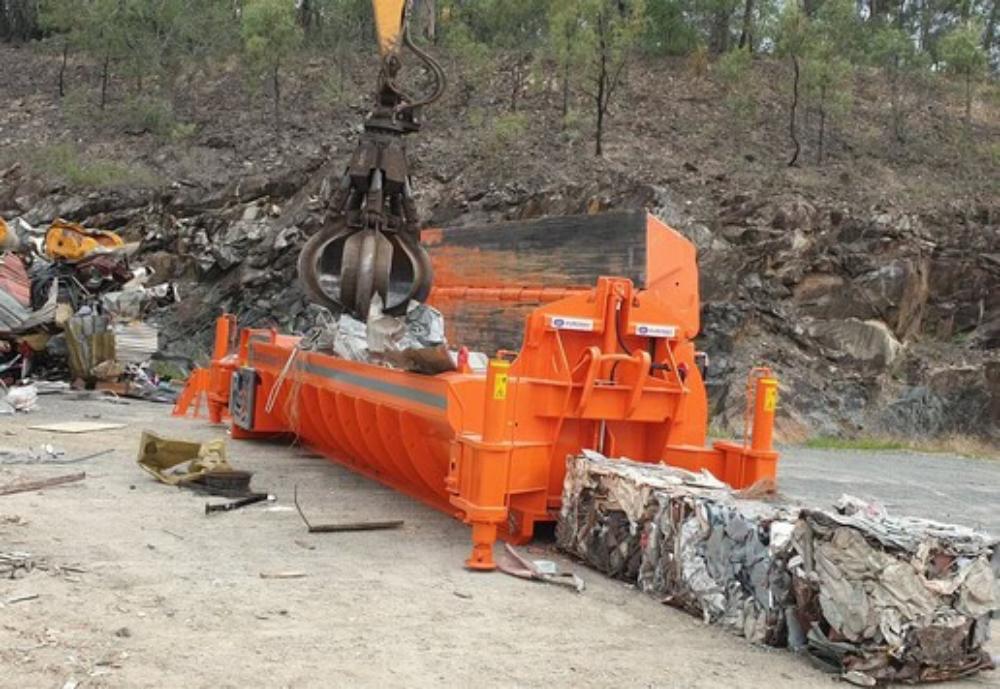
Selection Advice: Choosing the Right Equipment
When selecting a car body baler, noise reduction should be a factor in your decision-making process. Modern HARSLE balers are engineered with advanced hydraulic systems that operate more quietly and efficiently than older models. Look for machines that feature variable displacement pumps, which adjust their output based on the load, significantly reducing noise during idle or low-pressure stages.
Consider the build quality of the machine. A baler with a thicker, reinforced steel frame will naturally dampen vibrations better than a lighter-duty machine. When evaluating potential purchases, ask the manufacturer about the noise levels at full load. A reputable supplier will provide data on decibel ratings and explain the engineering features included to minimize operational noise, such as vibration-dampening mounts and high-quality hydraulic components.
Think about the ease of maintenance. A machine that is difficult to access for routine lubrication or inspection is more likely to be neglected, leading to the very noise issues you are trying to avoid. Look for designs that offer clear access to hydraulic manifolds, grease points, and electrical panels. HARSLE designs prioritize operator accessibility, ensuring that your maintenance team can perform their duties safely and efficiently.
Finally, consider the long-term support provided by the manufacturer. A car body baler is a significant investment. Choosing a brand that offers comprehensive technical support, readily available spare parts, and detailed maintenance manuals will save you thousands in potential downtime. When you encounter a noise issue, having a direct line to experts who understand the specific engineering of your machine is invaluable.
FAQ: Troubleshooting Common Baler Issues
- Q: Why does my baler make a loud thumping sound during the compression cycle?
A: This is often caused by a loose ram guide or a worn bushing. Check the alignment of the ram and ensure all guide rails are properly lubricated. - Q: Is a high-pitched whine normal for a car body baler?
A: No, a high-pitched whine usually indicates hydraulic pump cavitation or a relief valve that is set incorrectly. Check your hydraulic fluid levels and filter condition. - Q: How often should I lubricate the moving parts of my baler?
A: Lubrication intervals depend on usage intensity. Refer to your HARSLE manual, but generally, high-use machines should be greased daily or weekly. - Q: Can loose bolts cause noise?
A: Yes, vibration from the compression process can loosen structural bolts. Perform a monthly inspection to ensure all fasteners are tight. - Q: What should I do if the noise is accompanied by smoke?
A: Stop the machine immediately. Smoke indicates overheating or an electrical short, which is a fire hazard. Disconnect power and contact a technician.
Conclusion
Addressing the question, “Is my car body baler making noise? Troubleshooting mechanical faults” is a critical aspect of maintaining a productive metal fabrication facility. By understanding the relationship between hydraulic health, mechanical lubrication, and structural integrity, you can effectively diagnose and resolve the issues that cause unwanted noise. Remember that noise is a symptom, not the problem itself; by acting quickly, you protect your investment and ensure the safety of your team.
HARSLE is committed to providing high-performance metal fabrication equipment that stands the test of time. However, even the best machines require diligent care. By following the maintenance guidelines outlined in this article and staying vigilant for changes in your machine’s acoustic profile, you can maximize the lifespan of your car body baler. If you ever find yourself unsure about a specific sound or mechanical fault, do not hesitate to reach out to our technical support team for professional guidance.
Ultimately, the goal is to create a culture of proactive maintenance. When your operators feel empowered to report unusual sounds immediately, you prevent small issues from becoming major repairs. Keep your baler running smoothly, keep your facility safe, and continue to leverage the power of HARSLE technology to drive your business forward in the competitive world of scrap metal recycling.