Vertical Baler Price Factors: Capacity, Power, and Build Quality

Price Range Overview
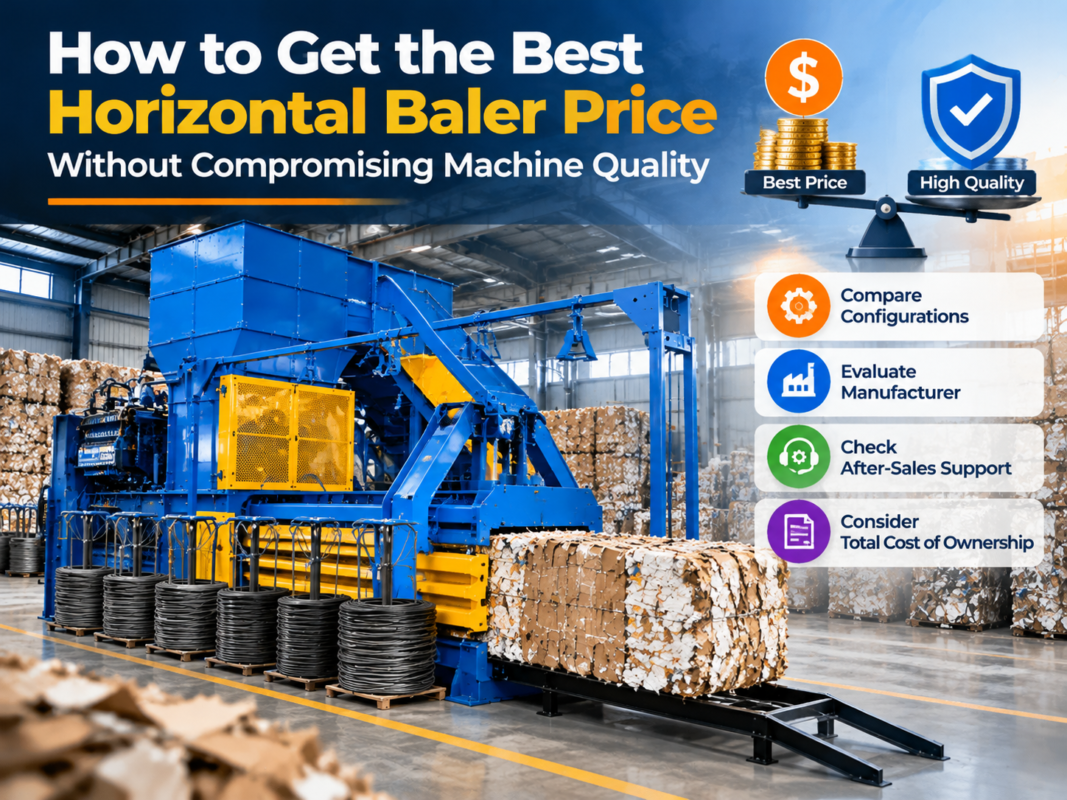
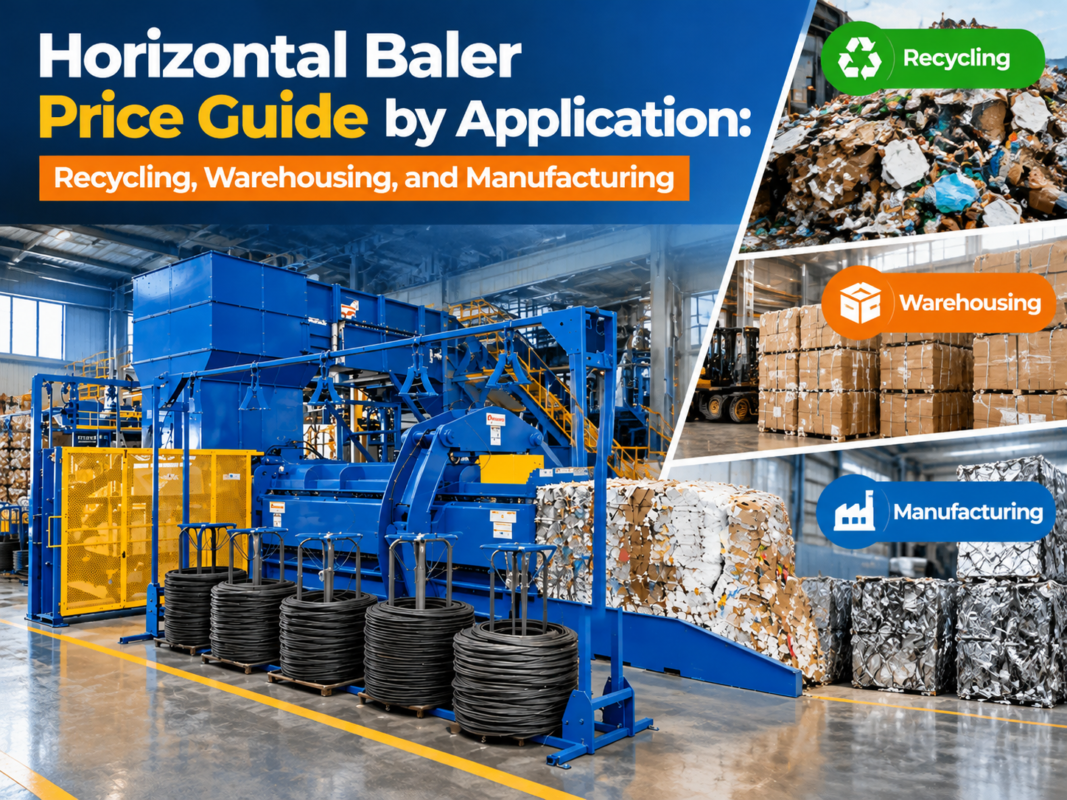
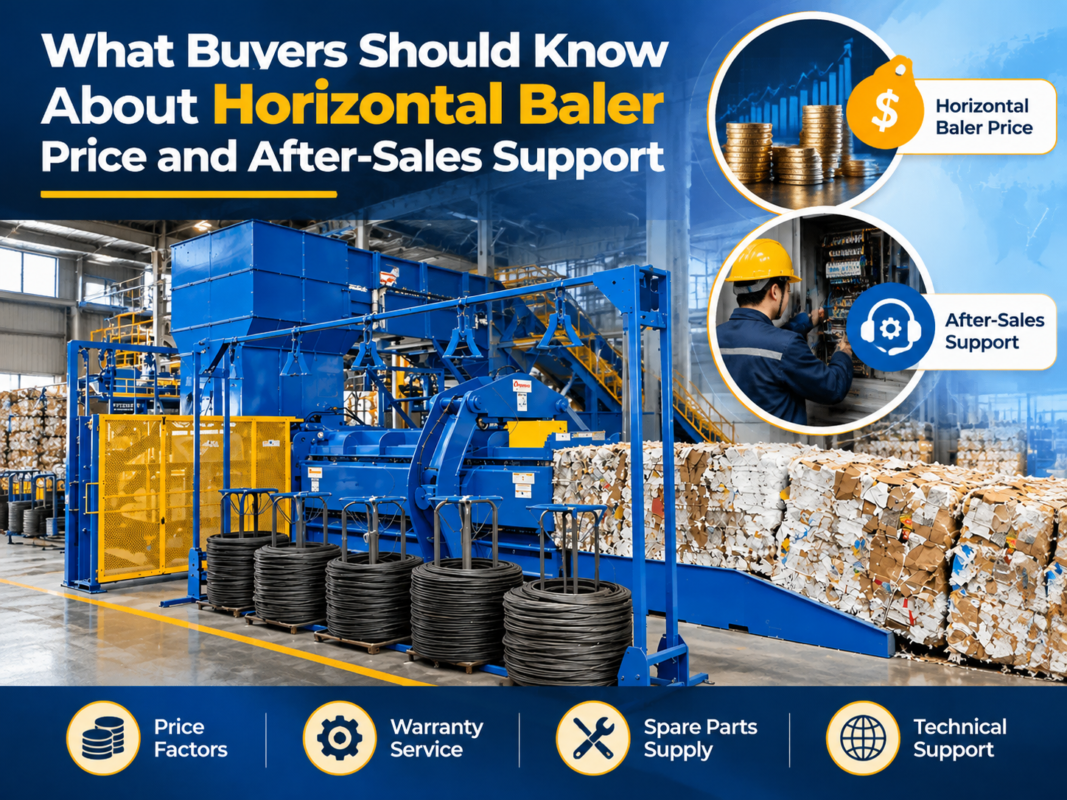
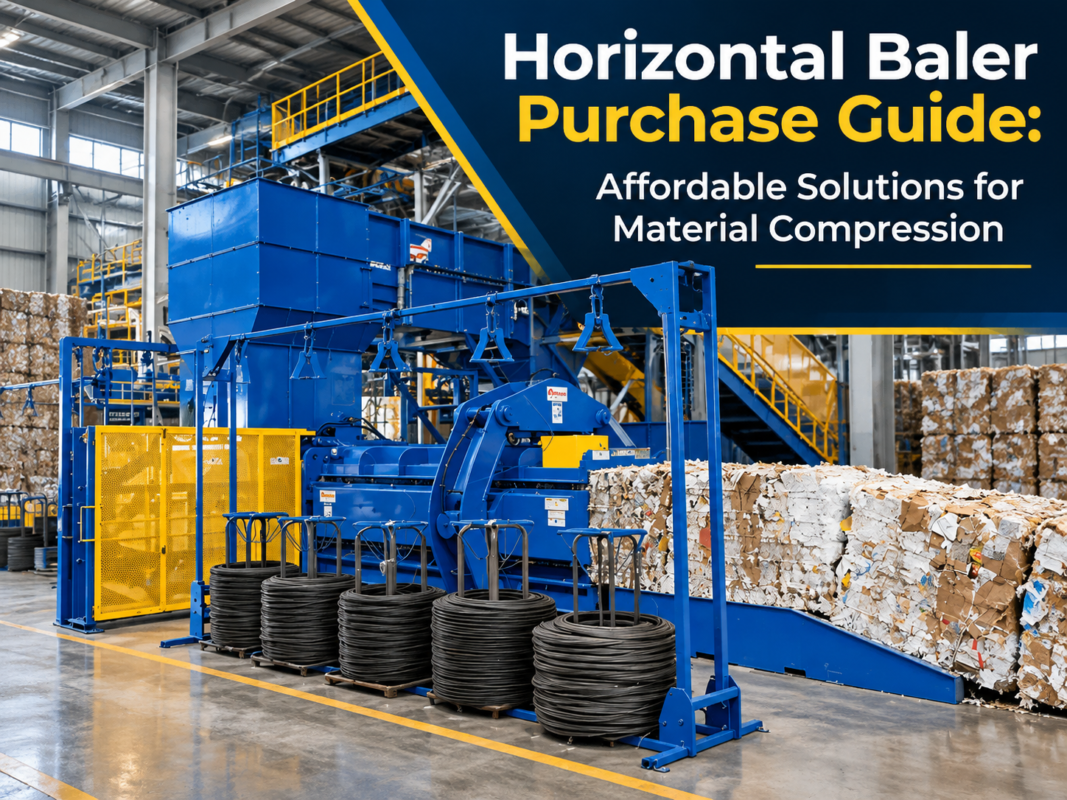
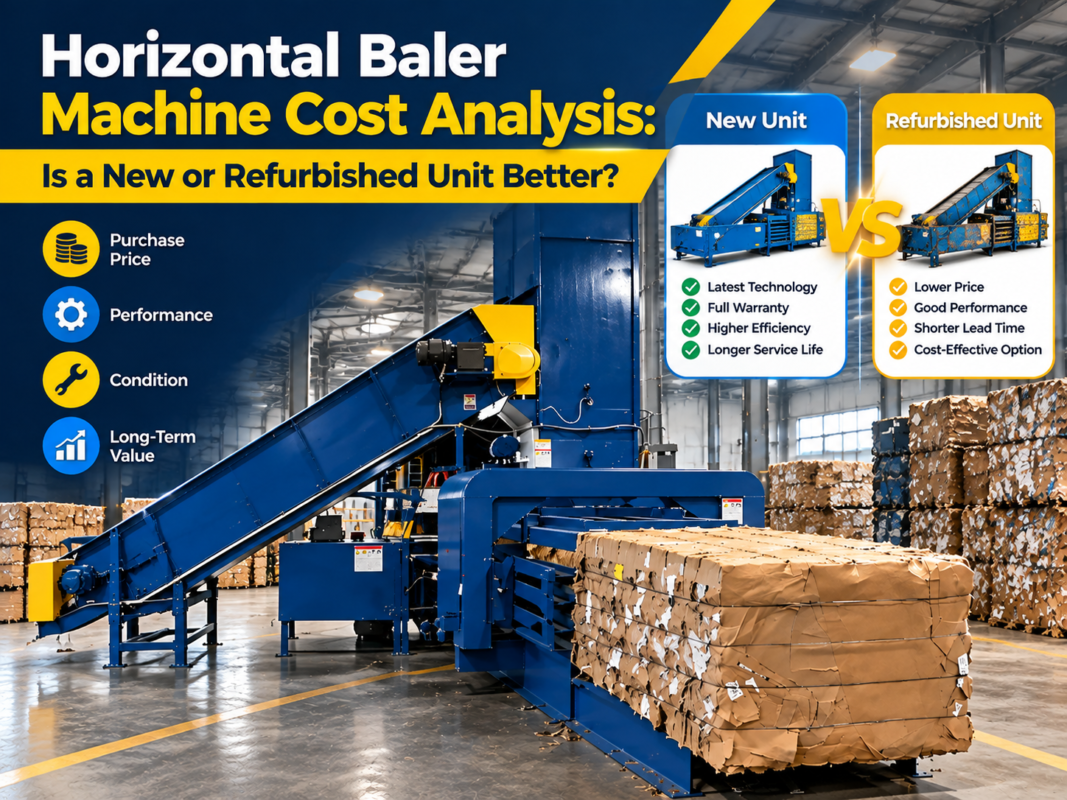
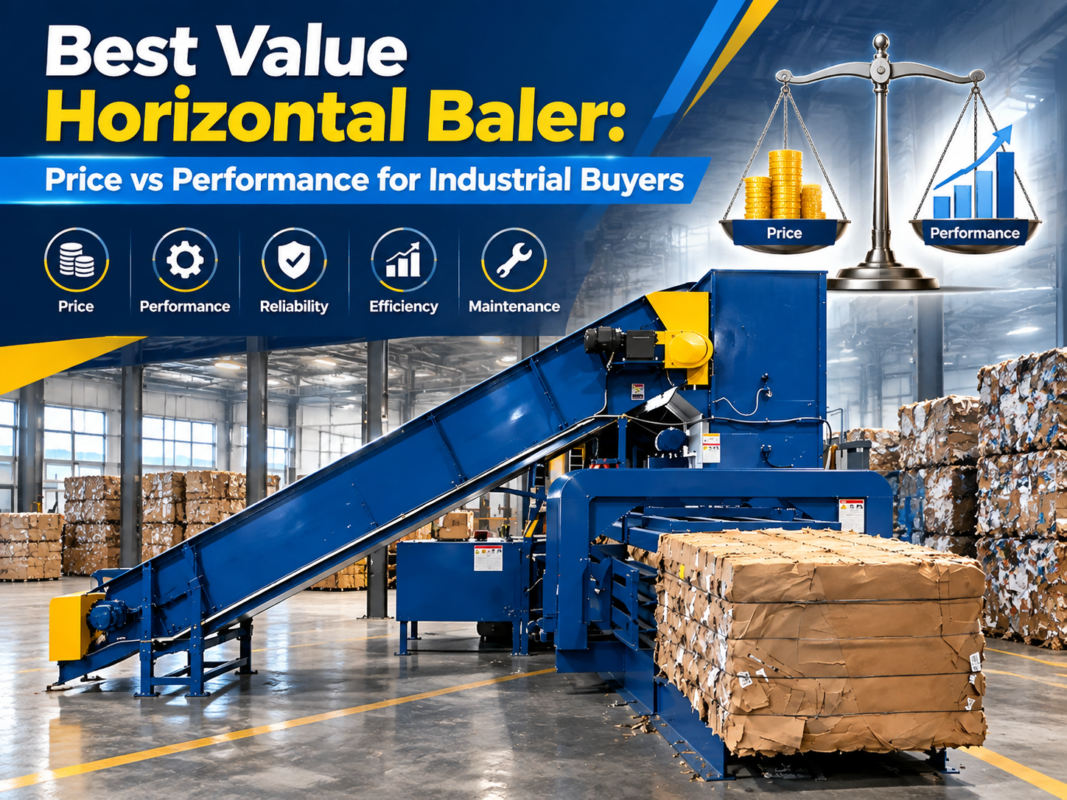
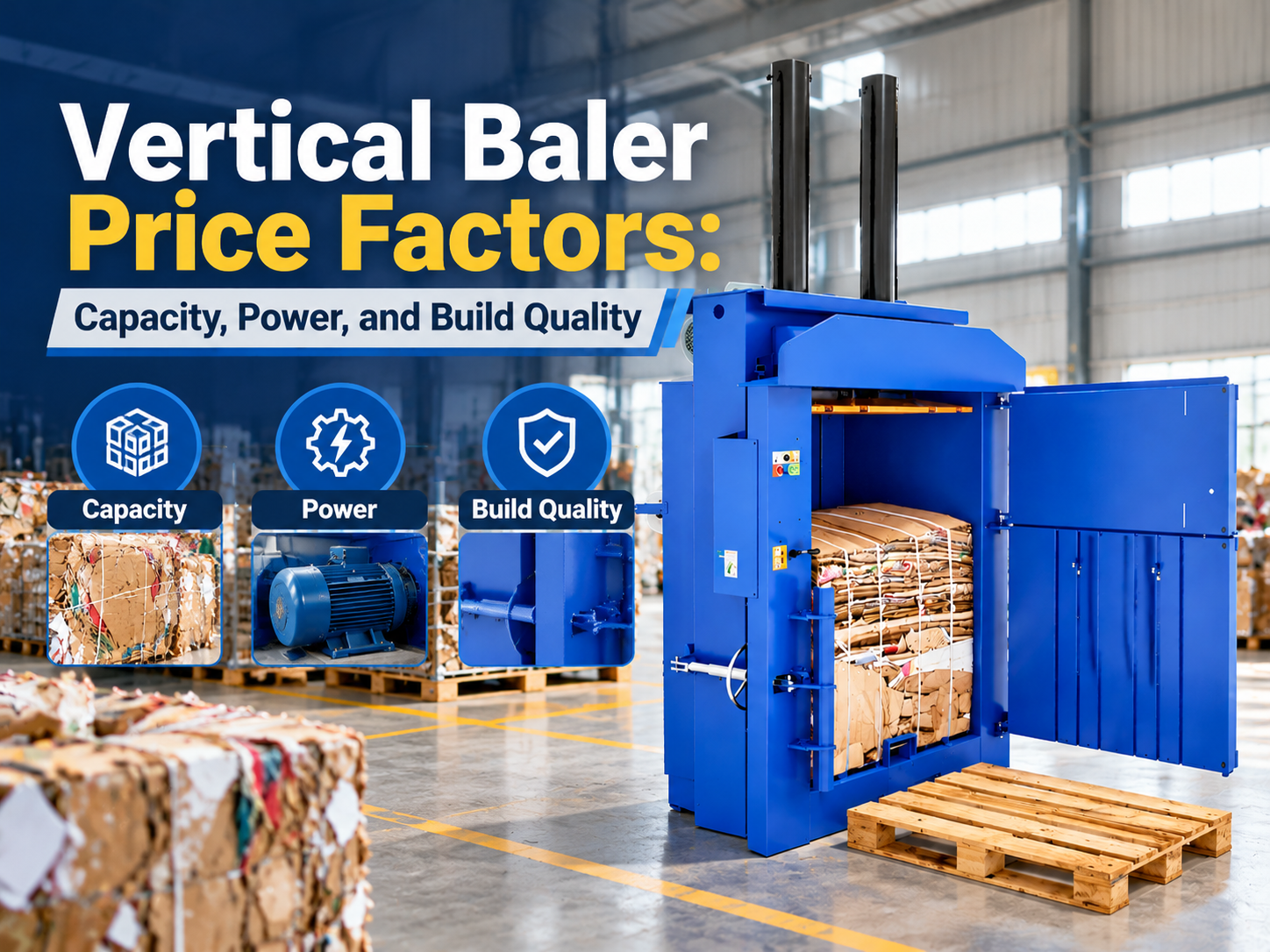
When investing in waste management solutions, understanding the Vertical Baler Price Factors: Capacity, Power, and Build Quality is essential for any facility manager or procurement officer. The market for vertical balers is vast, ranging from compact, entry-level units designed for small retail spaces to heavy-duty, industrial-grade machines capable of processing tons of scrap metal and cardboard daily. Generally, entry-level vertical balers can start as low as $3,000 to $5,000, while high-capacity, automated industrial balers can exceed $30,000 to $50,000 depending on the specific configuration.
The price variance is not arbitrary; it reflects the engineering complexity and the materials used in the construction of the equipment. A low-cost baler might be sufficient for a small warehouse dealing with light packaging waste, but it would fail under the stress of high-density metal fabrication scrap. Therefore, the initial purchase price must be viewed through the lens of long-term operational reliability and the specific throughput requirements of your facility.
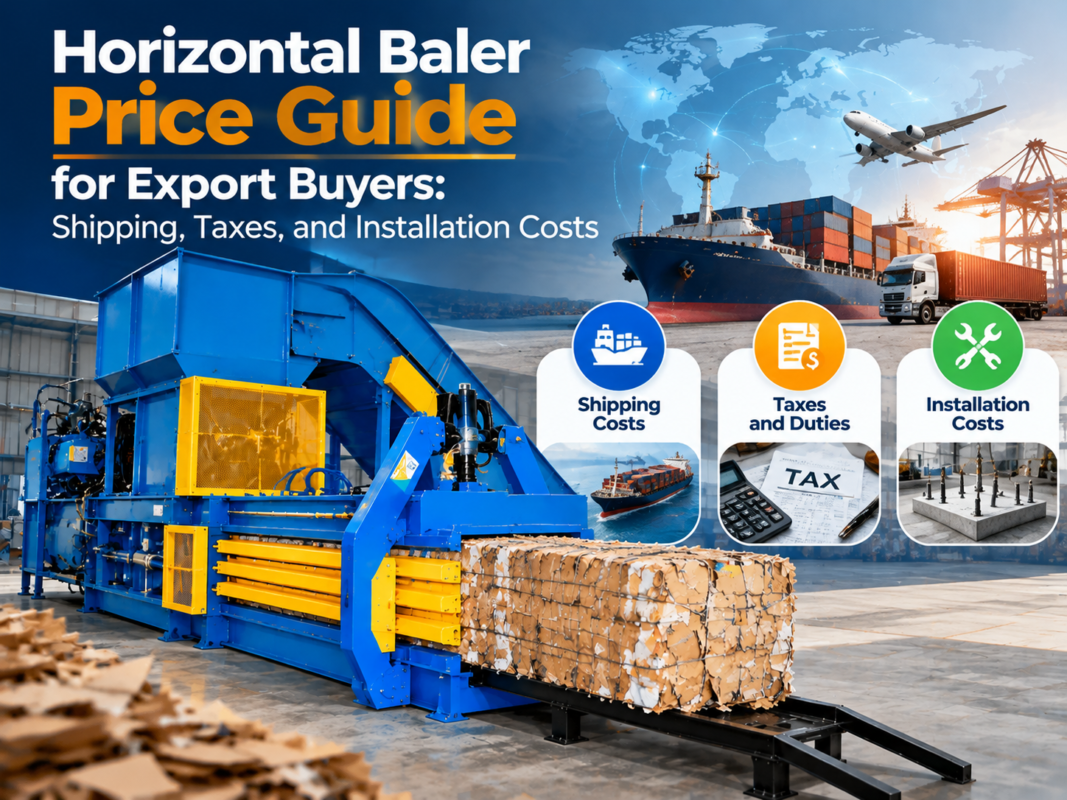
HARSLE emphasizes that the price range is also influenced by geographical logistics, shipping costs, and the level of customization required for specific waste streams. Buyers should be wary of extremely low-priced units that lack safety certifications or robust hydraulic systems, as these often lead to higher total costs of ownership due to frequent repairs and downtime. Investing in a machine that aligns with your operational volume is the first step toward a successful capital expenditure.
Furthermore, the market is segmented into manual, semi-automatic, and fully automatic vertical balers. Manual units are the most affordable but require significant labor input. As you move up the price ladder, you gain features like automatic bale ejection, programmable logic controllers (PLCs), and enhanced safety interlocks. Understanding where your facility falls on this spectrum is critical to avoiding overspending on features you do not need or underspending on equipment that will bottleneck your production line.
Main Cost Drivers: Capacity, Power, and Build Quality
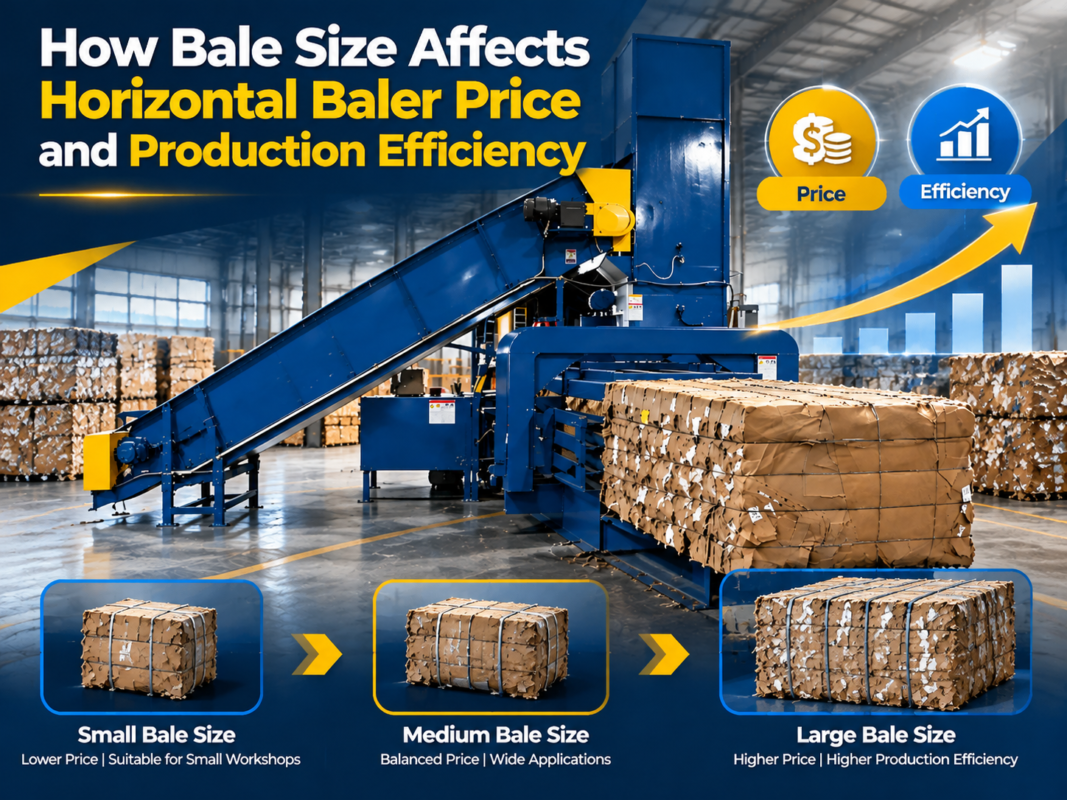
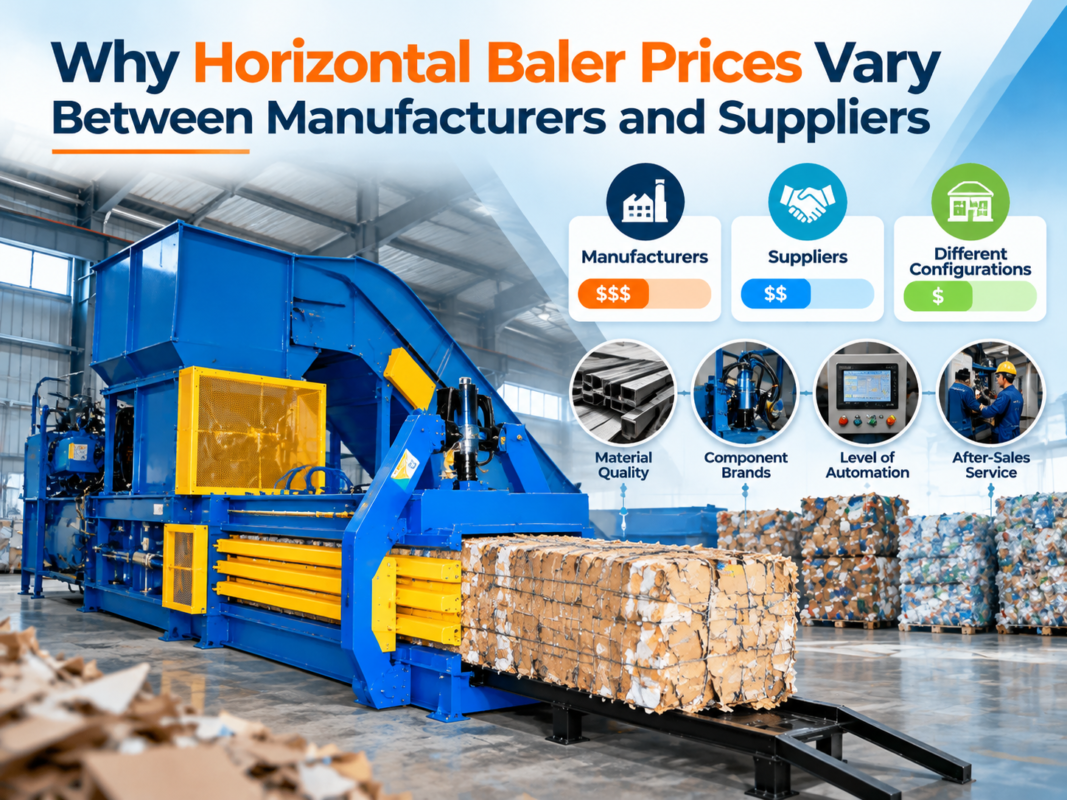
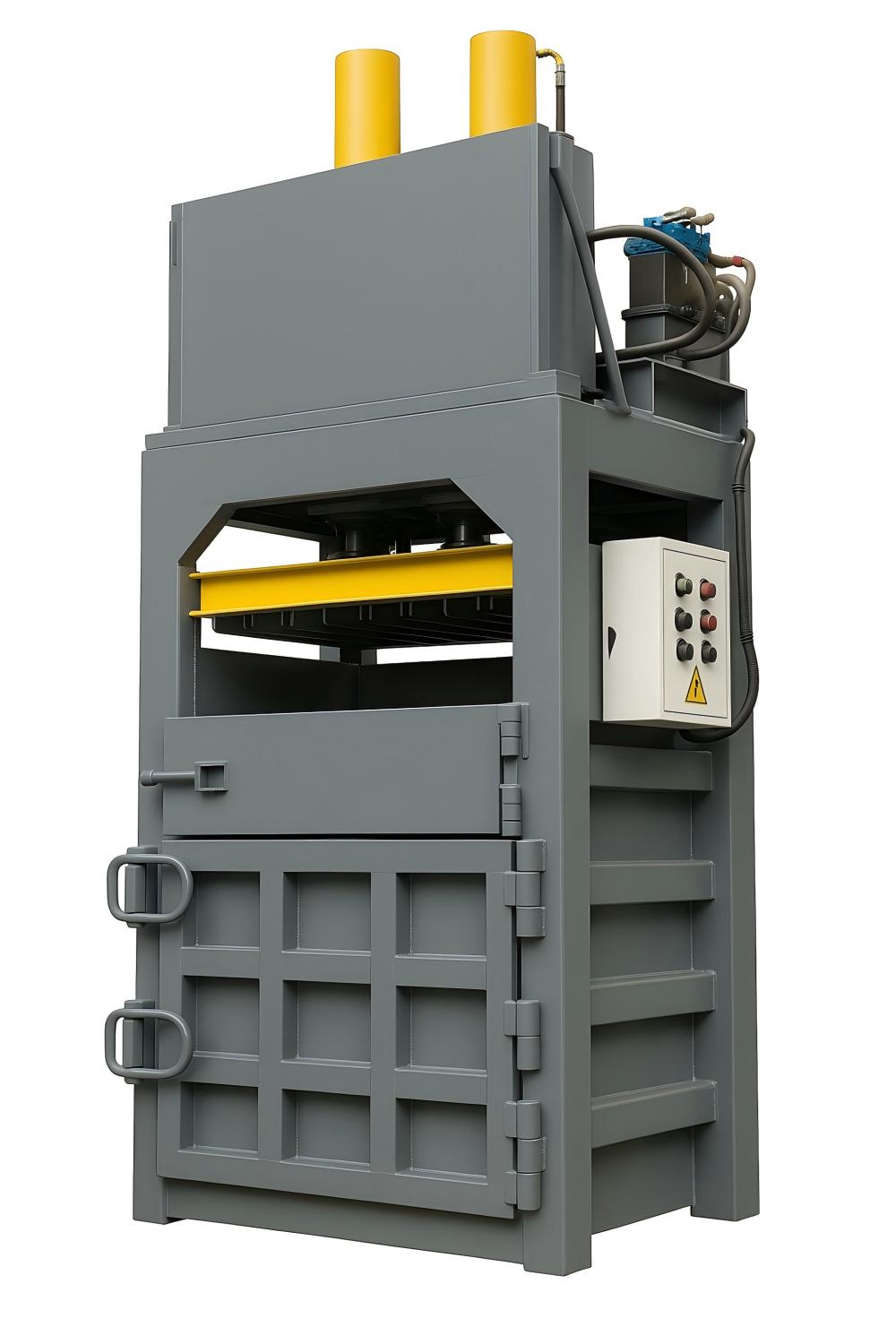
The primary Vertical Baler Price Factors: Capacity, Power, and Build Quality are the pillars of machine valuation. Capacity refers to the volume of material the baler can process per hour and the size of the resulting bale. Higher capacity machines require larger chambers, more robust structural steel, and more powerful hydraulic cylinders to compress materials into dense, transportable blocks. This increase in physical size and material strength directly correlates to a higher price point.
Power, specifically the hydraulic system’s force, is a major cost driver. A baler with a 50-ton compression force will naturally cost more than a 10-ton unit. The motor size, pump efficiency, and hydraulic fluid capacity are all scaled to meet the compression requirements. High-power systems require heavy-duty electrical components, reinforced hoses, and advanced pressure relief valves to ensure safety and longevity under constant load. These components are expensive to manufacture and integrate.
Build quality is perhaps the most critical factor for long-term value. A high-quality baler utilizes thicker gauge steel for the chamber walls, reinforced door hinges, and high-grade wear plates. In metal fabrication environments, the abrasive nature of scrap metal can quickly degrade inferior steel. Premium machines are designed with replaceable wear liners and heavy-duty structural welding that prevents the chamber from bowing or cracking under extreme pressure. This level of craftsmanship ensures that the machine maintains its structural integrity over thousands of cycles.
Finally, the integration of smart technology and safety sensors adds to the cost but provides significant value. Modern balers often include load sensors, bale-full indicators, and remote monitoring capabilities. While these features increase the initial investment, they prevent overfilling, reduce motor strain, and provide data that helps in optimizing waste management workflows. When evaluating quotes, always compare the thickness of the steel, the motor horsepower, and the rated compression force to ensure you are comparing “apples to apples.”
Configuration Impact on Total Investment
The configuration of a vertical baler significantly alters its price and operational efficiency. A standard vertical baler might come with a basic manual door, but adding features like a sliding door, a cross-cylinder design, or a specialized feed hopper can increase the price by 15% to 30%. These configurations are designed to solve specific operational challenges, such as limited ceiling height or the need for faster loading cycles.
For facilities dealing with diverse waste streams, such as both cardboard and thin-gauge metal, a multi-material configuration might be necessary. This often involves adjustable pressure settings and specialized bale tying systems. The ability to switch between materials without compromising the bale density requires sophisticated control systems, which adds to the complexity and cost of the machine. HARSLE recommends assessing your waste stream diversity before finalizing your order to ensure the machine is versatile enough for your needs.
Another configuration factor is the bale ejection system. Manual ejection is standard on entry-level models, but as volume increases, the labor cost of manually pushing out a 500lb bale becomes prohibitive. Hydraulic bale ejection systems are a common upgrade that improves safety and throughput. Furthermore, the inclusion of a bale-tying mechanism—whether manual, semi-automatic, or automatic—is a major price differentiator that impacts the speed of your operation.
Electrical configurations also play a role. Depending on your facility’s power supply (e.g., 220V single-phase vs. 440V three-phase), the motor and starter components will differ. Three-phase power is generally more efficient for industrial balers and is preferred for high-duty cycles. If your facility requires a custom voltage or specialized safety compliance (such as CE or UL certification), these requirements must be factored into the initial quote, as they involve additional testing and component sourcing.
Hidden Costs: Installation, Maintenance, and Consumables
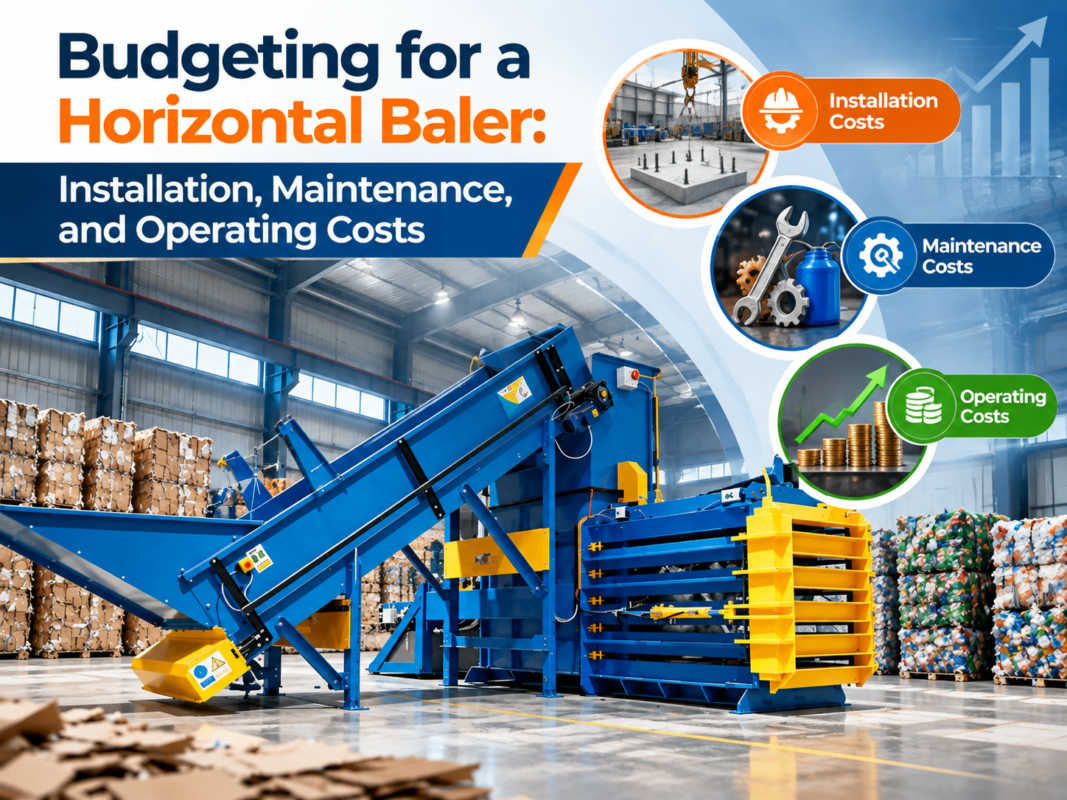
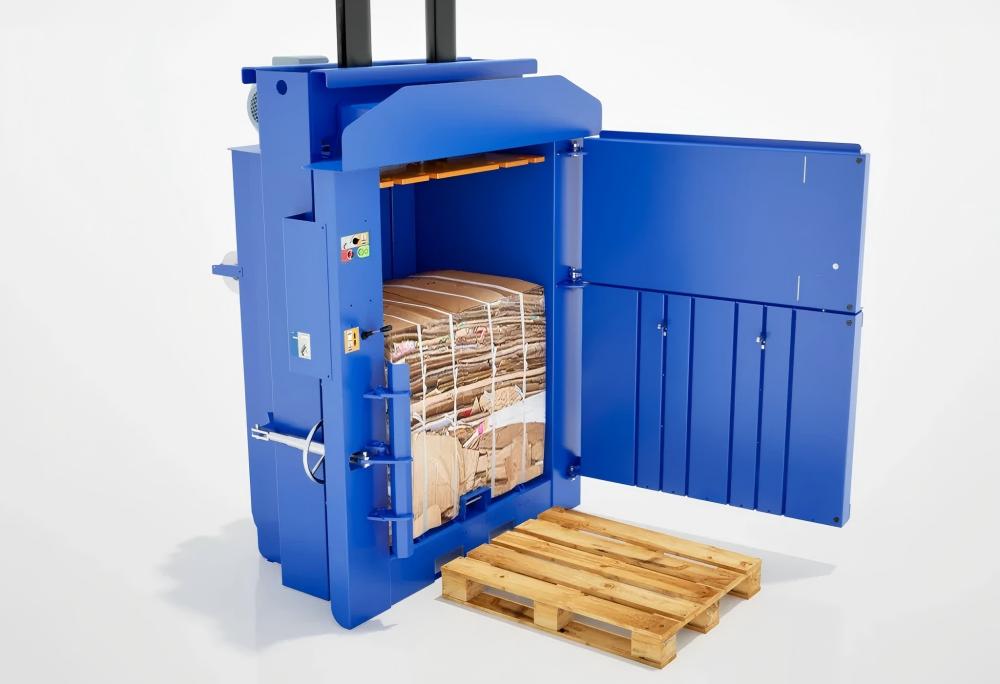
When budgeting for a vertical baler, the purchase price is only the beginning. Hidden costs often catch buyers off guard. Installation is a primary factor; depending on the size of the baler, you may need a concrete pad, specialized electrical wiring, or even a crane for positioning. If the machine is not installed on a perfectly level surface, the hydraulic cylinders can experience uneven wear, leading to premature failure and costly repairs.
Maintenance is an ongoing expense that must be factored into the total cost of ownership. Regular hydraulic fluid changes, filter replacements, and the inspection of door seals and safety interlocks are mandatory for safe operation. In high-volume environments, the wear and tear on the ram guides and the bale tying mechanism are significant. Choosing a machine with easily accessible service points can reduce labor costs during routine maintenance, but the quality of the components themselves dictates how often these services are required.
Consumables such as baling wire or strapping are another recurring cost. High-density bales require stronger, more expensive wire. If your baler is not configured for the correct wire gauge, you may experience frequent snapping, which causes downtime and potential safety hazards. Additionally, training staff on the proper operation of the baler is a hidden cost that pays dividends in machine longevity. Improper loading or overloading the chamber is the number one cause of hydraulic system failure.
Finally, consider the cost of disposal and logistics. If your baler produces bales that are not sized correctly for your waste hauler’s truck, you may be paying for “air” rather than material. A well-configured baler produces dense, uniform bales that maximize the weight per load, effectively reducing your transportation costs. This efficiency gain is a direct offset to the initial purchase price and should be part of your long-term financial planning.
ROI Calculation: Justifying the Investment
Calculating the Return on Investment (ROI) for a vertical baler involves more than just looking at the purchase price. You must account for labor savings, waste disposal cost reductions, and potential revenue from recycled materials. For many metal fabrication shops, the ability to bale scrap metal turns a waste disposal cost into a revenue stream. High-density bales of aluminum or steel scrap command higher prices from recyclers compared to loose, uncompressed scrap.
To calculate your ROI, start by determining your current waste disposal costs. Include the fees for dumpster rentals, hauling charges, and the frequency of pickups. Next, estimate the labor hours currently spent managing waste—moving loose material, breaking down boxes, or cleaning up the shop floor. A vertical baler centralizes this process, significantly reducing the time employees spend on waste management, allowing them to focus on core production tasks.
Consider the space savings as well. Loose waste takes up a massive footprint in a warehouse. By compressing this into compact bales, you reclaim valuable floor space that can be used for additional production machinery or inventory storage. The value of this reclaimed square footage is often overlooked but can be substantial in high-rent industrial areas. When you combine the reduction in hauling fees, the potential revenue from scrap, and the value of reclaimed space, the payback period for a quality vertical baler is often surprisingly short.
Finally, factor in the machine’s lifespan. A high-quality HARSLE vertical baler is designed to last 10 to 15 years with proper maintenance. Divide the total cost of ownership (purchase price + installation + maintenance + consumables) by the expected lifespan to get an annual operating cost. Compare this against your current annual waste management expenses. This clear financial picture will help you justify the investment to stakeholders and ensure you are selecting a machine that provides the best long-term value.
Buying Advice: A Checklist for Success
Before signing a purchase agreement, use this checklist to ensure you are making an informed decision. First, define your material type and volume. Are you baling cardboard, plastic, or metal? Each material requires different compression forces and chamber designs. Second, measure your available space, including ceiling height and door clearance. A baler that is too tall for your facility will be impossible to install without costly modifications.
Third, verify the safety features. Never compromise on safety. Ensure the machine meets local and international safety standards, including emergency stop buttons, door interlocks, and pressure relief valves. Fourth, check the availability of spare parts. A machine is only as good as the support behind it. HARSLE provides comprehensive support and readily available parts, which is a critical factor in minimizing downtime.
Fifth, ask for references or case studies from similar industries. Seeing how a machine performs in a real-world fabrication environment is more valuable than any brochure. Sixth, evaluate the ease of use. If the control panel is overly complex, your staff will be less likely to use the machine correctly, leading to errors and potential damage. A simple, intuitive interface is always preferred.
Lastly, look at the warranty and service agreement. A manufacturer that stands behind their build quality will offer a robust warranty. Understand what is covered and what is considered “wear and tear.” By following this checklist, you can navigate the Vertical Baler Price Factors: Capacity, Power, and Build Quality with confidence, ensuring that your investment serves your facility for years to come.
Часто задаваемые вопросы
What is the most important factor when choosing a vertical baler?
The most important factor is matching the machine’s capacity and compression force to your specific waste stream. If you are baling heavy metal scrap, you need a machine with high structural integrity and force, whereas cardboard requires a larger chamber volume.
How often should I perform maintenance on my baler?
Routine maintenance should be performed according to the manufacturer’s schedule, typically every 3 to 6 months. This includes checking hydraulic fluid levels, inspecting hoses for leaks, and ensuring all safety interlocks are functioning correctly.
Can a vertical baler handle different types of materials?
Yes, many vertical balers are versatile, but you must ensure the pressure settings are adjustable. Always consult with the manufacturer to confirm that the baler’s design is suitable for the specific density and characteristics of your waste materials.
What is the typical lifespan of a vertical baler?
With proper maintenance and correct usage, a high-quality industrial vertical baler can last between 10 and 15 years. Build quality is the primary determinant of this longevity.
How do I calculate the ROI of a baler?
Calculate ROI by subtracting your new waste disposal costs (hauling fees, labor, and maintenance) from your previous costs, and adding any revenue generated from selling baled scrap. Divide the total investment by these annual savings to find your payback period.