Vertical Baler Machine Price Factors: Bale Size, Tonnage, and Automation Explained

Price Range Overview
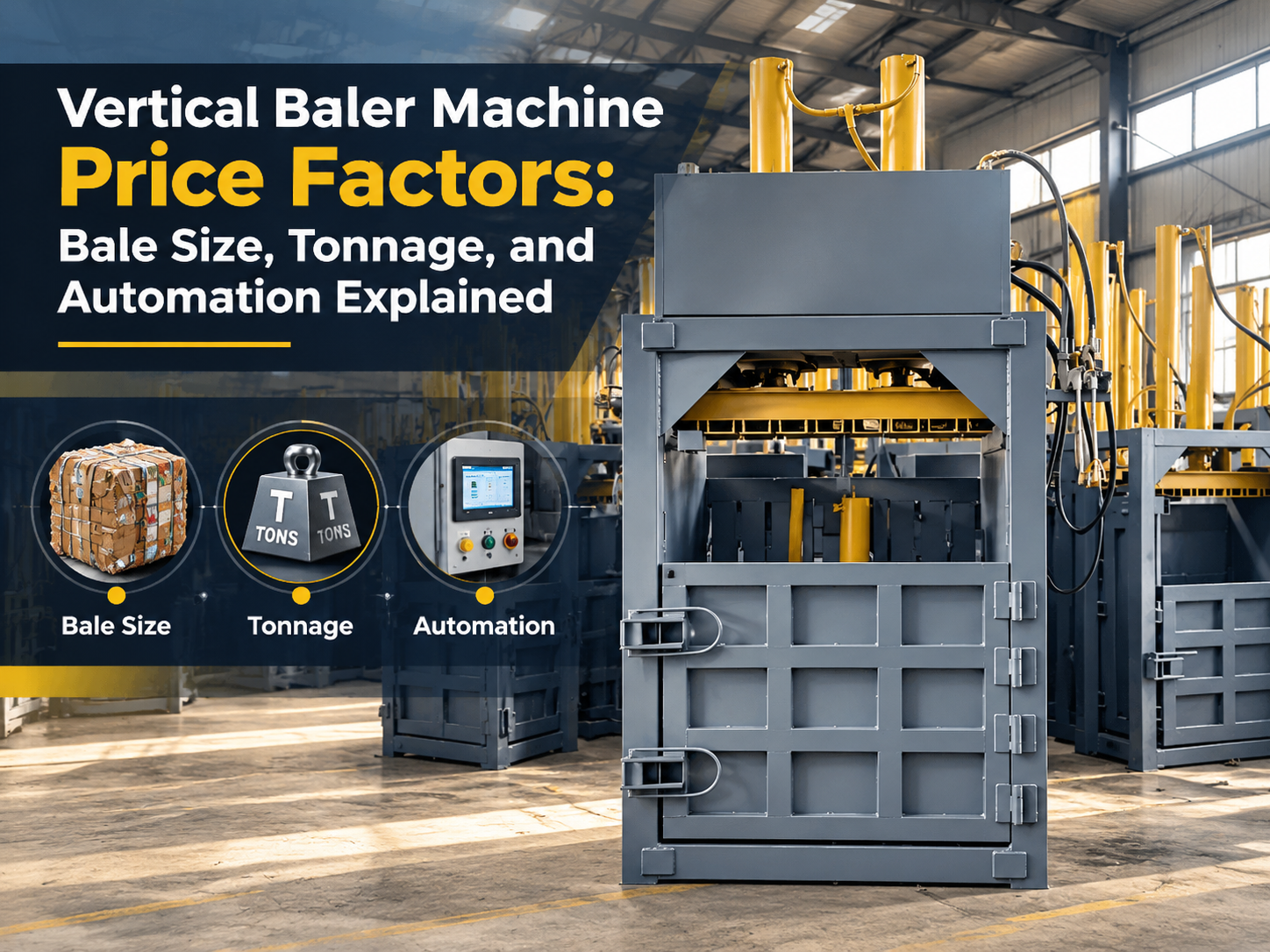
When investing in waste management solutions, understanding the Vertical Baler Machine Price Factors: Bale Size, Tonnage, and Automation Explained is the first step toward making an informed capital expenditure. The market for vertical balers is diverse, catering to small retail shops, mid-sized distribution centers, and large-scale industrial manufacturing facilities. Generally, entry-level vertical balers can start as low as $3,000 to $5,000 for light-duty, manual-tie machines, while high-capacity, automated industrial units can exceed $30,000 to $50,000 depending on the specifications.
The price variance is not arbitrary; it reflects the engineering complexity, material quality, and the intended throughput of the machine. For a business owner, the initial purchase price is only one component of the total cost of ownership. Factors such as hydraulic power, structural steel thickness, and safety integration play significant roles in determining where a specific model falls within the pricing spectrum. HARSLE emphasizes that selecting a machine based solely on the lowest price often leads to higher maintenance costs and operational bottlenecks in the long run.
To navigate this market, buyers must categorize their needs based on volume and material type. A low-volume facility processing cardboard may only require a basic unit, whereas a facility handling high-density plastics or non-ferrous metals requires a heavy-duty hydraulic system. Understanding these tiers allows you to align your budget with the operational demands of your facility, ensuring that the equipment serves as an asset rather than a liability.
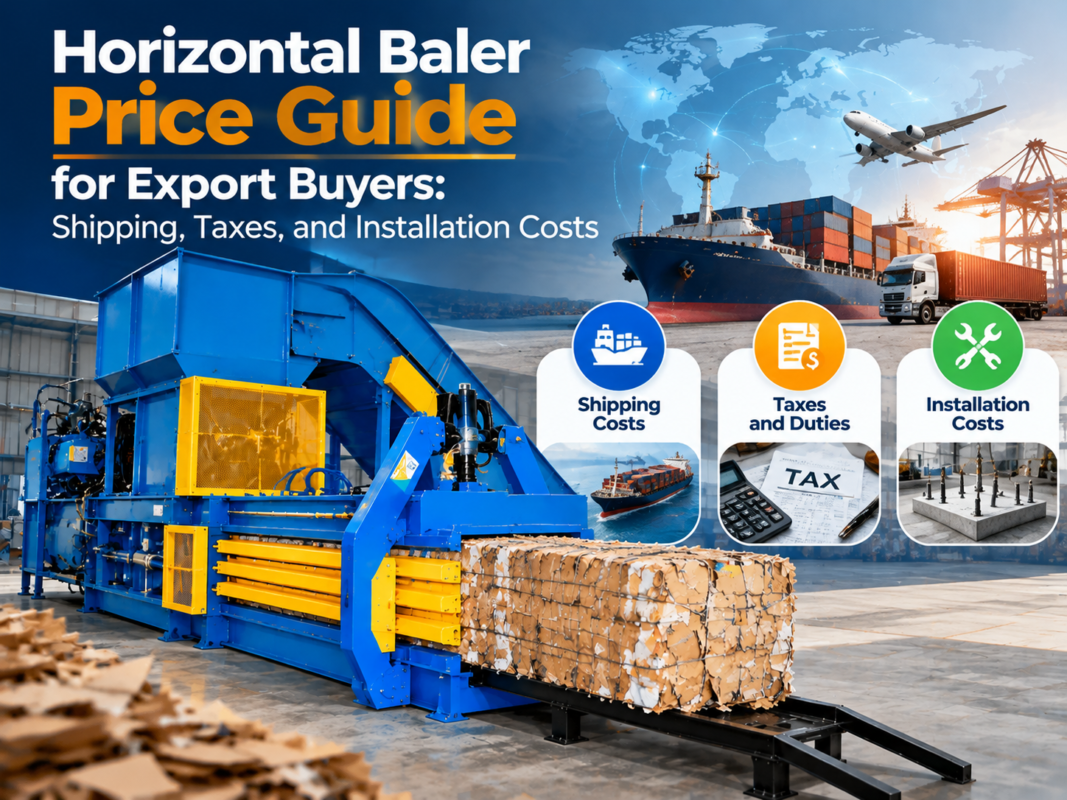
Furthermore, regional availability and shipping logistics can influence the final quote. Because vertical balers are heavy industrial equipment, transportation costs are significant. When requesting quotes, it is essential to clarify whether the price includes delivery, installation, and operator training. HARSLE provides transparent pricing structures to help clients account for these variables early in the procurement process.
Main Cost Drivers
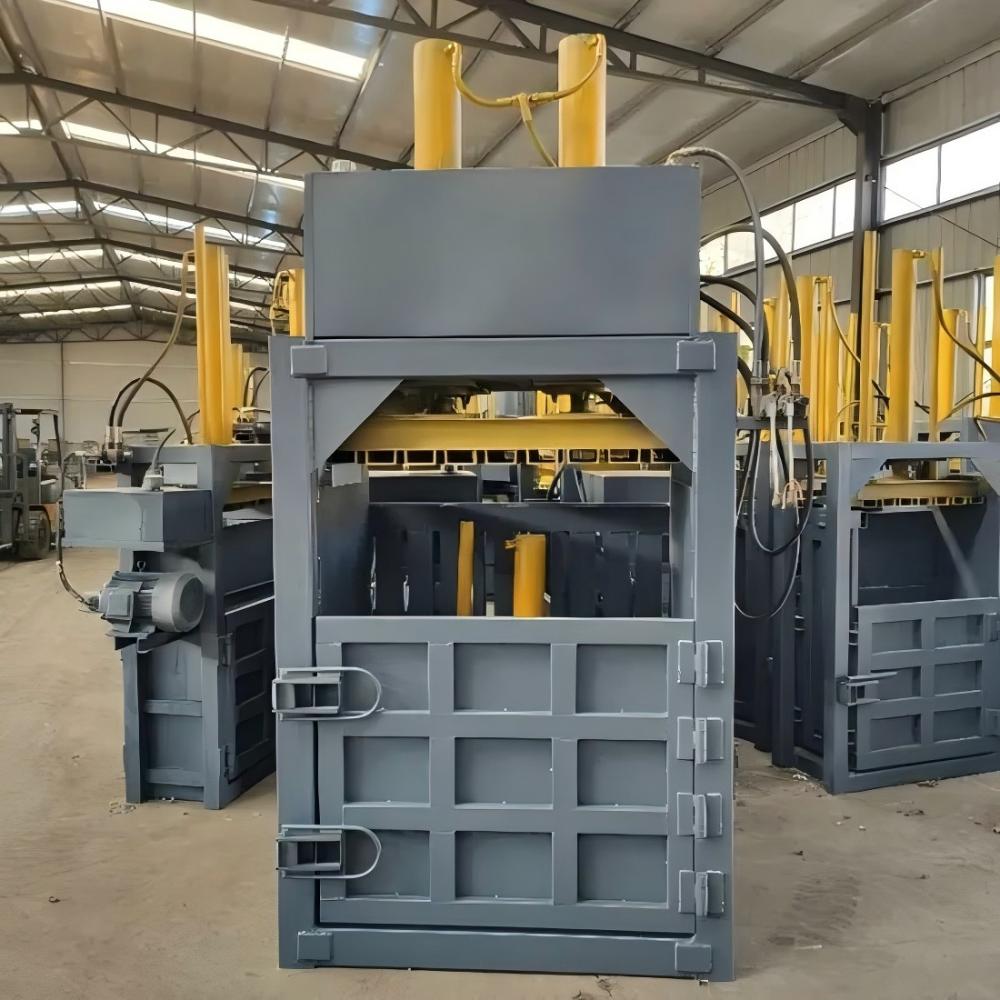
The primary cost driver in any vertical baler is the hydraulic system. The tonnage—the force exerted by the ram—directly dictates the price. Higher tonnage machines require more robust hydraulic pumps, thicker steel cylinders, and reinforced structural frames to withstand the pressure. A 10-ton baler is significantly cheaper than a 50-ton baler because the latter requires heavy-duty components capable of compressing dense materials into high-density bales that maximize shipping efficiency.
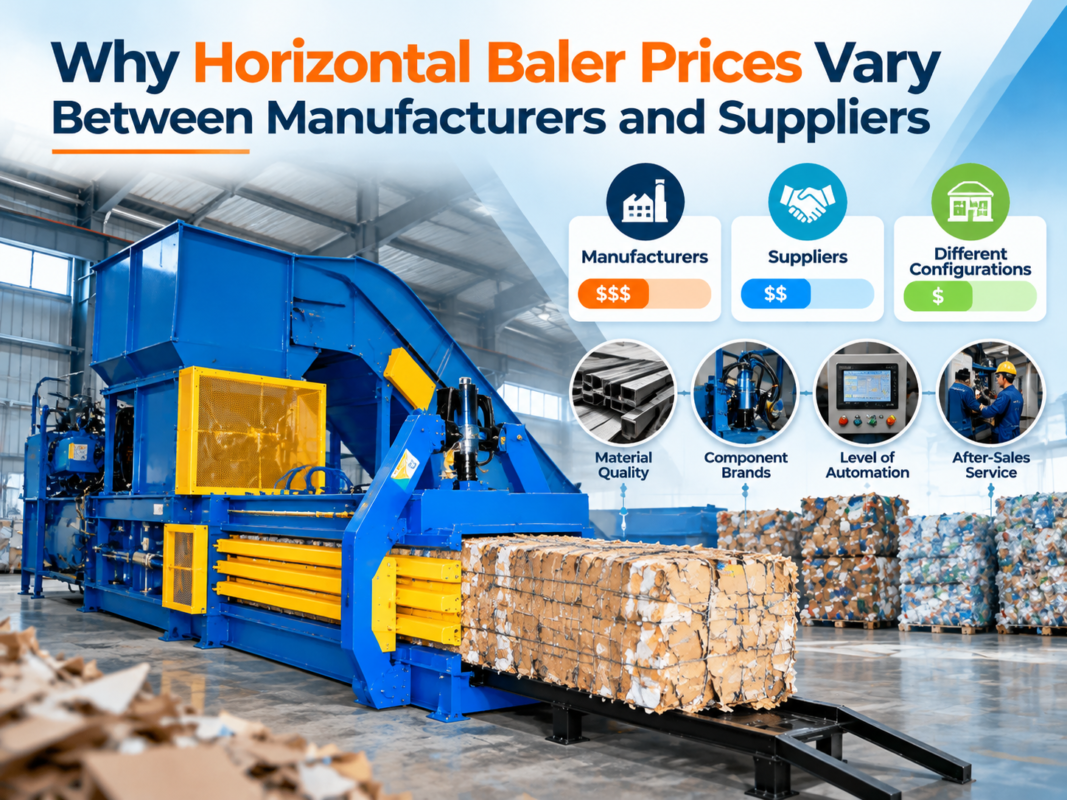
Material quality is another critical factor. Industrial-grade balers are constructed from high-tensile steel to prevent deformation under load. Cheaper models may use thinner gauge steel, which is prone to fatigue and structural failure over time. When comparing prices, look at the weight of the machine; a heavier machine usually indicates a more durable construction. HARSLE prioritizes structural integrity, ensuring that our balers maintain alignment and performance even after years of continuous operation.
The complexity of the control system also impacts the price. Basic machines utilize simple push-button controls, while advanced units feature Programmable Logic Controllers (PLCs). PLCs allow for automated cycle times, diagnostic monitoring, and integration with other facility management systems. While these features increase the initial investment, they significantly reduce labor costs and improve safety by minimizing human interaction with the compression chamber.
Finally, safety features and regulatory compliance contribute to the cost. Modern vertical balers must adhere to strict safety standards, including interlocked doors, emergency stop buttons, and light curtains. Investing in a machine that exceeds local safety regulations is not just a legal requirement but a long-term cost-saving measure that protects your workforce and reduces insurance premiums. HARSLE integrates these safety features as standard, ensuring that price reflects a commitment to operator security.
Configuration Impact
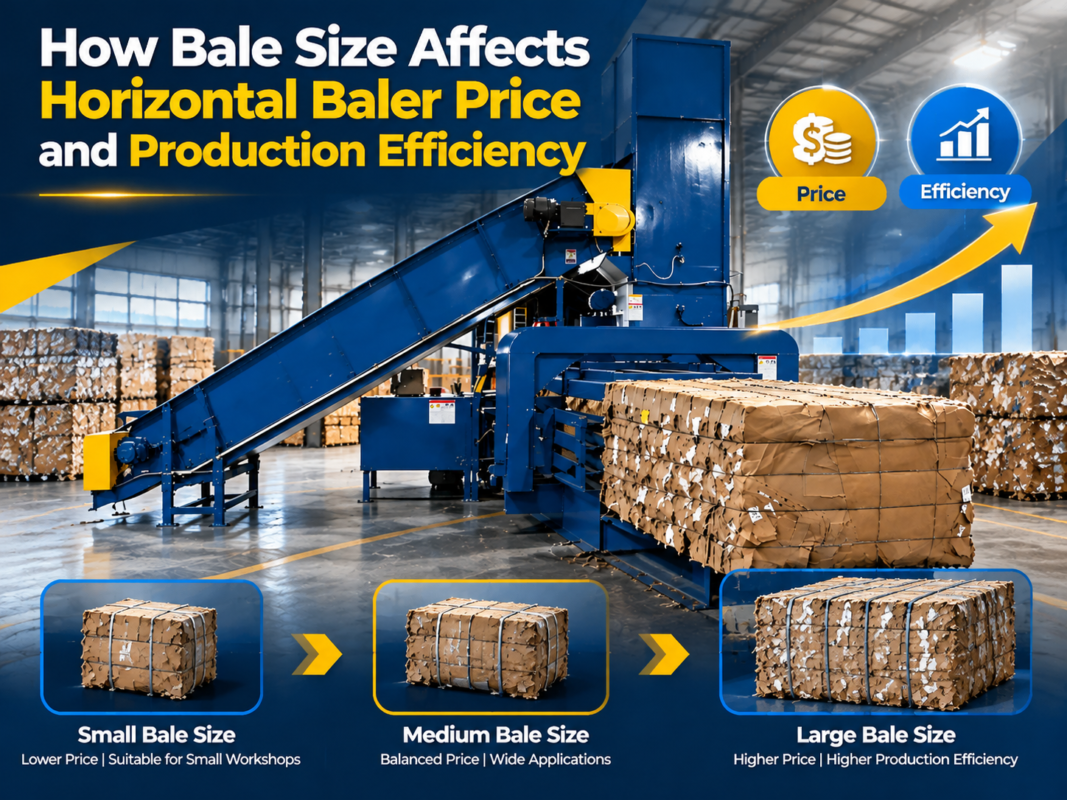
Configuration refers to the physical design and operational features of the baler, which can drastically alter the price. For instance, the bale size is a major determinant. A machine designed to produce a standard “mill-size” bale (typically 60 inches wide) is more expensive than a machine producing smaller, compact bales. Mill-size bales are preferred by recycling centers because they optimize truck space, meaning the machine’s configuration directly impacts your downstream revenue from recycled materials.
Another configuration factor is the loading method. Front-loading balers are standard, but specialized configurations like cross-border loading or conveyor-fed systems add significant cost. If your facility generates high volumes of waste, a conveyor-fed system is essential to maintain throughput, but it requires a more sophisticated machine design with a larger feed opening and automated cycle initiation. These design choices are tailored to specific workflows and should be evaluated based on labor savings.
The ejection system also varies by configuration. Manual ejection requires an operator to physically push the bale out, which is time-consuming and labor-intensive. Automated bale ejection systems, such as hydraulic or chain-driven ejectors, significantly increase the price but offer a massive boost in productivity. For high-volume operations, the ability to eject a bale in seconds rather than minutes is a critical performance metric that justifies the higher initial cost.
Lastly, consider the power supply and motor efficiency. High-efficiency motors and variable frequency drives (VFDs) can reduce energy consumption, lowering the total cost of ownership. While these components increase the purchase price, the energy savings over the machine’s lifespan can be substantial. HARSLE offers various motor configurations to ensure that the machine is optimized for your facility’s electrical infrastructure and energy goals.
Hidden Costs
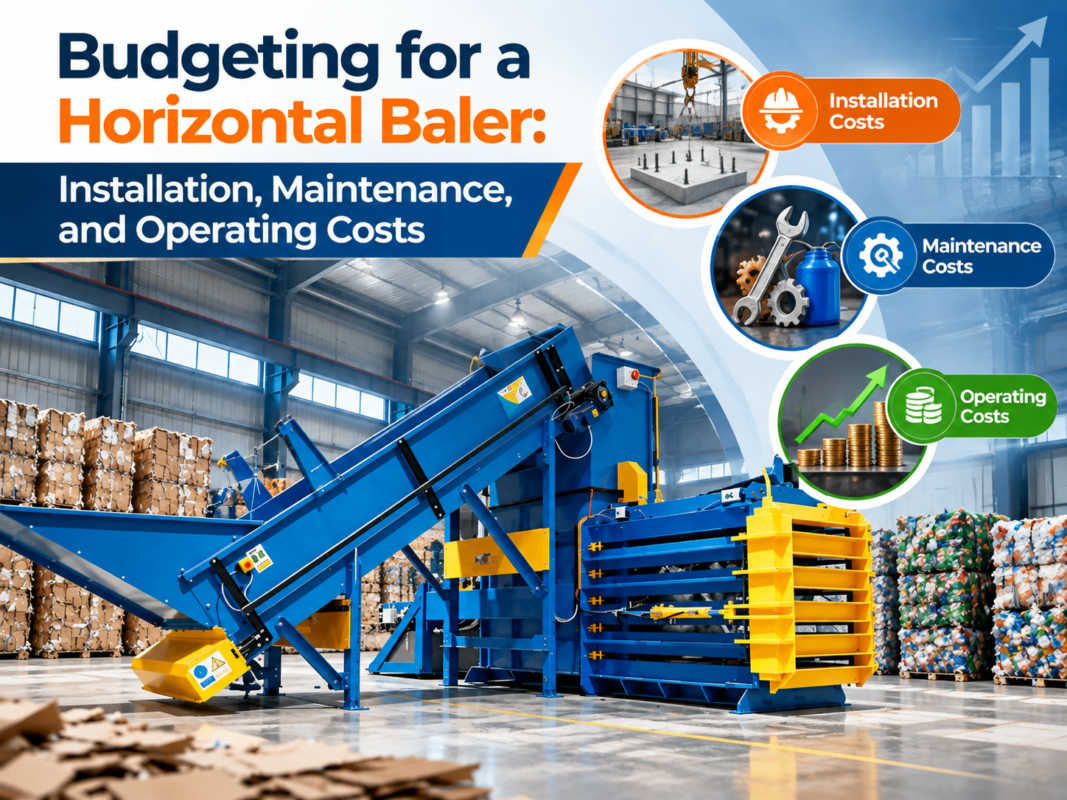
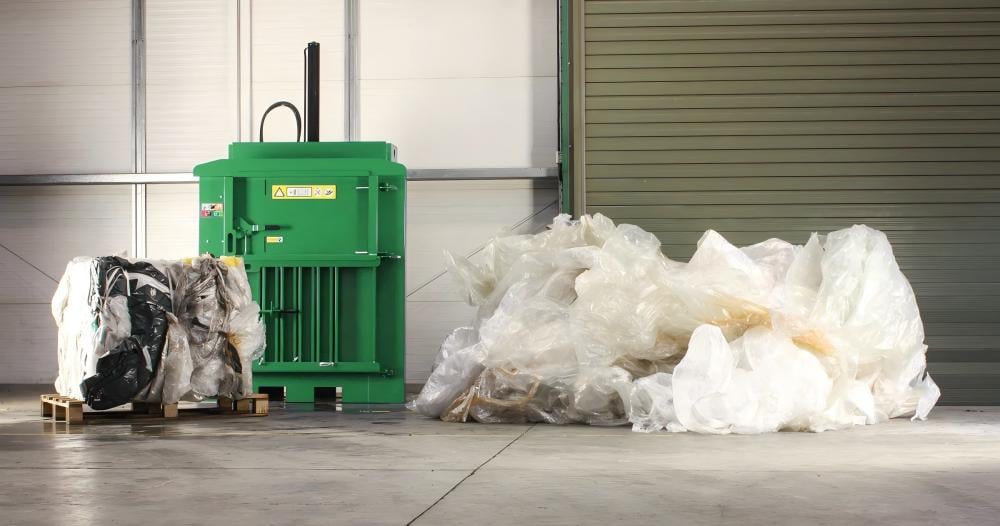
When budgeting for a vertical baler, many buyers overlook the “hidden” costs associated with installation and site preparation. A heavy-duty baler requires a reinforced concrete pad to support its weight and the forces generated during the compression cycle. If your existing floor is not rated for this load, you may face significant construction expenses. Always consult the manufacturer’s foundation requirements before finalizing your purchase.
Electrical infrastructure is another frequently underestimated cost. Depending on the motor size, you may need to upgrade your facility’s electrical panel or install a dedicated circuit. Industrial balers often require 3-phase power, which may not be readily available in all locations. The cost of hiring a licensed electrician to run conduit and install the necessary disconnects should be factored into your total budget.
Maintenance and consumables are ongoing costs that vary by machine quality. High-quality balers require less frequent hydraulic fluid changes and seal replacements. However, you must also account for the cost of baling wire or strapping. Some machines are designed to use specific types of wire, which may be more expensive or harder to source. HARSLE provides comprehensive maintenance schedules and recommends high-quality consumables to ensure your machine operates at peak efficiency.
Finally, consider the cost of training and downtime. While a machine might be easy to operate, proper training is essential to prevent misuse and extend the life of the equipment. Furthermore, if the machine breaks down, the cost of lost productivity can far exceed the cost of a spare parts kit. Investing in a service contract or keeping a stock of critical spare parts on-site is a proactive way to mitigate these hidden risks.
ROI Calculation
Calculating the Return on Investment (ROI) for a vertical baler involves looking at both direct savings and potential revenue generation. The most immediate ROI comes from reduced waste disposal costs. By compacting your waste, you reduce the number of dumpster pickups required per month. If you are currently paying for frequent pickups of loose, bulky cardboard, a baler can reduce these costs by 50% to 80%.
Revenue generation is the second pillar of ROI. Many recycling centers will pay for high-density, mill-sized bales of cardboard, plastic, or aluminum. By baling your waste, you transform a disposal expense into a revenue stream. To calculate this, determine the weight of your weekly waste, the current market price for that material, and the cost of transporting the bales to a recycling facility. HARSLE provides ROI calculators to help clients estimate the payback period based on their specific waste volume.
Labor savings should also be included in your ROI analysis. Manual waste handling is time-consuming and takes employees away from their core tasks. A baler streamlines the waste management process, allowing staff to dispose of materials quickly and return to production. When you quantify the hours saved per week and multiply them by the average hourly wage, the efficiency gains often justify the investment within 12 to 24 months.
Finally, consider the environmental impact and corporate sustainability goals. Many companies can leverage their recycling initiatives for tax credits or improved brand reputation. While these benefits are harder to quantify in dollars, they provide long-term strategic value. When presenting the purchase to stakeholders, emphasize that the baler is not just a machine, but a tool for operational efficiency and environmental stewardship.
Buying Advice
Before purchasing, conduct a thorough waste audit. Measure the volume and type of waste your facility generates daily. Are you dealing with corrugated cardboard, plastic film, or metal scraps? Different materials require different compression ratios and bale sizes. A machine that is too small will lead to constant cycle times and premature wear, while a machine that is too large will be an inefficient use of capital.
Always request a demonstration or visit a facility currently using the model you are considering. Seeing the machine in action allows you to evaluate its ease of use, noise levels, and cycle speed. Ask the operator about their experience with the machine—they are the best source of information regarding reliability and maintenance needs. HARSLE encourages potential buyers to reach out for references and site visits to ensure complete confidence in their purchase.
Check the warranty and support structure. A machine is only as good as the support behind it. Ensure the manufacturer offers readily available spare parts, technical support, and a network of service technicians. A long warranty period is a good indicator of the manufacturer’s confidence in their product’s durability. HARSLE stands behind its equipment with robust warranty programs and dedicated support teams to ensure your operations never stall.
Finally, think about the future. Is your business growing? If you expect your waste volume to increase in the next three to five years, it may be more cost-effective to invest in a slightly larger machine now rather than having to replace it later. Scalability is a key consideration in industrial procurement. By planning for growth, you avoid the “buy twice” trap and ensure your equipment remains an asset for years to come.
Часто задаваемые вопросы
- What is the most important factor when choosing a vertical baler? The most important factor is matching the machine’s tonnage and bale size to your specific waste volume and material type.
- How often does a vertical baler need maintenance? Routine maintenance, such as checking hydraulic fluid and inspecting hoses, should be performed quarterly. A full service should be conducted annually.
- Can one baler handle multiple types of materials? Yes, many vertical balers are versatile, but you must ensure the hydraulic pressure is adjusted correctly for the density of the material being processed.
- What is the difference between a manual and automatic tie baler? Manual tie balers require an operator to feed wire through the machine, while automatic tie balers handle the process, significantly increasing throughput.
- Does HARSLE provide installation services? Yes, HARSLE offers comprehensive installation and commissioning services to ensure your machine is set up for optimal performance.
- How do I know if I need a 3-phase power supply? Most industrial balers with motors above 5HP require 3-phase power. Check the machine’s technical specifications sheet provided by the manufacturer.