Troubleshooting Alligator Shear Clamp Failures and Weak Hold-Downs: A Comprehensive Maintenance Guide


Introduction to Alligator Shear Clamp Integrity
In the demanding world of metal recycling and fabrication, the alligator shear stands as a workhorse for processing scrap metal, rebar, and structural steel. However, the efficiency of these machines relies heavily on the stability of the material being cut. When operators face the challenge of troubleshooting alligator shear clamp failures and weak hold-downs, the entire production line grinds to a halt. A compromised hold-down system not only reduces cut precision but also poses significant safety risks to personnel and the machinery itself.
At HARSLE, we understand that a shear is only as effective as its ability to keep the workpiece stationary during the high-force cutting stroke. If the clamp fails to exert sufficient pressure, the material may kick back, shift, or cause the blade to bind, leading to catastrophic damage to the shear head or the hydraulic cylinders. This guide explores the root causes of these failures and provides actionable steps for maintenance teams to restore optimal performance.
Understanding the mechanics of the hold-down system is the first step in effective troubleshooting. Whether your machine utilizes a manual mechanical clamp or a sophisticated hydraulic hold-down, the principles of force application remain consistent. By identifying the early warning signs of pressure loss, you can prevent downtime and extend the lifespan of your HARSLE equipment.
This article serves as a technical resource for maintenance managers and operators tasked with keeping their alligator shears in peak condition. We will delve into hydraulic circuit diagnostics, mechanical wear patterns, and the importance of regular inspection schedules to ensure your facility remains productive and safe.
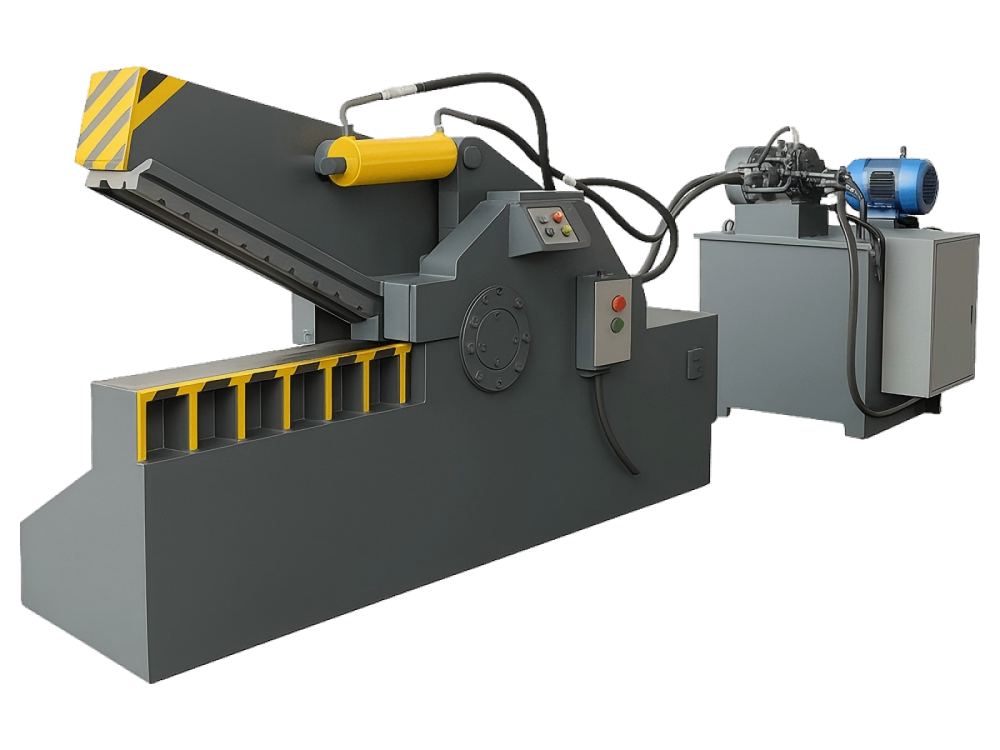
Key Considerations for Hold-Down Performance
The primary function of the hold-down clamp is to secure the material firmly against the lower blade seat. When troubleshooting alligator shear clamp failures and weak hold-downs, the first consideration is the hydraulic pressure setting. If the system pressure is set too low, the clamp will lack the necessary force to counteract the upward thrust generated by the shear blade during the cutting cycle. Always verify that your hydraulic pump is delivering the manufacturer-recommended PSI to the hold-down circuit.
Another critical factor is the condition of the hydraulic seals within the hold-down cylinder. Over time, internal bypass can occur, where hydraulic fluid leaks past the piston seal. This results in a “spongy” or weak hold-down that cannot maintain pressure under load. If you notice the clamp drifting or failing to hold position after the initial engagement, internal seal failure is a primary suspect that requires immediate attention.
Environmental factors also play a significant role in clamp performance. Metal fabrication environments are inherently dirty, with dust, scale, and metal shavings often infiltrating the hydraulic system or clogging the clamp guides. If the clamp guide rails are obstructed by debris, the cylinder may not be able to travel its full stroke, resulting in insufficient clamping force. Regular cleaning and lubrication of the guide mechanisms are essential to prevent mechanical binding.
Finally, consider the material being processed. Attempting to shear material that exceeds the machine’s rated capacity will inevitably lead to clamp slippage. If the material is too thick or too hard for the specific shear model, the hold-down will struggle to maintain contact. Always ensure that the operator is adhering to the material specifications provided in the HARSLE operation manual to avoid overstressing the clamping mechanism.
Technical Details: Diagnosing Hydraulic and Mechanical Failures
When performing a deep dive into troubleshooting alligator shear clamp failures and weak hold-downs, you must systematically isolate the hydraulic circuit. Start by checking the pressure relief valve dedicated to the hold-down system. If this valve is stuck in the open position or is improperly calibrated, the clamp will never reach its design force. Use a calibrated hydraulic pressure gauge to test the line pressure while the clamp is engaged against a piece of scrap metal.
Inspect the hydraulic hoses and fittings for signs of external leakage or degradation. A weeping hose might not seem like a major issue, but it can lead to air entering the hydraulic system. Air in the lines is a common cause of erratic clamp behavior, as air is compressible while hydraulic oil is not. If you suspect air in the system, perform a thorough bleeding procedure according to the HARSLE maintenance guidelines to ensure a solid column of fluid is available to the cylinder.
The mechanical linkage of the clamp also requires scrutiny. Check for excessive play in the pivot pins and bushings. If the clamp arm has developed significant “slop” due to wear, the force applied to the material will be uneven, leading to poor clamping stability. Replacing worn bushings and pins is a relatively straightforward maintenance task that can drastically improve the consistency of your shear cuts.
Furthermore, examine the clamp face itself. If the serrations or gripping teeth on the clamp pad have become rounded or flattened, the clamp will lose its ability to “bite” into the metal. A dull clamp face is a frequent contributor to material slippage. Hard-facing the clamp pad or replacing it entirely can restore the necessary friction to keep the workpiece locked in place during the shearing process.

Selection Advice for Replacement Components
When the time comes to replace components, quality should never be compromised. Using generic or ill-fitting hydraulic cylinders can lead to recurring failures and increased downtime. Always source replacement parts directly from HARSLE or authorized distributors to ensure that the specifications match your machine’s original design. This is particularly important for seals and valves, where tolerances are measured in microns.
Consider upgrading to high-durability materials if your facility processes abrasive or high-tensile materials regularly. For example, opting for hardened steel clamp pads with aggressive tooth patterns can significantly improve grip on difficult-to-cut materials. While these components may have a higher initial cost, the reduction in slippage-related accidents and blade damage provides a superior return on investment.
When selecting hydraulic components, pay close attention to the flow rate and pressure ratings. Installing a valve that is undersized for your pump’s output can cause overheating and premature failure of the hydraulic fluid. Conversely, an oversized valve may lead to sluggish response times. Consult the HARSLE technical support team if you are unsure about the compatibility of a specific replacement part with your existing shear configuration.
Finally, keep a comprehensive inventory of critical spares. A failed clamp seal or a broken hydraulic fitting can stop production for days if the part is not in stock. By maintaining a “critical spares kit” that includes common seals, hoses, and clamp pads, you can perform immediate repairs and minimize the impact of unexpected equipment failures on your production schedule.
Maintenance Best Practices for Long-Term Reliability
Preventative maintenance is the most effective strategy for avoiding the need for troubleshooting alligator shear clamp failures and weak hold-downs. Establish a daily inspection routine that includes checking the hydraulic oil level, inspecting the clamp guide rails for debris, and verifying that the clamp engages smoothly without hesitation. A few minutes spent each morning can prevent hours of emergency repairs later.
Implement a monthly lubrication schedule for all moving parts of the shear head and clamp assembly. High-quality, extreme-pressure grease should be applied to pivot points and sliding surfaces to reduce friction and wear. Ensure that the lubrication points are free of contaminants before applying fresh grease to prevent the introduction of grit into the bearings.
Regularly analyze the condition of your hydraulic fluid. Over time, hydraulic oil can become contaminated with moisture, metal particles, and oxidation byproducts. These contaminants act as an abrasive, accelerating the wear of pump components and cylinder seals. Schedule periodic oil changes and filter replacements to keep the hydraulic system clean and efficient. A clean system is the foundation of a reliable hold-down clamp.
Finally, provide adequate training for your operators. A well-trained operator can identify the subtle signs of a failing clamp—such as unusual noises, slower engagement speeds, or minor material movement—before a total failure occurs. Encourage a culture of reporting, where operators feel empowered to flag potential issues early. This proactive approach is the hallmark of a high-performing metal fabrication facility.
FAQ: Common Questions Regarding Shear Clamps
- Q: Why does my alligator shear clamp slip during the cut?
A: Slippage is usually caused by insufficient hydraulic pressure, worn clamp pad teeth, or air in the hydraulic system. Check your pressure settings and inspect the clamp face for wear. - Q: How often should I replace the hydraulic seals in the hold-down cylinder?
A: While there is no fixed interval, seals should be inspected whenever you notice a drop in clamping force or visible external leakage. In high-production environments, a preventative replacement every 12-18 months is recommended. - Q: Can I use a different type of hydraulic oil in my HARSLE shear?
A: Always refer to the HARSLE manual for the recommended oil viscosity and type. Using the wrong fluid can damage seals and affect the performance of the hydraulic valves. - Q: What should I do if the clamp is stuck in the down position?
A: This often indicates a failure in the directional control valve or a mechanical obstruction in the guide rails. Ensure the machine is locked out and tagged out before attempting to manually clear the obstruction or inspect the valve. - Q: Is it normal for the clamp to vibrate during the shearing process?
A: Minor vibration can occur, but excessive shaking suggests loose mounting bolts or worn bushings. Tighten all fasteners and check for play in the pivot points to ensure stability.
Conclusion
Troubleshooting alligator shear clamp failures and weak hold-downs is a fundamental skill for any maintenance professional working with heavy-duty metal fabrication equipment. By understanding the interplay between hydraulic pressure, mechanical wear, and environmental factors, you can effectively diagnose and resolve issues before they escalate into costly downtime. Remember that the hold-down system is a critical safety feature; never bypass or ignore signs of instability.
At HARSLE, we are committed to providing not only the highest quality machinery but also the knowledge required to maintain it for years of service. By following the maintenance best practices outlined in this guide, you can ensure that your alligator shear remains a reliable, precise, and safe asset in your workshop. If you encounter complex issues that fall outside the scope of standard troubleshooting, do not hesitate to reach out to our technical support team for expert guidance tailored to your specific machine model.
Investing time in your equipment today pays dividends in productivity and safety tomorrow. Keep your clamps tight, your hydraulic systems clean, and your operators informed to maintain the competitive edge in your metal processing operations.