Top Pricing Factors for Automatic Scrap Metal Balers: A Comprehensive Buyer’s Guide

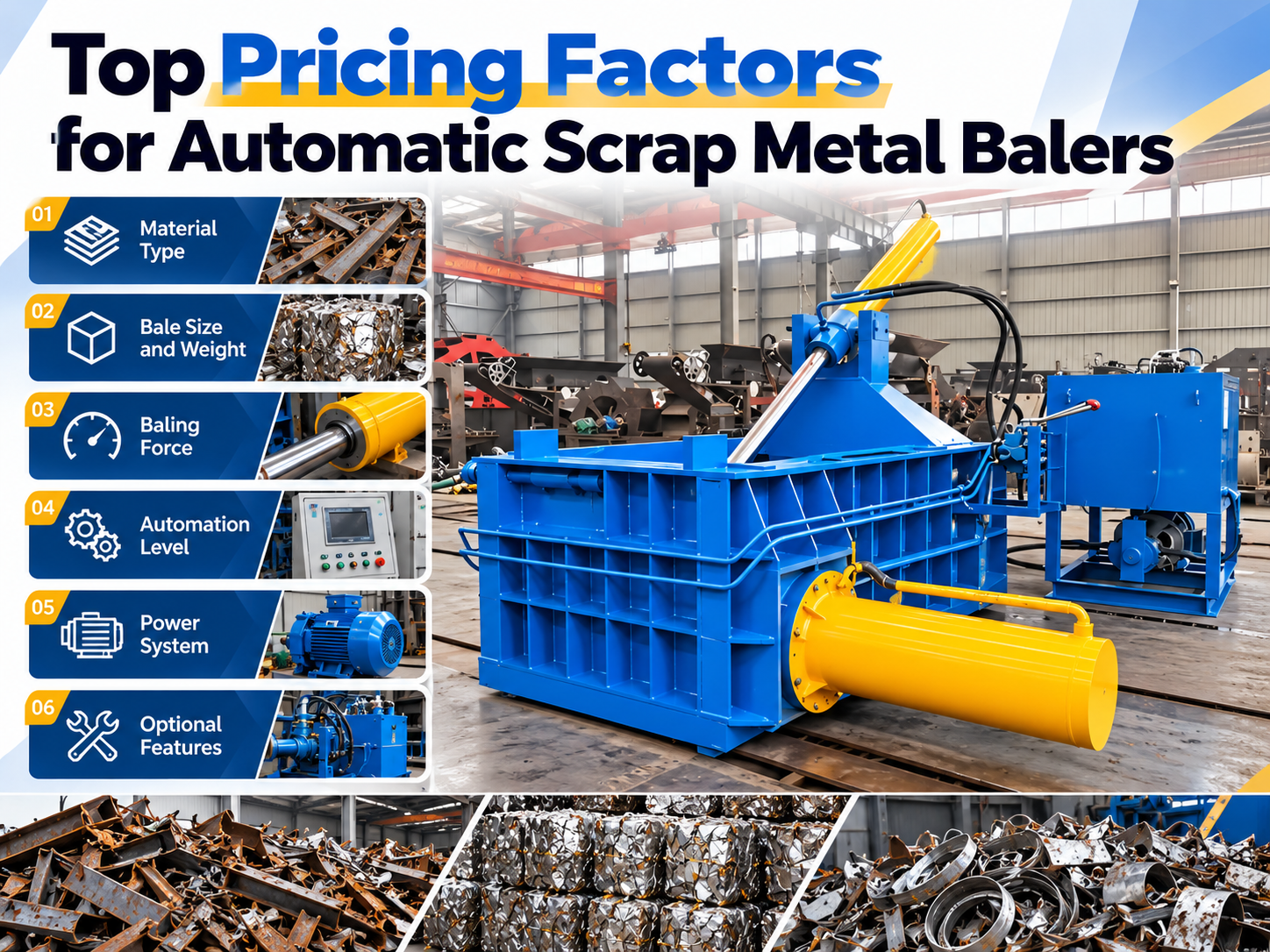
Price Range Overview for Automatic Scrap Metal Balers
Investing in an automatic scrap metal baler is a significant capital expenditure for any recycling facility, manufacturing plant, or demolition company. Understanding the top pricing factors for automatic scrap metal balers is essential for making an informed procurement decision. Generally, the market for these machines is tiered based on throughput capacity, automation level, and structural integrity. Entry-level industrial balers may start in the $25,000 to $50,000 range, while high-capacity, fully automated systems designed for continuous heavy-duty operation can easily exceed $200,000 to $500,000.
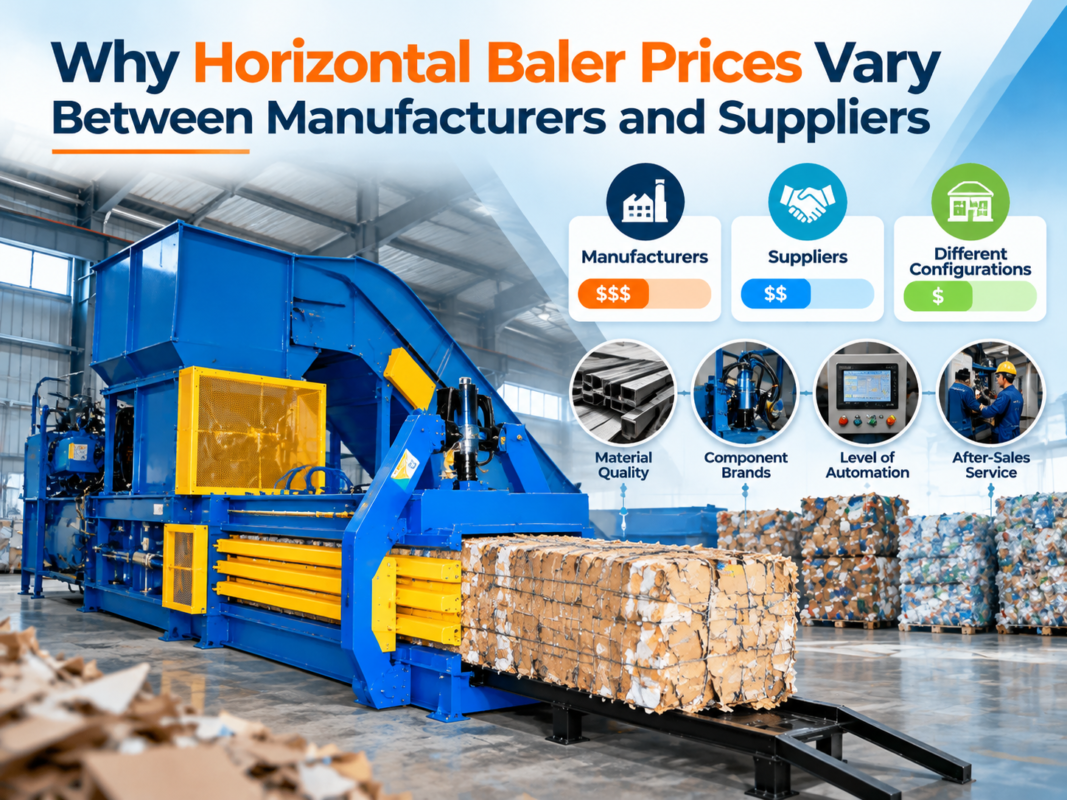
The price variance is not arbitrary; it reflects the engineering complexity required to process different types of scrap, from thin aluminum shavings to heavy steel offcuts. When evaluating HARSLE equipment, buyers must look beyond the initial sticker price and consider the total cost of ownership. A lower-priced machine might seem attractive initially, but if it lacks the structural reinforcement to handle high-density materials, the long-term maintenance costs will quickly erode any initial savings.
Market volatility in steel and hydraulic component pricing also plays a role in the final quote. Because these machines are built with high-grade carbon steel and sophisticated hydraulic systems, global commodity prices directly influence manufacturing costs. Consequently, obtaining a quote requires a detailed assessment of your specific operational needs, as custom configurations are the industry standard rather than the exception.
Furthermore, the geographic location of the manufacturer and the shipping logistics involved can add significant overhead. HARSLE provides global support, but buyers should always factor in installation, commissioning, and local regulatory compliance costs. By understanding these baseline price ranges, facility managers can better allocate their budgets and prioritize the features that offer the highest return on investment for their specific scrap processing volume.
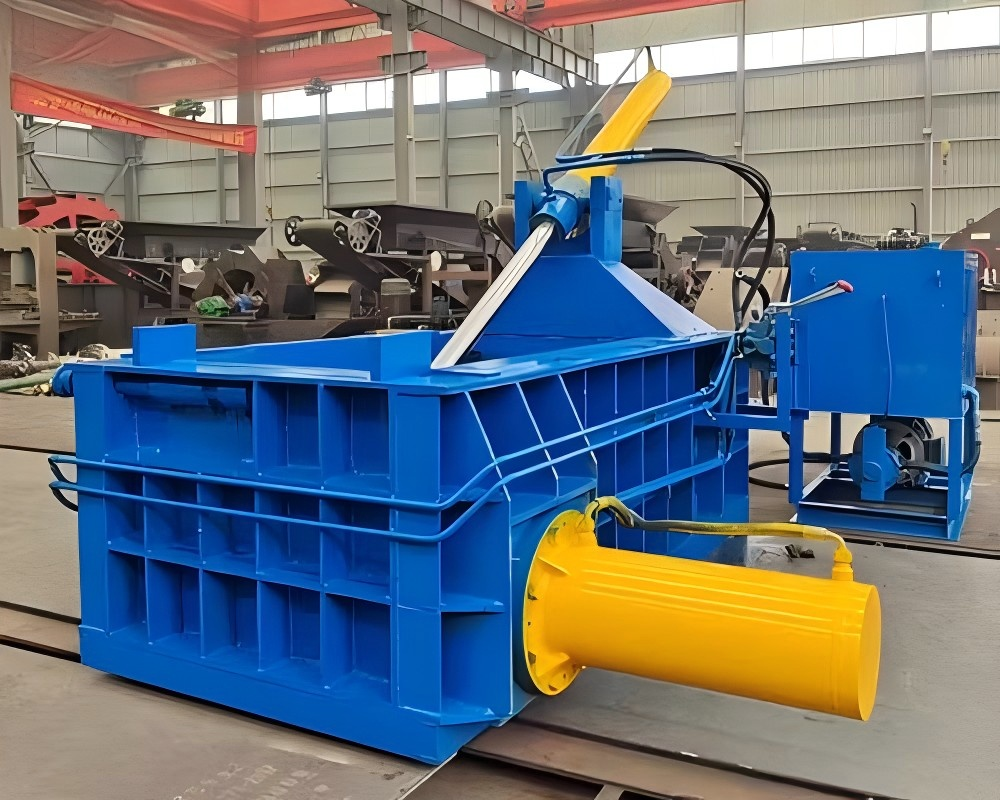
Main Cost Drivers in Scrap Metal Baler Manufacturing
The primary driver behind the price of an automatic scrap metal baler is the hydraulic system. High-performance balers utilize multi-stage hydraulic pumps and high-pressure cylinders that must withstand immense force without leaking or failing. The quality of the seals, valves, and fluid cooling systems determines the machine’s longevity. Premium components from reputable global suppliers increase the upfront cost but significantly reduce the risk of catastrophic downtime, which is the most expensive scenario for any recycling operation.
Structural integrity is the second major cost factor. A baler is essentially a giant press that exerts hundreds of tons of force. The thickness of the steel plates, the quality of the welding, and the reinforcement of the compression chamber are critical. HARSLE utilizes high-tensile steel to ensure the frame does not deform under the pressure of dense metal bales. Cheaper machines often use thinner steel, which may work initially but will eventually suffer from fatigue, leading to cracks and structural failure.
Automation technology represents a growing portion of the cost. Modern automatic scrap metal balers are equipped with Programmable Logic Controllers (PLCs), touch-screen interfaces, and sophisticated sensor arrays that monitor bale density, cycle times, and hydraulic pressure in real-time. These systems allow for remote diagnostics and predictive maintenance, which are invaluable for high-volume facilities. While these electronic components add to the price, they drastically improve operational efficiency and safety.
Finally, the shearing and cutting mechanisms integrated into the baler contribute to the overall cost. Many automatic balers include heavy-duty shear blades to trim oversized scrap before compression. These blades must be made from hardened tool steel and require precise alignment. The engineering required to integrate these blades into the baling cycle is complex, and the quality of the blade material is a direct reflection of the machine’s price point and its ability to handle difficult materials like stainless steel or thick rebar.
Configuration Impact on Total Investment
Configuration is perhaps the most flexible aspect of the pricing equation. A standard baler might be sufficient for a facility processing uniform aluminum cans, but a scrap yard handling mixed demolition waste requires a highly customized configuration. The size of the feed opening, the dimensions of the bale chamber, and the type of loading system (conveyor belt, grapple, or hopper) all influence the final price. Customizing these elements ensures that the machine fits perfectly into your existing workflow, reducing material handling time.
The type of bale ejection system also impacts cost. Automatic balers can be configured for side ejection, end ejection, or even multi-directional ejection depending on the layout of your facility. A sophisticated ejection system that integrates with a conveyor line to move finished bales directly to a storage area or shipping container adds value and cost. These automated material handling solutions are essential for high-throughput environments where manual labor is a bottleneck.
Energy efficiency configurations are becoming increasingly important. Variable Frequency Drives (VFDs) can be added to the hydraulic motor to reduce energy consumption during idle periods or when the machine is not under full load. While this adds to the initial investment, the long-term savings on electricity bills can be substantial. HARSLE offers various energy-saving packages that allow operators to optimize power usage based on the specific density of the scrap being processed.
Safety features are non-negotiable but also impact the price. Light curtains, emergency stop systems, interlocked access panels, and fire suppression systems for oily scrap are all essential for modern industrial compliance. Investing in a machine that exceeds local safety standards not only protects your workforce but also reduces insurance premiums and the risk of costly regulatory fines. When reviewing quotes, ensure that these safety features are included in the base price rather than listed as expensive add-ons.
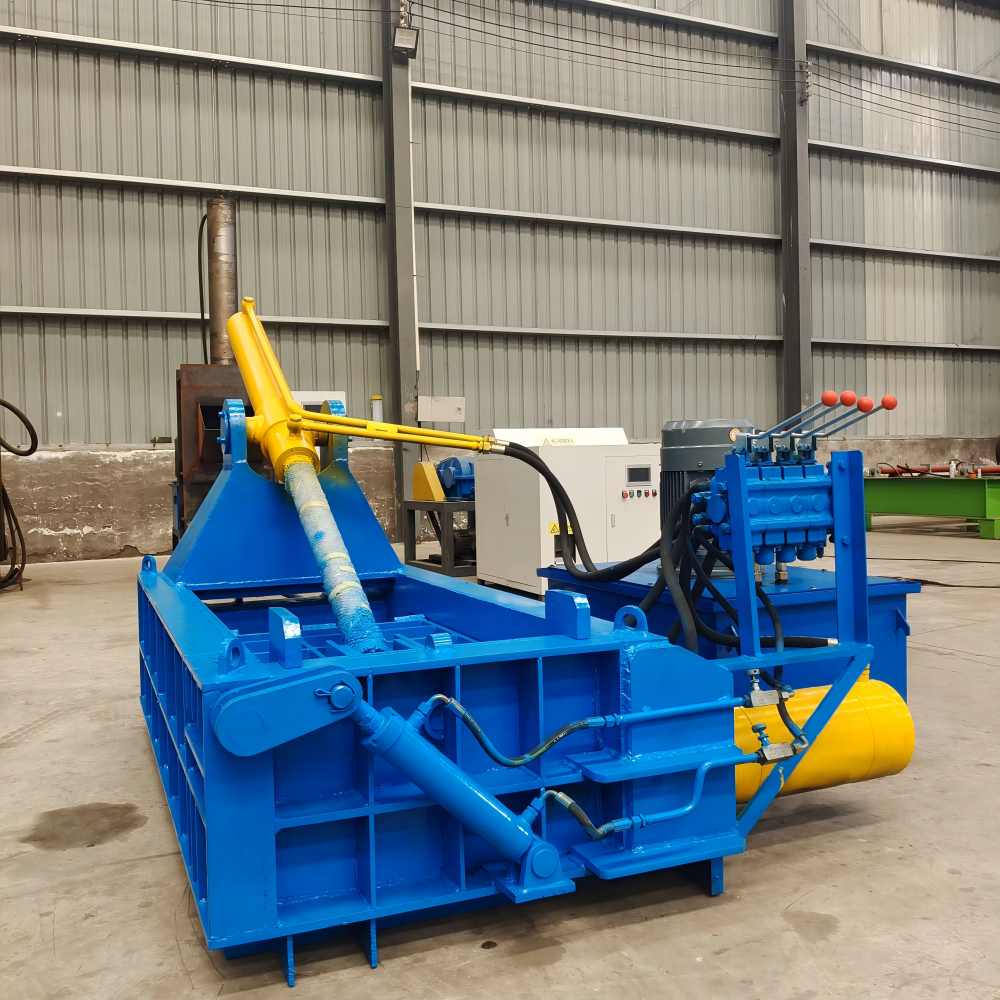
Hidden Costs: Beyond the Purchase Price
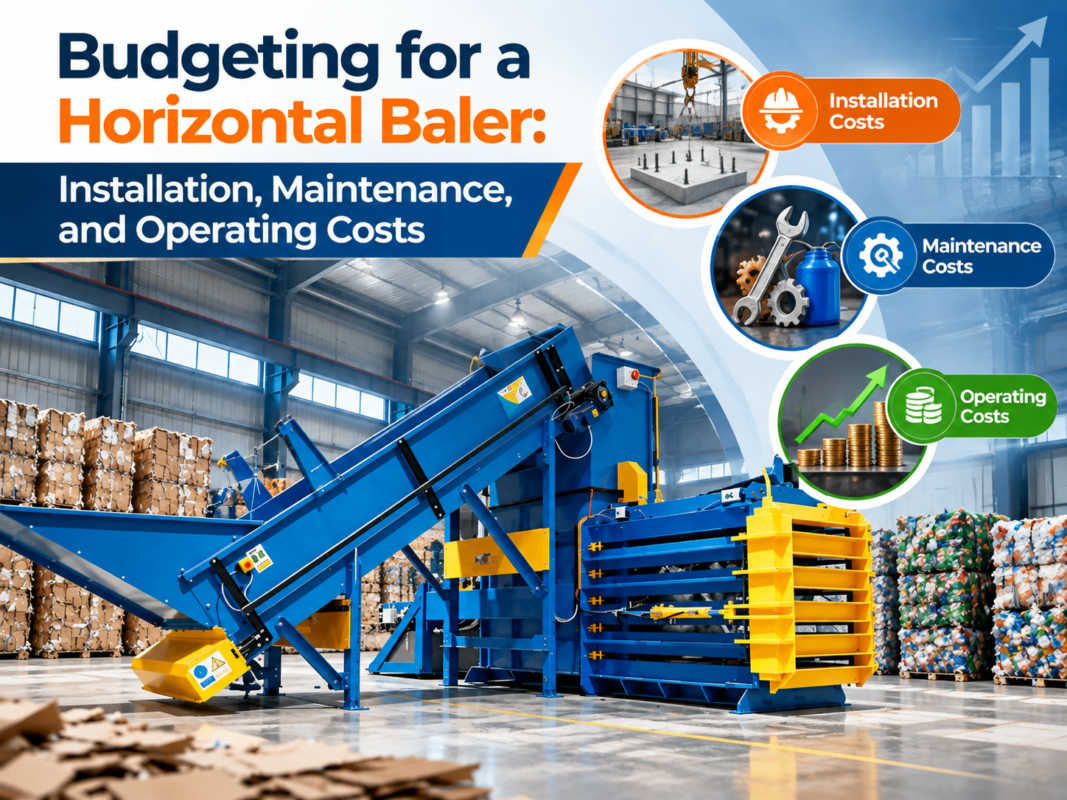
Many buyers focus exclusively on the machine price, neglecting the hidden costs associated with installation and site preparation. An automatic scrap metal baler is a heavy piece of equipment that requires a reinforced concrete foundation. If your existing floor cannot support the weight and the vibration of the baler, you will need to invest in structural engineering and concrete work, which can add thousands of dollars to the project. Always request the foundation requirements from the manufacturer early in the planning phase.
Electrical infrastructure is another frequently overlooked cost. Large industrial balers require high-voltage power supplies and dedicated circuit breakers. If your facility does not have the necessary power capacity, you may need to upgrade your electrical panel or install a transformer. Additionally, the cost of hydraulic oil, which can require hundreds of gallons for a large system, is a significant initial expense that is often not included in the base machine price.
Maintenance and spare parts are ongoing costs that should be factored into the total cost of ownership. High-wear items such as shear blades, hydraulic seals, and filter elements will need to be replaced periodically. It is wise to negotiate a spare parts package at the time of purchase to ensure you have critical components on hand, minimizing downtime. Furthermore, training your staff to operate and maintain the machine correctly is a cost that pays dividends in the form of extended equipment life.
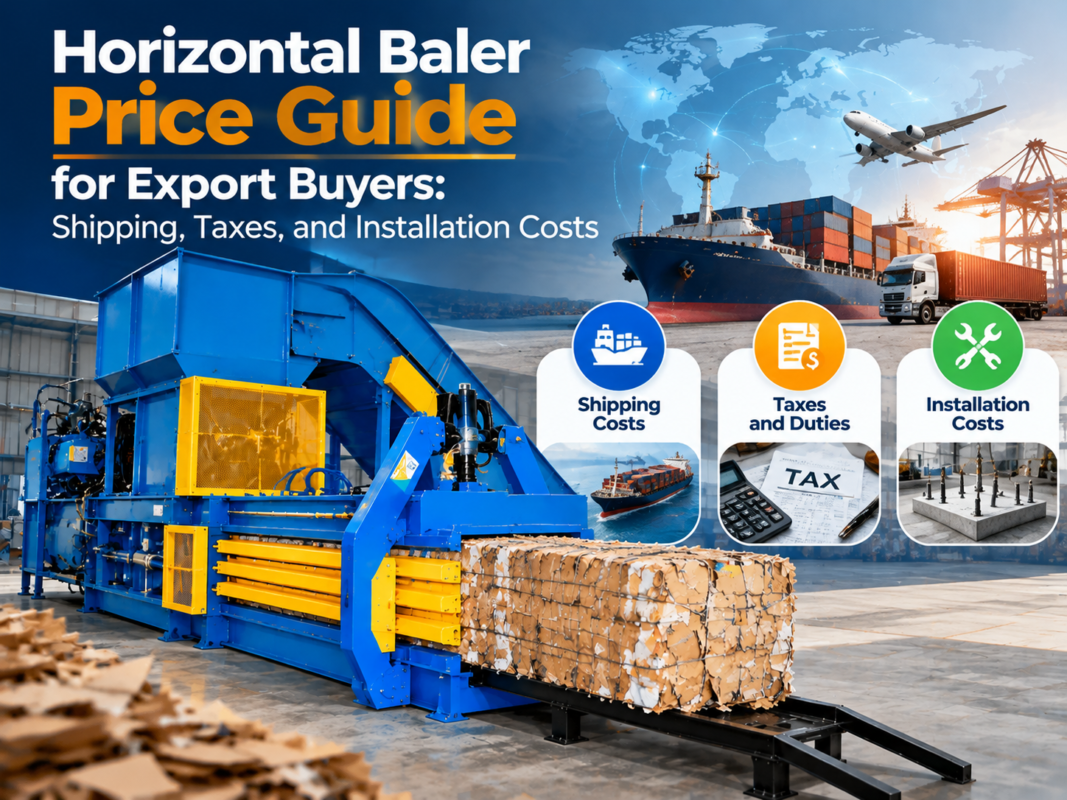
Finally, consider the cost of logistics and shipping. Moving a multi-ton piece of industrial machinery requires specialized transport, cranes, and rigging services. Depending on the distance from the factory to your site, shipping can represent a significant percentage of the total budget. Always clarify whether the quote is Ex-Works (EXW), Free on Board (FOB), or Delivered Duty Paid (DDP) to avoid unexpected customs fees or transportation charges.
ROI Calculation for Scrap Metal Balers
Calculating the Return on Investment (ROI) for an automatic scrap metal baler involves analyzing the increase in revenue from processed scrap versus the operational costs. Processed, baled metal commands a significantly higher price per ton than loose, unorganized scrap. By densifying your material, you reduce transportation costs, as you can fit more weight into a single shipping container or truck. This logistics efficiency is often the fastest way to recoup the initial investment.
To calculate your ROI, start by determining your current monthly volume of scrap and the price difference between loose and baled material in your local market. Multiply this difference by your monthly tonnage to find your potential monthly revenue increase. Next, subtract the monthly operating costs, including electricity, labor, maintenance, and consumables like baling wire. The remaining figure is your monthly net gain, which can be used to determine the payback period.
Another factor to consider is the reduction in labor costs. An automatic baler can replace several manual laborers who would otherwise be needed to sort, move, and stack scrap. By automating the process, you not only save on wages and benefits but also reduce the risk of workplace injuries, which can be a major hidden cost for any business. The efficiency gains from a faster cycle time also mean you can process more material in the same amount of time, increasing your overall capacity.
Finally, consider the tax benefits and depreciation. In many jurisdictions, industrial machinery can be depreciated over several years, providing significant tax advantages. Consult with your financial advisor to understand how the purchase of a HARSLE baler can impact your tax liability. When you combine the increased revenue from higher-value scrap, lower logistics costs, reduced labor expenses, and tax incentives, the ROI for a well-chosen automatic baler is often achieved within 18 to 36 months.
Buying Advice: Selecting the Right Equipment
When selecting an automatic scrap metal baler, start by conducting a thorough audit of your scrap stream. What are the dimensions, density, and volume of the material you process daily? A machine that is too small will be overworked and prone to failure, while a machine that is too large will be an inefficient use of capital. HARSLE representatives can help you analyze your material flow to recommend the ideal baler size and configuration.
Prioritize manufacturers that offer comprehensive after-sales support. An industrial baler is a long-term investment, and you need a partner who can provide technical assistance, spare parts, and maintenance training. Check the manufacturer’s reputation for reliability and their ability to provide remote support. In the modern era, the ability to diagnose issues via a remote connection can save days of downtime compared to waiting for a technician to arrive on-site.
Don’t be afraid to ask for references. Speak with other companies that have purchased similar equipment from the manufacturer. Ask them about the machine’s performance, the frequency of repairs, and the quality of the support they received. A reputable manufacturer will be happy to provide contact information for satisfied customers. This due diligence is the best way to ensure that you are investing in a machine that will perform as promised.
Finally, consider the future growth of your business. If you expect your scrap volume to increase over the next five years, it may be more cost-effective to invest in a slightly larger machine now rather than having to replace it later. Scalability is a key factor in industrial procurement. Ensure that the baler you choose can handle your current needs while providing enough headroom to accommodate future expansion without requiring a complete system overhaul.
FAQ: Frequently Asked Questions
- What is the typical lifespan of an automatic scrap metal baler? With proper maintenance and regular service, a high-quality industrial baler from HARSLE can last 15 to 20 years or more.
- How often should I perform maintenance on my baler? Daily checks of hydraulic levels and bale wire tension are recommended, with full professional servicing every 500 to 1,000 operating hours.
- Can these balers handle mixed metal types? Yes, but the machine must be configured with the appropriate shear force and chamber reinforcement to handle the toughest materials in your mix.
- Does HARSLE provide installation assistance? Yes, we offer comprehensive installation and commissioning services to ensure your machine is set up correctly and operating at peak efficiency.
- What is the most important factor when choosing a baler? The most important factor is matching the machine’s throughput capacity and structural strength to your specific material type and volume requirements.