What Is the Price of a Scrap Metal Baler for Recycling Plants? A Comprehensive Guide

Price Range Overview
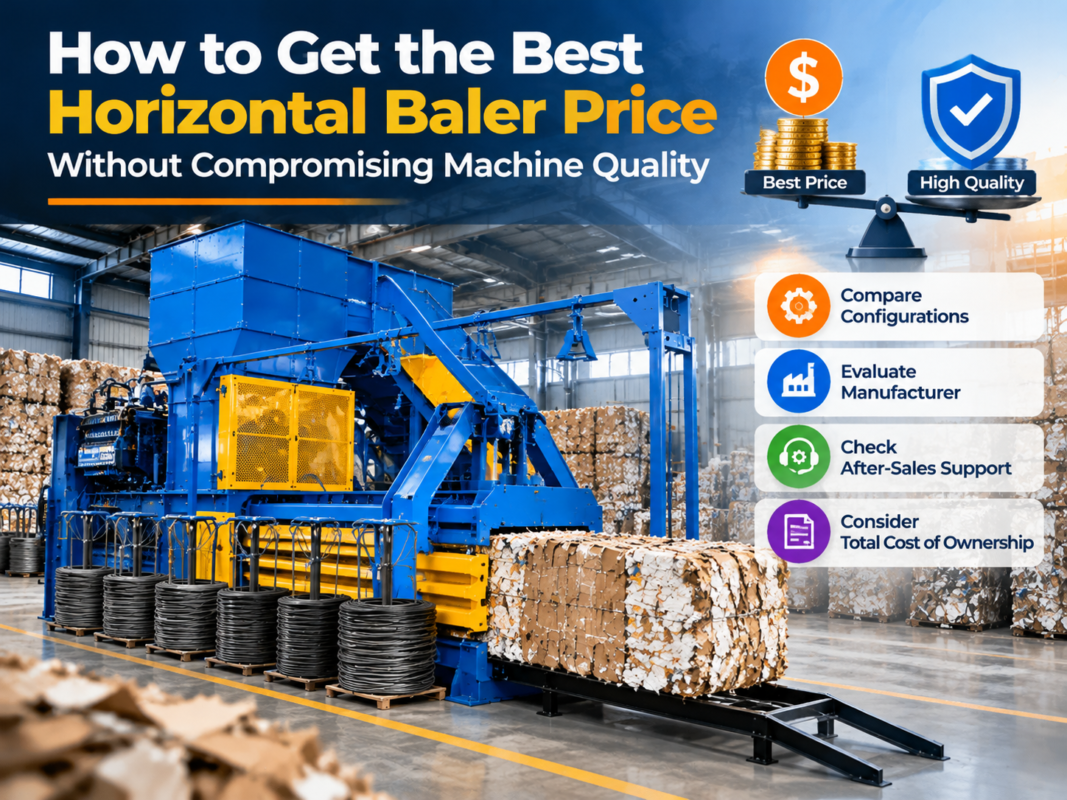
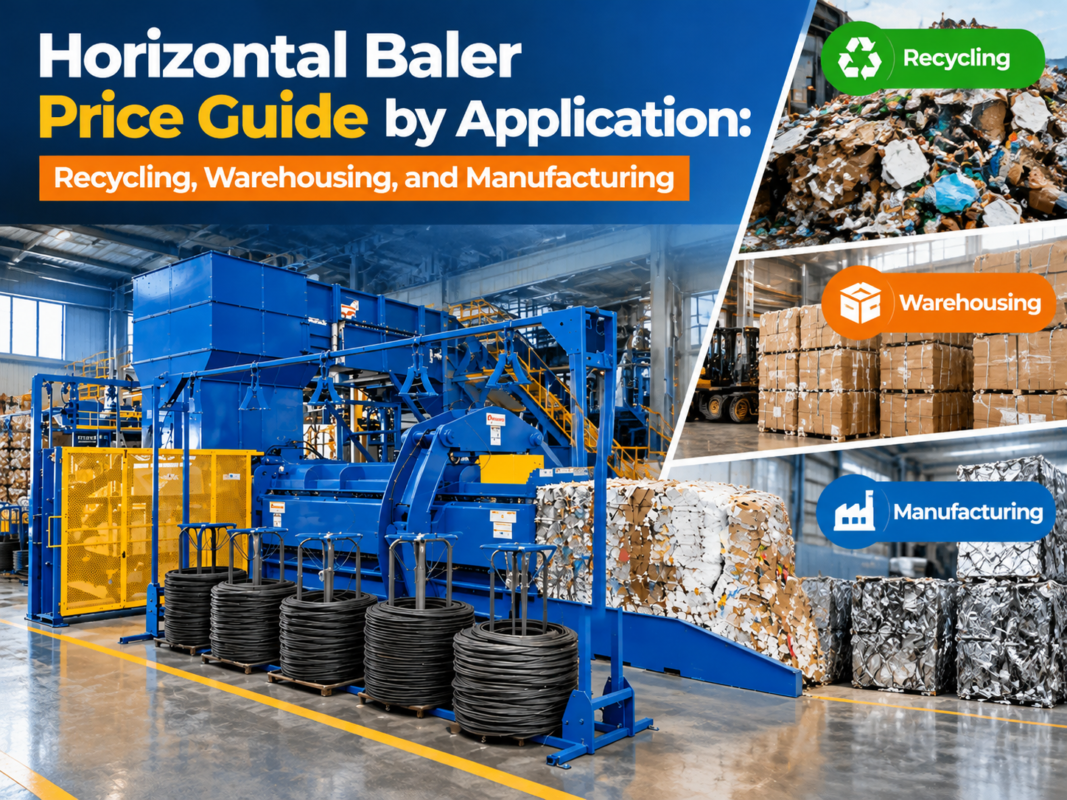
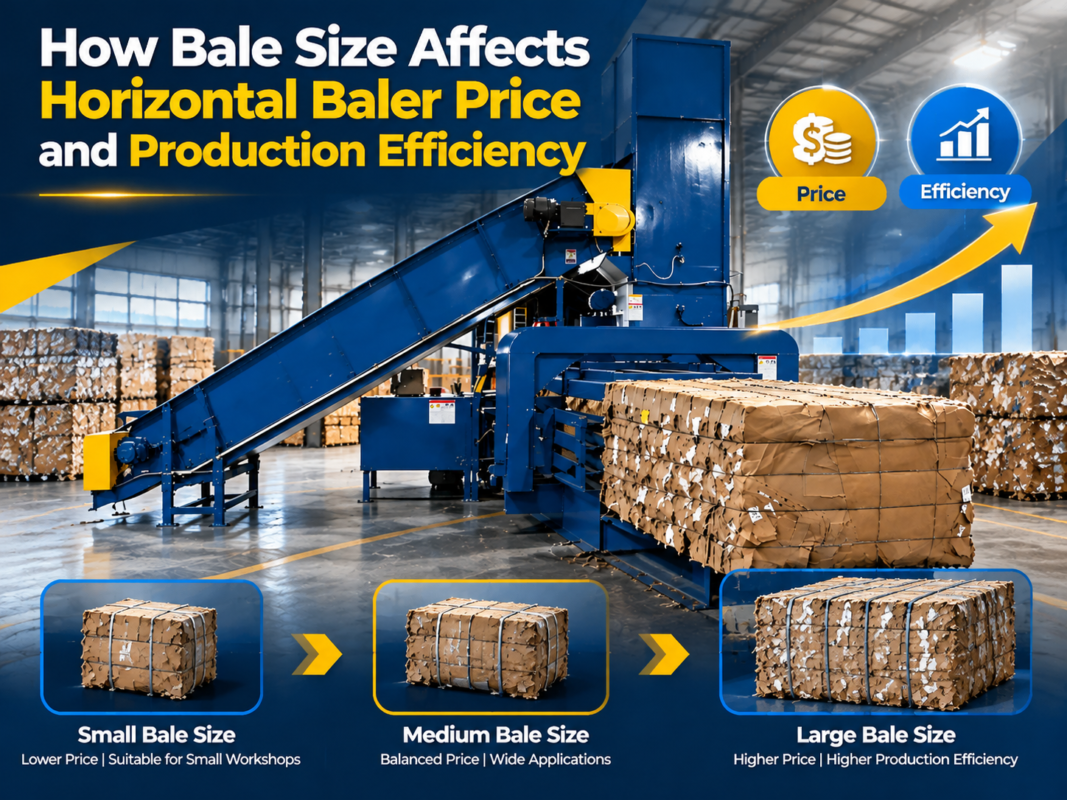
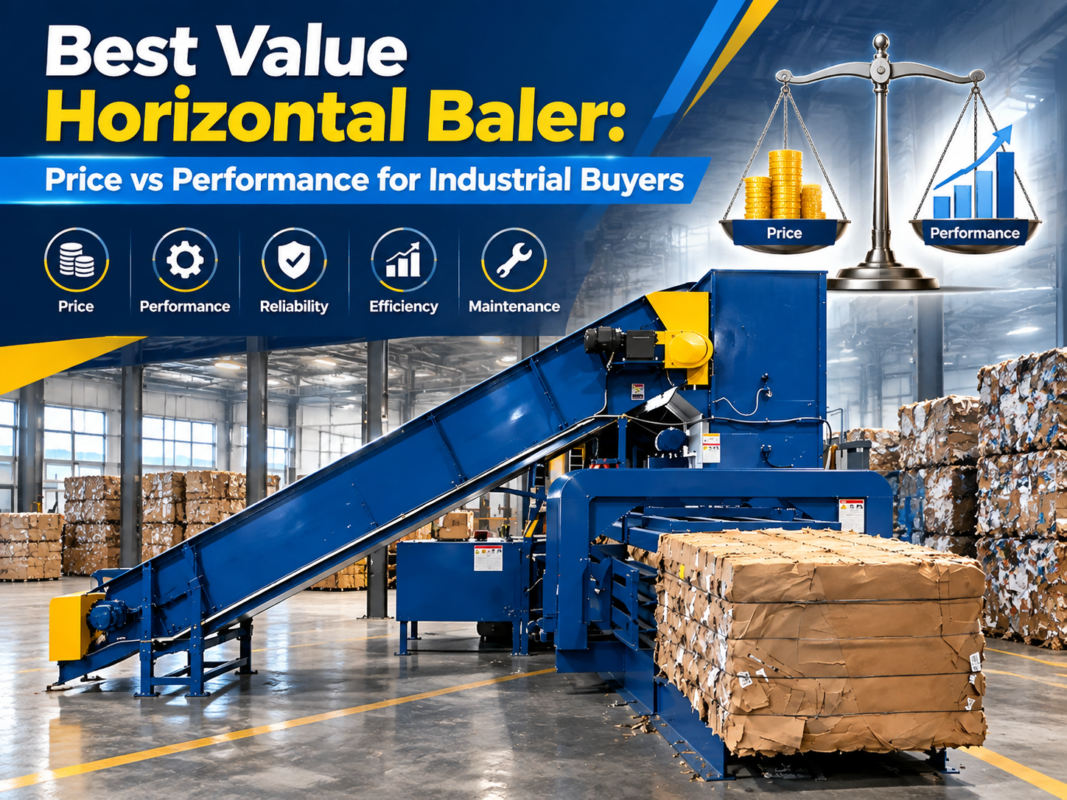
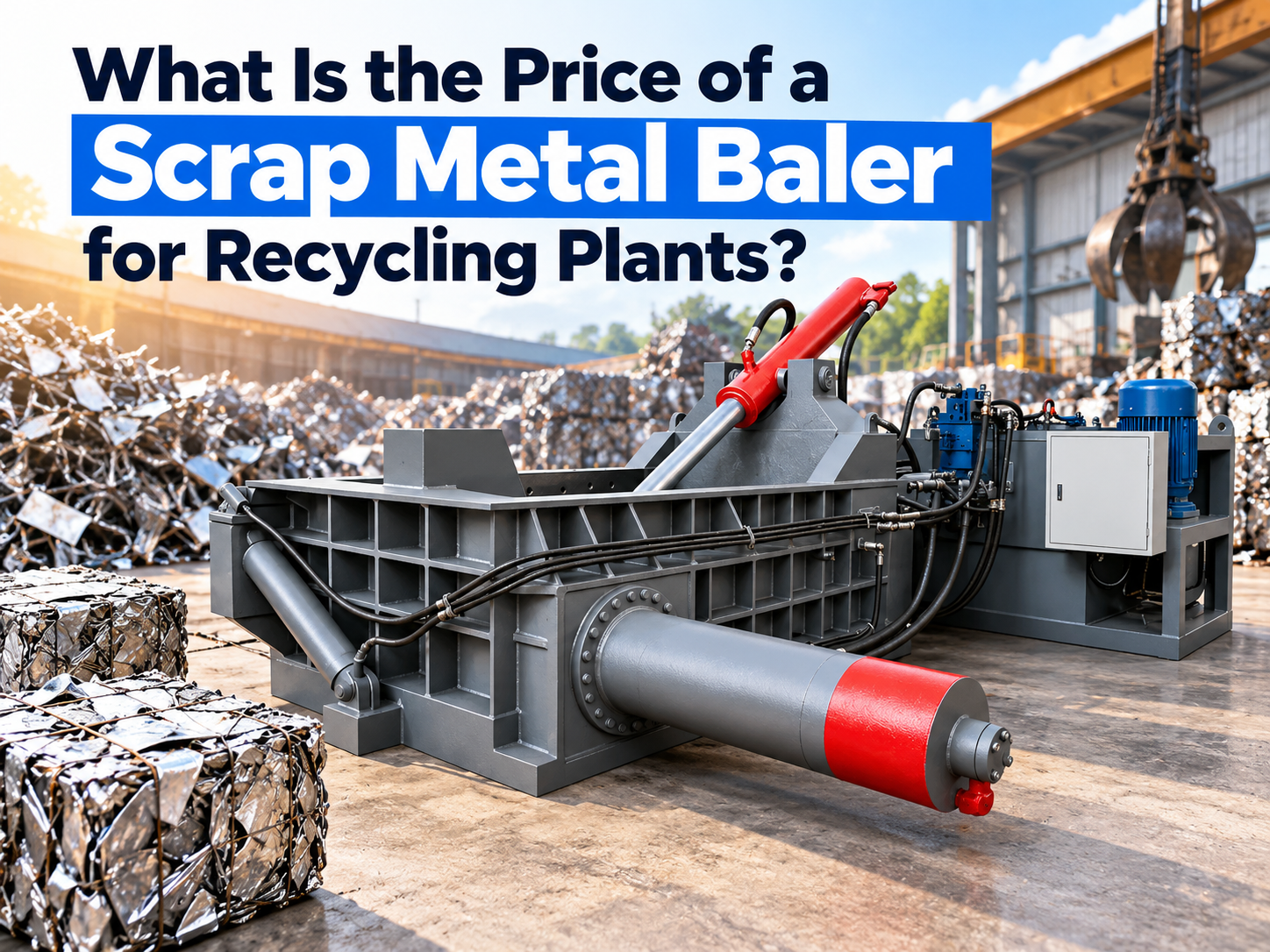
When facility managers and procurement officers ask, “Is price of a scrap metal baler recycling plants?” they are often met with a wide spectrum of figures. The investment for a high-quality scrap metal baler can range anywhere from $15,000 for entry-level, semi-automatic units to upwards of $250,000 or more for fully automated, high-throughput industrial systems. Understanding this variance is the first step in making an informed capital expenditure decision for your recycling facility.
Entry-level balers, often used by smaller scrap yards or manufacturing plants with lower volumes of waste, typically fall in the $15,000 to $40,000 range. These machines are usually manual or semi-automatic, requiring more operator intervention. They are designed for light-gauge metals and lower daily throughput, making them an ideal starting point for businesses transitioning from loose scrap storage to baled logistics.
Mid-range balers, which are the workhorses of many medium-sized recycling centers, generally cost between $50,000 and $120,000. These machines offer increased automation, higher compaction forces, and faster cycle times. They are engineered to handle a broader variety of materials, including aluminum, copper, and light steel, providing a significant boost in operational efficiency compared to entry-level models.
At the top end of the spectrum, high-capacity, fully automated scrap metal balers for large-scale recycling plants can exceed $200,000. These systems often feature integrated conveyor belts, automated bale ejection, and advanced hydraulic systems capable of processing heavy-gauge steel and large volumes of mixed scrap. These machines are designed for 24/7 operation and are essential for facilities that process hundreds of tons of metal per month.
It is important to note that these figures are estimates. Market fluctuations in steel prices, hydraulic component availability, and shipping logistics can impact the final quote. Furthermore, the geographical location of the manufacturer and the complexity of the installation process play significant roles in the total cost of ownership.
Main Cost Drivers
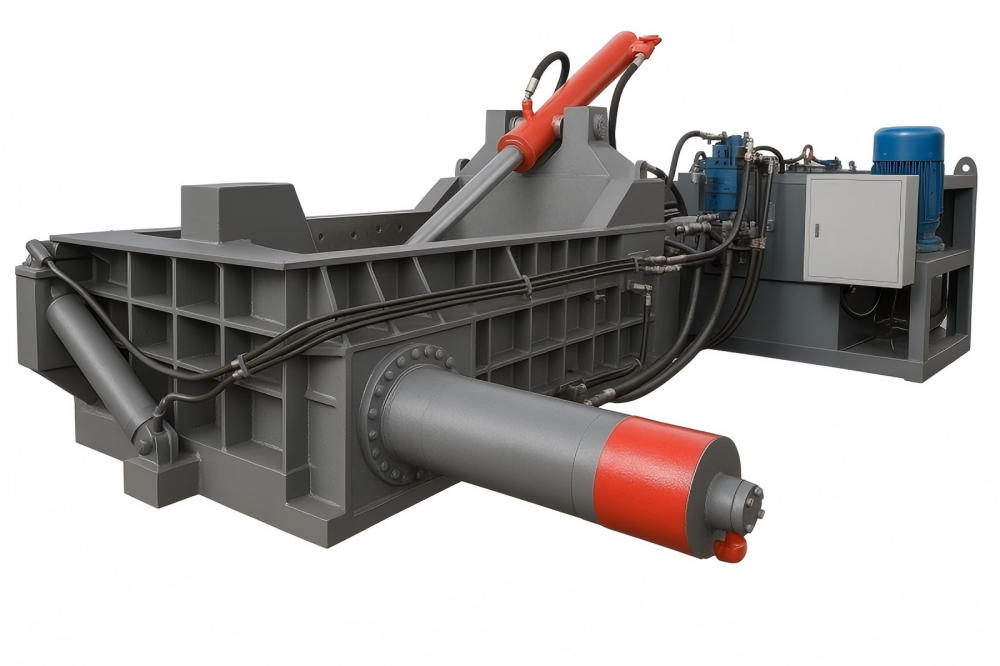
The primary driver behind the price of a scrap metal baler is the compaction force, measured in tons. A machine designed to exert 100 tons of force will naturally be more expensive than one exerting 40 tons, as it requires thicker steel plating, more robust hydraulic cylinders, and a more powerful motor. The force required is dictated by the type of metal you intend to process; processing heavy steel requires significantly more force than processing aluminum cans.
Another significant cost driver is the throughput capacity, or how many tons per hour the machine can process. High-throughput machines require larger feed openings, faster hydraulic pumps, and more sophisticated control systems to manage the material flow. If your recycling plant operates on a high-volume basis, the cost of a high-capacity machine is justified by the reduction in labor costs and the increased value of the processed bales.
The level of automation is a major factor in the final price tag. Manual balers require an operator to load, tie, and eject the bales, which is labor-intensive. Semi-automatic machines automate the ejection process, while fully automatic balers handle everything from material feeding to bale tying and discharge. While the initial investment for automation is higher, the long-term savings in labor and the consistency of the bale quality often provide a superior return on investment.
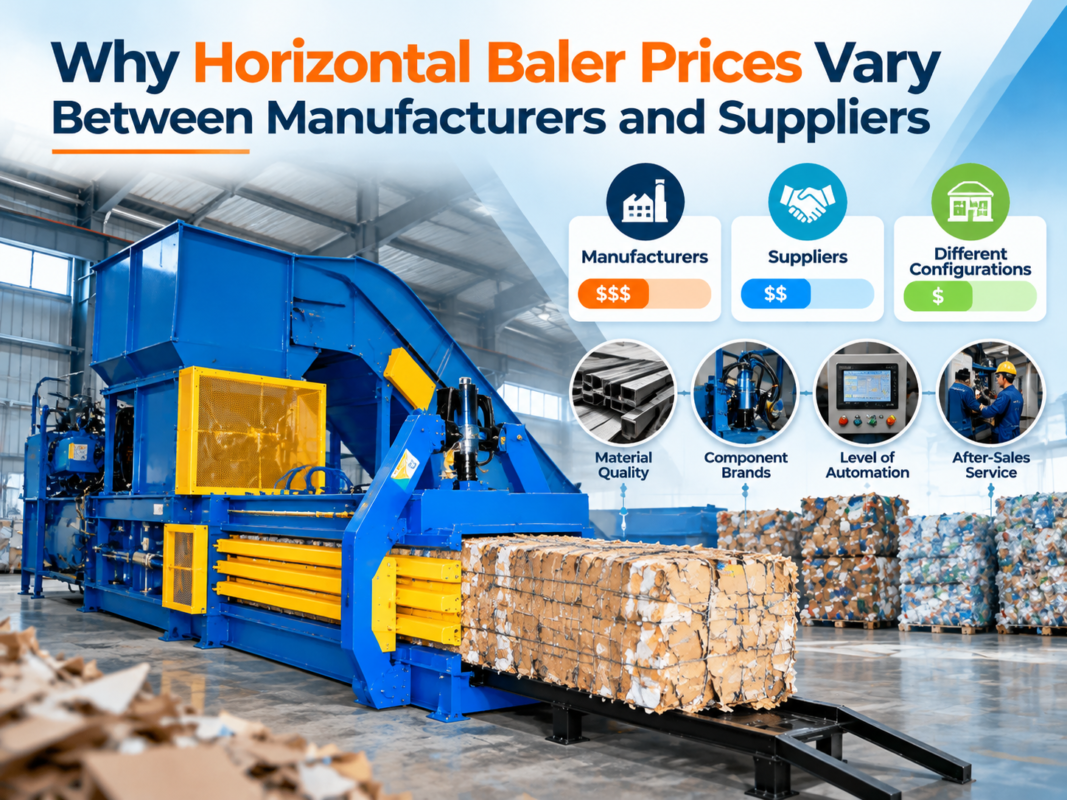
Material quality and construction standards also influence the price. HARSLE and other reputable manufacturers use high-grade wear-resistant steel for the chamber liners and the ram face. Cheaper machines may use thinner steel, which will lead to premature wear, frequent maintenance, and higher long-term costs. Investing in a machine built with heavy-duty materials ensures longevity and reliability in harsh recycling environments.
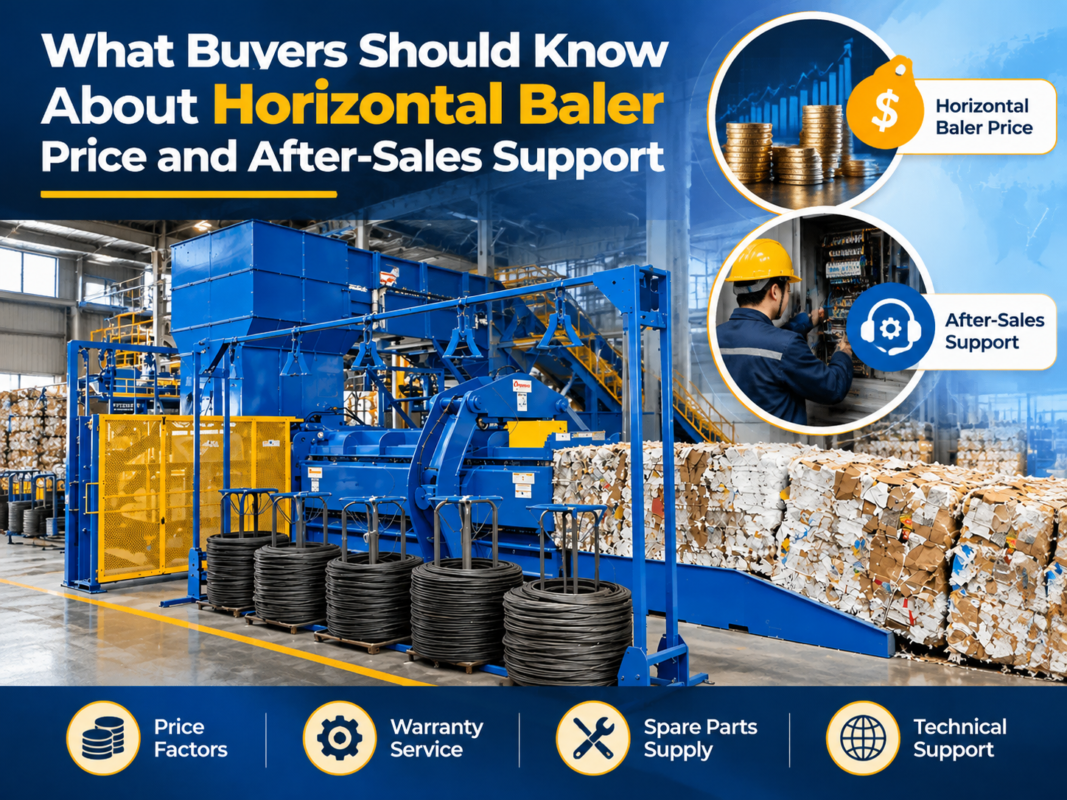
Finally, the brand reputation and the level of after-sales support significantly impact the price. A machine from a well-established manufacturer comes with the assurance of spare parts availability, technical support, and a warranty. While it might be tempting to opt for a lower-cost, unbranded machine, the potential for downtime and the lack of support can quickly negate any initial savings.
Configuration Impact
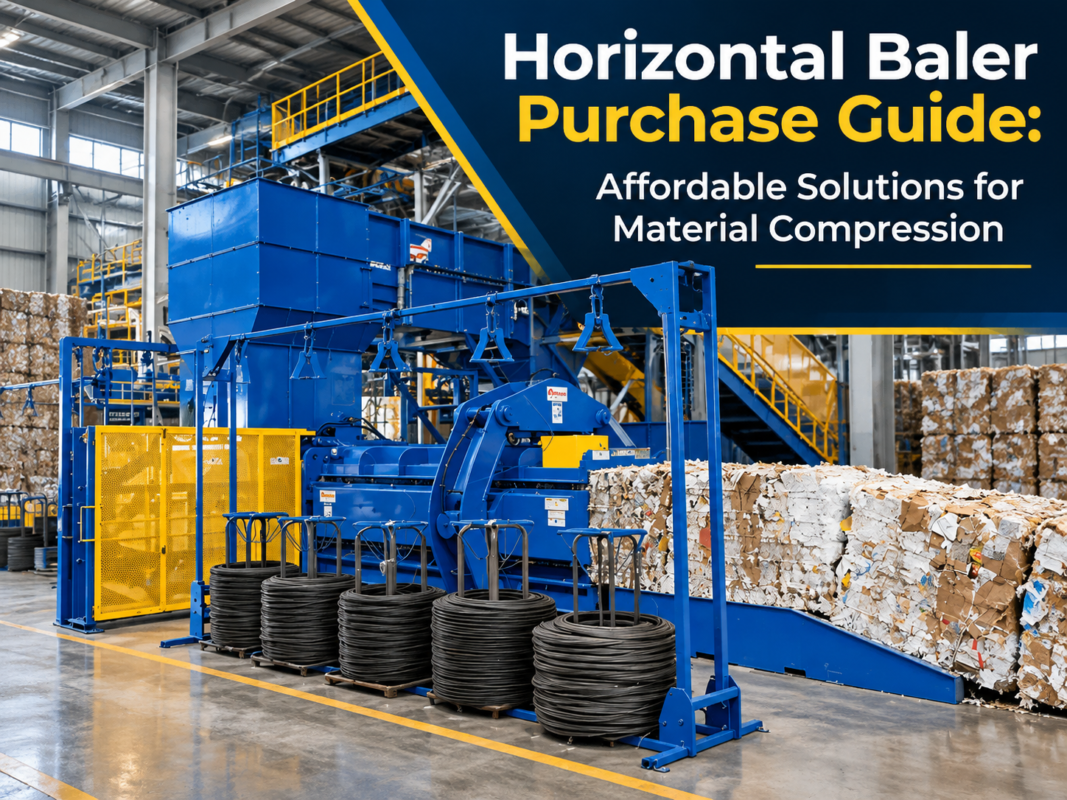
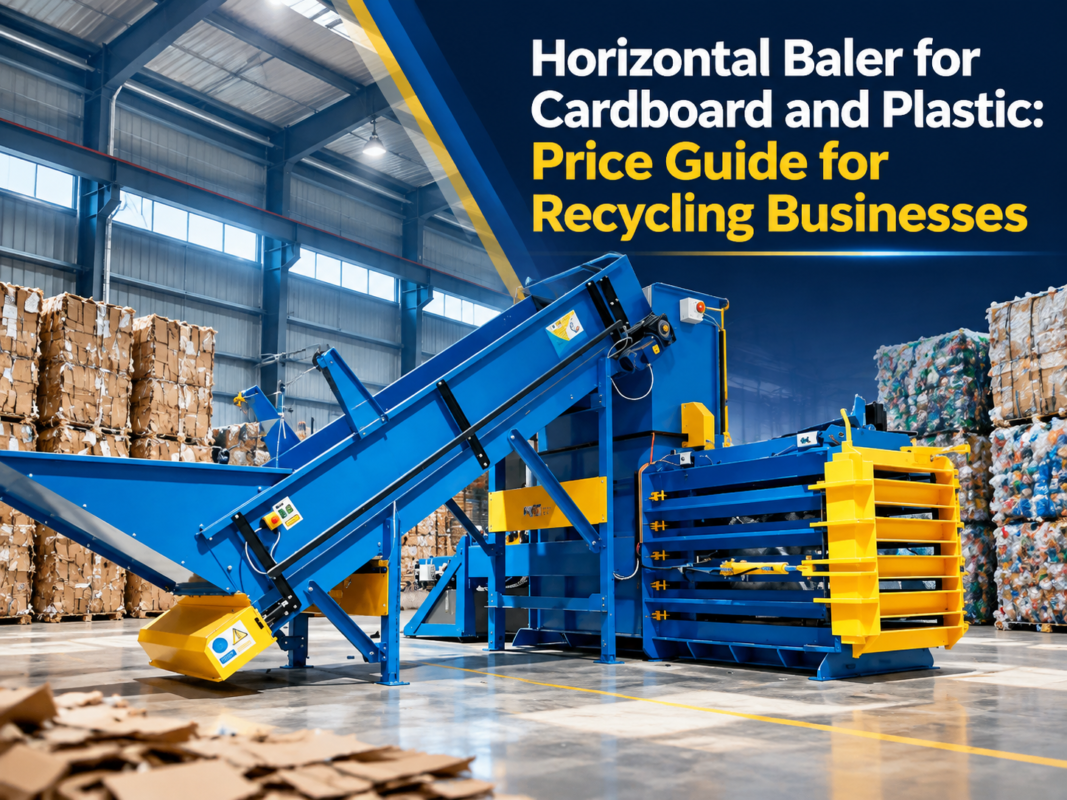
The configuration of your scrap metal baler is not just about the machine itself, but how it integrates into your existing facility. A standard horizontal baler might be sufficient for some, but others may require custom feed systems, such as incline conveyors or specialized hoppers. These additions increase the total project cost but are often necessary to achieve the desired throughput and safety standards.
The type of bale tying system is another critical configuration choice. Manual tying is the cheapest but slowest. Automatic wire tying systems, while more expensive, are essential for high-volume operations. Some machines offer cross-tying capabilities, which are necessary for materials that have high spring-back, such as certain types of aluminum or steel scrap, ensuring the bale remains intact during transport.
Hydraulic system complexity also plays a role. Variable displacement pumps, for example, are more energy-efficient than fixed displacement pumps. While they increase the upfront cost of the machine, they significantly reduce electricity consumption over the life of the baler. For plants operating multiple shifts, the energy savings can be substantial, making the higher initial investment a smart financial move.
Safety features are non-negotiable, but the level of sophistication can vary. Basic safety interlocks are standard, but advanced systems include light curtains, emergency stop zones, and remote monitoring capabilities. These features not only protect your workers but also help in complying with stringent industrial safety regulations, which can prevent costly fines and operational shutdowns.
Lastly, the footprint and installation requirements should be considered. Some balers are designed for compact spaces, while others require extensive foundation work. If your facility has limited space, you might need a custom-designed vertical baler or a compact horizontal unit. These specialized configurations often come with a premium price but are essential for optimizing your floor space and workflow.

Hidden Costs
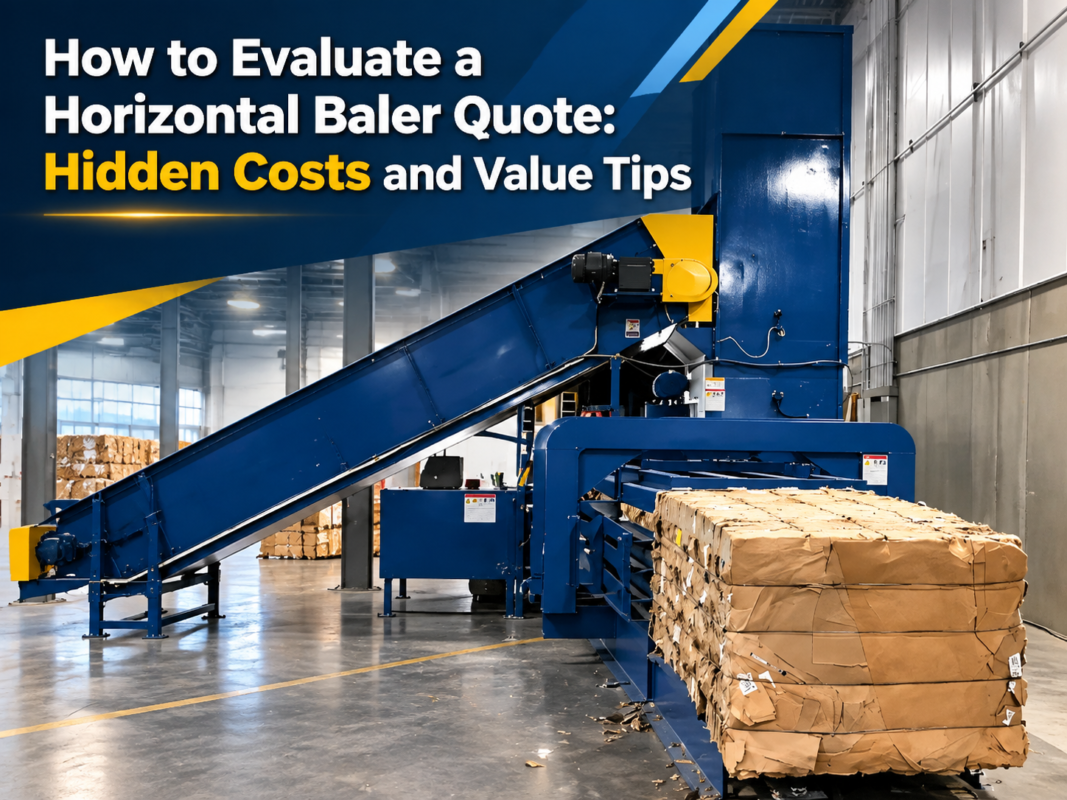
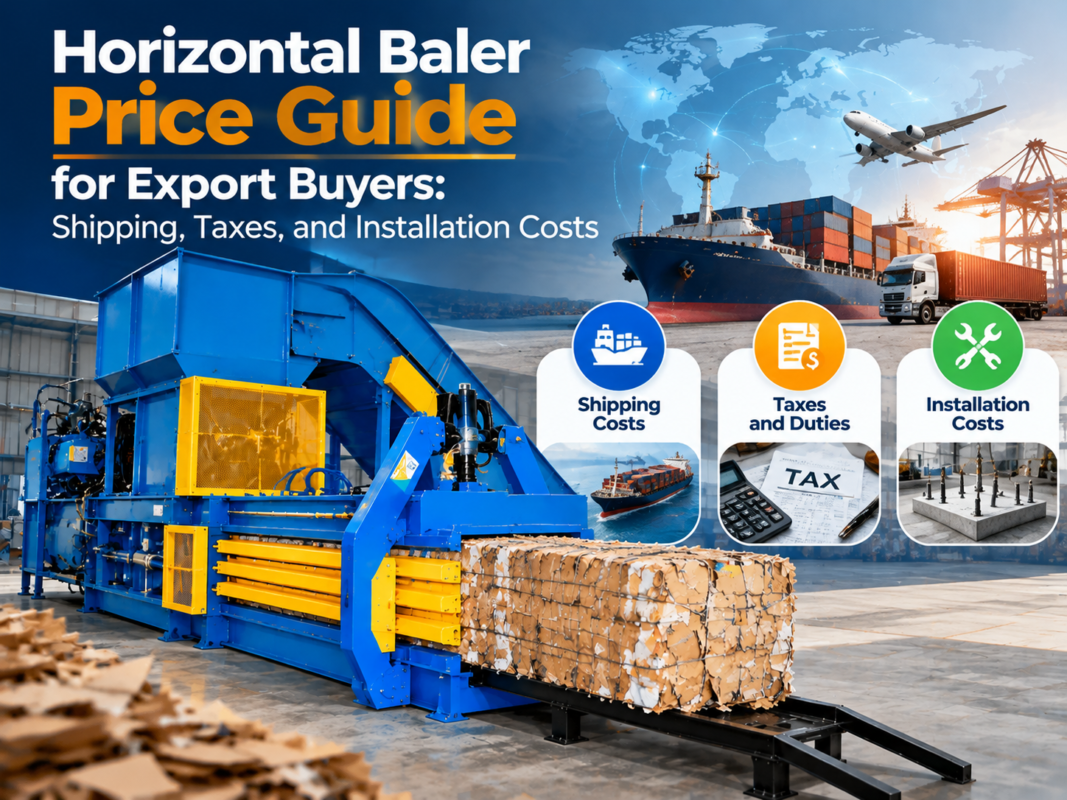
When budgeting for a scrap metal baler, many buyers focus solely on the purchase price and overlook the hidden costs associated with installation and commissioning. Shipping heavy industrial machinery can be expensive, especially if it requires specialized transport or crane services for offloading and positioning. It is crucial to get a clear quote that includes delivery to your specific site.
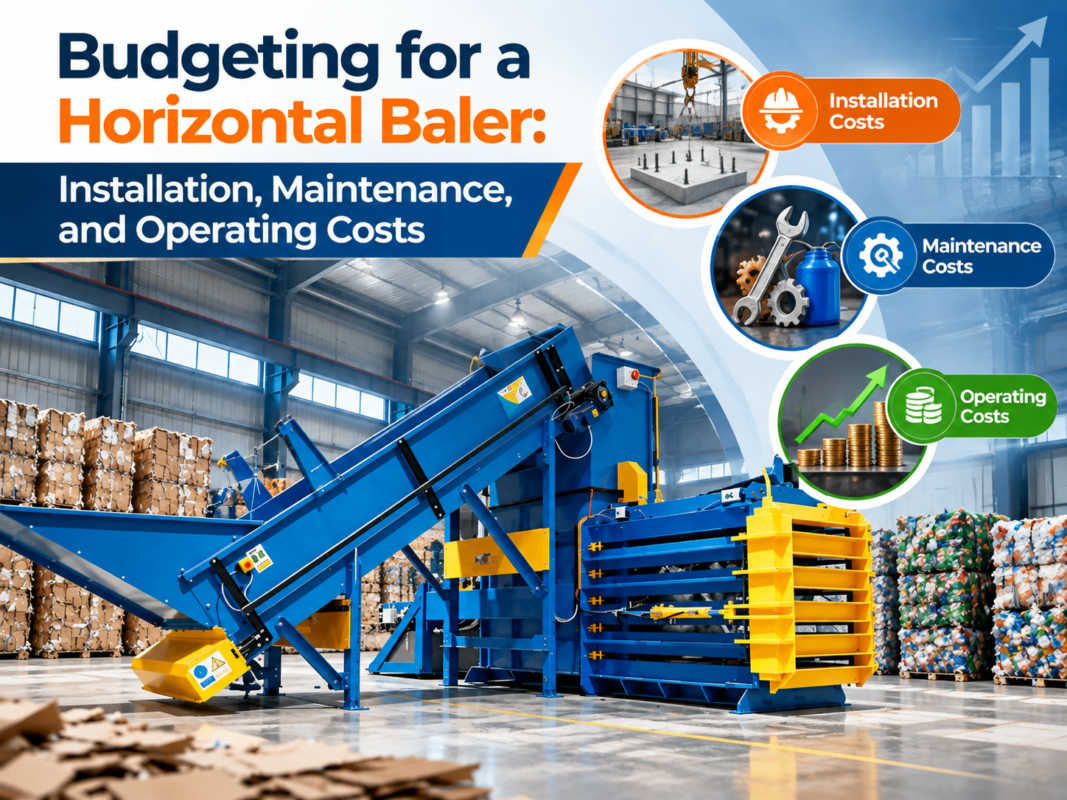
Site preparation is another frequently underestimated cost. Depending on the size and weight of the baler, you may need to pour a reinforced concrete pad to support the machine’s weight and the vibration generated during operation. Additionally, you may need to upgrade your electrical infrastructure, including installing high-voltage lines, circuit breakers, and potentially a transformer to handle the power requirements of the hydraulic motors.
Maintenance and spare parts are ongoing costs that must be factored into your budget. Hydraulic oil, filters, seals, and wear plates will need periodic replacement. It is advisable to purchase a spare parts kit along with the machine to minimize downtime in the event of a minor failure. Neglecting these maintenance costs can lead to catastrophic machine failure, which is far more expensive to repair than routine servicing.
Training costs for your operators should also be considered. Even the most advanced machine is only as effective as the person operating it. Investing in professional training ensures that your staff can operate the baler safely and efficiently, maximizing the machine’s output and lifespan. Many manufacturers offer training packages that can be included in the initial purchase agreement.
Finally, consider the cost of waste disposal and environmental compliance. Some balers may require specialized hydraulic fluids or have specific requirements for the disposal of metal fines and debris. Being aware of these regulatory requirements and the associated costs will prevent unexpected expenses down the line and ensure your facility remains in good standing with local environmental authorities.
ROI Calculation
Calculating the Return on Investment (ROI) for a scrap metal baler involves looking at both direct and indirect savings. The most immediate benefit is the reduction in logistics costs. Baled metal is significantly denser than loose scrap, meaning you can fit more weight into a single shipping container or truck. This drastically reduces the number of trips required to transport your scrap to the smelter or buyer.
Another major factor is the increased value of baled scrap. Most metal buyers pay a premium for baled material because it is easier to handle, store, and melt. By processing your scrap into high-density, uniform bales, you can negotiate better prices with your buyers. Over time, the price difference between loose and baled scrap can pay for the machine itself.
Labor efficiency is another key metric. A baler automates the process of sorting and compacting, allowing your staff to focus on other value-added tasks. If you are currently paying employees to manually sort and stack scrap, the labor savings alone can be significant. When calculating ROI, compare the cost of the baler against the projected labor savings over a 3-to-5-year period.
Consider the reduction in storage space requirements. Loose scrap takes up a massive amount of floor space, which could be better utilized for production or other activities. By compacting your waste, you reclaim valuable square footage, which has an implicit monetary value. This space optimization can prevent the need for facility expansion, saving you significant capital expenditure.
Finally, factor in the potential for increased safety and reduced insurance premiums. A clean, organized facility with a proper baling system is safer for employees, reducing the risk of workplace accidents. Many insurance providers offer lower premiums for facilities that demonstrate a commitment to safety and organized waste management. When you combine these factors, the ROI of a scrap metal baler often becomes clear within the first two years of operation.
Buying Advice
Before purchasing, conduct a thorough audit of your waste stream. What types of metal are you processing? What is the daily volume? What is the maximum size of the scrap pieces? Answering these questions will help you determine the necessary compaction force and feed opening size. Do not over-buy; purchasing a machine that is far larger than your needs is a waste of capital, but under-buying will lead to bottlenecks and machine failure.
Always request a demonstration or visit a facility that is currently using the model you are considering. Seeing the machine in action provides insights that a brochure cannot. Pay attention to the ease of operation, the noise levels, and the quality of the bales produced. Ask the current owner about their experience with maintenance and the manufacturer’s support team.
Check the warranty terms carefully. A comprehensive warranty that covers both parts and labor is a sign of a manufacturer’s confidence in their product. Be wary of machines with very short warranties or those that require you to pay for shipping parts back and forth. A good manufacturer will have a local service network or a clear plan for remote technical support.
Consider the future growth of your business. If you anticipate an increase in production, it might be wise to invest in a machine with a slightly higher capacity than you currently need. While this increases the initial cost, it prevents the need for a costly upgrade in the near future. Scalability is a key factor in long-term industrial planning.
Finally, build a relationship with the manufacturer or dealer. A good partner will provide ongoing advice, help you optimize your processes, and ensure that your machine remains in peak condition. The relationship you build during the buying process is often just as important as the machine itself. Choose a partner who is transparent, responsive, and committed to your long-term success.
Часто задаваемые вопросы
How long does a scrap metal baler last?
With proper maintenance and regular servicing, a high-quality industrial scrap metal baler can last 15 to 20 years or more. The lifespan depends heavily on the volume of material processed and the adherence to recommended maintenance schedules.
Can a scrap metal baler handle mixed metals?
Yes, most industrial balers can handle mixed metals, but it is important to ensure the machine is rated for the hardest material in the mix. For example, if you are mixing aluminum and steel, the baler must be capable of handling the compaction force required for steel.
What is the most common maintenance task?
The most common maintenance tasks include checking hydraulic fluid levels, replacing filters, inspecting and tightening electrical connections, and monitoring the wear plates in the compaction chamber. Regular cleaning of the machine is also essential to prevent debris buildup.
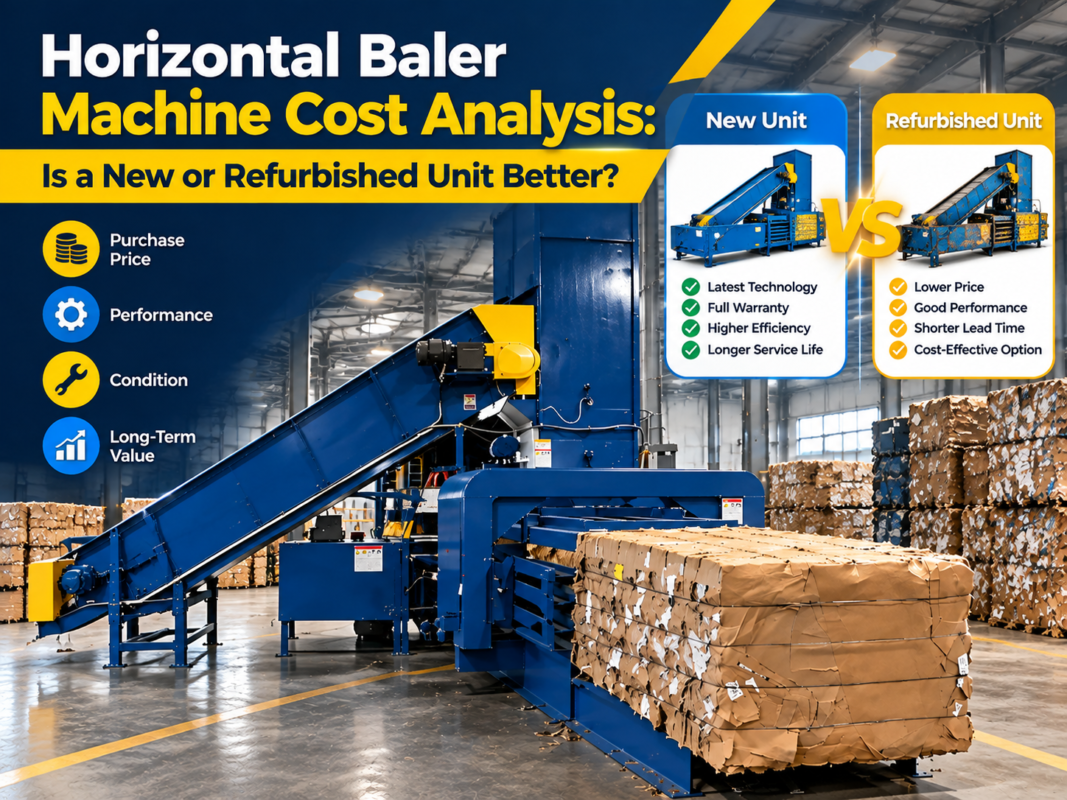
Is it better to buy new or used?
Buying new offers the benefits of a full warranty, the latest technology, and guaranteed reliability. Used machines can be cheaper, but they come with risks regarding hidden wear and tear and lack of support. If you buy used, ensure you have a professional inspection performed first.
How do I know what size baler I need?
The size of the baler is determined by your daily throughput and the physical dimensions of your scrap. A consultant from a reputable manufacturer like HARSLE can help you calculate the required force and chamber size based on your specific operational data.