How to Fix Unusual Noise in a Double-Shaft Shredder Machine: A Comprehensive Maintenance Guide


Introduction
In the demanding world of metal fabrication and industrial recycling, the double-shaft shredder serves as the backbone of material reduction processes. However, even the most robust equipment can encounter operational hurdles. Learning how to fix unusual noise in a double-shaft shredder machine is a critical skill for maintenance teams and plant managers aiming to minimize downtime and extend the lifespan of their investment. When a machine that typically operates with a rhythmic, low-frequency hum begins to emit grinding, screeching, or banging sounds, it is an immediate signal that internal components are under stress.
At HARSLE, we emphasize that noise is rarely just a nuisance; it is a diagnostic indicator. By understanding the mechanical symphony of your shredder, you can identify whether the issue stems from blade misalignment, bearing failure, or foreign object contamination. This guide provides a deep dive into the root causes of shredder noise and offers actionable steps to restore your equipment to optimal working conditions.
Ignoring these auditory warnings can lead to catastrophic failure, resulting in expensive repairs and significant production delays. Whether you are processing scrap metal, plastics, or complex industrial waste, maintaining the integrity of your shredder shafts and gearboxes is paramount. In the following sections, we will explore the technical nuances of troubleshooting these powerful machines, ensuring your facility remains productive and safe.
Key Considerations for Shredder Diagnostics
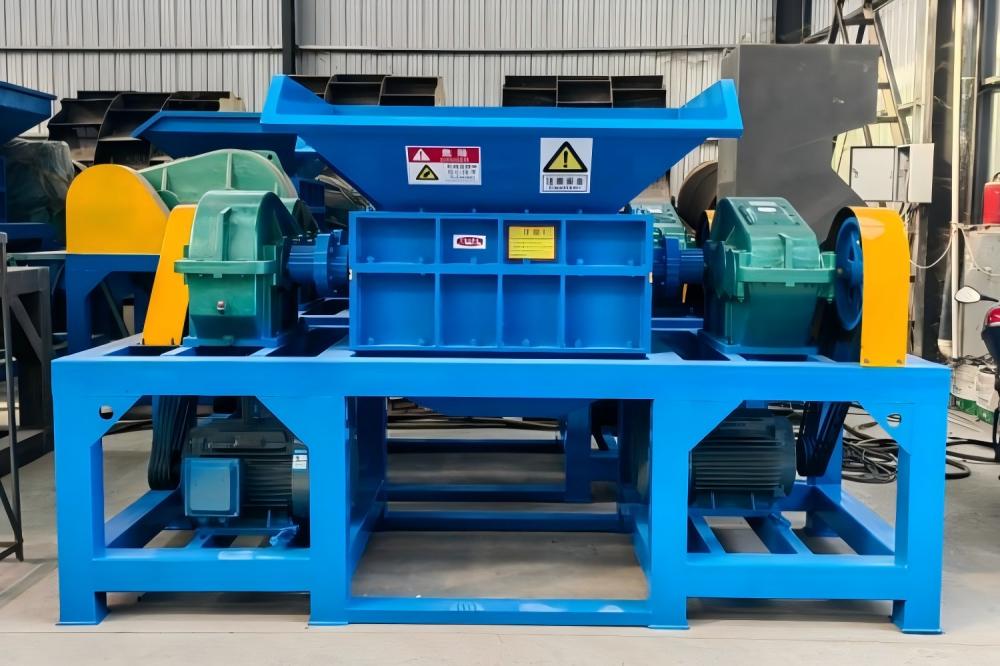
Before attempting to fix unusual noise in a double-shaft shredder machine, it is essential to establish a safe diagnostic protocol. Safety must always be the priority when dealing with heavy-duty industrial machinery. Ensure the machine is completely powered down and locked out (LOTO) before performing any physical inspections. The first step in diagnosis is to document the nature of the noise: is it constant, intermittent, or occurring only under load? A metallic screeching often points to friction, while a heavy thudding sound may indicate a loose component or a broken tooth on the shredder blade.
Environmental factors also play a significant role in machine health. Check the surrounding area for debris that might have entered the intake hopper. Sometimes, the noise is not internal but rather the result of vibration caused by an uneven foundation or loose anchor bolts. Ensure that the shredder is mounted on a level, vibration-dampening surface, as micro-movements over time can cause internal shafts to shift slightly, leading to increased noise levels during operation.
Another key consideration is the material feed. Are you feeding the machine beyond its rated capacity? Overloading a double-shaft shredder forces the motors and gearboxes to work harder, which can create high-pitched whining or groaning noises. Always verify that the material being shredded matches the machine’s specifications. If you are processing hardened steel when the machine is designed for aluminum or light scrap, the resulting noise is a warning of impending structural damage.
Finally, consider the age and maintenance history of the unit. Older machines may suffer from natural wear and tear on the drive train. Keeping a detailed maintenance log allows you to track when parts were last replaced. If a noise begins shortly after a blade change, the issue is likely related to the installation or the clearance settings between the blades. Always cross-reference your findings with the HARSLE technical manual provided with your specific model.
Technical Details: Pinpointing the Source of Noise
To effectively fix unusual noise in a double-shaft shredder machine, you must isolate the source. The drive system is often the primary culprit. The gearbox, which transfers torque from the motor to the shafts, should be inspected for low oil levels or contaminated lubricant. If the gearbox is running hot and noisy, it may indicate internal gear wear or bearing failure. Regularly scheduled oil analysis can detect metal shavings in the lubricant, providing an early warning before the noise becomes audible.
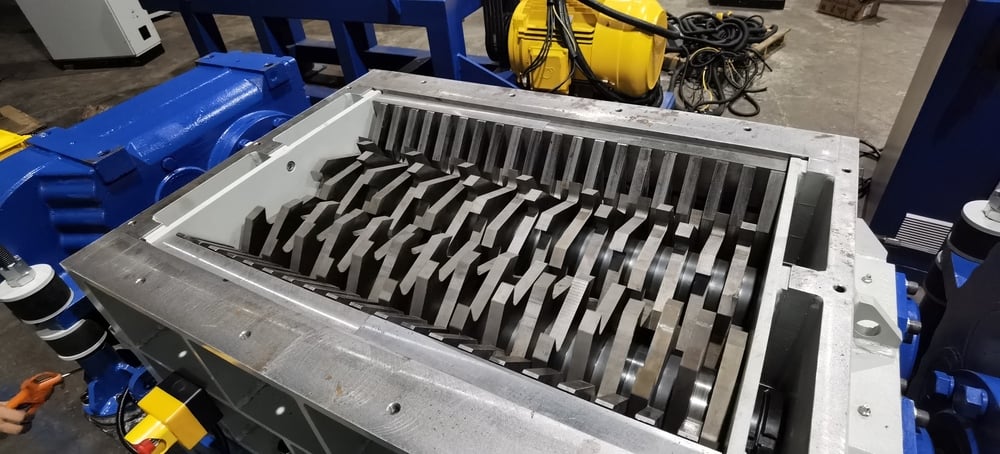
The shredding chamber itself is the heart of the machine. Inspect the blades and spacers for signs of excessive wear or chipping. When blades become dull, they lose their ability to shear material cleanly, causing the machine to “tear” rather than cut. This creates a distinct, irregular banging sound as the shafts struggle to pull the material through. Furthermore, check the clearance between the blades. If the gap is too wide, material can become wedged between the blades and the side walls, creating a grinding noise that can damage the shaft seals.
Bearings are another critical component. A failing bearing often produces a rhythmic, high-pitched grinding or chirping sound that increases in frequency with the speed of the shaft. To test this, you can use a vibration analyzer or a simple stethoscope tool to listen to the bearing housings while the machine is running (if safe to do so). If the noise is localized to the bearing housing, it is time to replace the bearing assembly immediately to prevent shaft damage.
Drive belts and couplings should not be overlooked. If the shredder uses a belt-driven system, a loose or misaligned belt will squeal under load. Inspect the tensioner and the belt surface for glazing or cracking. For direct-drive systems, check the flexible coupling between the motor and the gearbox. A worn coupling insert will cause a clunking sound every time the machine starts or stops, or when the load changes abruptly. Replacing these inexpensive components can often resolve persistent noise issues instantly.
Selection Advice: Preventing Future Noise Issues
Choosing the right equipment is the first step in avoiding the need to fix unusual noise in a double-shaft shredder machine. When selecting a shredder, consider the torque requirements for your specific application. A machine that is under-powered for the task will constantly struggle, leading to premature wear and increased noise. HARSLE offers a range of shredders with varying horsepower and torque configurations designed to handle specific material densities, ensuring that the machine operates within its comfort zone.
Look for machines that feature high-quality, hardened alloy steel blades. The metallurgy of the blades determines how long they maintain their edge. Blades that dull quickly will lead to higher operational noise and increased energy consumption. Additionally, consider the control system. Modern shredders with PLC-based auto-reverse functions can detect when a shaft is jammed and automatically reverse to clear the obstruction. This feature significantly reduces the mechanical stress caused by manual clearing attempts and prevents the loud, jarring noises associated with jams.
Maintenance accessibility is another crucial factor. A machine designed with modular components allows for easier inspection and replacement of wear parts. When you can easily access the shredding chamber, you are more likely to perform routine checks, which prevents small issues from escalating into loud, expensive failures. Always prioritize equipment from manufacturers that provide comprehensive support and readily available spare parts, such as HARSLE.
Finally, consider the integration of noise-reduction enclosures if your facility is in a noise-sensitive area. While these do not fix the mechanical noise, they provide a better working environment for your staff. However, remember that an enclosure should never be used to mask a mechanical problem. Always address the root cause of the noise first, then use sound-dampening solutions as a secondary measure to maintain a professional and safe industrial workspace.
FAQ: Common Questions About Shredder Noise
- Q: Why does my shredder make a loud banging sound when processing scrap?
A: This is often caused by material that is too thick or hard for the current blade configuration, or by excessive clearance between blades allowing material to “hammer” the shafts. Check your blade gap and material feed specifications. - Q: How often should I lubricate the bearings to prevent noise?
A: Follow the manufacturer’s lubrication schedule strictly. Over-greasing can be just as harmful as under-greasing, as it can blow out seals and attract contaminants. - Q: Can a loose bolt cause a shredder to sound like it’s breaking?
A: Yes. Vibration from the shredding process can loosen structural bolts over time. A regular “bolt-tightening” maintenance schedule is essential to prevent rattling and structural fatigue. - Q: Is it normal for the gearbox to hum?
A: A low, consistent hum is normal for a gearbox under load. However, a grinding or growling noise indicates internal gear wear or bearing failure and should be investigated immediately. - Q: What should I do if the noise only happens during the reverse cycle?
A: This suggests an issue with the electrical contactors or the motor’s ability to handle the reverse torque. Check the electrical connections and the motor’s soft-start settings.
Conclusion
Learning how to fix unusual noise in a double-shaft shredder machine is an essential aspect of industrial asset management. By paying attention to the auditory cues provided by your equipment, you can transition from reactive repairs to proactive maintenance. Whether the solution involves tightening a loose coupling, replacing a worn bearing, or simply adjusting the blade clearance, addressing these issues early will save your facility significant time and money.
At HARSLE, we are committed to providing not only high-performance metal fabrication equipment but also the knowledge required to keep your operations running smoothly. A well-maintained shredder is a quiet, efficient, and reliable partner in your production line. By following the diagnostic steps and maintenance advice outlined in this guide, you ensure that your machinery remains a productive asset for years to come. If you encounter persistent issues that you cannot resolve, do not hesitate to reach out to our technical support team for expert guidance tailored to your specific HARSLE model.