How to Fix Excessive Dust During Hammer Shredder Operation: A Comprehensive Industrial Guide


Introduction
In the high-intensity world of metal fabrication and recycling, the hammer shredder stands as a cornerstone of efficiency. However, one of the most persistent challenges operators face is the management of airborne particulates. When you need to fix excessive dust during hammer shredder operation, you are not just addressing a cleanliness issue; you are tackling a critical safety, regulatory, and operational efficiency concern. Excessive dust can lead to respiratory hazards for staff, fire risks, and accelerated wear on surrounding mechanical components.
At HARSLE, we understand that industrial machinery must operate at peak performance without compromising the environment of the shop floor. Dust generation is often a symptom of underlying mechanical inefficiencies or improper material handling. By systematically analyzing the shredding process, operators can implement targeted solutions that significantly reduce particulate output. This guide provides a deep dive into the technical strategies required to mitigate dust and ensure your facility remains compliant with modern environmental standards.
Understanding the physics of your shredder is the first step toward effective dust management. Hammer shredders operate by high-speed impact, which naturally pulverizes materials and creates fine particles. If the containment systems are compromised or the material feed is inconsistent, these particles escape into the workspace. Addressing this requires a combination of engineering controls, routine maintenance, and operational adjustments that stabilize the shredding environment.
Throughout this article, we will explore the multifaceted approach required to fix excessive dust during hammer shredder operation. From sealing gaps in the housing to optimizing the moisture content of the feedstock, we provide actionable insights tailored for industrial professionals. Whether you are managing a large-scale recycling plant or a specialized fabrication shop, these strategies will help you maintain a cleaner, safer, and more productive work environment.
Key Considerations for Dust Mitigation
Before diving into technical modifications, it is vital to assess the environmental and operational variables that contribute to dust generation. The primary consideration is the nature of the input material. If the feedstock is excessively dry, brittle, or coated in loose debris, the shredding process will inevitably generate more dust. Implementing a pre-sorting or cleaning phase for your scrap metal can drastically reduce the volume of fine particulates entering the hammer mill.
Another key factor is the airflow dynamics within the shredder housing. A hammer shredder acts as a centrifugal fan; as the hammers rotate at high speeds, they move a significant volume of air. If the housing is not properly sealed, this air will escape through any available gap, carrying dust with it. Ensuring that all gaskets, seals, and inspection doors are airtight is a fundamental step in dust control. Regular inspections of these seals should be part of your weekly maintenance checklist.
Operational speed also plays a significant role. While higher RPMs may increase throughput, they also increase the kinetic energy of the impact, leading to finer fragmentation of the material. If your current output requirements allow for it, adjusting the motor speed or the hammer configuration can lead to a reduction in dust without sacrificing the overall quality of the shredded product. Balancing throughput with dust generation is a delicate act that requires fine-tuning based on the specific material being processed.
Finally, consider the ambient humidity and ventilation of your facility. A well-ventilated shop floor can prevent dust from accumulating in stagnant pockets, but it does not solve the source of the problem. Integrating local exhaust ventilation (LEV) systems directly at the shredder discharge point is often the most effective way to capture dust at the source. By creating a negative pressure zone around the shredder, you can ensure that particulates are pulled into a filtration system rather than being released into the air.
Technical Details: Engineering Solutions
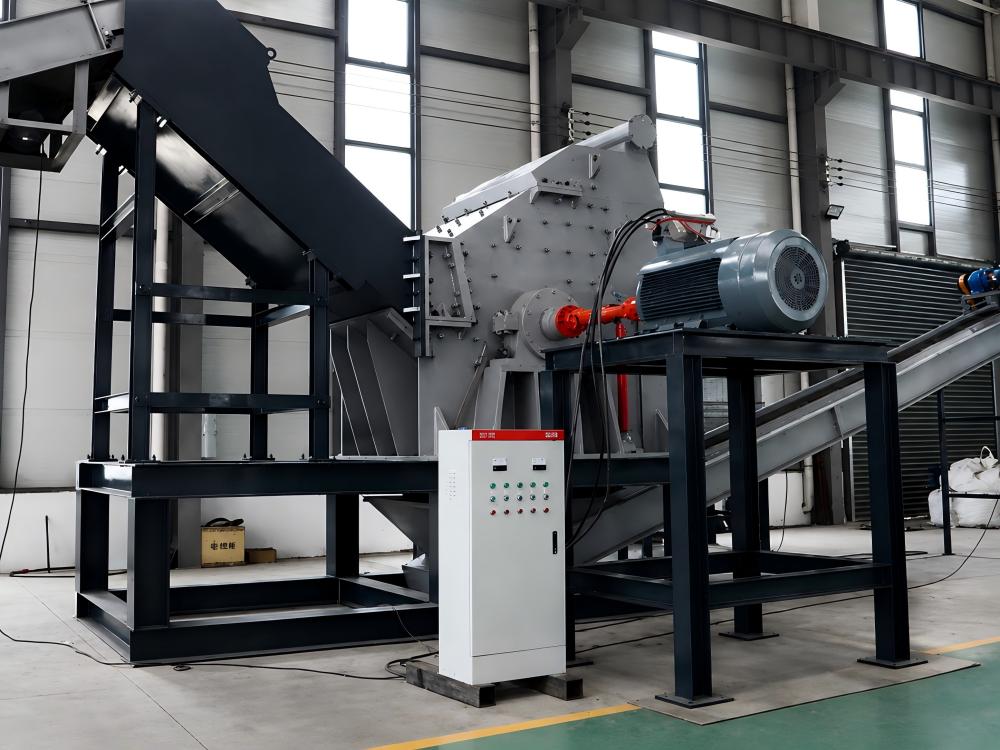
To effectively fix excessive dust during hammer shredder operation, you must look at the mechanical design of the machine. The most common technical failure point is the discharge conveyor interface. When material exits the shredder, it often falls onto a conveyor belt, creating a plume of dust. Installing a dust-tight enclosure or a chute system that minimizes the drop height can significantly reduce the dispersion of fine particles into the air.
Water injection systems are another highly effective technical solution. By installing a fine-mist spray system at the intake or within the shredding chamber, you can bind dust particles to the material before they become airborne. It is crucial, however, to use the correct amount of moisture; too much water can lead to sludge buildup and potential corrosion of the shredder components, while too little will be ineffective. Modern HARSLE-compatible systems often feature automated sensors that adjust misting based on the material flow rate.
The condition of the hammers and the grate bars is also a technical factor. As hammers wear down, they lose their ability to cleanly shear material, leading to more crushing and grinding, which produces more dust. Regularly checking the wear patterns on your hammers and replacing them according to the manufacturer’s schedule is essential. Similarly, the clearance between the hammers and the grate bars should be calibrated to ensure optimal shredding efficiency, which minimizes the creation of unnecessary fines.
Filtration systems, such as baghouses or cyclone separators, are the final line of defense. These systems should be sized appropriately for the volume of air handled by the shredder. A system that is too small will be overwhelmed, while one that is too large may be inefficient. Working with an industrial ventilation specialist to design a custom extraction system for your specific hammer shredder model is a recommended investment for any high-volume facility.
Selection Advice: Choosing the Right Equipment
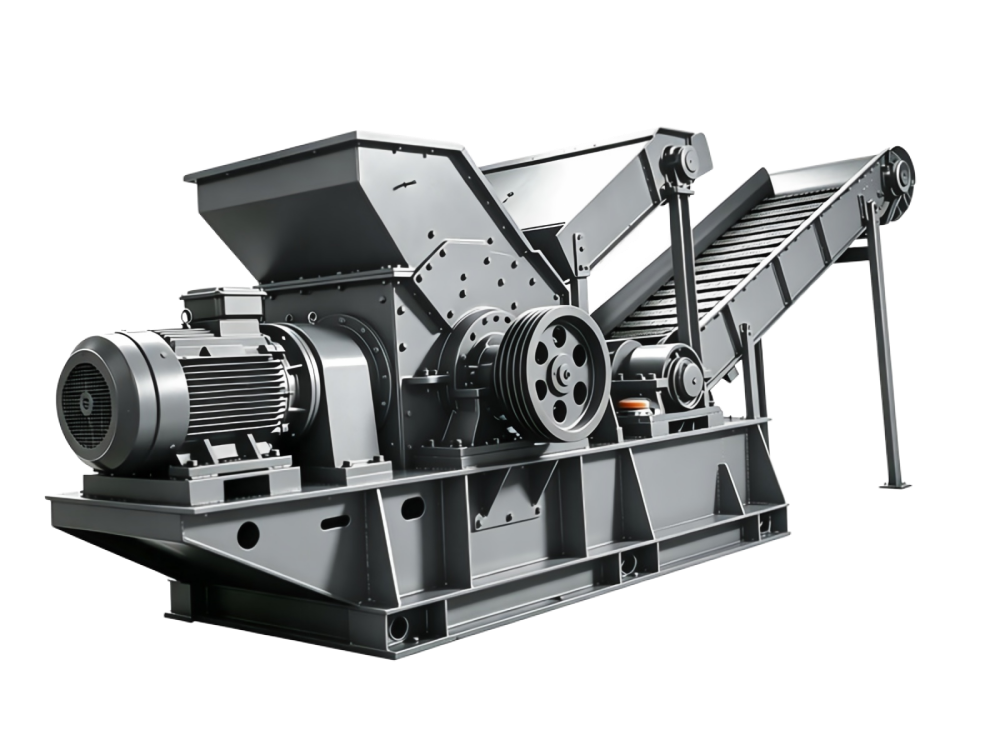
When selecting a hammer shredder or upgrading your current setup, dust mitigation should be a primary design criterion. Look for machines that feature modular, sealed housings designed specifically for dust containment. HARSLE provides equipment that integrates advanced sealing technologies, ensuring that the internal pressure is managed effectively during operation. When evaluating potential equipment, ask the manufacturer about the specific dust-handling capabilities of the unit.
Consider the ease of maintenance. A machine that is difficult to clean or inspect will inevitably be neglected, leading to dust buildup and mechanical failure. Look for shredders with quick-access panels, easy-to-replace seals, and integrated dust extraction ports. These features not only make it easier to fix excessive dust during hammer shredder operation but also reduce the downtime required for routine maintenance tasks.
Think about the long-term scalability of your dust control system. If you plan to increase your production capacity in the future, ensure that your dust extraction and suppression systems can handle the increased load. It is often more cost-effective to invest in a robust, slightly oversized dust collection system initially than to retrofit a system later when your production needs grow.
Finally, prioritize equipment that offers smart monitoring. Modern shredders can be equipped with sensors that monitor vibration, temperature, and airflow. These sensors can alert operators to potential issues—such as a clogged filter or a failing seal—before they result in a massive dust release. Investing in smart technology is a proactive way to maintain a clean and efficient production environment.
FAQ: Common Questions
- Q: How often should I inspect the seals on my hammer shredder?
A: We recommend a visual inspection of all gaskets and seals at least once a week. If you notice visible dust escaping, perform an immediate inspection. - Q: Can water misting damage my shredder?
A: If used correctly, water misting is safe. The key is to use a fine mist rather than a heavy spray to avoid excessive moisture buildup inside the chamber. - Q: What is the most effective way to capture dust at the source?
A: Local Exhaust Ventilation (LEV) combined with a properly sized baghouse filter is generally considered the gold standard for industrial dust capture. - Q: Does the type of metal affect dust generation?
A: Yes. Brittle materials like cast iron or heavily oxidized scrap will generate significantly more dust than ductile metals like aluminum or copper. - Q: How does hammer wear affect dust levels?
A: Worn hammers lose their cutting edge, causing the machine to crush material rather than shear it, which leads to a higher volume of fine dust particles.
Conclusion
Learning how to fix excessive dust during hammer shredder operation is a journey of continuous improvement. By combining rigorous maintenance schedules, smart engineering controls, and a proactive approach to material handling, you can transform your facility into a cleaner, safer, and more efficient workspace. Dust is not an inevitable byproduct of metal fabrication; it is a challenge that can be managed with the right tools and strategies.
At HARSLE, we are committed to providing the industrial machinery and expert guidance you need to succeed. Whether you are looking to upgrade your current shredding equipment or seeking advice on optimizing your existing setup, our team is here to help. Remember that the health of your employees and the longevity of your machinery depend on your ability to control the environment in which they operate. Take the steps today to implement these dust mitigation strategies and secure a more productive future for your business.
By staying informed and investing in quality equipment, you ensure that your operations remain compliant with environmental regulations while maximizing your output. Do not let dust compromise your success. Use the strategies outlined in this guide to maintain your hammer shredder, protect your workforce, and keep your production line running smoothly for years to come.