How to Buy a Scrap Metal Baler at the Best Price: A Comprehensive Industrial Guide

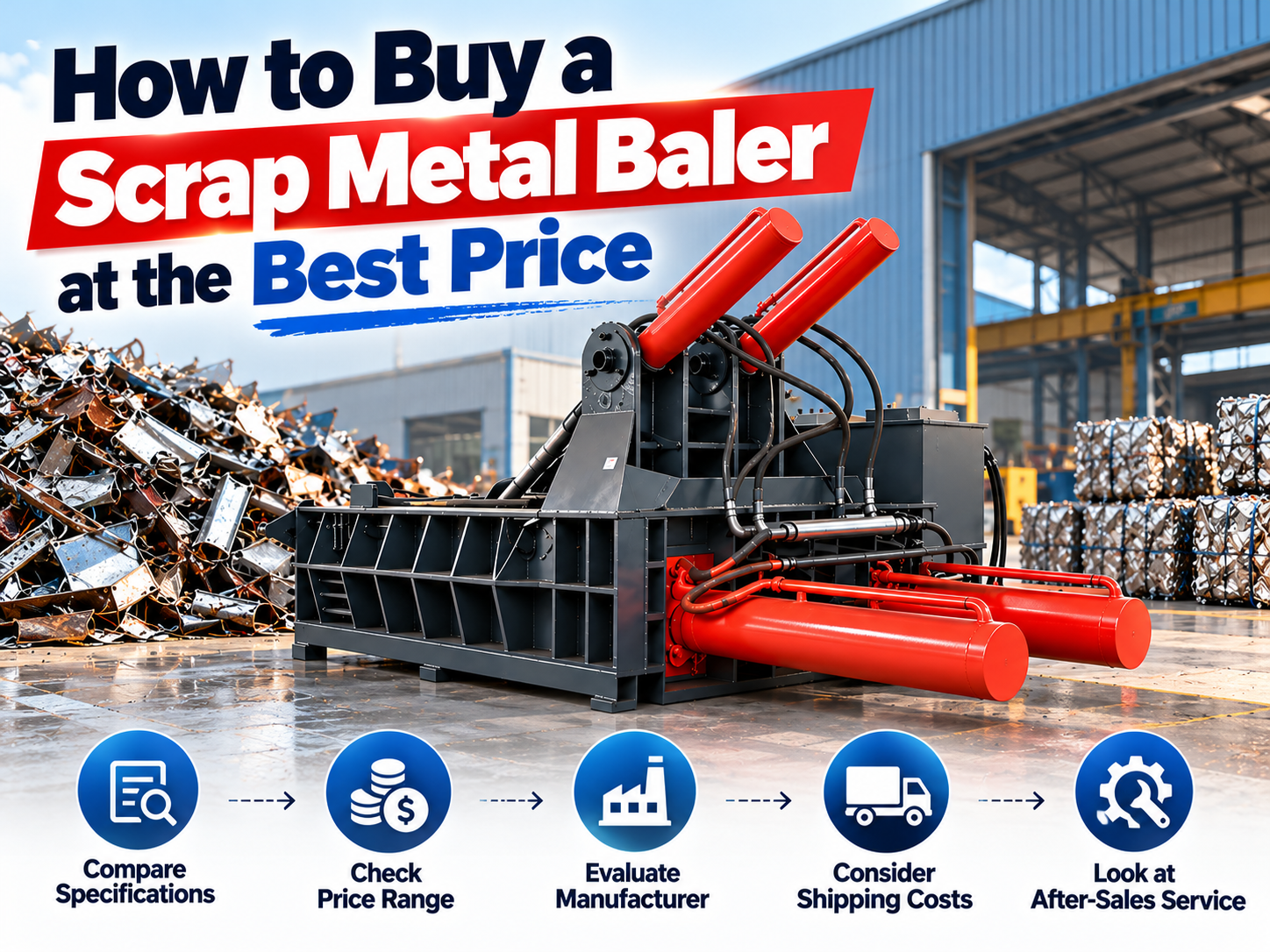
Price Range Overview
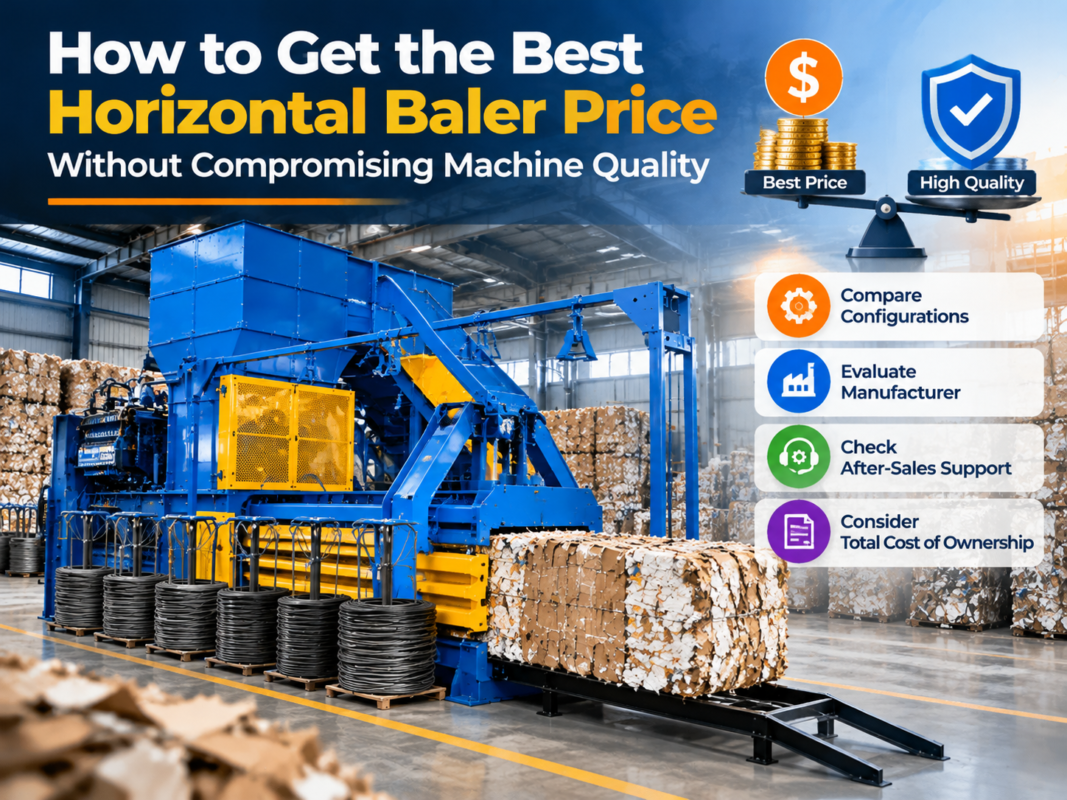
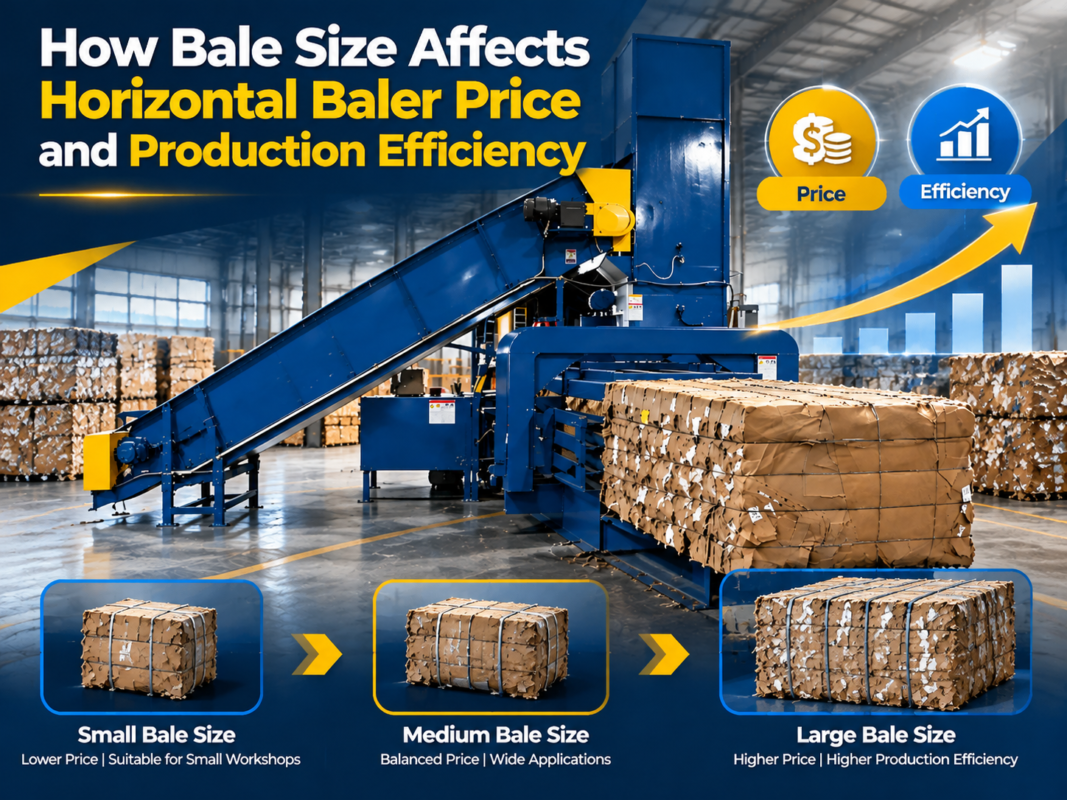
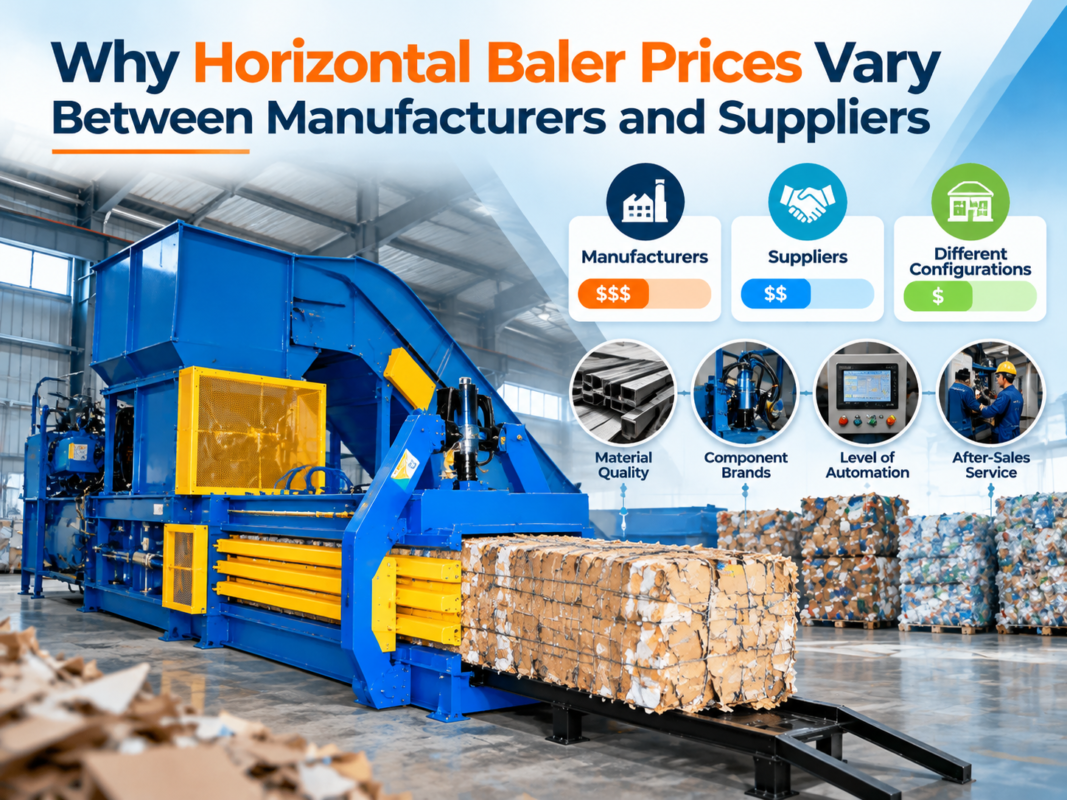
When you set out to buy a scrap metal baler at the best price, the first step is understanding the vast spectrum of the market. Scrap metal balers are not one-size-fits-all solutions; they range from small, manually operated vertical units suitable for light workshop use to massive, fully automated horizontal systems designed for high-volume recycling centers. Generally, entry-level vertical balers can start as low as $5,000 to $10,000, while industrial-grade horizontal balers with automated tying systems can easily exceed $100,000 to $250,000 depending on throughput requirements.
The price you pay is fundamentally linked to the machine’s capacity, build quality, and the level of automation integrated into the system. For small-scale metal fabricators, a compact baler might suffice, keeping initial capital expenditure low. However, for large-scale operations, investing in a high-capacity machine is necessary to handle the volume of scrap generated daily. Understanding where your specific operational needs fall on this spectrum is the first step in ensuring you do not overpay for features you do not need or under-invest in equipment that will become a bottleneck.
Market volatility also plays a role in pricing. Steel prices, hydraulic component costs, and shipping logistics fluctuate, which directly impacts the manufacturer’s bottom line. When researching how to buy a scrap metal baler at the best price, it is wise to request quotes from reputable manufacturers like HARSLE during different quarters to gauge pricing trends. Always ensure that the quoted price includes essential components such as the hydraulic power unit, control panel, and safety guarding, as some vendors may list a ‘base price’ that excludes critical operational hardware.
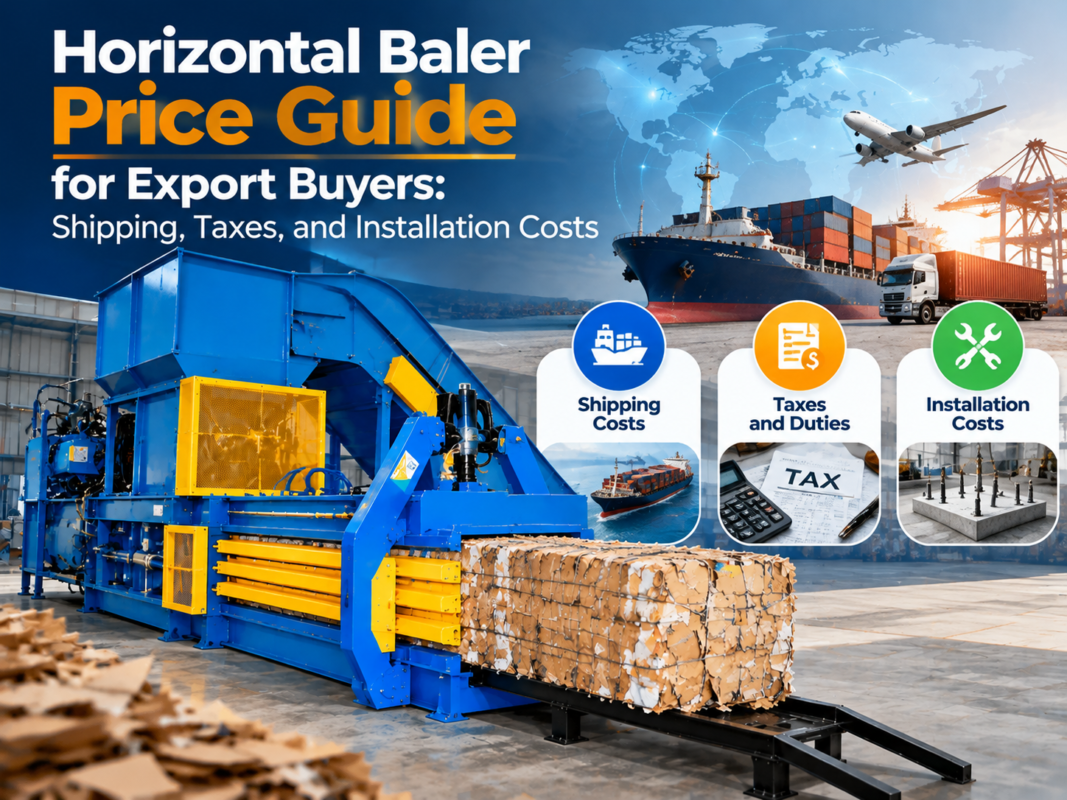
Furthermore, geographic location significantly influences the final cost. Importing machinery involves customs duties, freight charges, and local installation fees. Buying from a manufacturer with a strong global distribution network can help mitigate these costs. By working with a partner that understands international shipping and local regulatory compliance, you can avoid hidden fees that often inflate the total cost of ownership. Always ask for a ‘landed cost’ quote to get a clear picture of the final investment required.
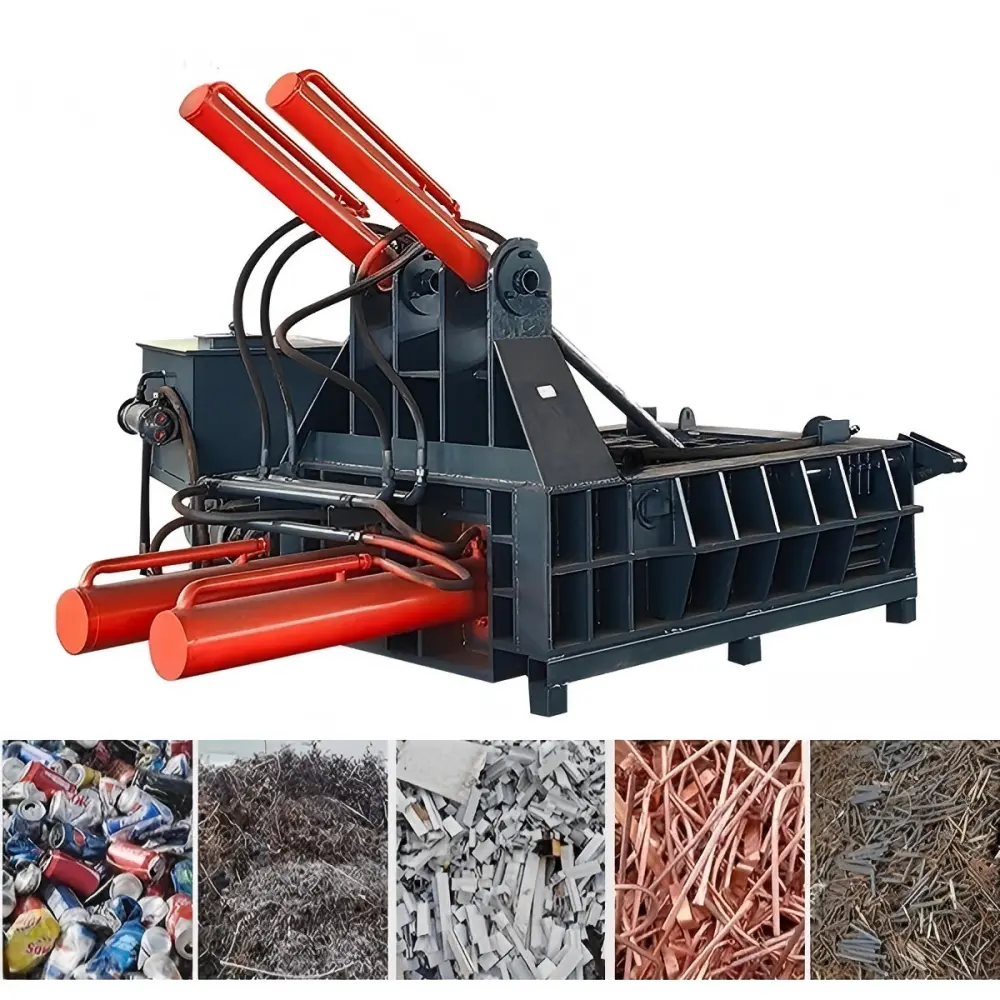
Main Cost Drivers
Several technical factors dictate the price of a scrap metal baler. The most significant driver is the pressing force, measured in tons. A machine designed to compress heavy steel offcuts requires a much more robust hydraulic system and reinforced structural steel frame compared to one designed for aluminum cans or thin sheet metal. The higher the force, the more expensive the hydraulic cylinders, pumps, and structural reinforcements become.
Another major cost driver is the throughput capacity, or the volume of material the machine can process per hour. High-speed balers utilize advanced hydraulic systems and faster cycle times to maximize productivity. These machines are engineered with premium-grade seals, high-flow valves, and cooling systems to prevent overheating during continuous operation. While these features increase the initial purchase price, they are essential for businesses that need to process large volumes of scrap metal efficiently to maintain profitability.
The level of automation is a critical differentiator. Manual balers require an operator to load material, initiate the cycle, and manually tie the bales. While these are the most affordable options, they have high labor costs associated with them. Semi-automatic and fully automatic balers, which feature automated bale ejection and wire-tying systems, significantly reduce labor requirements. Although the upfront cost is higher, the reduction in labor hours and the increase in safety often make these machines the more cost-effective choice over the long term.
Material compatibility also influences the design and price. If your facility processes a variety of metals, including abrasive materials like stainless steel or hardened alloys, the baler must be equipped with wear-resistant liners and heavy-duty shear blades. These specialized components are more expensive to manufacture and install. Failing to account for the specific type of scrap you are processing can lead to premature machine failure, resulting in costly repairs that negate any initial savings gained from choosing a cheaper, less capable model.
Configuration Impact
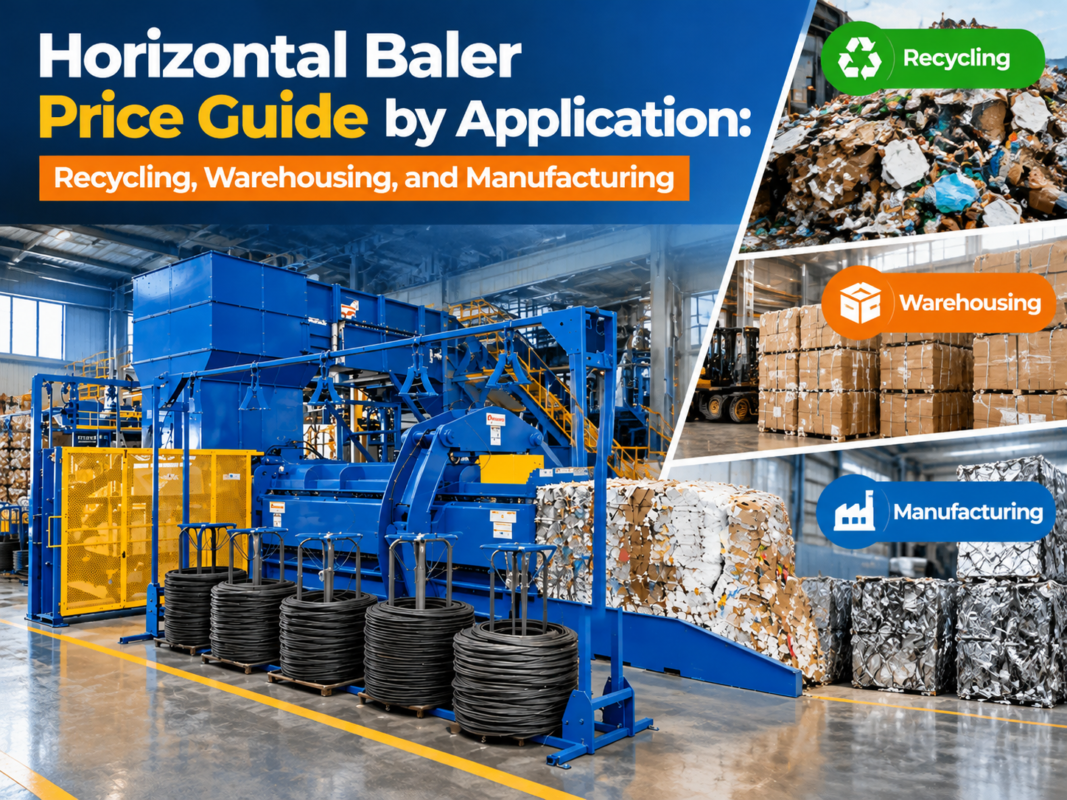
The configuration of your scrap metal baler—whether it is a vertical or horizontal design—is a primary factor in both price and operational efficiency. Vertical balers are typically more compact and cost-effective, making them ideal for facilities with limited floor space. They are excellent for smaller volumes of scrap metal but require more manual intervention. If you are looking to buy a scrap metal baler at the best price for a small workshop, a vertical model is often the most logical starting point.
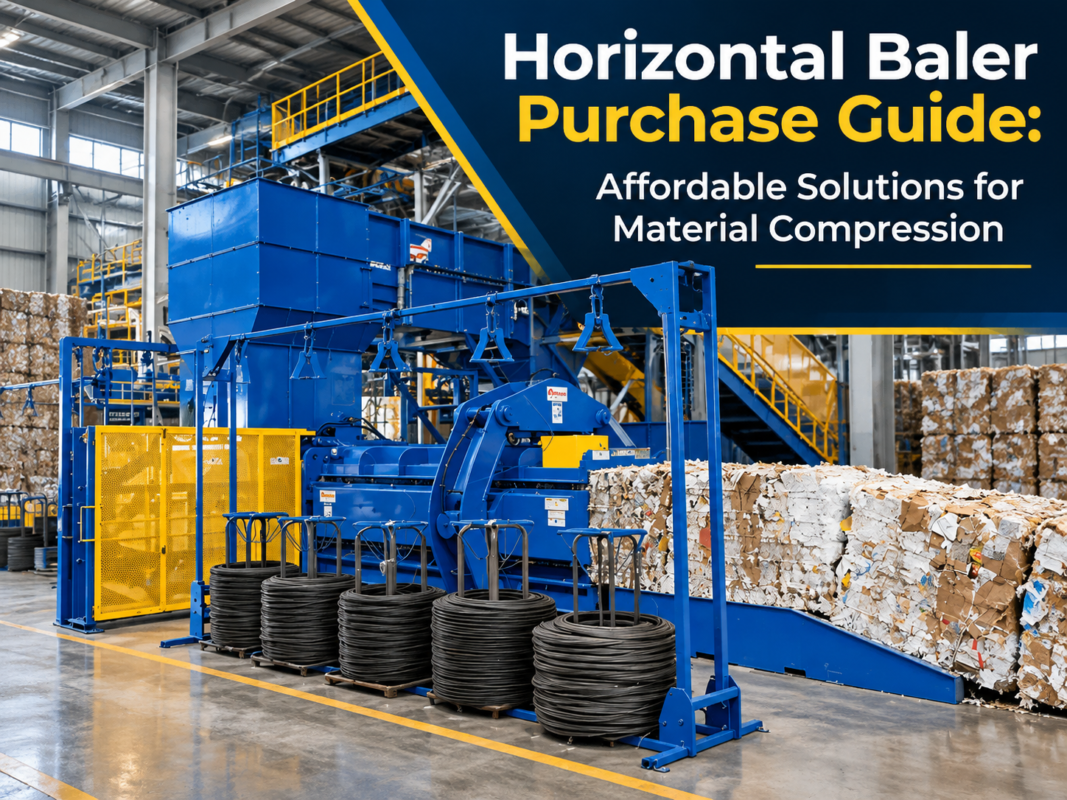
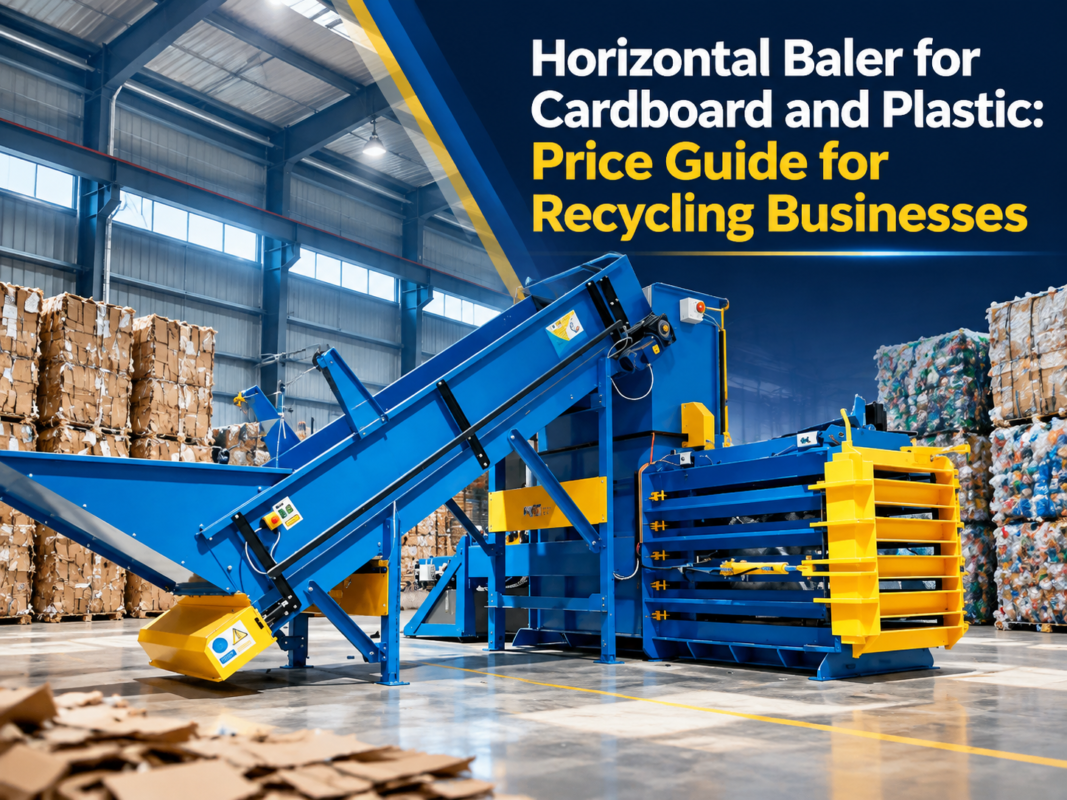
Horizontal balers, conversely, are designed for continuous, high-volume processing. They can be configured with conveyor belts for automated feeding, which drastically increases throughput. The configuration of the feed opening is also vital; a larger feed opening allows for bulkier scrap, reducing the need for pre-processing or cutting the metal into smaller pieces. While a larger feed opening increases the machine’s footprint and price, it saves significant labor time and energy costs in the long run.
The type of tying system—manual, semi-automatic, or automatic—is another configuration choice that impacts cost. Automatic tying systems use high-tensile wire to secure the bales, ensuring they remain intact during transport and storage. This is a non-negotiable feature for companies selling scrap to mills, as loose bales are often rejected or penalized. Investing in a high-quality automatic tying system ensures your product meets industry standards, which can lead to better pricing when you sell your scrap metal.
Finally, consider the integration of smart technology. Modern balers often come with PLC (Programmable Logic Controller) systems that monitor machine health, track bale counts, and provide diagnostic data. While these digital features add to the initial cost, they provide invaluable insights into machine performance and maintenance needs. By identifying potential issues before they cause a breakdown, these systems help you avoid expensive downtime and extend the lifespan of your equipment.
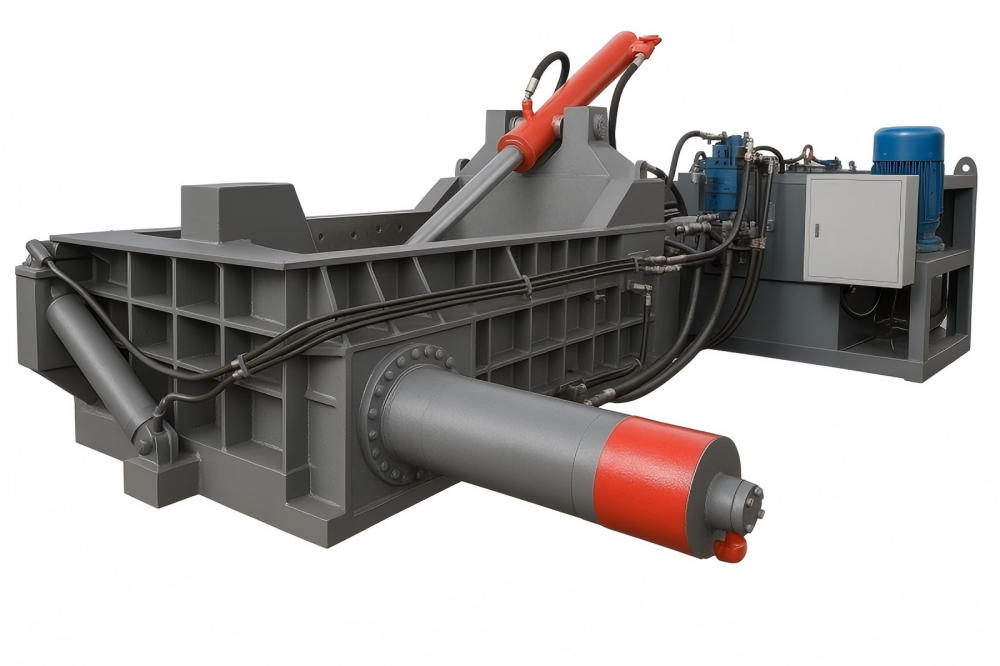
Hidden Costs
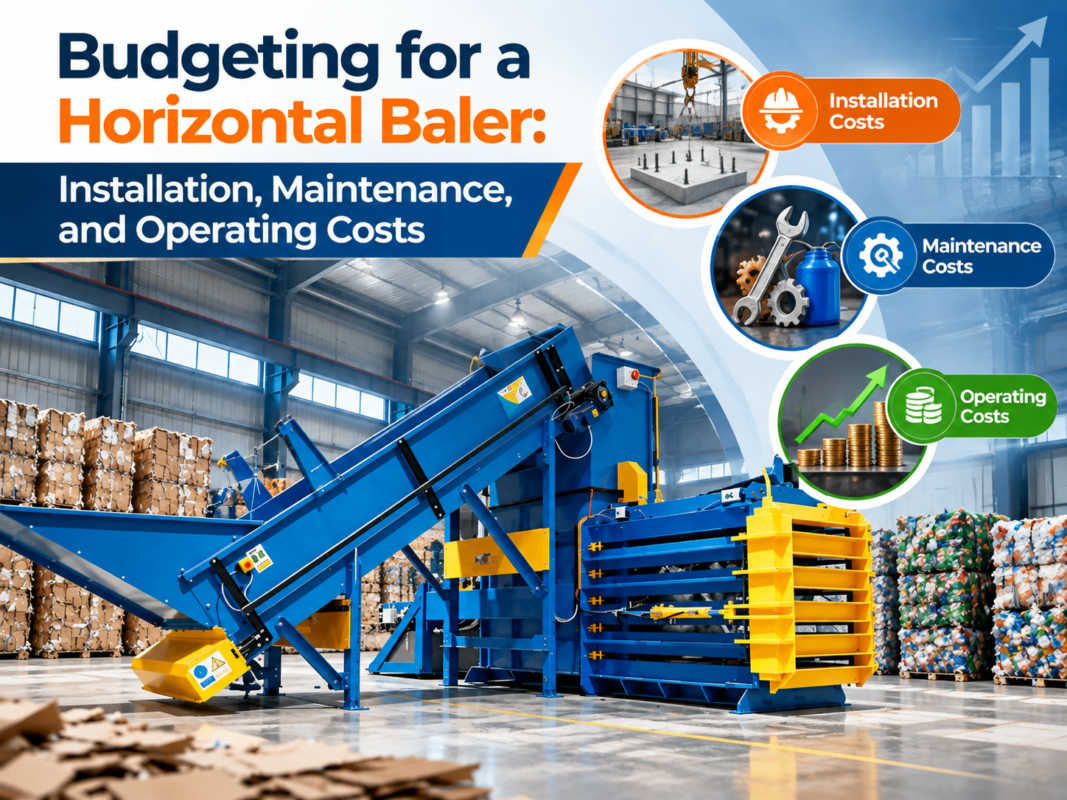
When calculating the total investment, many buyers focus solely on the sticker price, ignoring the ‘hidden’ costs that can quickly accumulate. Installation is a major factor; heavy-duty balers often require specialized concrete foundations, electrical upgrades, and professional rigging services to move and position the machine. Before finalizing your purchase, ensure you have a clear understanding of the site preparation requirements and factor these costs into your budget.
Maintenance and consumables are ongoing expenses that are frequently overlooked. Hydraulic oil, replacement seals, shear blades, and tying wire are all necessary for continuous operation. High-quality machines from reputable manufacturers like HARSLE are designed for longevity, but they still require regular servicing. Ask the manufacturer for a list of recommended spare parts and the expected frequency of maintenance. A machine that is cheap to buy but expensive to maintain will ultimately cost you more over its operational life.
Energy consumption is another hidden cost that can impact your bottom line. Older or poorly designed hydraulic systems can be incredibly inefficient, consuming excessive electricity during each cycle. When comparing models, look for energy-efficient motors and variable frequency drives (VFDs) that adjust power consumption based on the load. Over several years, the energy savings from a more efficient machine can offset a significant portion of the initial price difference.
Training and safety compliance should also be considered. Operating a powerful industrial baler requires trained personnel to ensure safety and efficiency. If your staff is not properly trained, the risk of accidents increases, which can lead to legal liabilities and downtime. Factor in the cost of professional training provided by the manufacturer or a certified third party. Additionally, ensure the machine meets all local safety standards and regulations, as retrofitting a machine to meet compliance codes after purchase is an expensive and time-consuming process.
ROI Calculation
To determine if you are getting the best value, you must calculate the Return on Investment (ROI). Start by identifying the current cost of disposing of your scrap metal. If you are paying for waste removal services, the baler will immediately save you money by reducing the number of pickups required. Furthermore, baled metal is a commodity; by compressing your scrap, you can sell it to recycling facilities at a higher price per ton compared to loose, unorganized scrap.
Calculate the labor savings by comparing the time spent manually handling scrap versus the time saved with an automated baler. If a machine reduces the labor required for scrap management by 10 hours per week, multiply that by your hourly labor rate to see the annual savings. When you combine the increased revenue from selling baled scrap with the reduction in disposal fees and labor costs, you can determine the payback period for your investment.
Consider the ‘scrap value’ of the machine itself. A high-quality, well-maintained industrial baler retains significant resale value. If your business grows and you eventually need to upgrade to a larger model, you can recoup a portion of your initial investment by selling your current machine. This residual value should be factored into your long-term ROI analysis, as it effectively lowers the net cost of ownership.
Finally, look at the intangible benefits. A clean, organized workspace improves employee morale and safety, which can lead to higher productivity in other areas of your fabrication business. Reduced clutter also minimizes the risk of workplace accidents, potentially lowering your insurance premiums. While these benefits are harder to quantify, they are essential components of a successful business strategy and should be considered when evaluating the overall value of your investment.
Buying Advice
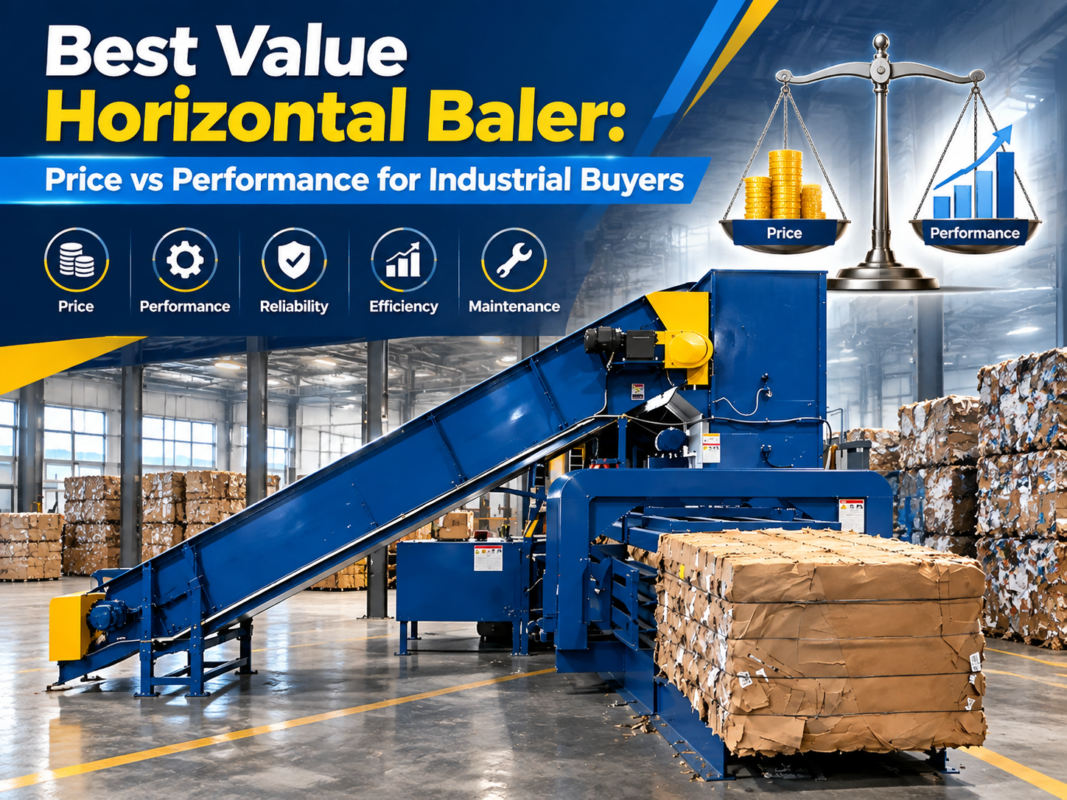
The most important piece of advice for anyone looking to buy a scrap metal baler at the best price is to prioritize quality over the lowest initial cost. A cheap machine that breaks down frequently will cost you more in lost production and repair bills than a reliable, slightly more expensive model. Research the manufacturer’s reputation, read customer testimonials, and ask for references from other companies in the metal fabrication industry.
Always request a detailed technical specification sheet and compare it against your actual operational needs. Do not be swayed by marketing claims; look at the actual pressing force, cycle time, and material throughput ratings. If possible, visit a facility that uses the model you are considering to see it in action. Seeing the machine perform under real-world conditions will give you a much better understanding of its capabilities and limitations than any brochure ever could.
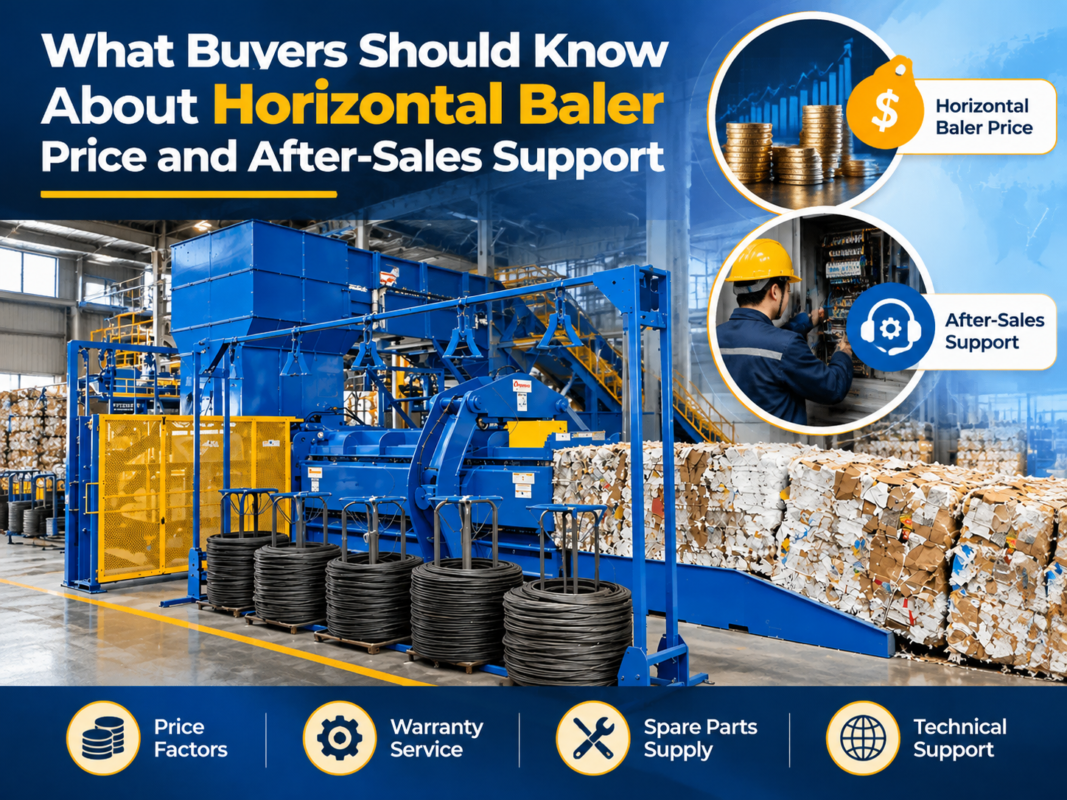
Negotiate the warranty and support package as part of the purchase agreement. A comprehensive warranty that covers major components for several years provides peace of mind and protects your investment. Additionally, ensure that the manufacturer offers readily available technical support and spare parts. A machine is only as good as the support behind it; knowing that you can get help quickly if something goes wrong is worth a premium.
Finally, consider the long-term relationship with the supplier. A good manufacturer will work with you to customize the machine to your specific needs, provide training for your staff, and offer ongoing maintenance advice. By building a partnership with a reliable supplier like HARSLE, you ensure that you are not just buying a piece of equipment, but investing in a solution that will support your business growth for years to come.
Часто задаваемые вопросы
- What is the most important factor when choosing a scrap metal baler? The most important factor is matching the machine’s capacity and force to your specific volume and type of scrap metal.
- How can I reduce the total cost of ownership? Focus on energy-efficient models, perform regular preventative maintenance, and train operators to use the machine correctly to prevent wear and tear.
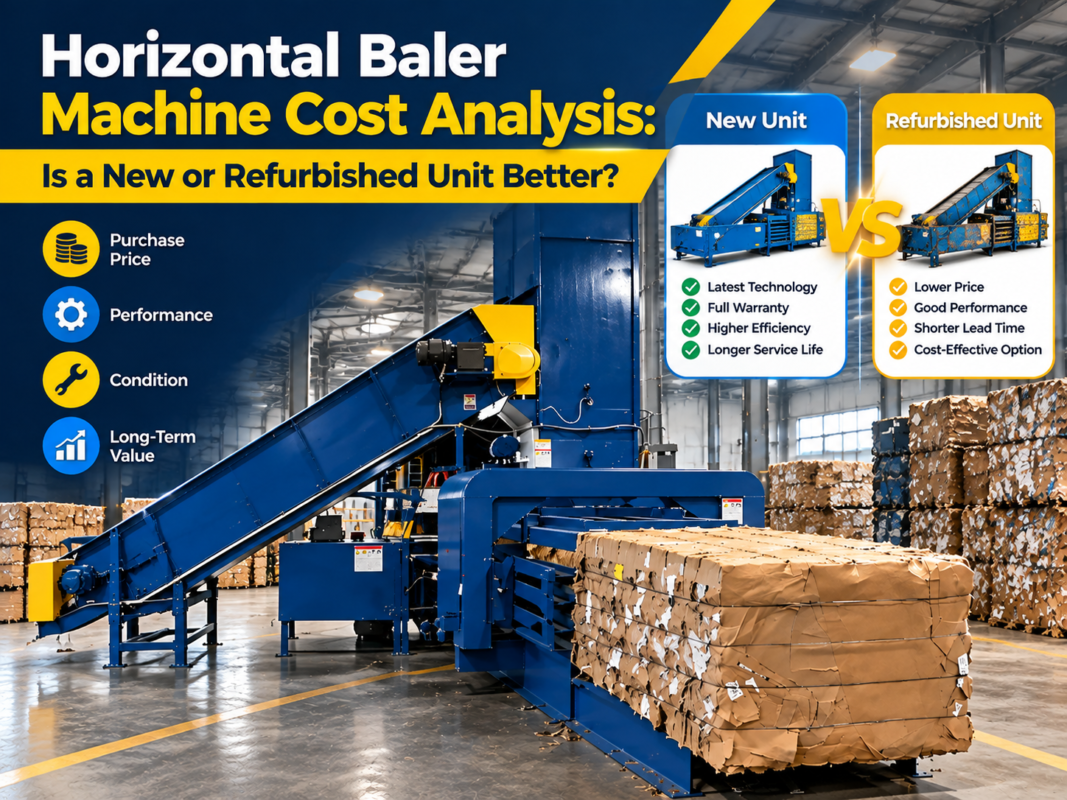
- Is it better to buy a new or used scrap metal baler? While used machines are cheaper, they often come with hidden maintenance issues. New machines offer warranties, the latest technology, and better long-term reliability.
- How often should I perform maintenance on my baler? Maintenance schedules vary by usage, but daily inspections and monthly professional servicing are recommended to ensure optimal performance.
- Does the type of metal affect the baler choice? Yes, harder metals require higher pressing force and more durable wear-resistant components compared to softer metals like aluminum.
- What safety features should I look for? Look for emergency stop buttons, safety interlocks on doors, and light curtains that prevent the machine from operating if a person is in the danger zone.