How Much Does A Scrap Metal Baler Cost? A Complete Price Breakdown

Price Range Overview: Understanding the Investment
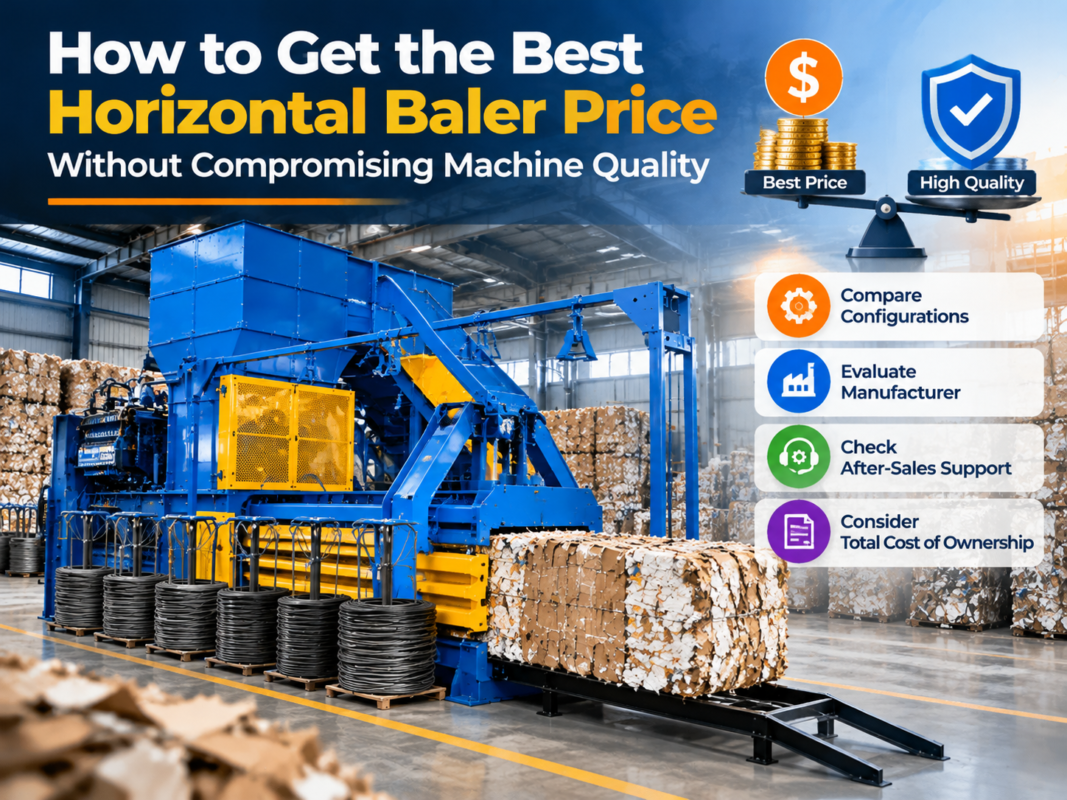
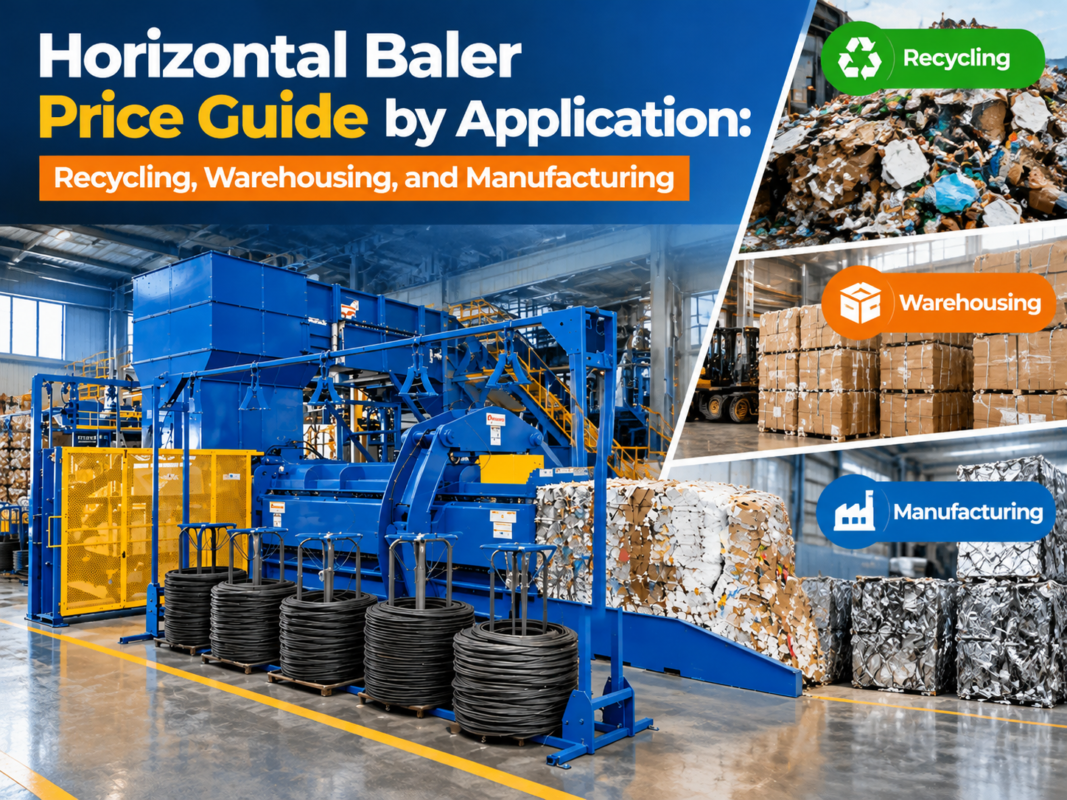
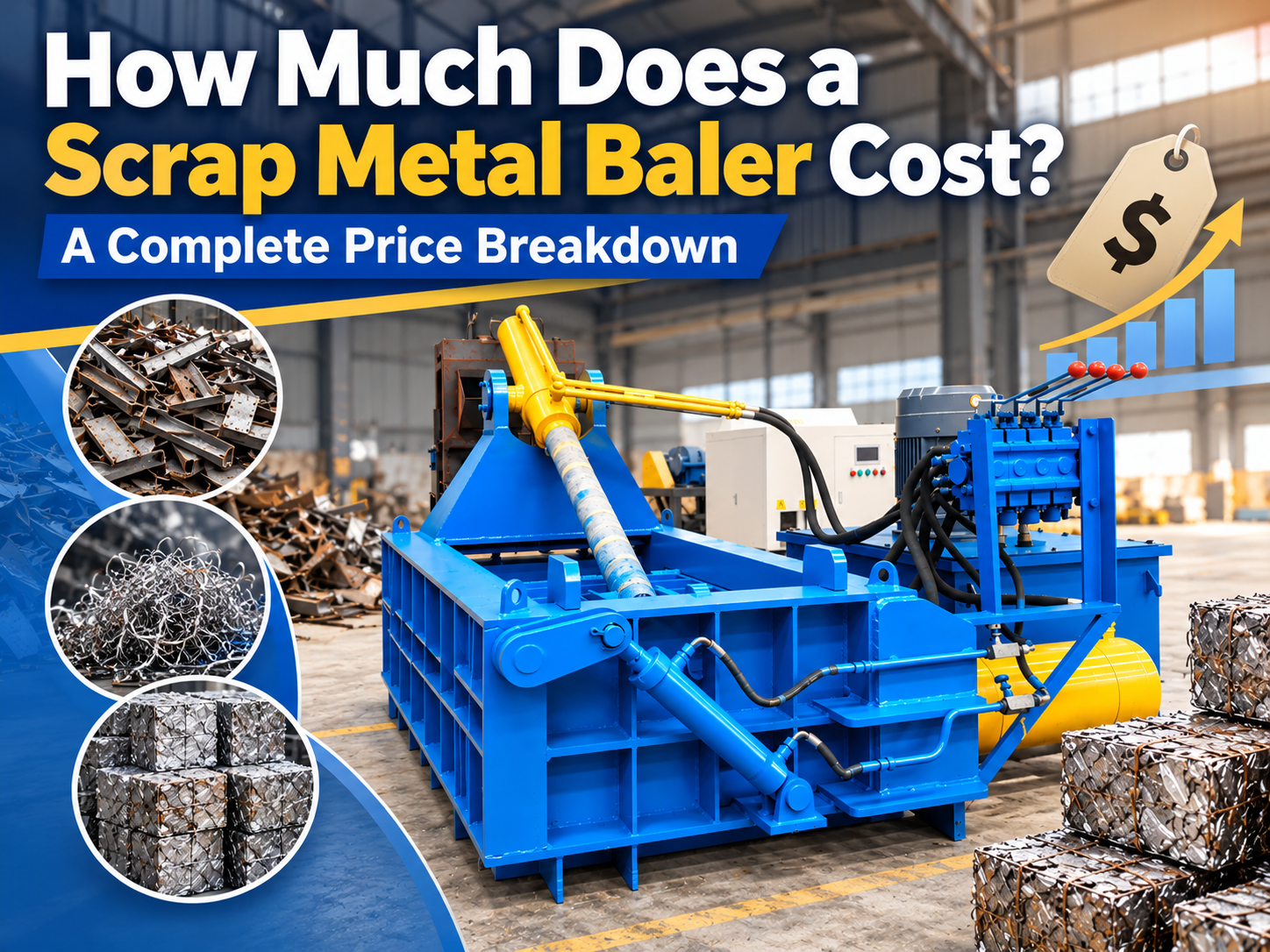
When businesses begin researching the question, “How Much Does A Scrap Metal Baler Cost? A Complete Price Breakdown,” they quickly realize that there is no single price tag for these industrial powerhouses. The cost of a scrap metal baler is highly variable, depending on the scale of your operations, the type of metal being processed, and the level of automation required. Generally, entry-level vertical balers for small workshops can start as low as $5,000 to $15,000, while high-capacity horizontal or automatic balers for large-scale recycling facilities can easily exceed $150,000 to $300,000.
For small-to-medium enterprises (SMEs) looking to manage light-gauge scrap, a semi-automatic vertical baler is often the starting point. These machines are cost-effective, space-saving, and ideal for aluminum cans, copper wire, or thin sheet metal offcuts. As you move into the mid-range category, you will find semi-automatic horizontal balers, which typically range from $40,000 to $90,000. These machines are designed for higher throughput and require less manual intervention, making them a staple in mid-sized metal fabrication shops.
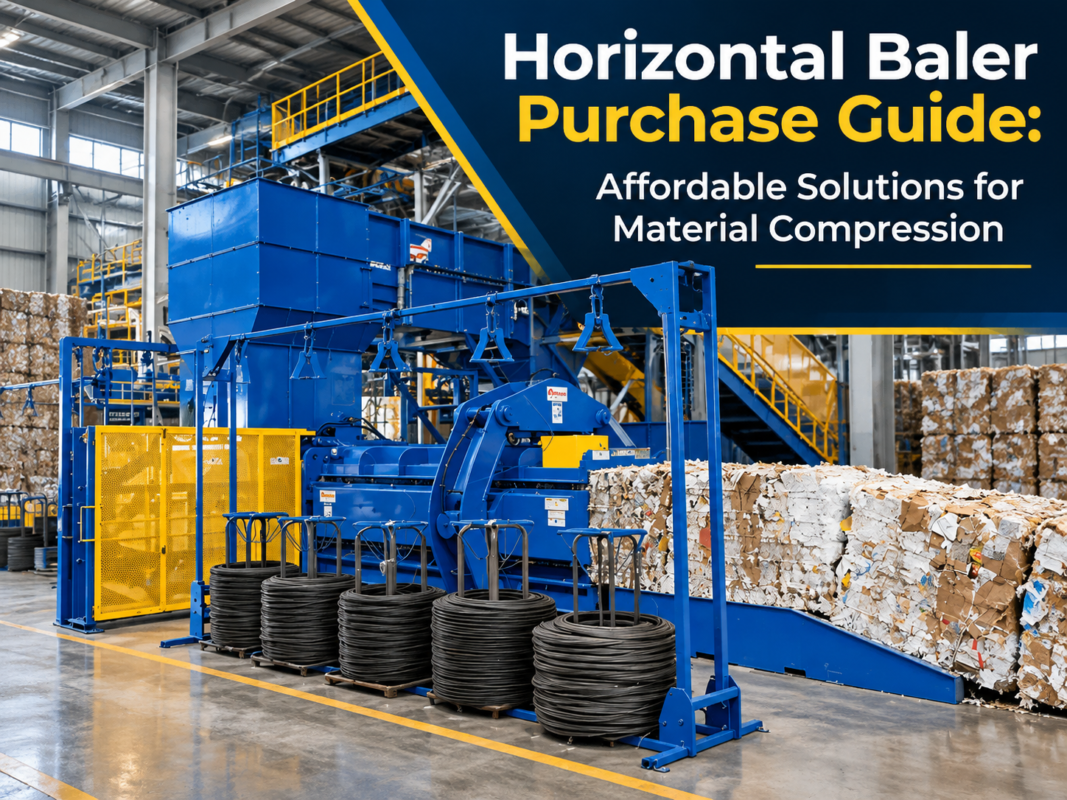
At the top end of the spectrum, fully automatic horizontal balers represent a significant capital investment. These systems are engineered for continuous operation in high-volume scrap yards and industrial manufacturing plants. Prices for these heavy-duty machines often start at $120,000 and can climb significantly higher based on custom features like integrated conveyor systems, bale ejectors, and advanced PLC control interfaces. Understanding these tiers is the first step in aligning your budget with your operational requirements.
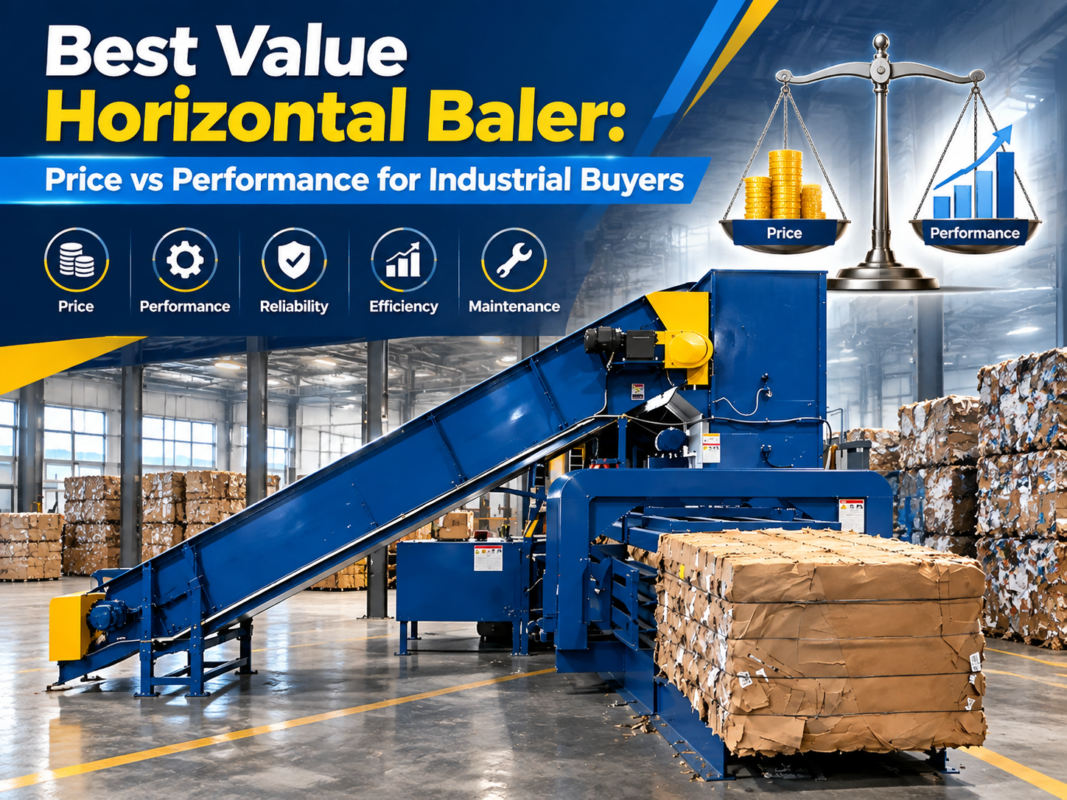
It is important to view the purchase not just as an expense, but as a long-term asset. A high-quality baler from a reputable manufacturer like HARSLE ensures durability, safety, and consistent performance. While it might be tempting to look for the cheapest option, the total cost of ownership—including maintenance, energy consumption, and downtime—often makes a mid-to-high-tier machine more economical over a five-to-ten-year period.
Main Cost Drivers: What Influences the Price?
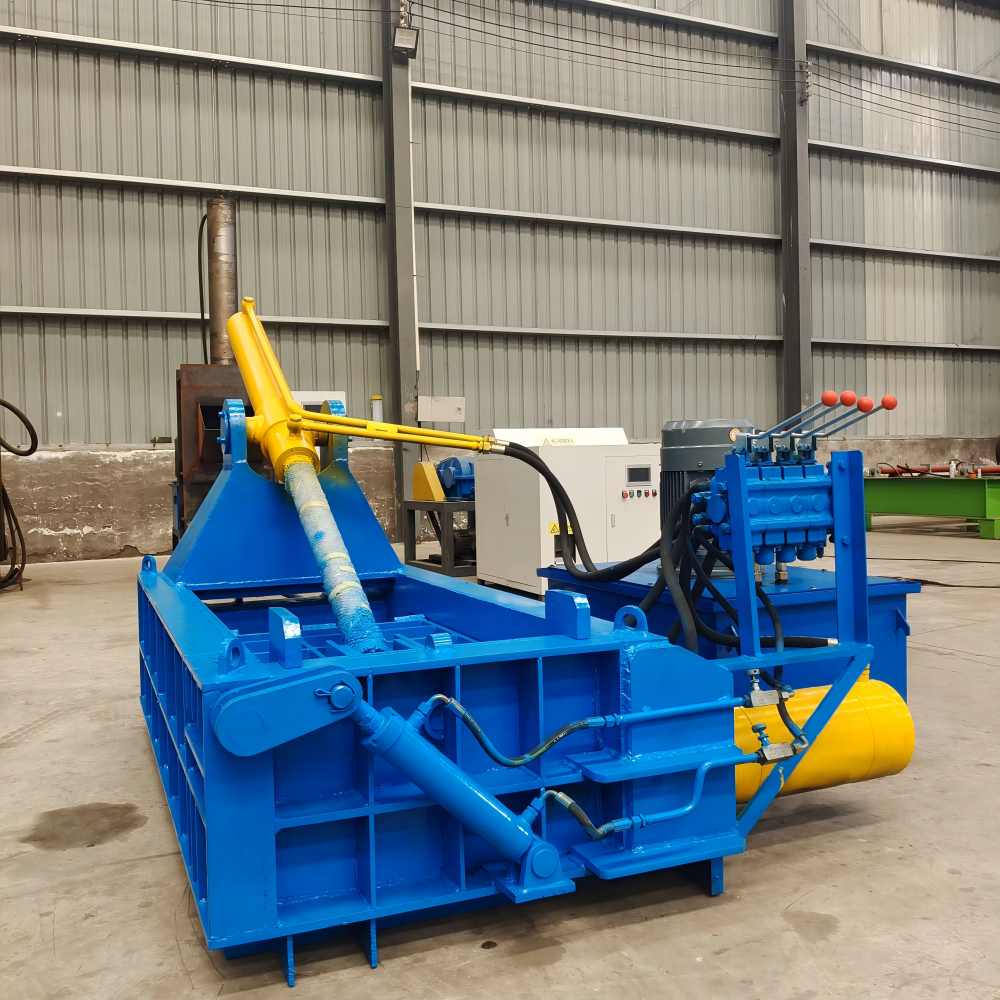
Several technical factors dictate the final price of a scrap metal baler. The most significant driver is the pressing force, measured in tons. A machine designed to crush heavy steel beams or thick plate scrap requires a much more robust hydraulic system and reinforced structural steel compared to one designed for aluminum shavings. The higher the force, the more expensive the hydraulic cylinders, pumps, and structural frame components become.
Another critical cost driver is the throughput capacity, or how much material the machine can process per hour. High-speed balers that feature rapid cycle times and large feed openings command a premium price. These machines are built with high-performance motors and sophisticated hydraulic cooling systems to prevent overheating during continuous operation. If your facility generates tons of scrap daily, investing in a machine with higher throughput is essential to prevent bottlenecks in your production line.
The level of automation also plays a major role in the price. Manual balers require an operator to load, tie, and eject the bale, which keeps the machine cost low but increases labor costs. Conversely, fully automatic balers feature integrated wire-tying systems, automated bale ejection, and conveyor feed systems. While these features increase the initial purchase price, they drastically reduce labor requirements and improve safety, which is a vital consideration for modern metal fabrication facilities.
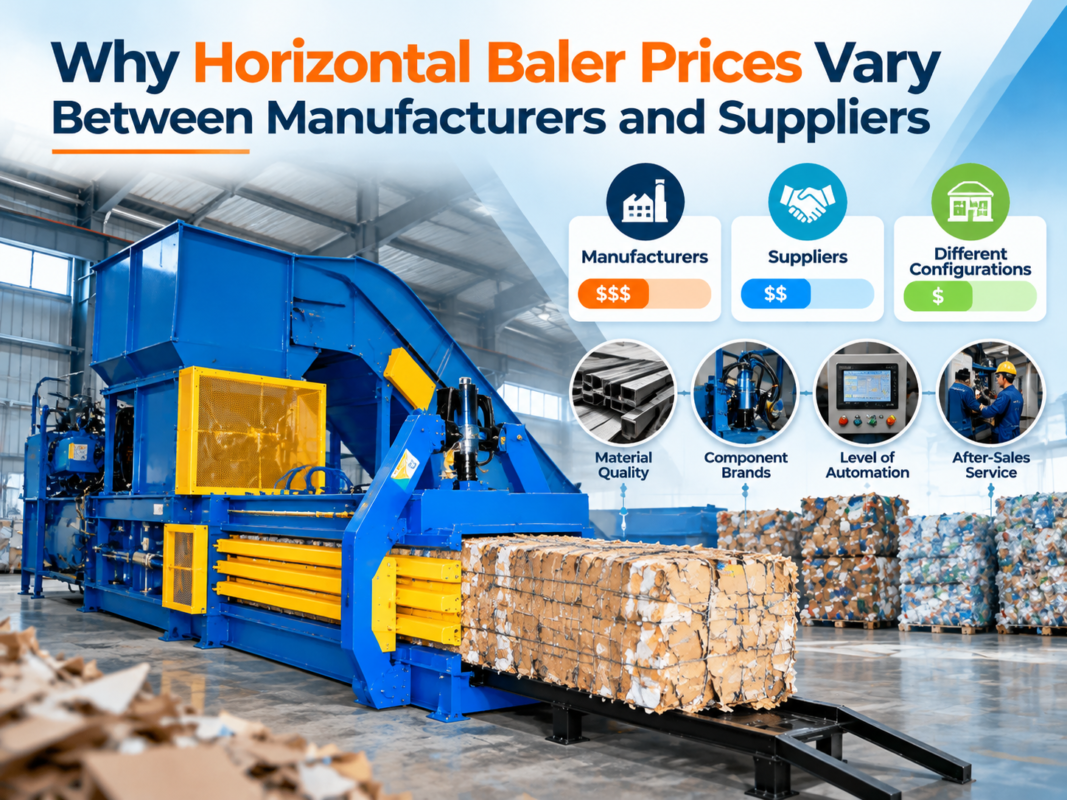
Finally, the brand reputation and the quality of components used in the build significantly impact the cost. Machines equipped with world-class hydraulic components (such as valves and pumps from reputable global brands), high-grade steel, and advanced PLC controllers will naturally cost more than machines built with generic, lower-quality parts. Choosing a machine with high-quality components ensures longer service intervals and easier access to spare parts, which is crucial for minimizing downtime.
Configuration Impact: Customization and Specialized Needs
Beyond the base model, the configuration of your scrap metal baler can add to the total cost. Many manufacturers offer modular upgrades that allow you to tailor the machine to your specific scrap type. For example, if you are processing long, stringy scrap like copper wire or metal turnings, you may need a specialized shear blade configuration or a pre-crusher to ensure the material is properly compacted. These custom engineering requirements add to the design and manufacturing costs.
The integration of peripheral equipment is another factor. Many scrap yards require a complete system, including in-feed conveyors, magnetic separators, and output chutes. These systems must be synchronized with the baler’s control system, requiring additional electrical engineering and custom programming. While this increases the upfront investment, it creates a seamless, automated workflow that significantly boosts productivity and reduces the need for manual material handling.
Environmental and safety configurations also influence the price. In many regions, noise reduction enclosures, advanced safety light curtains, and emergency stop systems are mandatory. Furthermore, if the baler is to be installed outdoors, you will need weather-resistant electrical cabinets and specialized hydraulic fluid heaters for cold climates. These features are essential for protecting your investment and ensuring compliance with local industrial safety regulations.
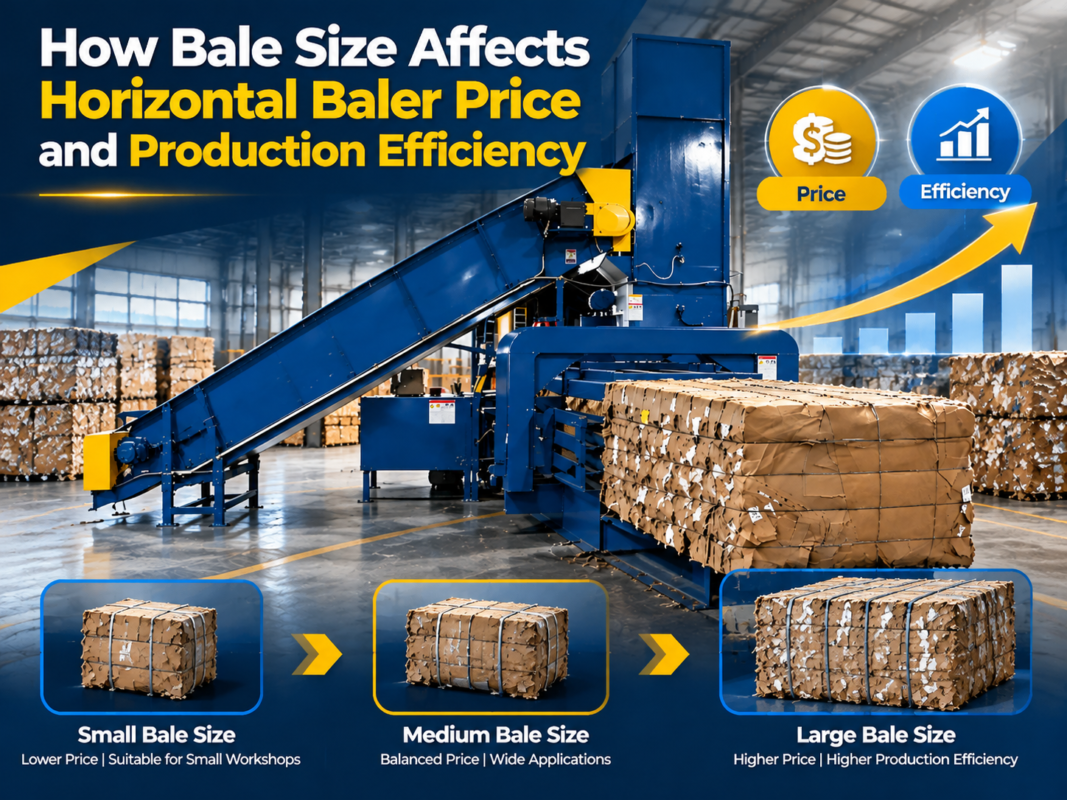
Lastly, consider the bale size and density requirements. If you are selling your scrap to a foundry or a smelter, they may have specific requirements for bale dimensions and density to optimize their furnace charging. A baler that can produce high-density, uniform bales may cost more, but it often commands a higher price for the scrap itself, as smelters prefer high-density material that is easier to transport and melt.
Hidden Costs: Beyond the Sticker Price
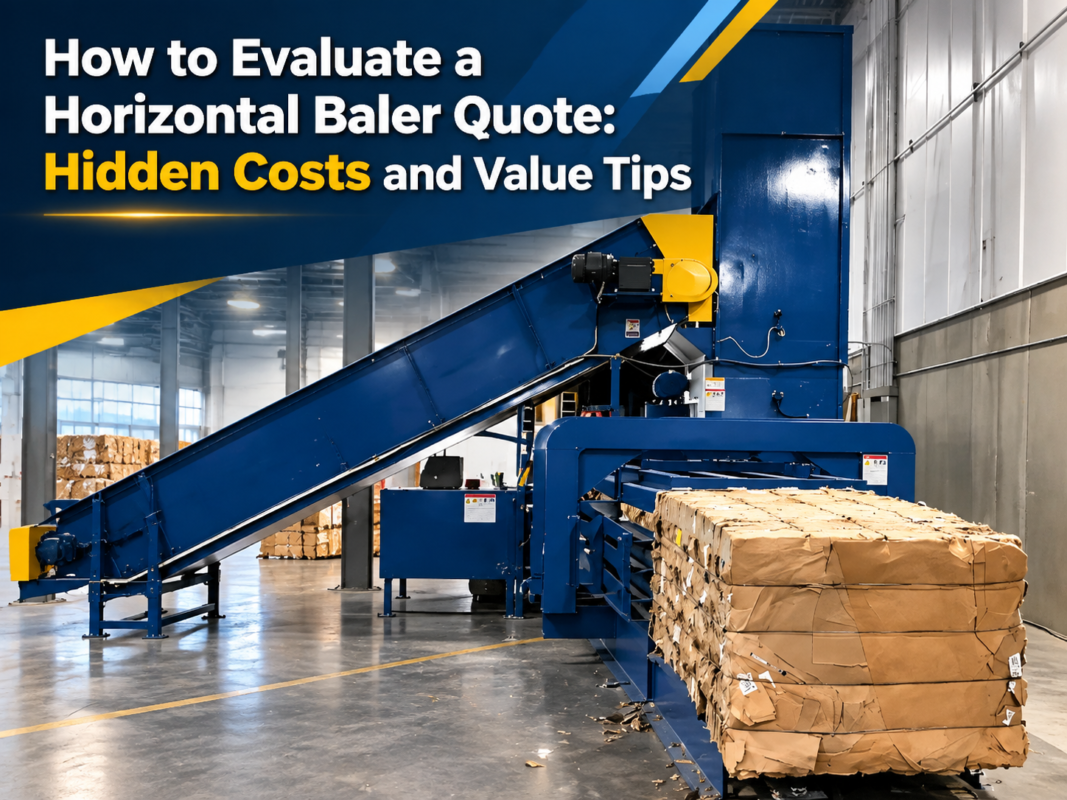
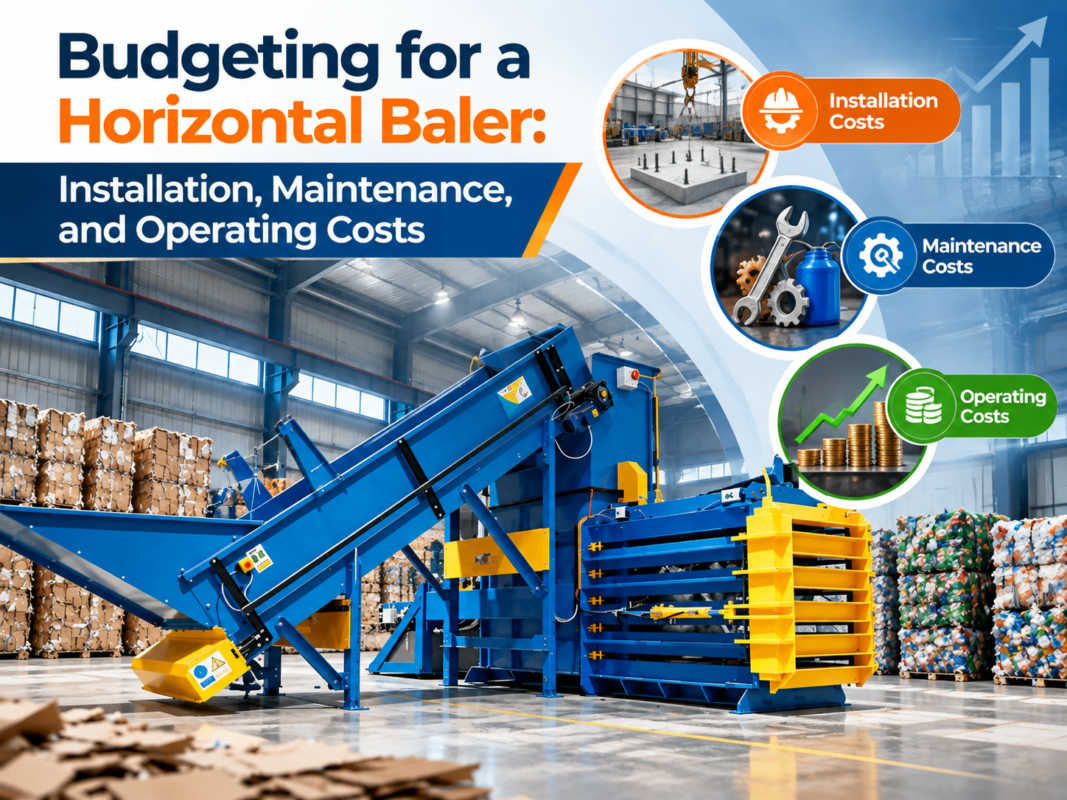
When budgeting for a scrap metal baler, it is a common mistake to focus solely on the purchase price. There are several “hidden” costs that can impact your budget. Installation is the first major consideration. Depending on the size of the machine, you may need to pour a reinforced concrete pad, install heavy-duty electrical wiring, and potentially hire a crane for positioning. These site preparation costs can range from a few thousand dollars to tens of thousands depending on your facility’s existing infrastructure.
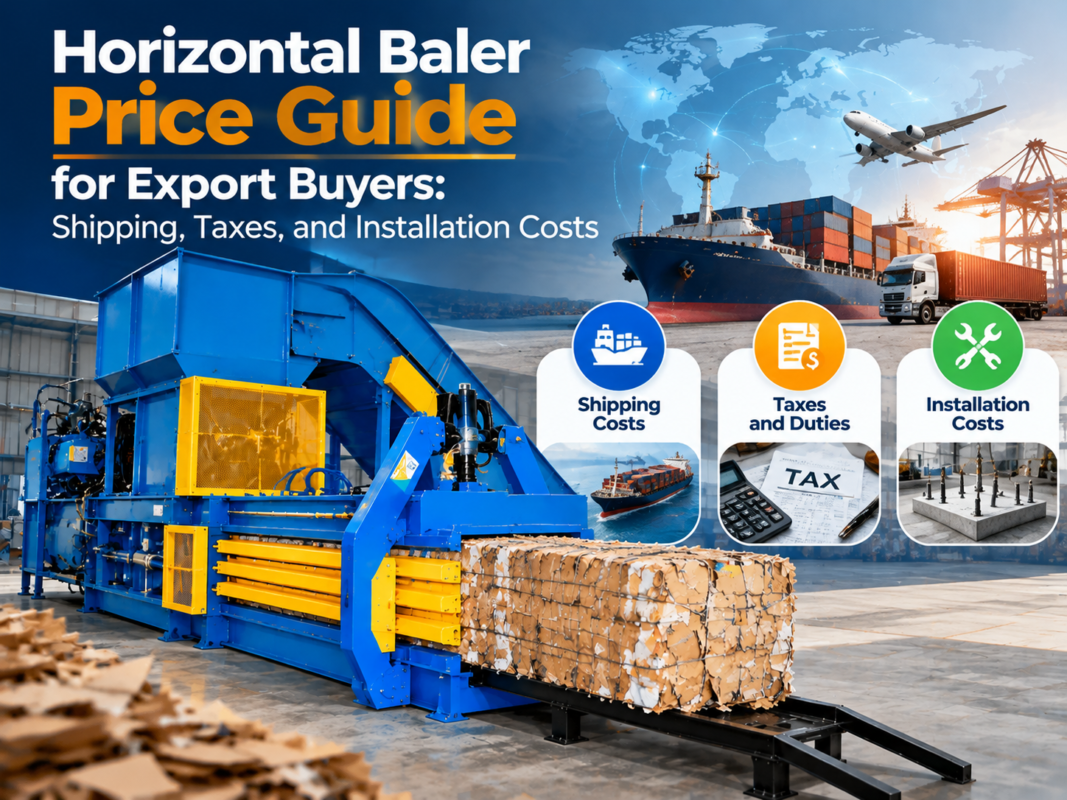
Shipping and logistics are often overlooked. Because these machines are heavy and bulky, freight costs can be substantial, especially if the machine is being imported. Always clarify whether the quoted price includes shipping, insurance, and unloading at your facility. Additionally, training your staff on the safe and efficient operation of the baler is a necessary expense. Proper training not only prevents accidents but also ensures the machine is operated within its design parameters, extending its lifespan.
Maintenance and consumables are ongoing costs that must be factored into your long-term budget. Hydraulic oil, filters, wear plates, and baling wire are recurring expenses. A high-quality baler will have a lower frequency of part replacement, but you should still set aside a budget for annual preventative maintenance. Neglecting maintenance can lead to catastrophic failures that are far more expensive to repair than the cost of routine service.
Finally, consider the cost of energy. A more efficient hydraulic system might cost more upfront but will consume significantly less electricity over its lifetime. When comparing quotes, ask for the power consumption ratings of the motors. Over the course of several years, the energy savings from a more efficient machine can offset a significant portion of the initial price difference between a budget model and a premium one.
ROI Calculation: Justifying the Investment
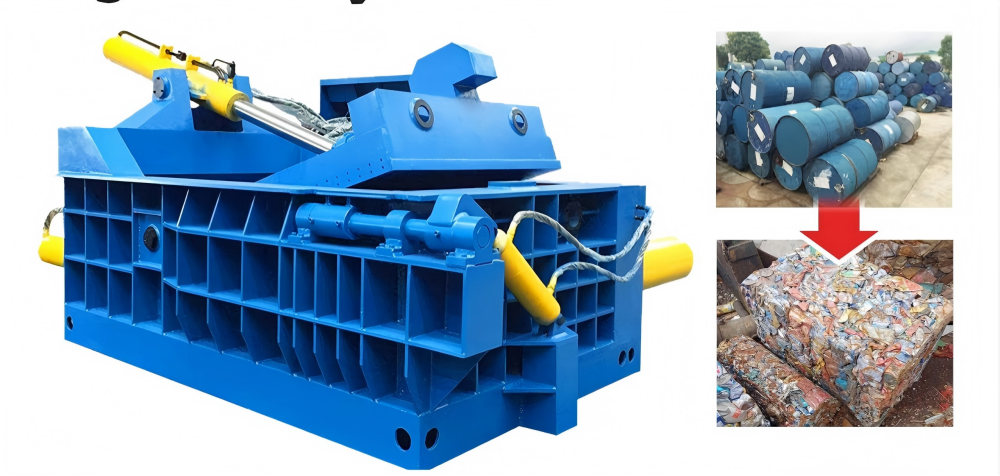
To determine if a scrap metal baler is a sound investment, you must calculate the Return on Investment (ROI). The primary revenue stream comes from the increased value of your scrap. Loose scrap is bulky and expensive to transport, and it is often purchased at a lower rate by recyclers. By baling your scrap, you create dense, uniform units that are easier to store, transport, and sell. This typically allows you to negotiate a higher price per ton from scrap buyers.
Labor savings are another major component of the ROI. If your team currently spends hours manually sorting, stacking, or moving loose scrap, a baler can reclaim those hours for more productive tasks. By automating the compaction process, you reduce the physical labor required and minimize the risk of workplace injuries, which can lead to significant savings in insurance premiums and potential liability costs.
Space optimization is a hidden financial benefit. In industrial settings, floor space is expensive. Loose scrap piles take up vast amounts of room, often forcing companies to rent additional storage space or pay for frequent, inefficient waste pickups. A baler allows you to stack bales vertically, drastically reducing your storage footprint and allowing you to utilize your facility for core manufacturing activities.
To calculate your specific ROI, estimate the total volume of scrap you produce monthly, the current price you receive for loose scrap, and the projected price for baled scrap. Subtract the operating costs (electricity, wire, maintenance, and labor) from the increased revenue. Most businesses find that a well-chosen scrap metal baler pays for itself within 18 to 36 months, depending on the volume of material processed and the local market conditions for recycled metals.
Buying Advice: How to Choose the Right Machine
When you are ready to purchase, start by conducting a thorough audit of your scrap output. What types of metal are you processing? What is the daily volume? What are the dimensions of the scrap pieces? Answering these questions will help you determine the necessary pressing force and feed opening size. Do not over-buy; purchasing a machine that is far too powerful for your needs is a waste of capital, but under-buying will lead to constant maintenance issues and bottlenecks.
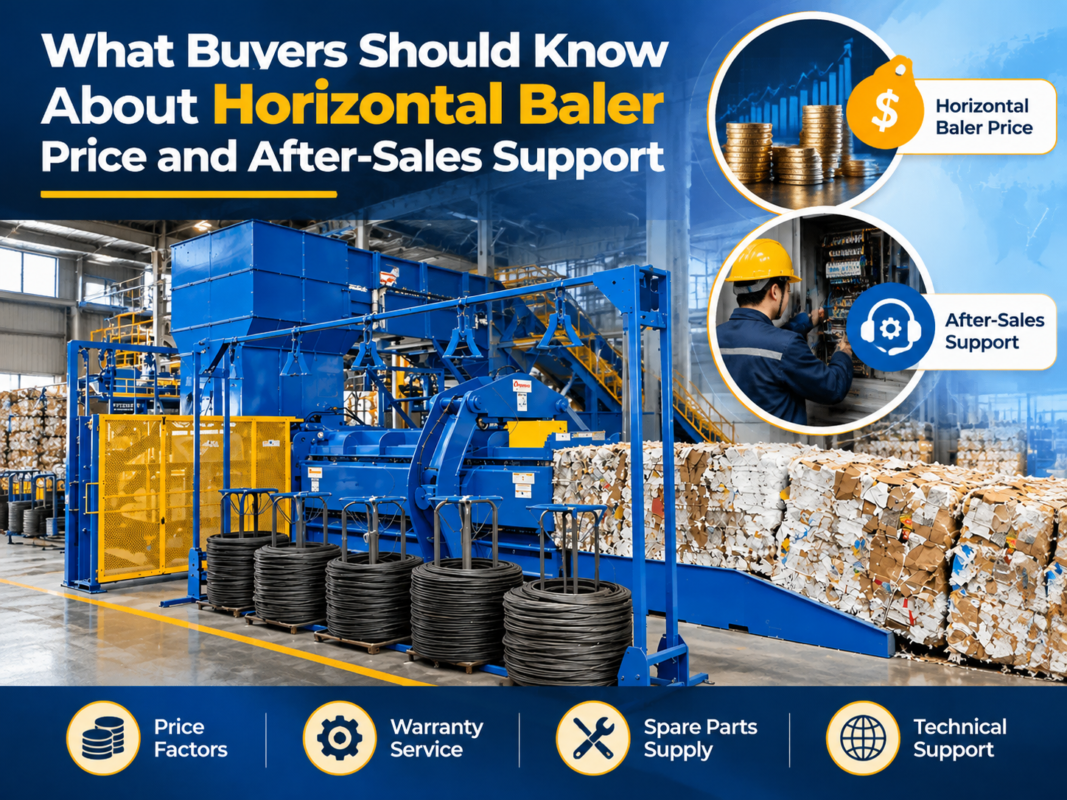
Always request a detailed quote that breaks down the machine specifications, delivery terms, and warranty coverage. A reputable manufacturer like HARSLE will provide clear documentation regarding the machine’s capabilities and maintenance requirements. Ask for references from other companies in your industry who have purchased similar equipment. Hearing about their experience with the machine’s reliability and the manufacturer’s after-sales support can be invaluable.
Consider the availability of spare parts and technical support. A machine is only as good as the support behind it. Ensure that the manufacturer has a reliable distribution network and that spare parts are readily available. If your machine breaks down, you need to know that a technician can be dispatched or that parts can be shipped quickly to minimize downtime. This is often where low-cost, unbranded machines fail to deliver.
Finally, prioritize safety and ease of use. Your operators are the ones who will be interacting with the machine daily. A user-friendly interface, clear safety signage, and intuitive controls will lead to higher productivity and fewer errors. If possible, visit a showroom or a facility where the machine is in operation to see it in action. Seeing the build quality and the ease of the baling process firsthand will give you the confidence to make an informed investment decision.
FAQ: Common Questions About Scrap Metal Baler Costs
- Q: Is it better to buy a new or used scrap metal baler?
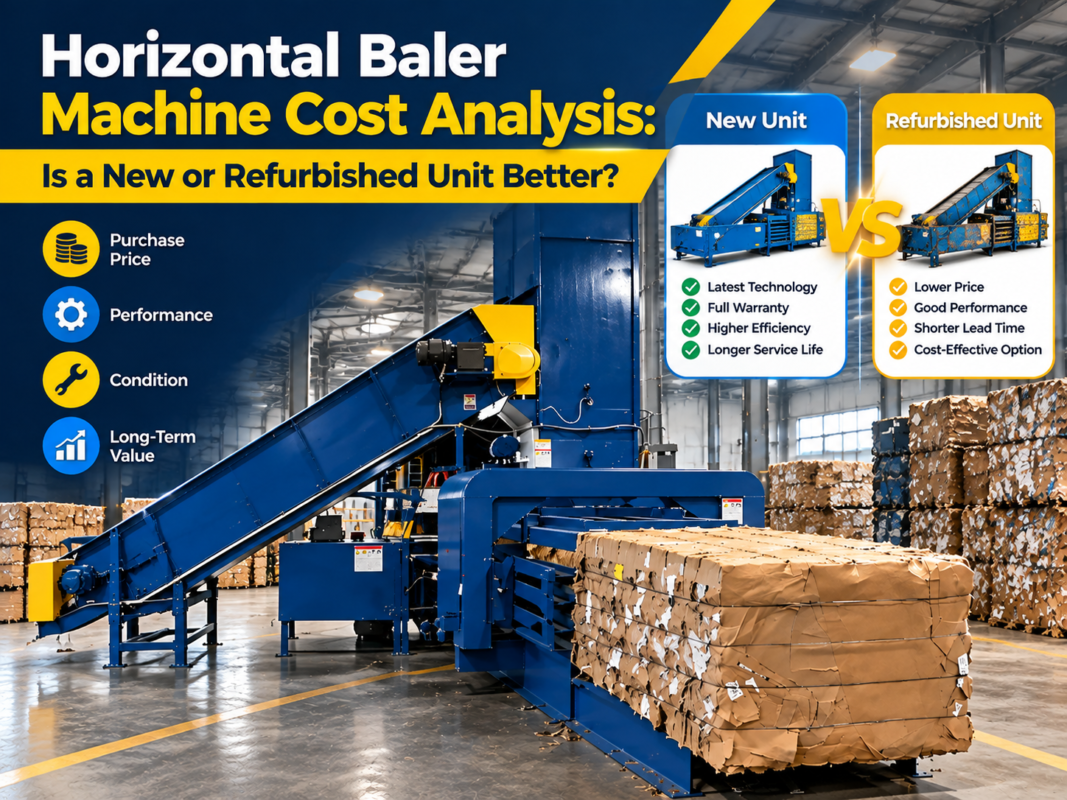
A: While used balers are cheaper, they often come with hidden mechanical issues and lack modern safety features. A new machine from HARSLE comes with a warranty, modern efficiency, and the latest safety technology, making it a safer long-term investment. - Q: How long does a typical scrap metal baler last?
A: With proper maintenance, a high-quality industrial baler can last 15 to 20 years or more. Regular oil changes, filter replacements, and checking for structural wear are key to longevity. - Q: Can one baler handle all types of metal?
A: Most balers are versatile, but some are optimized for specific materials. For example, a baler designed for aluminum cans may not have the force required for thick steel plate. Always discuss your specific material mix with your sales representative. - Q: Does the baler require special electrical installation?
A: Yes, most industrial balers require three-phase power. You should consult with a licensed electrician to ensure your facility can support the machine’s power requirements before finalizing your purchase. - Q: How much space do I need for a baler?
A: The space required depends on the model. You need enough room for the machine itself, plus clearance for loading, maintenance access, and the storage of finished bales. Always check the manufacturer’s footprint specifications.