Horizontal Baler Price List Explained: New Vs Used Machine Cost In The Machinery Market

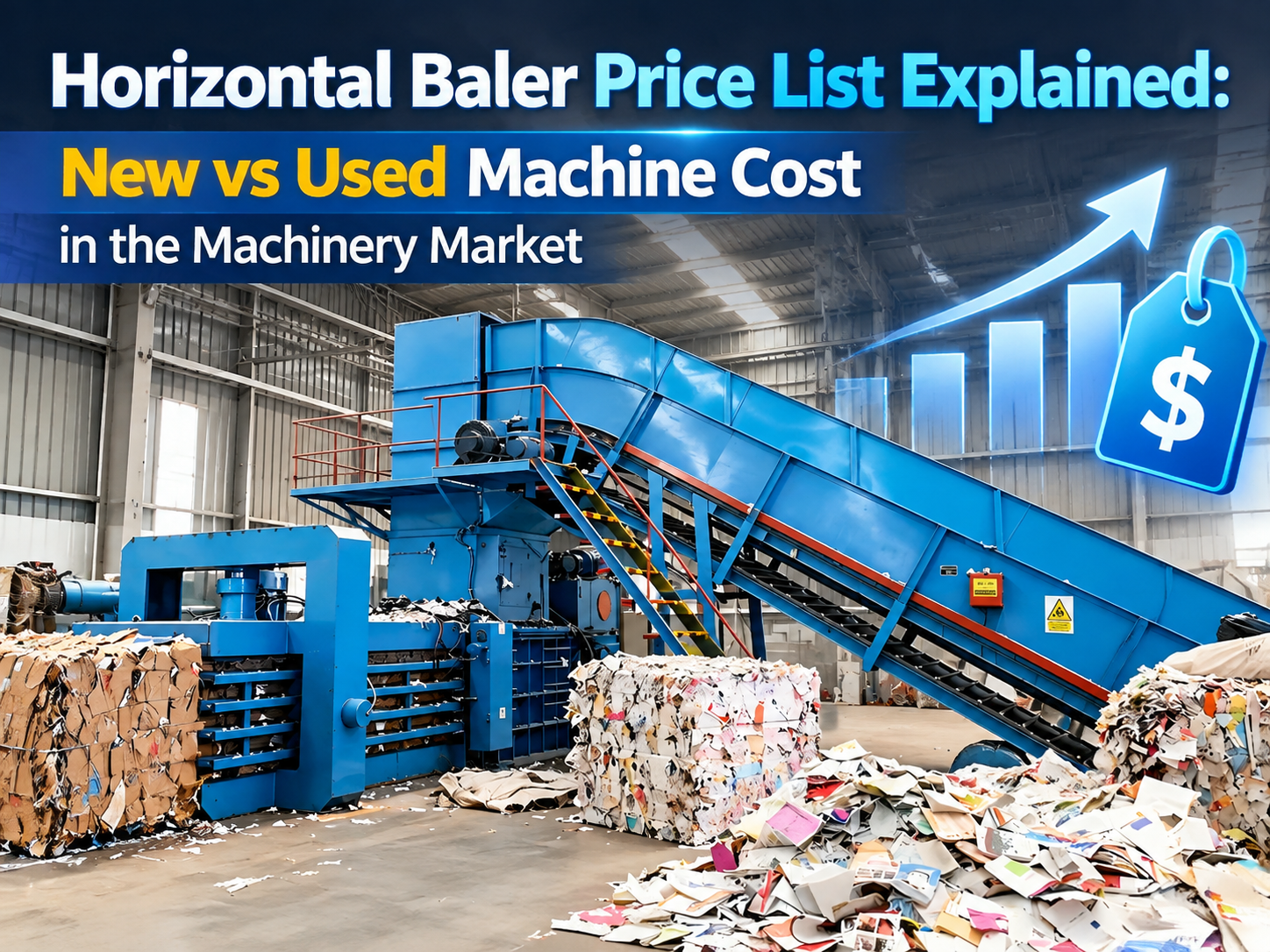
Price Range Overview: Understanding the Market Landscape
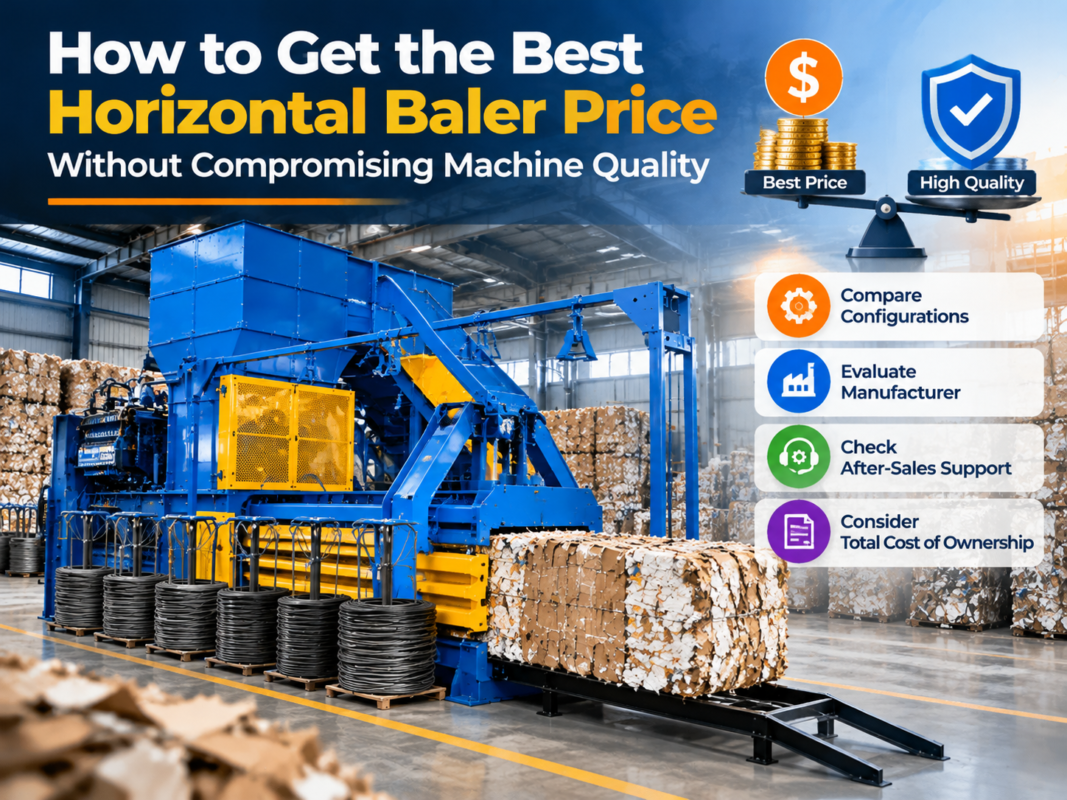
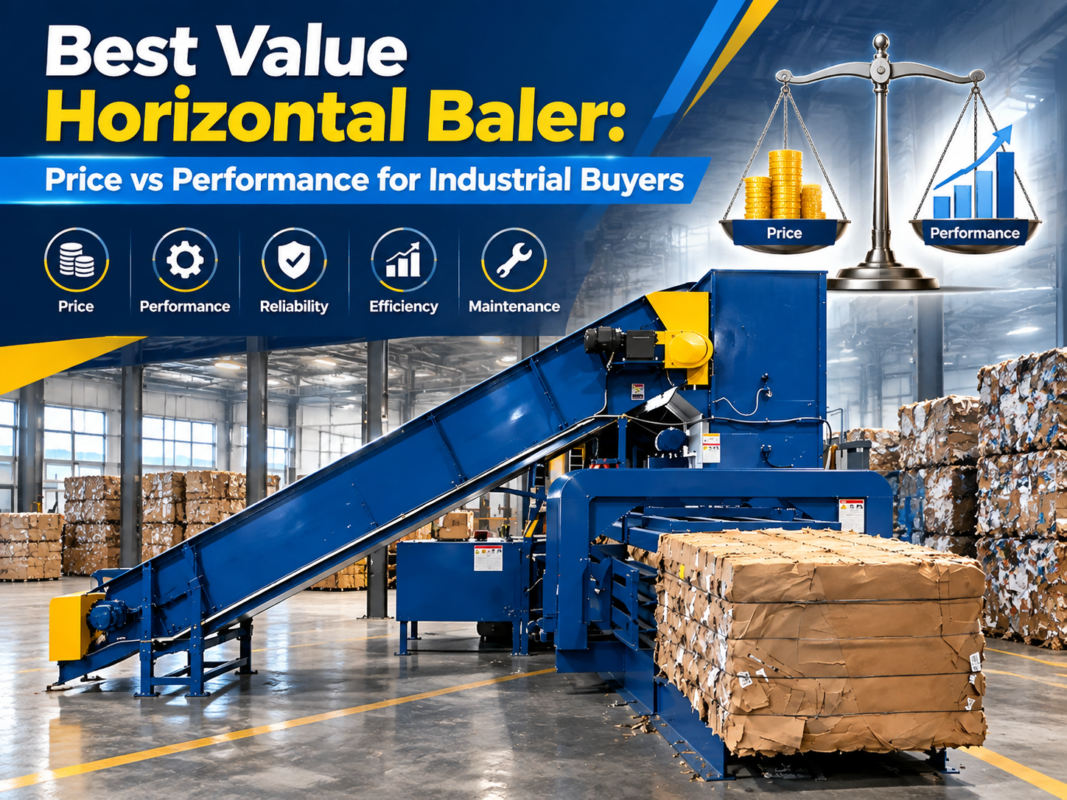
Investing in waste management and material compaction is a critical step for any metal fabrication or recycling facility. When researching a Horizontal Baler Price List Explained: New Vs Used Machine Cost In The Machinery Market, it is essential to recognize that pricing is rarely static. Entry-level semi-automatic horizontal balers typically start in the $15,000 to $30,000 range, while fully automated, high-throughput industrial systems can easily exceed $150,000 to $250,000 depending on the integration requirements.
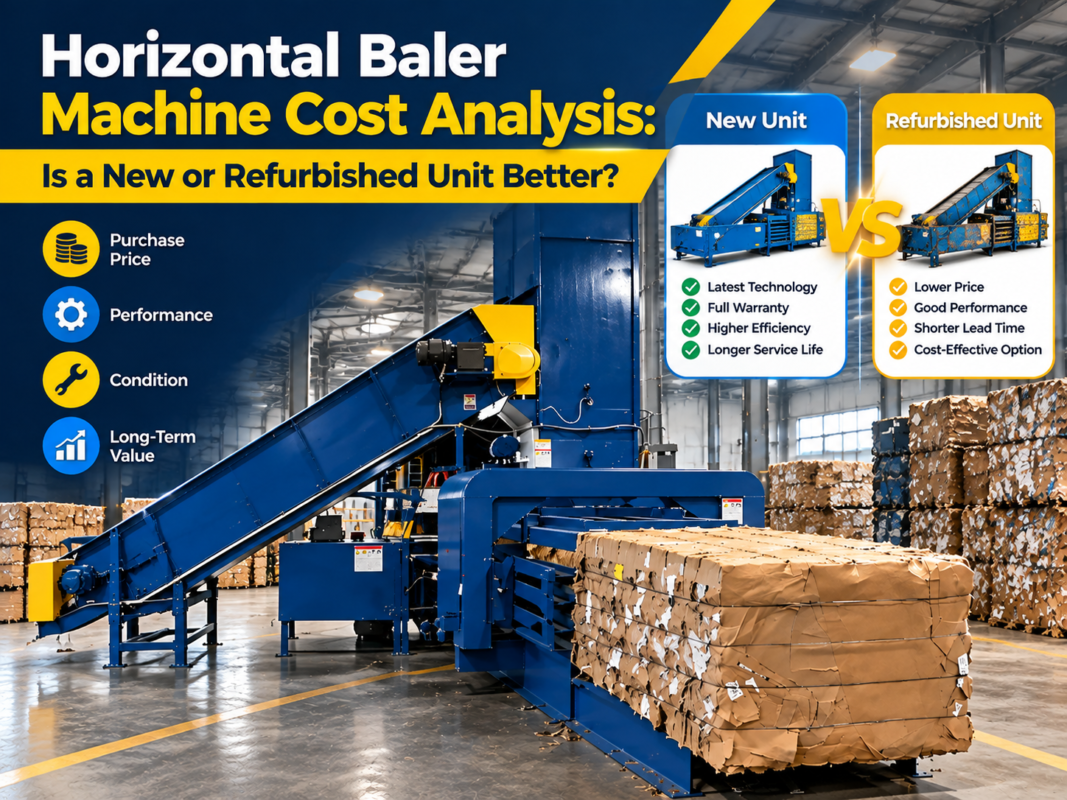
The market for new equipment is driven by technological advancements, such as PLC-controlled operation, energy-efficient hydraulic systems, and safety compliance standards. Conversely, the used market offers a lower barrier to entry, with refurbished units often selling for 40% to 60% of their original retail value. However, the “price” of a machine is not just the sticker price; it is the total cost of ownership over the machine’s lifespan.
For small to medium-sized enterprises, the decision often hinges on the volume of material processed. A facility handling less than 5 tons of scrap per week might find that a refurbished, older model provides sufficient utility. In contrast, high-volume manufacturing plants require the reliability and speed of new equipment to avoid costly downtime and meet production quotas.
Understanding the depreciation curve is vital. New machines come with full warranties and the latest safety features, which reduce insurance premiums and maintenance overhead. Used machines, while cheaper upfront, may carry hidden costs related to wear and tear, obsolete parts, and potential safety retrofitting requirements to meet modern industrial standards.
Main Cost Drivers: What Influences the Price Tag?
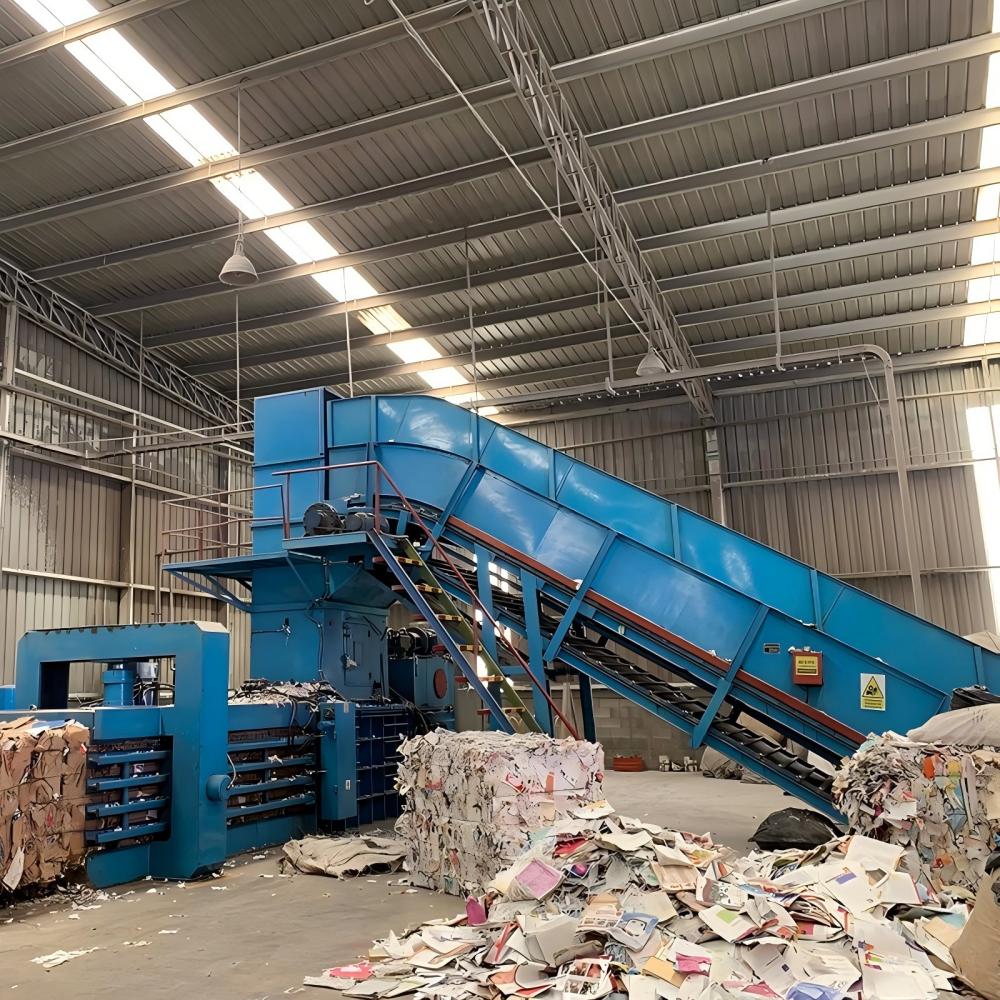
Several technical specifications dictate the price of a horizontal baler. The most significant factor is the compaction force, measured in tons. A machine designed to compress heavy-gauge metal scrap requires a much more robust hydraulic system and reinforced steel chamber compared to one designed for cardboard or plastic. Higher tonnage directly correlates to thicker steel plate construction and more powerful motors.
The throughput capacity, or the amount of material the machine can process per hour, is another primary cost driver. Automated feeding systems, such as conveyor belts or hopper-fed mechanisms, add significant value and cost to the machine. These systems reduce labor requirements, which is a major operational expense, but they increase the initial capital investment significantly.
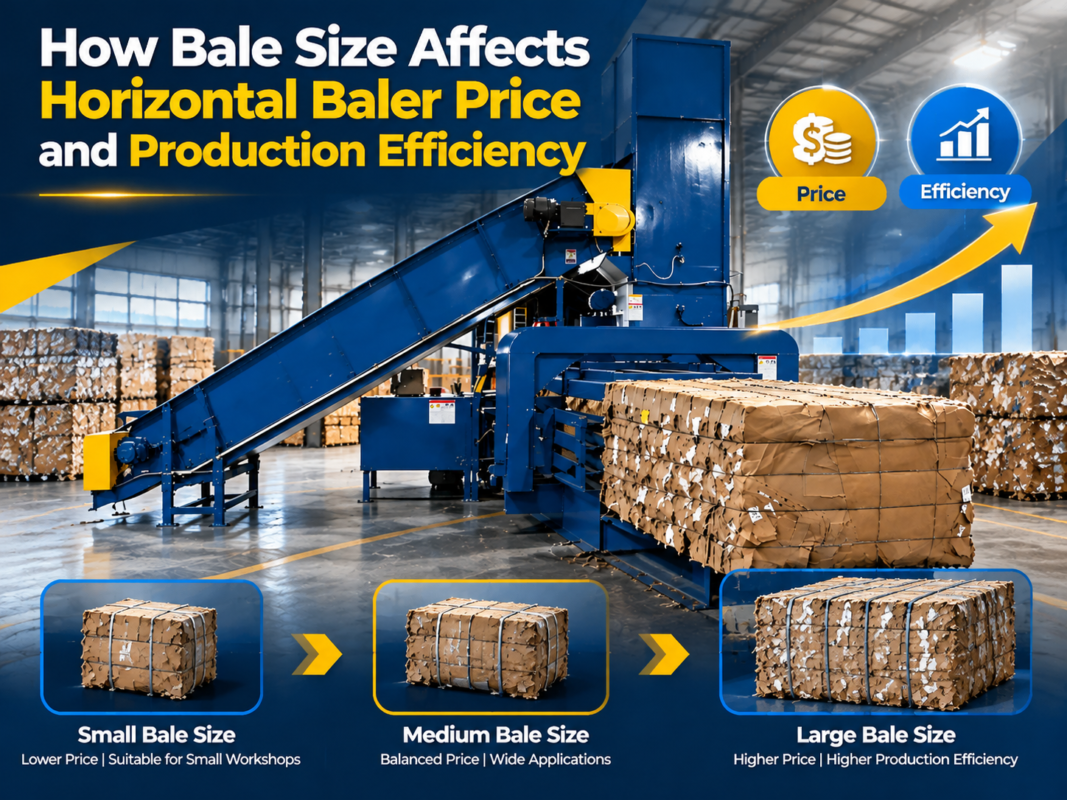
Bale size and density requirements also play a role. If your logistics partner or downstream buyer requires specific bale dimensions for shipping efficiency, the baler must be engineered to meet those precise specifications. Custom chamber sizes and specialized tying systems—such as automatic wire tiers versus manual strapping—can add thousands of dollars to the final price.
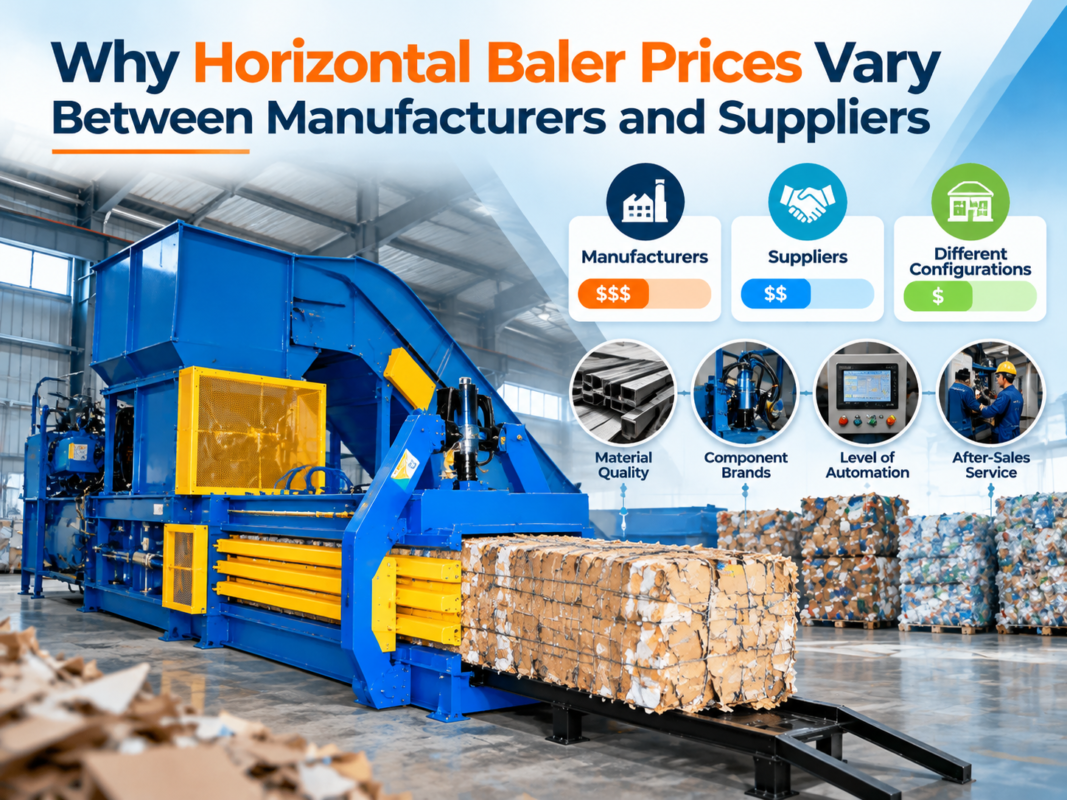
Finally, the brand reputation and the quality of components used (such as hydraulic pumps, valves, and electrical controllers) influence the price. HARSLE and other top-tier manufacturers prioritize high-grade components that ensure longevity. While cheaper alternatives may exist, they often lack the structural integrity required for 24/7 industrial operation, leading to higher long-term costs due to frequent repairs.
Configuration Impact: Customization vs. Standard Models
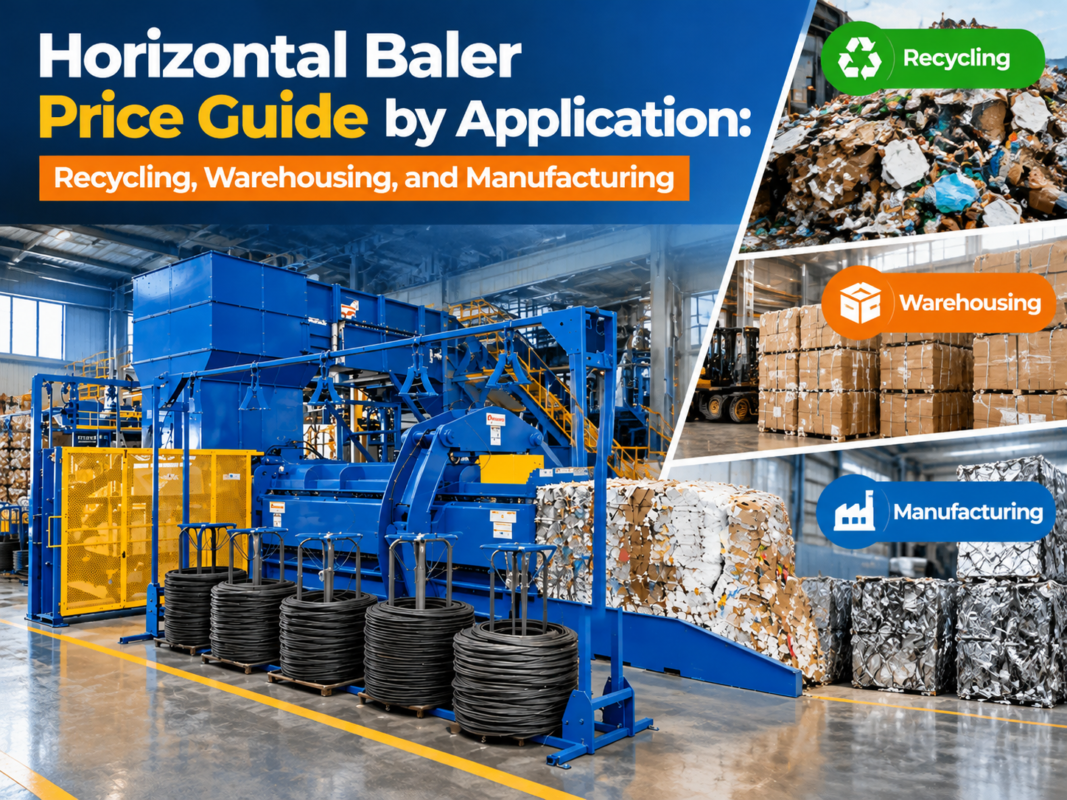
When reviewing a Horizontal Baler Price List Explained: New Vs Used Machine Cost In The Machinery Market, you will notice that standard models are significantly more affordable than custom-configured units. Standard models are mass-produced, which lowers manufacturing costs and allows for faster delivery times. These units are ideal for general-purpose applications where the material stream is relatively consistent.
However, many fabrication facilities deal with unique waste streams, such as long metal offcuts, high-tensile steel, or mixed materials. In these cases, a standard baler may fail to perform efficiently. Custom configurations might include specialized shear blades for cutting oversized material, reinforced feed openings, or variable frequency drives (VFDs) to optimize energy consumption based on the load.
The integration of safety features also impacts the configuration cost. Modern regulations require light curtains, emergency stop systems, and interlocked access doors. While these are standard on new HARSLE machines, retrofitting an older, used machine with these safety upgrades can be an expensive and complex engineering task that often negates the savings of buying used.
Furthermore, the choice of the tying system is a major configuration decision. Manual tying is labor-intensive but keeps the machine price lower. Automatic wire tying systems are expensive to install but provide a massive boost to productivity. For facilities aiming to scale, the investment in an automatic system is usually recovered within 18 to 24 months through labor savings and increased bale output.
Hidden Costs: Beyond the Purchase Price
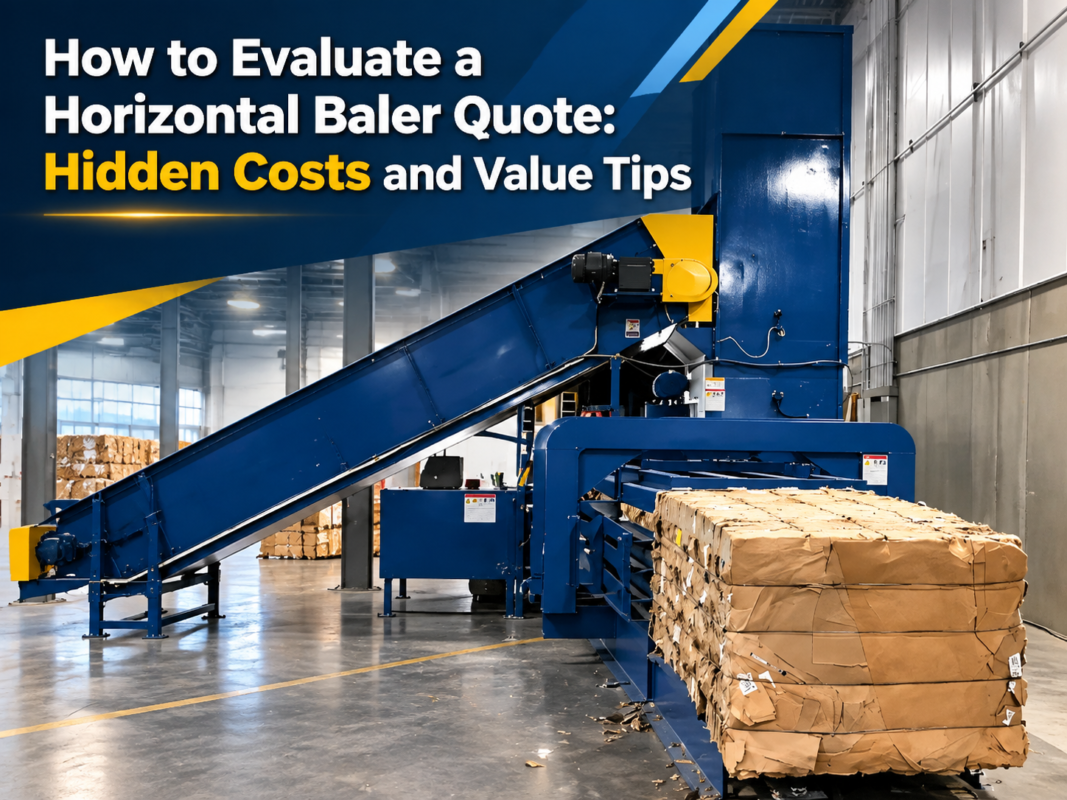
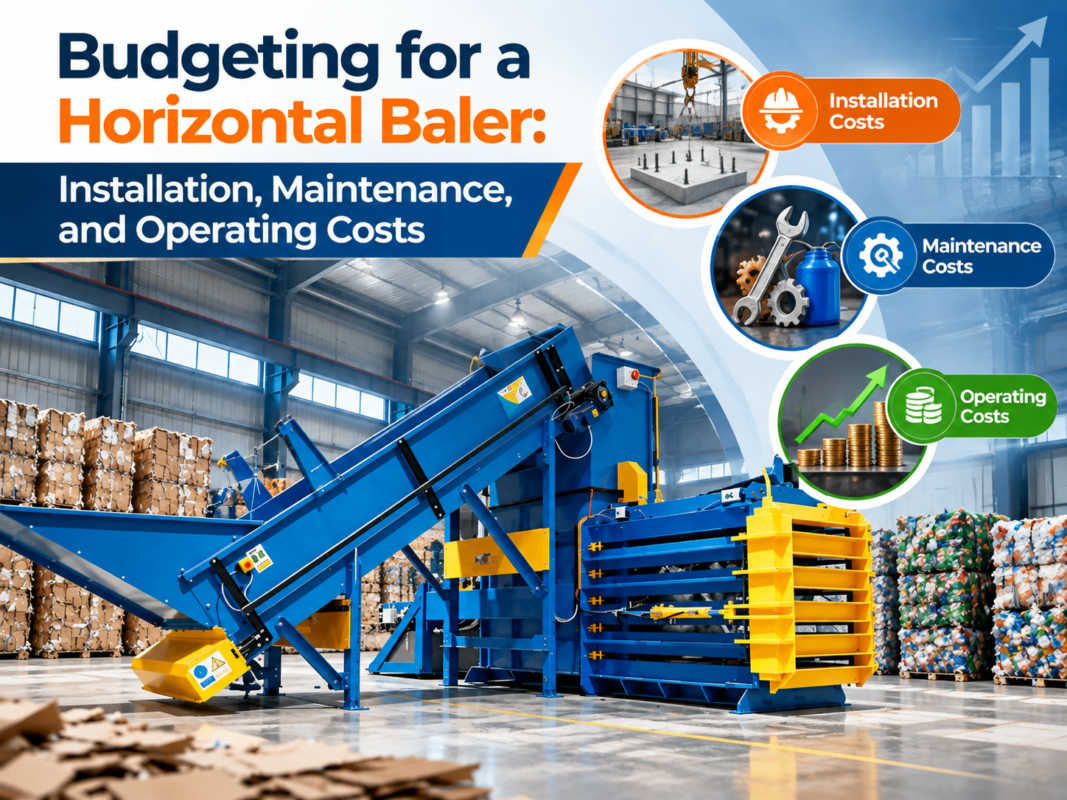
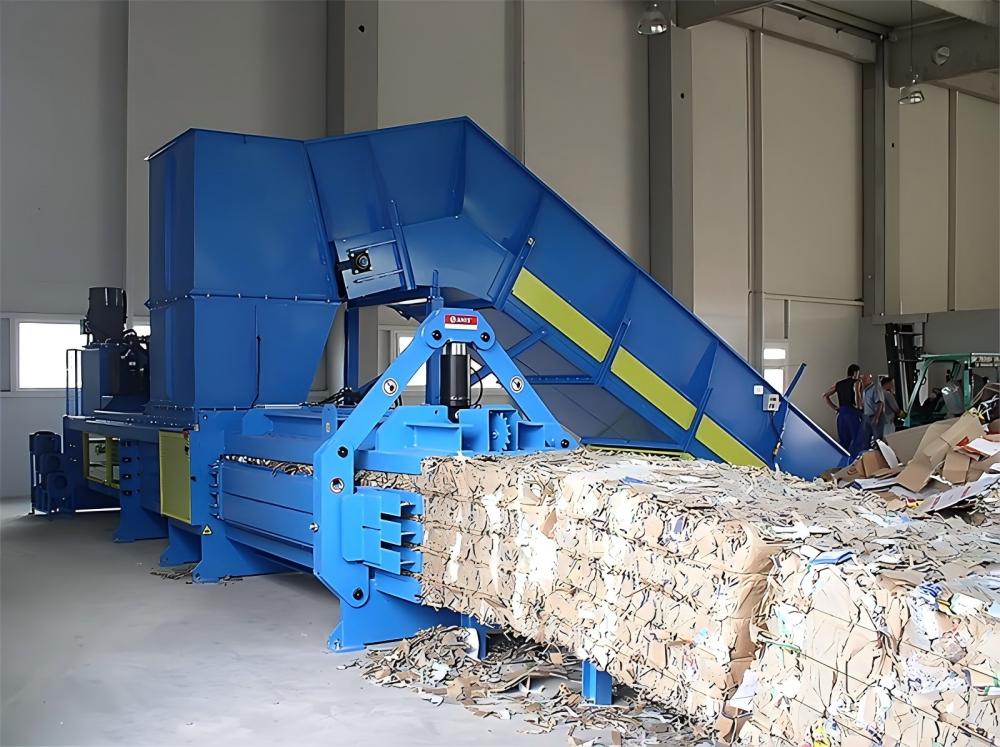
The purchase price is only the beginning. When calculating the total cost, you must account for installation, which includes site preparation, electrical upgrades, and concrete pad reinforcement. A horizontal baler is a heavy piece of machinery that requires a stable, level foundation to prevent structural stress and ensure the hydraulic system operates correctly.
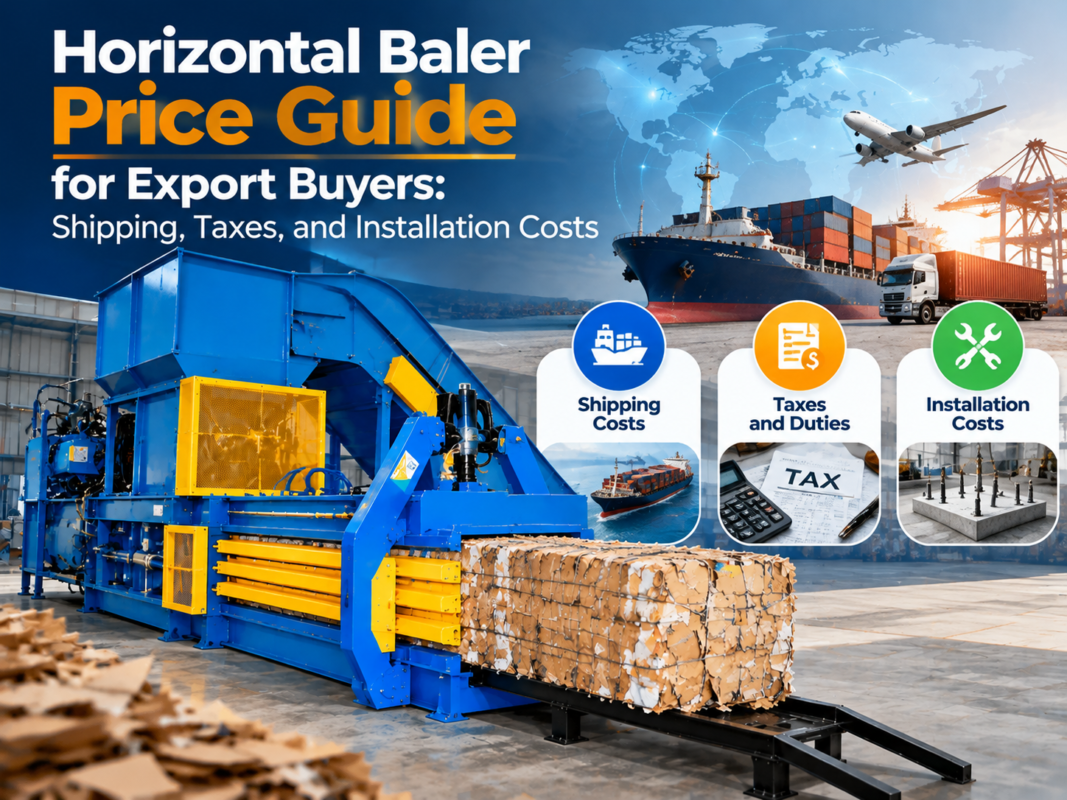
Shipping and logistics are often overlooked. Because these machines are large and heavy, freight costs can be substantial, especially for international shipments. Additionally, you may need specialized equipment like cranes or forklifts to offload and position the baler within your facility. These logistics costs should be factored into your budget early in the procurement process.
Maintenance and spare parts represent a recurring hidden cost. Used machines, in particular, may require immediate servicing of seals, hoses, and electrical sensors. Even with new machines, you must budget for routine preventative maintenance—such as oil changes, filter replacements, and blade sharpening—to ensure the equipment remains operational and safe.
Finally, consider the cost of downtime. If a machine breaks down and you cannot process your scrap, your facility may become cluttered, creating a safety hazard and slowing down production. The cost of lost productivity, combined with the expense of emergency repairs, can quickly exceed the initial savings of a cheaper, less reliable machine.
ROI Calculation: Making the Financial Case
To justify the investment, you must calculate the Return on Investment (ROI). Start by determining the current cost of waste disposal. If you are paying for frequent dumpster pickups for loose, uncompacted scrap, you are likely losing money on logistics. A baler allows you to consolidate material into dense, high-value bales that are easier to transport and often command a higher price from recyclers.
Calculate the labor savings. How many man-hours are currently spent manually handling, sorting, or moving waste? By automating the process with a horizontal baler, you can reallocate staff to more productive roles in the fabrication process. This labor efficiency is often the most significant contributor to a positive ROI.
Consider the revenue potential from the baled material. Recyclers pay a premium for clean, uniform, and dense bales because they are easier to process. By producing high-quality bales, you can negotiate better rates with your scrap buyer, turning a waste management expense into a revenue stream.
Use the following formula for a basic ROI estimate: (Annual Savings + Annual Revenue from Bales – Annual Operating Costs) / Initial Investment = ROI Percentage. When comparing new vs. used, remember that a new machine will have a longer useful life and lower maintenance costs, which often results in a better long-term ROI despite the higher initial price tag.
Buying Advice: Checklist for Success
Before committing to a purchase, conduct a thorough audit of your material stream. Identify the type of metal, the volume, and the physical dimensions of the scrap. This data is crucial for selecting the right baler size and force. Consult with HARSLE experts to ensure the machine you choose is rated for your specific material density.
If you are considering a used machine, perform a rigorous inspection. Check the hydraulic cylinders for leaks, inspect the chamber walls for excessive wear or cracks, and test the electrical control panel for responsiveness. Always ask for the machine’s service history. If the seller cannot provide maintenance records, proceed with extreme caution.
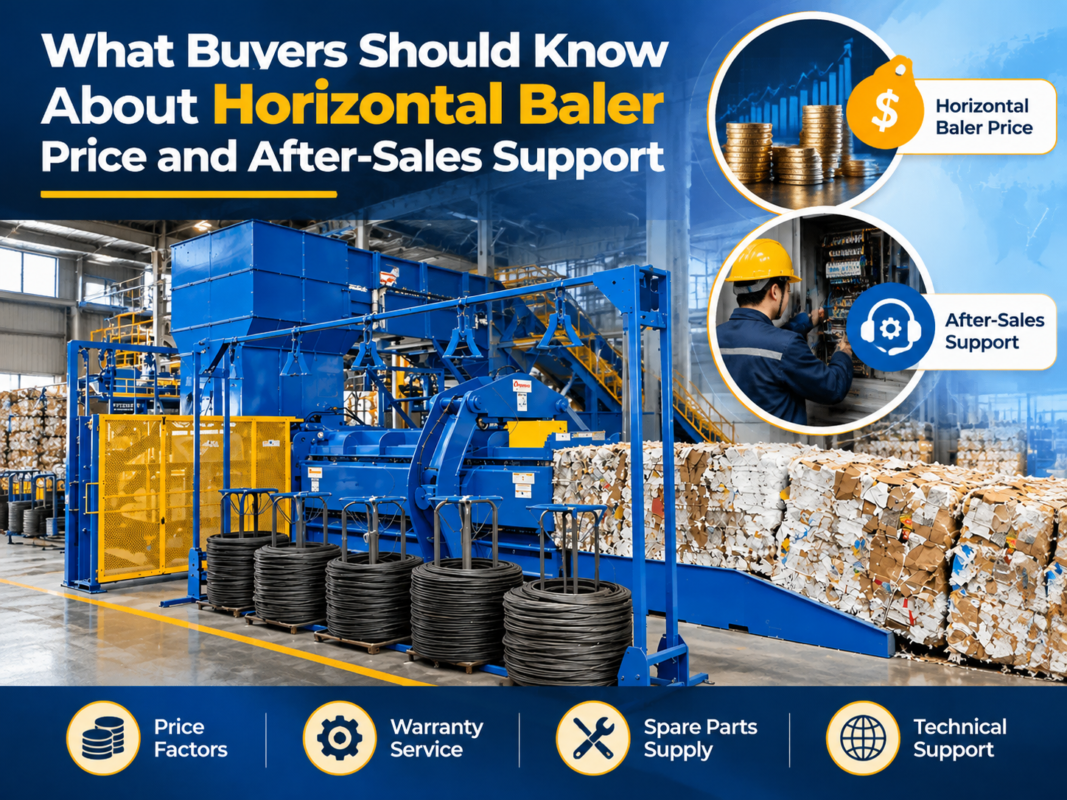
For new machines, evaluate the manufacturer’s support network. Does the company offer remote diagnostics? Are spare parts readily available? A machine is only as good as the support behind it. Ensure that the manufacturer provides comprehensive training for your operators, as improper use is the leading cause of premature machine failure.
Finally, look for long-term scalability. If your business is growing, consider a machine that can handle a 20-30% increase in volume. It is often more cost-effective to buy a slightly larger machine now than to replace an undersized one in three years. Always prioritize safety and compliance, as these are non-negotiable in a modern industrial environment.
FAQ: Frequently Asked Questions
- Q: Is it better to buy a new or used horizontal baler?
A: It depends on your budget and volume. New machines offer reliability and warranties, while used machines offer lower upfront costs but higher maintenance risks. - Q: How often does a horizontal baler need maintenance?
A: Routine maintenance should be performed every 500 to 1,000 operating hours, including oil checks, filter changes, and structural inspections. - Q: Can a horizontal baler handle all types of metal?
A: Most balers are designed for specific materials. Always verify the machine’s specifications against the hardness and thickness of your scrap metal. - Q: What is the average lifespan of a horizontal baler?
A: With proper maintenance, a high-quality industrial horizontal baler can last 15 to 20 years or more. - Q: Do I need special training to operate a horizontal baler?
A: Yes, operators should be trained on safety protocols, emergency stop procedures, and basic troubleshooting to ensure safe and efficient operation.