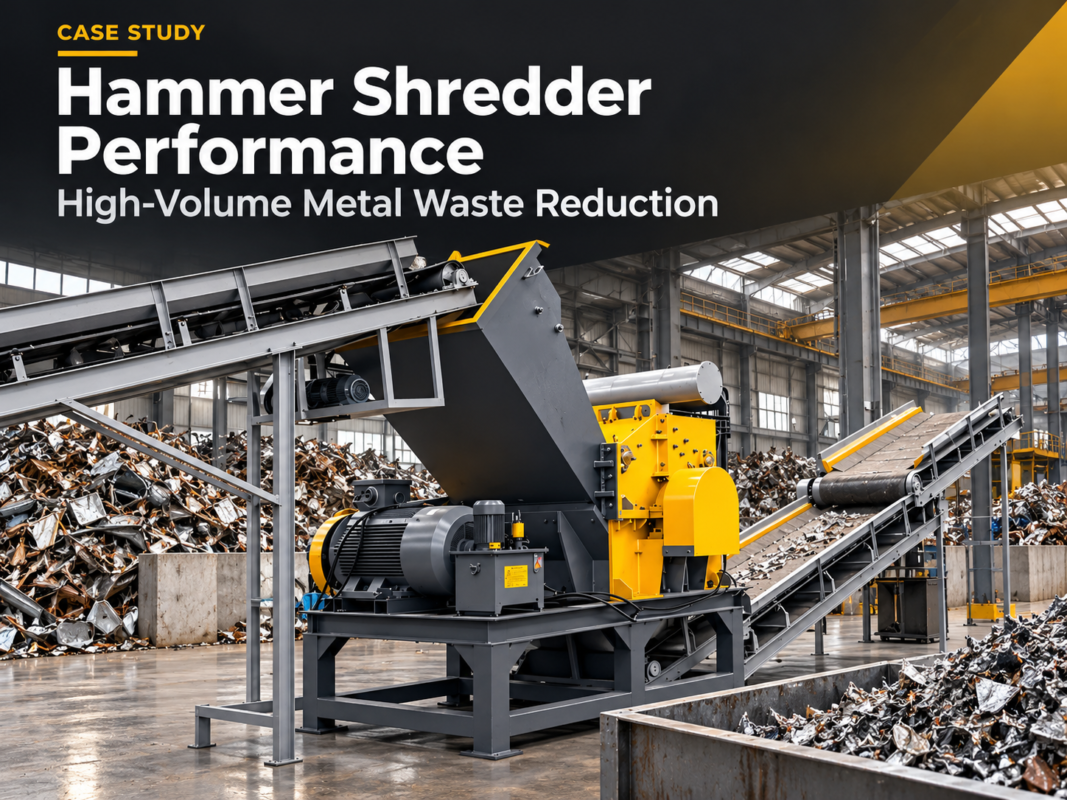
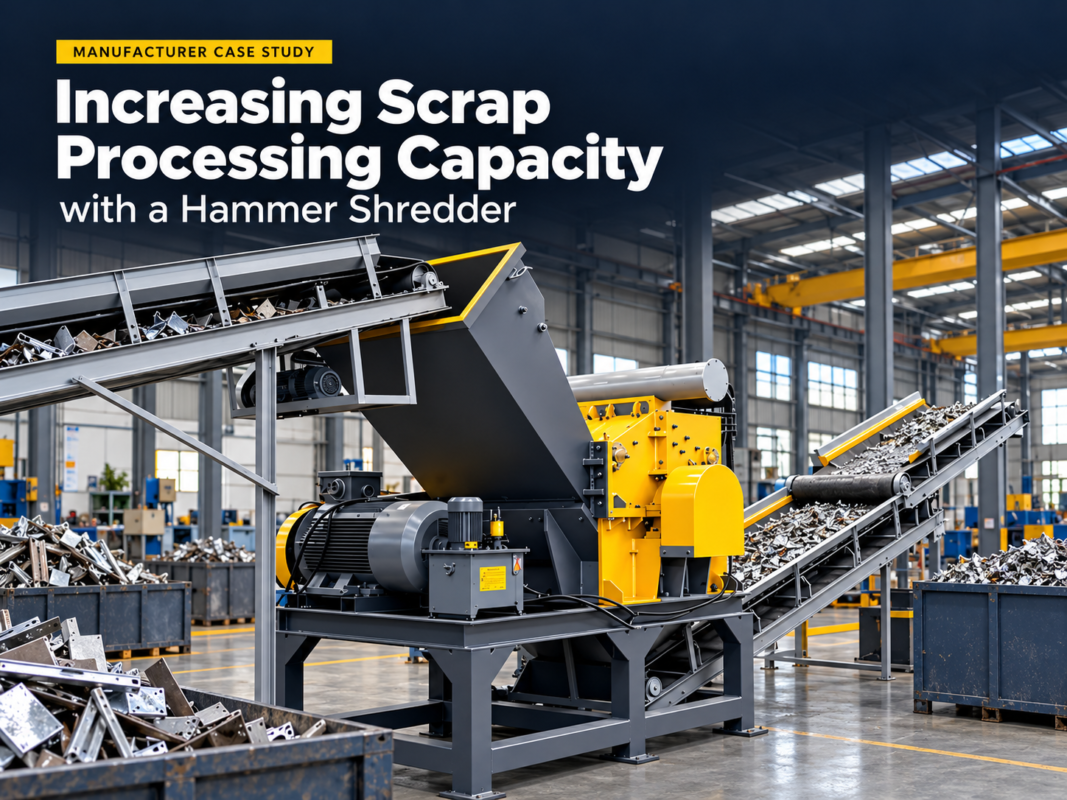
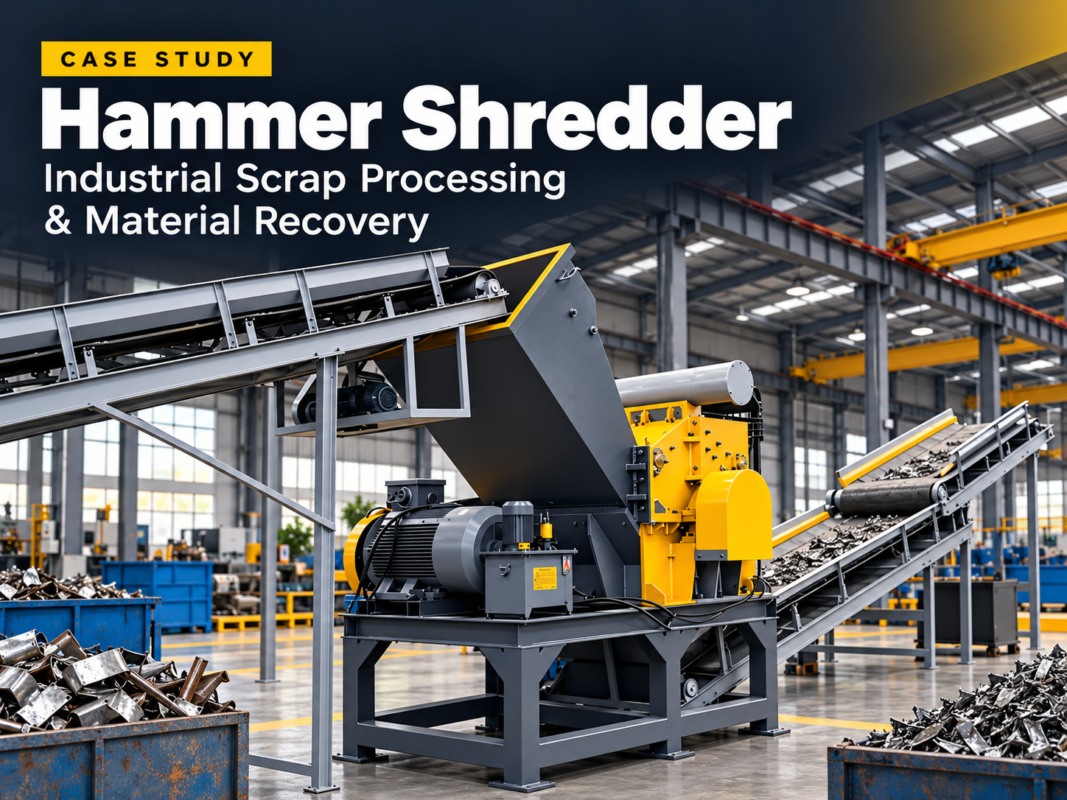
Hammer Shredder Bearing Failure: Symptoms, Causes, and Repair Tips


Introduction to Hammer Shredder Bearing Integrity
In the demanding world of metal fabrication and recycling, the hammer shredder stands as a cornerstone of productivity. These robust machines are designed to reduce scrap metal, automotive parts, and industrial waste into manageable sizes. However, the sheer force required for these operations places immense stress on the internal components, most notably the main rotor bearings. Understanding Hammer Shredder Bearing Failure: Symptoms, Causes, and Repair Tips is essential for any facility manager or maintenance technician looking to minimize downtime and maximize operational efficiency.
Bearings are the silent workhorses of the hammer shredder. They support the massive rotor assembly, allowing it to spin at high velocities while absorbing the shock loads generated by the impact of hammers against scrap metal. When these bearings begin to fail, the entire machine’s performance is compromised. Early detection is not just a maintenance preference; it is a financial necessity to prevent catastrophic failure that could lead to expensive rotor damage or prolonged production halts.
At HARSLE, we emphasize that proactive maintenance is the hallmark of a successful metal fabrication operation. By recognizing the subtle signs of wear and understanding the root causes of degradation, operators can transition from reactive, emergency-based repairs to a predictive maintenance model. This article provides a comprehensive deep dive into the technical aspects of bearing health, offering actionable advice to keep your shredding equipment running at peak performance.
Symptoms of Hammer Shredder Bearing Failure
The first line of defense against bearing failure is the ability to identify symptoms before they escalate into total mechanical breakdown. One of the most common indicators is an abnormal increase in operating temperature. Using infrared thermal imaging or contact thermometers, maintenance teams should regularly monitor the bearing housing. A bearing that runs consistently hotter than its historical baseline is often experiencing excessive friction, likely due to lubrication breakdown or internal fatigue.
Audible cues are equally critical. A healthy hammer shredder produces a consistent, rhythmic hum. When a bearing begins to fail, this sound profile changes. Listen for high-pitched whining, grinding, or metallic clicking noises. These sounds often indicate that the rolling elements—the balls or rollers—have developed pits, spalls, or flat spots. If the noise is accompanied by a rhythmic thumping, it may suggest that the bearing race has become loose within the housing or that the shaft itself is vibrating due to internal clearance issues.
Vibration analysis is perhaps the most precise diagnostic tool available. Modern industrial facilities utilize vibration sensors to track the velocity and acceleration of the rotor assembly. An increase in vibration levels, particularly in the high-frequency range, is a classic symptom of bearing race damage. If the vibration is localized to the bearing housing, it is a clear signal that the internal geometry of the bearing has been compromised and requires immediate inspection.
Finally, visual inspection of the lubricant and the surrounding area can reveal hidden issues. If you notice metallic flakes or debris in the grease during a routine lubrication cycle, this is a definitive sign of metal-on-metal contact. Furthermore, if the bearing seals are leaking grease or if the grease has turned a dark, burnt color, the bearing is likely operating under extreme thermal stress. Ignoring these visual cues often leads to a rapid, catastrophic failure that can damage the bearing housing and the rotor shaft itself.
Root Causes of Bearing Failure in Shredding Equipment
Understanding why bearings fail is just as important as knowing the symptoms. The most frequent culprit is improper lubrication. Bearings in a hammer shredder require specific types of high-pressure, high-temperature grease. If the grease is contaminated with dust, metal fines, or moisture, it loses its ability to form a protective film between the rolling elements and the races. Over-greasing can also be detrimental, as it causes the bearing to churn the lubricant, leading to excessive heat buildup and seal damage.
Operational overload is another primary cause. Hammer shredders are rated for specific capacities and material types. When operators attempt to process material that is too thick, too hard, or too large for the shredder’s design, the shock loads are transmitted directly through the rotor to the bearings. These impact forces can exceed the dynamic load rating of the bearing, leading to premature spalling and fatigue. Consistent overloading will inevitably shorten the lifespan of even the highest-quality bearings.
Misalignment is a silent killer of industrial bearings. If the rotor shaft is not perfectly aligned with the drive motor or if the bearing housings are not mounted on a perfectly level and rigid frame, the bearing will be subjected to uneven loading. This causes the load to be concentrated on one side of the bearing, leading to rapid wear and eventual failure. Ensuring that the foundation of the hammer shredder is solid and that the drive components are precision-aligned is vital for long-term reliability.
Environmental factors also play a significant role. Hammer shredders often operate in harsh environments where dust, grit, and corrosive substances are prevalent. If the seals are not maintained or if the housing is not properly shielded, these contaminants will infiltrate the bearing assembly. Once inside, these particles act as an abrasive, grinding down the precision-engineered surfaces of the bearing. Regular inspection of seals and the use of high-quality, dust-proof housing designs are essential for mitigating these environmental risks.
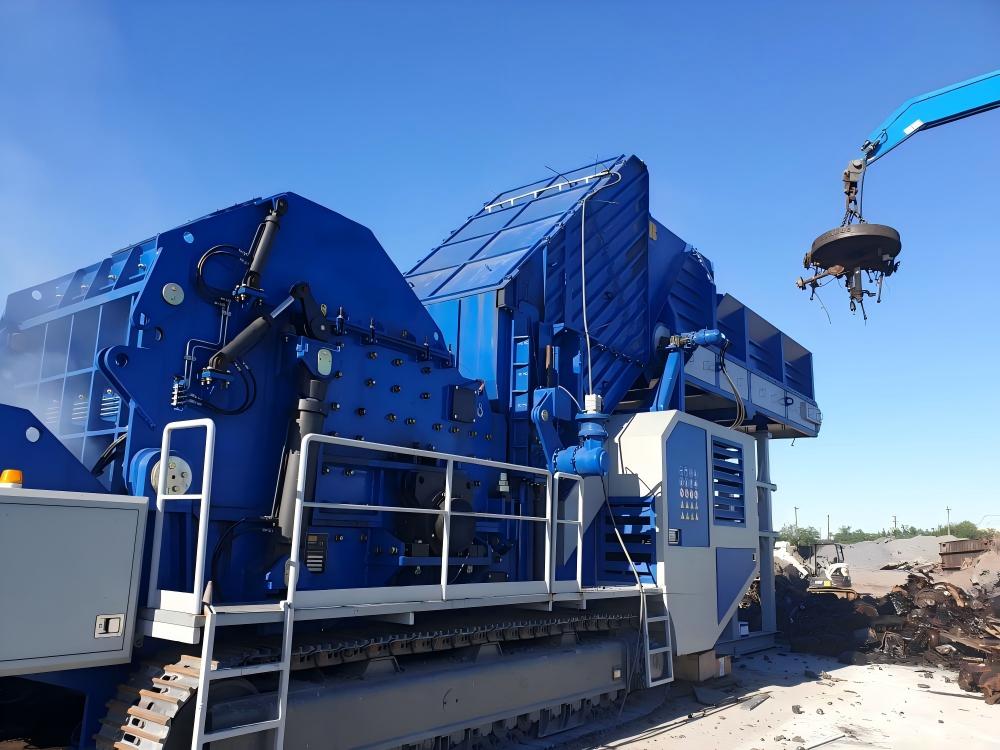
Technical Details and Repair Tips
When a bearing failure is confirmed, the repair process must be methodical. The first step is to safely lock out and tag out (LOTO) the machine. Once the power is disconnected, the rotor assembly must be accessed. This often involves removing the heavy-duty housing covers. It is critical to use proper lifting equipment, as the components of a hammer shredder are extremely heavy and pose significant safety risks if handled incorrectly.
Removing the damaged bearing requires specialized tools, such as hydraulic pullers or induction heaters. Never use a hammer or torch to remove a bearing, as this can damage the shaft or the housing. Once the bearing is removed, the shaft must be inspected for signs of scoring or wear. If the shaft is damaged, it may need to be machined or replaced to ensure the new bearing fits with the correct tolerance. A loose fit will cause the inner ring to spin on the shaft, leading to rapid failure of the new component.
When installing the new bearing, cleanliness is paramount. Even a microscopic piece of grit can lead to premature failure. Ensure that the workspace is clean and that the new bearing is kept in its original packaging until the moment of installation. Use an induction heater to expand the inner ring of the bearing before sliding it onto the shaft. This allows for a smooth, interference-fit installation without the need for excessive force. Always verify the clearance specifications provided by the manufacturer to ensure the bearing is seated correctly.
Post-installation, the machine must be properly lubricated. Use the exact grade of grease specified by the manufacturer and follow the recommended volume. After the initial start-up, run the machine at a low speed for a short period to allow the grease to distribute evenly. Monitor the temperature and vibration levels closely during the first few hours of operation. If everything remains within the normal range, the machine can be returned to full production capacity.
Selection Advice for Replacement Bearings
Choosing the right replacement bearing is as important as the repair process itself. Not all bearings are created equal, and for heavy-duty hammer shredders, you must select components designed for high-impact, high-load applications. Look for bearings with high dynamic load ratings and robust cage designs that can withstand the shock loads inherent in metal shredding. Spherical roller bearings are commonly used in these applications due to their ability to handle misalignment and heavy radial loads.
Consider the seal type carefully. In a metal shredding environment, contact seals or labyrinth seals are often necessary to prevent the ingress of dust and debris. If your shredder operates in a particularly dirty environment, consider an upgraded sealing solution that offers better protection than the standard factory-installed seals. While these may be more expensive, the cost is easily justified by the extended service life and reduced maintenance frequency.
Always source bearings from reputable manufacturers. Counterfeit or low-quality bearings are a major issue in the industrial sector. These components may look identical to genuine parts but are made from inferior steel and lack the precision engineering required for high-speed, high-load applications. Purchasing through authorized distributors or directly from the original equipment manufacturer (OEM) ensures that you receive genuine parts that meet the necessary specifications for your HARSLE machinery.
Finally, keep a record of your bearing replacements. Tracking the service life of each bearing helps you identify patterns. If you find that you are replacing bearings more frequently than expected, it may be time to re-evaluate your lubrication schedule, your operational practices, or the type of bearing you are using. Maintaining a detailed maintenance log is a powerful tool for continuous improvement in your metal fabrication facility.
Frequently Asked Questions (FAQ)
- How often should I lubricate the bearings on my hammer shredder? Lubrication intervals depend on the machine’s usage, environment, and the manufacturer’s recommendations. Generally, high-load shredders require more frequent lubrication than lighter-duty equipment. Always follow the maintenance schedule in your HARSLE user manual.
- Can I use a standard multi-purpose grease for my shredder bearings? No. Hammer shredders require specialized high-pressure, high-temperature grease. Using the wrong grease can lead to rapid thermal breakdown and bearing failure.
- What is the most common sign that a bearing is about to fail? An increase in operating temperature and a change in the machine’s noise profile are the most common early warning signs.
- Is it necessary to replace the bearing housing when replacing the bearing? Not always, but the housing should be thoroughly inspected for cracks, wear, or distortion. If the housing is damaged, it will prevent the new bearing from seating correctly and will lead to premature failure.
- How can I prevent bearing failure caused by shock loads? Ensure that you are not exceeding the shredder’s rated capacity and that the material being fed into the machine is within the specified size and hardness limits.
Conclusion
Hammer shredder bearing failure is a significant challenge, but it is one that can be effectively managed through knowledge and proactive maintenance. By paying close attention to the symptoms—such as temperature spikes, abnormal noises, and increased vibration—you can catch issues before they lead to costly downtime. Understanding the root causes, including lubrication errors, operational overload, and misalignment, allows you to adjust your maintenance practices to extend the life of your equipment.
At HARSLE, we are committed to providing not only the highest quality metal fabrication equipment but also the expertise to keep that equipment running at its best. Proper repair techniques, the selection of high-quality replacement parts, and a disciplined approach to maintenance are the keys to long-term success in the metal recycling and fabrication industry. By following the guidelines outlined in this article, you can ensure that your hammer shredder remains a reliable and productive asset for years to come.