What Is the Average Price of a Container Shear Machine? A Comprehensive Buyer’s Guide

Price Range Overview: Understanding the Market
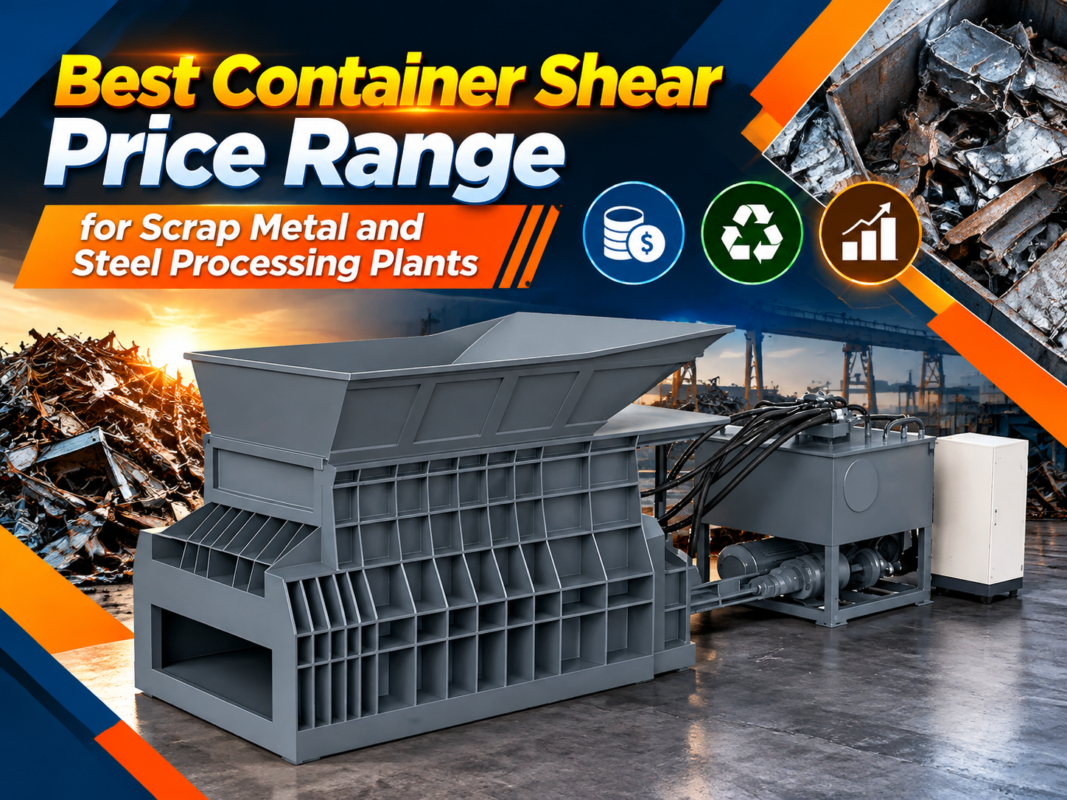
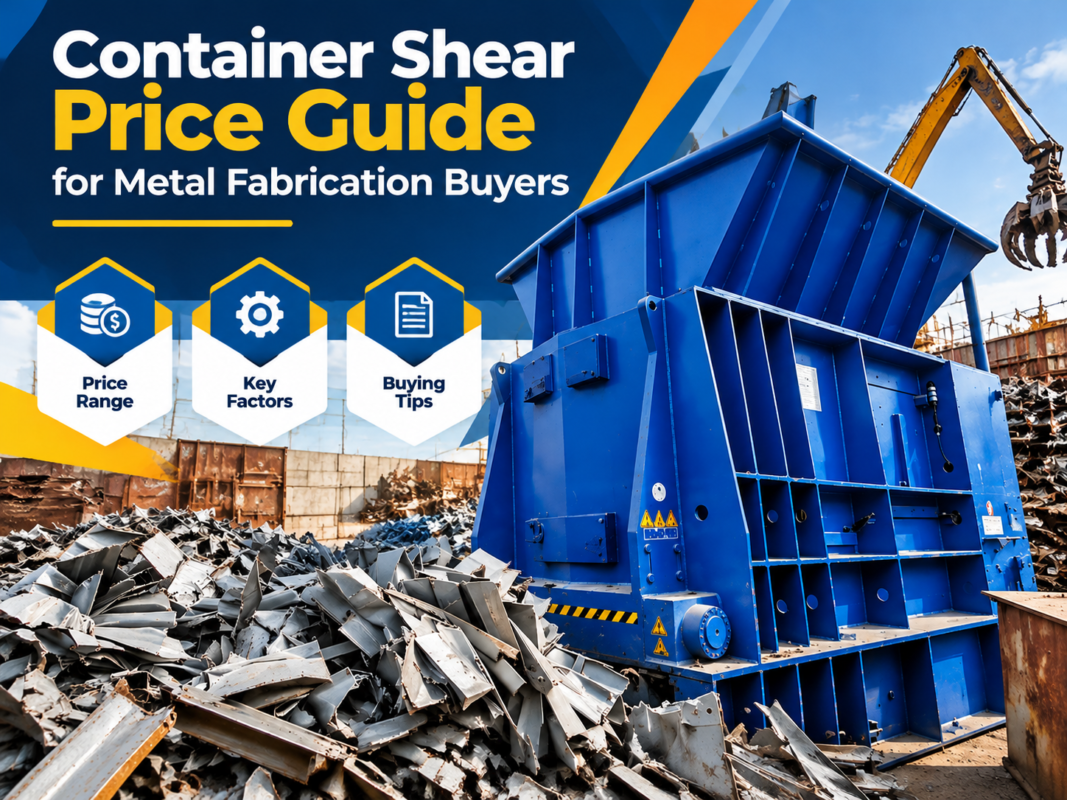
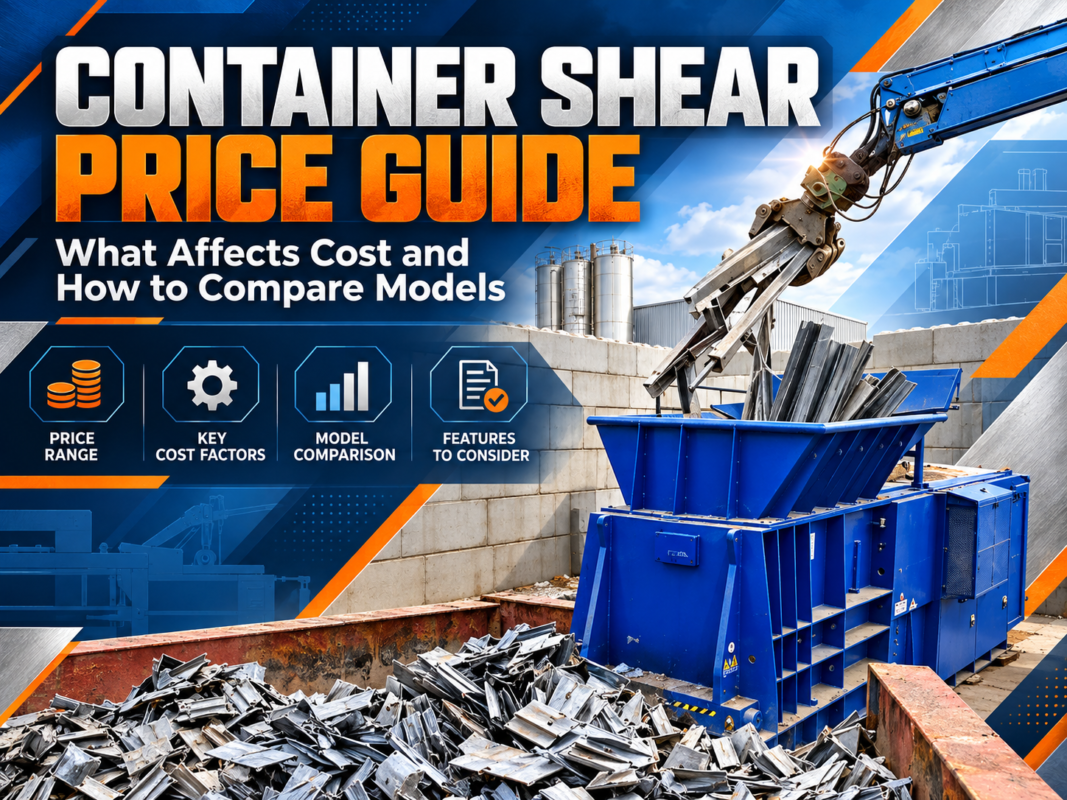
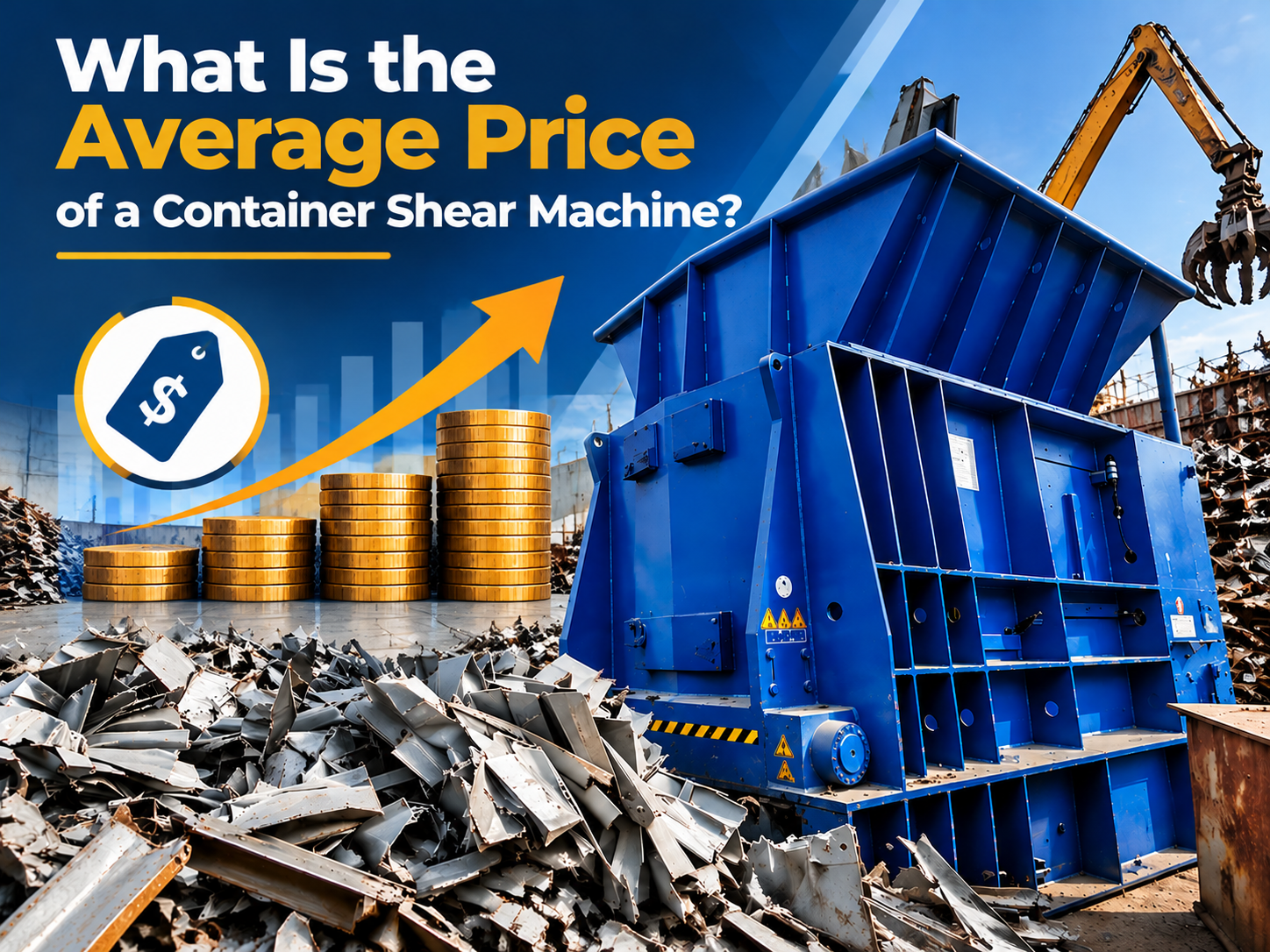
When businesses begin researching heavy-duty scrap processing equipment, the question “What is the average price of a container shear machine?” is often the first point of inquiry. Because these machines are highly specialized industrial assets, there is no single “sticker price.” Generally, the market for container shears ranges from $80,000 for entry-level, smaller-capacity units to upwards of $350,000 for high-performance, fully automated industrial systems. Understanding this spectrum is vital for budgeting and operational planning.
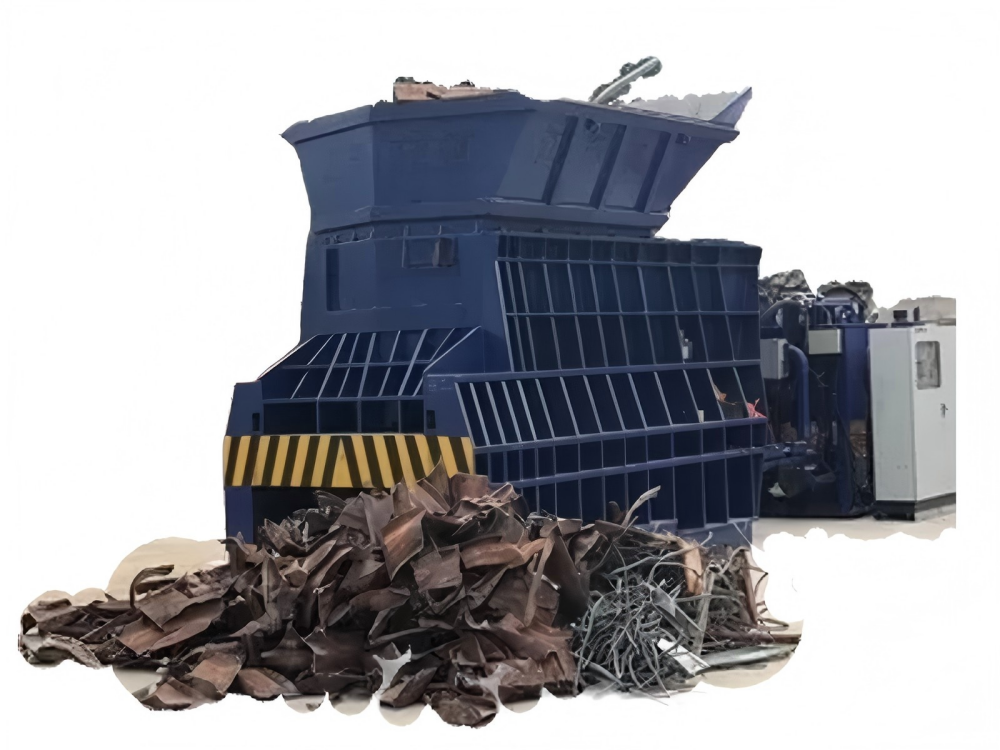
The price variance is largely dictated by the machine’s shearing force, throughput capacity, and the level of automation integrated into the system. A container shear is essentially a mobile or semi-mobile scrap processing powerhouse designed to fit within standard shipping dimensions, allowing for easier transport between job sites. Because they combine the functionality of a heavy-duty shear with the convenience of a containerized design, they command a premium compared to stationary alligator shears or smaller hydraulic cutters.
For small to mid-sized scrap yards, a machine in the $100,000 to $150,000 range often provides the best balance of power and affordability. These units are typically capable of handling standard light-to-medium gauge steel, pipes, and profiles. As you move into the $200,000+ bracket, you are paying for increased structural integrity, higher-grade hydraulic components, and advanced PLC control systems that allow for continuous, high-volume operation without overheating or mechanical fatigue.
It is also important to note that the “average price” is a moving target influenced by global steel prices, the cost of hydraulic components, and the origin of manufacturing. HARSLE, as a leading manufacturer, focuses on providing high-value engineering that bridges the gap between budget-friendly options and premium-tier machinery. When evaluating quotes, always ensure that the price includes the necessary safety guarding, initial hydraulic fluid fills, and basic operator training, as these can significantly alter the total cost of ownership.
Main Cost Drivers: Why Prices Vary
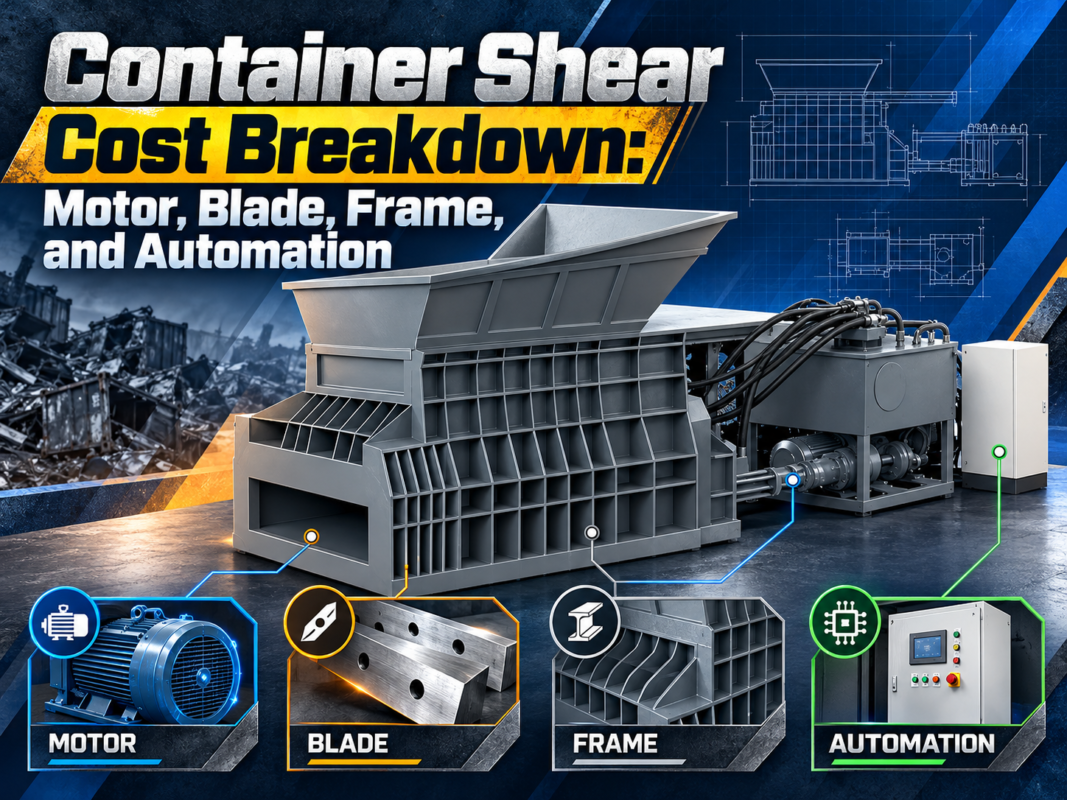
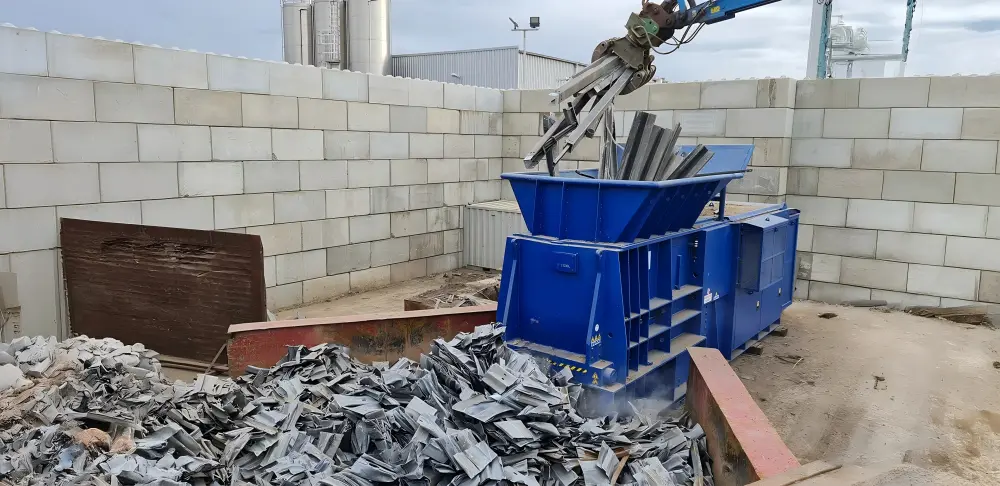
The primary driver behind the cost of a container shear is the shearing force, measured in tons. A machine capable of exerting 600 tons of force will naturally cost significantly more than a 300-ton model. This force is generated by high-pressure hydraulic cylinders, which are the most expensive individual components in the machine. The quality of the steel used in the shear blades and the frame also plays a critical role; high-carbon, wear-resistant alloys are necessary to prevent premature blade dulling and structural deformation under stress.
Another significant cost driver is the power unit. Whether the machine is powered by a diesel engine or an electric motor, the capacity and brand of the engine/motor will impact the price. Diesel-powered units are often more expensive due to the complexity of the engine and the need for fuel management systems, but they offer the advantage of portability in remote locations where grid power is unavailable. Electric models are generally more cost-effective to operate over the long term but require a stable, high-voltage power supply.
The hydraulic system architecture is the “heart” of the machine. Premium container shears utilize sophisticated valve blocks and variable displacement pumps that optimize energy consumption. Cheaper models might use simpler, less efficient hydraulic circuits that generate more heat and consume more electricity. Investing in a machine with a high-efficiency hydraulic system may increase the initial purchase price, but it drastically reduces the monthly operational costs, which is a critical factor in the total cost of ownership.
Finally, the build quality of the container housing itself cannot be overlooked. Since the machine is designed to be moved, the structural integrity of the container frame must be sufficient to withstand the vibrations and forces of the shearing process. Reinforced steel plating, high-quality welding, and weather-resistant coatings all add to the manufacturing cost. A machine that is built to last for decades in harsh outdoor environments will always be priced higher than a unit designed for light, intermittent use.
Configuration Impact: Customization and Features
When asking “Is average price of a container shear machine?” one must consider how specific configurations change the quote. Customization is common in the scrap industry. For instance, adding a remote control system allows the operator to control the shear from a safe distance, increasing productivity and safety. This feature, while seemingly simple, requires additional electronic integration and safety interlocks, which adds to the final price tag.
Another major configuration factor is the feed system. Some container shears come with a simple manual loading hopper, while others feature automated conveyor systems or side-compression wings. Side-compression wings are particularly valuable for processing bulky scrap, as they pre-compress the material into a dense bale before it enters the shear throat. This significantly increases throughput but adds complexity to the hydraulic and mechanical design, thereby increasing the investment cost.
The control interface is another area where costs diverge. Basic machines may feature manual lever controls, which are robust and easy to repair but require a skilled operator to maximize efficiency. Advanced models feature PLC (Programmable Logic Controller) systems with touch-screen interfaces. These systems allow for pre-programmed cutting cycles, automated fault diagnostics, and remote monitoring capabilities. While these features increase the initial price, they often pay for themselves by reducing operator error and downtime.
Finally, consider the blade geometry and the cutting throat size. A wider throat allows for larger pieces of scrap to be processed without pre-cutting, which is a massive time-saver. However, a wider throat requires a larger, more robust frame and more powerful cylinders to maintain the necessary shearing force. When selecting a configuration, it is essential to match the machine’s capabilities to your specific scrap stream—buying more machine than you need is a waste of capital, but buying too little will lead to bottlenecks and premature machine failure.
Hidden Costs: Beyond the Sticker Price
When calculating the budget for a container shear, many buyers fall into the trap of only considering the purchase price. However, the total cost of ownership includes several hidden expenses that must be accounted for. Shipping and logistics are the first of these. Because these machines are large and heavy, transporting them to your facility can cost thousands of dollars, depending on the distance and the need for specialized heavy-haul transport equipment.
Installation and commissioning are also significant. While some machines are “plug-and-play,” most industrial container shears require professional installation, including leveling the foundation, connecting high-voltage power, and filling the hydraulic reservoir with high-grade oil. If your facility does not have the necessary electrical infrastructure, you may need to hire an electrician to upgrade your panel or install a transformer, which can be a substantial unexpected expense.
Maintenance and consumables are the ongoing hidden costs. Shear blades are wear items; they will eventually need to be sharpened or replaced. Depending on the type of scrap you process, you may go through blades faster than anticipated. Additionally, hydraulic filters, seals, and hoses require regular replacement to prevent catastrophic leaks. It is advisable to set aside 5-10% of the machine’s purchase price annually for maintenance and spare parts to ensure the machine remains operational.
Training and labor costs should also be factored in. Operating a container shear safely requires trained personnel. If you do not have experienced operators on staff, you will need to invest in training programs. Furthermore, insurance premiums for your facility may increase when you add heavy industrial machinery, and you may need to invest in additional safety equipment, such as perimeter fencing, warning signage, and personal protective equipment (PPE) for your workers.
ROI Calculation: Making the Investment Count
To determine if the investment in a container shear is justified, you must perform a Return on Investment (ROI) calculation. Start by estimating the increase in the value of your scrap. Processed scrap (sheared to specific dimensions) almost always commands a higher price from steel mills and foundries than raw, unprocessed scrap. By reducing the volume of your scrap and increasing its density, you also save significantly on transportation costs, as you can fit more weight into each truckload.
Next, calculate the labor savings. Manual cutting with torches is slow, labor-intensive, and dangerous. A container shear can process in minutes what might take a team of workers hours to cut with torches. By automating the process, you reduce your reliance on skilled labor for cutting tasks and minimize the risk of workplace injuries, which can lead to lower workers’ compensation insurance premiums and higher overall productivity.
Consider the throughput capacity. If your current processing speed is limiting your ability to take on more scrap, a container shear will remove that bottleneck, allowing you to scale your business. Calculate the potential revenue increase from the additional volume you can process per day. When you compare this increased revenue against the monthly financing costs and the operational expenses (electricity, maintenance, labor), you will get a clear picture of the payback period.
Finally, factor in the residual value of the machine. High-quality container shears, such as those manufactured by HARSLE, hold their value well. Even after five or ten years of service, a well-maintained machine can be sold on the secondary market for a significant portion of its original price. When you subtract this potential resale value from the total cost of ownership, the net cost of the machine over its lifespan is often much lower than it appears at first glance.
Buying Advice: How to Choose the Right Machine
Choosing the right container shear is a strategic decision. First, conduct a thorough audit of your scrap stream. Are you primarily processing light sheet metal, or are you dealing with heavy structural beams and thick plates? The answer to this will dictate the shearing force and throat size you require. Do not over-specify, but ensure the machine has a 20% buffer above your maximum expected load to prevent constant strain on the hydraulic system.
Second, prioritize build quality and support. A cheap machine that breaks down every week is more expensive than a premium machine that runs reliably for years. Look for manufacturers that offer comprehensive warranties, readily available spare parts, and responsive technical support. HARSLE prides itself on providing robust machinery backed by a global support network, ensuring that your investment is protected long after the initial sale.
Third, consider the ease of maintenance. Ask the manufacturer for a maintenance manual before you buy. Is it easy to access the hydraulic pump? Are the blades easy to change? A machine that is difficult to maintain will be neglected, leading to premature failure. Look for features like centralized lubrication points and easy-access panels that simplify the daily and weekly maintenance routines.
Finally, always request a live demonstration or visit a site where the machine is currently in operation. Seeing the machine process the type of scrap you handle will give you a much better understanding of its performance than any brochure or specification sheet. Ask the operator about their experience with the machine—what they like, what they find difficult, and how the machine has held up over time. This “real-world” feedback is invaluable when making a final decision.
FAQ: Frequently Asked Questions
- What is the average price of a container shear machine? As discussed, prices typically range from $80,000 to $350,000 depending on force, automation, and build quality.
- How long does a container shear last? With proper maintenance, a high-quality container shear can last 15 to 20 years or more in a standard industrial environment.
- Can I use a container shear for all types of metal? While they are designed for steel and iron, you must ensure the material thickness and hardness do not exceed the machine’s rated shearing capacity.
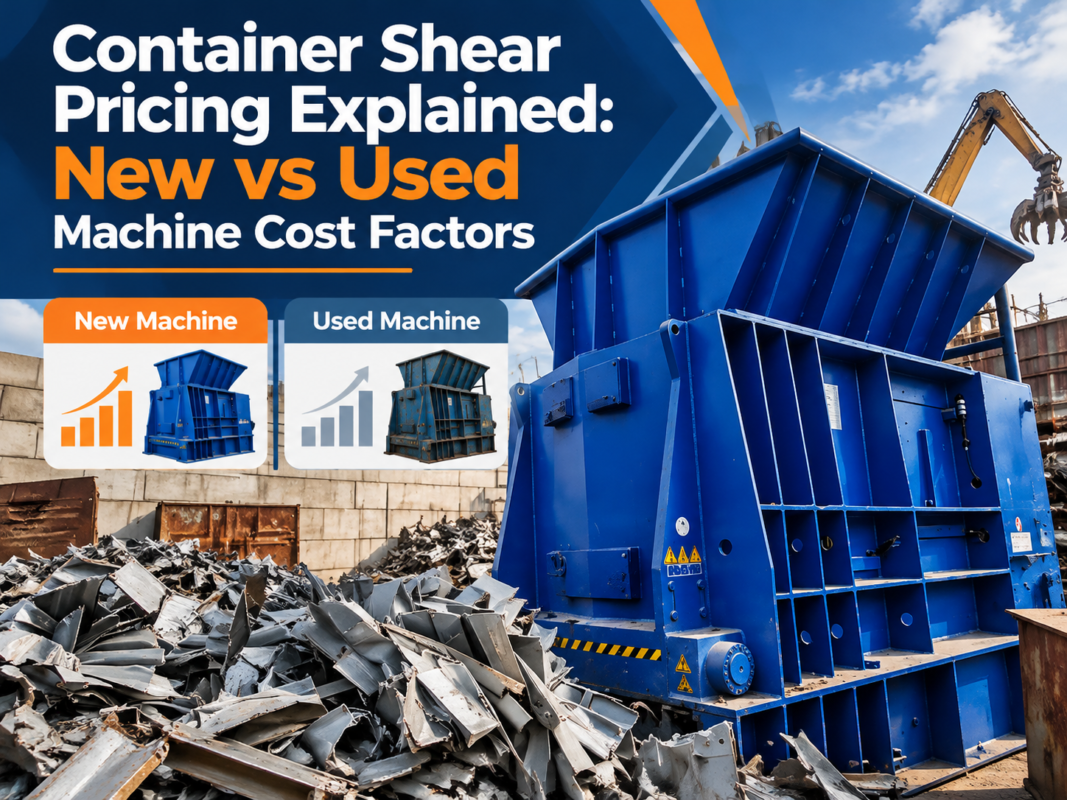
- Is it better to buy new or used? New machines offer warranties and the latest technology, while used machines offer lower upfront costs but carry the risk of hidden mechanical issues.
- What kind of power supply do I need? Most industrial container shears require a 3-phase electrical connection, though diesel-powered options are available for remote sites.
- How often do I need to sharpen the blades? This depends on the volume and type of scrap; however, regular inspection is recommended every 100-200 hours of operation.