Scrap Metal Baler Case Study: Faster Processing for Mixed Steel Scrap

Introduction: The Challenge of Mixed Steel Scrap
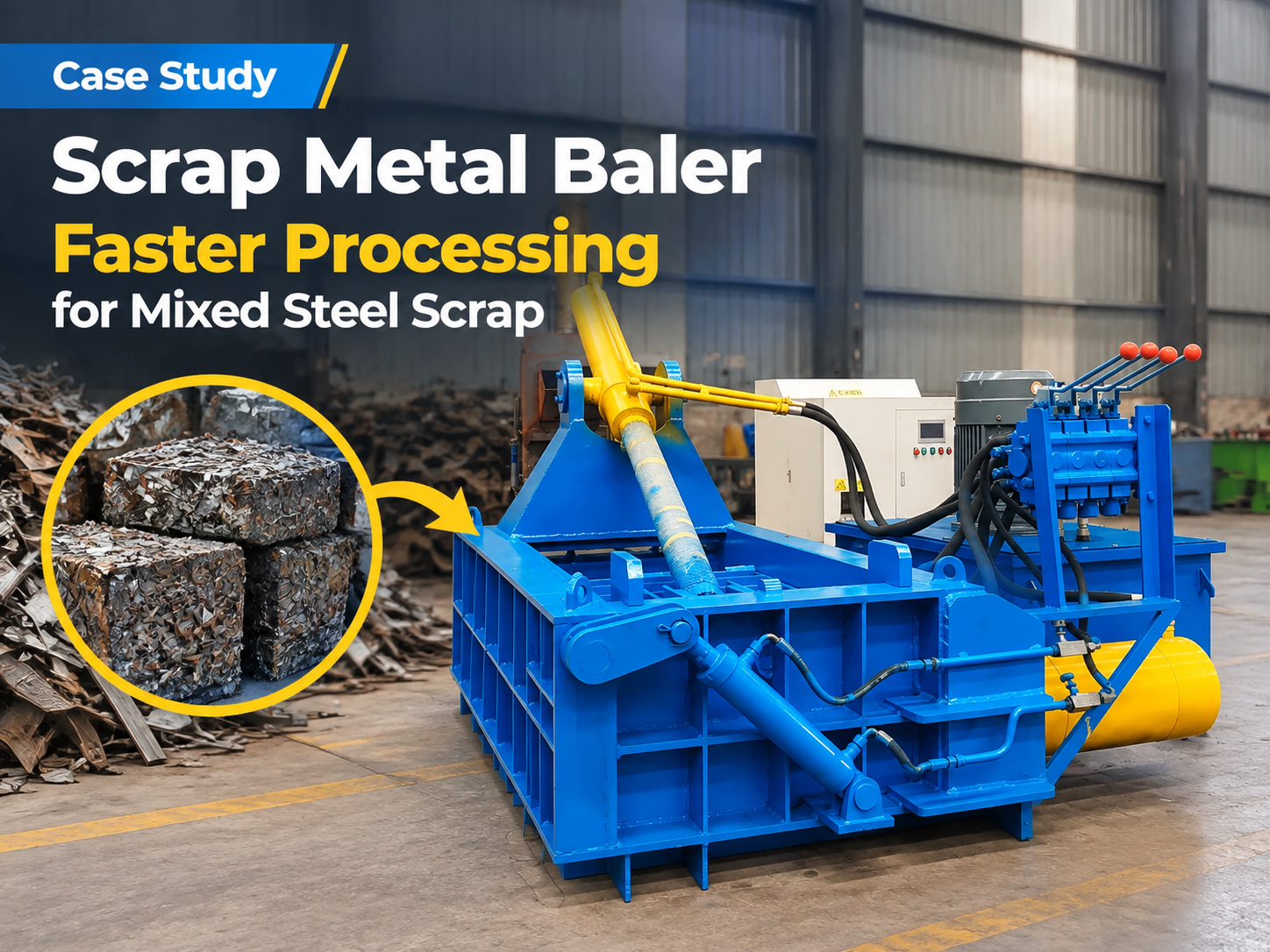
In the modern metal fabrication and recycling industry, the volume of waste generated is often as significant as the production output itself. For many scrap yards and manufacturing facilities, the primary bottleneck is not the collection of scrap, but the processing speed required to turn bulky, mixed steel waste into manageable, high-density bales. This Scrap Metal Baler Case Study: Faster Processing for Mixed Steel Scrap explores how HARSLE’s advanced hydraulic systems transformed a mid-sized recycling operation into a high-efficiency powerhouse.
Mixed steel scrap presents a unique set of challenges. Unlike homogenous aluminum or copper streams, mixed steel often contains varying gauges, shapes, and densities. This inconsistency can lead to frequent machine jams, excessive energy consumption, and slow cycle times in traditional baling equipment. When a facility struggles with these variables, the cost of logistics—specifically transportation and storage—skyrockets, directly impacting the bottom line.
HARSLE was approached by a regional metal processor facing exactly these issues. Their existing equipment was aging, prone to hydraulic leaks, and incapable of handling the throughput required by their growing client base. The goal was clear: implement a robust, automated solution that could handle diverse steel scrap while significantly reducing the time-per-bale ratio. This article details the technical journey, the selection process, and the operational results achieved through the integration of HARSLE’s industrial-grade baling technology.
By analyzing this Scrap Metal Baler Case Study: Faster Processing for Mixed Steel Scrap, readers will gain insights into how modern hydraulic engineering solves real-world industrial problems. We will examine the specific technical requirements for processing mixed steel, the importance of structural integrity in baling chambers, and the long-term economic benefits of investing in high-performance metal fabrication equipment.
Key Considerations for High-Volume Scrap Processing
When evaluating the efficiency of a scrap metal baler, the first consideration must be the material composition. Mixed steel scrap is notoriously abrasive and unpredictable. A baler that works perfectly for thin-gauge sheet metal may fail when introduced to heavy structural steel or thick-walled pipes. Therefore, the structural design of the baler’s chamber and the force of the hydraulic rams are the most critical factors in ensuring consistent performance.
Another key consideration is the cycle time. In a high-volume environment, every second counts. If a baler takes 90 seconds to complete a cycle, but the operator can feed the machine in 45 seconds, the machine becomes the bottleneck. HARSLE’s approach focuses on optimizing the hydraulic flow and valve response times to ensure that the compression cycle is as rapid as possible without compromising the structural integrity of the bale or the machine itself.
Energy efficiency is the third pillar of modern scrap processing. With rising electricity costs, a baler that consumes excessive power during idle or compression phases can quickly erode profit margins. Modern HARSLE balers utilize variable frequency drives (VFDs) and smart hydraulic systems that adjust pressure based on the resistance of the material. This ensures that the machine only uses the energy required for the specific density of the scrap being processed.
Finally, safety and maintenance accessibility cannot be overlooked. Scrap yards are harsh environments. Equipment must be designed with heavy-duty wear plates that are easily replaceable, and the hydraulic systems must be protected from debris. In our case study, the client prioritized a machine that allowed for rapid maintenance interventions, minimizing downtime during peak operational hours. This focus on uptime is what separates a standard machine from a true industrial asset.
Technical Details: Engineering the HARSLE Solution
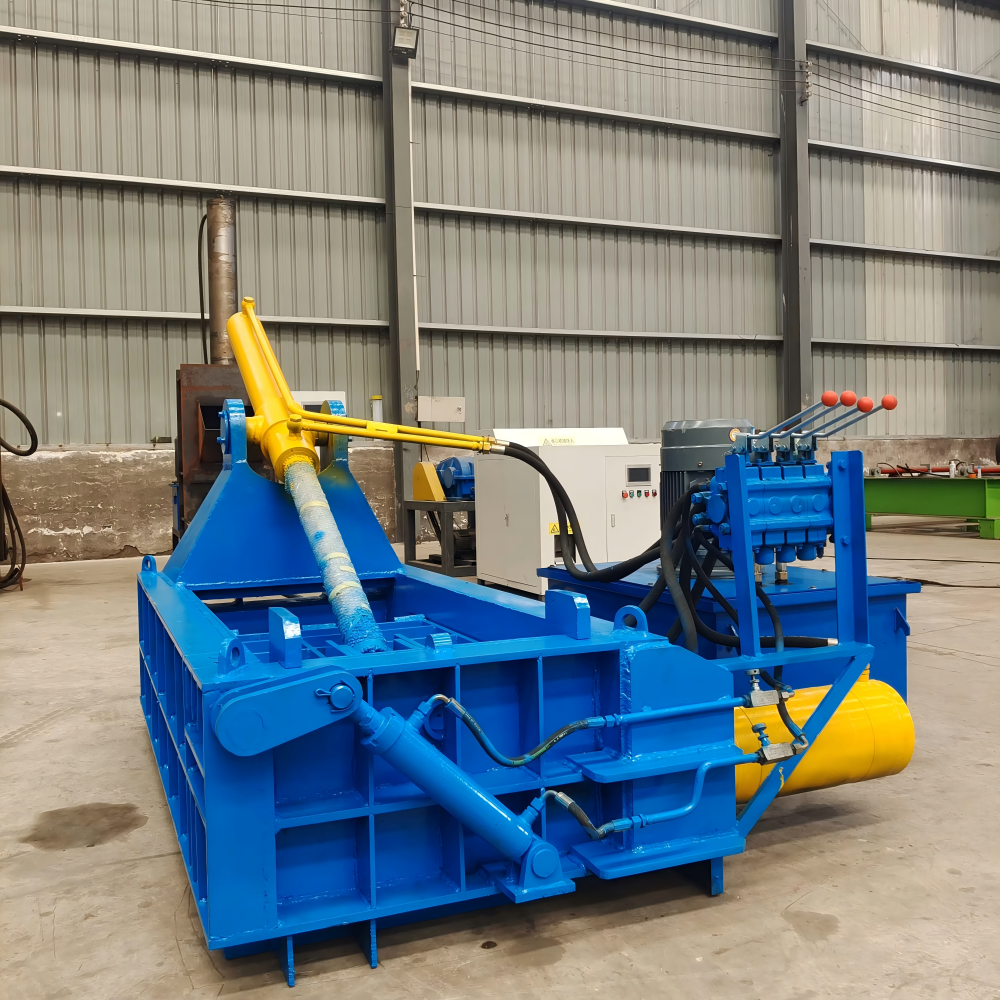
The core of the solution implemented in this Scrap Metal Baler Case Study: Faster Processing for Mixed Steel Scrap was the HARSLE heavy-duty hydraulic baler series. These machines are engineered with a multi-stage compression system designed specifically to handle the irregular shapes of mixed steel. By utilizing a three-ram configuration, the machine first compresses the material into a rough shape, then applies lateral and vertical pressure to lock the density in place.
The hydraulic system features high-pressure pumps capable of delivering up to 250 tons of force. This immense pressure is necessary to overcome the spring-back effect common in mixed steel scrap. The chamber is lined with Hardox wear-resistant steel plates, which significantly extend the lifespan of the machine when dealing with abrasive materials. This technical choice was vital for the client, as it reduced the frequency of internal chamber repairs by over 60% compared to their previous equipment.
Automation played a significant role in the speed increase. The HARSLE baler is equipped with a PLC (Programmable Logic Controller) system that monitors the density of the material in real-time. If the sensor detects that the bale has reached the desired density, the system automatically triggers the tying cycle. This removes the guesswork for the operator and ensures that every bale produced is uniform in size and weight, which is a major advantage when loading shipping containers or transport trucks.
Furthermore, the integration of a remote diagnostic system allowed HARSLE technicians to monitor the machine’s health from afar. By tracking hydraulic oil temperature, pressure fluctuations, and cycle counts, the system provides predictive maintenance alerts. This proactive approach ensures that minor issues are addressed before they escalate into major mechanical failures, keeping the production line moving at maximum capacity.
Selection Advice: Choosing the Right Baler for Your Yard
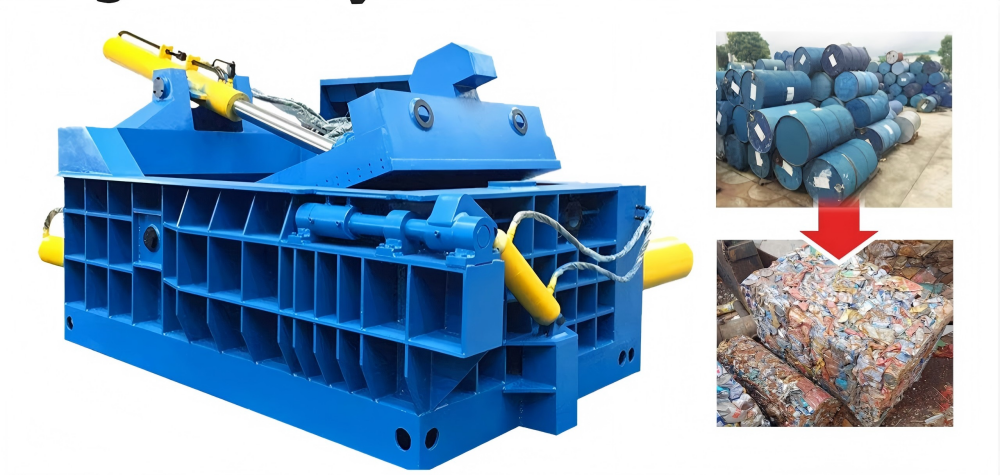
Selecting the right scrap metal baler is a significant capital investment that should be approached with a clear understanding of your facility’s specific needs. The first step in the selection process is conducting a thorough audit of your current material stream. Are you processing mostly light-gauge sheet metal, or is there a significant amount of heavy structural steel? The answer to this will dictate the required hydraulic force and the size of the feed opening.
Space constraints are another factor often overlooked. While a large, high-capacity baler may seem like the best choice, it must fit within your existing workflow. Consider the footprint of the machine, the space required for the loading conveyor, and the clearance needed for the bale ejection system. HARSLE offers modular configurations that can be tailored to fit into tight yard layouts without sacrificing performance.
The quality of the tying system is also paramount. For mixed steel, a manual tying system is often too slow and labor-intensive. We recommend an automatic wire-tying system that can handle the tension required for high-density steel bales. This not only speeds up the process but also improves the safety of the operators by keeping them away from the compression chamber during the tying phase.
Finally, consider the long-term support provided by the manufacturer. A baler is a long-term asset, and the availability of spare parts and technical support is just as important as the machine’s initial performance. HARSLE prides itself on providing comprehensive after-sales support, ensuring that our clients have access to the parts and expertise they need to keep their operations running smoothly for years to come.
FAQ: Common Questions About Scrap Metal Balers
How do I determine the required baling force for my scrap?
The required force depends on the material type and the desired bale density. For light scrap, a lower-force baler is sufficient, but for mixed steel and heavy scrap, you generally need a baler with at least 150-250 tons of force to ensure the material stays compressed during transport.
What is the average lifespan of a HARSLE scrap metal baler?
With proper maintenance and the use of high-quality wear plates, a HARSLE industrial baler can easily last 15 to 20 years. Regular oil changes, hydraulic system checks, and cleaning of the chamber are essential to reaching this lifespan.
Can a single baler handle both aluminum and steel?
Yes, but it requires careful management. While the machine can handle both, you must ensure that the chamber is cleaned between different material types to prevent contamination, which can significantly lower the value of your recycled metal.
How does automation improve the ROI of a baler?
Automation reduces labor costs, increases the consistency of bale density, and minimizes human error. By producing uniform, high-density bales, you can maximize the payload of your transport vehicles, leading to significant savings in logistics costs.
What maintenance is required for the hydraulic system?
The hydraulic system requires regular monitoring of oil levels, filter changes, and inspection of hoses for leaks. Using high-quality hydraulic fluid and keeping the system free of dust and debris are the most effective ways to prevent premature pump failure.
Conclusion: Maximizing Efficiency with HARSLE
The results of this Scrap Metal Baler Case Study: Faster Processing for Mixed Steel Scrap demonstrate that the right equipment, combined with a strategic approach to material handling, can transform a facility’s efficiency. By upgrading to a HARSLE hydraulic baler, the client was able to increase their daily throughput by 40% while simultaneously reducing their energy consumption and maintenance downtime. This is the power of investing in high-quality metal fabrication equipment.
For any scrap yard or metal processing facility, the goal should be to create a streamlined, automated, and safe environment. The challenges of mixed steel scrap are significant, but they are not insurmountable with the right technology. HARSLE remains committed to providing the industrial machinery necessary to meet these challenges head-on, ensuring that our clients remain competitive in an ever-evolving market.
If you are looking to optimize your scrap processing operations, we encourage you to evaluate your current workflow and consider the long-term benefits of a modern baling solution. Whether you are a small local yard or a large-scale industrial processor, HARSLE has the expertise and the equipment to help you achieve your production goals. Contact our team today to learn more about our range of scrap metal balers and how we can help you achieve faster, more efficient processing for your mixed steel scrap.