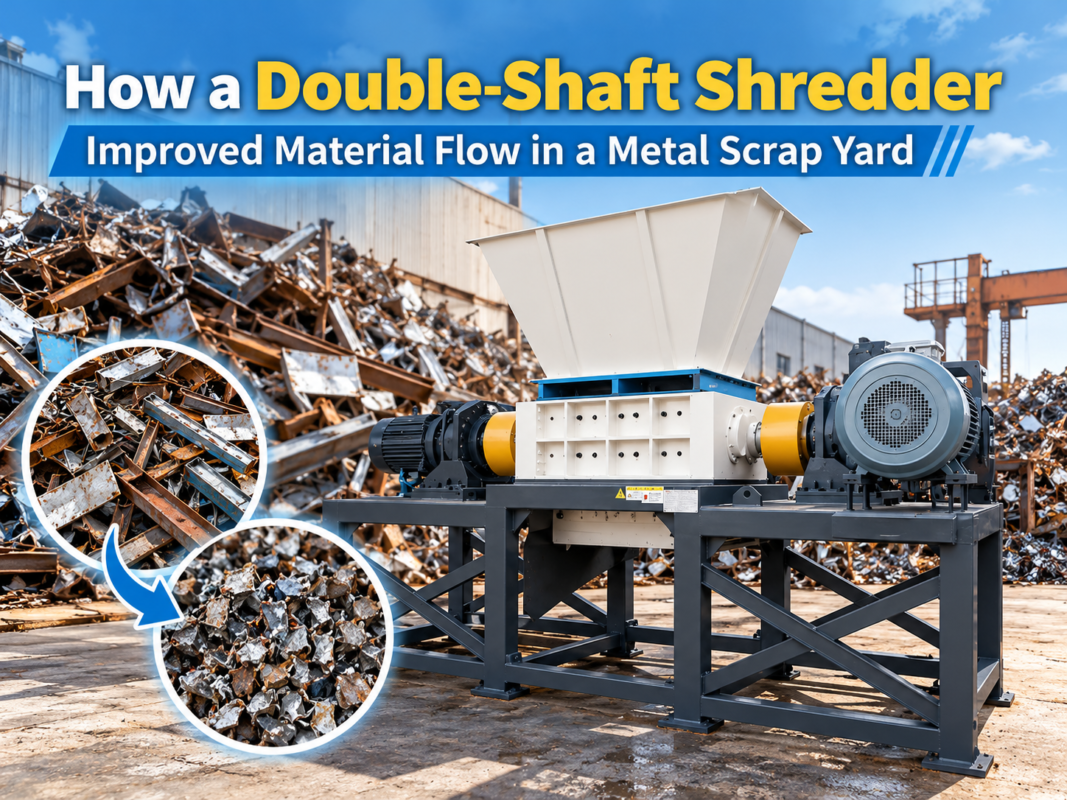
Como uma Fábrica de Reciclagem de Metais Aumentou a Densidade de Fardos Utilizando uma Enfardadeira de Sucata Metálica

Introduction
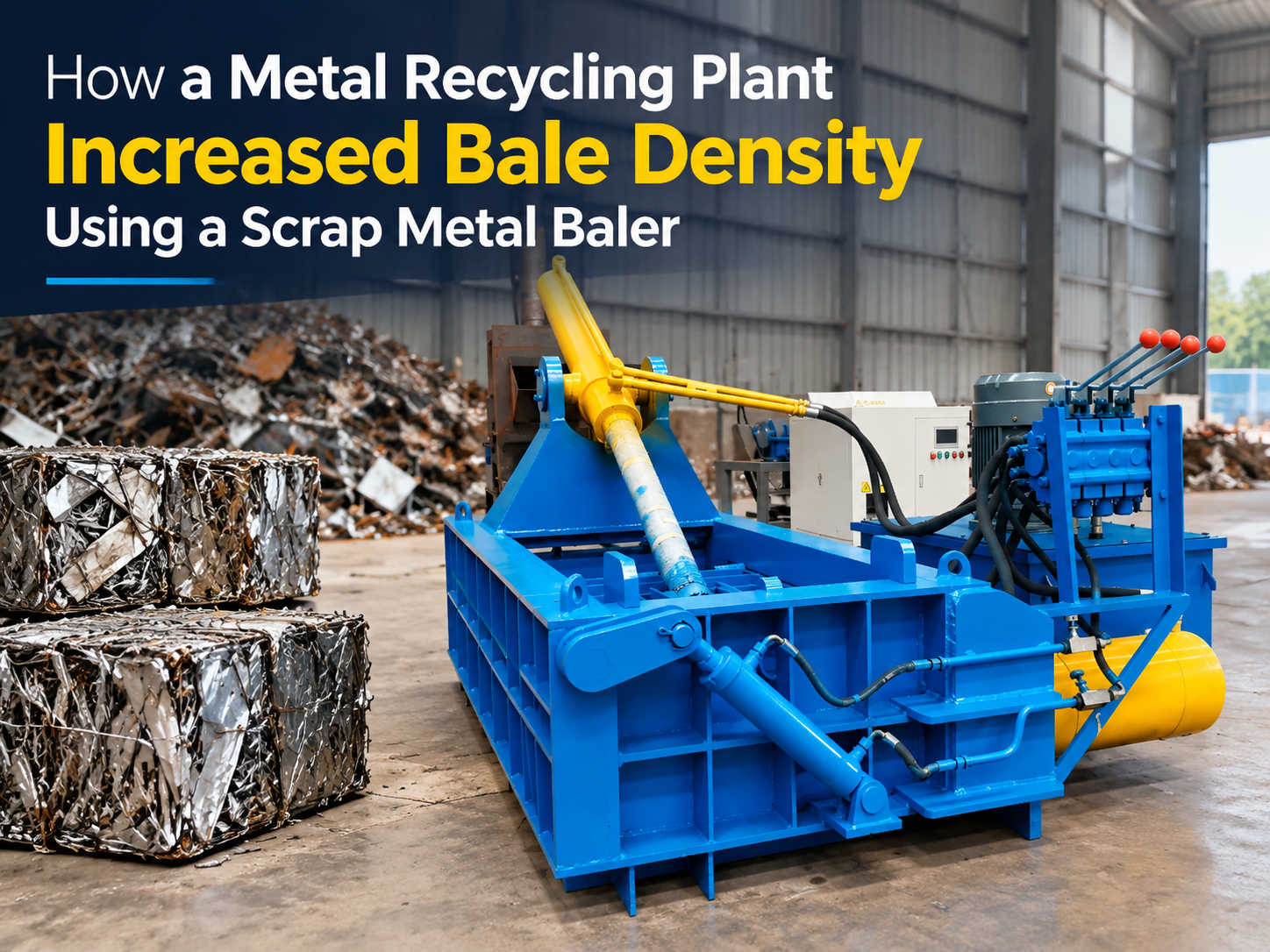
In the competitive landscape of the metal recycling industry, efficiency is measured by the weight-to-volume ratio of processed materials. For many facilities, the primary bottleneck is not the collection of scrap, but the logistics of transporting it. When a metal recycling plant increased bale density using a scrap metal baler, they fundamentally transformed their operational profitability. This article explores the technical journey of optimizing scrap processing, focusing on how high-performance hydraulic baling technology can turn loose, bulky waste into dense, transportable commodities.
For recycling centers, loose scrap is a liability. It occupies excessive space in storage, increases the number of truckloads required for shipping, and often commands lower prices from smelters due to high oxidation rates and handling difficulties. By implementing a high-force scrap metal baler, facilities can achieve the uniform density required to maximize container capacity. This case study approach highlights the transition from inefficient manual processing to automated, high-density baling.
HARSLE has observed that the shift toward high-density baling is not merely about the machine itself, but about the integration of the baler into the plant’s workflow. When a metal recycling plant increased bale density using a scrap metal baler, they focused on hydraulic pressure, cycle times, and material preparation. This guide provides an in-depth look at how these factors contribute to a more sustainable and profitable recycling operation.
Understanding the physics of compaction is essential for any plant manager looking to improve their output. Metal, while rigid, behaves predictably under extreme hydraulic force. By selecting the right equipment, recycling plants can ensure that their bales meet the stringent requirements of steel mills and foundries, ultimately leading to higher market premiums for their processed scrap.
Key Considerations for Increasing Bale Density
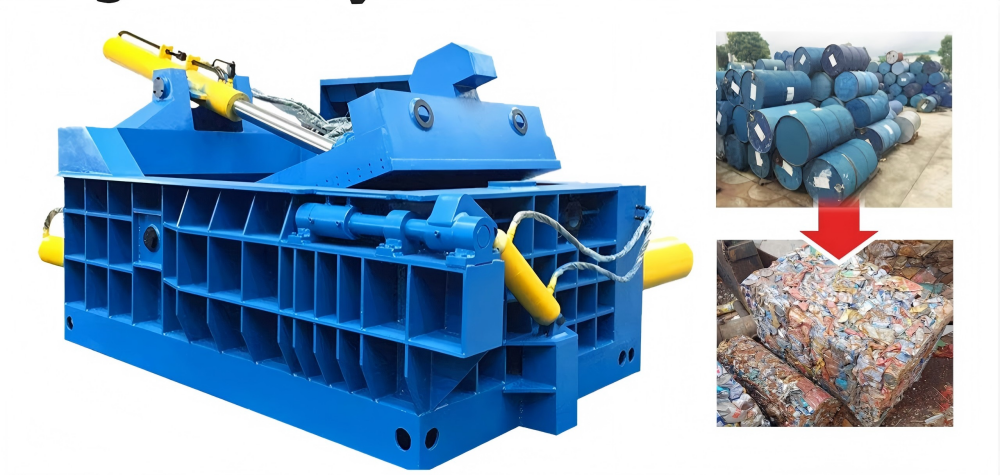
The first step in increasing bale density is evaluating the nature of the scrap stream. Different metals—such as aluminum, copper, and steel—have varying levels of ductility and spring-back. A scrap metal baler must be configured with the appropriate hydraulic pressure to overcome the material’s structural integrity. If the pressure is insufficient, the bale will expand once the compression chamber opens, resulting in a low-density product that fails to meet shipping standards.
Material preparation is another critical factor. Large, irregular pieces of scrap can create voids within the bale, significantly reducing its overall density. Facilities that successfully increased their density often implemented pre-sorting or shearing processes to ensure that the material fed into the baler is uniform. By reducing the size of the input material, the baler can focus its force on compaction rather than structural deformation, leading to a tighter, more cohesive bale.
The cycle time of the baler also plays a vital role in density. While faster cycle times are often desired for throughput, they must not come at the expense of dwell time. Dwell time—the period during which the ram remains at the end of its stroke—is crucial for allowing the metal to settle and for the air to escape from the bale. Without sufficient dwell time, the bale may appear dense initially but will lose integrity during transport.
Finally, the structural design of the baler chamber is paramount. A reinforced chamber prevents the walls from bowing under the immense pressure required for high-density baling. When a metal recycling plant increased bale density using a scrap metal baler, they often found that upgrading to a heavy-duty, wear-resistant chamber liner allowed them to apply higher pressures safely, resulting in a more consistent and dense output across all shifts.
Technical Details of High-Density Baling
At the heart of a high-density scrap metal baler is the hydraulic system. Modern industrial balers utilize multi-stage hydraulic pumps that provide both high-speed movement for the initial compression and high-force pressure for the final compaction. This dual-stage approach ensures that the machine remains efficient while achieving the extreme pressures necessary to densify ferrous and non-ferrous metals.
The ram design is equally important. A high-density baler typically features a guided ram system that prevents lateral movement during the compression cycle. This precision ensures that the force is applied evenly across the entire surface area of the scrap. If the ram is not properly guided, the uneven distribution of force can lead to “soft spots” in the bale, which are prone to falling apart during handling or shipping.
Control systems have evolved significantly, allowing for programmable compression cycles. Operators can now set specific pressure thresholds for different types of metal. For example, a baler processing thin-gauge aluminum sheets requires a different compression profile than one processing heavy steel plate. By utilizing PLC-based controls, the baler can automatically adjust its pressure and dwell time based on the material being processed, ensuring optimal density every time.
Maintenance of the hydraulic system is the final technical pillar. High-density baling generates significant heat, which can degrade hydraulic fluid and reduce the efficiency of the seals. Implementing a robust cooling system and adhering to a strict preventative maintenance schedule for filters and seals ensures that the baler maintains its peak performance. When a metal recycling plant increased bale density using a scrap metal baler, they attributed much of their success to consistent maintenance that prevented pressure drops over time.
Selection Advice for Scrap Yards
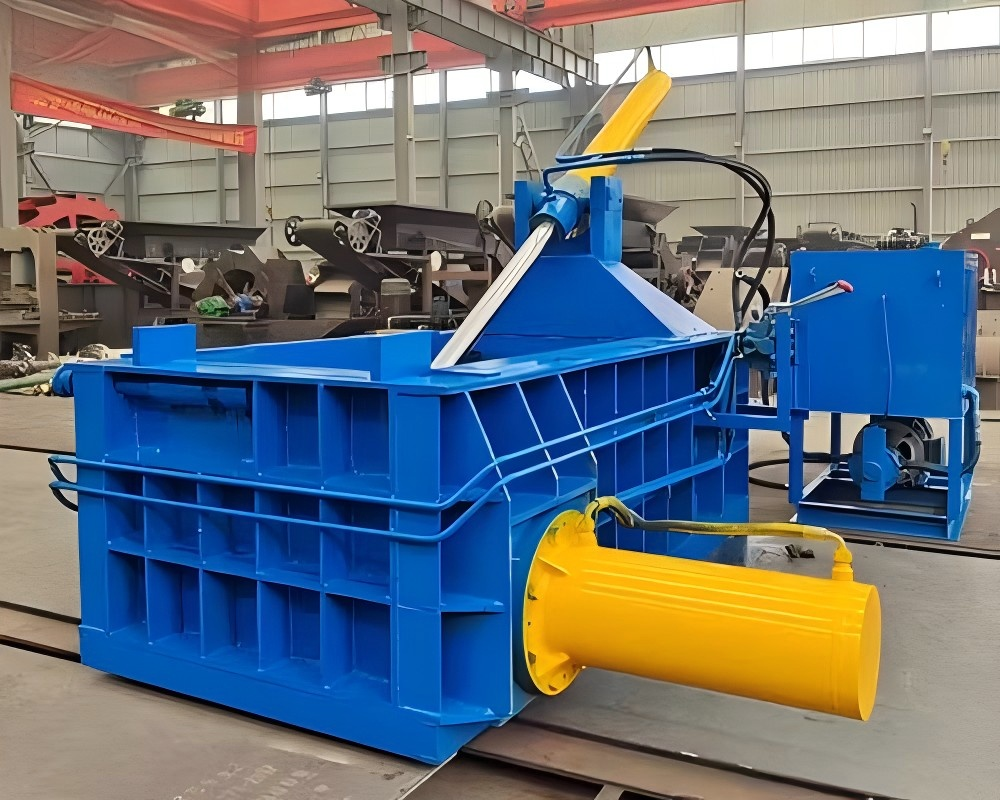
Choosing the right scrap metal baler requires a thorough analysis of your current and projected throughput. It is tempting to purchase the largest machine available, but a baler that is too large for your volume will lead to excessive energy consumption and higher maintenance costs. Conversely, an undersized machine will struggle to meet density requirements, leading to operational bottlenecks.
Consider the footprint of the machine and the material handling equipment required to feed it. A baler is only as efficient as the system that supplies it with scrap. If your facility relies on manual loading, you may need a baler with a larger hopper opening. If you use conveyors or magnets, ensure that the baler’s intake design is compatible with your existing automation. The goal is to create a seamless flow from the scrap pile to the finished bale.
Look for manufacturers that offer customizable options. Every recycling plant has unique constraints, whether it be space, power availability, or the specific mix of metals processed. A reputable manufacturer like HARSLE will work with you to tailor the baler’s hydraulic force, chamber size, and control interface to your specific needs. This customization is often the difference between a standard installation and a high-efficiency solution.
Finally, evaluate the long-term cost of ownership. This includes not just the purchase price, but the cost of spare parts, energy efficiency, and the availability of technical support. A machine that is easy to service and has readily available parts will minimize downtime. When a metal recycling plant increased bale density using a scrap metal baler, they prioritized machines with modular designs that allowed for quick repairs, ensuring that their production line remained active even during routine maintenance.
Comparison Table: Baler Types for Density
| Baler Type | Best For | Density Potential | Operational Speed |
|---|---|---|---|
| Single-Ram Baler | Light to Medium Scrap | Moderate | High |
| Double-Ram Baler | Mixed/Heavy Scrap | Very High | Moderate |
| Prensa horizontal | High Volume/Continuous | High | Very High |
FAQ: Optimizing Scrap Metal Balers
How does bale density affect shipping costs?
Higher bale density allows you to load more weight into a standard shipping container or truck. By maximizing the weight per load, you reduce the number of trips required, significantly lowering your logistics and transportation expenses.
What is the most important factor for achieving high density?
The most important factor is the combination of hydraulic pressure and dwell time. Sufficient pressure compresses the material, while dwell time allows the metal to set, preventing the bale from expanding once the pressure is released.
How often should I perform maintenance on my baler?
Preventative maintenance should be performed according to the manufacturer’s schedule, typically every 500 to 1,000 operating hours. This includes checking hydraulic fluid levels, inspecting seals, and ensuring that the chamber liners are not excessively worn.
Can a baler handle mixed metal types?
Yes, but it is generally recommended to sort metals before baling. Mixing metals can lead to lower-quality bales that are less desirable to smelters. If you must process mixed scrap, ensure your baler has a robust control system to adjust pressure settings accordingly.
Conclusion
The decision to upgrade your processing equipment is a strategic move that pays dividends in operational efficiency and market competitiveness. As demonstrated by the case where a metal recycling plant increased bale density using a scrap metal baler, the transition to high-force, precision-controlled machinery is essential for modern recycling facilities. By focusing on the right technical specifications, proper material preparation, and a commitment to maintenance, any plant can achieve the density levels required to thrive in today’s global market.
HARSLE remains dedicated to providing the metal fabrication and recycling industry with the tools necessary for success. Whether you are looking to replace an aging machine or install a new, high-capacity system, understanding the nuances of bale density is the first step toward a more profitable future. Invest in quality equipment, optimize your workflow, and watch as your facility transforms loose scrap into high-value, dense commodities.