How a Briquetting Machine Cut Metal Scrap Disposal Costs in a CNC Workshop

Introduction
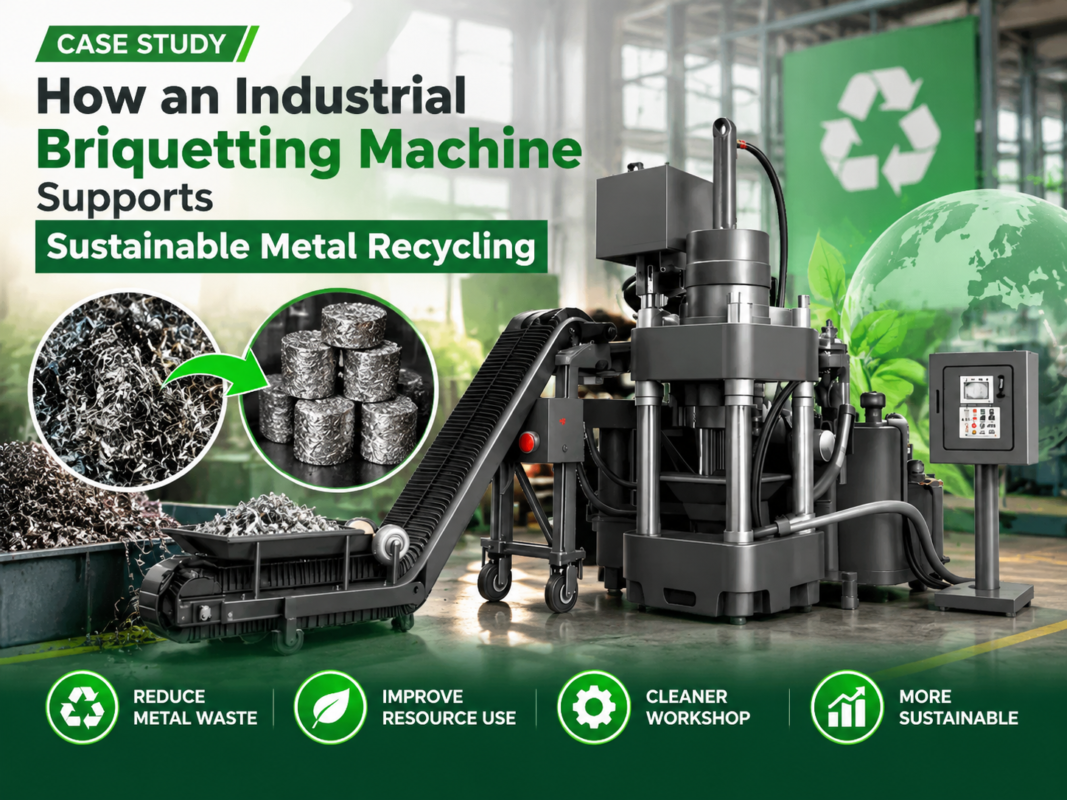
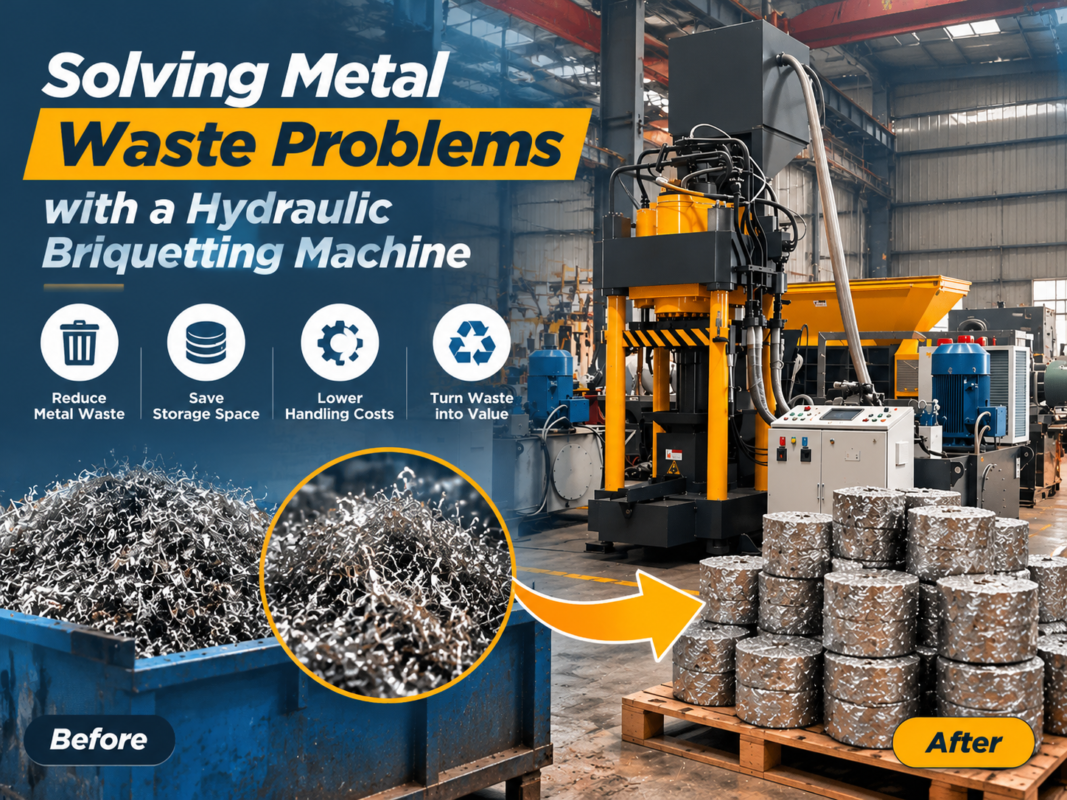
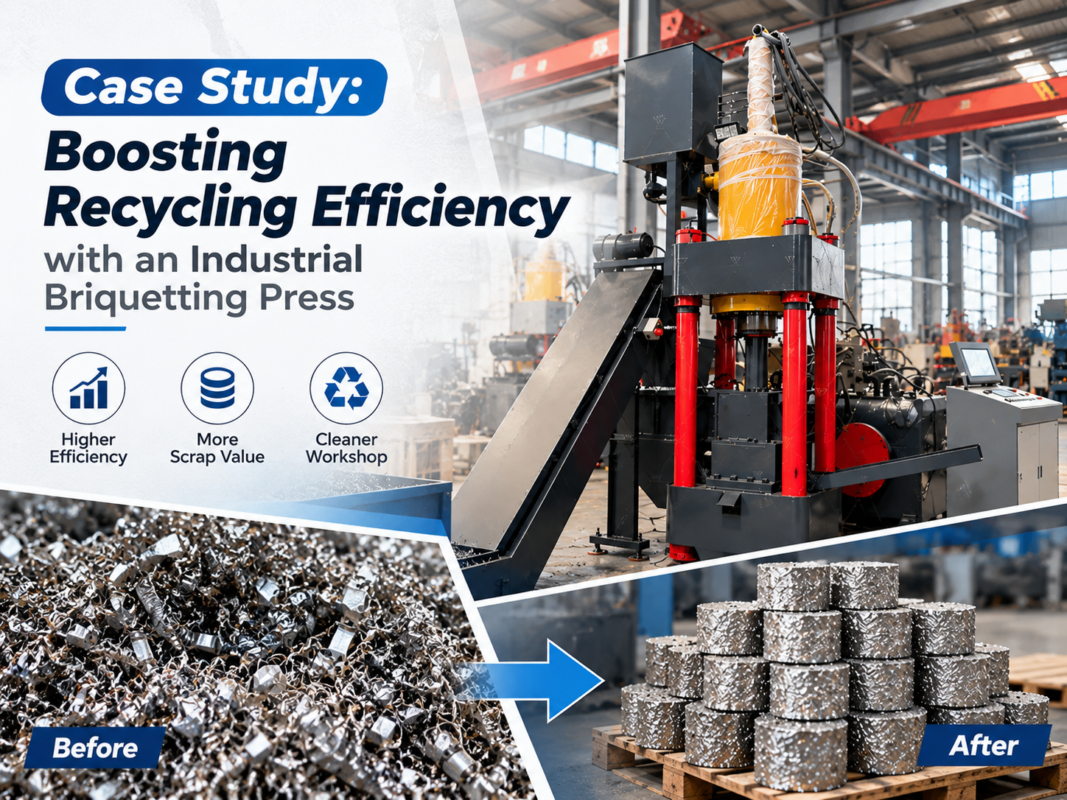
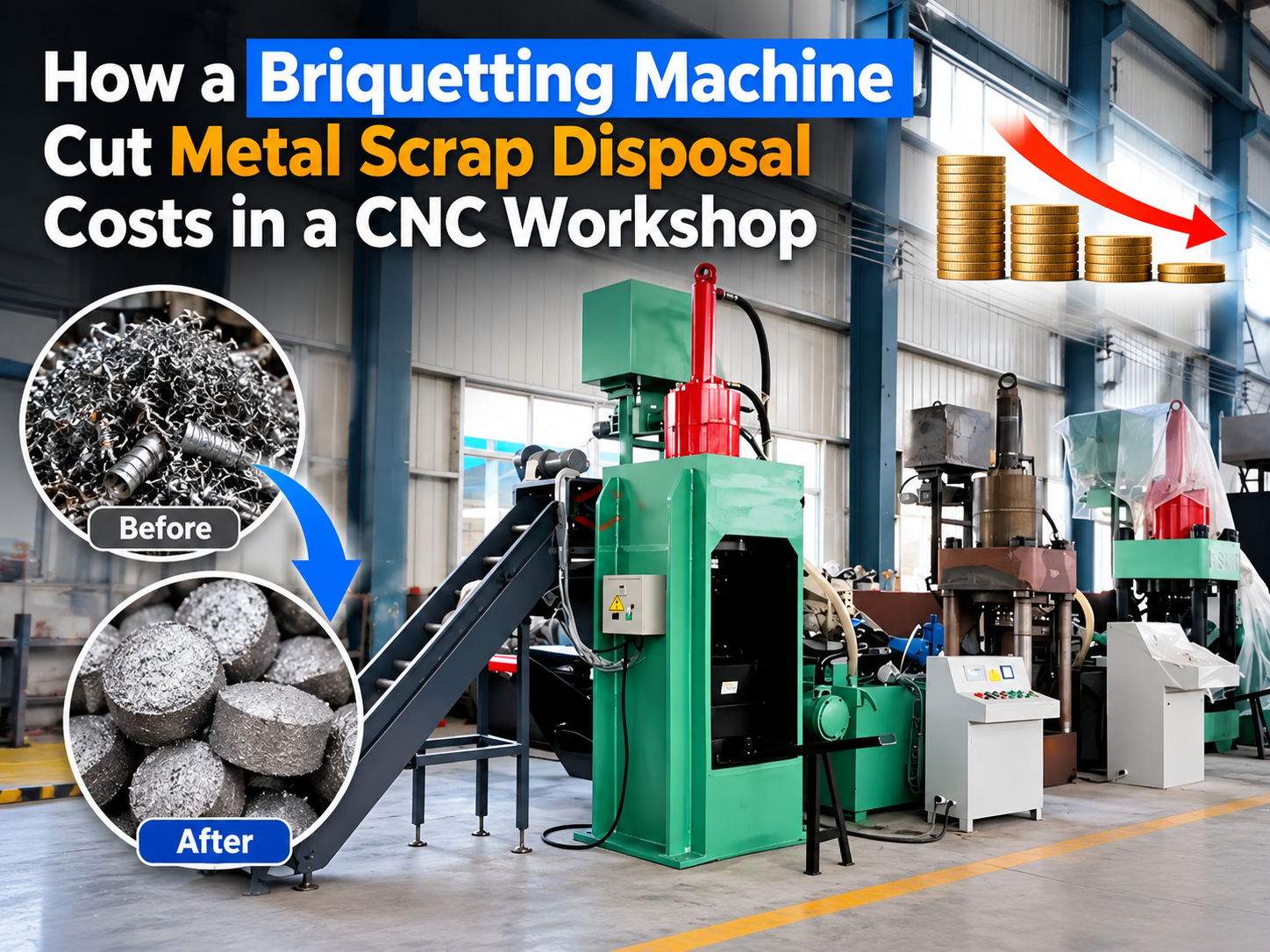
In the modern CNC workshop, the management of metal swarf and chips is often treated as an afterthought. However, for high-volume fabrication facilities, the accumulation of loose metal scrap represents a significant operational drain. When you consider the logistics of storage, transportation, and the environmental impact of disposing of oily, voluminous waste, the costs add up rapidly. This is where the implementation of a briquetting machine becomes a game-changer for industrial efficiency.
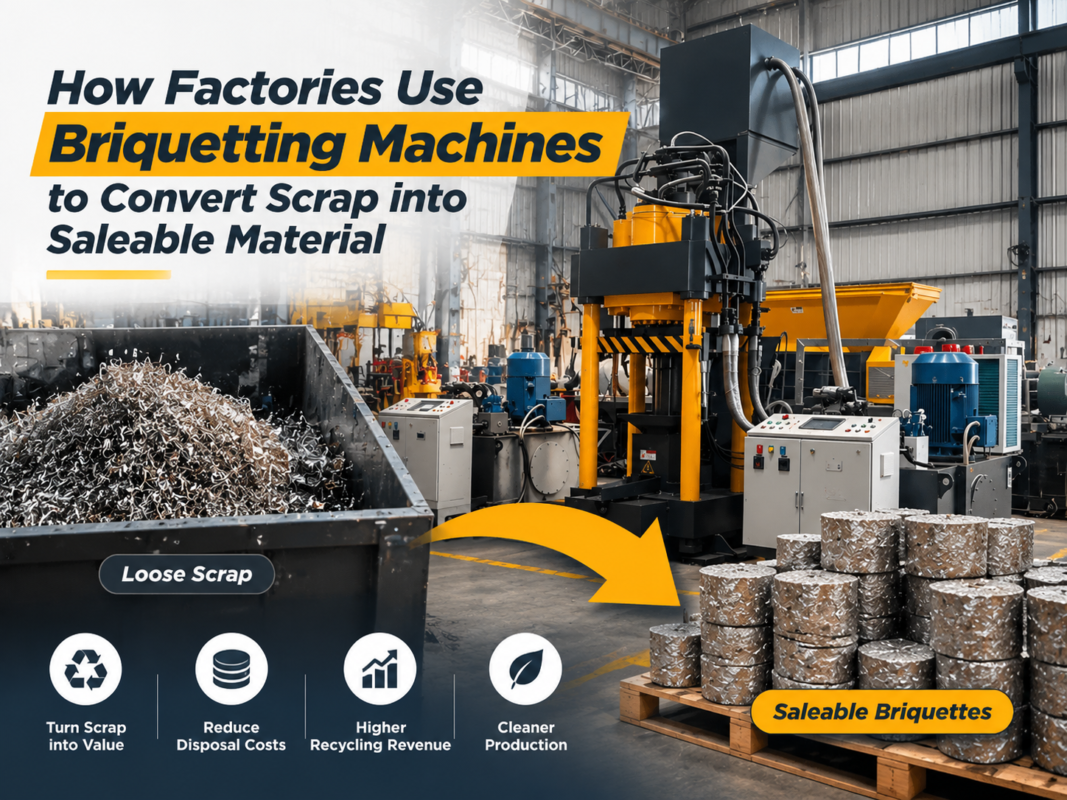
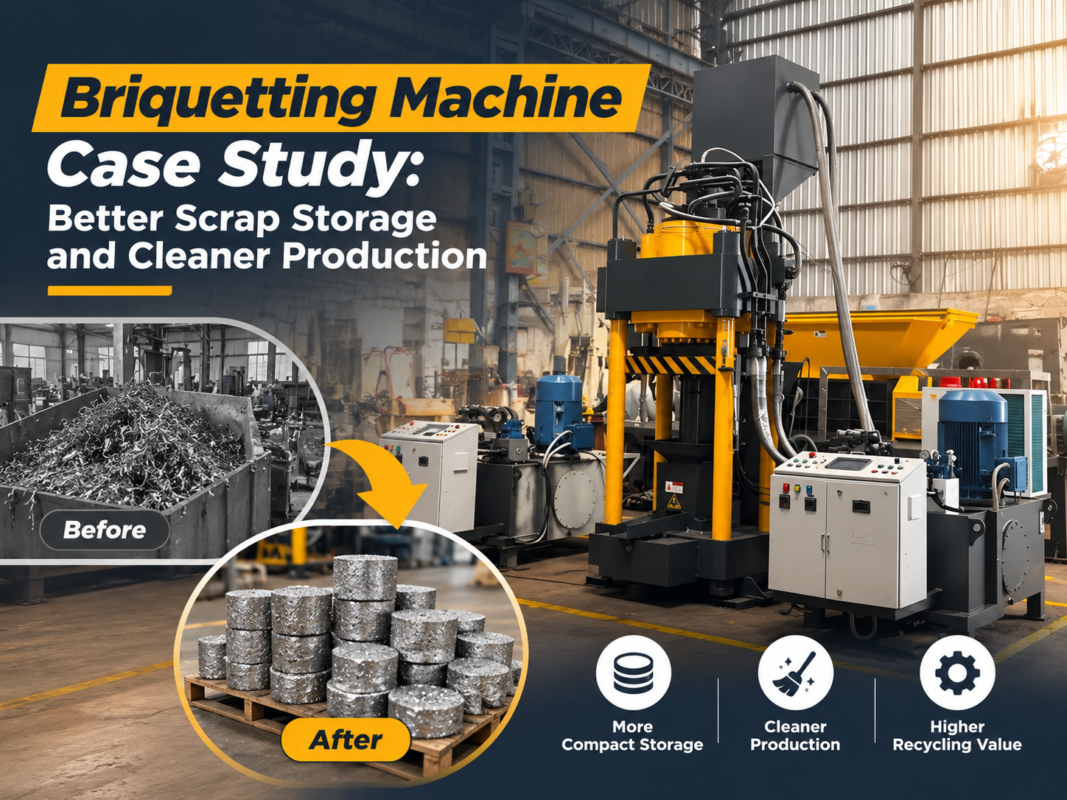
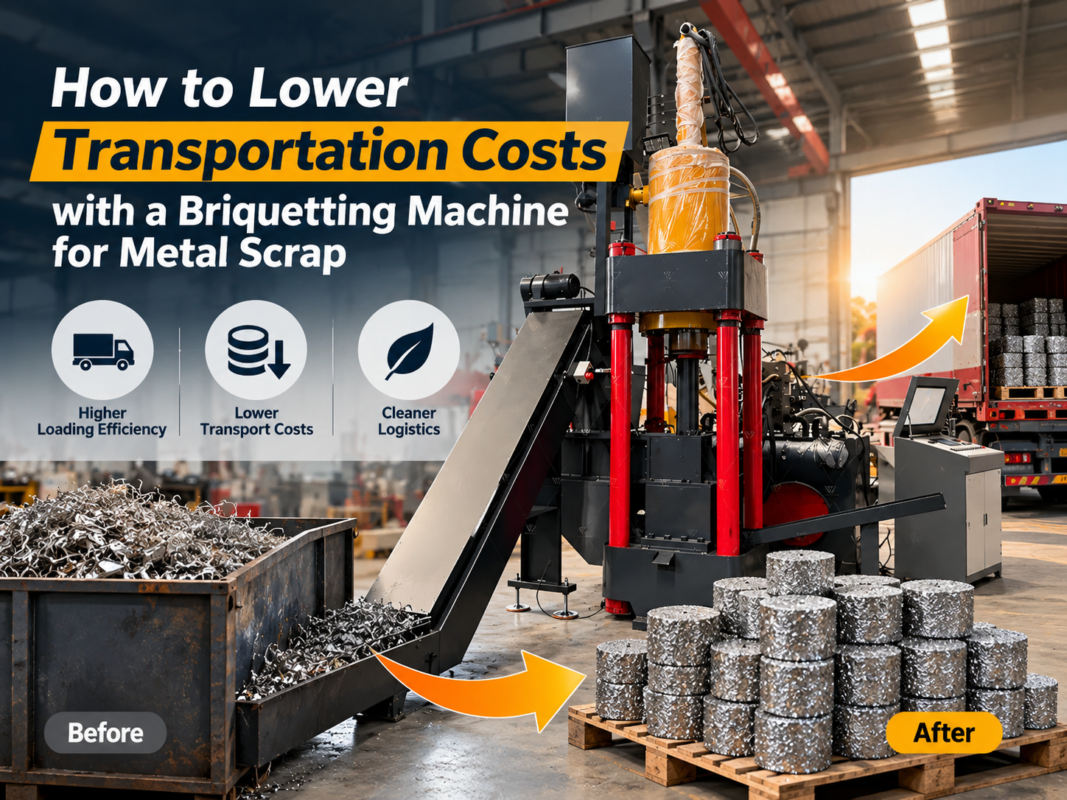
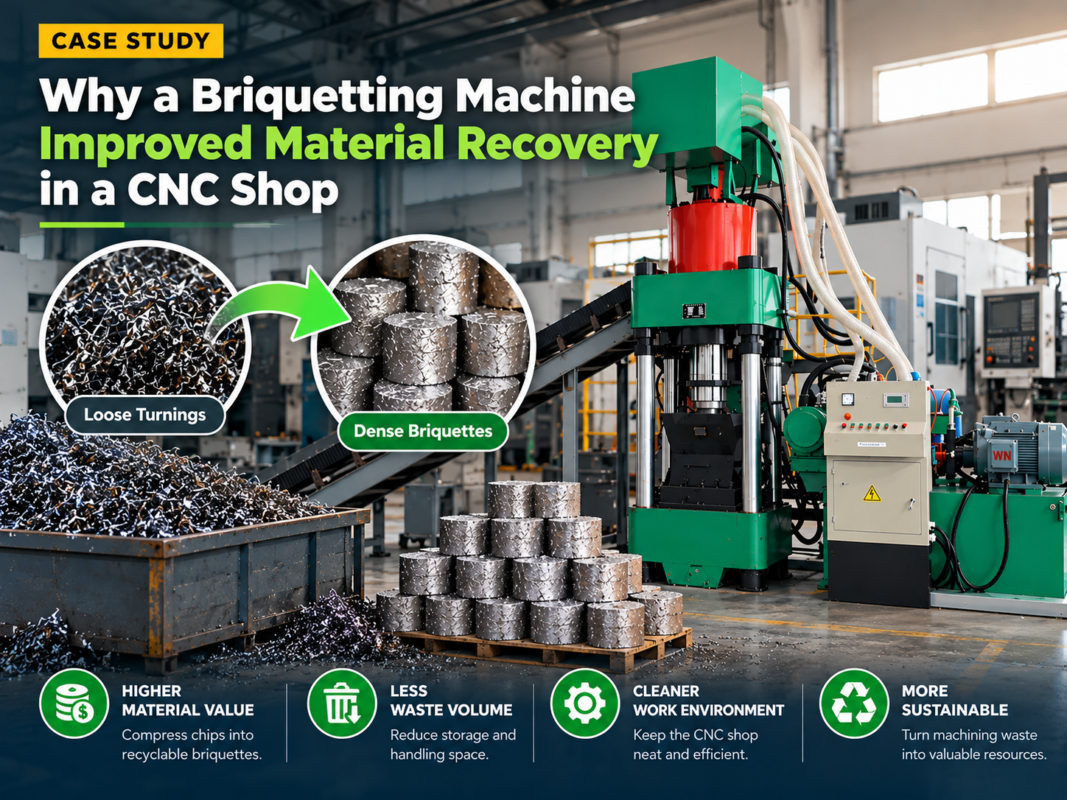
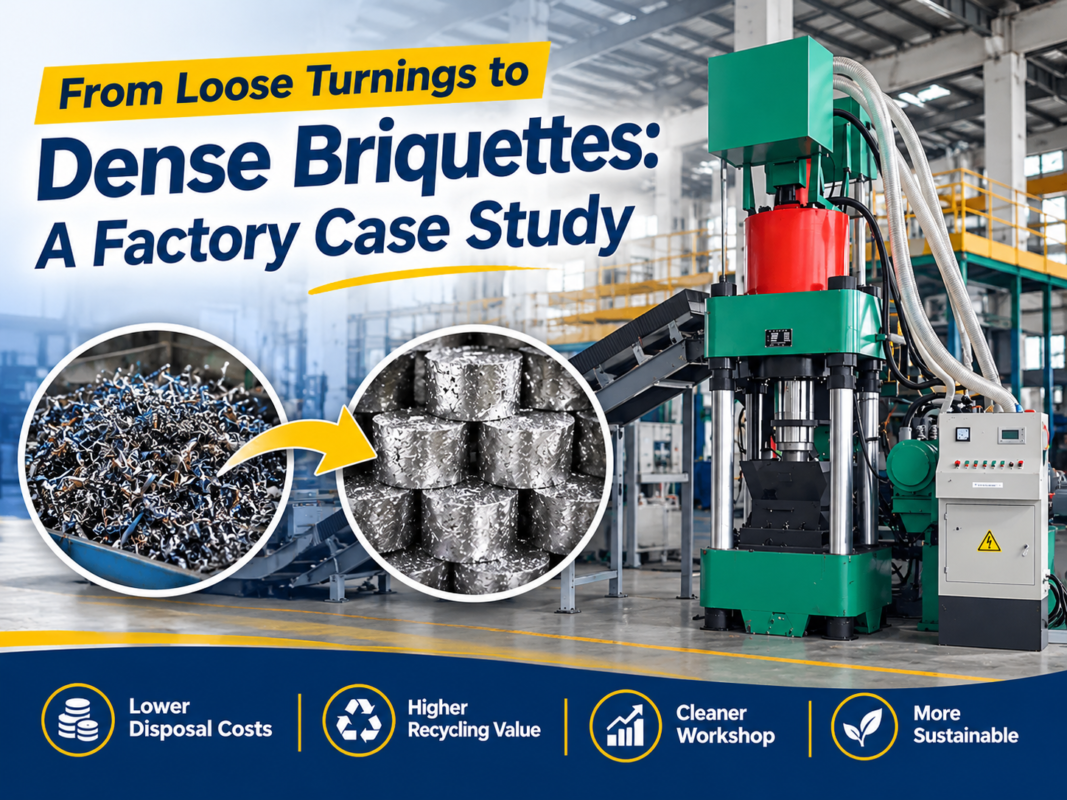
The primary challenge for CNC workshops is the high volume-to-weight ratio of metal chips. Loose aluminum, steel, or brass shavings occupy vast amounts of floor space, requiring frequent dumpster pickups and incurring high disposal fees. By compressing these materials into dense, manageable pucks, workshops can fundamentally change their waste management economics. This article explores how a briquetting machine cut metal scrap disposal costs in a CNC workshop and why it is a critical investment for sustainable manufacturing.
HARSLE has observed that many workshops struggle with the hidden costs of scrap handling. Beyond the physical disposal fees, there is the loss of valuable cutting fluids that remain trapped within the porous structure of loose chips. A briquetting machine acts as both a volume reduction tool and a resource recovery system, allowing manufacturers to reclaim expensive coolants while simultaneously increasing the market value of their scrap metal.
As we delve into the technical and economic advantages of briquetting, it is important to view this equipment not merely as a waste disposal tool, but as a profit center. By transforming waste into a high-density commodity, CNC workshops can streamline their logistics, improve workplace safety, and contribute to a circular economy. This guide provides a comprehensive look at how to integrate this technology into your existing fabrication workflow.
Key Considerations for Scrap Management
Before investing in a briquetting machine, shop managers must evaluate their current waste stream. The first consideration is the material composition. Different metals—such as aluminum, copper, steel, and cast iron—have varying densities and require different pressure settings to achieve optimal briquette density. Understanding the specific metallurgy of your scrap is the first step toward effective volume reduction.
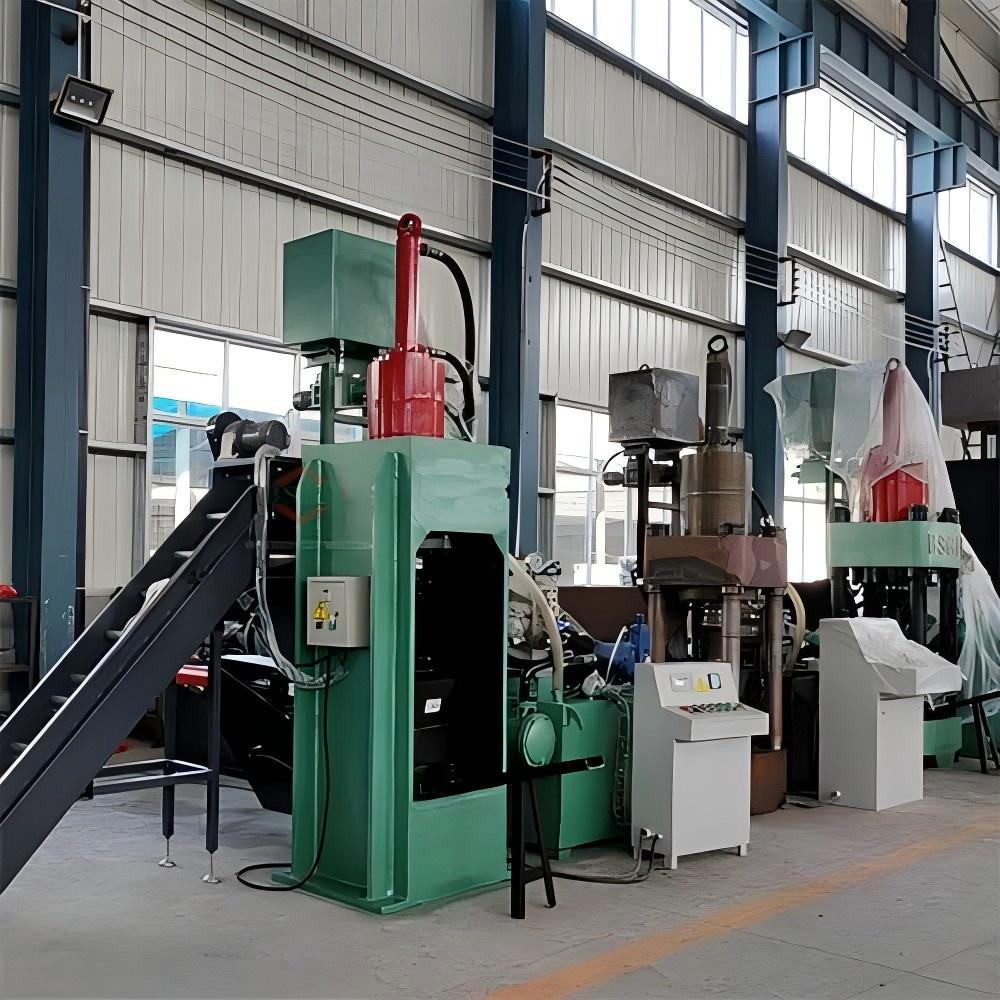
Logistics and floor space represent the second major consideration. In a busy CNC workshop, every square foot of floor space is valuable. Loose chips often require large, bulky bins that impede traffic flow and create safety hazards. By installing a briquetting machine, you can centralize your scrap processing, reducing the number of bins required and minimizing the frequency of forklift movements across the shop floor.
Coolant recovery is perhaps the most significant economic factor. CNC machines use high-performance cutting fluids that are expensive to purchase and costly to dispose of due to environmental regulations. When chips are loose, they carry a high percentage of coolant into the scrap bin. A briquetting machine uses hydraulic pressure to squeeze this fluid out, allowing it to be filtered and reused. This not only cuts disposal costs but also reduces the recurring expense of purchasing new coolant.
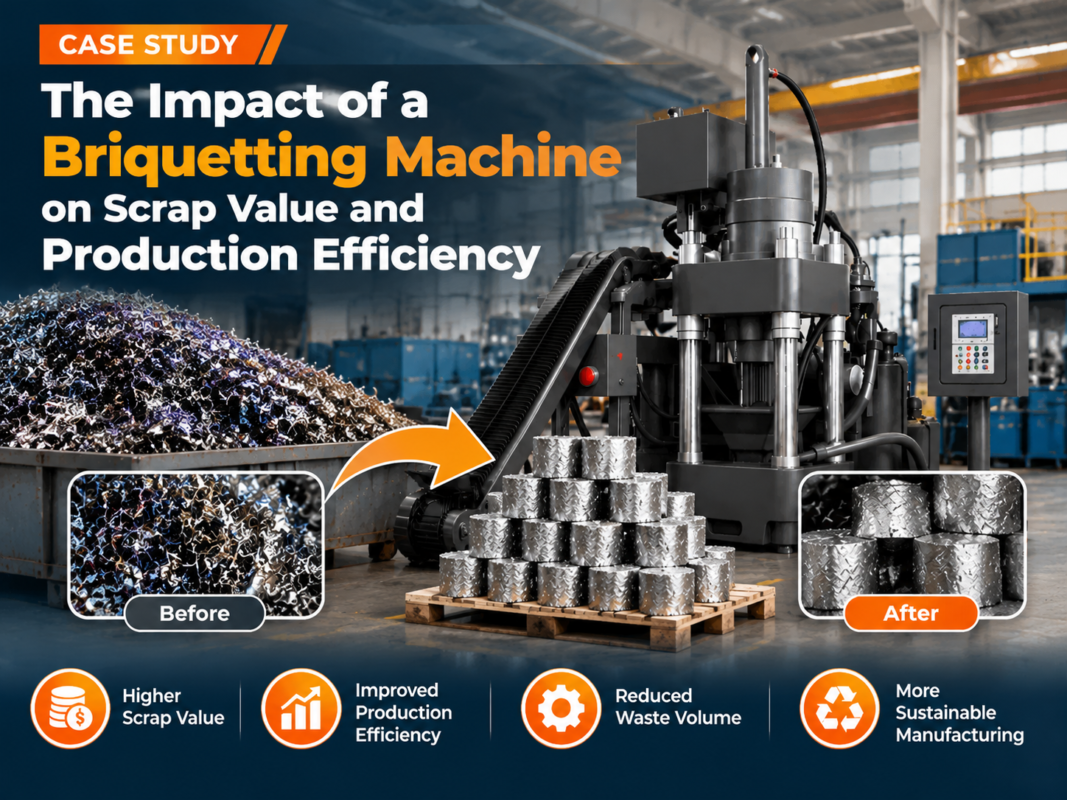
Finally, consider the market value of your scrap. Scrap dealers pay significantly higher prices for clean, dense briquettes than for loose, oily chips. Loose chips are often classified as low-grade scrap due to the contamination of oil and the difficulty of melting them down without excessive oxidation. Briquettes, being dense and relatively dry, are considered premium feedstock for foundries, allowing your workshop to negotiate better pricing for your waste output.
Technical Details of Briquetting Technology
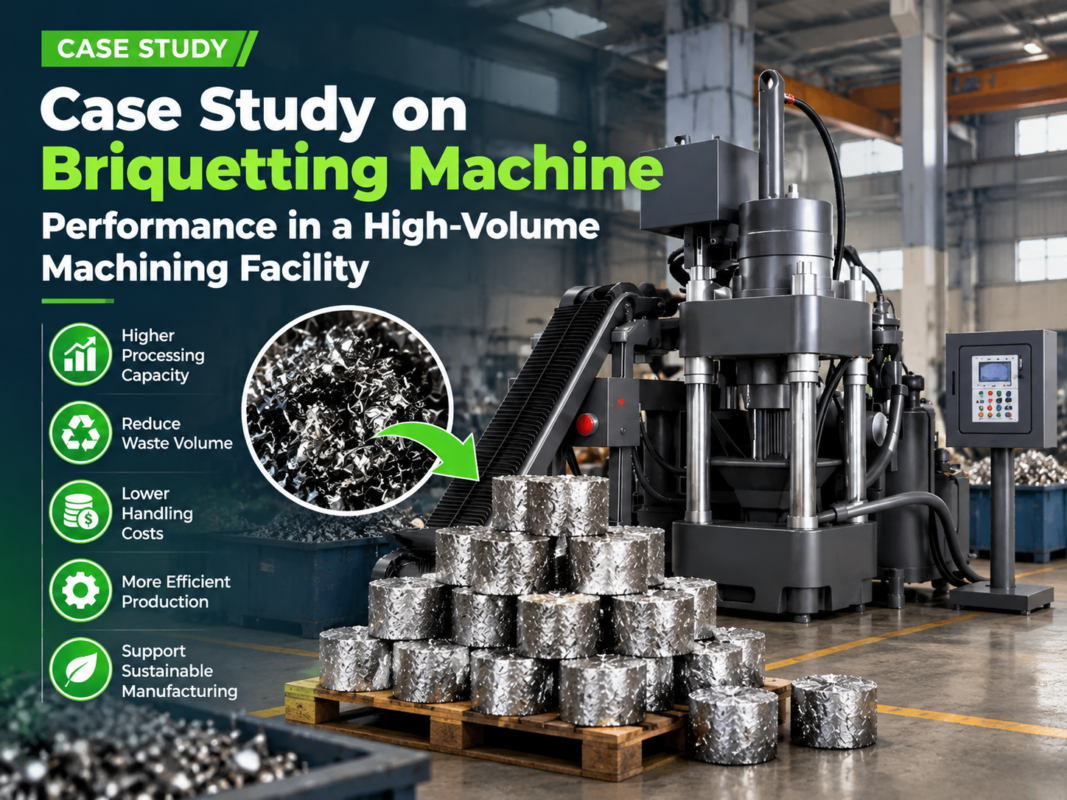
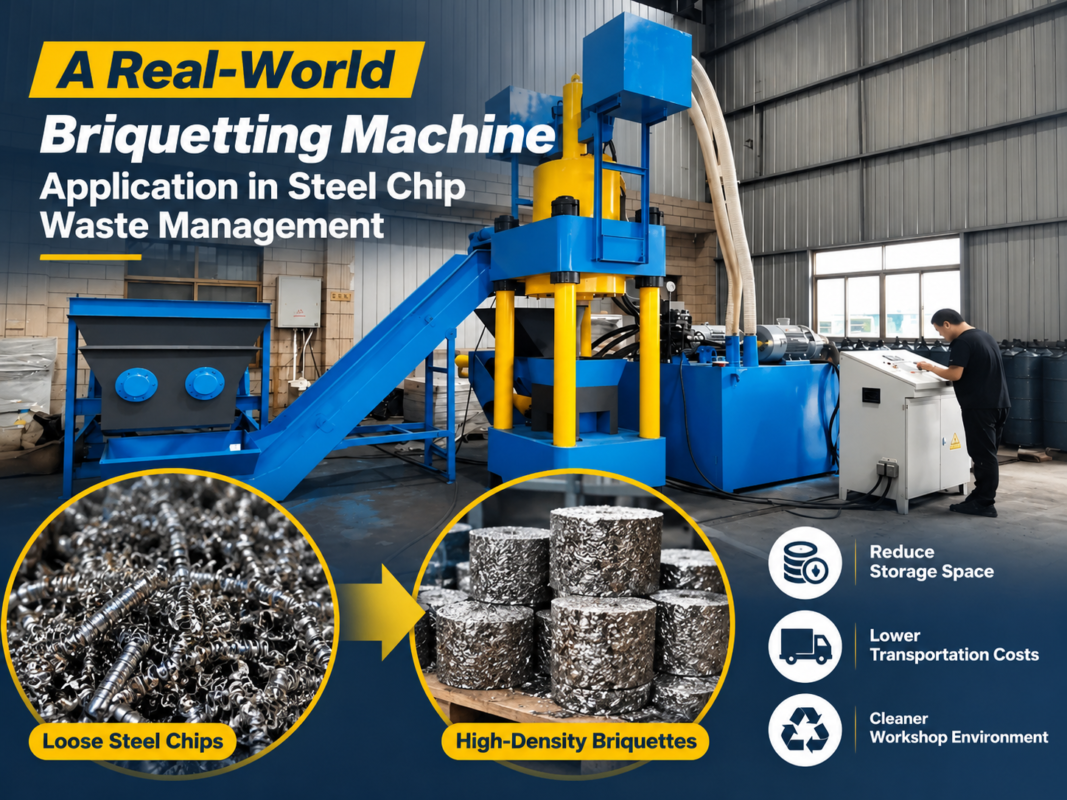
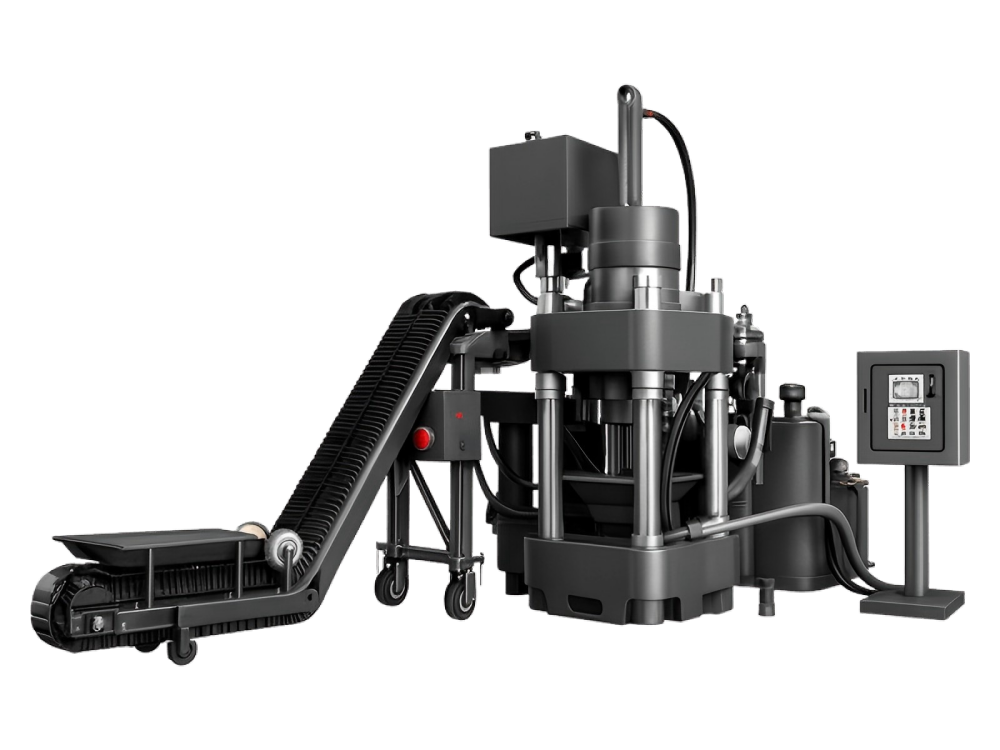
At the heart of the briquetting process is a high-pressure hydraulic system. The machine operates by feeding loose metal chips into a hopper, where an auger or a pre-compression ram forces the material into a compression chamber. Once the chamber is filled, a main hydraulic cylinder exerts immense force—often exceeding 200 tons—to compress the metal into a solid, uniform puck.
The structural integrity of the briquette is determined by the pressure applied and the dwell time. For ductile materials like aluminum, lower pressures may suffice, whereas harder materials like steel or stainless steel require higher tonnage to ensure the briquette does not crumble during transport. HARSLE briquetting machines are engineered with precision-machined dies that ensure consistent sizing, which is vital for automated feeding systems in foundries.
Coolant extraction is facilitated by a perforated die design. As the hydraulic ram compresses the metal, the trapped liquid is forced through small apertures in the die wall. This liquid is then collected in a drainage pan located beneath the compression chamber. From there, the coolant can be pumped into a centrifuge or filtration system to remove fine metal particles before being returned to the CNC machine’s reservoir.
Automation is a key technical feature in modern briquetting systems. Many units feature PLC-controlled interfaces that monitor the pressure, cycle time, and oil temperature. These systems can be integrated into existing chip conveyor lines, allowing for a “lights-out” operation where scrap is automatically processed as it is generated by the CNC machines. This level of integration is what truly allows a briquetting machine to cut metal scrap disposal costs in a CNC workshop effectively.
Selection Advice for CNC Workshops
Choosing the right briquetting machine requires a careful analysis of your daily chip output. If your workshop produces less than 500kg of scrap per day, a smaller, semi-automatic unit may be sufficient. However, for high-production environments with multiple CNC machining centers, a fully automated, high-throughput system is necessary to keep up with the volume of waste generated.
Consider the footprint of the machine. While briquetting machines are compact compared to the volume of loose chips they process, they still require a dedicated area with access to power and drainage. Ensure that the machine you select can be easily integrated with your existing chip conveyors. If your shop layout is tight, look for vertical briquetting designs that prioritize a small horizontal footprint.
Maintenance requirements should also be a primary selection criterion. Like any hydraulic equipment, briquetting machines require regular oil changes, filter replacements, and die inspections. Choose a manufacturer that provides clear maintenance schedules and easy access to spare parts. HARSLE emphasizes the importance of robust construction, using hardened steel for the compression chamber to withstand the abrasive nature of metal chips.
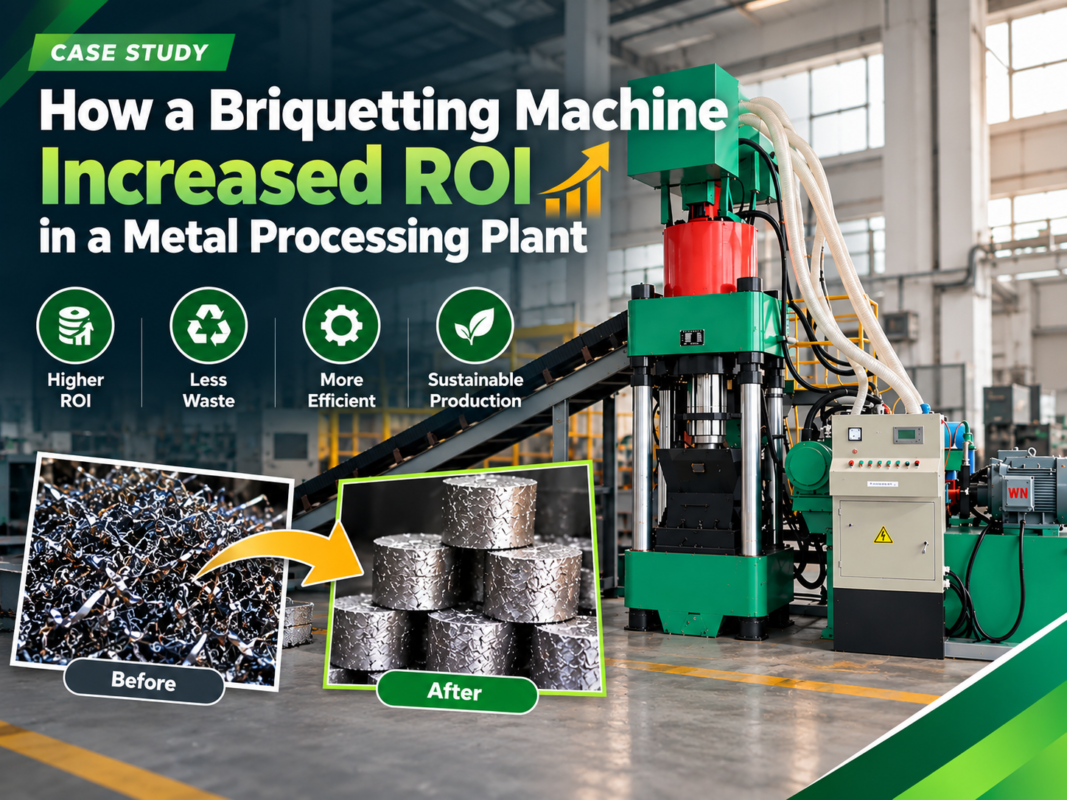
Finally, evaluate the total cost of ownership rather than just the initial purchase price. Factor in energy consumption, the value of recovered coolant, and the increase in scrap resale value. A machine that is slightly more expensive upfront but offers higher efficiency and lower maintenance costs will almost always provide a better return on investment over a three-to-five-year period.
Buyer’s Checklist for Briquetting Systems
- Material Compatibility: Does the machine handle your specific alloy (e.g., 6061 Aluminum vs. 304 Stainless)?
- Throughput Capacity: Can the machine process your peak hourly chip generation?
- Coolant Recovery Rate: What percentage of fluid is the machine capable of reclaiming?
- Integration Options: Does it support automatic feeding from existing conveyors?
- Support and Warranty: Is there local technical support for hydraulic troubleshooting?
FAQ: Optimizing Scrap Management
Q: How much can I expect to save on disposal costs?
A: Most workshops see a 60% to 80% reduction in disposal volume. Because disposal fees are often based on the number of bins hauled away, this directly translates to a significant decrease in monthly waste management invoices.
Q: Is the recovered coolant safe to reuse immediately?
A: While the briquetting process removes the bulk of the fluid, the recovered coolant will contain fine metal dust. It is highly recommended to pass the recovered fluid through a secondary filtration or centrifuge system before returning it to your CNC machines.
Q: How long does it take to see a return on investment?
A: Depending on the volume of scrap and the cost of your cutting fluid, many workshops achieve a full ROI within 12 to 24 months. The combination of reduced disposal fees, increased scrap value, and lower coolant consumption drives this rapid payback.
Q: Can one machine handle different types of metal?
A: Yes, but you must be careful about cross-contamination. If you recycle your scrap, you should not mix aluminum briquettes with steel briquettes. It is best to dedicate a machine to a specific metal type or ensure the machine is thoroughly cleaned between material changes.
Conclusion
The implementation of a briquetting machine is a strategic move for any CNC workshop looking to optimize its operations. By addressing the logistical and financial burdens of metal scrap, these machines provide a clear path to increased profitability and environmental responsibility. As we have explored, the ability to compress waste, recover expensive coolants, and command higher prices for scrap metal makes the briquetting machine an essential piece of modern metal fabrication equipment.
For HARSLE customers, the goal is always to maximize the efficiency of every square inch of the workshop. When you stop paying to haul away air and start reclaiming the fluids that keep your machines running, you transform a waste management problem into a sustainable business advantage. If you are ready to reduce your disposal costs and improve your shop’s bottom line, investing in a high-quality briquetting system is the logical next step.
Ultimately, the question of how a briquetting machine cut metal scrap disposal costs in a CNC workshop is answered by the numbers. Reduced logistics, lower waste fees, and reclaimed resources create a compounding effect that strengthens your competitive position. As manufacturing continues to evolve toward leaner, more sustainable practices, the briquetting machine stands out as a foundational technology for the future of metal fabrication.