Case Study: Boosting Recycling Efficiency with an Industrial Briquetting Press

Introduction: The Challenge of Metal Waste Management
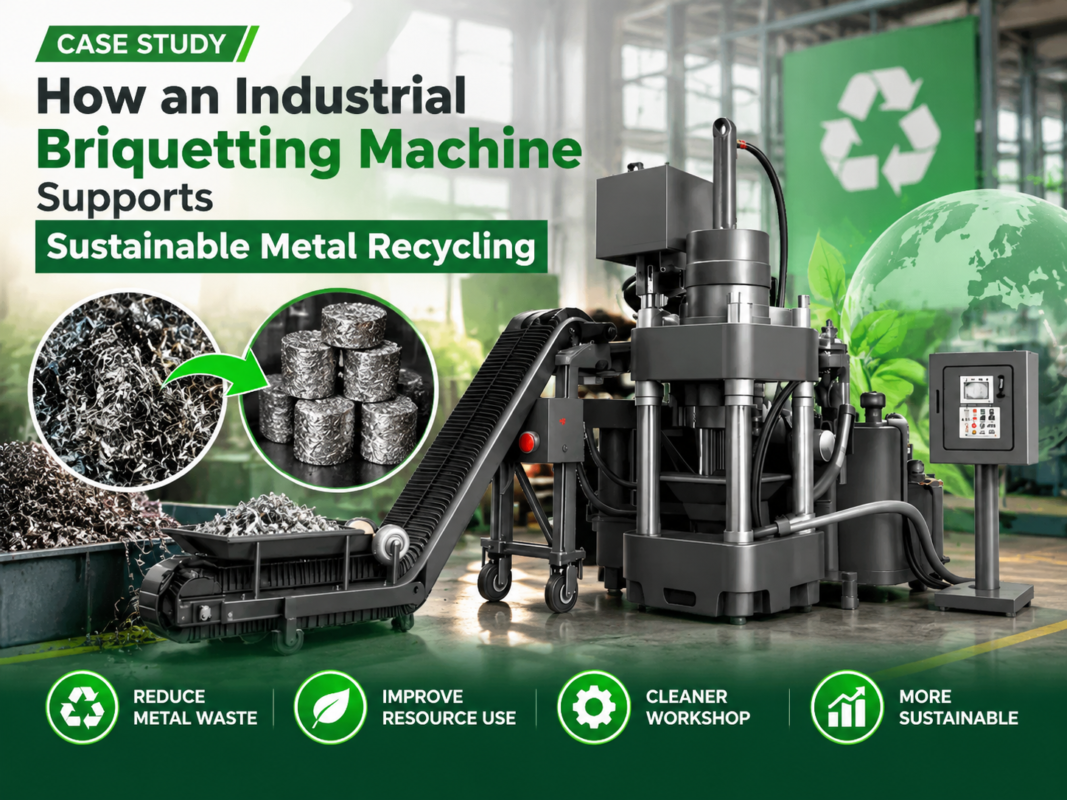
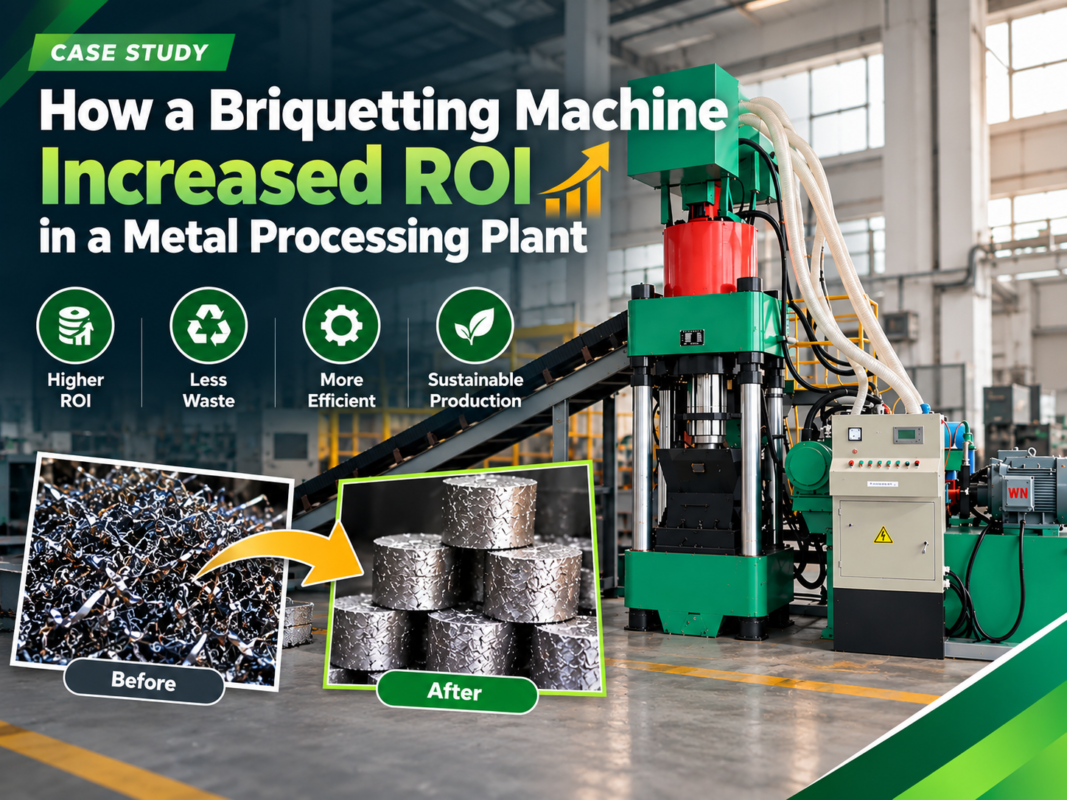
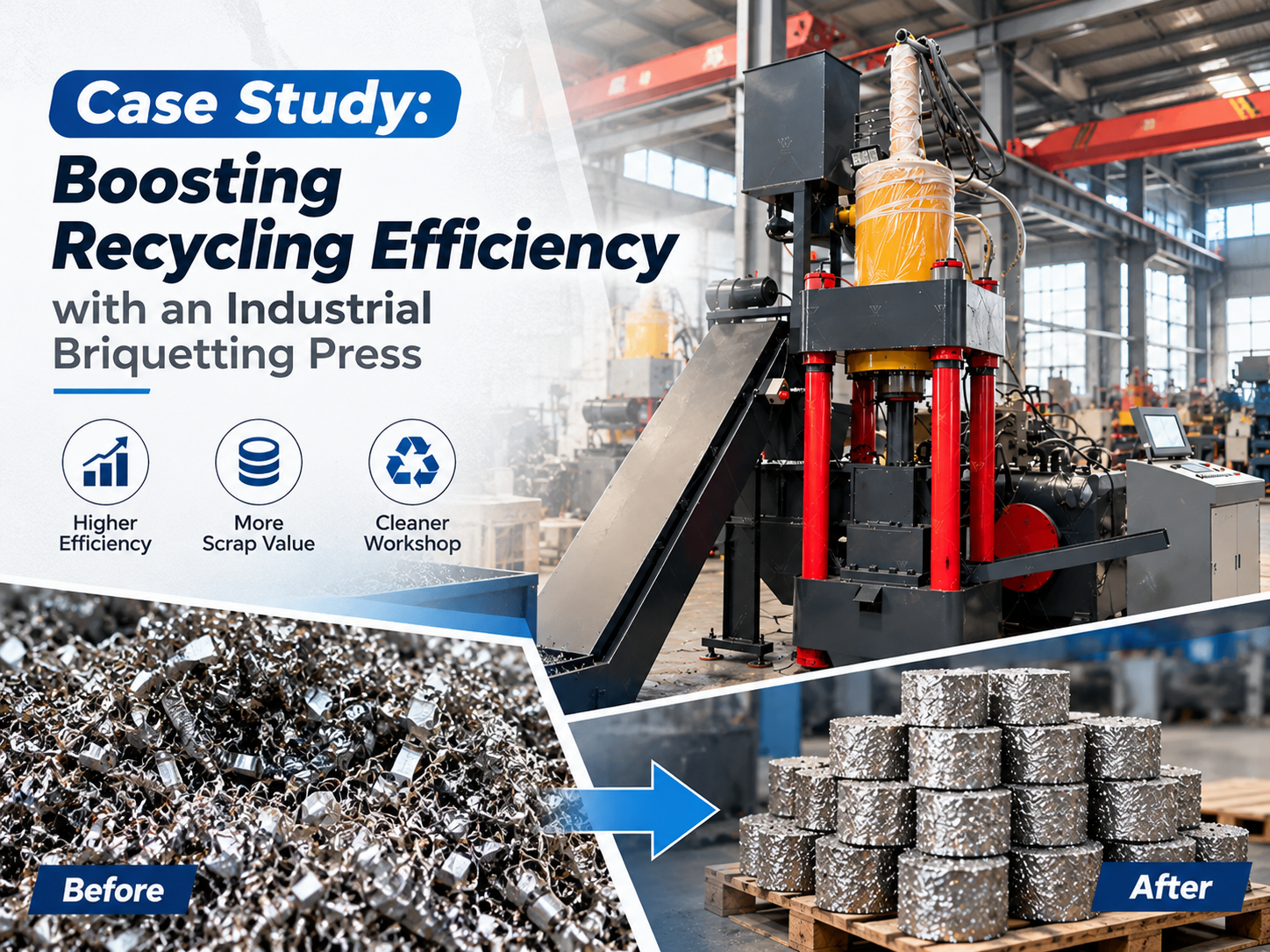
In the modern metal fabrication landscape, the management of swarf, chips, and metal dust is often overlooked until it becomes a significant operational bottleneck. For many manufacturers, metal waste is treated as a byproduct that occupies valuable floor space, incurs high disposal costs, and represents a lost opportunity for revenue recovery. HARSLE has observed that companies failing to optimize their waste stream often face reduced profitability and increased environmental compliance risks. This article explores a comprehensive case study: Boosting Recycling Efficiency An Industrial Briquetting Press, demonstrating how HARSLE technology turns waste into a valuable asset.
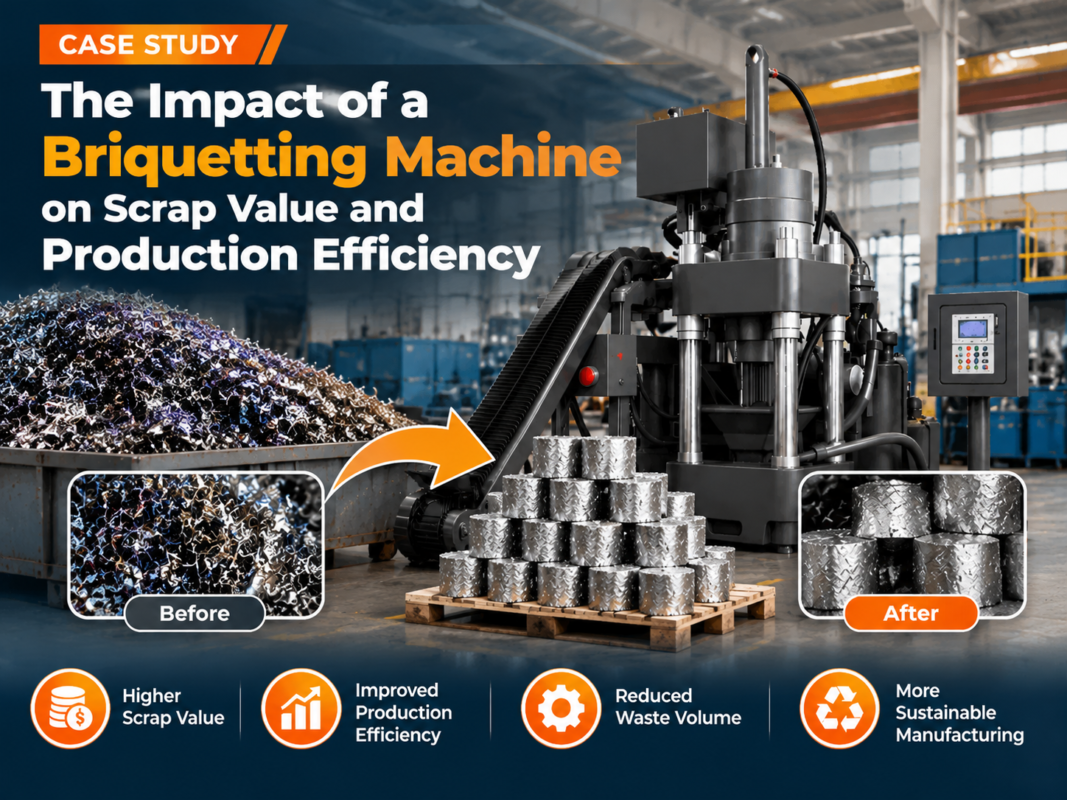
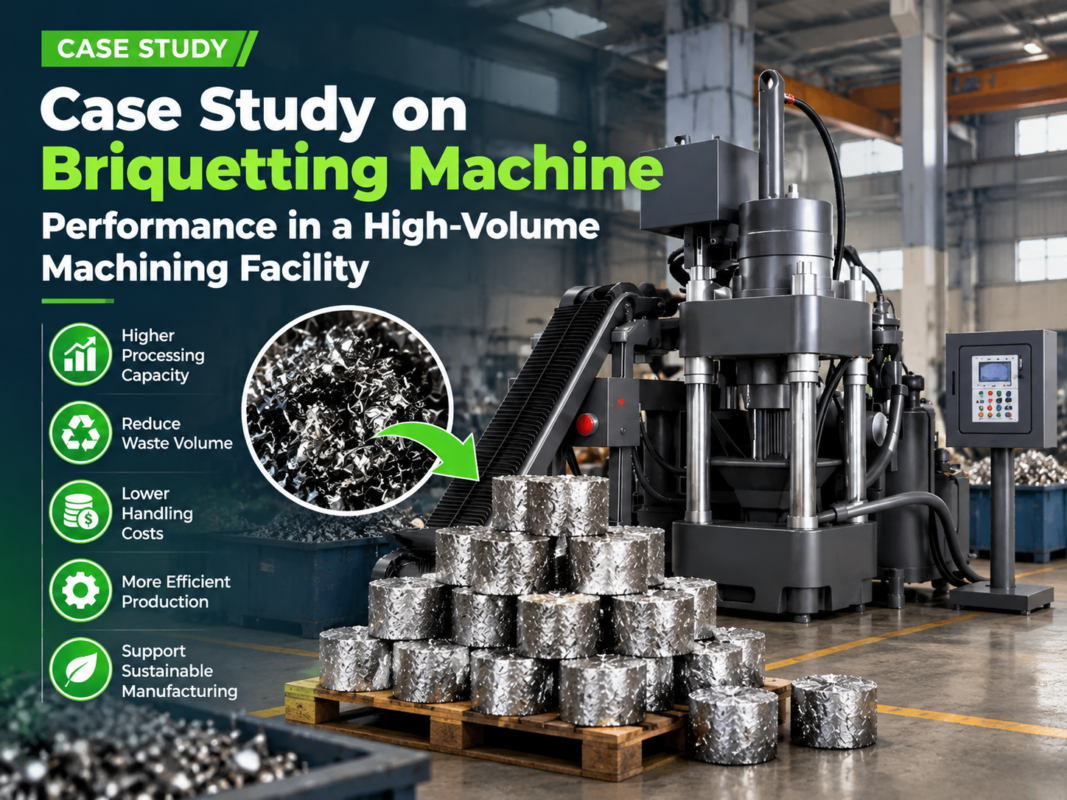
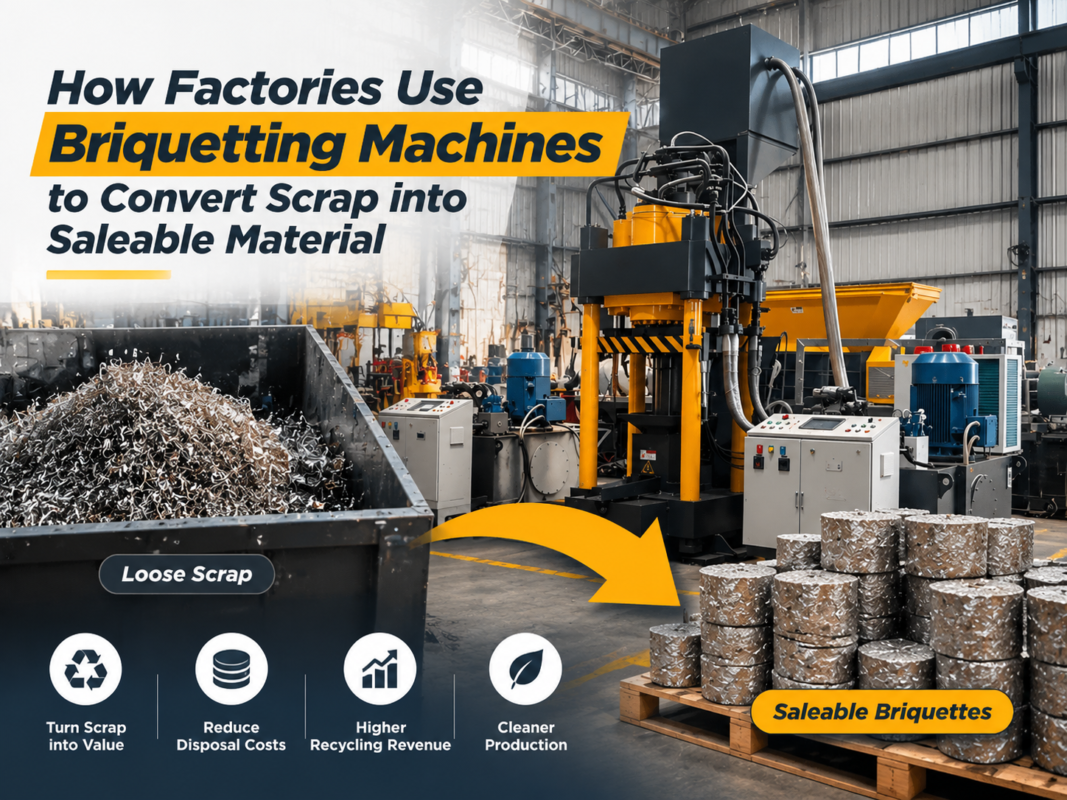
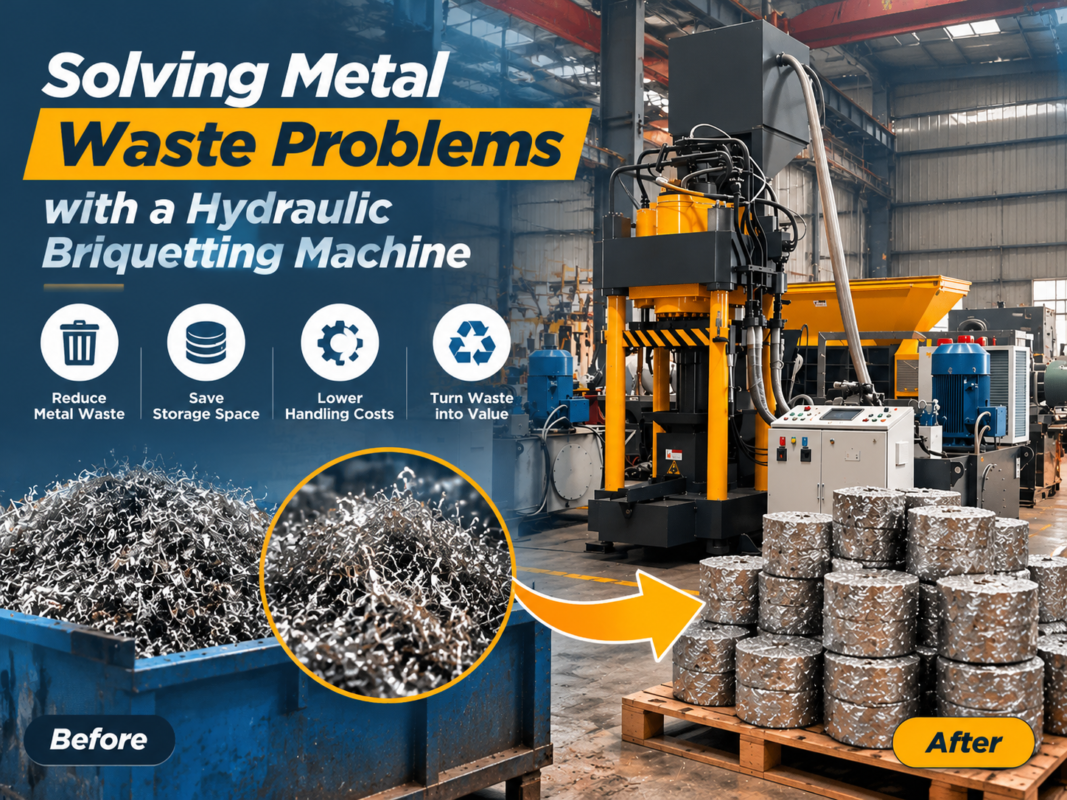
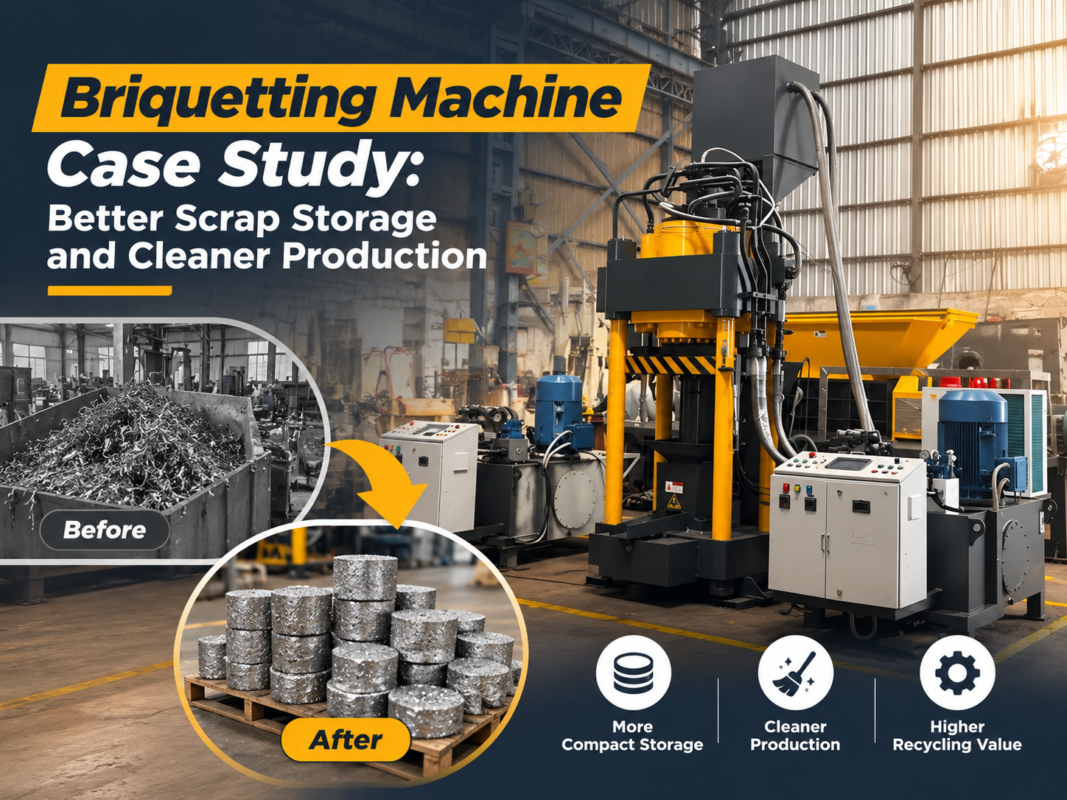
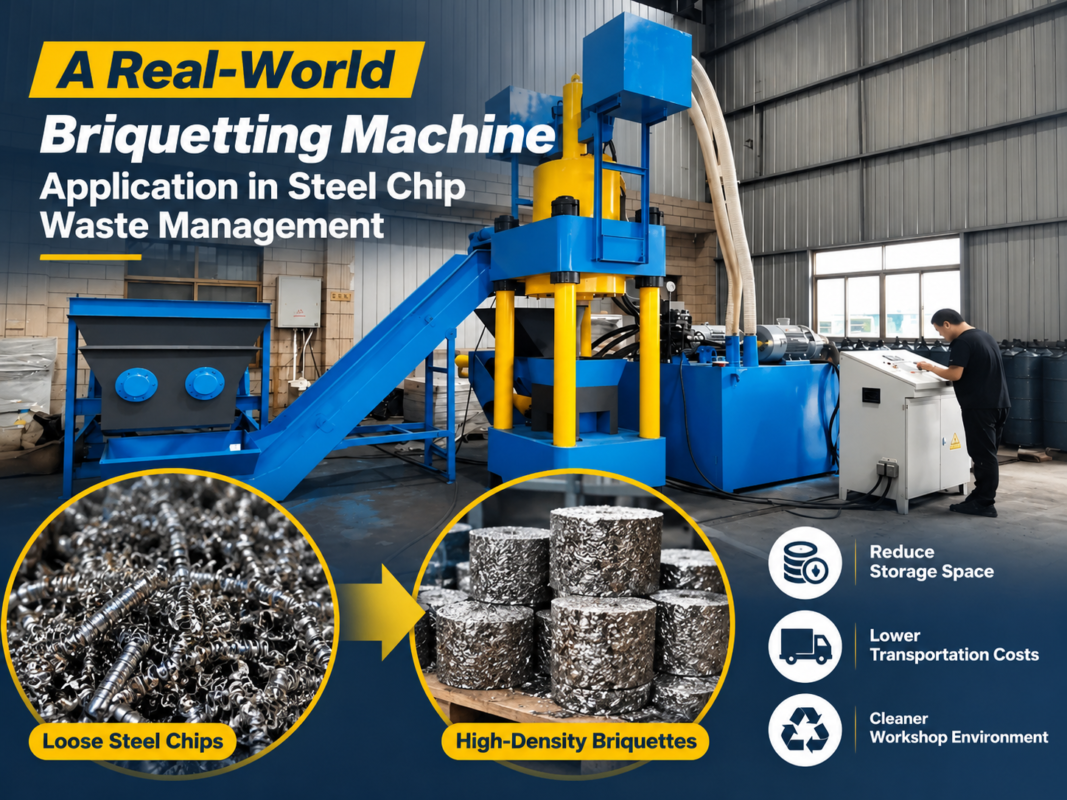
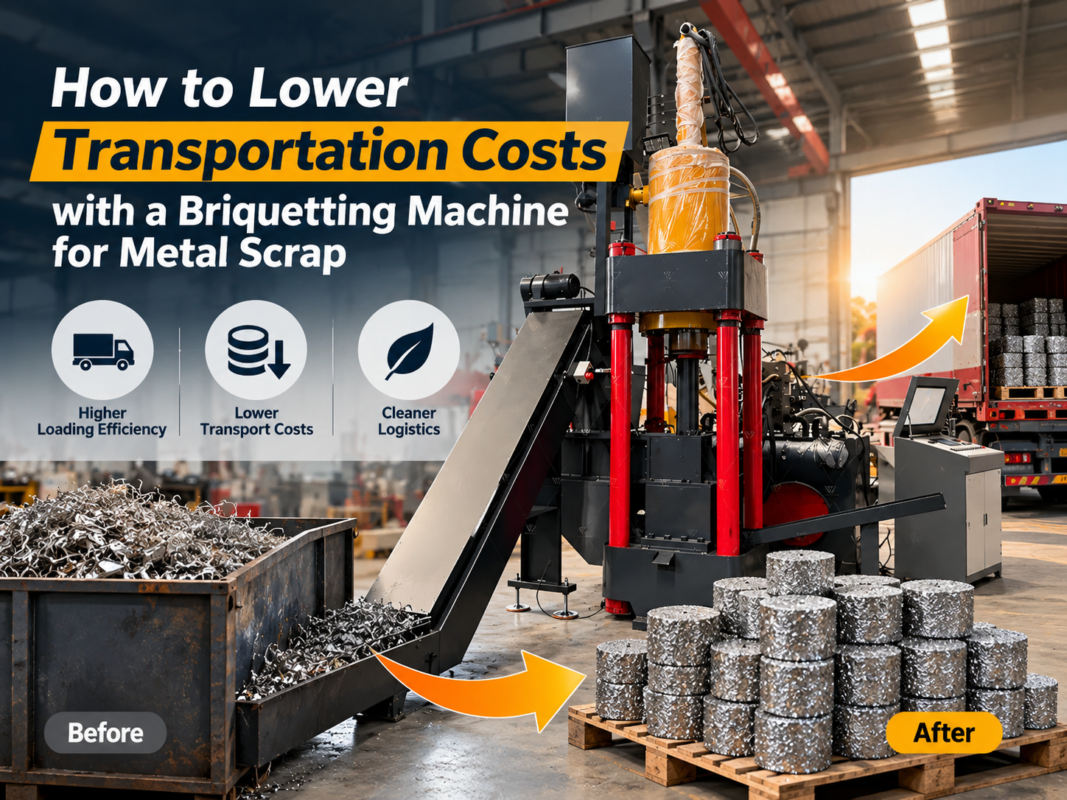
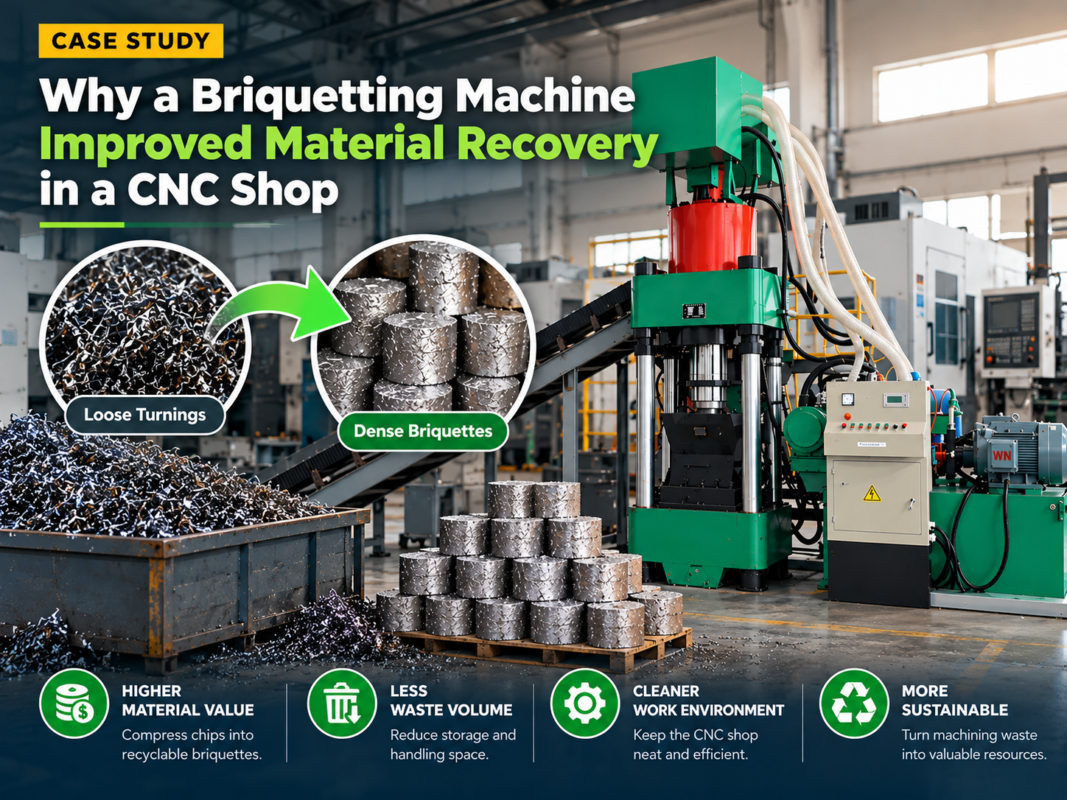
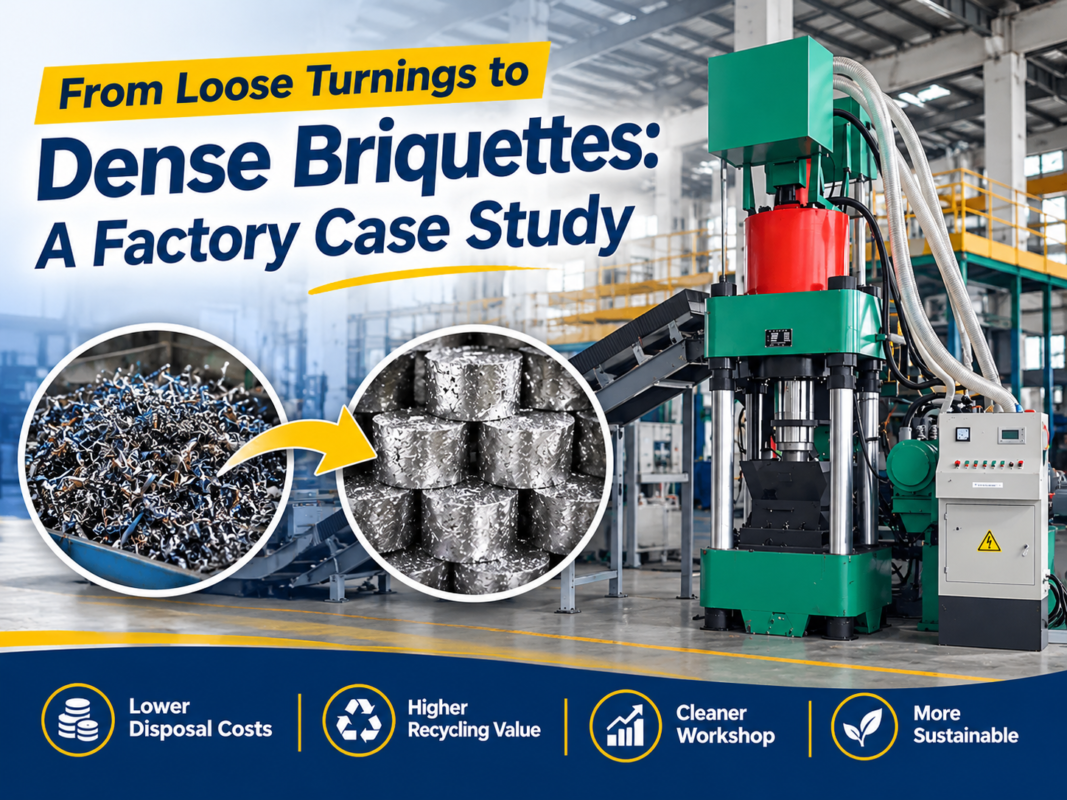
The traditional approach to metal waste involves collecting loose chips in bins, which are then hauled away by scrap dealers at low market rates. Because loose chips have a high volume-to-weight ratio and are often saturated with cutting fluids, they are expensive to transport and difficult to process. By integrating a high-performance briquetting machine into the production line, manufacturers can compress these loose materials into dense, uniform pucks. This process not only reduces the volume of the waste by up to 90% but also allows for the recovery of expensive cooling lubricants.
This case study focuses on a mid-sized automotive components manufacturer that struggled with excessive logistics costs and poor scrap value. By implementing a HARSLE industrial briquetting press, the facility transformed its waste management strategy from a cost center into a profit-generating unit. Throughout this article, we will examine the technical implementation, the economic benefits, and the operational shifts required to achieve such results. Understanding the mechanics of this transition is essential for any facility manager looking to modernize their metal fabrication equipment.
Ultimately, the goal of this guide is to provide a roadmap for companies aiming to achieve circular economy standards. As environmental regulations tighten globally, the ability to recycle metal waste efficiently is no longer just a financial advantage—it is a competitive necessity. We will delve into the specific technical details that make HARSLE briquetting solutions the industry standard for reliability and performance.
Key Considerations for Implementing Briquetting Technology
Before investing in a briquetting machine, facility managers must conduct a thorough audit of their waste stream. The first consideration is the material composition. Different metals, such as aluminum, steel, cast iron, and copper, have varying densities and physical properties that dictate the required pressing force. A machine designed for light aluminum chips may not be sufficient for hardened steel shavings. HARSLE engineers emphasize that understanding the material flow—specifically the volume of chips generated per shift—is the primary factor in sizing the equipment correctly.
Space constraints and workflow integration are equally critical. An industrial briquetting press should ideally be placed as close to the source of the waste as possible to minimize manual handling. If the press is located too far from the CNC machines or lathes, the labor costs associated with transporting loose chips can negate the savings gained from the briquetting process. HARSLE designs its systems with modular footprints, allowing for seamless integration into existing factory layouts without disrupting primary production lines.
Fluid management is another vital consideration. Many metal chips are coated in cutting oils or coolants. A high-quality briquetting press does more than just compress metal; it acts as a filtration system. By squeezing the chips under extreme pressure, the machine forces the liquid out, which can then be collected, filtered, and reused. This reduces the need to purchase new coolants and lowers the environmental impact of hazardous waste disposal. When selecting a system, ensure that the fluid recovery rate is a primary metric in your decision-making process.
Finally, maintenance and operator training must be factored into the implementation plan. While HARSLE machines are built for durability, they require routine checks of hydraulic seals, pressure sensors, and feed mechanisms. Training staff to recognize the signs of wear or improper feeding ensures that the machine maintains peak efficiency over its lifespan. A well-maintained briquetting press can operate for years with minimal downtime, providing a consistent return on investment that justifies the initial capital expenditure.
Technical Details: How HARSLE Briquetting Presses Work
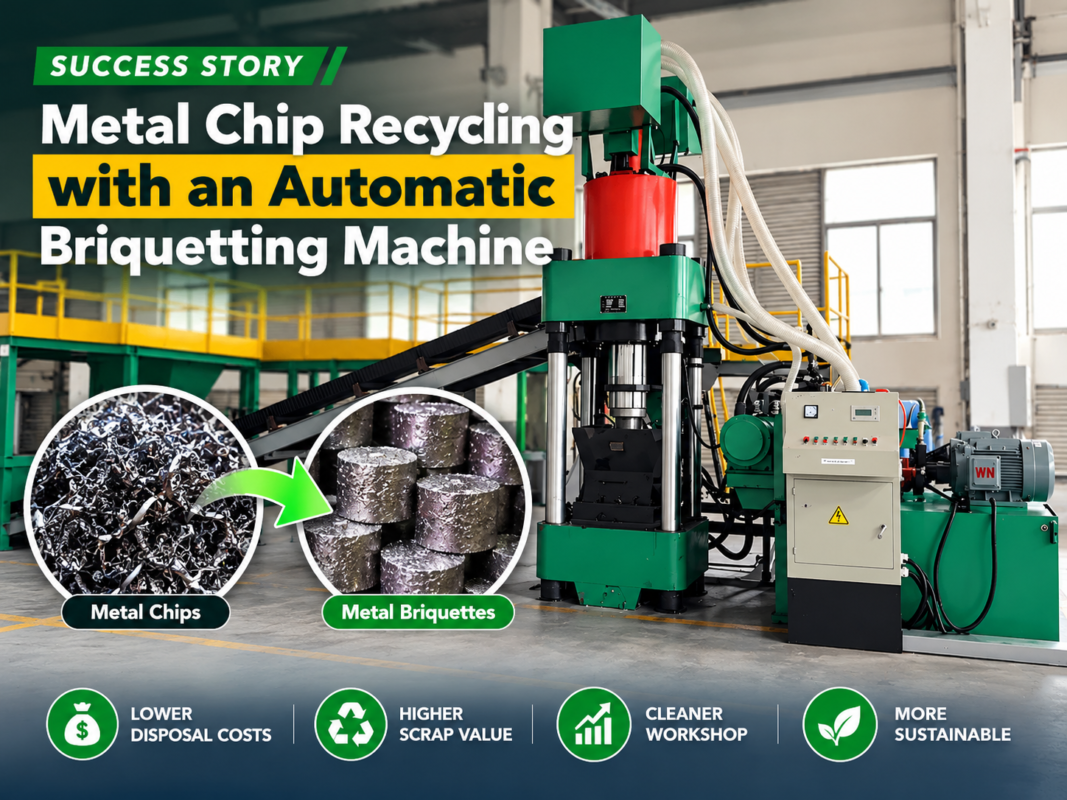
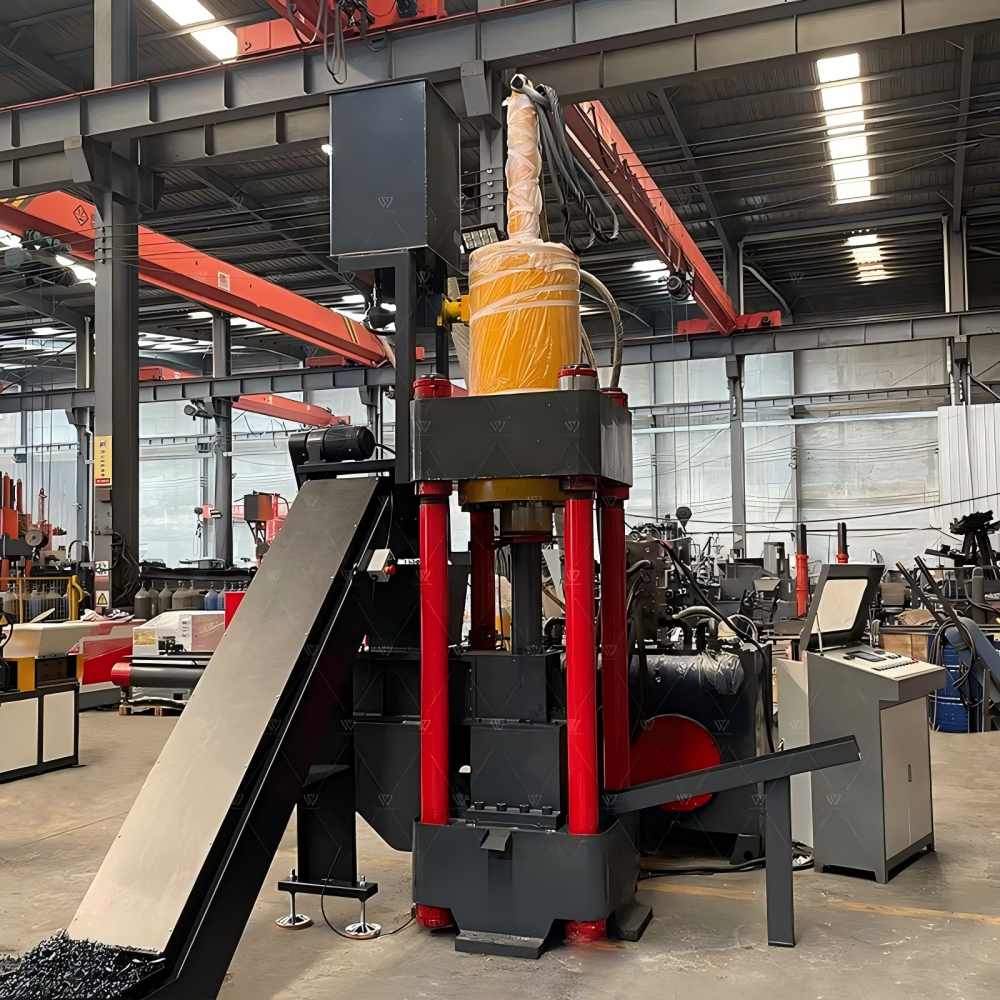
The core technology behind a HARSLE briquetting press is the hydraulic compression cycle. The process begins with a hopper that receives loose metal chips. These chips are then moved into a pre-compression chamber by an auger or a mechanical feed system. This pre-compression stage is crucial because it ensures that the material is evenly distributed and that any air pockets are removed before the main hydraulic ram applies the final, high-pressure force. This ensures that the resulting briquette is dense, stable, and easy to handle.
The main hydraulic cylinder is the heart of the system. HARSLE utilizes high-grade hydraulic components that can exert several hundred tons of pressure, depending on the model. This force is necessary to overcome the elastic memory of the metal, ensuring that the briquettes do not expand or crumble once they are ejected from the die. The die itself is constructed from hardened, wear-resistant alloys to withstand the abrasive nature of metal chips, ensuring long-term structural integrity even when processing tough materials like stainless steel.
Advanced control systems are integrated into every HARSLE press to monitor the process in real-time. These systems track hydraulic pressure, cycle time, and material density. If the system detects an inconsistency in the feed, it can automatically adjust the cycle parameters to maintain the quality of the briquettes. This automation reduces the need for constant human supervision, allowing operators to focus on other critical tasks in the fabrication shop. The user interface is designed for simplicity, providing clear feedback on machine status and maintenance alerts.
Another technical advantage is the modular design of the discharge system. Depending on the facility’s needs, the briquettes can be ejected directly into a conveyor belt, a collection bin, or a specialized storage silo. This flexibility allows the briquetting press to be part of a larger, automated material handling system. By standardizing the output, manufacturers can simplify their logistics, as briquettes are significantly easier to stack, transport, and load into melting furnaces compared to loose, irregular chips.
Selection Advice: Choosing the Right Equipment
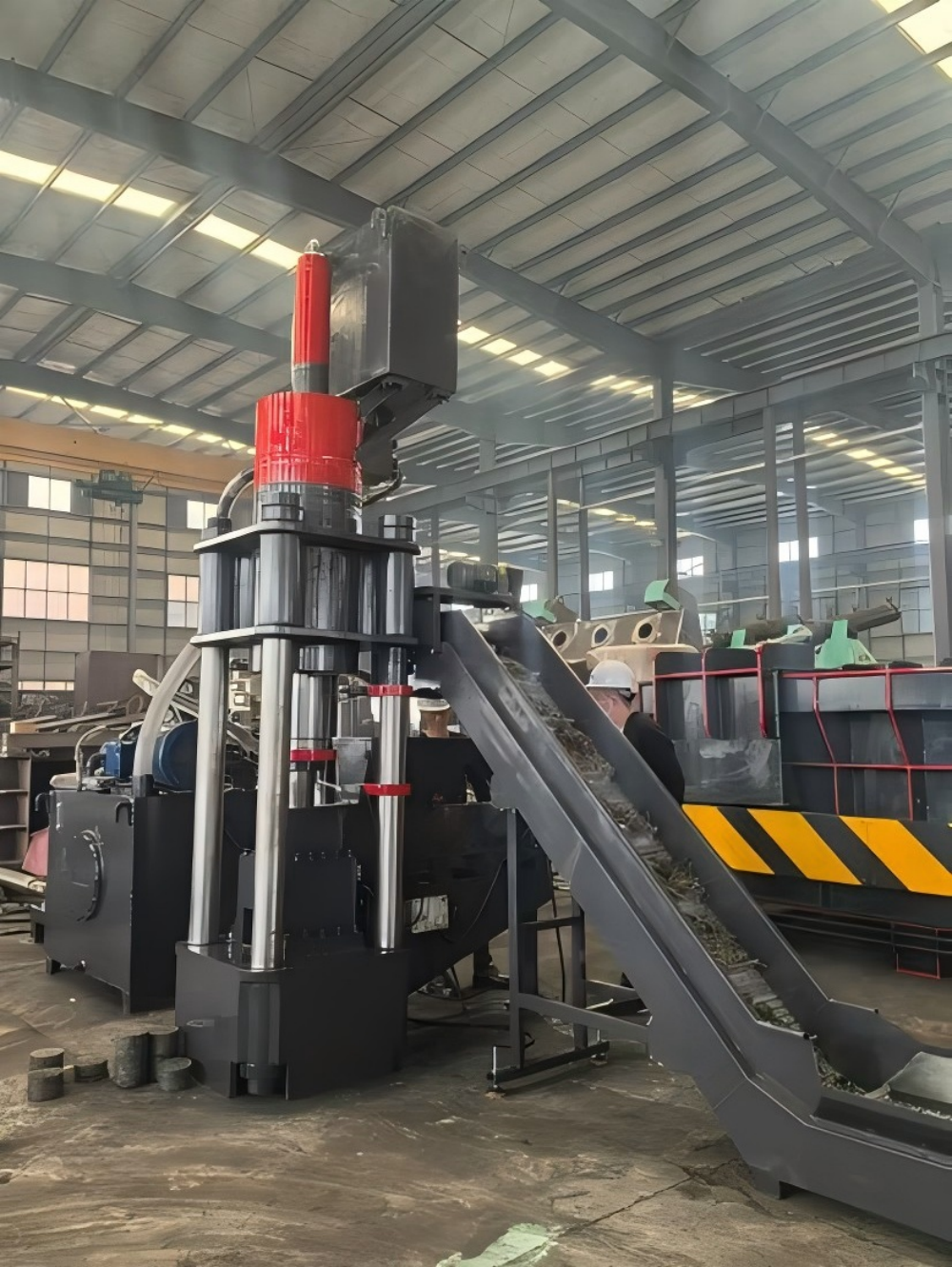
When selecting a briquetting machine, the most common mistake is choosing based solely on price. A cheaper machine may have lower hydraulic pressure, leading to “soft” briquettes that break apart during transport. This defeats the purpose of the investment, as the material will still occupy significant volume and lose its value as high-grade scrap. Always prioritize machines that offer adjustable pressure settings, as this allows for versatility if your production mix changes in the future.
Consider the throughput capacity of the machine. If your facility generates 500kg of chips per hour, a machine rated for 200kg per hour will create a bottleneck, leading to overflowing bins and operational delays. HARSLE recommends selecting a machine with a capacity that exceeds your peak generation rate by at least 20%. This buffer ensures that the machine can handle surges in production without requiring constant attention or causing system alarms.
Look for comprehensive support and spare parts availability. Industrial machinery is a long-term asset, and you need a partner who can provide technical assistance and parts quickly. HARSLE prides itself on a global service network, ensuring that if a component needs replacement, the downtime is kept to an absolute minimum. Ask potential suppliers about their warranty terms, the availability of remote diagnostics, and the ease of accessing common wear parts like seals and filters.
Finally, evaluate the energy efficiency of the press. Modern hydraulic systems are significantly more efficient than older models, utilizing variable frequency drives (VFDs) to adjust motor speed based on the load. This not only reduces electricity consumption but also extends the life of the hydraulic pump by preventing unnecessary wear. Investing in an energy-efficient HARSLE press is a smart move that aligns with modern sustainability goals and reduces long-term operational costs.
FAQ: Common Questions About Briquetting
1. What types of metal can be processed in a HARSLE briquetting press?
HARSLE presses are designed to handle a wide variety of metals, including aluminum, steel, cast iron, copper, brass, and even titanium. The key is to ensure the machine is configured with the correct pressure and die specifications for the specific material density.
2. How much does a briquetting press reduce waste volume?
On average, a HARSLE briquetting press can reduce the volume of loose metal chips by 80% to 90%. This dramatic reduction significantly lowers logistics and storage costs.
3. Can I recover cutting fluids from the briquettes?
Yes. The high-pressure compression process effectively squeezes out the majority of coolants and oils from the chips. These fluids are collected in a dedicated reservoir within the machine, allowing for filtration and reuse, which saves on fluid procurement costs.
4. Is it difficult to operate the machine?
HARSLE machines are designed with user-friendly interfaces. Once the initial setup and training are complete, operators can manage the machine with minimal effort. The automated cycle handles the compression, ejection, and fluid collection, requiring only periodic monitoring.
5. How often does the machine require maintenance?
Routine maintenance, such as checking hydraulic fluid levels, cleaning the feed hopper, and inspecting the die for wear, should be performed according to the manual provided with your specific model. HARSLE provides a detailed maintenance schedule to ensure optimal performance.
Conclusion: Transforming Waste into Profit
The case study of boosting recycling efficiency with an industrial briquetting press highlights a fundamental shift in how modern manufacturers view their waste. By moving away from the traditional, inefficient disposal of loose metal chips, companies can unlock hidden value, reduce their environmental footprint, and streamline their logistics. HARSLE remains committed to providing the robust, high-performance equipment necessary to make this transition possible.
Investing in a briquetting machine is not just about buying a piece of metal fabrication equipment; it is about adopting a more intelligent, sustainable approach to production. The combination of volume reduction, fluid recovery, and increased scrap value creates a compelling financial argument that pays for the machine over time. As we have explored, the key to success lies in careful planning, choosing the right capacity, and maintaining the equipment to ensure long-term reliability.
For manufacturers looking to stay ahead in a competitive market, the integration of HARSLE technology is a clear path toward operational excellence. Whether you are a small job shop or a large-scale automotive supplier, the benefits of briquetting are universal. We invite you to contact our team to discuss your specific waste management needs and discover how we can help you turn your metal chips into a valuable asset. The future of metal fabrication is circular, and it starts with the right equipment.