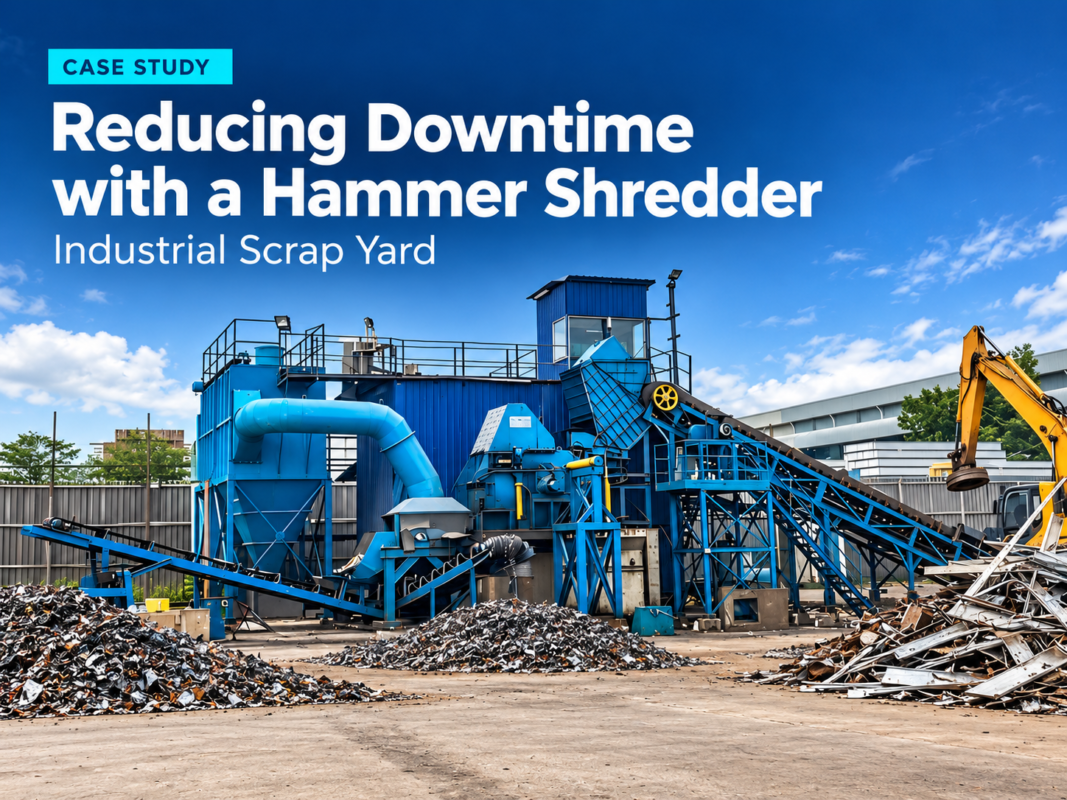
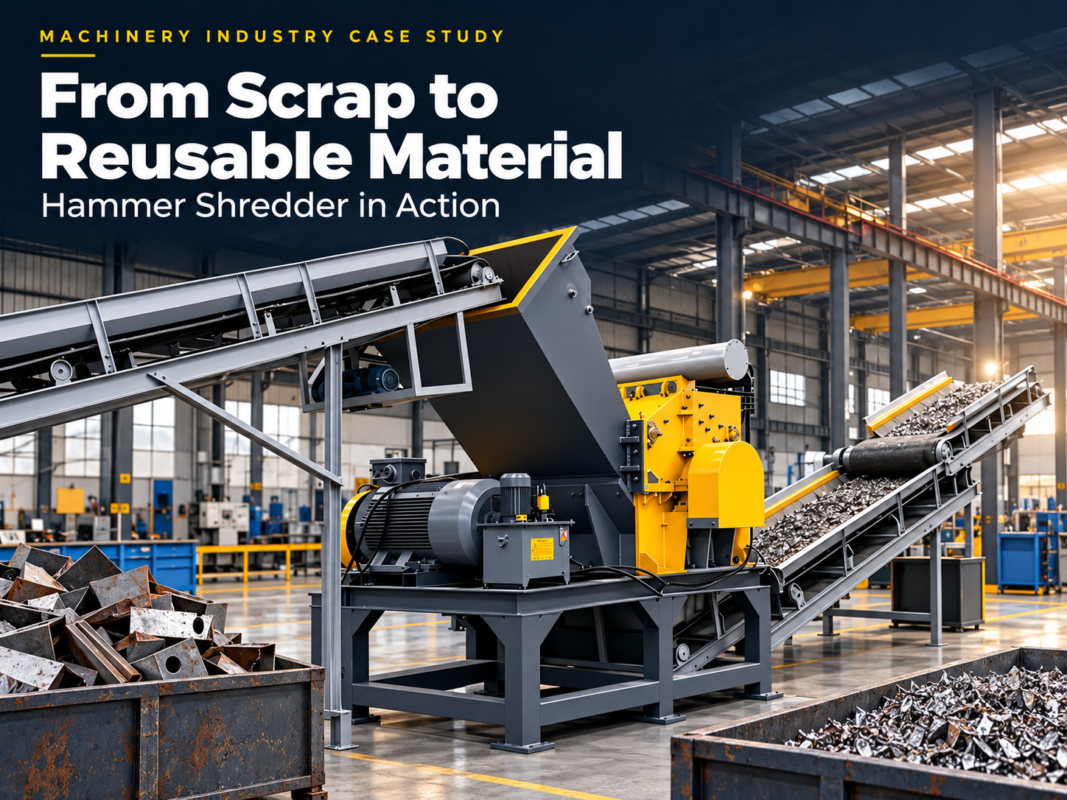
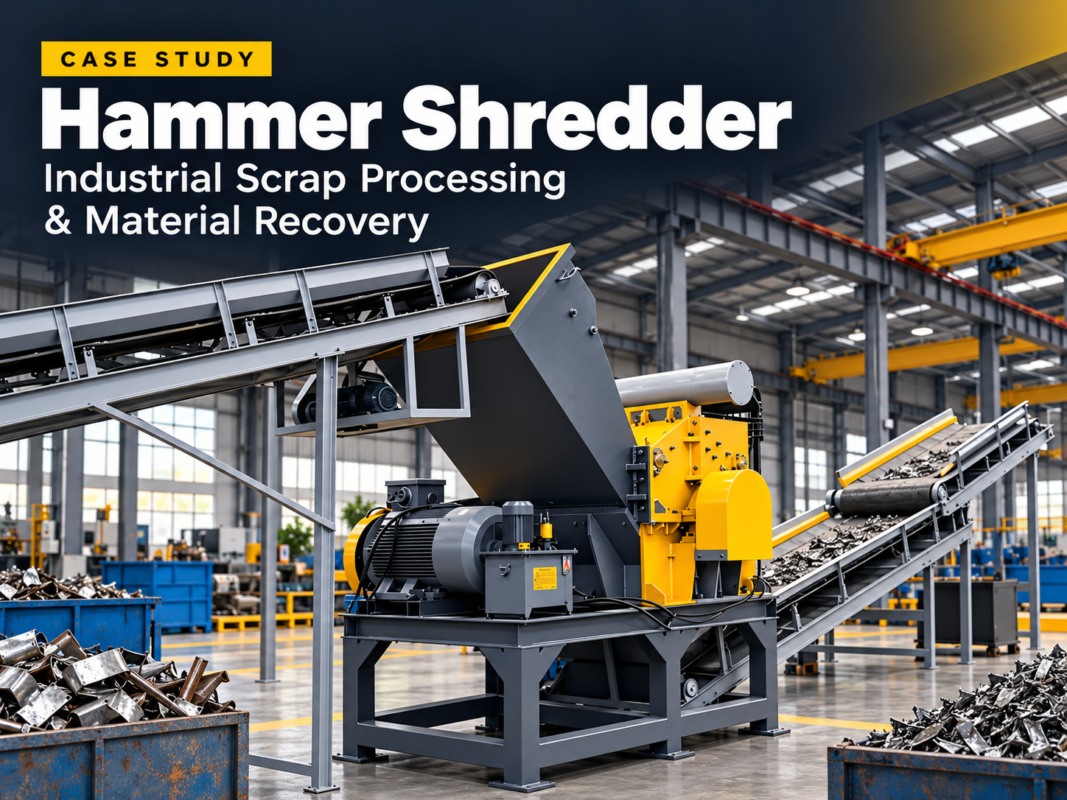
Hammer Shredder Rotor Imbalance: Warning Signs and Troubleshooting Methods


Introduction to Hammer Shredder Rotor Imbalance
In the demanding world of metal fabrication and recycling, the hammer shredder stands as a cornerstone of efficiency. However, the high-speed operation of these machines makes them susceptible to mechanical wear, with rotor imbalance being one of the most critical issues. Understanding Hammer Shredder Rotor Imbalance: Warning Signs and Troubleshooting Methods is essential for any facility manager looking to maximize uptime and protect their capital investment.
A hammer shredder relies on a high-inertia rotor assembly to pulverize scrap metal and industrial waste. When this rotor loses its center of gravity—even by a few grams—the resulting centrifugal forces can escalate exponentially as the machine reaches operating speed. This imbalance not only compromises the quality of the output but also places extreme stress on bearings, shafts, and the structural integrity of the shredder housing.
At HARSLE, we emphasize that proactive maintenance is far more cost-effective than reactive repair. By recognizing the early warning signs of rotor instability, operators can intervene before a minor imbalance leads to catastrophic bearing failure or a snapped main shaft. This guide provides a comprehensive technical overview of how to detect, diagnose, and rectify these issues in industrial shredding environments.
Effective management of rotor health requires a combination of sensory awareness, vibration analysis, and routine mechanical inspections. Whether you are operating a small-scale scrap processor or a large-scale industrial recycling plant, the principles of rotor balance remain the same. This article serves as your definitive manual for maintaining the rotational precision of your HARSLE shredding equipment.
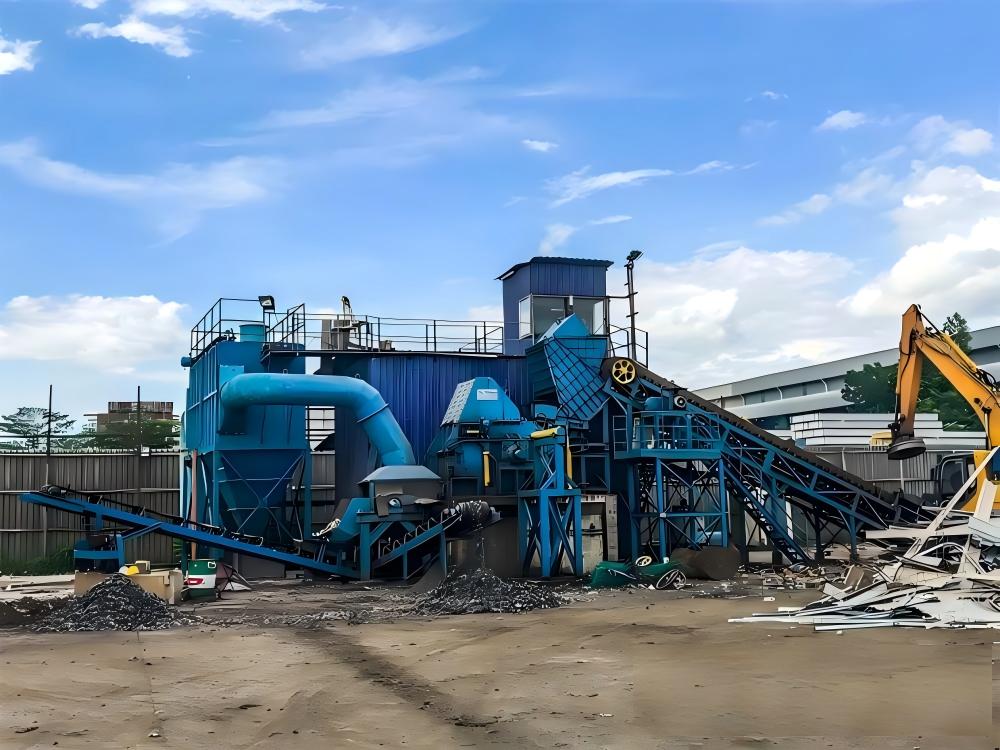
Key Considerations for Rotor Stability
The stability of a hammer shredder rotor is dictated by the uniform distribution of mass around the axis of rotation. In a perfect scenario, the center of mass coincides exactly with the geometric center of the shaft. However, due to the nature of shredding—where hammers are constantly striking hard materials—this balance is frequently disrupted. The first key consideration is the wear pattern of the hammers themselves.
Hammers are designed to be replaceable, but they must be replaced in sets. If an operator replaces only a few hammers, the weight distribution across the rotor discs becomes uneven. This is a common oversight that leads to immediate vibration issues. Always ensure that hammers are replaced in diametrically opposed pairs to maintain the rotational symmetry of the rotor assembly.
Another critical factor is the accumulation of debris. In metal fabrication, fine dust, oils, and small metallic particles can build up in the crevices of the rotor or behind the hammer pins. Over time, this buildup acts as an uneven weight distribution. Regular cleaning cycles are not just for aesthetics; they are a fundamental requirement for maintaining the dynamic balance of the rotor.
Environmental factors also play a role. Thermal expansion during long shifts can cause minor shifts in the rotor assembly if the mounting hardware is not torqued to specification. Ensuring that all bolts, pins, and locking mechanisms are checked during scheduled downtime is vital. A loose hammer pin can shift during operation, causing a sudden and violent imbalance that can damage the entire shredder chamber.
Technical Details: Identifying Warning Signs
Detecting an imbalance early is the difference between a simple adjustment and a complete machine overhaul. The most obvious warning sign is an increase in vibration levels. Operators should be trained to notice changes in the ‘hum’ of the machine. If the vibration transitions from a steady, low-frequency drone to a rhythmic, high-intensity shaking, the rotor is likely compromised.
Audible cues are equally important. A rotor that is out of balance will often produce a ‘thumping’ or ‘knocking’ sound that correlates with the RPM of the motor. This sound is often caused by the rotor attempting to find its center, putting excessive pressure on the bearing housings. If you hear this, the machine should be shut down immediately for inspection.
Visual inspection of the bearing temperature is another technical indicator. When a rotor is imbalanced, the bearings are subjected to radial loads they were not designed to handle. Using an infrared thermometer, maintenance teams can monitor bearing temperatures. A sudden spike in temperature, even if the machine is running at normal load, is a classic symptom of mechanical stress caused by an imbalanced rotor.
Finally, examine the output material. An imbalanced rotor often results in inconsistent shredding patterns. You may notice that the shredder is struggling to process material on one side of the feed chute while the other side remains relatively clear. This uneven processing is a direct result of the rotor ‘wobbling’ within the chamber, preventing the hammers from striking the material with uniform force.
Troubleshooting Methods for Rotor Imbalance
Once an imbalance is suspected, the troubleshooting process must be systematic. The first step is to perform a ‘static balance’ check. With the machine locked out and tagged out (LOTO), rotate the rotor by hand. If the rotor consistently stops at the same position, it is heavy on the bottom. This indicates a significant imbalance that requires immediate attention.
The second method involves checking the hammer pins and bushings. Remove the hammers and inspect the pins for grooves or signs of bending. A bent pin will cause the hammer to hang at an incorrect angle, effectively shifting the center of gravity of the rotor. Replace any pins that show signs of deformation, as these are often the ‘hidden’ culprits behind persistent vibration issues.
If the pins and hammers are in good condition, the next step is to inspect the rotor discs for cracks or missing material. In high-impact environments, small pieces of the rotor disc can break off. Even a small piece of steel missing from the edge of a disc can cause significant vibration at high speeds. If damage is found, professional welding and re-balancing by a certified technician are required.
For advanced troubleshooting, utilize vibration analysis software. By attaching accelerometers to the bearing housings, you can generate a frequency spectrum. This data will tell you exactly which part of the rotor is causing the imbalance. This is the most accurate method for large-scale industrial shredders where manual inspection might miss microscopic deviations in balance.
Selection Advice for Long-Term Reliability
When selecting a hammer shredder, the design of the rotor is the most important feature to evaluate. Look for machines that feature modular rotor designs, which allow for easier balancing and individual component replacement. HARSLE shredders are engineered with precision-balanced rotors that minimize the need for frequent recalibration, but the quality of the initial build is paramount.
Consider the material of the hammers and the mounting system. High-chrome alloy hammers offer superior wear resistance, which means they maintain their weight and shape for longer periods. This consistency is key to preventing imbalance. Avoid low-quality aftermarket hammers that may have inconsistent weights, as these will inevitably lead to rotor instability.
Evaluate the bearing housing design. Robust, heavy-duty bearing housings with effective sealing are essential. If contaminants enter the bearing, they can cause the rotor to shift, leading to the very imbalance you are trying to avoid. A well-sealed, high-quality bearing assembly will protect the rotor’s alignment even in harsh, dusty environments.
Finally, ensure that the manufacturer provides clear documentation on rotor balancing procedures. A machine is only as good as the support behind it. At HARSLE, we provide detailed maintenance manuals that outline the specific tolerances for rotor balance, ensuring that your maintenance team has the data they need to keep the machine running at peak performance for years to come.
FAQ: Common Questions About Rotor Imbalance
- Q: How often should I check my hammer shredder for rotor imbalance?
A: We recommend a visual inspection of hammers and pins weekly, and a full vibration analysis every 500 operating hours. - Q: Can I balance the rotor myself?
A: Minor adjustments like replacing hammers in sets can be done in-house. However, if the rotor itself is damaged or requires weight adjustment, it should be handled by a professional to ensure safety. - Q: What happens if I ignore rotor vibration?
A: Ignoring vibration will lead to premature bearing failure, shaft fatigue, and potential structural damage to the shredder housing, which can be extremely costly to repair. - Q: Does the type of material being shredded affect balance?
A: Yes. Shredding mixed metals or heavy-duty scrap increases the rate of hammer wear, which can lead to faster imbalance if maintenance schedules are not adjusted accordingly.
Conclusion
Maintaining the balance of your hammer shredder rotor is not merely a maintenance task; it is a critical operational strategy. By understanding the warning signs—such as increased vibration, unusual noises, and uneven output—you can prevent the costly downtime associated with major mechanical failures. Implementing the troubleshooting methods outlined in this guide will ensure that your equipment remains a productive asset in your metal fabrication workflow.
Remember that the longevity of your HARSLE machinery depends on the care it receives. By prioritizing rotor health, using high-quality replacement parts, and adhering to strict maintenance schedules, you protect your investment and ensure consistent, high-quality output. If you ever encounter persistent issues that go beyond standard troubleshooting, do not hesitate to reach out to our technical support team for expert guidance on restoring your rotor to its optimal state.