How One Manufacturer Increased Scrap Processing Capacity Using a Hammer Shredder

Introduction
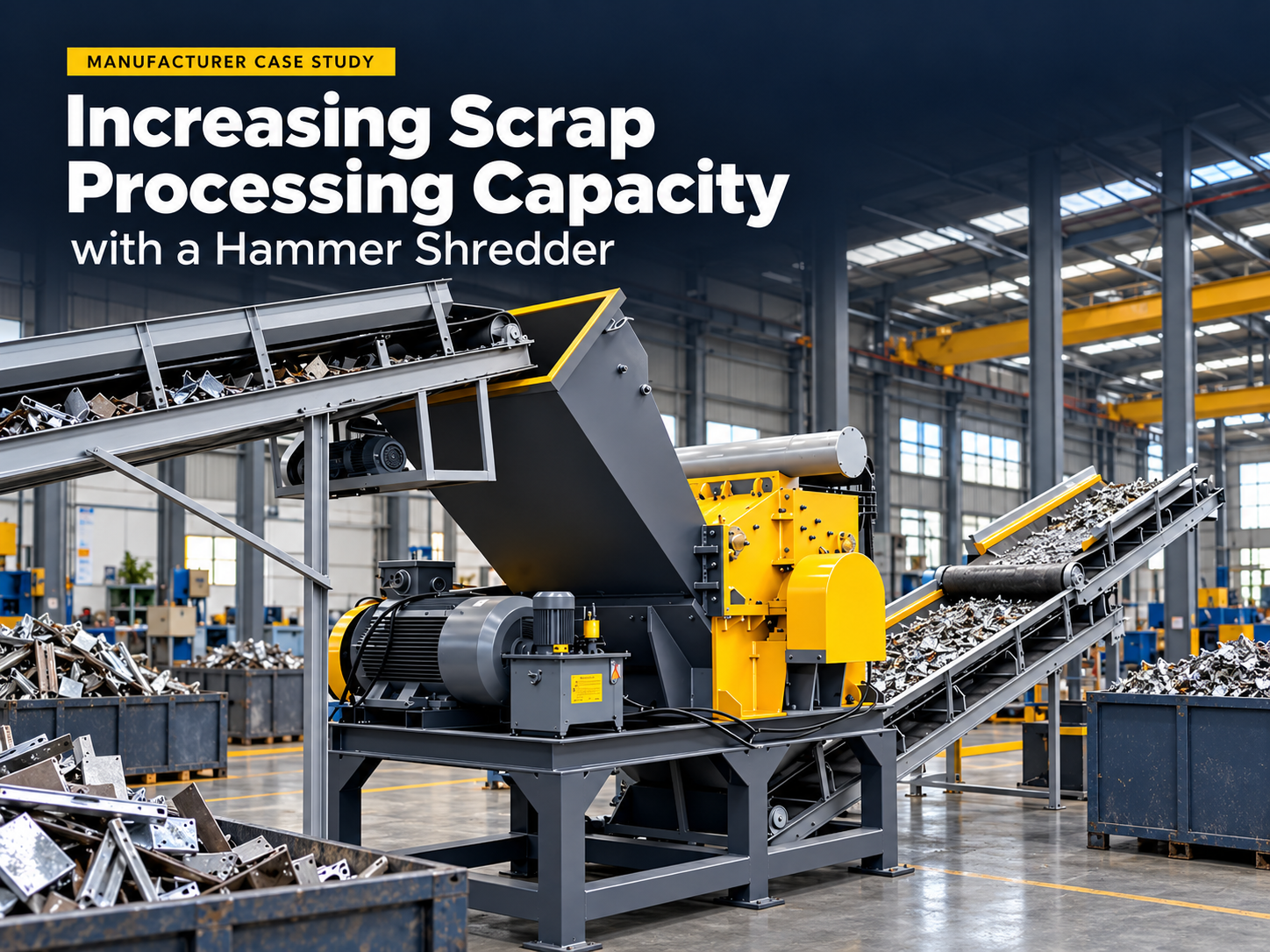
In the competitive landscape of modern metal fabrication, the efficiency of scrap management is often the hidden factor that determines overall profitability. For many facilities, scrap metal is not just a byproduct; it is a significant logistical challenge that occupies valuable floor space and incurs high transportation costs. Recently, we observed a compelling case study where one manufacturer increased scrap processing capacity using a hammer shredder, effectively transforming their waste management strategy from a cost center into a streamlined operational asset.
The manufacturer in question, a mid-sized automotive parts supplier, was struggling with the sheer volume of bulky steel offcuts and rejected components. Their traditional manual handling methods were labor-intensive and resulted in low-density scrap loads that were expensive to ship to recycling centers. By integrating a high-performance HARSLE hammer shredder into their production line, they were able to reduce the physical footprint of their waste by over 70% while simultaneously increasing the purity and value of their scrap metal.
This article explores the technical journey of this manufacturer, the specific challenges they faced, and how the implementation of advanced shredding technology provided a scalable solution. We will delve into the mechanics of hammer shredders, the selection criteria for industrial-grade equipment, and the long-term operational benefits that come with optimizing scrap processing capacity.
Understanding the role of a hammer shredder requires looking beyond simple size reduction. It involves analyzing material flow, throughput requirements, and the metallurgical benefits of uniform shredding. As we examine this case study, we will provide actionable insights for other manufacturers looking to modernize their scrap handling processes and improve their bottom line through smarter equipment investments.
Key Considerations for Scrap Management
Before deciding to invest in a hammer shredder, manufacturers must conduct a thorough audit of their current scrap output. The primary consideration is the volume and type of material being generated. Different alloys and thicknesses require different shredding forces. For the manufacturer in our case study, the primary issue was the ‘bulkiness’ of the scrap, which prevented them from maximizing the weight capacity of their shipping containers. By shredding the material, they achieved a higher bulk density, which directly reduced the number of transport trips required.
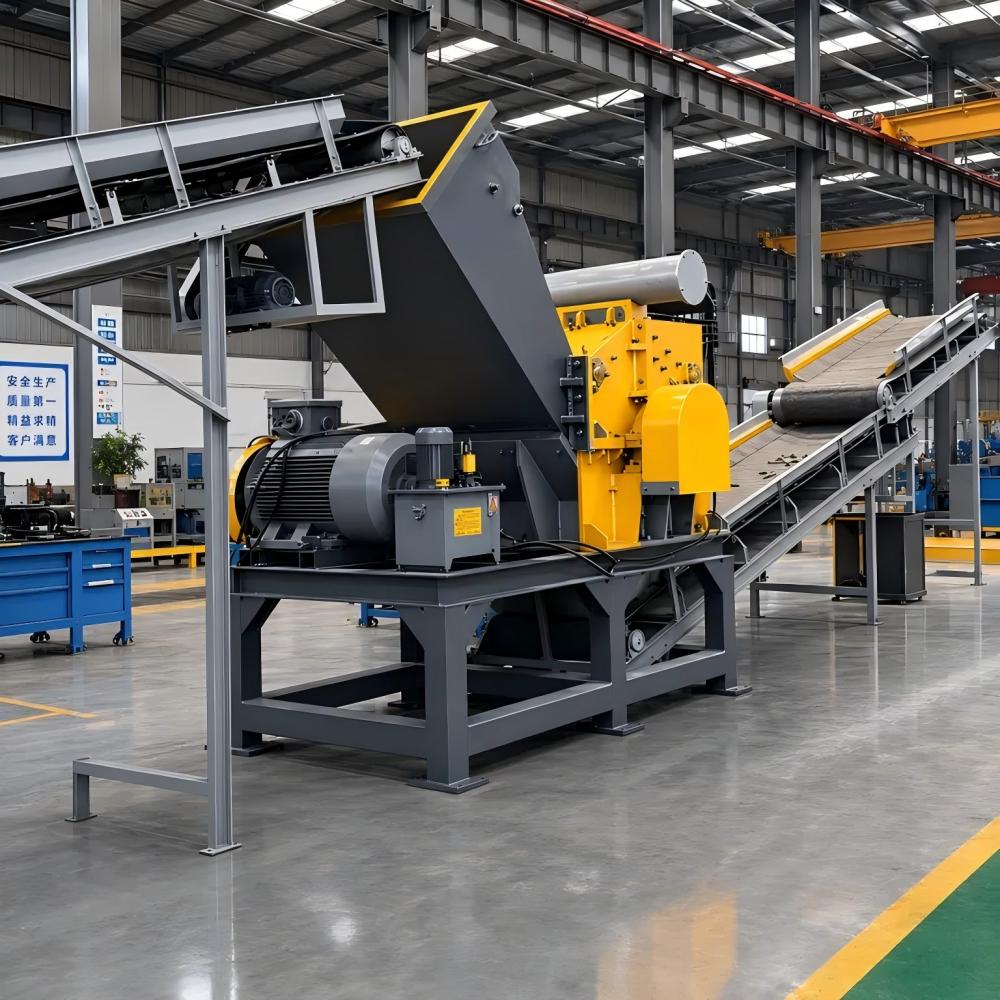
Another critical consideration is the integration of the shredder into the existing production workflow. A hammer shredder should not be an isolated piece of equipment; it should ideally be part of a continuous material handling system. This includes conveyors, magnetic separators, and automated discharge chutes. The manufacturer realized that by placing the shredder near the end of their stamping line, they could eliminate the need for secondary handling, thereby reducing labor costs and workplace accidents associated with moving heavy metal pieces.
Safety and environmental compliance also play a significant role in scrap management. Shredding metal generates noise, dust, and potential fire hazards if not managed correctly. The manufacturer had to invest in sound-dampening enclosures and dust extraction systems to ensure their facility met local occupational health and safety standards. These considerations are essential for any business planning to scale their operations, as regulatory scrutiny often increases with production capacity.
Finally, the economic return on investment (ROI) must be calculated based on the increased value of the shredded scrap. Shredded metal, often referred to as ‘fragmentized’ or ‘frag’ scrap, is highly sought after by smelters because it is easier to melt and analyze for purity. By upgrading their scrap to a higher grade, the manufacturer was able to negotiate better pricing with their recycling partners, significantly shortening the payback period for the hammer shredder investment.
Technical Details of Hammer Shredder Operations
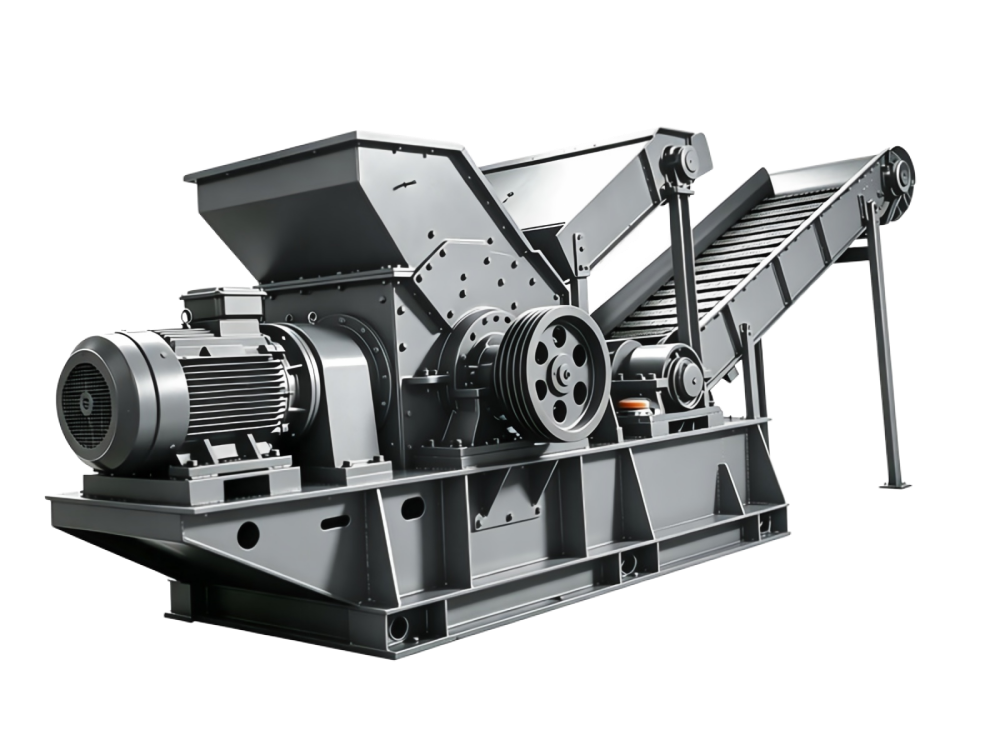
The core of the hammer shredder’s effectiveness lies in its mechanical design. Unlike shear shredders that cut material, a hammer shredder utilizes high-speed rotating hammers that strike the material against a heavy-duty anvil and grate. This impact-based process is exceptionally efficient for brittle or semi-ductile metals. The kinetic energy transferred from the hammers to the scrap causes it to fracture into smaller, more uniform pieces, which then pass through the sizing grate at the bottom of the chamber.
One of the technical breakthroughs for the manufacturer was the ability to adjust the grate size. By swapping out grates, they could control the output size of the shredded metal. For smaller, more dense loads, they used a tighter grate, while for larger, faster throughput, they utilized a wider opening. This flexibility allowed them to adapt to different production runs, whether they were processing thin-gauge sheet metal or thicker structural steel components.
The motor power and rotor speed are the primary drivers of throughput capacity. The manufacturer selected a HARSLE unit with a high-torque motor capable of handling shock loads without stalling. This is crucial because metal scrap is rarely uniform; it often contains hardened steel or unexpected contaminants. A robust rotor design, featuring replaceable hammer tips made of wear-resistant alloys, ensured that the machine could operate for extended periods with minimal downtime for maintenance.
Furthermore, the integration of a magnetic separator at the discharge end of the shredder allowed the manufacturer to separate ferrous from non-ferrous materials automatically. This level of automation is what truly allowed them to increase their processing capacity. Instead of having a team of workers manually sorting scrap, the machine performed the separation in real-time, delivering a clean, high-value product directly into collection bins.
Selection Advice for Your Facility
When selecting a hammer shredder, the first step is to define your throughput requirements in tons per hour. Do not over-specify, as this leads to unnecessary energy consumption, but ensure the machine has a 20-30% buffer for peak production periods. The manufacturer in our case study initially underestimated their peak volume, which led to a bottleneck during their busiest quarter. They learned that planning for growth is as important as planning for current needs.
Material compatibility is the second major factor. If your facility processes a wide variety of metals, including aluminum, copper, and stainless steel, you must ensure the shredder’s metallurgy can handle the abrasive nature of these materials. Some metals may require specialized hammer coatings to prevent premature wear. Discussing your specific scrap composition with the HARSLE engineering team is the best way to ensure the machine is configured correctly for your unique material stream.
Maintenance accessibility is often overlooked during the buying process. A hammer shredder is a high-wear machine; you will need to replace hammers, grates, and liners regularly. Choose a model that features a split-housing design or hydraulic opening mechanisms, which allow maintenance teams to access the internal components quickly. The manufacturer found that reducing their maintenance time from six hours to two hours per week was a major contributor to their overall increase in capacity.
Finally, consider the support and service network of the manufacturer. Industrial machinery is a long-term commitment. You need a partner who provides readily available spare parts, technical support, and training for your operators. HARSLE’s commitment to after-sales support was a deciding factor for the manufacturer, as it ensured that any technical issues were resolved before they could impact the production schedule.
Frequently Asked Questions (FAQ)
1. How does a hammer shredder differ from a shear shredder?
A hammer shredder uses high-speed impact to break material into small pieces, making it ideal for high-volume, uniform output. A shear shredder uses low-speed, high-torque blades to cut material, which is better for bulky, irregular items that require precise sizing.
2. Can a hammer shredder process all types of metal?
While hammer shredders are excellent for most steel and iron scrap, they may not be suitable for extremely ductile materials that ‘smear’ rather than break. Always consult with HARSLE engineers to verify your specific material compatibility.
3. What is the typical maintenance cycle for a hammer shredder?
Maintenance depends on usage intensity. Generally, hammer tips should be inspected weekly and replaced based on wear patterns. Grates and liners should be checked monthly to ensure consistent output quality.
4. How much space is required for a hammer shredder installation?
The footprint varies by model, but you must account for the shredder itself, the infeed conveyor, the discharge system, and the safety clearance around the machine. A typical installation requires at least 50-100 square meters of dedicated space.
5. Is it possible to increase the value of my scrap metal?
Yes. By shredding and cleaning your scrap (removing contaminants), you move your product from ‘mixed scrap’ to ‘processed frag,’ which commands a significantly higher price at recycling facilities.
Conclusion
The story of how one manufacturer increased scrap processing capacity using a hammer shredder serves as a blueprint for operational excellence in the metal fabrication industry. By shifting from manual, low-density scrap handling to an automated, high-density shredding process, the manufacturer not only solved their logistical bottlenecks but also unlocked new revenue streams through higher-quality scrap sales.
Investing in a HARSLE hammer shredder is more than just a purchase of equipment; it is a strategic move toward a more efficient, sustainable, and profitable manufacturing environment. As we have explored, the key to success lies in careful planning, understanding the technical requirements of your material, and prioritizing maintenance and support. Whether you are a small shop or a large-scale fabrication plant, the principles of efficient scrap management remain the same: reduce the volume, increase the value, and streamline the flow.
As the industry continues to evolve, the ability to manage resources effectively will distinguish the leaders from the followers. By adopting advanced shredding technology, you position your facility to handle the challenges of tomorrow while optimizing the performance of today. We encourage you to evaluate your current scrap handling processes and consider how a hammer shredder could transform your production floor into a model of efficiency.