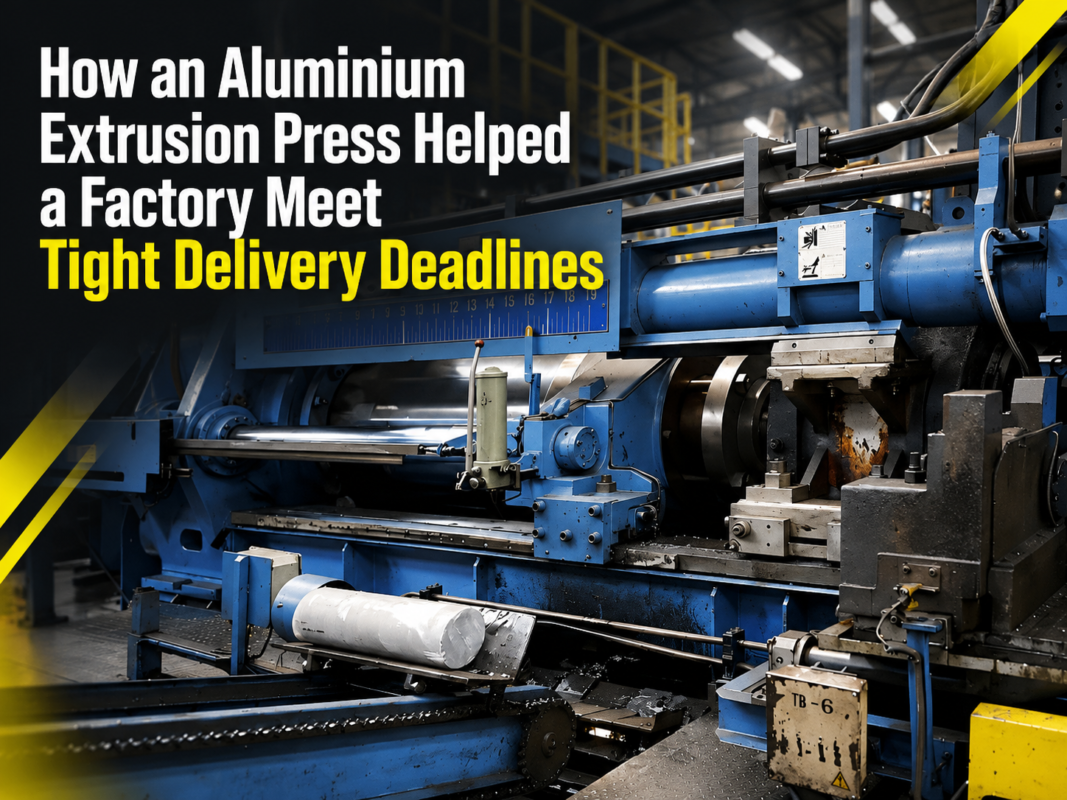
Case Study On Hammer Shredder Application For Ferrous And Non-Ferrous Scrap: Optimizing Metal Recycling Efficiency

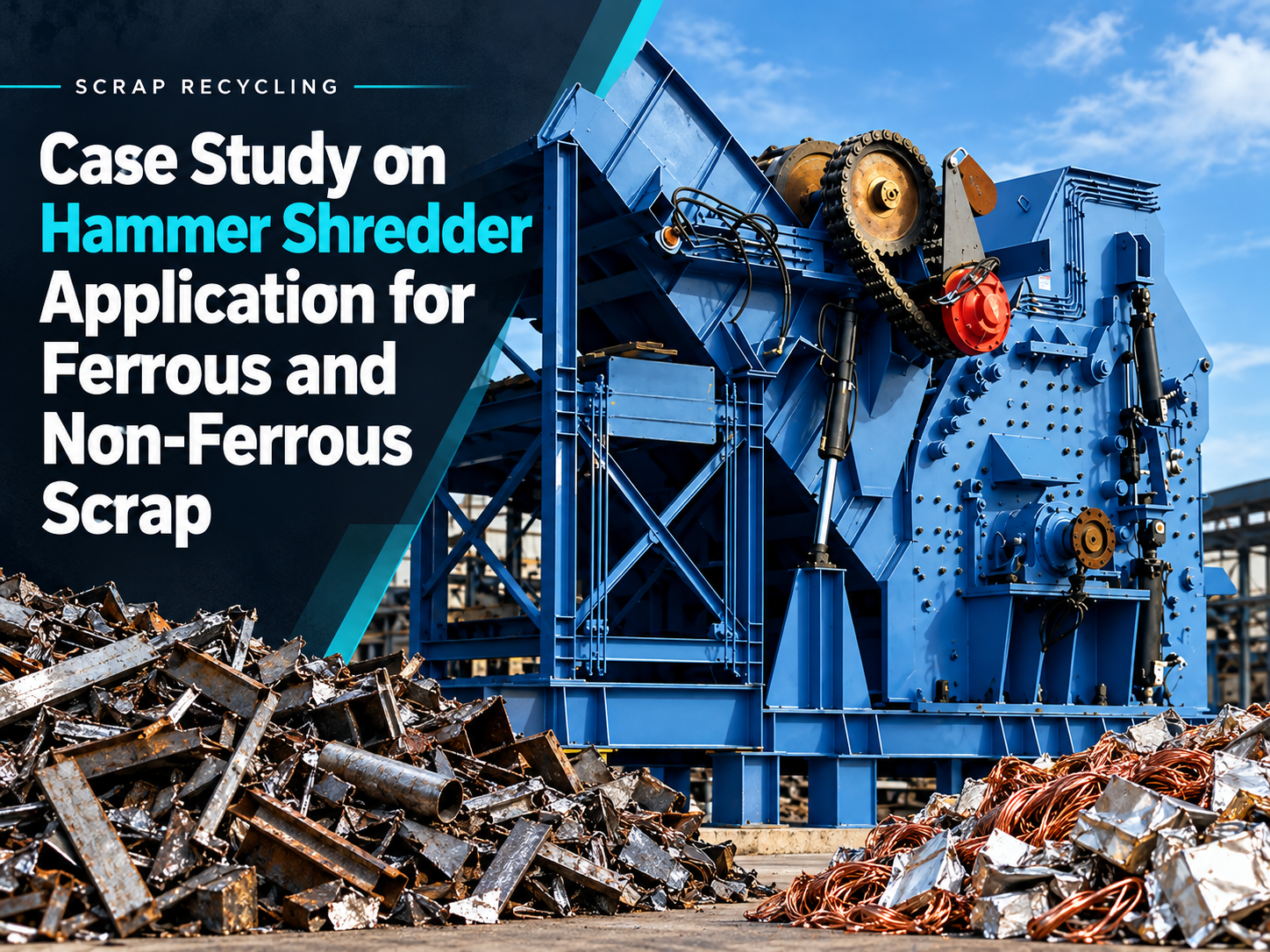
Introduction to Advanced Metal Shredding Technology
In the modern landscape of metal fabrication and recycling, the efficiency of material recovery is paramount. As industries strive for circular economy models, the demand for high-performance equipment has surged. This Case Study On Hammer Shredder Application For Ferrous And Non-Ferrous Scrap examines how HARSLE’s industrial-grade hammer shredders transform raw, bulky scrap into high-density, furnace-ready feedstock. By analyzing real-world operational data, we can understand the critical role these machines play in maximizing profitability and operational throughput.
The hammer shredder serves as the backbone of many scrap yards and metal processing facilities. Unlike traditional shearing methods, the hammer shredder utilizes high-speed rotating hammers to impact, tear, and crush metal components. This process not only reduces the volume of the scrap but also facilitates the separation of ferrous materials from non-ferrous contaminants, which is essential for achieving high-purity output grades that command premium market prices.
HARSLE has engineered its hammer shredders to withstand the extreme mechanical stresses associated with processing heavy-duty steel, aluminum, copper, and mixed metal alloys. Through this case study, we explore the technical nuances that allow these machines to maintain consistent performance under continuous duty cycles. We will look at how specific design features, such as rotor dynamics and grate configurations, influence the final product quality.
Understanding the application of these machines requires a deep dive into the material science of scrap. Whether dealing with automotive body parts, white goods, or industrial offcuts, the hammer shredder must be calibrated to handle varying material densities. This article provides a comprehensive overview for facility managers and procurement officers looking to optimize their recycling workflows through advanced mechanical shredding solutions.
Key Considerations for Scrap Processing Operations
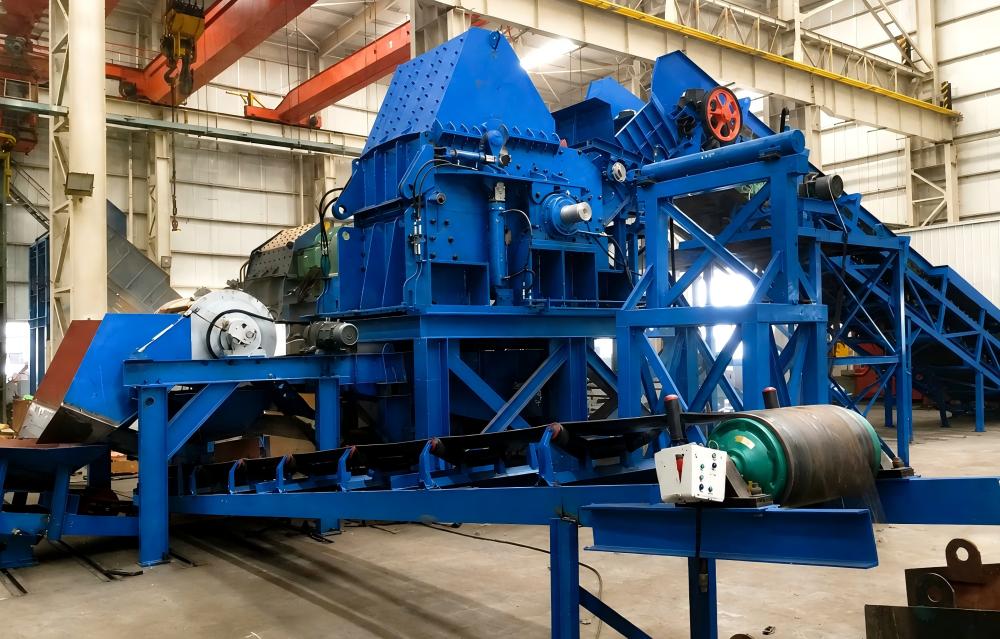
When implementing a Case Study On Hammer Shredder Application Ferrous Non-Ferrous Scrap, the first consideration is the feedstock composition. Ferrous scrap, such as steel and iron, requires significant impact force to break down, whereas non-ferrous materials like aluminum and copper are often more malleable and require different shredding speeds to prevent excessive heat generation and material loss. A versatile shredder must offer adjustable settings to accommodate these varying physical properties.
Throughput requirements are another critical factor. Facilities must balance the shredder’s capacity with the downstream sorting equipment. If the shredder operates faster than the magnetic separators or eddy current separators can handle, bottlenecks occur, leading to inefficiencies. HARSLE’s systems are designed with modular throughput capabilities, allowing operators to scale their processing speeds based on the volume of incoming scrap material.
Maintenance accessibility is a non-negotiable aspect of industrial machinery. Scrap metal processing is inherently abrasive and damaging to internal components. A well-designed hammer shredder should feature easy-access inspection doors and modular wear parts. This ensures that when hammers or liners need replacement, the downtime is minimized, keeping the facility’s operational costs within budget and ensuring a high return on investment.
Environmental and safety compliance cannot be overlooked. Modern shredding operations must manage dust, noise, and vibration. HARSLE integrates advanced dust suppression systems and sound-dampening enclosures into its shredder designs. These features not only protect the workforce but also ensure that the facility remains compliant with local environmental regulations, which is increasingly important in urban and semi-urban industrial zones.
Technical Details of HARSLE Hammer Shredders
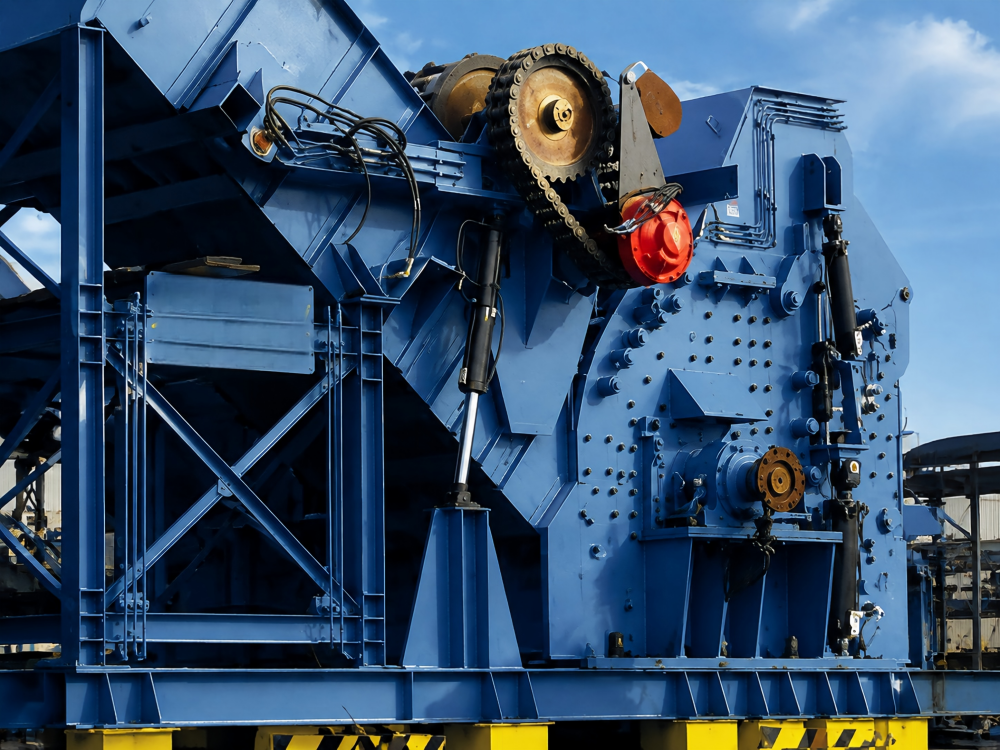
The core of the HARSLE hammer shredder lies in its high-torque rotor assembly. This assembly is engineered to deliver maximum kinetic energy to the scrap material upon impact. The hammers are crafted from high-manganese steel alloys, which work-harden over time, increasing their durability against the constant battering of heavy metal. This metallurgical advantage is a key finding in our Case Study On Hammer Shredder Application For Ferrous And Non-Ferrous Scrap, as it significantly extends the interval between maintenance cycles.
The grate system located at the bottom of the shredding chamber acts as a sizing mechanism. By changing the grate hole size, operators can control the output particle size of the shredded metal. This is vital for downstream processing, as smaller, uniform pieces are easier to sort and melt. HARSLE provides a variety of grate configurations, allowing for a tailored approach to specific scrap types, whether the goal is to produce high-density shredded steel or fine-fraction non-ferrous chips.
Drive systems in HARSLE shredders utilize heavy-duty motors coupled with high-efficiency gearboxes. These systems are designed to handle the sudden load spikes that occur when a particularly dense piece of metal enters the chamber. By utilizing intelligent motor control systems, the shredder can adjust its torque output in real-time, preventing motor stalls and reducing energy consumption during periods of lower material density.
Furthermore, the internal chamber is lined with replaceable wear plates. These plates protect the main housing from the abrasive action of the shredded metal. In our case study observations, facilities that utilized HARSLE’s proprietary wear-resistant liners reported a 30% increase in the lifespan of the shredder housing compared to standard industrial models. This technical superiority is what sets HARSLE apart in the competitive landscape of metal fabrication equipment.
Selection Advice for Industrial Shredding Equipment
Selecting the right hammer shredder involves a thorough assessment of your facility’s specific needs. Start by auditing your current scrap stream. Are you processing mostly light-gauge sheet metal, or are you dealing with heavy structural steel? The power requirements for these two extremes are vastly different. A common mistake is under-specifying the motor power, which leads to frequent jams and premature wear on the drive train.
Consider the integration of the shredder into your existing production line. Does the machine need to be fed by a conveyor belt, or will it be loaded via a crane? HARSLE offers various feed hopper designs to accommodate different loading methods. Ensuring that the feed mechanism is synchronized with the shredder’s throughput capacity is essential for maintaining a steady flow of material and preventing dangerous over-filling of the shredding chamber.
Budgeting for the total cost of ownership (TCO) is more important than looking at the initial purchase price. This includes energy costs, spare parts, and labor for maintenance. Our Case Study On Hammer Shredder Application Ferrous Non-Ferrous Scrap highlights that machines with higher initial build quality often result in significantly lower TCO over a five-year period. Investing in a robust HARSLE system reduces the frequency of emergency repairs and ensures that your facility remains operational when it matters most.
Finally, consult with the manufacturer regarding after-sales support. A reliable partner like HARSLE provides not just the machinery, but also the technical expertise to optimize the shredding process. From initial installation and operator training to the supply of genuine replacement parts, having a dedicated support team ensures that your investment continues to perform at its peak throughout its entire operational life.
Frequently Asked Questions (FAQ)
What is the primary difference between shredding ferrous and non-ferrous scrap?
Ferrous scrap is typically harder and requires more impact force, whereas non-ferrous scrap is often softer and can be prone to deformation. HARSLE shredders allow for adjustable rotor speeds and grate sizes to handle these differences effectively.
How often should the hammers be replaced?
The replacement frequency depends on the volume and type of material processed. On average, with consistent use, hammers should be inspected every 200-500 operating hours. HARSLE provides wear indicators to help operators plan maintenance effectively.
Can a hammer shredder process mixed metal scrap?
Yes, HARSLE hammer shredders are designed to handle mixed scrap. However, for maximum efficiency, it is recommended to use downstream magnetic and eddy current separators to sort the materials after the shredding process.
What safety features are included in HARSLE shredders?
Our shredders include emergency stop buttons, vibration sensors, overload protection, and sound-dampening enclosures to ensure operator safety and compliance with industrial standards.
How does the grate size affect the final product?
The grate size determines the maximum size of the output material. Smaller grates produce finer material, which is ideal for high-purity sorting, while larger grates are better for high-volume, lower-density processing.
Conclusion
O Case Study On Hammer Shredder Application For Ferrous And Non-Ferrous Scrap demonstrates that the choice of machinery is the most significant factor in the success of a metal recycling operation. HARSLE’s commitment to engineering excellence, durability, and operational efficiency provides businesses with the tools they need to stay competitive in a demanding market. By focusing on the technical details—such as rotor dynamics, wear-resistant materials, and intelligent motor control—facilities can achieve higher throughput, better material purity, and lower long-term costs.
As the industry continues to evolve, the integration of advanced shredding technology will remain a cornerstone of sustainable metal fabrication. Whether you are upgrading an existing facility or establishing a new recycling plant, HARSLE offers the expertise and the equipment to ensure your operations are optimized for success. We invite you to contact our technical team to discuss your specific scrap processing requirements and discover how our hammer shredders can transform your business operations.
Investing in high-quality industrial machinery is not just about purchasing a tool; it is about securing the future of your production line. With HARSLE, you gain a partner dedicated to the long-term performance of your equipment. From the initial consultation to the final installation and beyond, we are committed to providing the support and technology necessary to excel in the complex world of ferrous and non-ferrous scrap processing.