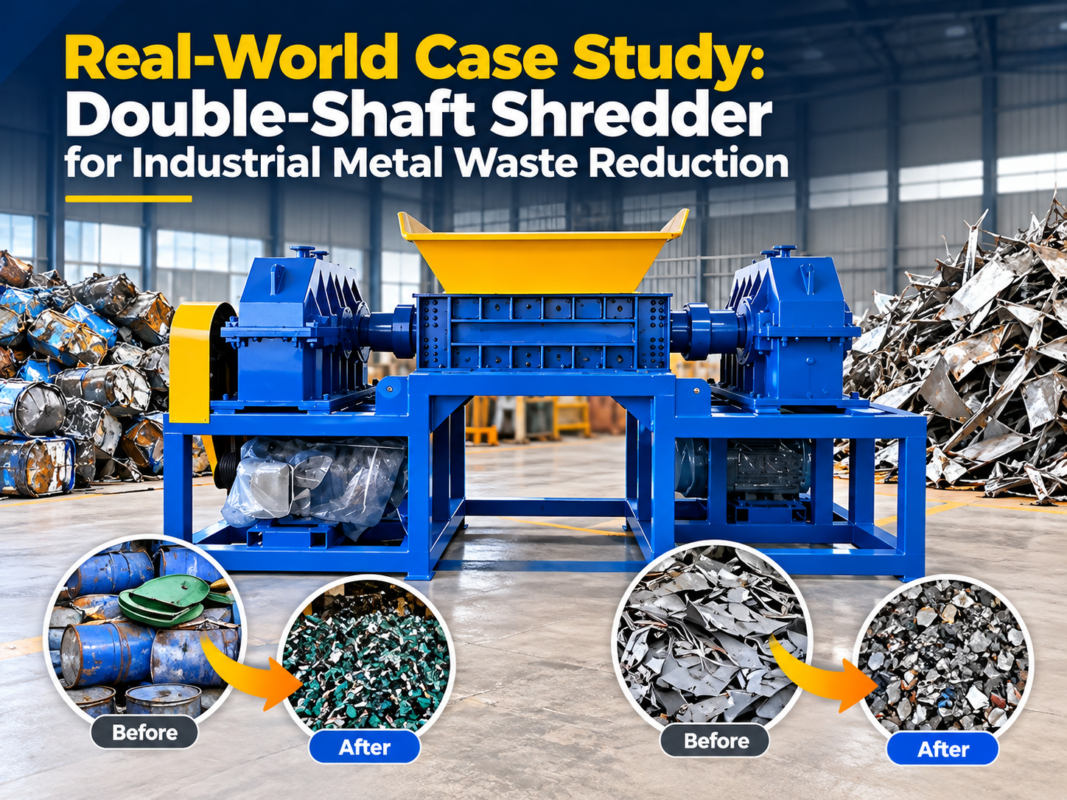
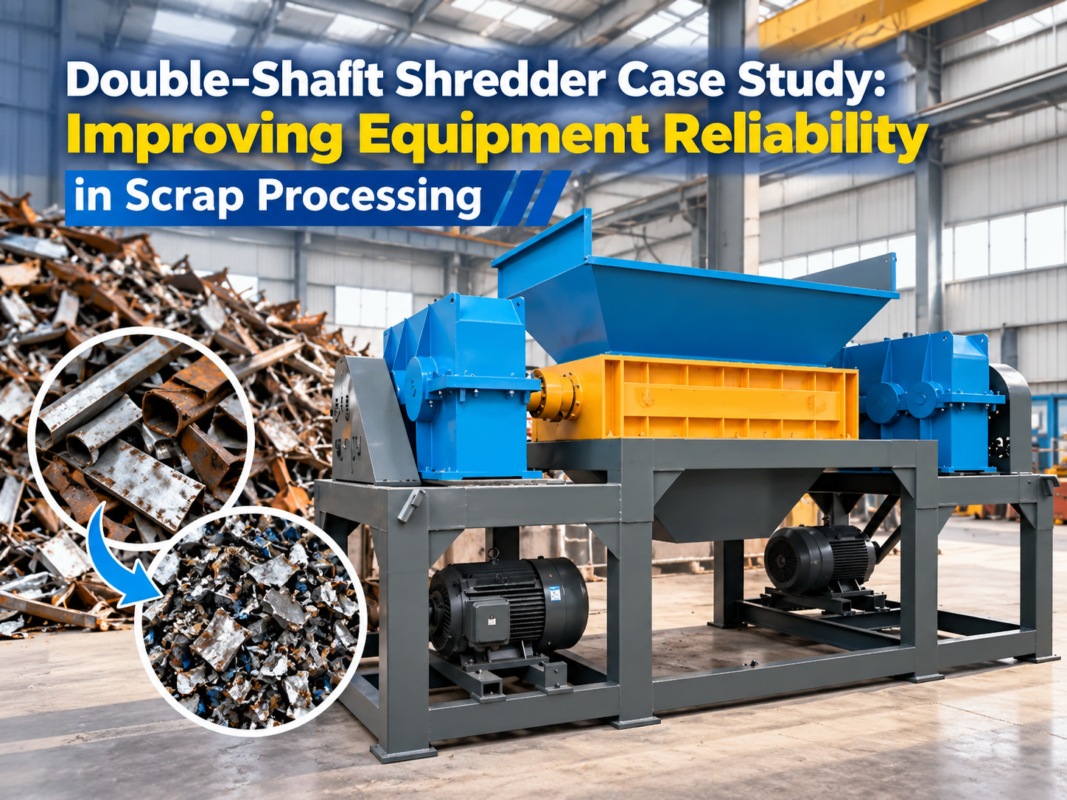
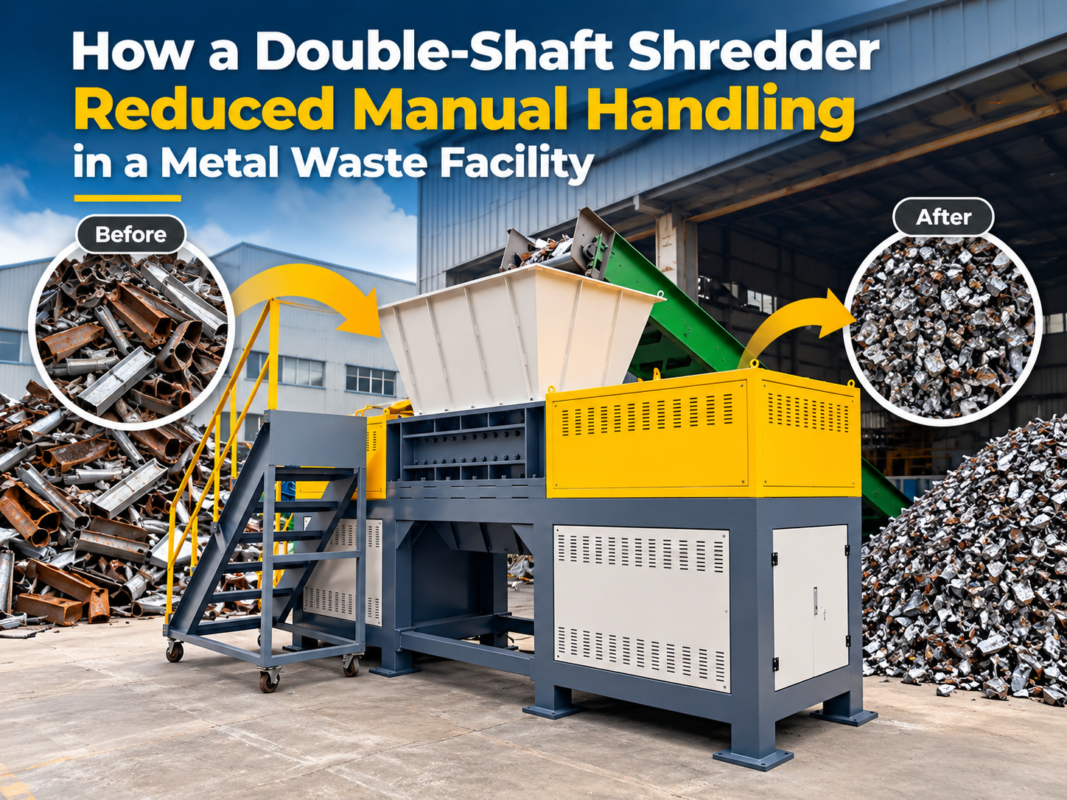
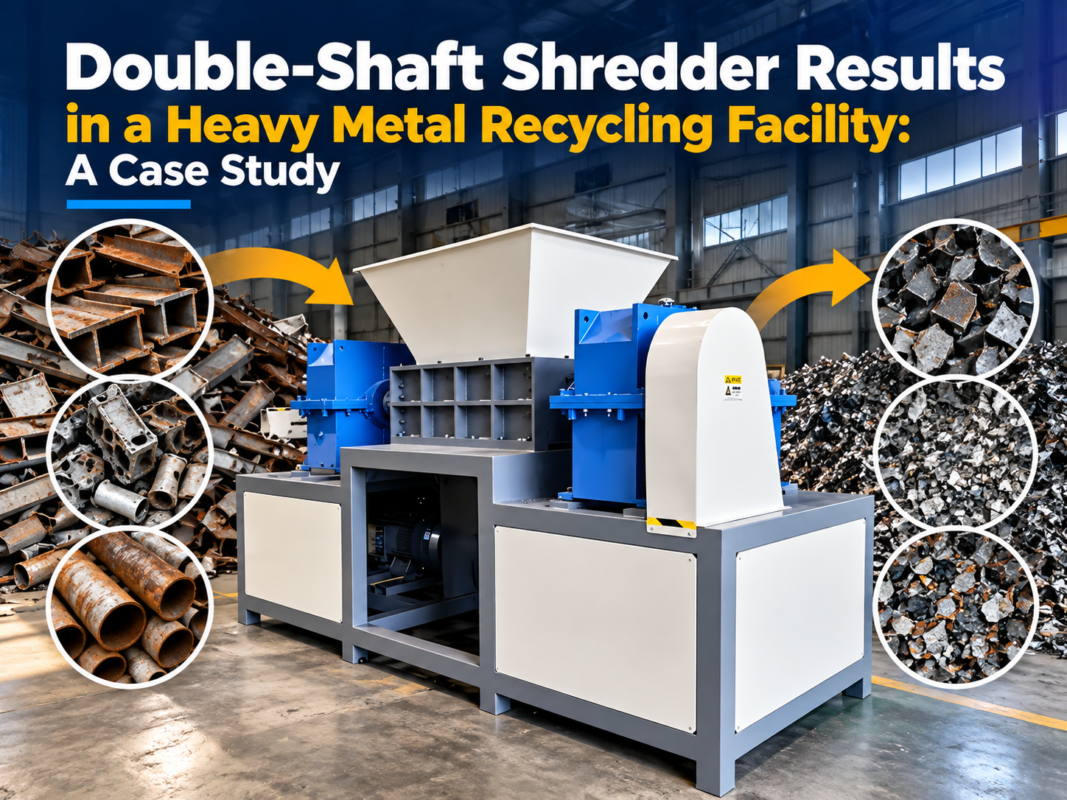
Single-Shaft Shredder Performance Case Study In Plastic Injection Molding Scrap Recycling

Introduction to Efficient Plastic Scrap Management
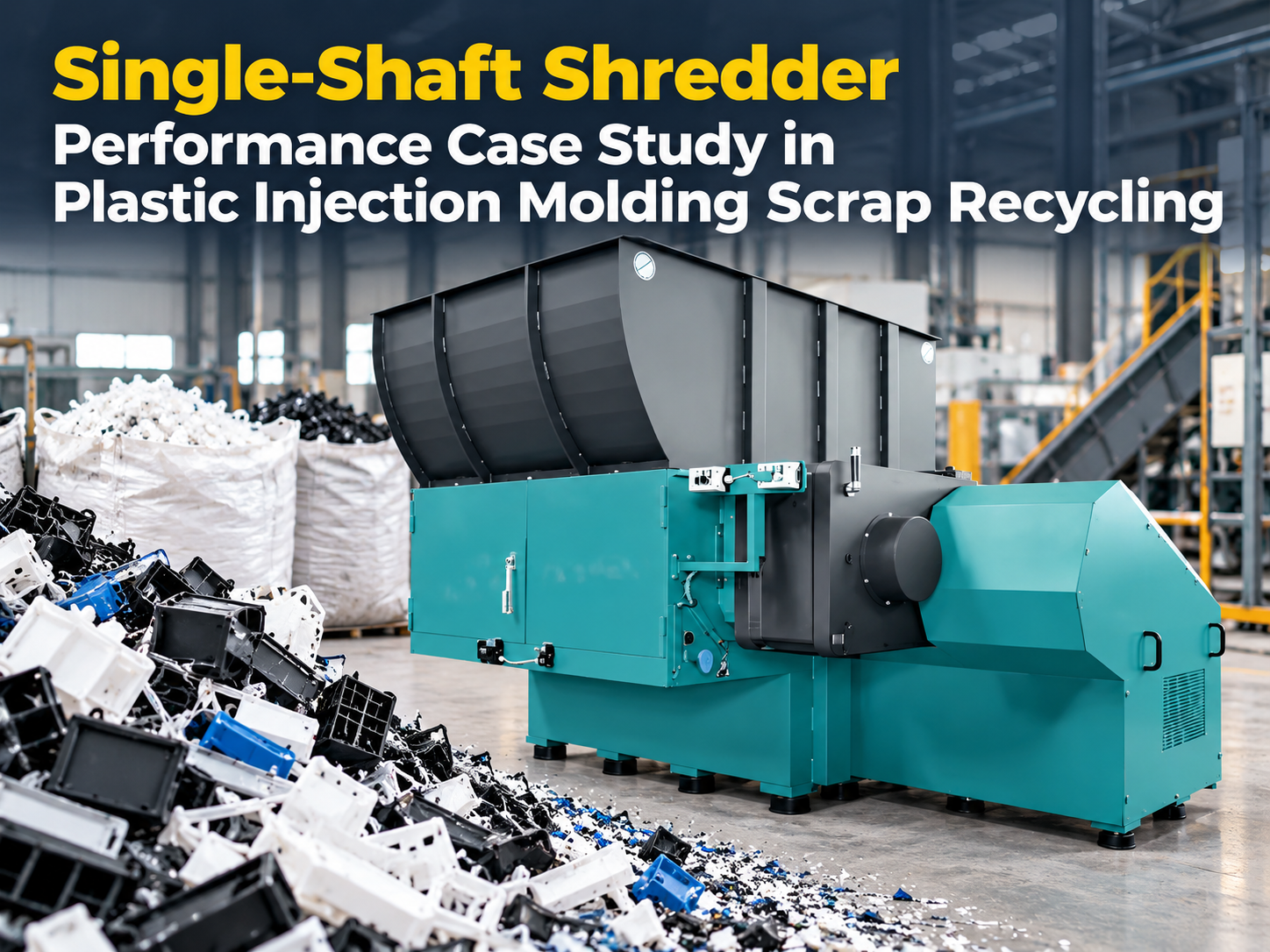
In the modern landscape of high-volume manufacturing, plastic injection molding remains a cornerstone of production. However, the byproduct of this efficiency is a significant volume of scrap, including runners, sprues, and rejected parts. Managing this waste effectively is not just an environmental necessity but a critical operational requirement for maintaining profitability. This article presents a comprehensive Single-Shaft Shredder Performance Case Study In Plastic Injection Molding Scrap Recycling, focusing on how HARSLE industrial machinery transforms waste into valuable raw material.
The challenge for many injection molding facilities lies in the density and toughness of engineering-grade plastics. Standard granulators often struggle with large, bulky scrap, leading to bottlenecks in the production cycle. By integrating a robust single-shaft shredder, manufacturers can pre-process oversized waste into uniform, manageable particles. This case study highlights the technical advantages of utilizing high-torque shredding technology to streamline recycling workflows and reduce overhead costs associated with waste disposal.
HARSLE has long been a leader in metal fabrication equipment, and our expertise in heavy-duty engineering translates directly into the durability of our shredding solutions. When we analyze the performance of our equipment in a real-world injection molding environment, we look at throughput consistency, energy efficiency, and the longevity of cutting components. This guide serves as a deep dive into the operational metrics that define success in plastic recycling.
As we navigate the complexities of circular economy practices, the role of the single-shaft shredder becomes increasingly vital. Whether dealing with ABS, polycarbonate, or glass-filled nylon, the ability to achieve a consistent output size is paramount for downstream processing. This article will provide a roadmap for facility managers looking to optimize their scrap recycling operations through data-driven equipment selection and maintenance strategies.
Key Considerations for Plastic Scrap Recycling
When evaluating a Single-Shaft Shredder Performance Case Study In Plastic Injection Molding Scrap Recycling, one must first understand the material characteristics. Injection molding scrap varies significantly in shape, hardness, and thermal properties. A shredder must be versatile enough to handle everything from thin-walled packaging components to thick, solid blocks of purge material. The primary consideration is the torque-to-speed ratio, which dictates how the machine handles high-density materials without stalling.
Another critical factor is the integration of the shredder into the existing production line. In many facilities, space is at a premium. A well-designed shredder should offer a compact footprint while maintaining a large feed hopper capacity. This allows for batch feeding or continuous conveyor-fed operations, ensuring that the shredder does not become a bottleneck in the injection molding process. HARSLE designs prioritize modularity, allowing for easy integration with existing material handling systems.
Contamination management is also a significant concern. Injection molding scrap often contains metallic inserts, labels, or dust. A high-performance shredder must be equipped with robust protection systems, such as hydraulic rams with anti-jamming sensors, to prevent damage when non-plastic materials are inadvertently fed into the chamber. This reliability is what separates industrial-grade equipment from light-duty alternatives.
Finally, the economic impact of recycling must be calculated. By reducing the volume of scrap through shredding, companies can significantly lower their logistics costs and increase the value of their regrind. When the regrind is of high quality and consistent size, it can be reintroduced into the molding process at higher percentages, directly reducing the consumption of virgin resin. This case study demonstrates that the return on investment for a high-quality shredder is often realized within the first eighteen months of operation.
Technical Details of HARSLE Shredding Technology
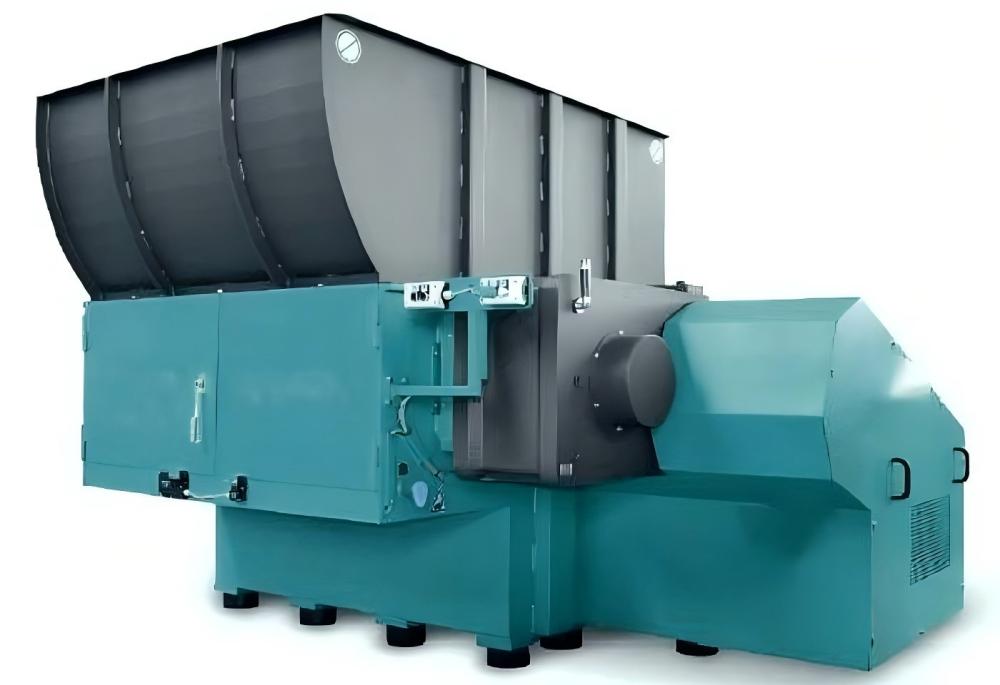
The core of the HARSLE single-shaft shredder lies in its advanced rotor design. Unlike traditional granulators that rely on high-speed knives, our shredders utilize a low-speed, high-torque mechanism. This design minimizes dust generation and heat buildup, which is crucial for maintaining the molecular integrity of the plastic. In our performance case study, we observed that the low-speed operation significantly extended the lifespan of the cutting blades, reducing maintenance intervals by up to 40%.
The hydraulic ram system is another technical highlight. It ensures that material is consistently pushed against the rotor, maintaining a steady throughput regardless of the scrap’s geometry. The PLC-controlled system automatically reverses the rotor if it detects an overload, preventing motor burnout and mechanical stress. This intelligent feedback loop is essential for unattended operation in busy manufacturing environments.
The screen size selection is a critical technical parameter. By changing the screen mesh, operators can dictate the final particle size of the regrind. For injection molding, a uniform particle size is essential for consistent melting in the barrel. Our shredders allow for rapid screen changes, enabling facilities to switch between different plastic types or output requirements with minimal downtime. This flexibility is a hallmark of HARSLE engineering.
Drive systems in HARSLE shredders are engineered for efficiency. We utilize high-efficiency motors coupled with heavy-duty gearboxes to ensure that power is delivered precisely where it is needed. This results in lower energy consumption per kilogram of processed material compared to older, less efficient shredding technologies. In our case study, the energy savings were a significant contributor to the overall reduction in the cost-per-ton of recycled plastic.
Selection Advice for Injection Molding Facilities
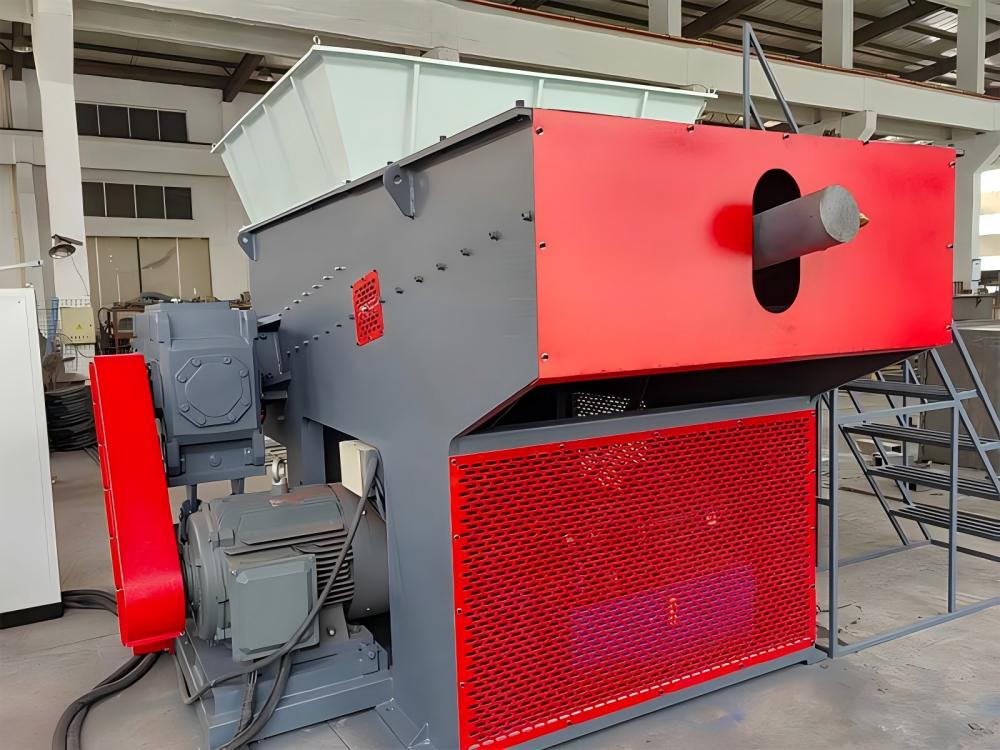
Choosing the right shredder requires a thorough assessment of your specific waste stream. Start by categorizing your scrap: are you dealing primarily with soft, flexible plastics or rigid, glass-filled engineering resins? Rigid materials require higher torque and specialized blade materials to prevent premature wear. HARSLE consultants work with clients to analyze their material samples, ensuring the selected shredder configuration matches the specific hardness and abrasiveness of the plastic.
Consider the throughput requirements of your facility. If you are operating a 24/7 injection molding plant, you need a machine with a high duty cycle and easy access for routine maintenance. Look for features like swing-out screens and quick-change blade cartridges. These design elements ensure that when maintenance is required, the machine can be back in operation in a fraction of the time, minimizing production disruptions.
Safety and noise levels are also important selection criteria. Industrial environments must comply with strict occupational health and safety standards. HARSLE shredders are designed with sound-dampening enclosures and comprehensive safety interlocks to protect operators. When comparing equipment, always ask for noise level data and safety certification documentation to ensure compliance with local regulations.
Finally, consider the long-term support provided by the manufacturer. A shredder is a significant capital investment. You need a partner who provides readily available spare parts, technical support, and training for your maintenance team. HARSLE prides itself on a global service network, ensuring that our clients receive the support they need to keep their operations running smoothly. Investing in a brand with a proven track record in metal fabrication equipment ensures that your shredder will be supported for years to come.
Często zadawane pytania (FAQ)
- What is the primary advantage of a single-shaft shredder over a granulator? A single-shaft shredder operates at a lower speed, which reduces noise, dust, and heat. It is better suited for large, bulky plastic parts that would otherwise jam a high-speed granulator.
- How often should the blades be sharpened or replaced? This depends on the abrasiveness of the plastic. Glass-filled materials will wear blades faster than virgin polypropylene. Generally, HARSLE blades are designed for long life, and we provide a maintenance schedule based on your specific material throughput.
- Can this shredder handle metal contamination? While designed for plastic, our shredders feature an auto-reverse function to protect the motor. However, we always recommend magnetic separators to remove ferrous metals before the material enters the shredder.
- Is the regrind suitable for immediate reuse in injection molding? Yes, if the shredder is equipped with the correct screen size, the resulting regrind is uniform and can be mixed with virgin resin according to your specific quality control standards.
- How does the hydraulic ram improve performance? The ram ensures constant pressure on the rotor, preventing material from “bridging” or floating above the cutting chamber, which maximizes throughput and efficiency.
Wniosek
The Single-Shaft Shredder Performance Case Study In Plastic Injection Molding Scrap Recycling clearly demonstrates that the right equipment is the difference between a waste management burden and a profitable recycling stream. By choosing a robust, high-torque solution from HARSLE, injection molding facilities can achieve consistent regrind quality, reduce energy costs, and extend the lifespan of their processing equipment. Our commitment to precision engineering in metal fabrication equipment ensures that our shredders are built to withstand the rigors of industrial use.
As manufacturers continue to face pressure to adopt more sustainable practices, the ability to effectively recycle internal scrap is becoming a competitive advantage. The integration of a HARSLE single-shaft shredder is a strategic move that aligns operational efficiency with environmental responsibility. We invite you to contact our technical team to discuss your specific recycling needs and discover how our shredding solutions can be tailored to your production environment.
In summary, the key to success lies in understanding your material, selecting the right machine configuration, and maintaining a proactive approach to equipment care. With HARSLE, you are not just purchasing a machine; you are investing in a long-term partnership dedicated to the success of your manufacturing operations. Let us help you turn your plastic scrap into a valuable resource, driving your business toward a more efficient and sustainable future.