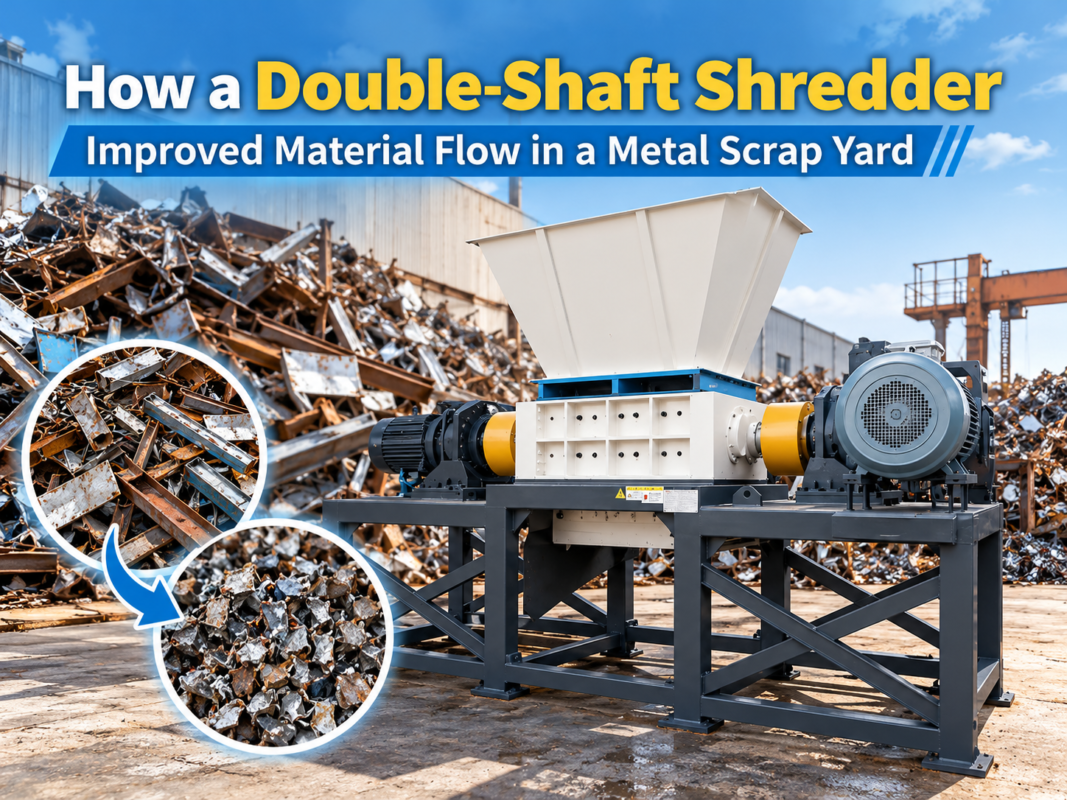
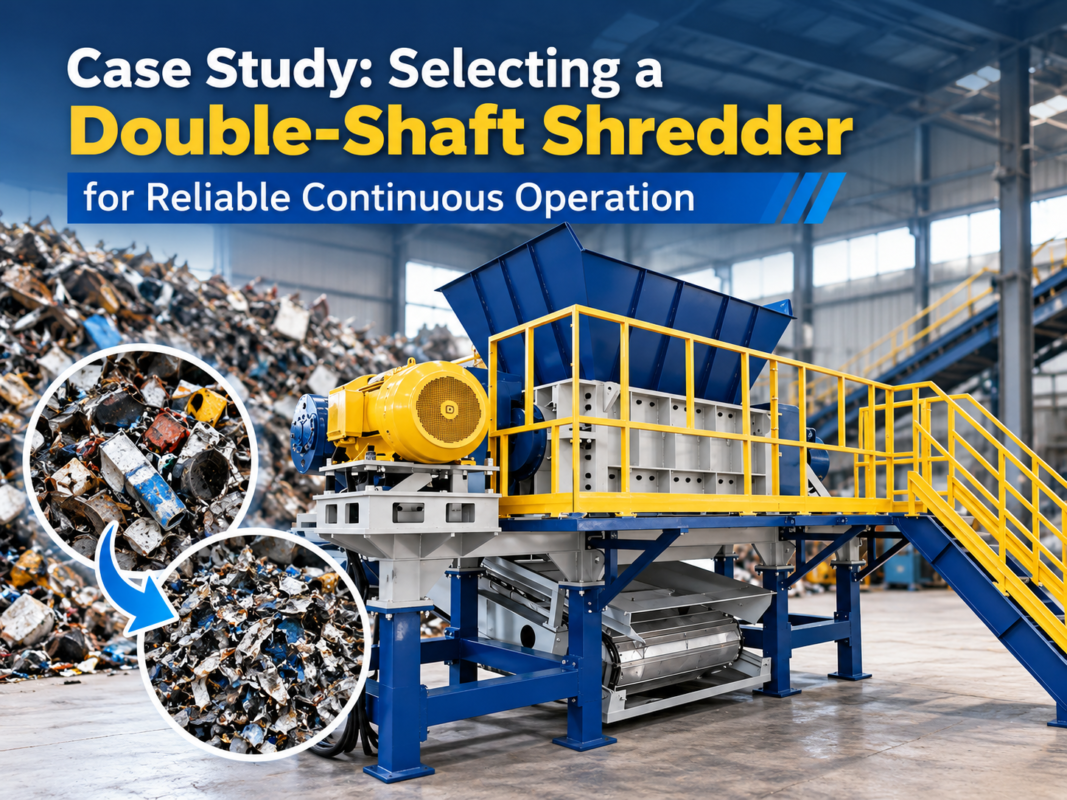
Double-Shaft Shredder Case Study: Optimizing Industrial Scrap Pre-Treatment for Recycling

Introduction to Industrial Scrap Pre-Treatment
In the modern landscape of metal fabrication, the efficiency of the recycling process is just as critical as the production process itself. As industrial facilities generate vast quantities of scrap metal, the challenge lies in transforming bulky, irregular waste into manageable, high-density material. This is where the Double-Shaft Shredder Case Study: Optimizing Industrial Scrap Pre-Treatment Recycling becomes a vital reference for plant managers and facility owners looking to streamline their operations.
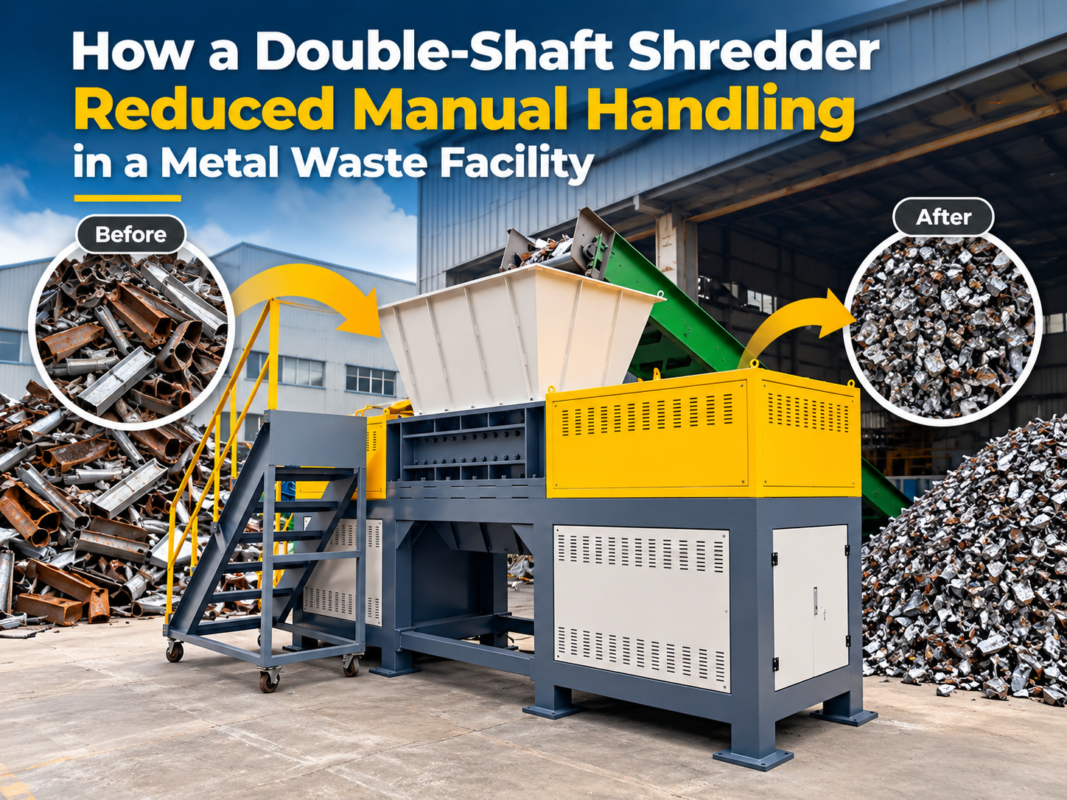
HARSLE has observed that many facilities struggle with the logistics of scrap handling. Bulky scrap occupies excessive floor space, increases transportation costs, and complicates the feeding process for downstream equipment like balers or smelters. By implementing a robust shredding solution, companies can significantly reduce the volume of their waste, thereby increasing the value of their scrap and lowering operational overheads.
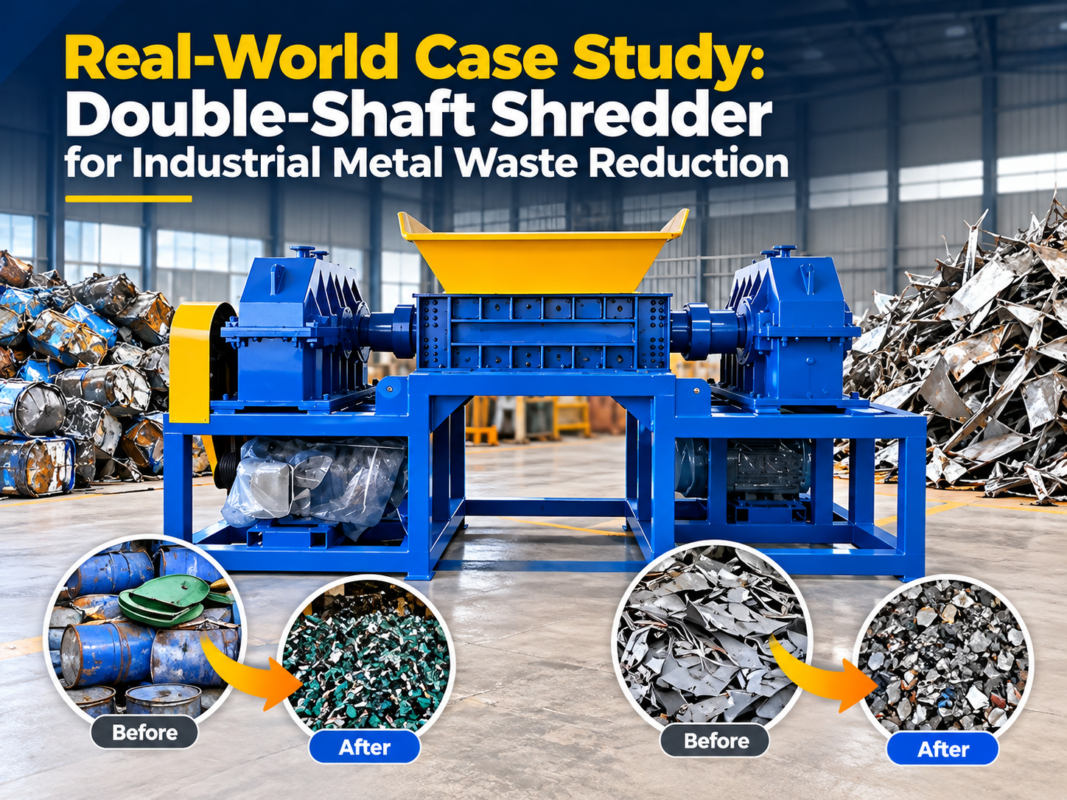
This article explores a comprehensive case study involving a mid-sized metal fabrication plant that integrated a HARSLE double-shaft shredder into their existing workflow. We will examine the technical challenges they faced, the selection process for their machinery, and the long-term benefits realized through optimized pre-treatment. Understanding these dynamics is essential for any business aiming to improve its sustainability metrics and profitability.
The integration of advanced shredding technology is not merely about waste reduction; it is about creating a circular economy within the factory walls. When scrap is properly pre-treated, it becomes a high-quality secondary raw material. This shift in perspective—viewing scrap as a resource rather than a liability—is the hallmark of a forward-thinking industrial operation.
Key Considerations for Scrap Pre-Treatment
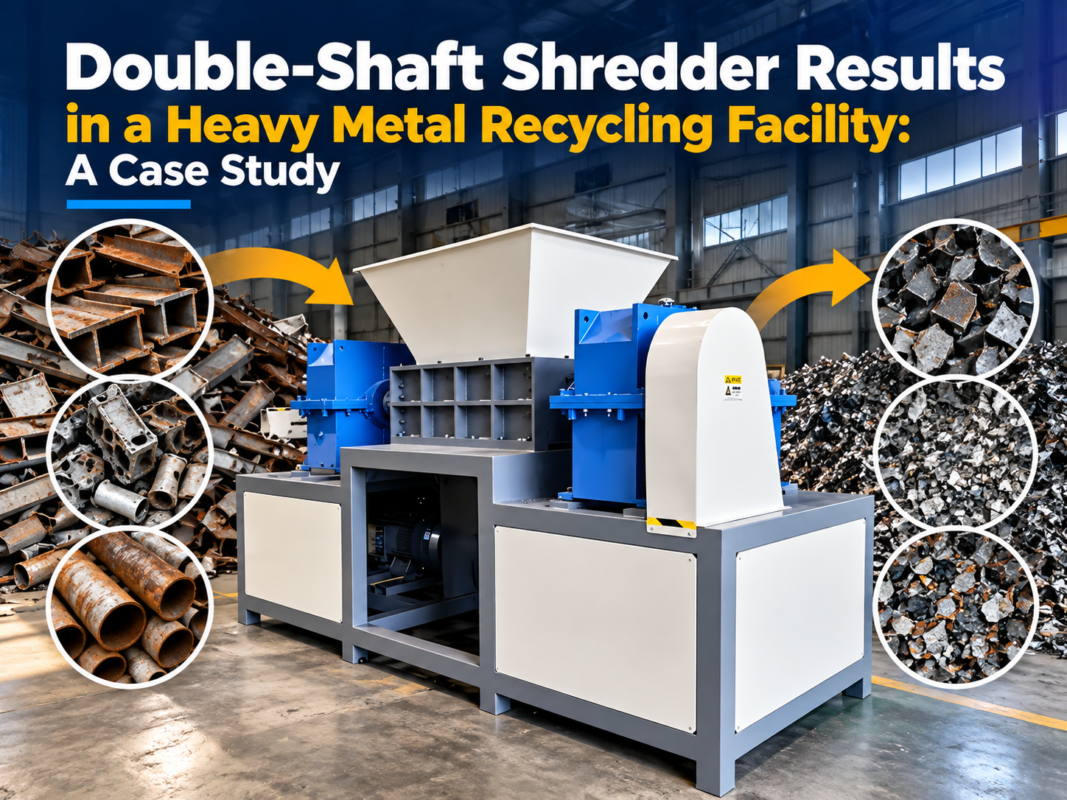
Before selecting a shredding solution, it is imperative to analyze the specific characteristics of the scrap material. Different metals possess varying degrees of hardness, ductility, and size. A double-shaft shredder must be configured with the correct blade geometry and torque output to handle the specific feed material, whether it is thin-gauge sheet metal, heavy-duty structural steel, or mixed industrial waste.
Another critical consideration is the throughput requirement. Facilities must calculate their daily scrap generation rates to ensure the shredder can keep pace with production. An undersized machine will create a bottleneck, while an oversized machine may lead to unnecessary energy consumption and higher capital expenditure. HARSLE emphasizes a balanced approach, where the shredder capacity is aligned with the peak output of the fabrication line.
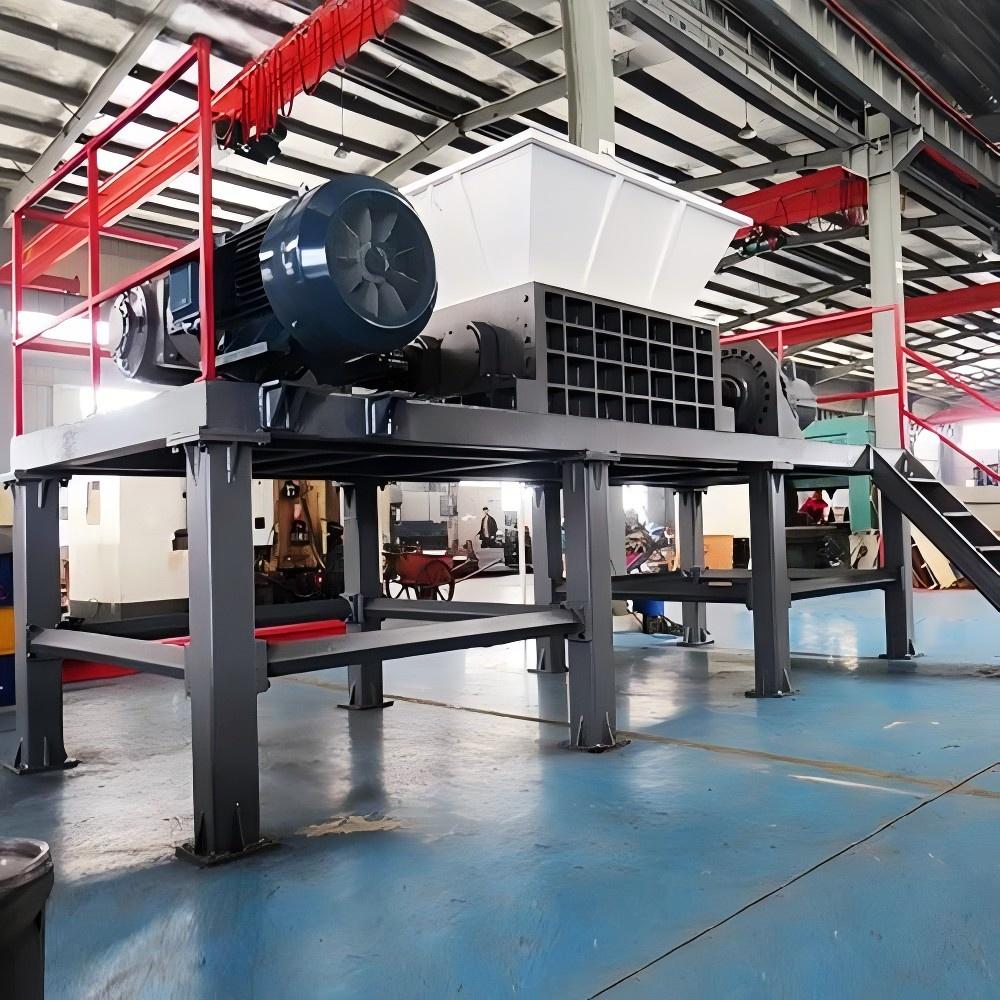
Space constraints and facility layout also play a significant role. The shredder needs to be integrated into the existing material handling system, which might include conveyors, magnetic separators, or balers. The footprint of the equipment, the accessibility for maintenance, and the safety protocols surrounding the shredding area are all factors that must be addressed during the planning phase of the installation.
Finally, environmental and safety regulations cannot be overlooked. Shredding processes generate noise, dust, and vibration. Modern industrial shredders must be equipped with sound-dampening enclosures and dust extraction systems to comply with workplace safety standards. Investing in high-quality, compliant machinery protects the workforce and prevents costly regulatory fines, making it a sound long-term business decision.
Technical Details of the HARSLE Shredding Solution
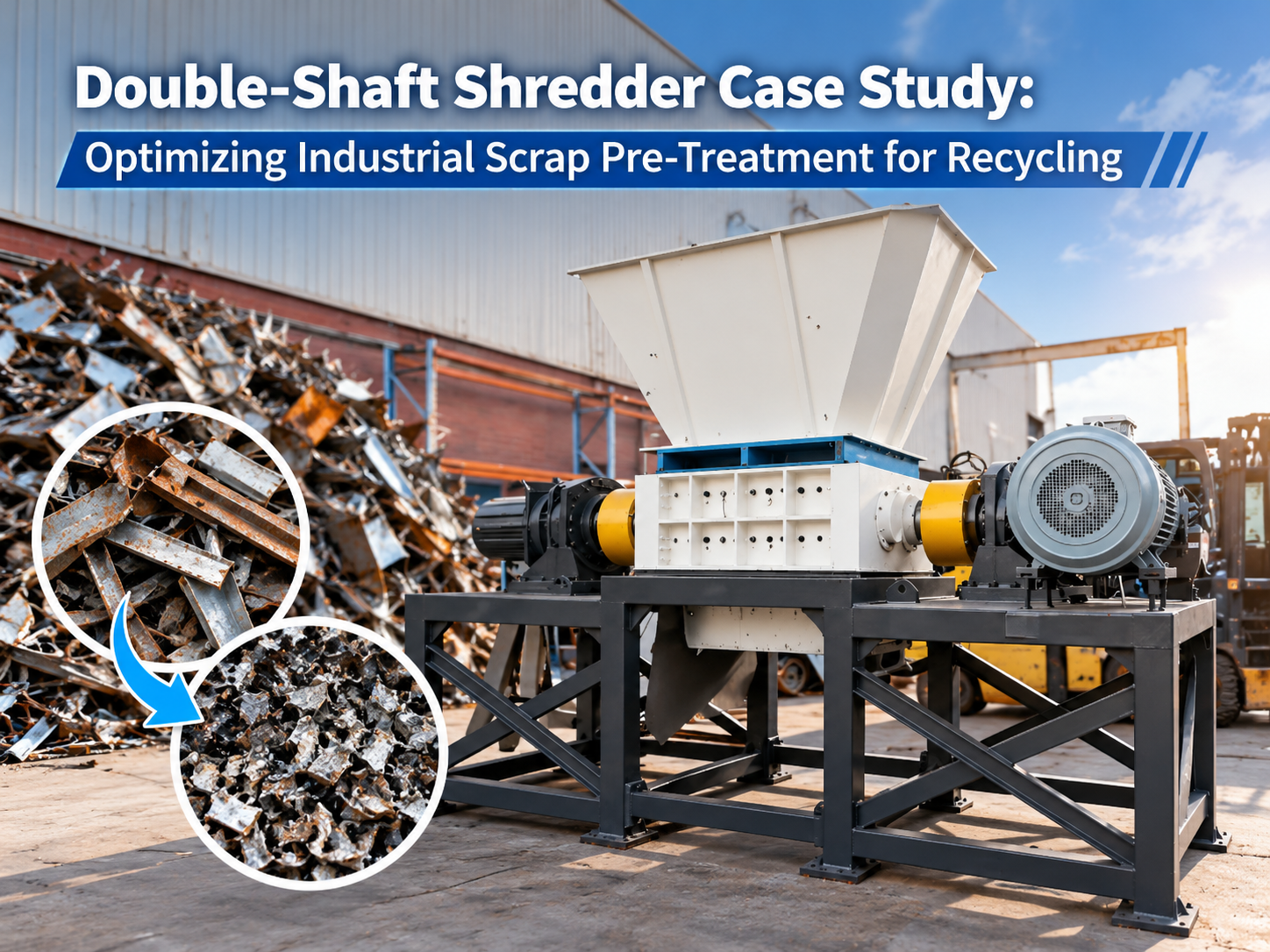
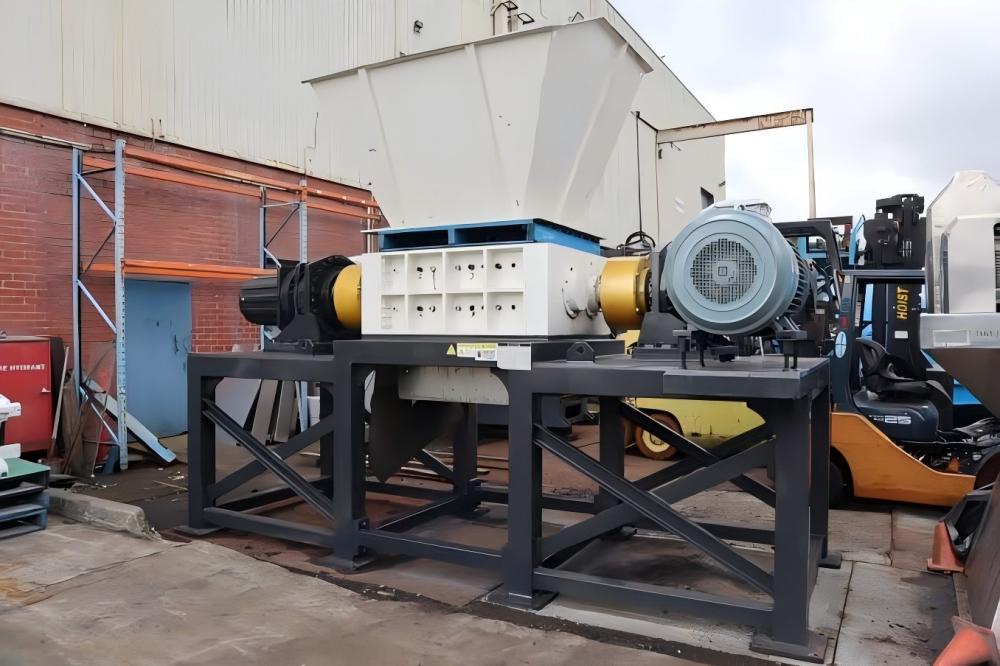
The core of the HARSLE double-shaft shredder lies in its low-speed, high-torque design. Unlike high-speed granulators that rely on impact, these shredders use a shearing action to tear through metal. This design is particularly effective for industrial scrap because it minimizes noise and dust while maximizing the ability to process dense, irregular objects without jamming.
The blades, or cutters, are manufactured from high-alloy steel, heat-treated to ensure longevity and resistance to wear. In our case study, the client opted for a specific hook configuration that allowed for the efficient grabbing and pulling of large metal sheets into the cutting chamber. This configuration is essential for preventing “bridging,” where material gets stuck above the blades, requiring manual intervention.
The drive system is another technical highlight. HARSLE utilizes heavy-duty gearboxes coupled with high-efficiency motors. This combination ensures that the shredder maintains consistent torque even when encountering high-resistance materials. The PLC-controlled system monitors the load on the motors; if a particularly tough piece of metal is detected, the system automatically reverses the shafts to clear the obstruction before resuming the shredding process.
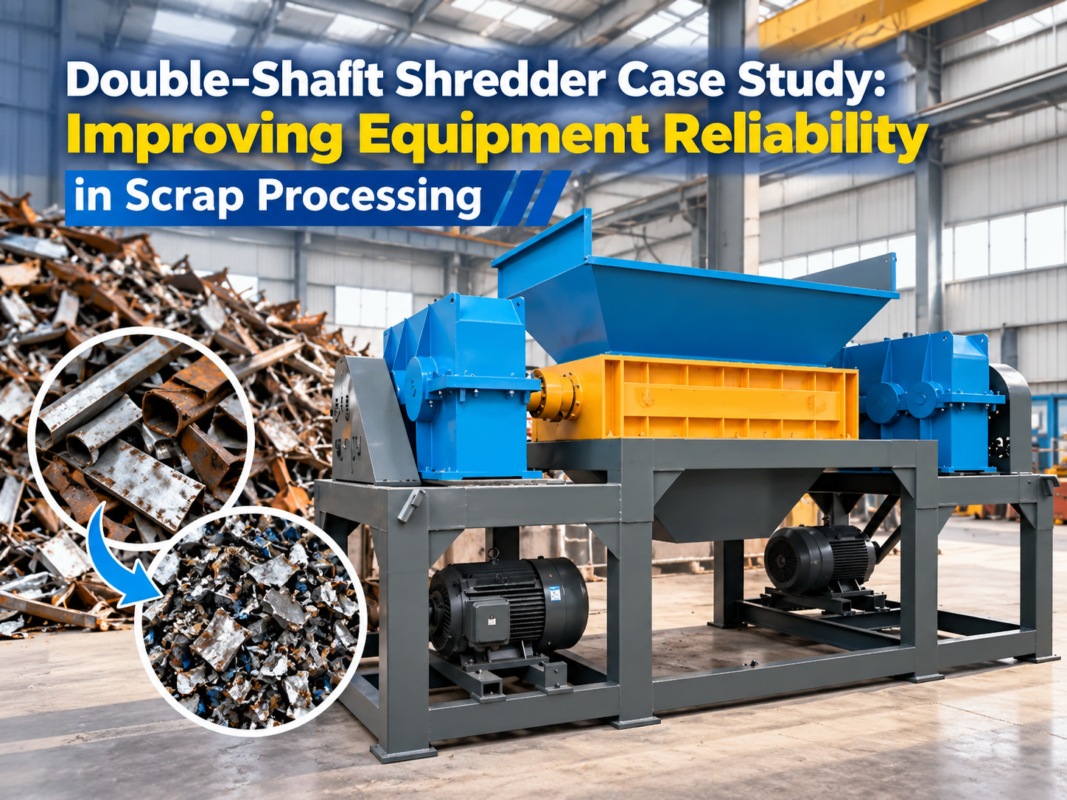
Maintenance accessibility is built into the design. The modular construction of the cutting chamber allows for the quick replacement of individual blades or shafts, significantly reducing downtime. In the case study, the client reported that the ease of maintenance was a primary factor in their decision to choose HARSLE, as it allowed their internal maintenance team to perform routine inspections and blade sharpening without needing specialized external technicians.
Selection Advice: Choosing the Right Shredder
When embarking on a Double-Shaft Shredder Case Study: Optimizing Industrial Scrap Pre-Treatment Recycling, the selection process must be data-driven. Start by conducting a thorough audit of your scrap stream. Identify the maximum thickness of the metal, the volume of material generated per hour, and the desired output size. These metrics will form the basis of your technical specifications.
Consult with manufacturers like HARSLE to discuss your specific application. A one-size-fits-all approach rarely works in industrial metal fabrication. Ask about the possibility of customizing the blade thickness and the number of hooks on the cutters. These small adjustments can lead to significant improvements in the final shred size and the overall efficiency of the downstream recycling process.
Consider the total cost of ownership (TCO) rather than just the initial purchase price. TCO includes energy consumption, maintenance costs, spare parts availability, and the expected lifespan of the machine. A cheaper machine that requires frequent repairs and consumes excessive power will ultimately cost more than a premium, reliable unit that operates seamlessly for years.
Finally, look for a partner that provides comprehensive support. This includes installation assistance, operator training, and a responsive spare parts supply chain. The success of the shredding operation depends heavily on the operators’ ability to run the machine correctly and perform basic maintenance. HARSLE provides extensive documentation and training modules to ensure that your team is fully equipped to manage the equipment effectively.
Często zadawane pytania (FAQ)
What is the primary advantage of a double-shaft shredder over a single-shaft shredder?
Double-shaft shredders are superior for handling bulky, irregular scrap because they use a shearing action that pulls material into the cutting chamber. They are generally more robust and less prone to jamming when dealing with mixed metal waste compared to single-shaft machines.
How often do the blades need to be sharpened or replaced?
The frequency depends on the type of metal being shredded and the volume of throughput. In a standard industrial setting, blades typically require inspection every 500-1000 operating hours. High-quality alloy blades can last for several years with proper maintenance.
Can a double-shaft shredder handle non-metallic contaminants?
While designed for metal, these shredders can handle minor contaminants like wood or plastic. However, it is always best to remove large non-metallic items to prevent unnecessary wear on the blades and to ensure the purity of the recycled metal output.
What safety features are standard on HARSLE shredders?
HARSLE shredders include emergency stop buttons, safety interlocks on access panels, automatic reverse functions to prevent motor overload, and optional sound-dampening enclosures to meet workplace safety standards.
How does shredding improve the value of scrap metal?
Shredding increases the bulk density of the scrap, making it easier to transport and store. Furthermore, shredded material is often easier to sort and process in smelting facilities, which allows recyclers to command a higher price for the processed material.
Wniosek
The implementation of a double-shaft shredder is a transformative step for any metal fabrication facility. As demonstrated in our Double-Shaft Shredder Case Study: Optimizing Industrial Scrap Pre-Treatment Recycling, the benefits extend far beyond simple waste reduction. By optimizing the pre-treatment of scrap, facilities can achieve significant cost savings, improve operational safety, and contribute to a more sustainable manufacturing ecosystem.
HARSLE remains committed to providing the industrial sector with robust, efficient, and reliable machinery. Our focus on technical excellence and customer support ensures that our clients can navigate the complexities of scrap management with confidence. Whether you are looking to upgrade your current system or integrate a new shredding solution, understanding the technical and operational requirements is the first step toward success.
As the industry continues to evolve, the demand for efficient recycling solutions will only grow. Investing in the right technology today positions your company for long-term success in an increasingly competitive and environmentally conscious market. We invite you to reach out to the HARSLE team to discuss how our shredding solutions can be tailored to meet the unique needs of your facility.