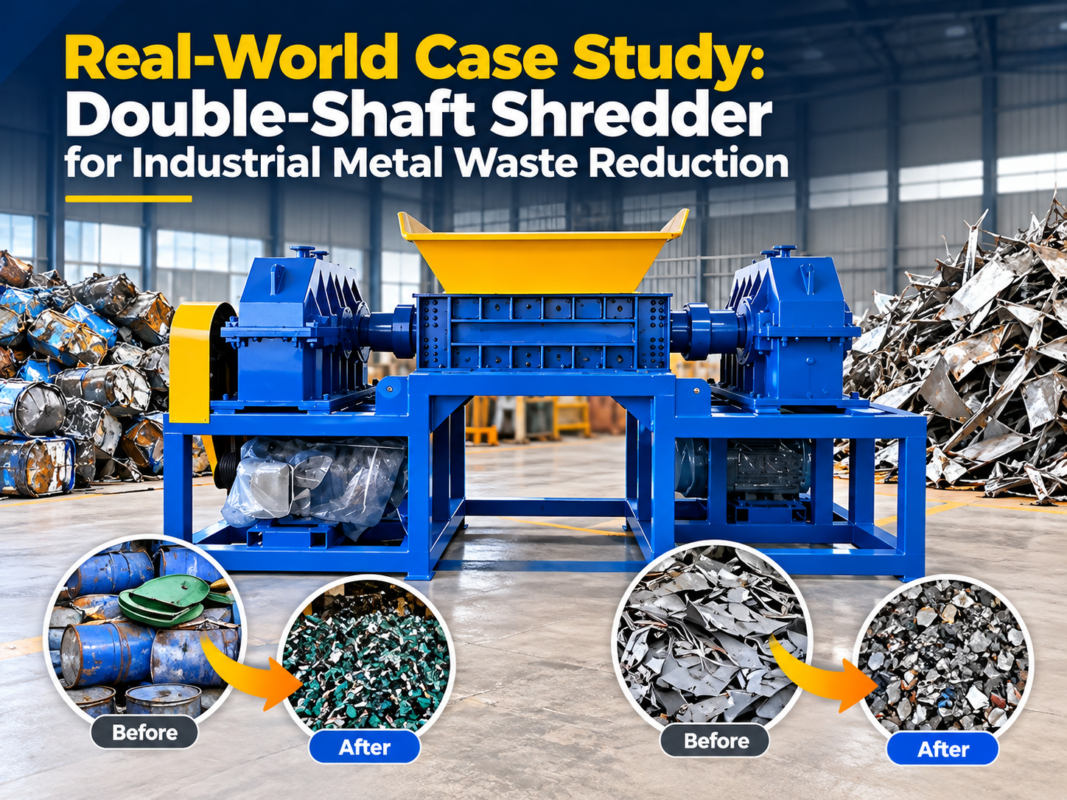
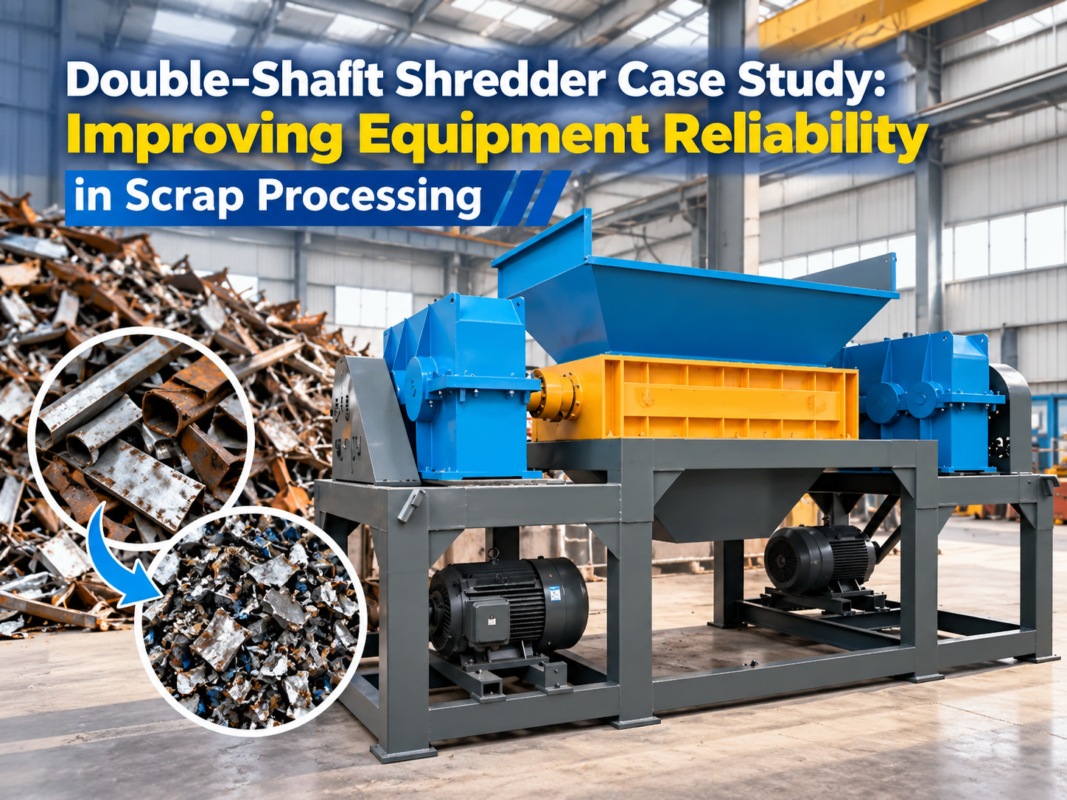
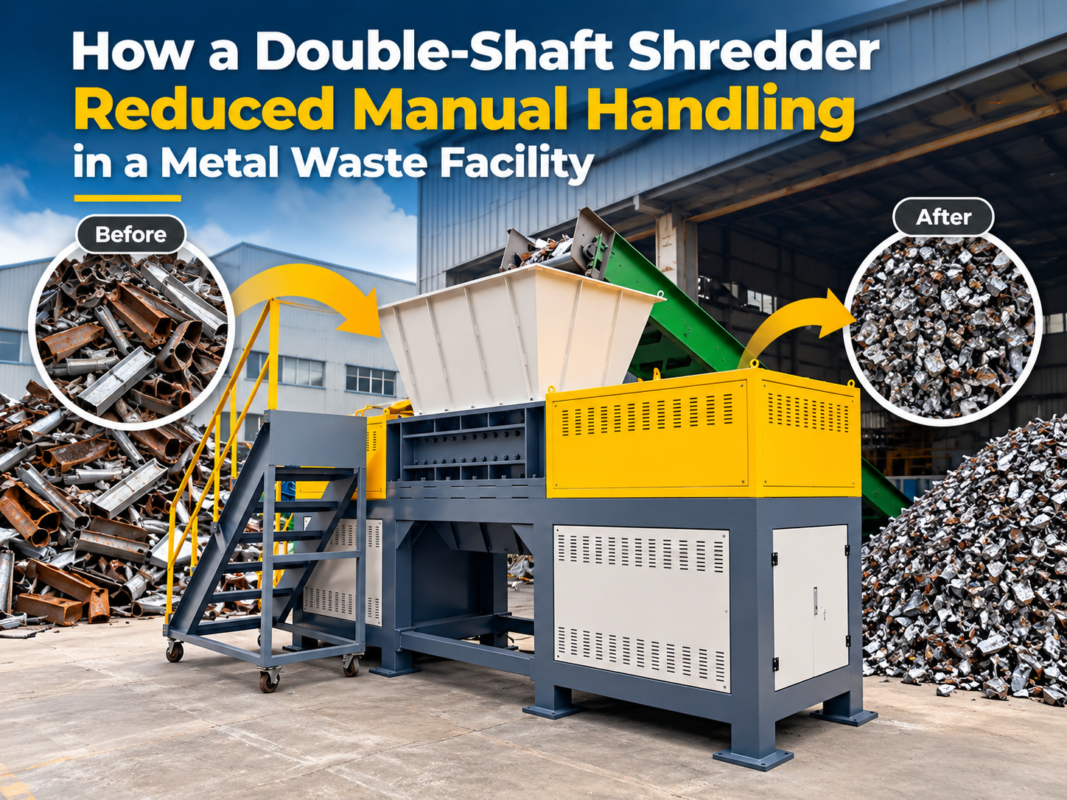
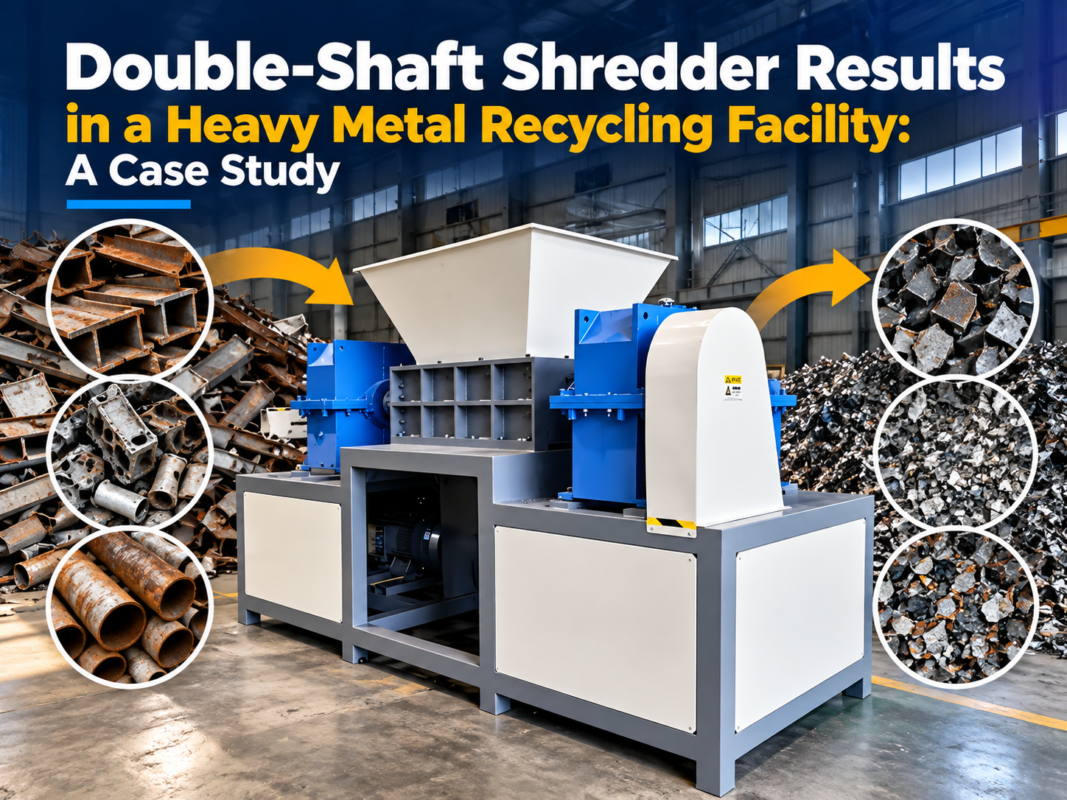
Single-Shaft Shredder Implementation Case Study for High-Torque Waste Reduction

Introduction to High-Torque Waste Reduction
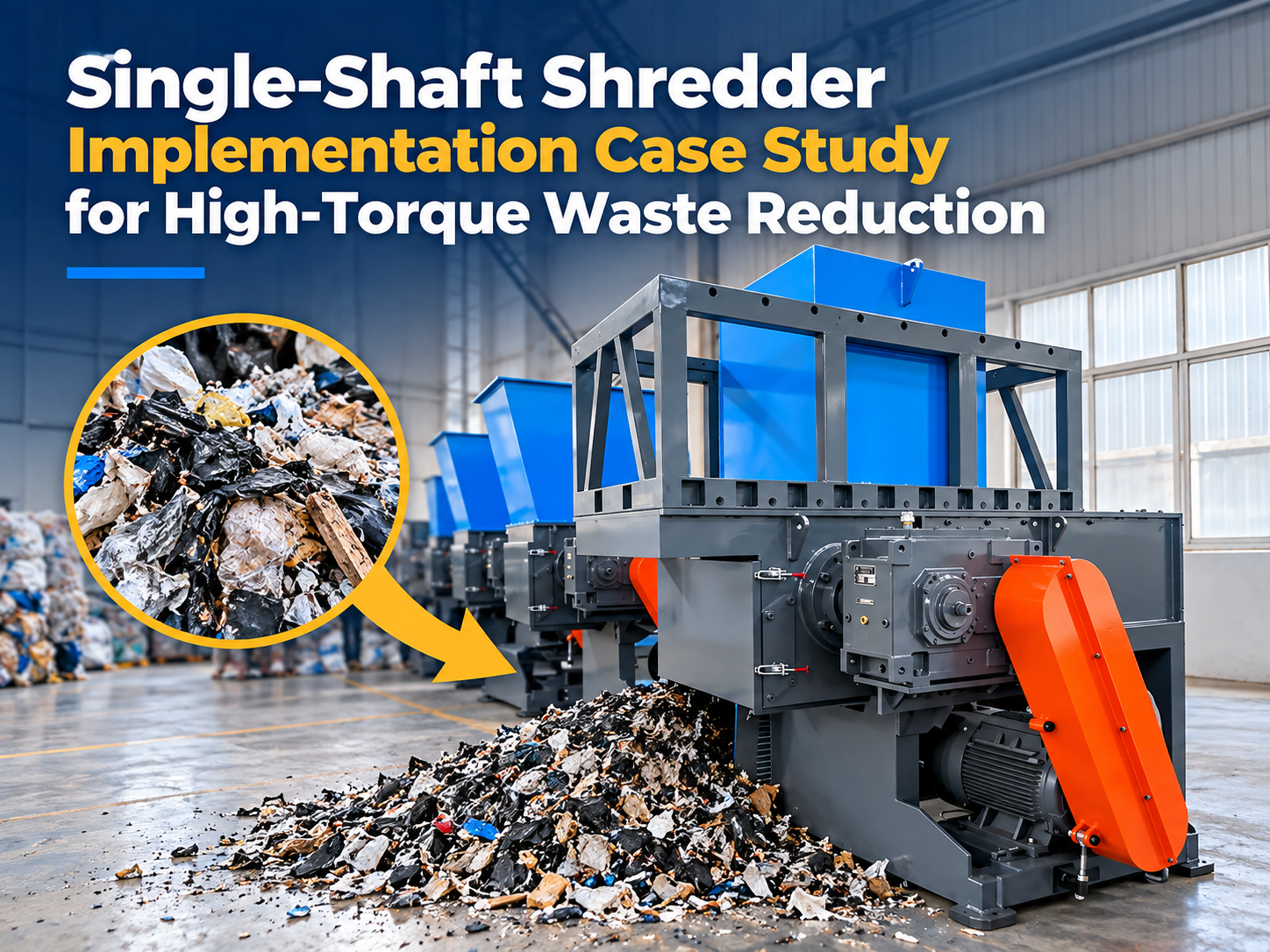
In the modern landscape of metal fabrication and industrial manufacturing, the efficient management of waste materials is no longer just an environmental consideration; it is a critical operational necessity. As production volumes increase, so does the volume of scrap, offcuts, and discarded materials. Implementing a Single-Shaft Shredder Implementation Case Study for High-Torque Waste Reduction reveals that the transition from manual waste handling to automated, high-torque shredding can drastically improve facility throughput and profitability.
HARSLE has long been at the forefront of providing robust industrial machinery that addresses these specific challenges. A single-shaft shredder is designed to handle a variety of materials, ranging from plastics and wood to complex metal scraps, by utilizing a low-speed, high-torque mechanism. This approach ensures that materials are reduced to a uniform size, facilitating easier transport, recycling, or disposal.
This article explores a comprehensive case study regarding the deployment of HARSLE shredding technology in a high-volume fabrication environment. By examining the technical requirements, operational hurdles, and the eventual ROI, we provide a blueprint for facilities looking to optimize their waste reduction strategies. Understanding the mechanics behind high-torque reduction is the first step toward achieving a leaner, more sustainable manufacturing process.
Key Considerations for Shredder Integration
When planning a Single-Shaft Shredder Implementation Case Study for High-Torque Waste Reduction, the first consideration must be the material composition. Not all waste streams are identical. A facility processing thin-gauge aluminum sheets will have vastly different requirements than one handling thick steel bars or mixed industrial plastics. The shredder must be configured with the appropriate rotor speed and blade geometry to ensure maximum efficiency without causing premature wear on the drive train.
Another vital factor is the throughput requirement. In a high-torque environment, the machine must be capable of continuous operation during peak production hours. This involves evaluating the motor power, the size of the shredding chamber, and the discharge mechanism. If the shredder cannot keep pace with the fabrication line, it becomes a bottleneck rather than a solution. HARSLE engineers emphasize the importance of matching the shredder capacity to the upstream production output to maintain a seamless workflow.
Space constraints and safety protocols also play a significant role. Industrial shredders are powerful pieces of equipment that require adequate clearance for maintenance, material loading, and discharge collection. Furthermore, safety features such as emergency stop systems, overload protection, and noise suppression enclosures are non-negotiable. Integrating these into the facility layout requires careful planning to ensure that the shredder operates safely alongside other metal fabrication equipment.
Finally, the long-term cost of ownership must be analyzed. This includes energy consumption, spare parts availability, and the ease of routine maintenance. A high-torque shredder is a significant capital investment, and its value is realized through its durability and the reduction in labor costs associated with manual scrap handling. By selecting a machine that offers modular components, facilities can ensure that maintenance tasks are performed quickly, minimizing downtime.
Technical Details of High-Torque Shredding
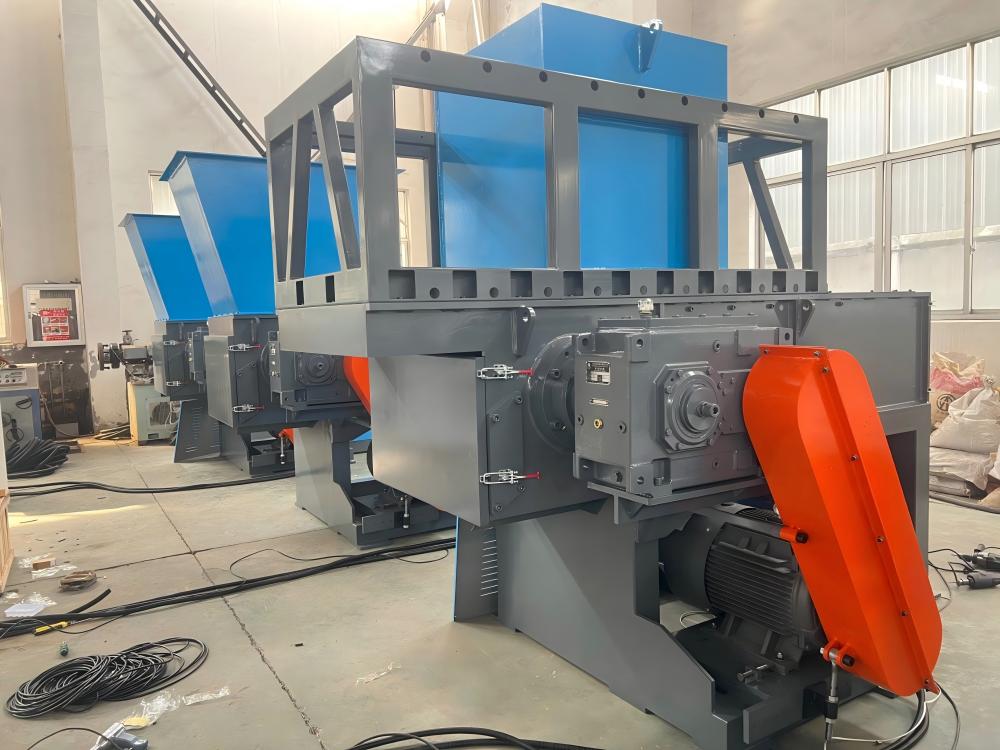
The core of the Single-Shaft Shredder Implementation Case Study for High-Torque Waste Reduction lies in the technical superiority of the shredding mechanism. Unlike dual-shaft shredders that rely on shearing, a single-shaft shredder utilizes a rotor equipped with specialized blades that interact with a stationary counter-blade. This configuration allows for precise control over the output size, which is critical for downstream recycling processes.
The high-torque drive system is the engine of this process. By utilizing a heavy-duty gearbox, the shredder can maintain high torque at low rotational speeds. This is essential for “biting” into tough materials without stalling. When the shredder encounters a particularly dense piece of metal, the PLC-controlled system detects the resistance and automatically reverses the rotor to clear the obstruction, preventing damage to the motor and drive components.
Material discharge is managed through a screen located beneath the rotor. The size of the holes in this screen determines the final particle size of the shredded material. HARSLE shredders offer interchangeable screens, allowing operators to adjust the output based on the specific requirements of the recycling facility or the scrap buyer. This flexibility is a key advantage in industries where material specifications can change frequently.
The hydraulic ram system is another critical technical component. It pushes the material toward the rotor, ensuring constant contact and consistent shredding. The pressure of this ram can be adjusted based on the material density. For lighter materials, lower pressure is sufficient, while denser materials require higher hydraulic force. This intelligent control system ensures that the machine operates at peak efficiency regardless of the material being processed.

Selection Advice for Industrial Facilities
Selecting the right equipment for a Single-Shaft Shredder Implementation Case Study for High-Torque Waste Reduction requires a systematic approach. Start by conducting a thorough waste audit. Quantify the daily volume of scrap, identify the material types, and determine the desired particle size for the output. This data will serve as the foundation for your equipment specifications.
Consult with HARSLE technical experts to discuss your specific application. Provide them with samples of your waste material if possible. This allows the engineering team to recommend the correct blade material, rotor configuration, and motor size. A one-size-fits-all approach rarely works in industrial shredding; customization is often the key to achieving the desired waste reduction goals.
Evaluate the manufacturer’s support network. A shredder is a long-term asset, and you need a partner who provides reliable spare parts, technical training, and responsive customer service. Inquire about the availability of wear parts such as blades and screens. Knowing that you can source these components quickly will give you peace of mind and help you maintain high uptime.
Consider the total cost of ownership rather than just the initial purchase price. A cheaper machine that requires frequent repairs or consumes excessive energy will cost more in the long run. Look for features like energy-efficient motors, robust frame construction, and user-friendly control interfaces. These features contribute to a lower total cost of ownership and a faster return on investment.
Często zadawane pytania (FAQ)
What is the primary advantage of a single-shaft shredder over a dual-shaft model?
The primary advantage is the ability to control the output size precisely through the use of a screen. This makes single-shaft shredders ideal for applications where a uniform particle size is required for further processing or recycling.
How does high-torque shredding benefit metal fabrication facilities?
High-torque shredding allows for the processing of thick, dense metal scraps that would otherwise be difficult to handle. It reduces the volume of waste, lowers transportation costs, and increases the value of the scrap by making it easier to sort and recycle.
What maintenance is required for a HARSLE single-shaft shredder?
Routine maintenance includes checking blade sharpness, inspecting the hydraulic system for leaks, monitoring the gearbox oil levels, and ensuring the screen is free of debris. Regular lubrication and scheduled inspections are essential for longevity.
Can a single-shaft shredder handle mixed waste?
Yes, HARSLE shredders are designed to handle a variety of materials. However, it is important to ensure that the shredder is configured correctly for the specific mix of materials being processed to avoid excessive wear or damage.
How long does it take to see a return on investment?
The ROI depends on the volume of waste, the cost of manual labor, and the value of the recycled scrap. Many facilities see a return on investment within 12 to 24 months due to reduced disposal costs and increased revenue from high-quality scrap.
Wniosek
The Single-Shaft Shredder Implementation Case Study for High-Torque Waste Reduction demonstrates that investing in the right technology is transformative for industrial facilities. By choosing a robust, high-torque solution from HARSLE, manufacturers can turn a waste management burden into an efficient, value-added process. The combination of precise engineering, intelligent control systems, and durable construction ensures that these machines can handle the rigors of modern metal fabrication.
As industries continue to prioritize sustainability and operational efficiency, the role of advanced shredding technology will only grow. Whether you are looking to reduce your environmental footprint or simply streamline your scrap handling operations, a single-shaft shredder offers a proven path to success. We encourage facility managers to evaluate their current waste streams and consider the long-term benefits of integrating high-torque shredding into their production lines.
HARSLE remains committed to supporting the metal fabrication industry with innovative machinery and expert guidance. By focusing on quality, reliability, and performance, we help our clients achieve their waste reduction goals and maintain a competitive edge in an increasingly demanding market. Contact our team today to discuss how our shredding solutions can be tailored to your specific operational needs.