Studium przypadku prasy do złomu: Od luźnego złomu do below gotowych do eksportu

Introduction: The Economic Imperative of Metal Recycling
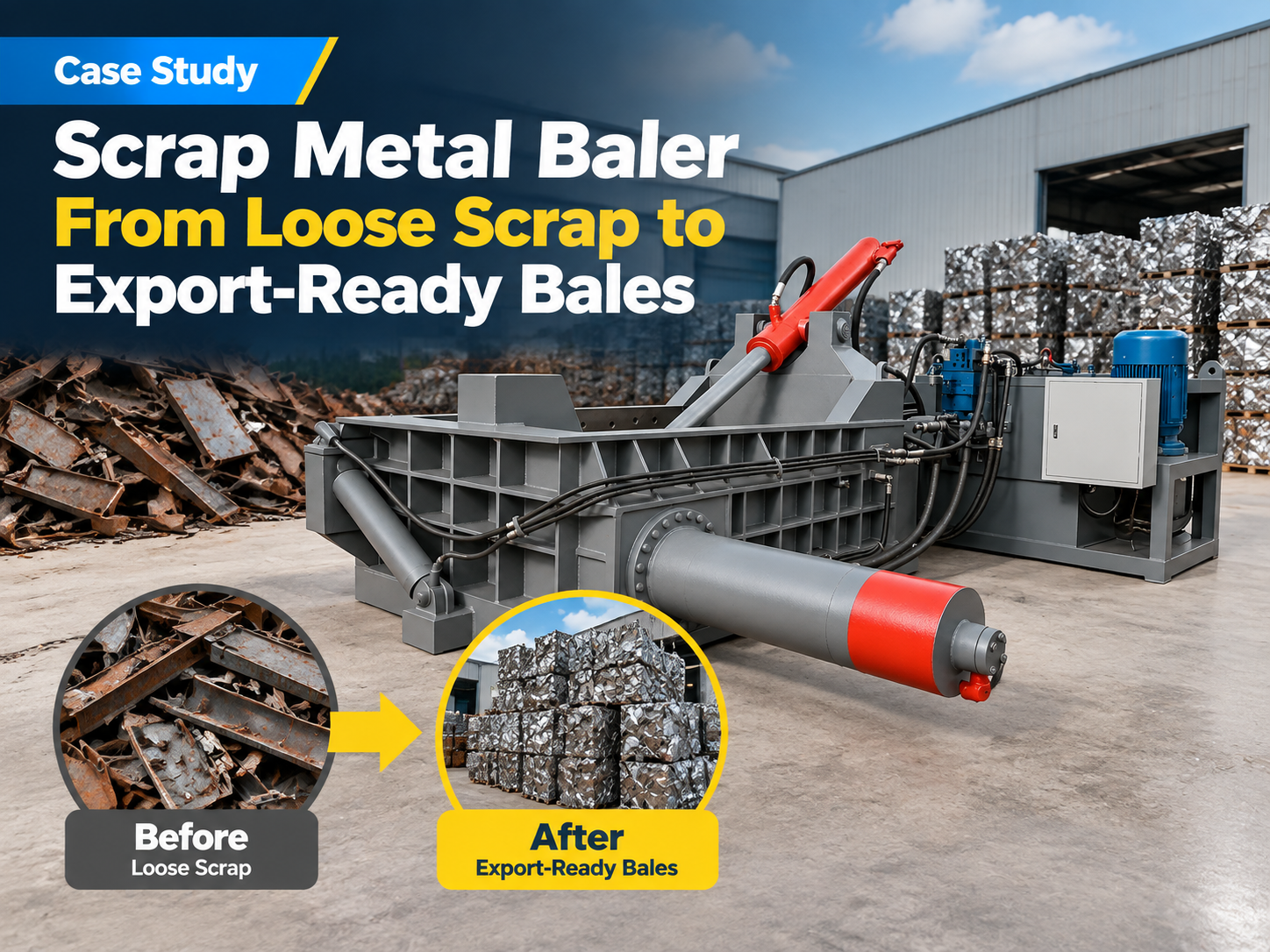
In the modern industrial landscape, the efficiency of scrap metal management is no longer just an environmental concern; it is a critical pillar of operational profitability. For metal fabrication facilities and recycling centers, the transition from handling loose, bulky scrap to producing dense, uniform, export-ready bales represents a significant leap in logistics and revenue potential. This Scrap Metal Baler Case Study: From Loose Scrap to Export-Ready Bales explores how HARSLE machinery empowers businesses to optimize their waste streams.
Loose scrap metal is notoriously difficult to manage. It occupies vast amounts of floor space, incurs high transportation costs due to low bulk density, and often fails to meet the stringent requirements of international smelting facilities. By implementing a high-performance hydraulic scrap metal baler, companies can consolidate their waste, reduce storage footprints, and command higher market prices for their processed materials.
HARSLE has worked with numerous clients across the globe to integrate advanced baling technology into their existing workflows. This article provides a deep dive into the technical requirements, strategic selection criteria, and operational benefits of transitioning to automated baling systems. Whether you are a small fabrication shop or a large-scale recycling plant, understanding the mechanics of high-density baling is essential for staying competitive in the global metal market.
As we navigate the complexities of this case study, we will examine the specific challenges faced by a mid-sized metal processing facility and how the deployment of a HARSLE baler transformed their logistics. We will also provide a comprehensive guide to selecting the right equipment, ensuring that your investment aligns with your production volume and material types.
Key Considerations for Scrap Management
Before investing in a scrap metal baler, it is vital to analyze the nature of your scrap stream. Not all metal is created equal; the density, size, and alloy composition of your waste will dictate the type of hydraulic force and chamber size required for optimal results. A common mistake in the industry is purchasing an undersized machine that cannot handle the peak load of a busy fabrication floor.
Logistics and transportation costs are the primary drivers for adopting baling technology. When scrap is loose, you are essentially paying to ship air. By compressing metal into dense, stackable bales, you maximize the payload capacity of shipping containers and trucks. This reduction in volume directly translates to lower freight costs per ton, which is the most significant factor in calculating the return on investment for a baler.
Safety and workplace organization are secondary but equally important considerations. Loose scrap is a significant hazard, contributing to trip-and-fall accidents and sharp-edge injuries. A clean, organized facility where scrap is immediately processed into bales creates a safer environment for employees and improves overall workflow efficiency. Furthermore, organized scrap yards are easier to manage, audit, and sell.
Environmental compliance and sustainability goals are increasingly influencing industrial operations. Many regions now have strict regulations regarding the storage and disposal of metal waste. A scrap metal baler allows facilities to keep their waste contained and ready for recycling, preventing soil contamination and ensuring that valuable materials are diverted from landfills back into the manufacturing supply chain.
Technical Details: The Mechanics of High-Density Baling
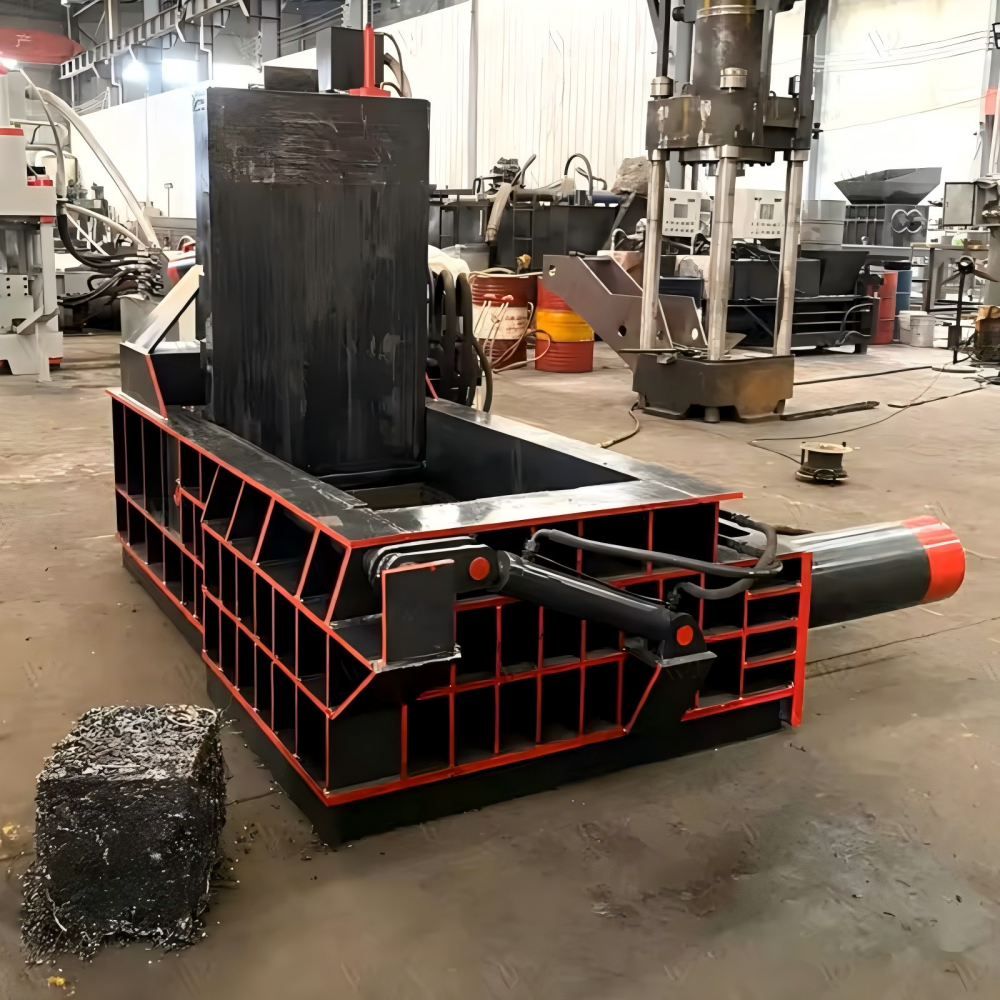
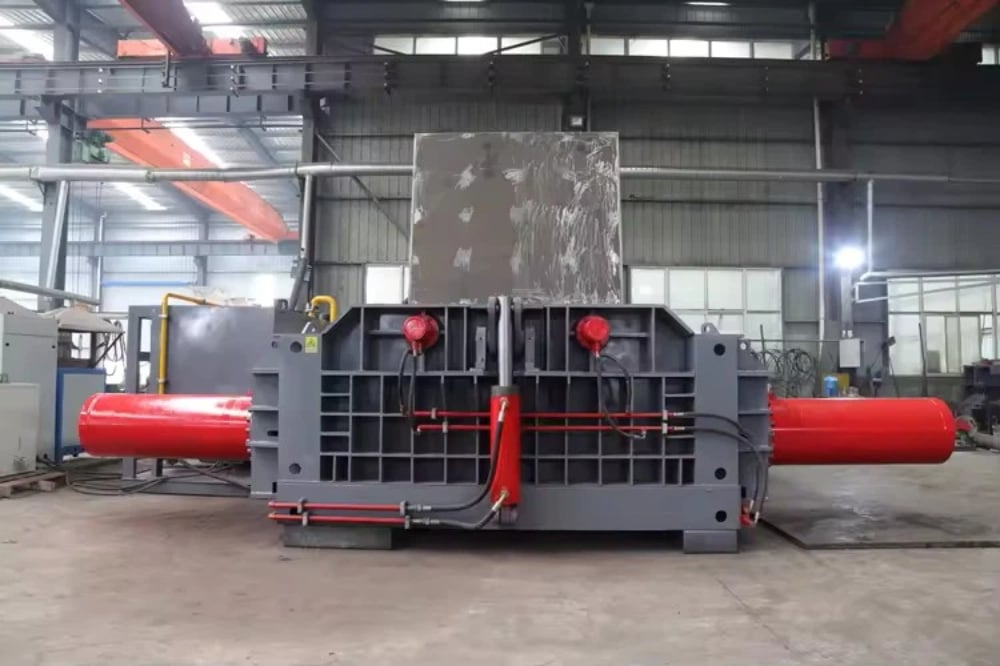
The core of a HARSLE scrap metal baler lies in its robust hydraulic system. These machines utilize high-pressure cylinders to compress metal into a compact form. The process begins with the loading of loose scrap into the compression chamber. Once the chamber is full, the main ram exerts force to compress the material, followed by side and lid rams that ensure the bale is square, dense, and structurally sound.
The structural integrity of the baler is paramount. HARSLE machines are constructed with high-tensile steel plates and reinforced frames to withstand the immense pressure required to deform heavy-gauge steel. The wear plates inside the chamber are replaceable, ensuring that the machine maintains its performance even after years of processing abrasive materials like stainless steel or hardened alloys.
Automation plays a crucial role in modern baling operations. Programmable Logic Controllers (PLCs) allow operators to set specific bale sizes and densities based on the material type. This ensures consistency across every bale produced, which is a requirement for export markets. Automated bale ejection systems further streamline the process, allowing the operator to focus on loading the next batch while the finished bale is moved to the storage area.
Energy efficiency is another technical hallmark of HARSLE equipment. Modern hydraulic systems are designed to minimize power consumption during idle periods and optimize flow during the compression stroke. By utilizing variable frequency drives (VFDs) and high-efficiency motors, these balers reduce the total cost of ownership while maintaining high throughput rates, making them a sustainable choice for long-term industrial use.
Selection Advice: Choosing the Right Baler for Your Facility
Selecting the right scrap metal baler requires a thorough assessment of your daily output. If your facility generates 5 tons of scrap per day, a small, manually fed baler might suffice. However, if you are processing 50 tons or more, an automated, continuous-feed system is necessary to prevent bottlenecks. Always calculate your peak production volume rather than your average, as the baler must be able to handle your busiest days.
Consider the material dimensions. If you are processing long, awkward pieces of metal, you need a baler with a large feed opening. Some HARSLE models feature pre-compression lids that can shear off oversized pieces, preventing jams and damage to the main cylinder. Understanding the physical characteristics of your scrap—whether it is thin sheet metal, heavy plate, or mixed turnings—will help you select the appropriate compression force.
Maintenance accessibility is a critical factor that is often overlooked. A baler is a heavy-duty machine that requires regular lubrication, hydraulic fluid checks, and wear-plate inspections. Choose a model that offers easy access to these components. HARSLE designs its machines with maintenance in mind, providing clear service panels and diagnostic interfaces that help your team perform routine upkeep without requiring specialized external technicians.
Finally, consider the future growth of your business. A baler is a long-term capital investment. It is often wiser to purchase a machine with slightly more capacity than you currently need, allowing your operations to scale without requiring a complete equipment replacement in a few years. Consult with HARSLE’s technical team to discuss your long-term production goals and ensure the machine you select is future-proof.
FAQ: Common Questions About Scrap Metal Balers
- What is the main benefit of baling scrap metal? The primary benefit is the significant reduction in volume, which lowers transportation costs and increases the market value of the scrap by making it easier to handle and smelt.
- Can a HARSLE baler handle different types of metals? Yes, our balers are designed to handle a wide range of materials, including aluminum, copper, brass, and various grades of steel.
- How do I determine the right bale size for export? Export requirements vary by destination and shipping container size. We recommend standardizing your bale dimensions to fit perfectly within a 20-foot or 40-foot shipping container to maximize payload.
- How often does a scrap metal baler require maintenance? Maintenance frequency depends on usage intensity. We provide a detailed maintenance schedule with every machine, typically involving daily inspections and monthly hydraulic system checks.
- Is it difficult to operate a HARSLE baler? No, our machines feature intuitive control panels designed for ease of use. We also provide comprehensive training for your operators during the installation phase.
- What is the expected lifespan of a HARSLE baler? With proper maintenance and regular replacement of wear parts, our balers are built to provide over a decade of reliable service in demanding industrial environments.
Conclusion: Transforming Waste into Profit
The transition from loose scrap to export-ready bales is a transformative step for any metal-focused business. As demonstrated in this Scrap Metal Baler Case Study: From Loose Scrap to Export-Ready Bales, the right equipment does more than just clean up a shop floor; it turns a waste management burden into a revenue-generating asset. By investing in HARSLE’s robust, efficient, and reliable baling technology, you are positioning your company for greater logistical efficiency and higher profitability in the global metal market.
HARSLE remains committed to providing the metal fabrication industry with the tools necessary to succeed. Our balers are engineered to meet the highest standards of performance, safety, and durability. Whether you are looking to reduce your carbon footprint, lower your shipping costs, or simply streamline your internal operations, our team is ready to assist you in selecting the perfect solution for your specific needs.
We encourage you to review your current scrap management processes and identify the areas where efficiency can be improved. The investment in a high-quality scrap metal baler is one that pays dividends through reduced labor, lower logistics costs, and improved material pricing. Contact HARSLE today to learn more about our range of industrial machinery and how we can help you turn your scrap metal into a valuable commodity.
In summary, the path to a more profitable and organized facility starts with the right equipment. By choosing HARSLE, you are choosing a partner dedicated to your long-term success. Let us help you move from the chaos of loose scrap to the precision of export-ready bales, ensuring your business remains at the forefront of the metal fabrication and recycling industry.