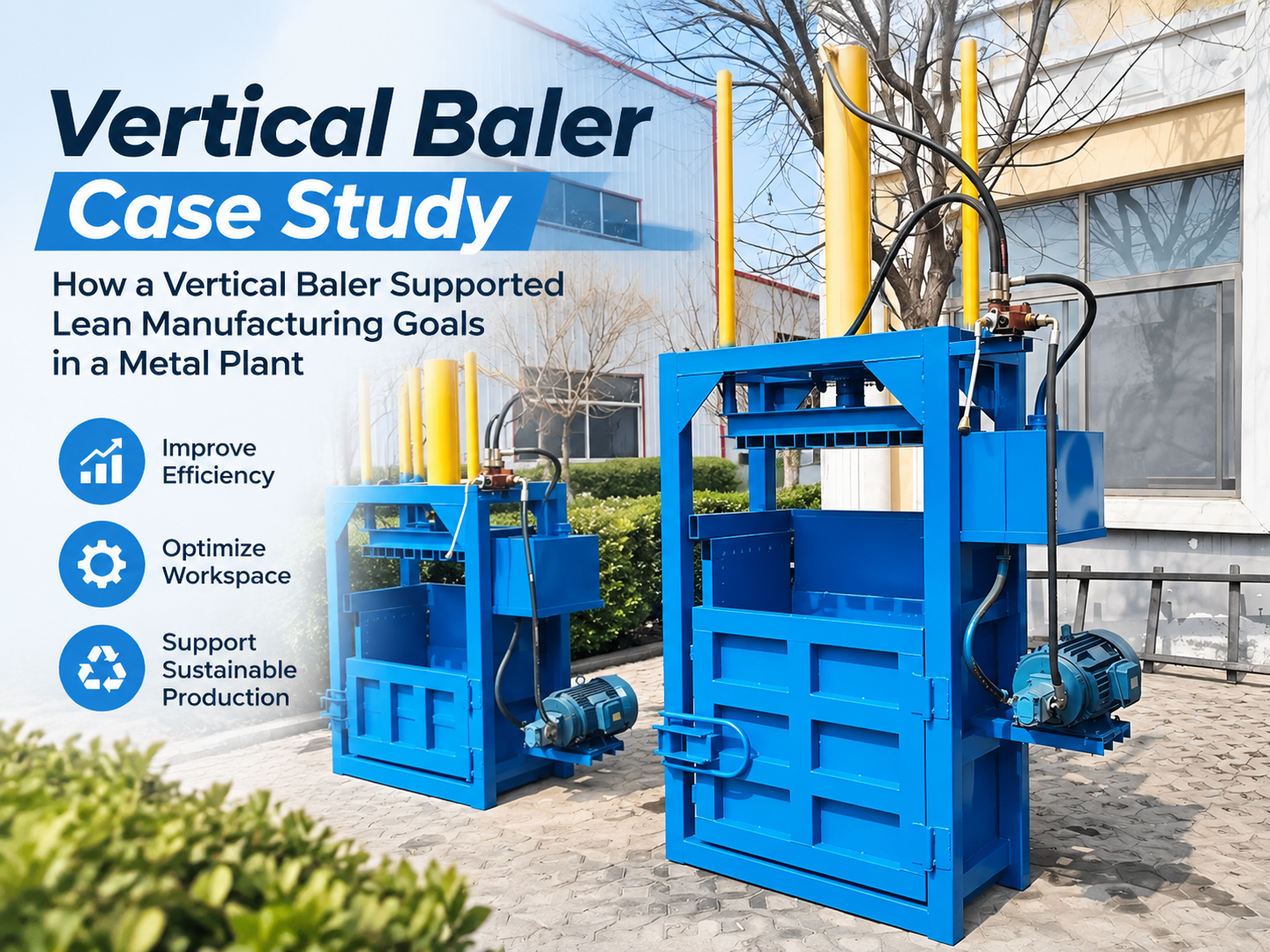
Jak pionowa prasa belująca wsparła cele szczupłej produkcji w zakładzie metalurgicznym

Introduction: The Intersection of Waste Management and Lean Manufacturing
In the modern metal fabrication environment, the pursuit of lean manufacturing is not merely about optimizing production cycles; it is about eliminating waste in every conceivable form. While many plant managers focus on machine uptime and cycle times, the hidden costs associated with scrap metal management and floor space utilization often go overlooked. This is where the implementation of a high-performance vertical baler becomes a transformative asset. By understanding how a vertical baler supported lean manufacturing goals in a metal plant, facility managers can unlock significant operational efficiencies that directly impact the bottom line.
Lean manufacturing, at its core, is the systematic elimination of waste (muda) from the production process. In a metal plant, scrap metal—ranging from aluminum offcuts to steel shavings—is a constant byproduct. When left unmanaged, this scrap clutters the workspace, creates safety hazards, and complicates logistics. A HARSLE vertical baler acts as a central hub for waste consolidation, turning disorganized piles of metal into dense, manageable, and highly valuable bales. This transition from chaotic scrap heaps to organized inventory is a hallmark of a lean-thinking facility.
The integration of a vertical baler is not just about disposal; it is about value recovery. By densifying scrap, plants can command higher prices from recyclers, as logistics costs for the buyer are reduced. Furthermore, the reduction in floor space occupied by loose scrap allows for the expansion of value-added production areas. This article explores the technical, operational, and strategic advantages of deploying vertical balers to achieve lean manufacturing excellence.
Key Considerations for Lean Integration
When integrating a vertical baler into a lean manufacturing workflow, the first consideration is the ‘flow’ of materials. In a lean plant, the movement of scrap should be as streamlined as the movement of raw materials. If operators have to walk long distances to dispose of scrap, or if scrap bins are constantly overflowing, the process is inefficient. A strategically placed vertical baler minimizes travel time and keeps the production floor clear of obstacles, which is a fundamental requirement for 5S workplace organization.
Another critical consideration is the impact on safety and ergonomics. Loose metal scrap is a primary cause of slips, trips, and lacerations in fabrication plants. By utilizing a vertical baler, scrap is moved from the production line to the baling station quickly and securely. This reduces the number of manual handling steps required to transport loose, sharp metal, thereby lowering the risk of workplace injuries and associated downtime. A safer plant is, by definition, a more efficient plant.
Space utilization is perhaps the most significant lean benefit. In many facilities, square footage is at a premium. Loose scrap takes up exponentially more space than baled scrap. By densifying waste, a plant can reclaim valuable floor space that can be repurposed for additional machinery, assembly stations, or inventory storage. This ‘reclaimed space’ is a direct contribution to the plant’s capacity and throughput, allowing for growth without the need for physical facility expansion.
Finally, consider the environmental and financial impact. Lean manufacturing emphasizes the reduction of environmental waste. By baling scrap, the facility reduces the frequency of waste collection trips, thereby lowering the carbon footprint associated with transport. Simultaneously, the increased value of baled scrap compared to loose scrap turns a waste management cost into a revenue stream, aligning perfectly with the lean objective of maximizing value-added activities.
Technical Details of HARSLE Vertical Balers
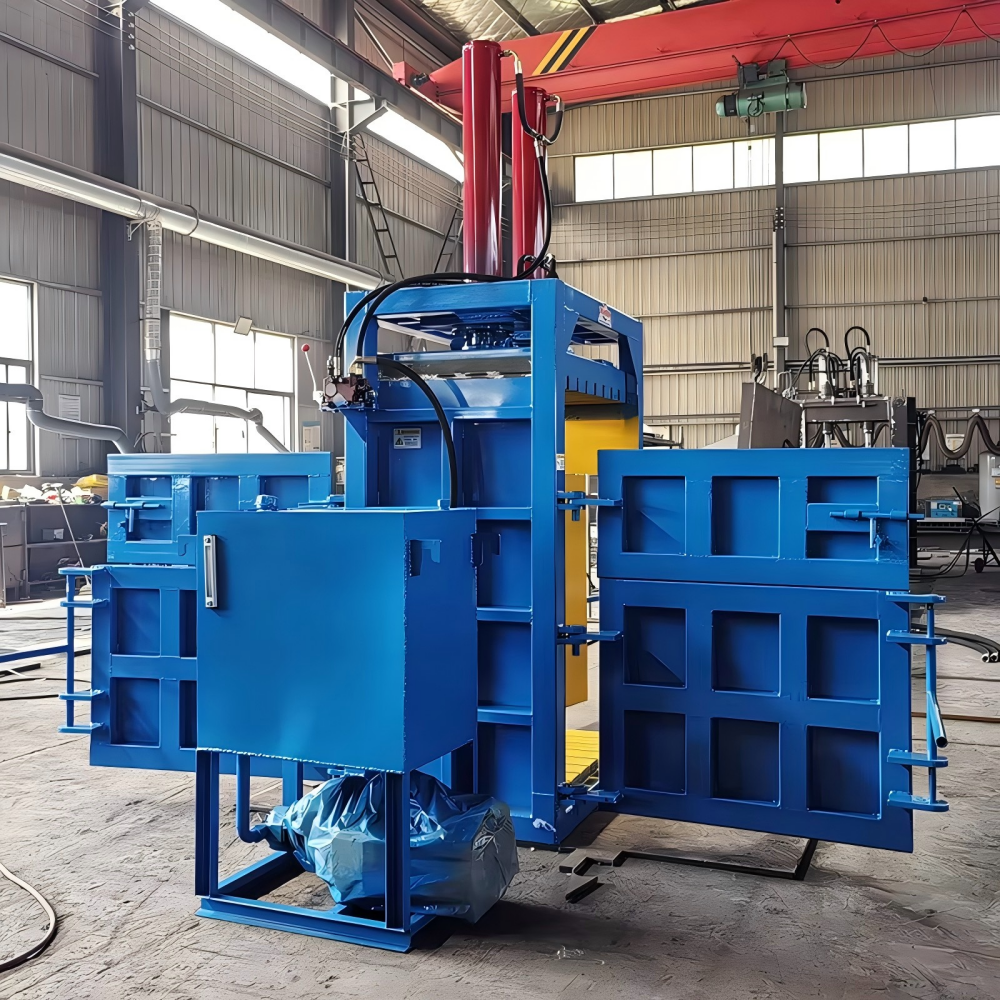
HARSLE vertical balers are engineered with the specific demands of the metal fabrication industry in mind. Unlike standard balers designed for cardboard or plastic, metal-capable balers require robust hydraulic systems, reinforced chambers, and high-density compaction capabilities. The hydraulic power unit is the heart of the machine, providing the consistent force necessary to compress various grades of metal, including stainless steel, copper, and aluminum, into uniform, stackable bales.
The structural integrity of the baling chamber is paramount. HARSLE utilizes high-tensile steel plates and reinforced welding techniques to ensure the chamber can withstand the immense pressure exerted during the compaction cycle. This durability is essential for lean environments where machine reliability is non-negotiable. A breakdown in the waste management system can quickly lead to a bottleneck in production, making the rugged design of HARSLE equipment a critical factor in maintaining continuous flow.
Advanced control systems allow for precise bale weight and size management. Operators can monitor the compaction process through intuitive interfaces, ensuring that each bale meets the specific requirements of the recycling facility. This consistency is vital for lean operations, as it eliminates the variability in waste handling and ensures that the downstream logistics process remains predictable and efficient.
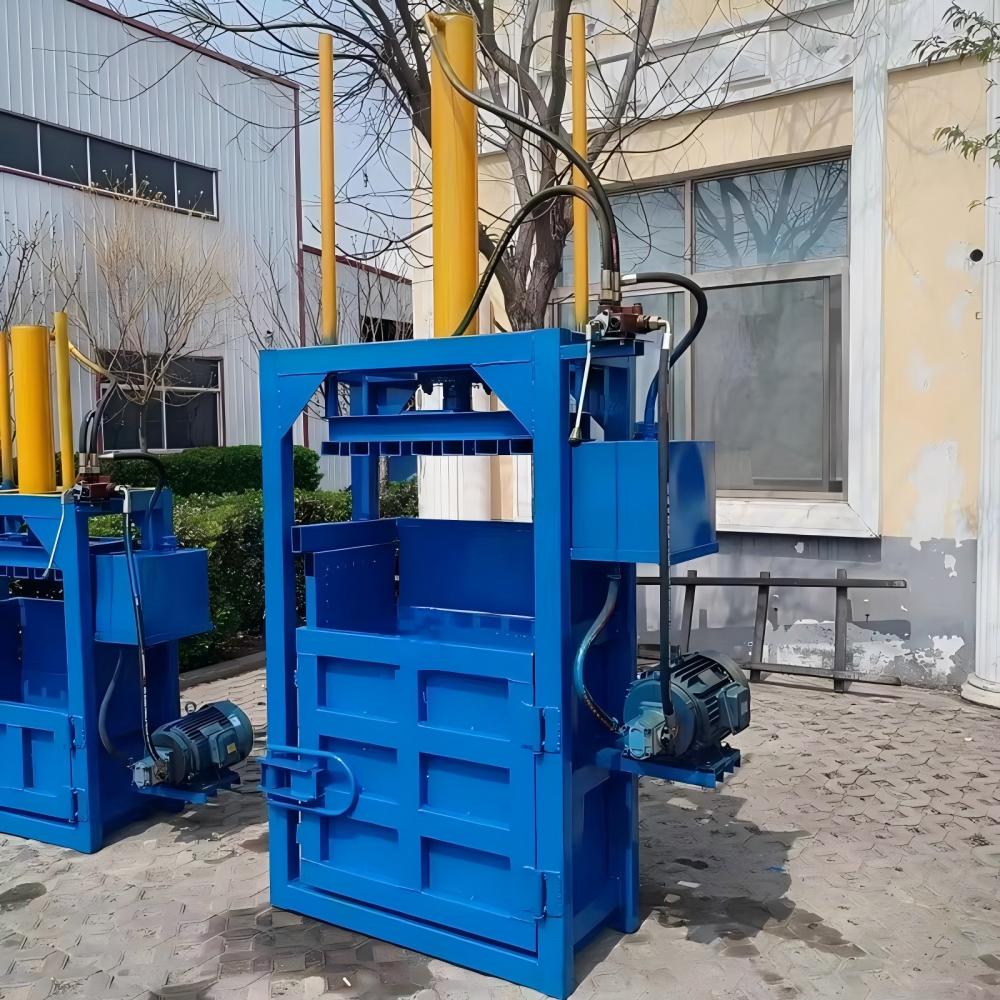
Safety features are integrated into every aspect of the HARSLE design. From dual-hand operation controls to emergency stop mechanisms and safety interlocks on the loading door, these machines are built to protect the operator. In a lean plant, where cross-training is common, the ease of use and safety of the equipment ensure that any operator can safely and effectively manage the baling process without specialized, long-term training.
Selection Advice: Choosing the Right Baler for Your Plant
Selecting the right vertical baler requires a thorough analysis of your plant’s waste output. Start by auditing the volume and type of scrap generated daily. Are you dealing primarily with light-gauge aluminum sheets, or are you processing heavy steel offcuts? The compaction force required for these materials differs significantly. A baler that is underpowered will result in loose, unstable bales, while one that is overpowered may be an unnecessary capital expense.
Consider the physical dimensions of the scrap. If your fabrication process generates large, irregular pieces, you need a baler with a wide loading aperture. Conversely, if your scrap is mostly small shavings or punch-outs, a baler with a specialized hopper or containment system may be more appropriate. HARSLE offers a range of configurations to match these specific material profiles, ensuring that the baler fits seamlessly into your existing workflow rather than forcing you to adapt your workflow to the machine.
Evaluate the available floor space and the proximity to the production line. A vertical baler is generally preferred for its small footprint, but you must ensure there is adequate space for the operator to load the machine and for a forklift or pallet jack to remove the finished bales. Mapping out the ‘scrap flow’ on your plant floor layout will help determine the optimal placement for the baler to minimize material handling time.
Finally, look at the long-term support and maintenance requirements. Lean manufacturing relies on high equipment availability. Choose a manufacturer like HARSLE that provides comprehensive technical support, readily available spare parts, and clear maintenance schedules. A machine that is easy to maintain and has a long service life is a better investment than a cheaper, less reliable alternative that will require frequent repairs and cause production interruptions.
FAQ: Optimizing Waste Management
- How does a vertical baler improve 5S compliance? By consolidating scrap into neat, stackable bales, it eliminates clutter, keeps aisles clear, and creates a standardized, organized workspace.
- Can a vertical baler handle all types of metal scrap? While most HARSLE balers are versatile, it is essential to match the machine’s compaction force to the specific metal grade and thickness you are processing.
- What is the typical ROI for a vertical baler in a metal plant? ROI is achieved through reduced waste disposal fees, increased revenue from high-density scrap sales, and the reclamation of valuable floor space.
- How often does a vertical baler require maintenance? Regular maintenance, such as checking hydraulic fluid levels and inspecting seals, is required. HARSLE provides a detailed maintenance schedule to ensure maximum uptime.
- Is special training required to operate a HARSLE baler? HARSLE machines are designed for ease of use, but basic safety and operational training are recommended to ensure efficiency and operator safety.
Conclusion: The Strategic Advantage
The implementation of a vertical baler is a strategic move that extends far beyond simple waste disposal. By understanding how a vertical baler supported lean manufacturing goals in a metal plant, managers can see that this equipment is a vital component of a modern, efficient, and profitable facility. It addresses the fundamental lean principles of waste reduction, space optimization, and safety, while simultaneously turning a cost center into a potential revenue stream.
As metal fabrication plants continue to face pressure to increase throughput while reducing costs, the integration of specialized machinery like HARSLE vertical balers becomes increasingly essential. By focusing on the flow of materials, the safety of the workforce, and the efficient use of space, plants can achieve a higher level of operational maturity. Investing in the right equipment is the first step toward a leaner, more competitive future in the metal fabrication industry.
Ultimately, the success of a lean manufacturing initiative depends on the tools and processes that support it. A HARSLE vertical baler provides the reliability, power, and efficiency needed to keep the production floor running smoothly. When scrap is managed effectively, the entire plant benefits, leading to improved productivity, higher morale, and a stronger bottom line. Make the choice to optimize your waste management today and experience the tangible benefits of a truly lean manufacturing environment.