How a Small Factory Increased Recycling Revenue with a Vertical Baler

Introduction: The Hidden Profit in Waste Management
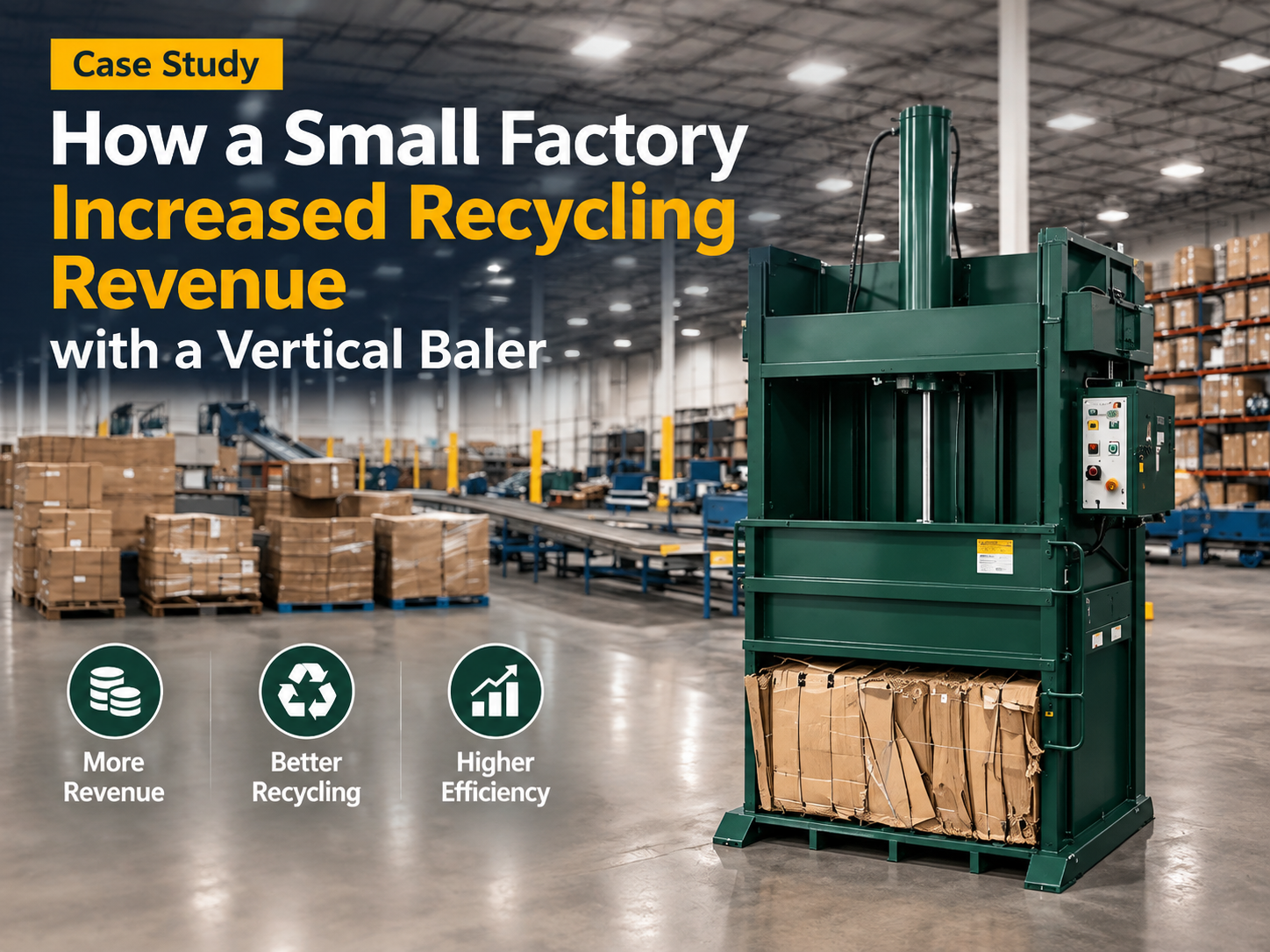
For many small-to-medium-sized manufacturing facilities, waste is often viewed as a necessary evil—a logistical burden that costs money to haul away. However, forward-thinking factory managers are shifting this perspective, viewing waste not as trash, but as a secondary revenue stream. The story of how a small factory increased recycling revenue with a vertical baler serves as a blueprint for operational efficiency and environmental responsibility. By integrating industrial-grade baling equipment, these facilities transform loose, bulky materials into dense, high-value commodities that recycling centers are eager to purchase.
In the competitive landscape of metal fabrication and general manufacturing, every square foot of floor space and every dollar of overhead matters. Loose cardboard, plastic film, and thin-gauge metal scraps occupy valuable space, create fire hazards, and require frequent, costly dumpster pickups. When a small factory increases recycling revenue with a vertical baler, they are not just cleaning up their shop floor; they are optimizing their logistics and turning a cost center into a profit center.
HARSLE has observed numerous clients transition from traditional waste disposal methods to automated baling systems. The process begins with identifying the volume and type of waste generated daily. Once the decision is made to invest in a vertical baler, the factory immediately sees a reduction in labor hours spent breaking down boxes and managing waste bins. This article explores the technical, financial, and operational journey of implementing this technology.
As we delve into the specifics, it is important to understand that a vertical baler is more than just a hydraulic press. It is a precision-engineered piece of metal fabrication equipment designed to withstand the rigors of industrial environments. Whether you are dealing with corrugated cardboard, PET plastics, or light metal offcuts, the right baler provides the compression force necessary to meet the strict density requirements of modern recycling facilities.
Key Considerations for Implementing Baling Solutions
Before purchasing a vertical baler, factory owners must conduct a thorough waste audit. This audit should categorize the types of materials being discarded and estimate the daily volume. For a small factory, the goal is to find a balance between footprint and throughput. A baler that is too small will require constant operation, while one that is too large may be an unnecessary capital expenditure. Understanding your material flow is the foundation of the success story where a small factory increased recycling revenue with a vertical baler.
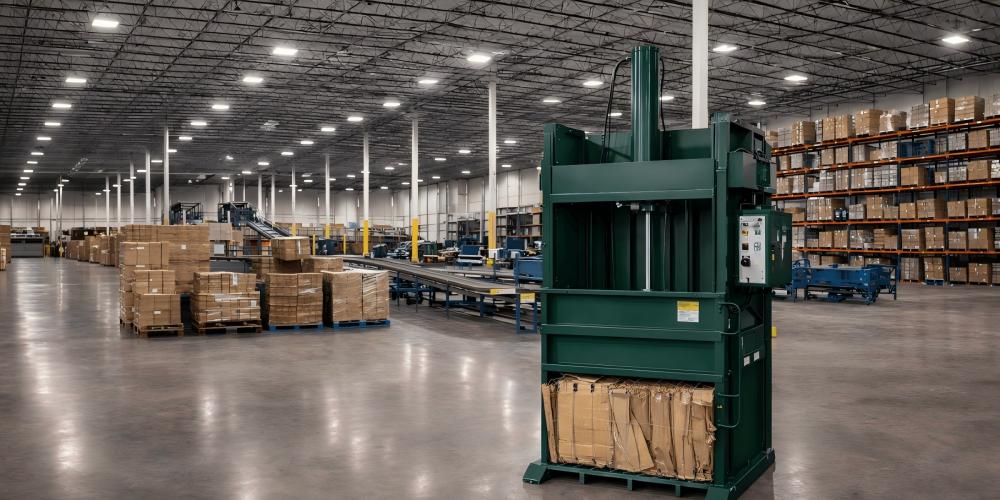
Space optimization is another critical factor. Vertical balers are designed to have a small footprint, making them ideal for facilities where floor space is at a premium. Unlike horizontal balers, which require extensive conveyor systems and large staging areas, vertical units can be placed near the point of waste generation. This proximity reduces the time employees spend transporting waste, thereby increasing overall factory productivity and safety.
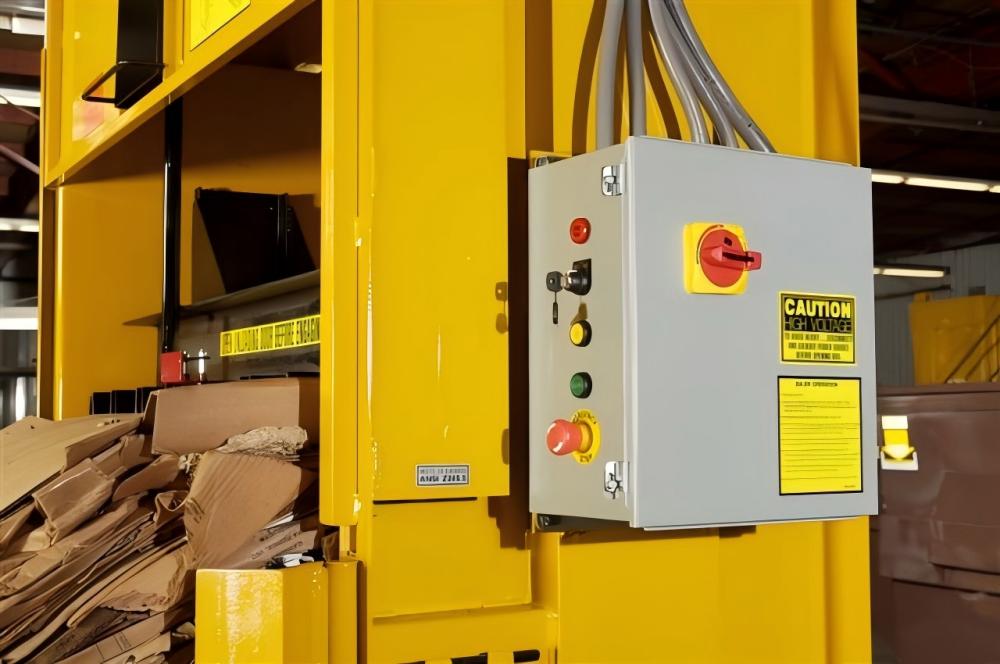
Safety and compliance cannot be overlooked. Modern vertical balers come equipped with advanced safety features, including interlocked doors, emergency stop buttons, and pressure-relief valves. When a small factory increases recycling revenue with a vertical baler, they also improve their workplace safety profile by eliminating the clutter of loose waste. This reduction in fire hazards and tripping risks can lead to lower insurance premiums and a more organized, professional working environment.
Finally, consider the logistical requirements of your waste hauler or recycling partner. Some recyclers offer higher rebates for specific bale sizes or densities. By communicating with your local recycling center, you can ensure that the baler you select produces bales that fit their transport equipment perfectly. This alignment ensures that your factory receives the maximum possible rebate for every ton of material processed.
Technical Details: How Vertical Balers Work
At its core, a vertical baler is a hydraulic press that uses a heavy-duty ram to compress waste materials into a compact, tied bale. The technical specifications of these machines are what allow a small factory to increase recycling revenue with a vertical baler. The hydraulic system provides the necessary force—often measured in tons—to overcome the spring-back effect of materials like cardboard and plastic. HARSLE balers are engineered with high-grade steel structures to ensure longevity even under continuous duty cycles.
The compression cycle is controlled by a PLC (Programmable Logic Controller) system, which allows operators to set specific pressure levels and cycle times. This automation ensures that every bale is consistent in size and density. Consistency is key when selling to recyclers; they prefer uniform bales that are easy to stack, store, and transport. A high-density bale means less air, more material, and ultimately, a higher payout for the factory.
Maintenance of the hydraulic system is the most important technical aspect of baler ownership. Regular checks of hydraulic fluid levels, hose integrity, and cylinder seals prevent downtime. Because these machines operate under high pressure, the structural integrity of the ram and the guide rails must be inspected periodically. A well-maintained baler will last for decades, providing a consistent return on investment long after the initial purchase price has been amortized.
The tying mechanism is another technical feature that varies between models. Some balers use manual tying, where the operator feeds wire or strapping through channels after the compression cycle is complete. Others feature semi-automatic or automatic systems. For a small factory, manual tying is often sufficient and cost-effective, but as volume grows, upgrading to a system that simplifies the tying process can save significant labor time and improve the safety of the operator.
Selection Advice: Choosing the Right Equipment
When looking at how a small factory increased recycling revenue with a vertical baler, the selection process is paramount. You should start by evaluating the feed opening size. If your factory generates large, bulky cardboard boxes, a baler with a wide feed opening will save your team from having to cut down boxes before loading them. This small detail can save hours of labor every week, directly impacting the bottom line.
Consider the bale weight and dimensions. Different recycling centers have different requirements for bale handling. Some require bales that can be moved by a standard pallet jack, while others prefer larger bales that require a forklift. Matching your equipment to your existing material handling infrastructure is essential for a seamless workflow. If you already have a forklift, you might opt for a larger baler that produces heavier, more valuable bales.
The power source is another selection criterion. Most vertical balers run on standard industrial electrical supplies, but some high-capacity models may require three-phase power. Ensure that your facility’s electrical infrastructure can support the baler without requiring expensive upgrades. If you are unsure, consult with a HARSLE technician to review your facility’s power specifications before finalizing your purchase.
Finally, look for a manufacturer that offers comprehensive support and spare parts availability. A baler is a long-term investment. You want a partner who can provide technical guidance, maintenance training, and quick access to replacement parts. When a small factory increases recycling revenue with a vertical baler, they are relying on that machine to function reliably day in and day out. Choosing a reputable brand ensures that your recycling operation remains uninterrupted.
FAQ: Common Questions About Vertical Balers
- How much space does a vertical baler require? Most vertical balers have a footprint of approximately 5 to 10 square feet, plus the necessary clearance for the operator and loading.
- What materials can be baled? Vertical balers are primarily used for cardboard, plastic film, paper, and light aluminum or tin scraps. Always check with the manufacturer regarding specific material compatibility.
- How long does it take to train staff? Operating a vertical baler is straightforward. Most staff can be trained in under an hour, provided they follow all safety protocols.
- Is it worth the investment for a small factory? Yes. By reducing waste hauling fees and generating revenue from baled materials, most factories see a return on investment within 12 to 24 months.
- Does the baler require special maintenance? Routine maintenance includes checking hydraulic fluid, inspecting wire ties, and keeping the machine clean. Annual professional inspections are recommended.
Conclusion: Transforming Waste into Wealth
The journey of how a small factory increased recycling revenue with a vertical baler is a testament to the power of industrial efficiency. By moving away from the traditional “trash and haul” model, factories can reclaim floor space, improve safety, and create a sustainable revenue stream. The initial investment in a vertical baler is quickly offset by the savings in waste disposal fees and the income generated from selling high-density, baled recyclables.
HARSLE remains committed to providing the metal fabrication equipment necessary to help businesses thrive. Whether you are a small shop or a large manufacturing plant, the principles of waste reduction and resource recovery are universal. By choosing the right equipment, maintaining it properly, and optimizing your internal processes, you can turn your waste management strategy into a competitive advantage. Start your journey today by auditing your waste stream and exploring the potential for a vertical baler in your facility.
As the industry moves toward more sustainable practices, the ability to recycle effectively will become even more critical. Factories that adopt these technologies now will be better positioned for the future, both financially and operationally. Remember, every bale you produce is a step toward a leaner, more profitable, and more environmentally conscious factory. Let HARSLE help you take that step today.