Jak prasa do złomu zmniejszyła przestrzeń magazynową w zakładzie odzysku metali: Studium przypadku HARSLE

Introduction
In the modern metal recovery industry, space is synonymous with profit. As metal recovery plants scale their operations to meet the growing demand for recycled materials, the physical footprint of loose scrap metal often becomes a significant bottleneck. Loose scrap, characterized by its irregular shapes and low bulk density, consumes vast amounts of warehouse and yard space, leading to inefficient logistics and increased overhead costs. This is where the implementation of high-performance industrial machinery becomes critical.
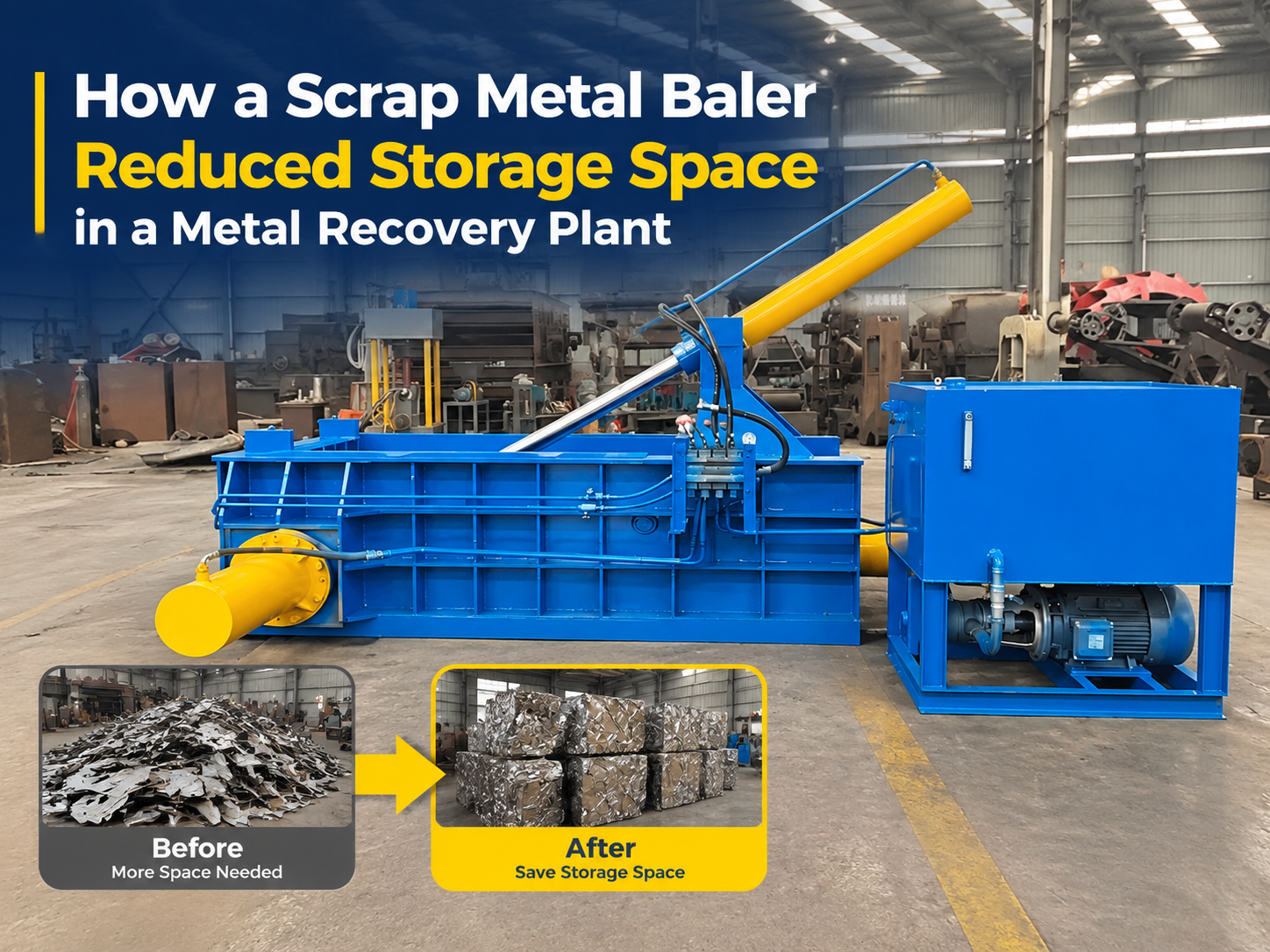
The central question for many plant managers is: How can we optimize our facility without expanding our physical boundaries? The answer lies in densification. When a scrap metal baler reduced storage space in a metal recovery plant, it transformed the facility’s entire operational flow. By compressing bulky, unorganized scrap into uniform, high-density bales, plants can reclaim up to 80% of their storage area, streamline transportation, and increase the market value of their processed materials.
HARSLE has been at the forefront of this transition, providing robust hydraulic baling solutions that address the specific challenges of metal recovery. This article explores the technical, operational, and financial benefits of integrating a scrap metal baler into your facility, providing a comprehensive guide for plant managers looking to maximize their spatial efficiency and operational output.
Understanding the transition from loose scrap management to baled material processing requires a deep dive into the mechanics of hydraulic compression. As we analyze how a scrap metal baler reduced storage space in a metal recovery plant, we will look at the specific metrics of volume reduction, the logistics of bale handling, and the long-term ROI associated with high-quality HARSLE equipment.
Key Considerations for Space Optimization
Before investing in a baling solution, plant managers must evaluate their current material flow. The primary challenge in metal recovery is the ‘void space’ created by loose scrap. Whether it is aluminum offcuts, copper wiring, or steel sheet metal, loose materials trap air and occupy space that could otherwise be utilized for inventory or processing equipment. Reducing this void space is the first step toward operational excellence.
Another key consideration is the logistics of material handling. When scrap is loose, it requires specialized containers, frequent forklift trips, and significant labor hours to move from the sorting area to the shipping dock. By baling the material, the plant creates a standardized unit that is easier to stack, store, and load onto transport vehicles. This standardization is a major factor in how a scrap metal baler reduced storage space in a metal recovery plant.
Safety and environmental compliance also play a role in space management. Loose scrap piles can be unstable, posing risks to personnel, and can harbor debris that complicates environmental cleanup efforts. A baling system allows for a cleaner, more organized facility where materials are contained, labeled, and stacked securely. This organization reduces the risk of workplace accidents and simplifies the inventory management process.
Finally, the economic impact of storage space cannot be ignored. In many urban or industrial zones, the cost per square foot of warehouse space is rising. By densifying scrap, plants can effectively ‘create’ space without the need for costly facility expansions or off-site storage rentals. This transition directly impacts the bottom line, allowing the plant to process more material within the same footprint.
Technical Details of HARSLE Baling Systems
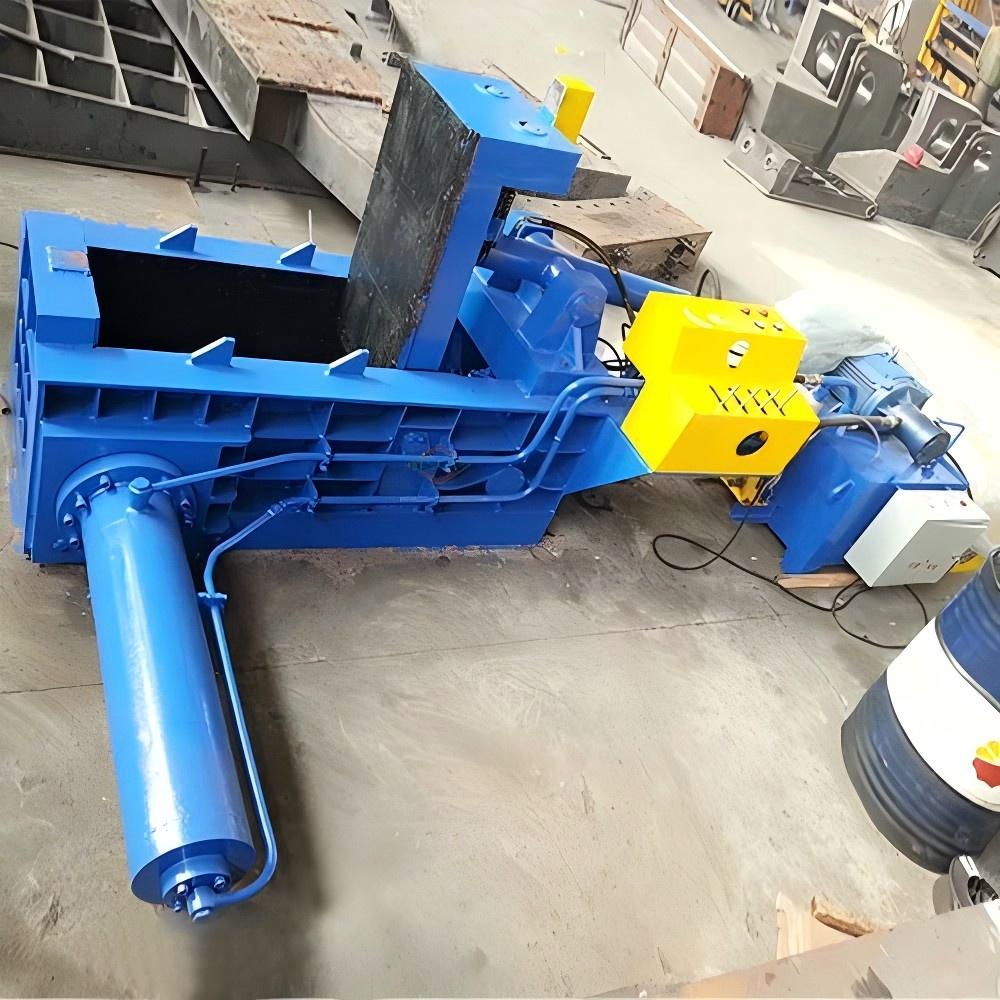
HARSLE scrap metal balers utilize advanced hydraulic systems to exert immense pressure on various types of metal waste. The core of the machine is the compression chamber, where hydraulic cylinders drive a heavy-duty ram to crush the material. The force exerted is measured in tons, and for industrial metal recovery, HARSLE offers models ranging from 100 to over 500 tons of force, ensuring that even the toughest steel can be densified into a manageable block.
The structural integrity of the baler is paramount. HARSLE machines are constructed with reinforced steel plates and high-wear-resistant liners to withstand the abrasive nature of metal scrap. The hydraulic system is equipped with high-efficiency pumps and valves that ensure consistent pressure cycles, minimizing energy consumption while maximizing throughput. This technical robustness is why a scrap metal baler reduced storage space in a metal recovery plant so effectively—it provides the reliability needed for 24/7 operation.
Automation features are another critical technical component. Modern HARSLE balers include programmable logic controllers (PLCs) that allow operators to adjust compression cycles based on the type of metal being processed. Whether it is light-gauge aluminum or heavy-duty steel, the machine can be tuned to achieve the optimal bale density. This precision ensures that the resulting bales meet the specific requirements of smelters and foundries, further increasing the marketability of the scrap.
Maintenance and longevity are also built into the design. HARSLE balers feature accessible service points, diagnostic monitoring, and modular components that simplify repairs. By reducing downtime, these machines ensure that the plant maintains its high-density storage flow, preventing the accumulation of loose scrap that would otherwise clog the facility. The integration of these technical features is essential for any plant aiming for long-term efficiency.
Selection Advice: Choosing the Right Baler
Selecting the right scrap metal baler is a strategic decision that depends on your specific material volume and type. The first step is to conduct a thorough audit of your daily scrap intake. Determine the average weight and volume of the material you process. If your plant handles a high volume of light-gauge scrap, a baler with a larger feed opening and faster cycle time might be necessary. Conversely, for heavy-duty steel, a higher-tonnage press is required to achieve the necessary density.
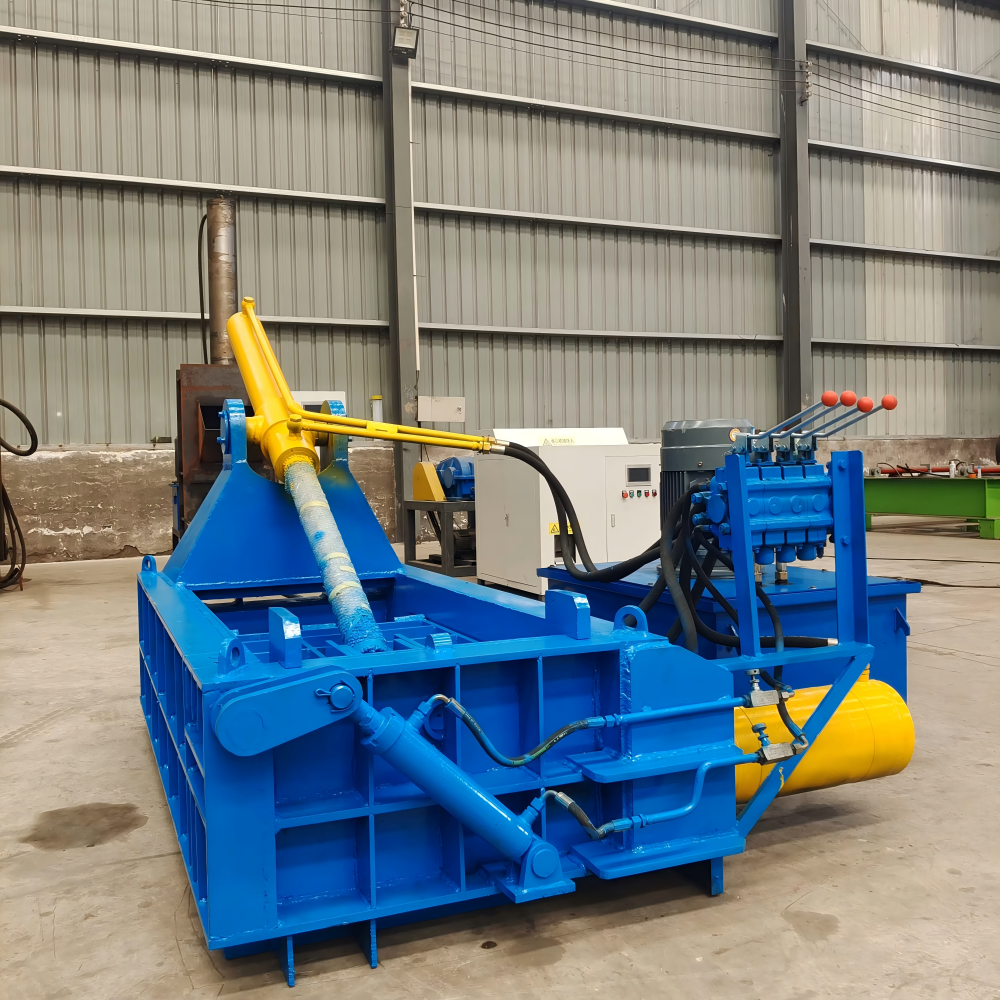
Consider the physical layout of your facility. HARSLE offers both horizontal and vertical baling solutions. Vertical balers are ideal for facilities with limited floor space, while horizontal balers are better suited for high-volume, continuous-feed operations. Understanding your spatial constraints will help you select a machine that fits seamlessly into your existing workflow without requiring a major facility redesign.
Another factor is the bale size and weight. Different smelters and transport companies have specific requirements for bale dimensions. Ensure that the baler you choose produces bales that are compatible with your logistics partners’ equipment. This compatibility is a key part of how a scrap metal baler reduced storage space in a metal recovery plant—by ensuring that the output is ready for immediate transport, you eliminate the need for secondary handling or re-baling.
Finally, look for a partner, not just a supplier. HARSLE provides comprehensive support, from initial site assessment to installation and operator training. A successful implementation requires more than just the machine; it requires an understanding of how the equipment fits into your specific operational goals. Engage with HARSLE’s technical team to discuss your throughput targets and space-saving objectives before making a final selection.
FAQ: Industrial Baling Solutions
- How much space can I expect to save with a baler? Most facilities see a reduction in storage footprint of 60% to 80% by converting loose scrap into dense, stacked bales.
- What types of metal can HARSLE balers process? Our balers are designed to handle a wide range of materials, including aluminum, copper, brass, stainless steel, and light-gauge carbon steel.
- Is it difficult to operate a high-tonnage baler? HARSLE machines are designed with user-friendly interfaces and automated cycles, making them easy to operate with minimal training.
- How does a scrap metal baler reduce storage space in a metal recovery plant? By compressing loose, irregular scrap into uniform, high-density blocks, the baler eliminates the ‘void space’ that typically takes up most of a warehouse floor.
- What is the typical maintenance schedule for a baler? We recommend daily visual inspections and a scheduled preventive maintenance program every 500-1000 operating hours to ensure peak performance.
- Can a baler increase the value of my scrap? Yes, smelters and foundries pay a premium for high-density, clean, and uniform bales because they are easier to melt and transport.
Wniosek
The transition to a baled material workflow is one of the most effective ways to modernize a metal recovery plant. As demonstrated by the success stories where a scrap metal baler reduced storage space in a metal recovery plant, the benefits extend far beyond simple space savings. By investing in HARSLE industrial machinery, plant managers can achieve greater operational efficiency, improved safety, and higher profitability through better material management.
When you choose HARSLE, you are choosing a partner dedicated to the longevity and productivity of your facility. Our balers are engineered to withstand the rigors of the recycling industry, providing the consistent, high-density output required to compete in today’s market. Whether you are looking to optimize your current footprint or scale your operations for future growth, our team is ready to provide the technical expertise and equipment you need.
Don’t let loose scrap dictate the limits of your business. Take control of your facility’s space and efficiency by integrating a professional-grade scrap metal baler. Contact HARSLE today to learn more about our range of hydraulic baling solutions and start your journey toward a more organized, profitable, and efficient metal recovery operation.