How a Manufacturing Plant Reduced Scrap Volume with an Alligator Shear: A Case Study

Introduction
In the competitive landscape of modern metal fabrication, the management of waste and scrap is not merely an environmental concern; it is a critical financial imperative. Many facilities struggle with the logistical nightmare of handling bulky, irregular metal offcuts that occupy valuable floor space and incur high transportation costs. Recently, we observed a significant transformation at a mid-sized manufacturing plant that faced these exact challenges. By integrating a high-performance HARSLE alligator shear into their workflow, the facility achieved a remarkable turnaround in operational efficiency.
The core of the problem for this plant was the accumulation of oversized scrap metal, which required manual torch cutting—a slow, dangerous, and labor-intensive process. This article explores the journey of how a manufacturing plant reduced scrap volume with an alligator shear, providing a blueprint for other industrial facilities looking to optimize their scrap management systems. We will delve into the technical advantages, the strategic implementation, and the long-term ROI of adopting this robust piece of metal fabrication equipment.
Understanding the transition from manual processing to automated shearing is essential for any plant manager aiming to improve their bottom line. The alligator shear, known for its simple yet powerful design, acts as the primary workhorse in scrap yards and fabrication shops worldwide. By examining this specific case study, we aim to provide actionable insights into how industrial machinery can be leveraged to turn waste into a streamlined, profitable commodity.
As we navigate through the technical specifications and operational benefits, it becomes clear that the alligator shear is more than just a cutting tool; it is a strategic asset. Whether you are dealing with structural steel, pipes, or miscellaneous metal offcuts, the ability to densify scrap through shearing is a game-changer. Let us explore the mechanics and the methodology behind this successful scrap reduction strategy.

Key Considerations for Scrap Management
Before a plant can effectively reduce scrap volume, it must first analyze the nature of its waste stream. In the case of our featured facility, the scrap consisted primarily of long-length structural steel beams and thick-walled pipes. These materials are notoriously difficult to transport because they contain a high percentage of ‘void space’—air trapped between the irregular shapes. When shipping scrap, you are essentially paying to transport air, which significantly erodes the profit margins of scrap sales.
The first consideration is the physical footprint of the scrap pile. A plant that allows scrap to accumulate in an unorganized, uncut state is losing money on two fronts: lost floor space that could be used for production and increased logistics costs. By implementing a systematic approach to scrap processing, the plant was able to reclaim nearly 30% of its production floor space within the first three months of installing the alligator shear.
Safety is the second, and perhaps most critical, consideration. Manual torch cutting involves open flames, toxic fumes, and the risk of fire. Furthermore, the handling of long, jagged steel pieces poses a constant threat of injury to workers. Transitioning to a hydraulic alligator shear eliminates the need for torches, creating a safer environment that complies with modern occupational health and safety standards. This shift not only protects the workforce but also reduces insurance premiums and downtime associated with workplace accidents.
Finally, the economic value of scrap metal is highly dependent on its density and cleanliness. Foundries and steel mills pay a premium for ‘prepared’ scrap—material that has been cut to specific, uniform lengths and is free of contaminants. By using an alligator shear, the plant was able to upgrade its scrap from ‘unprepared’ to ‘premium’ grade, effectively increasing the revenue generated from every ton of waste sold. This shift in strategy turned a cost center into a revenue stream.
Technical Details of the Alligator Shear
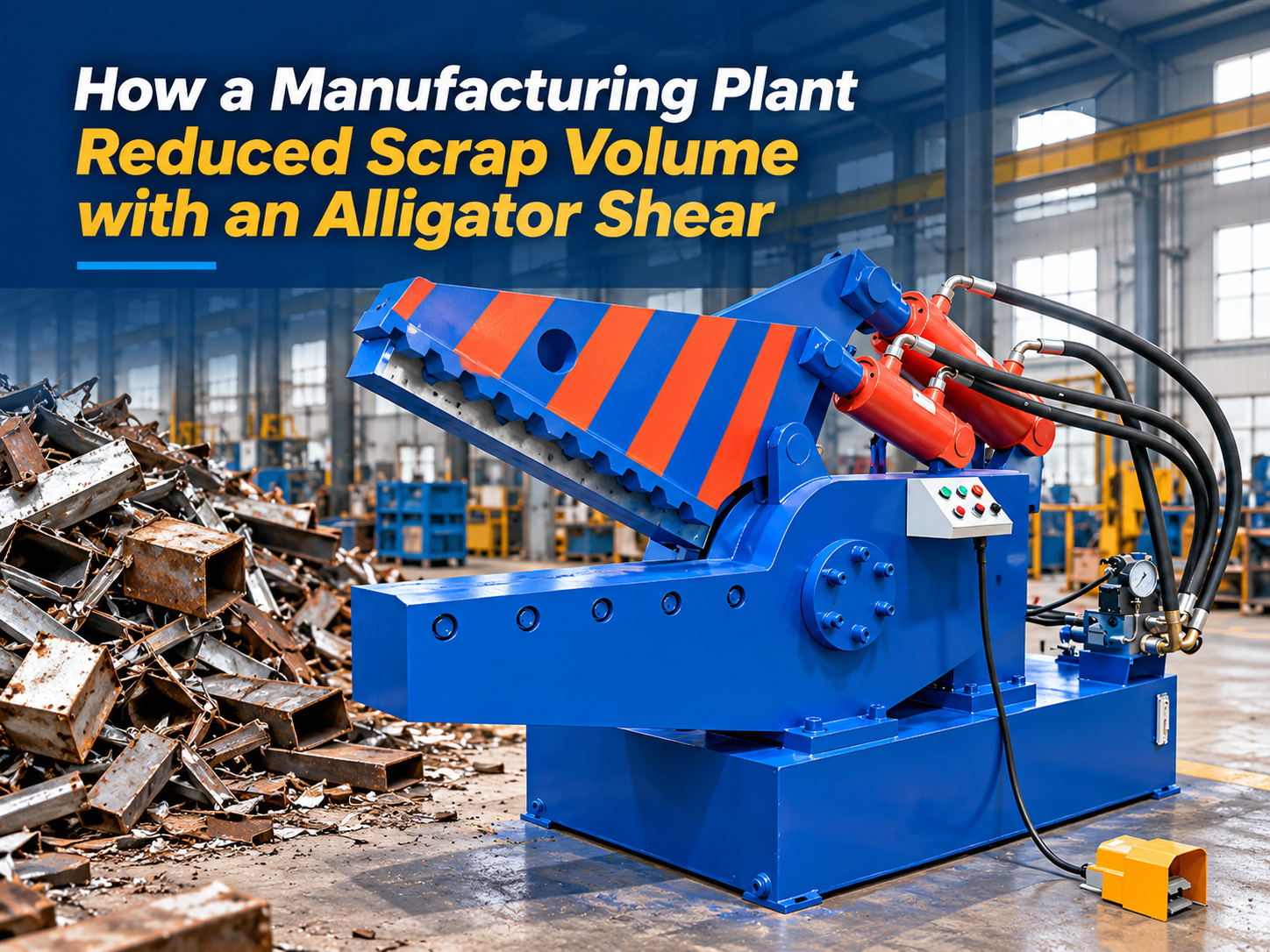
The HARSLE alligator shear operates on a simple yet highly effective principle: a hydraulic cylinder drives a heavy-duty blade against a stationary anvil. This mechanical advantage allows the machine to exert immense force at the point of contact, enabling it to slice through thick steel sections with ease. Unlike circular saws or band saws, which require constant blade changes and cooling fluids, the alligator shear is designed for durability and minimal maintenance.
One of the standout features of the unit installed at the plant was its adjustable blade gap. This allows the operator to fine-tune the shear for different material thicknesses, ensuring a clean cut every time without damaging the blade. The hydraulic system is engineered for high-cycle operation, meaning it can handle continuous, heavy-duty work without overheating. This reliability is crucial for plants that operate on multiple shifts and cannot afford machine downtime.
The machine’s design also incorporates a feeding box or a support table, which is vital for handling long pieces of metal. By providing a stable platform, the operator can feed the material into the shear with precision, reducing the physical strain and improving the consistency of the cut lengths. The integration of a foot pedal control allows for hands-free operation, further enhancing safety and allowing the operator to focus entirely on the material flow.
Technical specifications for such equipment typically include the cutting force (measured in tons), the blade length, and the maximum opening of the jaws. For this specific plant, a 100-ton shear was selected, providing the perfect balance between power and energy efficiency. The robust frame is constructed from high-strength welded steel, ensuring that the machine can withstand the shock loads associated with cutting high-tensile steel alloys. This level of engineering is what makes the alligator shear a staple in industrial machinery guides.

Selection Advice for Your Facility
Choosing the right alligator shear requires a thorough assessment of your specific material requirements. The most common mistake plants make is underestimating the force required for their thickest scrap. It is essential to categorize your scrap by material type, thickness, and frequency of generation. If your plant primarily processes thin-gauge sheet metal, a smaller, faster shear might be appropriate. However, if you are dealing with heavy structural steel, a high-tonnage machine is non-negotiable.
Another factor to consider is the power source and energy consumption. Modern hydraulic shears are designed to be energy-efficient, utilizing variable frequency drives (VFDs) to adjust motor speed based on the load. This not only saves electricity but also extends the lifespan of the hydraulic components. When evaluating potential suppliers, ask about the availability of spare parts and the ease of maintenance. A machine that is difficult to service will eventually become a liability, regardless of its initial performance.
The physical layout of your facility should also dictate the size and configuration of the shear. If space is at a premium, look for compact designs that still offer a wide jaw opening. Additionally, consider the material handling equipment that will feed the shear. Will you be using a forklift, a conveyor belt, or manual loading? The shear should be integrated into your existing logistics chain to ensure a smooth flow of material from the production line to the scrap bin.
Finally, do not overlook the importance of operator training. Even the most advanced alligator shear is only as effective as the person operating it. Ensure that your team is trained on proper safety protocols, blade maintenance, and the correct techniques for feeding different types of metal. A well-trained operator will not only maximize the machine’s output but will also significantly extend its service life through proper care and preventative maintenance.
FAQ: Optimizing Scrap Processing
- Q: How does an alligator shear compare to a guillotine shear?
A: An alligator shear is designed for cutting irregular, bulky scrap metal, whereas a guillotine shear is typically used for precise, straight-line cutting of sheet metal. The alligator shear’s jaw-like motion is better suited for structural shapes. - Q: What is the primary maintenance requirement for an alligator shear?
A: The most important maintenance task is the regular inspection and sharpening of the blades. Additionally, keeping the hydraulic fluid clean and at the correct level is essential for long-term performance. - Q: Can an alligator shear cut stainless steel?
A: Yes, provided the machine has the appropriate tonnage and the blades are made from high-grade tool steel capable of handling the hardness of stainless alloys. - Q: How much space does an alligator shear require?
A: While the footprint of the machine itself is relatively small, you must account for the space required for material loading and the discharge of cut scrap. A clear area of at least 3-5 meters around the machine is recommended. - Q: Is it possible to automate the feeding process?
A: Yes, many HARSLE alligator shears can be integrated with conveyor systems to automate the feeding process, further increasing throughput and reducing labor costs.
Wniosek
The case study of how a manufacturing plant reduced scrap volume with an alligator shear serves as a powerful reminder that operational efficiency is often found in the details of waste management. By moving away from inefficient manual cutting methods and investing in a reliable, high-capacity hydraulic shear, the plant was able to transform its scrap handling from a logistical burden into a streamlined, profitable process. The reduction in scrap volume not only saved space and improved safety but also significantly enhanced the value of the scrap sold to recyclers.
For any manufacturing facility, the alligator shear represents a sound investment in productivity. It is a piece of equipment that pays for itself through reduced labor costs, lower transportation fees, and higher scrap revenue. As industrial standards continue to evolve, the ability to process waste efficiently will become an even greater differentiator in the market. By carefully selecting the right machine and committing to proper maintenance, your plant can achieve similar results, turning the challenge of scrap into a competitive advantage.
We encourage plant managers to evaluate their current scrap processing workflows and consider the long-term benefits of upgrading to professional-grade fabrication equipment. With the right tools, such as those provided by HARSLE, your facility can reach new levels of operational excellence, ensuring that every piece of metal—whether a finished product or a scrap offcut—is handled with maximum efficiency and value.