How a Horizontal Baler Helped Standardize Scrap Packaging for Pickup: A Comprehensive Guide

Introduction: The Logistics Challenge in Metal Fabrication
In the high-paced world of metal fabrication, the management of scrap material is often treated as an afterthought. However, for facilities generating tons of metal offcuts, shavings, and discarded sheets, the way this waste is handled can be the difference between a profitable operation and a logistical nightmare. Many shops struggle with loose, bulky scrap that occupies excessive floor space and incurs high transportation costs. This is where the implementation of a horizontal baler changes the game.
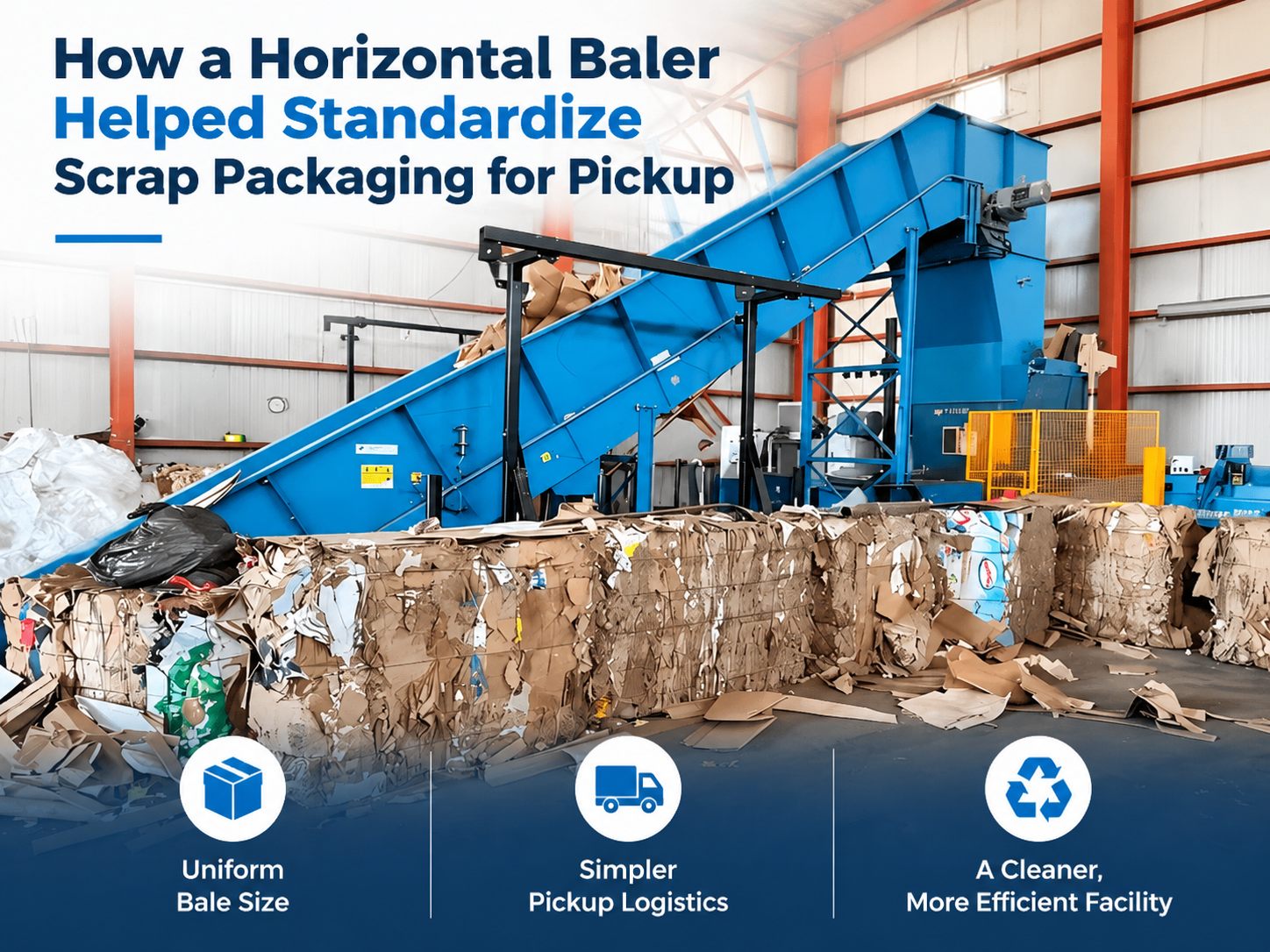
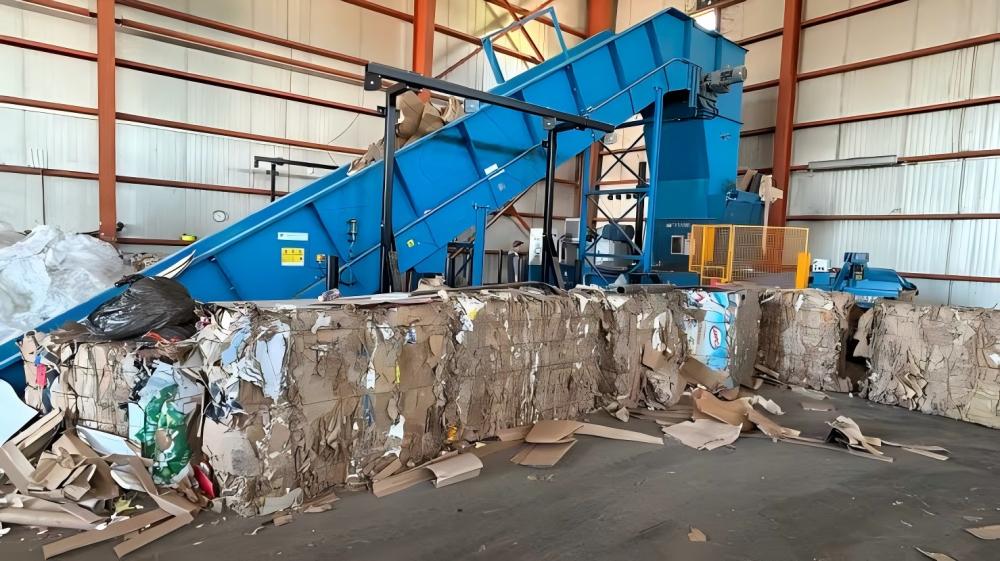
When we ask, “How a horizontal baler helped standardize scrap packaging for pickup,” we are looking at a fundamental shift in operational efficiency. By compressing loose scrap into uniform, high-density bales, fabrication shops transform chaotic waste piles into manageable, stackable commodities. This standardization is not just about aesthetics; it is about meeting the strict requirements of recycling centers and scrap buyers who prioritize efficiency in their own logistics chains.
HARSLE has observed that facilities transitioning to automated baling systems often see an immediate reduction in pickup frequency and labor costs. Standardized packaging allows for better truck utilization, meaning fewer trips are required to clear the same volume of material. This article explores the technical, operational, and financial benefits of integrating a horizontal baler into your metal fabrication workflow.
As we delve into the mechanics and strategic advantages of these machines, it becomes clear that scrap management is a critical component of lean manufacturing. By standardizing the output, you turn a waste management burden into a streamlined revenue stream. Let us explore the key considerations that make horizontal balers the gold standard for modern fabrication facilities.
Key Considerations for Scrap Management Standardization
Standardizing scrap packaging begins with understanding the physical properties of your waste stream. Not all scrap is created equal; thin aluminum sheets behave differently than heavy steel offcuts. A horizontal baler must be selected based on the material’s density, spring-back characteristics, and volume. Without this initial assessment, the standardization process will fail to meet the requirements of your scrap pickup partners.
Logistics and floor space are the next critical considerations. A horizontal baler requires a dedicated footprint, but it saves space in the long run by eliminating the need for large, overflowing scrap bins. When you standardize your packaging, you enable the use of forklifts and pallet jacks to move material efficiently. This transition from manual handling to mechanized loading is a hallmark of a professional, safety-conscious fabrication environment.
Communication with your scrap buyer is essential. Before investing in a specific baler model, consult with the companies that pick up your material. They often have specific size and weight requirements for bales to fit their transport vehicles. By aligning your baler’s output with these specifications, you ensure that your scrap is always “pickup-ready,” reducing the risk of rejected loads or additional handling fees.
Safety and labor reduction are the final pillars of standardization. Manual handling of sharp metal scrap is a significant workplace hazard. A horizontal baler automates the compression and tying process, keeping workers away from the sharp edges of the material. Furthermore, the standardization of the packaging process means that employees can be trained to operate the machine consistently, ensuring that every bale produced meets the same high quality and safety standards.
Technical Details: How Horizontal Balers Function
At the heart of the process is the hydraulic system. A horizontal baler utilizes powerful hydraulic cylinders to exert immense pressure on the scrap material, forcing it into a compact chamber. This pressure is adjustable, allowing operators to fine-tune the density of the bale based on the material type. For metal fabrication, this is crucial, as different alloys require varying levels of force to achieve a stable, non-expanding bale.
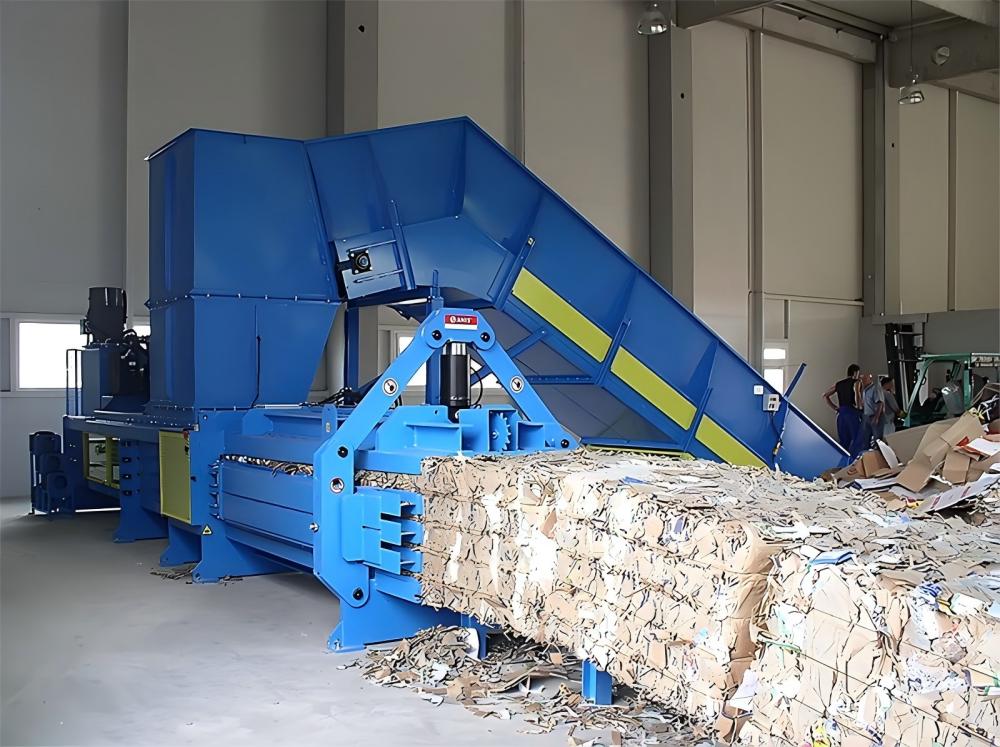
The feeding mechanism is another technical highlight. Horizontal balers are typically equipped with large feed hoppers that can be loaded via conveyor belts, forklifts, or even automated shredding systems. This continuous feed capability is what separates horizontal balers from vertical models. It allows for high-throughput operations where the machine can run throughout the shift, keeping up with the rapid pace of a busy fabrication floor.
The tying system is the secret to successful standardization. Once the material is compressed, the baler uses a series of needles and wire-tying mechanisms to secure the bale. High-quality horizontal balers feature automated or semi-automated tying systems that ensure the wire is tensioned correctly. This prevents the bale from expanding or falling apart during transport, which is the primary reason why standardized packaging is so highly valued by scrap recyclers.
Finally, the control systems in modern HARSLE balers provide real-time data on bale size, weight, and cycle times. These PLCs (Programmable Logic Controllers) allow for precise adjustments and diagnostics. By monitoring these metrics, facility managers can track their scrap output over time, identifying trends in production and optimizing the baling schedule to match the pickup frequency of their logistics partners.
Selection Advice: Choosing the Right Equipment
When selecting a horizontal baler, the first factor to evaluate is the throughput capacity. You must calculate the volume of scrap generated per day or week. A machine that is too small will become a bottleneck, while an oversized machine represents unnecessary capital expenditure. HARSLE recommends conducting a waste audit to determine your peak scrap generation periods before making a final decision.
Consider the material type. If your facility processes a wide variety of metals, look for a baler with versatile pressure settings and a robust chamber design. Some materials, like stainless steel or copper, are more abrasive and require wear-resistant liners within the baling chamber to ensure the longevity of the machine. Investing in high-grade materials for the chamber walls will significantly reduce long-term maintenance costs.
The physical dimensions of the bale are equally important. You need to ensure that the resulting bale size is compatible with the transport equipment used by your scrap buyer. Standard bale sizes are often dictated by the dimensions of a shipping container or a flatbed truck. If you are shipping internationally or over long distances, maximizing the weight-to-volume ratio is essential to keep freight costs per ton as low as possible.
Finally, consider the support and service network. A horizontal baler is a long-term investment. You need a partner who provides comprehensive training, readily available spare parts, and responsive technical support. HARSLE prides itself on providing end-to-end support, ensuring that your baler remains operational and that your scrap packaging process remains standardized and efficient for years to come.
FAQ: Common Questions About Scrap Balers
- Q: How much space does a horizontal baler require?
A: While the footprint varies by model, you must account for the machine size plus clearance for loading and bale ejection. We recommend a dedicated area with easy forklift access. - Q: Can a horizontal baler handle mixed metal scrap?
A: Yes, but it is generally better to separate metals before baling to maximize their resale value. Some balers are designed to handle mixed loads, but check with your recycler first. - Q: How often does the baler need maintenance?
A: Routine maintenance, such as checking hydraulic fluid levels, inspecting wire-tying mechanisms, and cleaning the chamber, should be performed weekly. A professional service check-up is recommended annually. - Q: Does a horizontal baler increase the value of my scrap?
A: Absolutely. Recyclers pay a premium for high-density, standardized bales because they are easier to transport and process. - Q: Is it difficult to train staff to use a horizontal baler?
A: Modern balers are designed with user-friendly interfaces. With proper safety training, most operators can become proficient in a single shift.
Conclusion: Transforming Waste into Value
The question of “how a horizontal baler helped standardize scrap packaging for pickup” is answered by the tangible results seen in modern fabrication shops: cleaner floors, safer working conditions, and lower logistics costs. By moving away from loose, unmanaged scrap and toward a system of standardized, high-density bales, businesses can reclaim valuable space and turn their waste stream into a reliable revenue source.
HARSLE remains committed to providing the industrial machinery necessary to achieve these operational goals. Our range of horizontal balers is engineered for durability, efficiency, and ease of use, ensuring that your facility can meet the demands of the modern metal fabrication industry. Whether you are a small shop or a large-scale manufacturing plant, the transition to standardized scrap packaging is a strategic move that pays dividends in both efficiency and sustainability.
As you evaluate your current scrap management practices, consider the long-term benefits of investing in professional-grade equipment. The standardization of your scrap output is not just a logistical improvement; it is a commitment to operational excellence. Contact HARSLE today to learn more about our horizontal baler solutions and how we can help you optimize your scrap packaging for pickup.