How a Hammer Shredder Supported Efficient End-of-Life Metal Recycling: Case Study

Introduction
In the modern industrial landscape, the circular economy is no longer a luxury but a necessity. As global demand for raw materials surges, the ability to process end-of-life (EOL) metal efficiently has become a cornerstone of sustainable manufacturing. HARSLE, a leader in metal fabrication equipment, has been at the forefront of this transition, providing advanced machinery designed to turn scrap into high-value secondary raw materials. This article explores the transformative impact of industrial shredding technology through a detailed case study.
The process of recycling scrap metal is fraught with logistical and mechanical challenges. From bulky automotive frames to tangled industrial offcuts, the sheer volume and density of EOL metal require robust, high-torque machinery. A hammer shredder stands out as the primary solution for reducing these materials into uniform, manageable fragments. By breaking down complex structures, these machines enable magnetic separation and density sorting, which are critical for high-purity recycling.
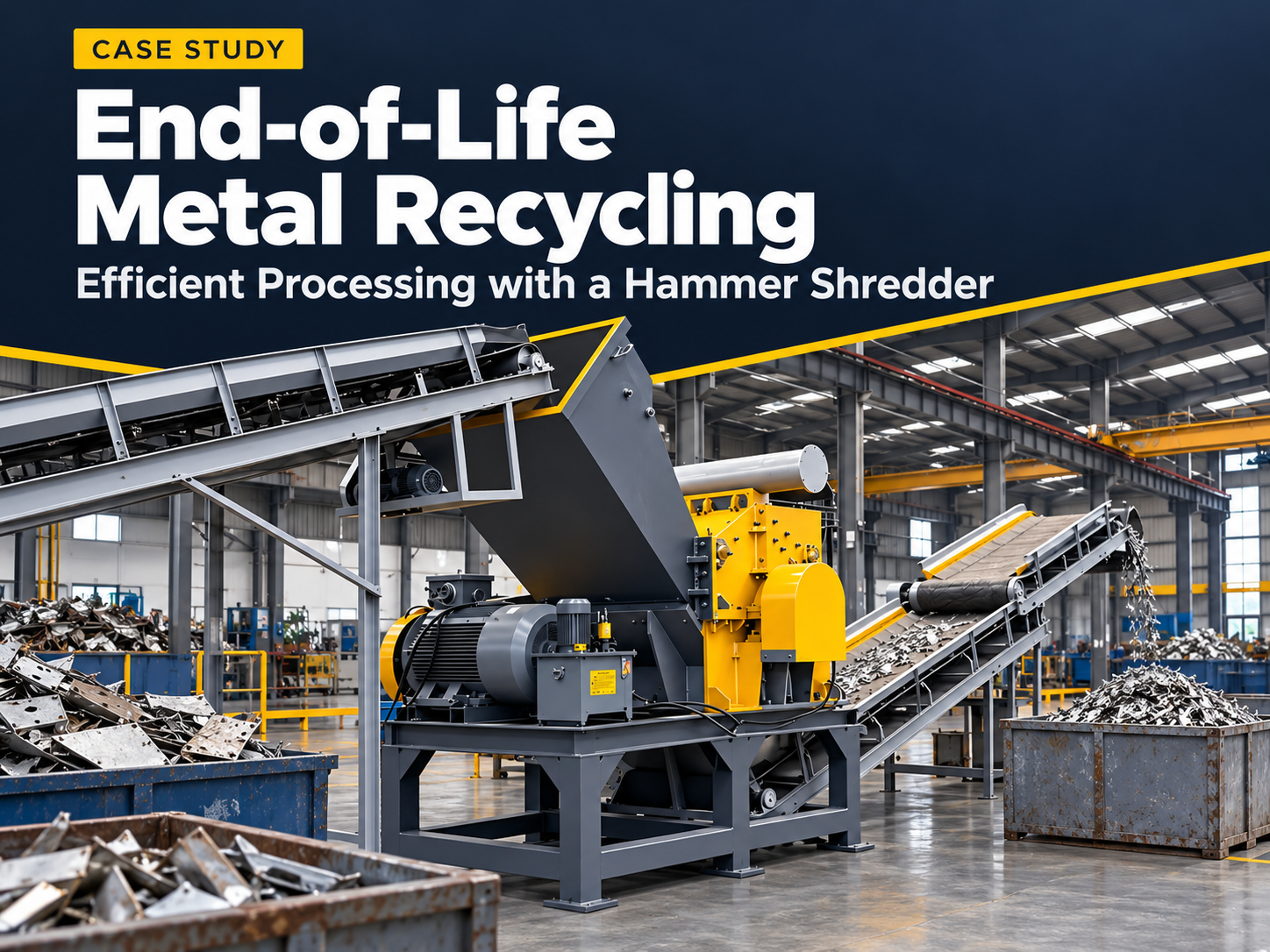
This case study focuses on a mid-sized recycling facility that integrated a HARSLE hammer shredder to streamline its operations. Before the implementation, the facility struggled with high labor costs, slow throughput, and inconsistent output quality. By analyzing the transition, we can understand how the right equipment choice directly correlates with operational profitability and environmental compliance.
As we delve into the technical nuances of how a hammer shredder supported efficient end-of-life metal recycling, we will examine the mechanical principles, the operational benefits, and the strategic selection criteria that facility managers must consider. This guide serves as a comprehensive resource for those looking to modernize their scrap processing lines.
Key Considerations for EOL Metal Recycling
The primary challenge in EOL metal recycling is the heterogeneity of the input material. Scrap metal arrives in various shapes, sizes, and compositions, ranging from thin-gauge aluminum sheets to heavy-duty steel beams. A successful recycling operation must be able to process this diversity without constant downtime for maintenance or manual sorting. The first consideration is the throughput capacity required to match the facility’s intake volume.
Another critical factor is the purity of the output. Smelters and foundries demand high-purity scrap to ensure the quality of the final metal product. If a shredder produces fragments that are too large or contain excessive contaminants, the value of the scrap drops significantly. Therefore, the shredder must be capable of precise particle size control, which is achieved through adjustable grate systems and high-speed rotor dynamics.
Operational safety and environmental impact are also paramount. Shredding metal is an inherently noisy and dusty process. Modern facilities must invest in equipment that features integrated dust suppression systems and sound-dampening enclosures. Furthermore, the energy efficiency of the motor is a key consideration, as the cost of electricity can quickly erode the profit margins of a recycling business if the shredder is not optimized for power consumption.
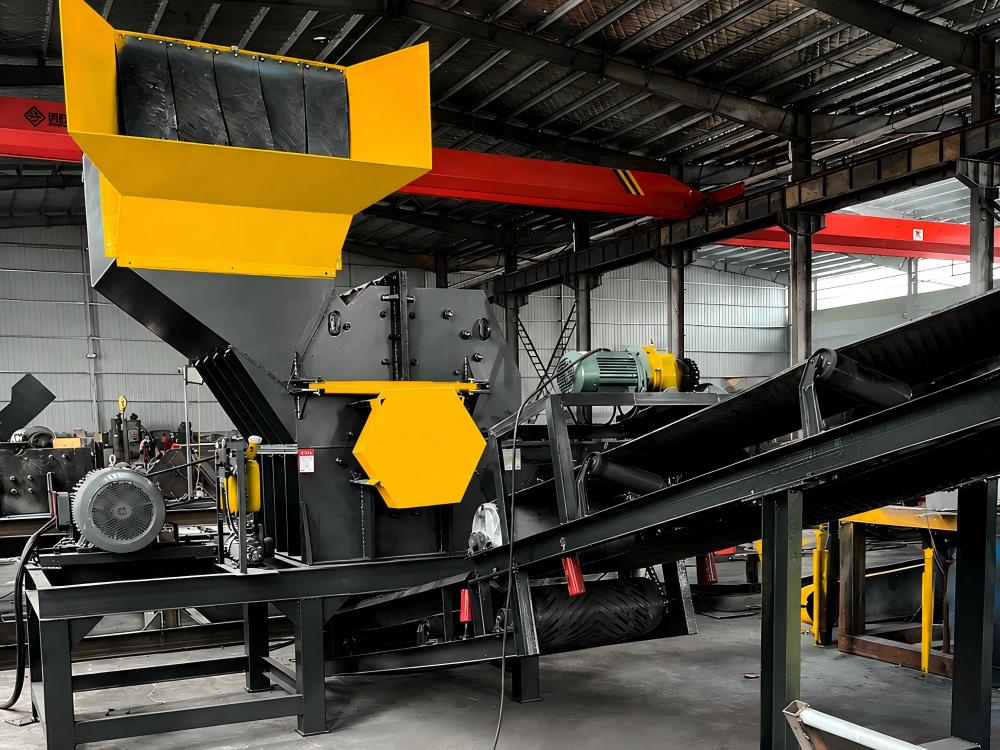
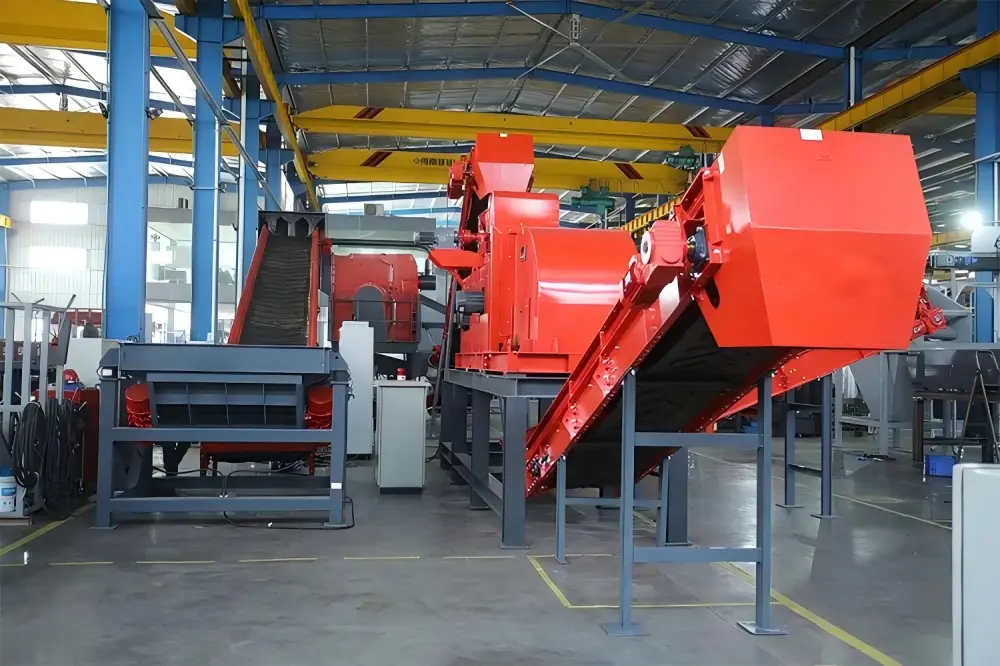
Finally, the integration of the shredder into the existing workflow is essential. A hammer shredder does not operate in a vacuum; it requires an efficient infeed conveyor system and a reliable downstream sorting line. The layout of the facility must be designed to minimize material handling, ensuring that the flow from raw scrap to processed commodity is as linear and automated as possible.
Technical Details of the HARSLE Hammer Shredder
The HARSLE hammer shredder utilizes a high-speed rotor equipped with heavy-duty, hardened steel hammers. As the rotor spins at high velocity, the hammers strike the incoming metal, shattering it against a series of anvil plates and grate bars. This impact-based reduction is significantly more effective than shear-based shredding for brittle or complex metal structures, as it promotes the liberation of different materials, such as separating plastic or rubber from metal components.
The rotor design is the heart of the machine. HARSLE engineers utilize high-tensile alloy steel for the hammers, which are designed to be reversible and replaceable. This modularity is a critical technical advantage, as it allows operators to perform maintenance quickly, reducing the mean time to repair (MTTR). The rotor is balanced with precision to minimize vibration, which protects the bearings and the structural integrity of the machine frame over years of heavy use.
The grate system is what determines the final output size. By adjusting the spacing between the grate bars, the operator can customize the shred size to meet specific customer requirements. For instance, a smaller grate opening produces finer fragments, which are ideal for high-purity aluminum recycling, while a larger opening is better suited for heavy steel scrap that needs to be densified for transport.
Advanced control systems are integrated into the HARSLE shredder to monitor motor load and rotor speed in real-time. If the machine detects an overload—perhaps due to an oversized or non-shreddable object—the system automatically reverses the feed or adjusts the infeed speed to prevent damage. This intelligent feedback loop is a hallmark of modern industrial machinery and is essential for protecting the capital investment.
Case Study: Operational Efficiency Gains
In our case study, the recycling facility previously relied on manual torch cutting and hydraulic shearing. This process was labor-intensive, dangerous, and slow. The facility could only process approximately 5 tons of scrap per day, with significant downtime due to the physical fatigue of the workers and the limitations of the shear blades. The introduction of the HARSLE hammer shredder changed the operational paradigm entirely.
Within the first month of operation, the facility saw a 400% increase in throughput. The shredder allowed for continuous feeding, eliminating the need for manual handling of individual pieces. Because the shredder could handle mixed scrap, the facility no longer needed to pre-sort materials as aggressively, which saved thousands of man-hours annually. The output was a uniform, high-density product that fetched a 15% premium price from local foundries compared to the previous, un-shredded scrap.
Maintenance costs also saw a shift. While the hammer shredder requires regular inspection of the hammers and liners, the predictability of these maintenance cycles allowed the facility to schedule downtime during off-peak hours. This eliminated the emergency repairs that were common with the older, less reliable equipment. The facility manager noted that the return on investment (ROI) was achieved in just 18 months, far exceeding their initial projections.
The environmental impact was also positive. The shredder’s integrated magnetic separator allowed the facility to recover ferrous metals that were previously lost in the waste stream. This increased the total yield of the facility, turning what was once landfill-bound waste into a revenue-generating commodity. The case study clearly demonstrates that the right shredding technology is a catalyst for both economic and environmental sustainability.
Selection Advice for Industrial Shredders
When selecting a hammer shredder, the first step is a thorough audit of your material stream. Are you processing light-gauge sheet metal, heavy automotive scrap, or mixed industrial waste? The hardness and density of your input will dictate the required motor power and the hammer design. Do not over-specify, as this leads to unnecessary energy costs, but ensure the machine has enough overhead to handle occasional surges in material density.
Consider the ease of maintenance. Look for machines that offer easy access to the shredding chamber. HARSLE equipment, for example, features hydraulic opening mechanisms that allow technicians to inspect the rotor and hammers safely and quickly. A machine that is difficult to maintain will eventually be neglected, leading to catastrophic failure and lost production time.
Evaluate the manufacturer’s support network. Industrial machinery is a long-term commitment. You need a partner who provides not only the equipment but also the spare parts, technical training, and remote diagnostic support. A shredder is a high-wear machine; having a reliable supply chain for hammers, liners, and screens is just as important as the initial purchase price.
Finally, look at the total cost of ownership (TCO). This includes the purchase price, installation, energy consumption, maintenance, and the cost of wear parts. Sometimes, a machine with a higher initial cost is more economical in the long run because it is more energy-efficient and requires less frequent part replacement. Always ask for performance data and, if possible, visit a facility that is currently using the model you are considering.
FAQ: Frequently Asked Questions
What materials can a HARSLE hammer shredder process?
HARSLE hammer shredders are designed to process a wide range of metals, including steel, aluminum, copper, and mixed scrap. They are particularly effective for EOL vehicles, white goods (appliances), and industrial metal offcuts.
How often do the hammers need to be replaced?
The lifespan of the hammers depends on the abrasiveness and hardness of the material being processed. HARSLE provides a wear-monitoring schedule, but generally, high-quality alloy hammers are designed for long-term durability with periodic hard-facing or replacement.
Is the shredder noisy?
All industrial shredders generate noise. However, HARSLE incorporates sound-dampening materials and optimized rotor designs to keep noise levels within acceptable industrial standards. We recommend installing the shredder in an enclosed area or using acoustic barriers if located near residential zones.
Can the shredder handle non-metallic contaminants?
While designed for metal, these shredders can handle small amounts of non-metallic contaminants like plastic or rubber. However, for high-purity output, we recommend an integrated downstream sorting system to remove these materials after the shredding process.
What is the power requirement for these machines?
Power requirements vary by model and throughput capacity. HARSLE offers a range of motor sizes, and our technical team will perform a site assessment to ensure your electrical infrastructure can support the peak load of the shredder.
Wniosek
The case study of how a hammer shredder supported efficient end-of-life metal recycling highlights the critical role of advanced machinery in modern industry. By transitioning from manual, labor-intensive processes to automated, high-throughput shredding, the recycling facility was able to achieve significant gains in productivity, material purity, and profitability. HARSLE remains committed to providing the robust, reliable, and efficient equipment necessary to meet these challenges.
Investing in a hammer shredder is more than just a purchase; it is a strategic decision to improve your operational efficiency and environmental footprint. As the demand for recycled metal continues to grow, facilities that adopt these technologies will be the ones that lead the market. Whether you are a small scrap yard or a large-scale recycling plant, understanding the technical requirements and operational benefits of these machines is the first step toward a more sustainable and profitable future.
We encourage facility managers and business owners to evaluate their current scrap processing lines and consider the long-term advantages of upgrading to HARSLE industrial shredding solutions. With the right equipment, the right maintenance strategy, and a focus on continuous improvement, the potential for growth in the metal recycling sector is immense. Contact our technical team today to discuss how we can tailor a solution to your specific recycling needs.