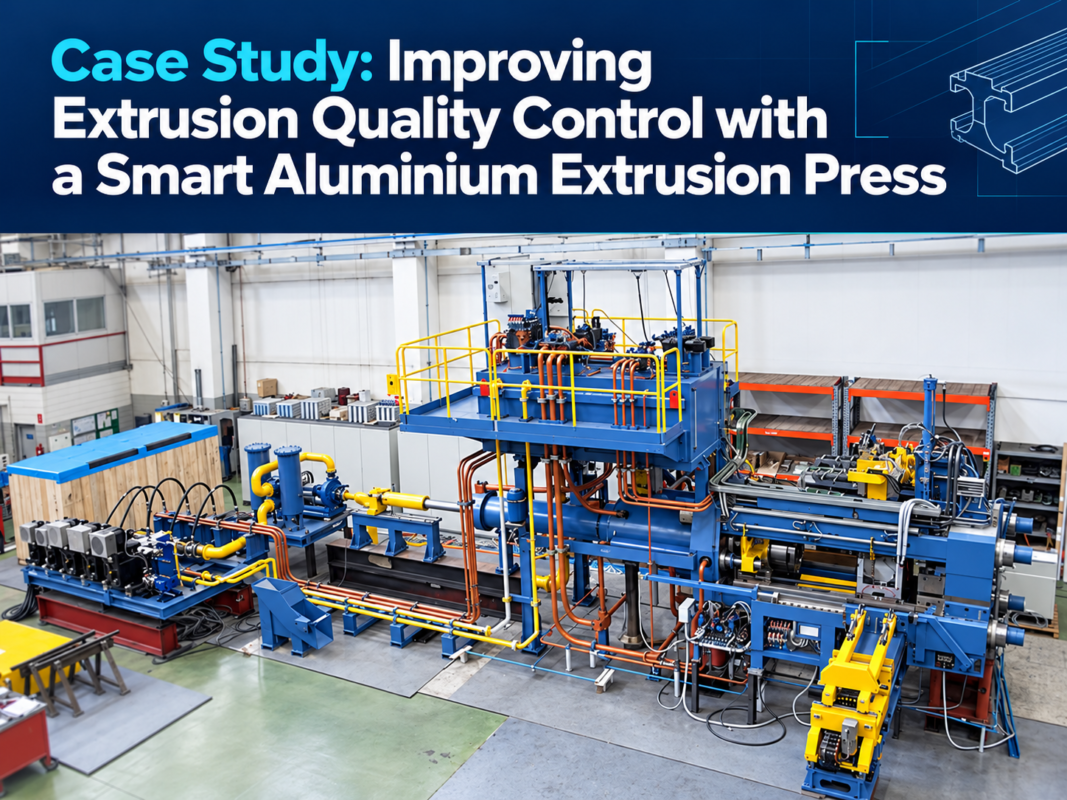
Optimizing Production: Aluminium Extrusion Press Case Study for Building Material Profile Manufacturers

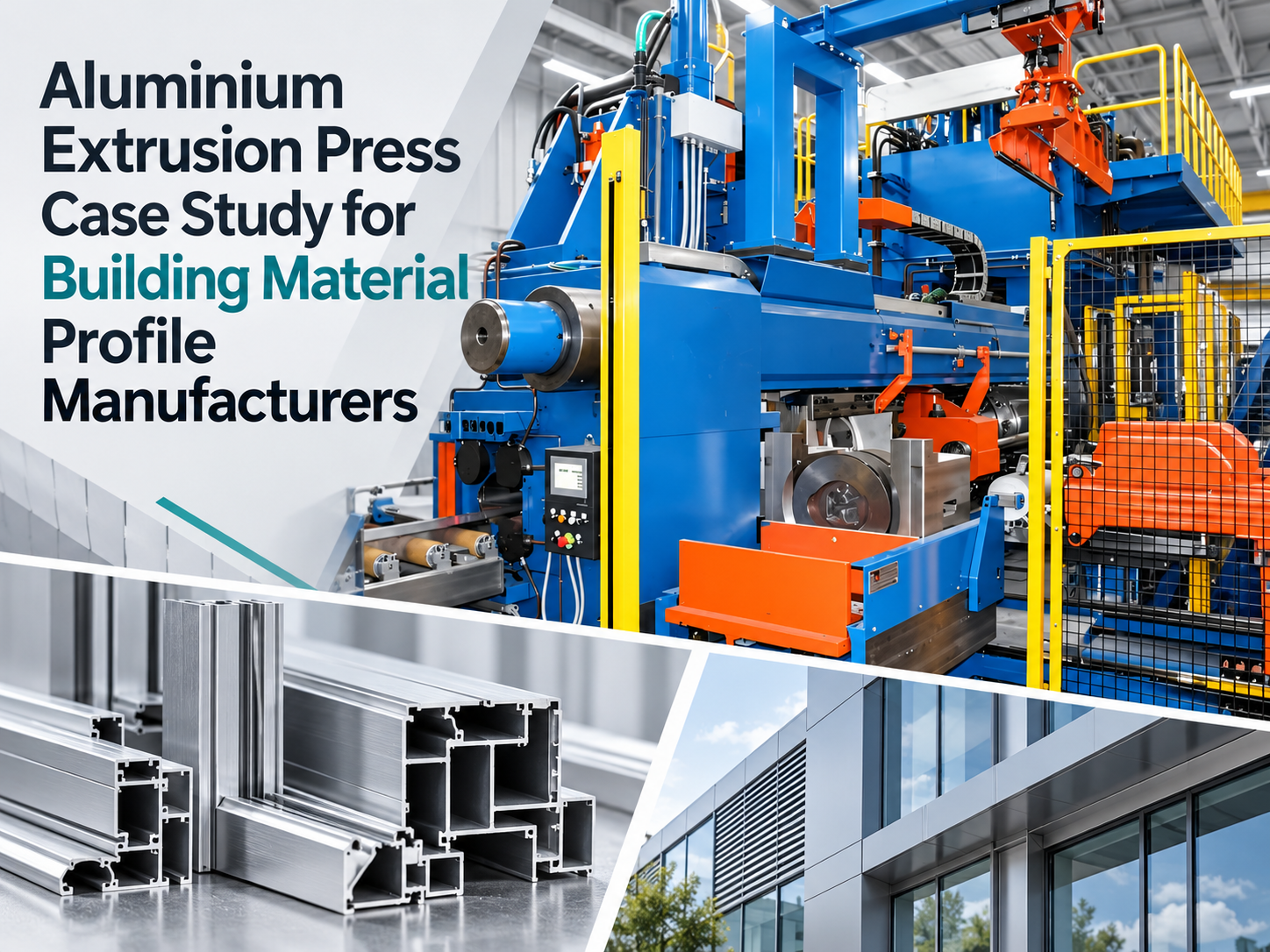
Introduction to Aluminium Extrusion in Construction
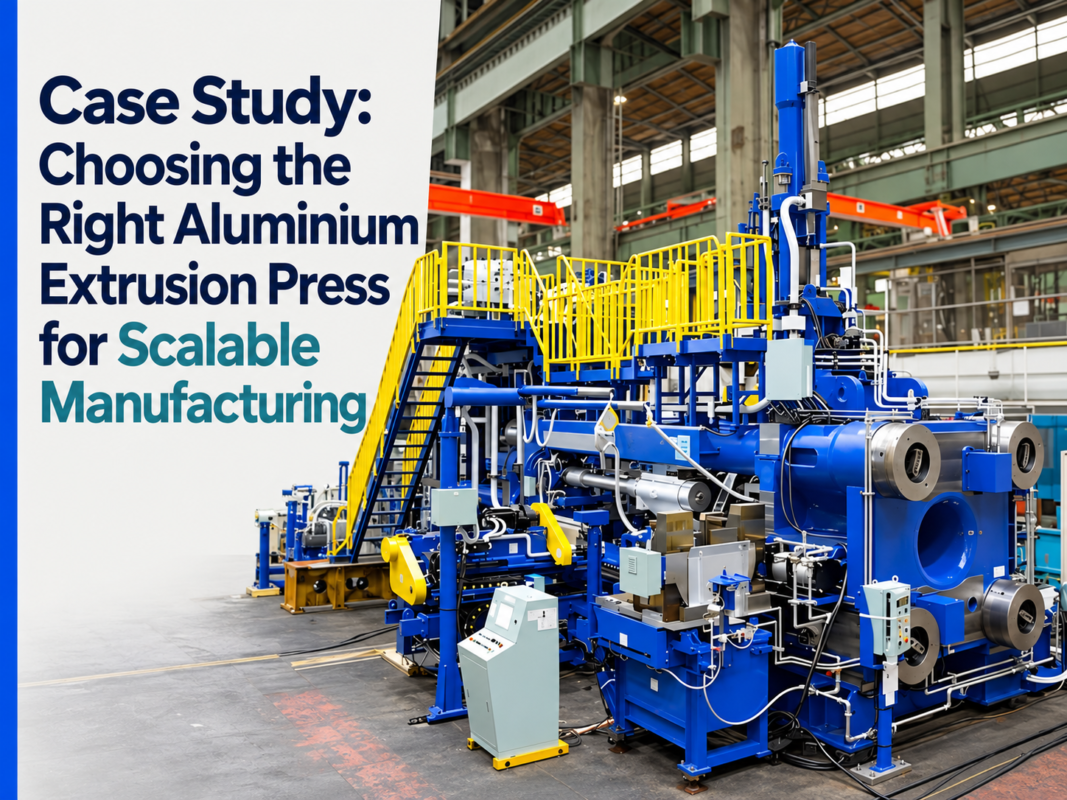
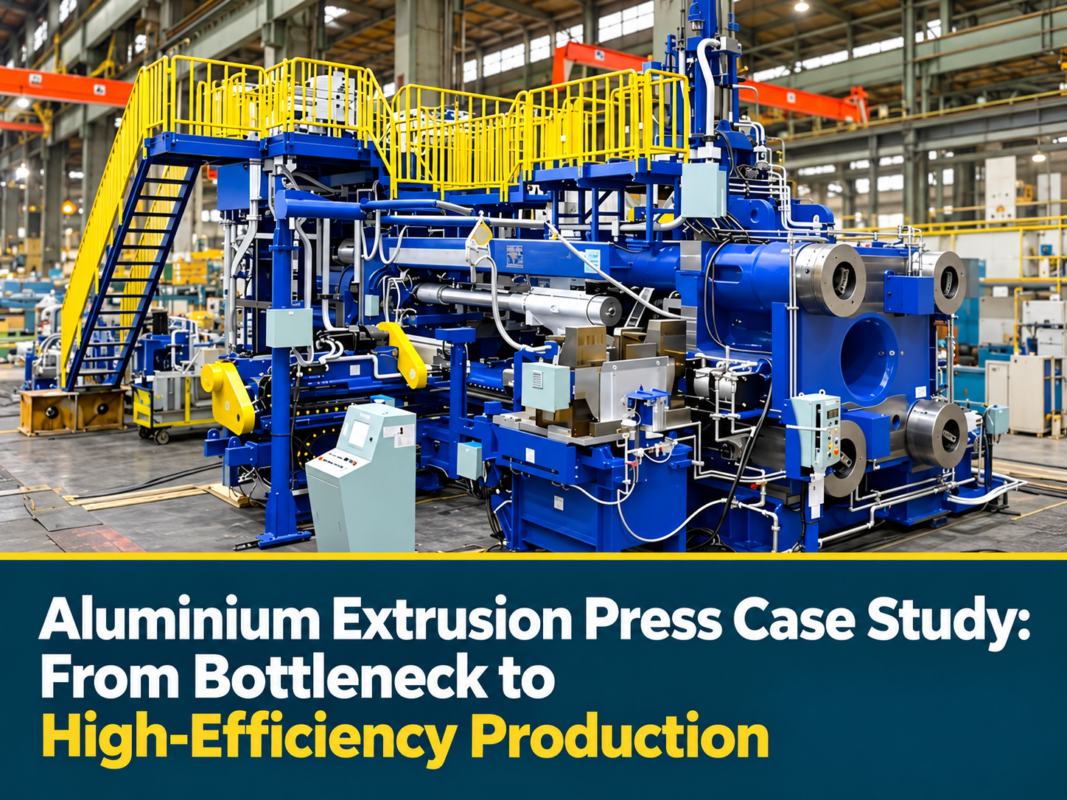
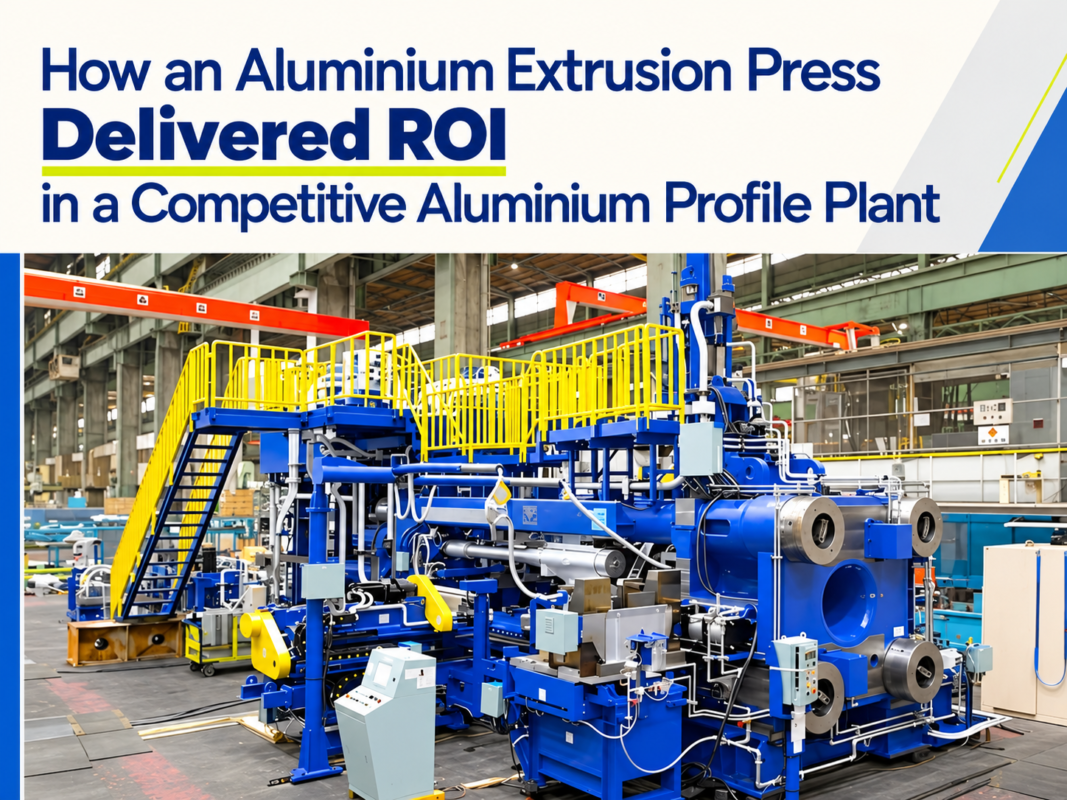
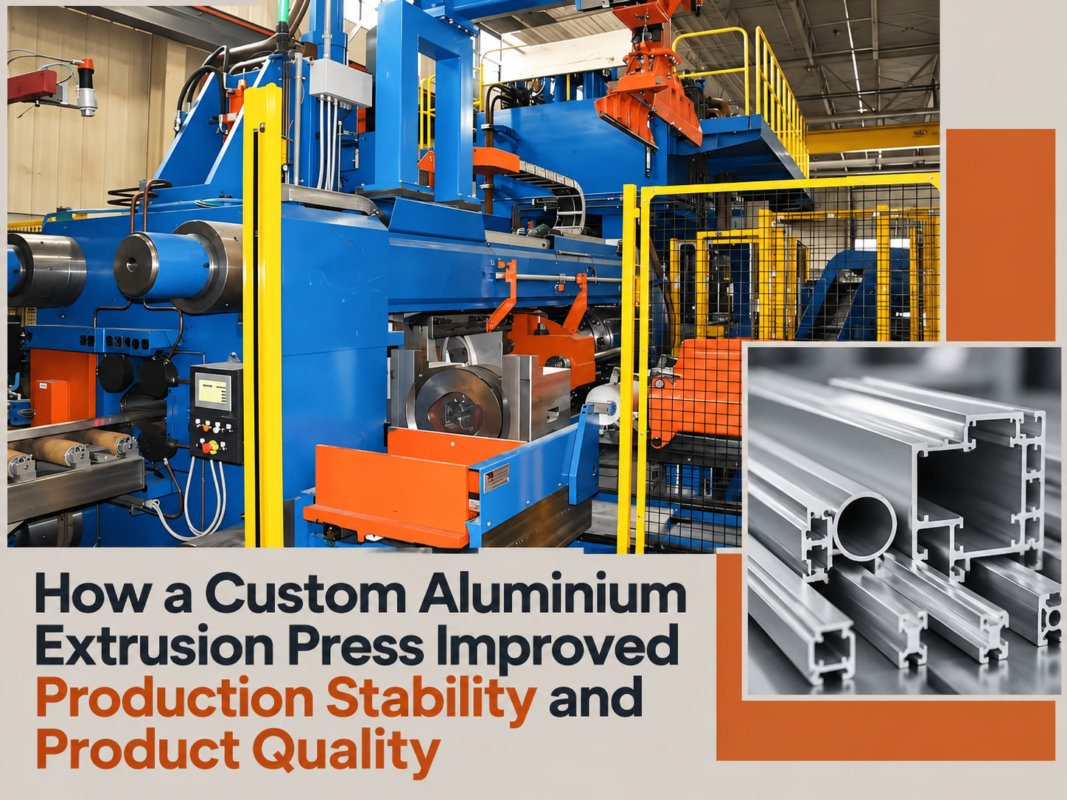
The global demand for high-quality aluminium profiles in the construction industry has surged, driven by the need for sustainable, durable, and aesthetically versatile building materials. From window frames and curtain walls to structural supports and decorative trims, aluminium extrusion serves as the backbone of modern architecture. For manufacturers, the ability to produce complex profiles with high precision and minimal waste is the primary differentiator in a competitive market. This Aluminium Extrusion Press Case Study for Building Material Profile Manufacturers explores how integrating advanced HARSLE technology transforms production workflows.
In this analysis, we examine a mid-sized manufacturing facility that transitioned from legacy hydraulic systems to a modern, automated HARSLE aluminium extrusion press line. The objective was to reduce cycle times, improve surface finish quality, and lower energy consumption. By focusing on the specific challenges faced by building material manufacturers—such as the need for rapid die changes and consistent alloy flow—we provide a roadmap for operational excellence in metal fabrication.
HARSLE has long been a leader in providing robust metal fabrication equipment, and our extrusion presses are engineered specifically to handle the rigorous demands of the construction sector. This article serves as a comprehensive resource for plant managers and engineers looking to optimize their extrusion lines, ensuring that every profile meets international standards for strength and dimensional accuracy.
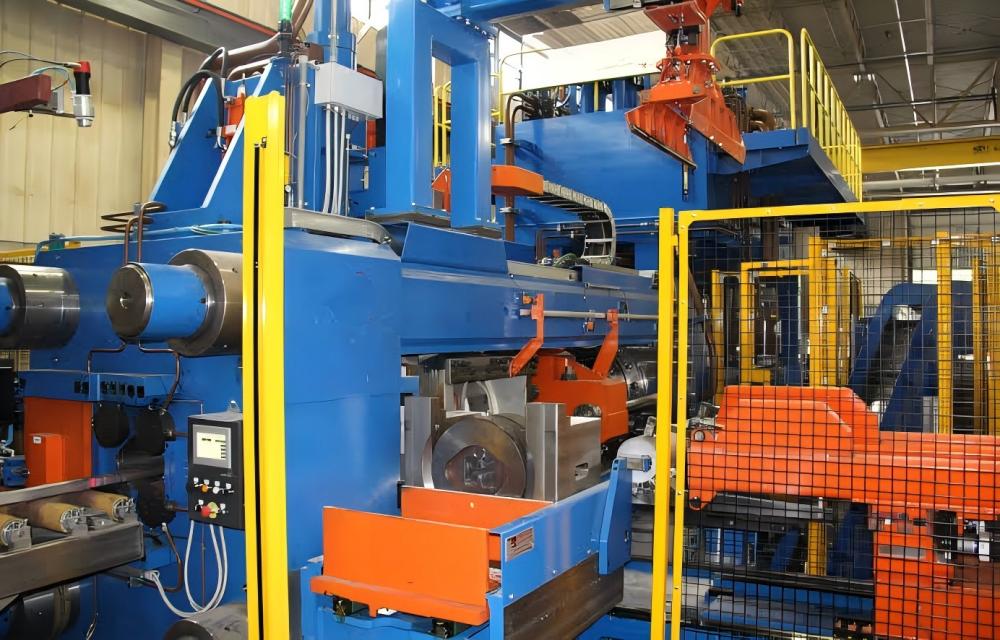
Key Considerations for Building Material Profile Manufacturers
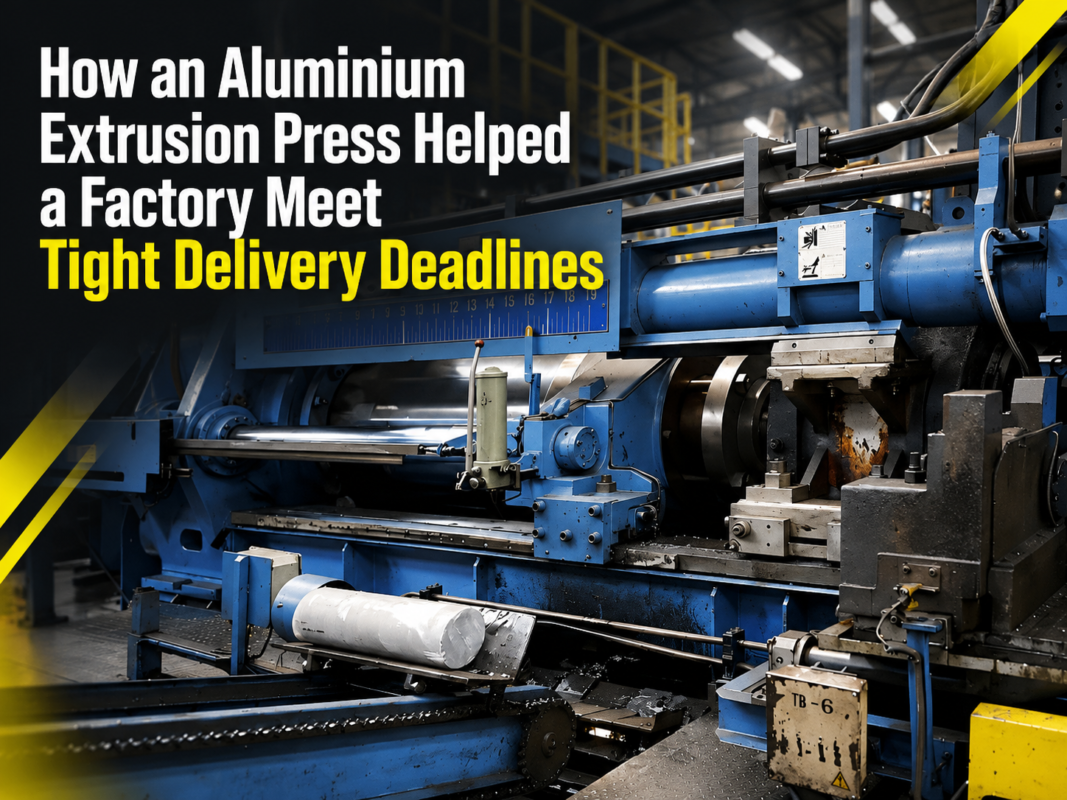
When selecting an aluminium extrusion press, manufacturers must prioritize throughput efficiency. In the building materials sector, the volume of production is often high, and downtime is costly. A key consideration is the integration of the press with upstream and downstream equipment, such as billet heaters, pullers, and cooling tables. A seamless, automated line ensures that the extrusion process remains continuous, reducing the risk of thermal inconsistencies in the aluminium profiles.
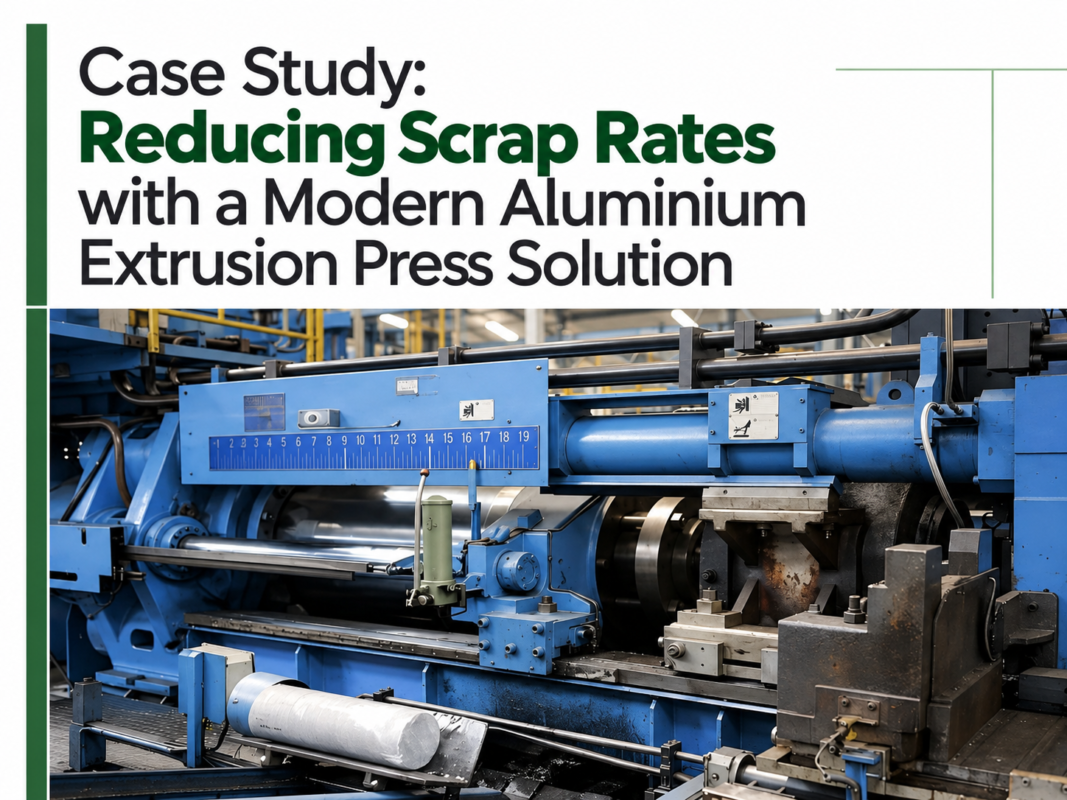
Material waste reduction is another critical factor. The cost of aluminium alloy is a significant portion of the total production expense. Modern presses from HARSLE utilize advanced pressure control systems that minimize the ‘butt’ size—the remaining aluminium in the container after the extrusion cycle. By optimizing the extrusion ratio and pressure distribution, manufacturers can achieve higher yield rates, directly impacting the bottom line of their building material production.
Energy efficiency has become a non-negotiable requirement for modern factories. With rising electricity costs and stricter environmental regulations, manufacturers are looking for extrusion presses that feature variable frequency drives (VFDs) and energy-recovery systems. These technologies not only reduce the carbon footprint of the facility but also lower operational costs significantly over the lifespan of the machine. HARSLE designs its presses with these sustainability goals in mind, ensuring that high performance does not come at the expense of energy waste.
Finally, the versatility of the press is paramount. Building material manufacturers often need to switch between different profile geometries, from simple rectangular tubes to complex thermal-break window profiles. The ability to perform quick die changes and maintain high precision across various alloy series (such as 6063 or 6061) is essential. A flexible press system allows manufacturers to respond quickly to market trends and custom architectural requests without sacrificing quality.
Technical Details of the HARSLE Extrusion Solution
The core of the HARSLE extrusion solution lies in its sophisticated hydraulic and control architecture. Our presses utilize a multi-stage pressure control system that allows for precise adjustment of the ram speed and force throughout the extrusion cycle. This is particularly important when extruding thin-walled profiles for window frames, where maintaining a constant flow rate is critical to preventing surface defects and ensuring uniform wall thickness.
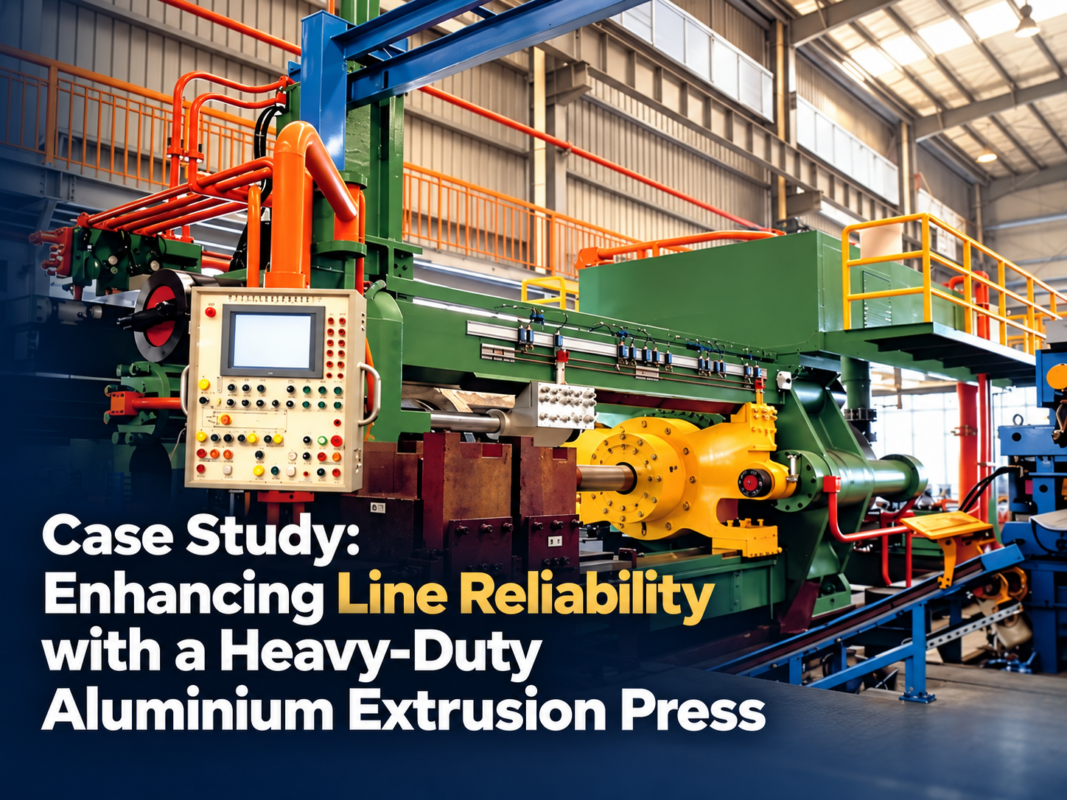
The control system is powered by a high-performance PLC (Programmable Logic Controller) integrated with a user-friendly HMI (Human-Machine Interface). This allows operators to store hundreds of production recipes, ensuring that parameters such as billet temperature, extrusion speed, and cooling rates are perfectly replicated for every batch. This level of automation reduces human error and ensures that the quality of the profiles remains consistent regardless of the operator’s experience level.
Structural integrity is another hallmark of HARSLE equipment. The main cylinder and platen are forged from high-strength steel, designed to withstand the massive forces generated during the extrusion process. The alignment of the ram and the container is maintained through precision-engineered guide rails, which prevent deflection and ensure that the profile is extruded perfectly straight. This reduces the need for extensive post-extrusion straightening, saving time and labor costs.
Furthermore, the heating system for the container and the die is highly responsive. Precise temperature control is vital for the extrusion of aluminium, as it directly affects the flow characteristics of the metal. HARSLE presses feature multi-zone heating elements that ensure uniform temperature distribution across the container, preventing ‘cold spots’ that could lead to structural weaknesses in the final building material profile. This technical precision is what makes HARSLE a preferred partner for manufacturers aiming for high-end architectural applications.
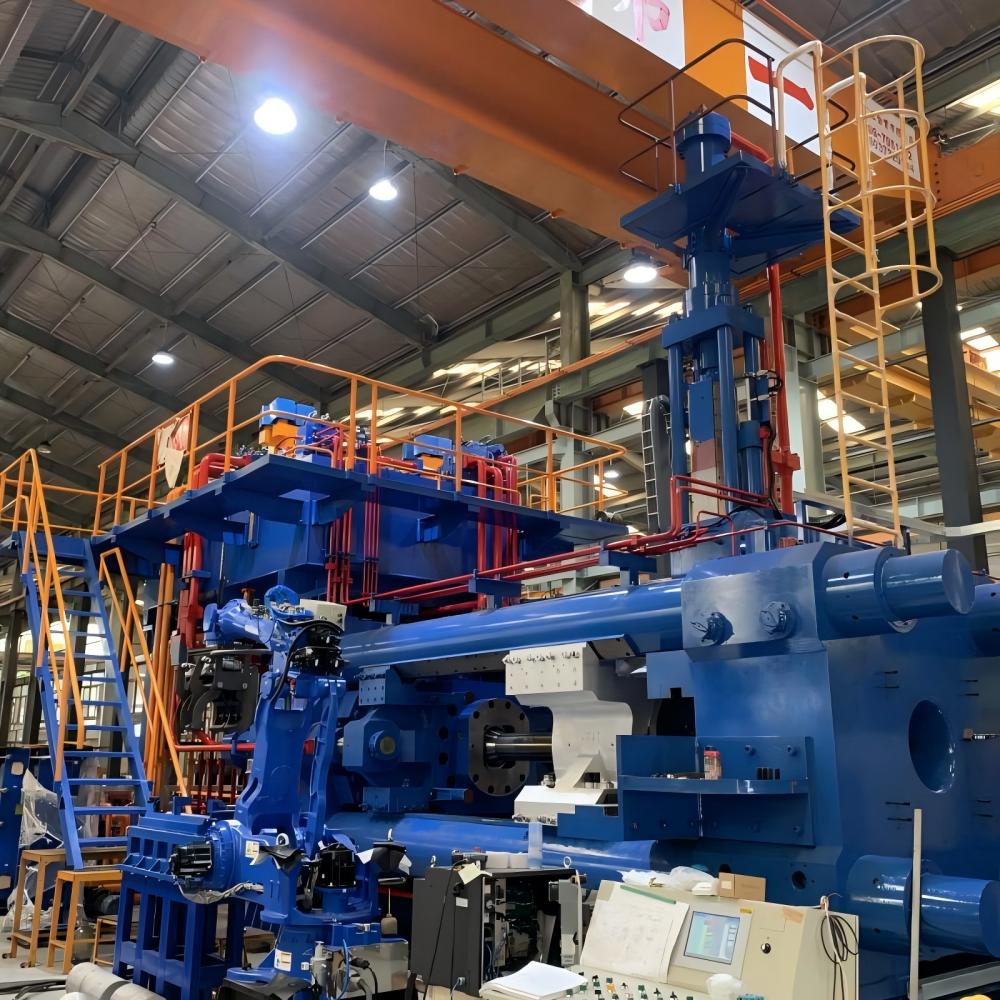
Selection Advice: Choosing the Right Press for Your Facility
Selecting the right aluminium extrusion press requires a thorough assessment of your current and future production needs. Start by calculating your required tonnage. This is determined by the maximum cross-sectional area of the profiles you intend to produce and the extrusion ratio. A press that is too small will struggle with high-resistance profiles, while an oversized press will lead to unnecessary energy consumption and higher capital expenditure.
Consider the level of automation you require. For high-volume building material manufacturers, a fully automated line—including automatic billet loading, die heating, and profile handling—is highly recommended. This reduces the number of manual interventions, improves safety, and increases the overall equipment effectiveness (OEE). HARSLE offers modular automation packages that can be scaled as your production volume grows, providing a future-proof investment.
Evaluate the after-sales support and maintenance capabilities of the manufacturer. An extrusion press is a long-term asset, and its reliability depends on regular maintenance and the availability of spare parts. HARSLE provides comprehensive training for your maintenance team, along with remote diagnostic support to troubleshoot issues quickly. Choosing a partner that understands the specific challenges of the aluminium extrusion industry is just as important as the machine specifications themselves.
Lastly, look at the integration capabilities of the press. Modern manufacturing is moving toward Industry 4.0, where data from the press is fed into a central management system for real-time monitoring. Ensure that the press you choose has the necessary connectivity to integrate with your existing ERP or MES software. This data-driven approach allows you to track production metrics, identify bottlenecks, and optimize your maintenance schedules based on actual machine usage.
Często zadawane pytania (FAQ)
1. What is the typical lifespan of a HARSLE aluminium extrusion press?
With proper maintenance and regular servicing, a HARSLE aluminium extrusion press is designed to operate for 20 to 30 years. The robust construction and high-quality hydraulic components ensure long-term reliability even in high-duty cycle environments.
2. How does the extrusion press handle different aluminium alloys?
Our presses feature programmable control systems that allow for the adjustment of extrusion speed, pressure, and temperature profiles. This flexibility enables the machine to handle various alloys, including the 6000 series commonly used in construction, with optimal flow characteristics.
3. Can the press be integrated into an existing production line?
Yes, HARSLE presses are designed with modularity in mind. Our engineering team works closely with clients to ensure that the new press integrates seamlessly with existing billet heaters, cooling tables, and handling systems, minimizing installation downtime.
4. What maintenance is required for the extrusion press?
Regular maintenance includes checking hydraulic fluid levels, inspecting seals and gaskets, monitoring the condition of the die heating elements, and ensuring the lubrication system is functioning correctly. HARSLE provides a detailed maintenance schedule and training to ensure your team can perform these tasks efficiently.
5. How does HARSLE ensure the precision of the extruded profiles?
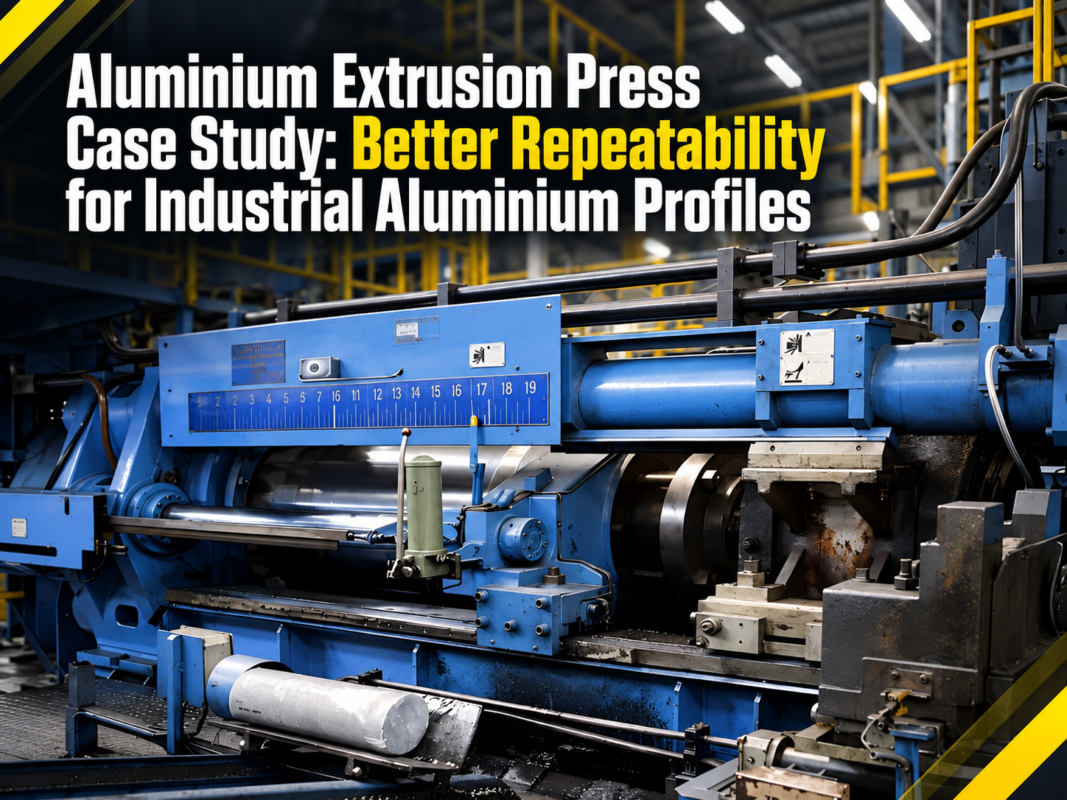
Precision is achieved through a combination of rigid mechanical design, high-accuracy sensors, and advanced PLC control. By maintaining strict control over the extrusion speed and temperature, the press ensures that the profile dimensions remain within tight tolerances throughout the entire production run.
Wniosek
The transition to advanced aluminium extrusion technology is a strategic move for any building material profile manufacturer looking to scale operations and improve product quality. As demonstrated in this Aluminium Extrusion Press Case Study for Building Material Profile Manufacturers, the right equipment—specifically a HARSLE extrusion press—provides the necessary precision, efficiency, and flexibility to thrive in a competitive market. By focusing on energy efficiency, automation, and robust engineering, manufacturers can significantly reduce their operational costs while delivering superior products to the construction industry.
Investing in HARSLE metal fabrication equipment is more than just a purchase; it is a partnership aimed at long-term success. With our commitment to innovation and customer support, we help manufacturers navigate the complexities of aluminium extrusion, ensuring that every profile produced meets the highest standards of structural integrity and aesthetic appeal. Whether you are upgrading an existing line or setting up a new facility, HARSLE provides the expertise and technology to turn your production goals into reality.
For further information on our range of extrusion presses or to discuss your specific manufacturing requirements, please contact the HARSLE technical team. We are dedicated to providing industrial machinery solutions that empower your business to reach new heights in productivity and quality.