Horizontal Baler Case Study: Making Metal Scrap Logistics More Efficient

Introduction
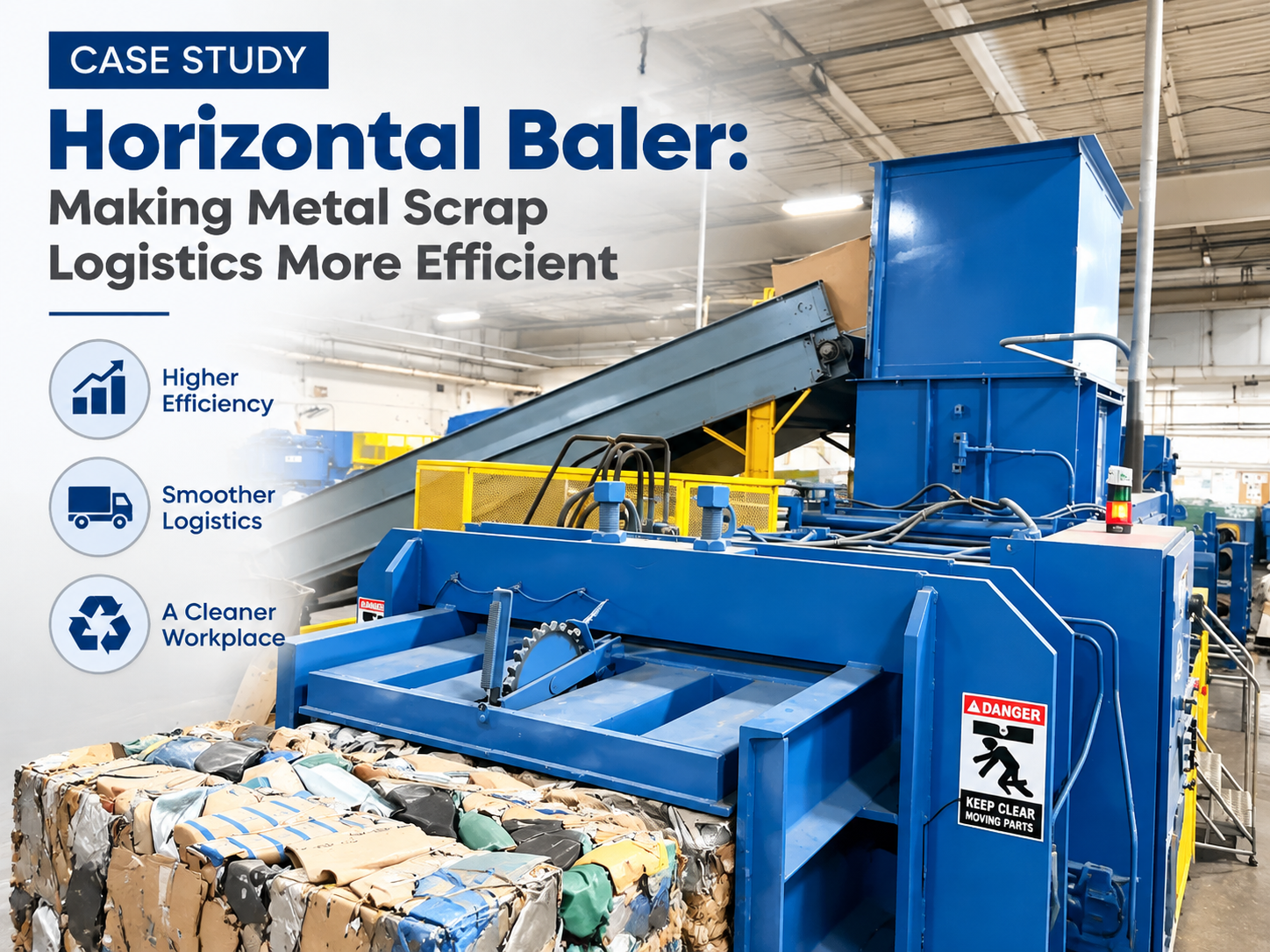
In the modern metal fabrication industry, the management of scrap material is often the difference between a profitable operation and one burdened by hidden logistical costs. As production volumes increase, the accumulation of metal offcuts, shavings, and rejected parts can quickly overwhelm floor space and complicate transport logistics. This is where the implementation of a high-performance horizontal baler becomes a transformative asset for manufacturing facilities.
This Horizontal Baler Case Study: Making Metal Scrap Logistics More Efficient explores how HARSLE machinery helps fabricators transition from chaotic scrap piles to streamlined, high-density bale production. By compressing loose metal waste into uniform, transportable blocks, companies can drastically reduce their shipping frequency, lower labor costs, and increase the value of their scrap metal when sold to recyclers.
Efficiency in logistics is not merely about moving items faster; it is about maximizing the density of every load. When metal scrap is loose, a significant portion of a transport truck’s volume is occupied by air. By utilizing a HARSLE horizontal baler, fabricators can achieve optimal compaction ratios, ensuring that every cubic meter of space is utilized effectively, thereby reducing the carbon footprint associated with scrap transportation.
Throughout this article, we will examine the technical requirements, operational benefits, and strategic considerations involved in integrating horizontal balers into a metal fabrication workflow. Whether you are a small-scale workshop or a large-scale industrial plant, understanding the mechanics of efficient scrap logistics is essential for long-term operational success.
Key Considerations for Scrap Management
Before investing in a horizontal baler, facility managers must conduct a thorough audit of their current scrap generation patterns. The type of metal, the volume produced daily, and the physical dimensions of the scrap are the primary drivers of equipment selection. For instance, aluminum shavings require different compression forces compared to heavy steel plate offcuts.
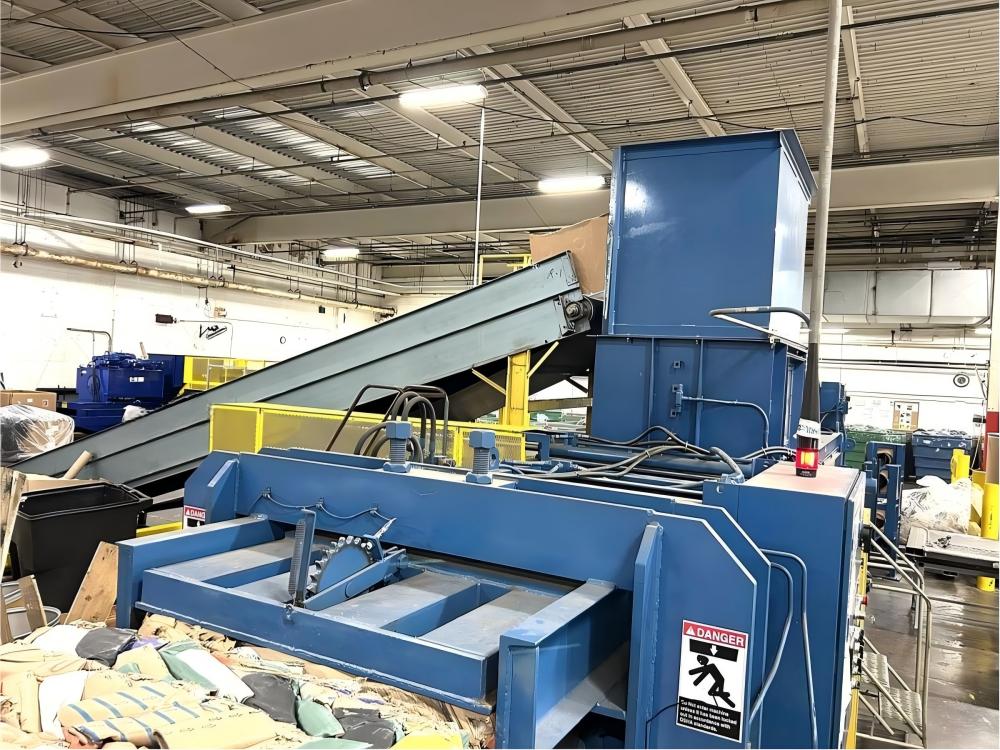
Space allocation is another critical consideration. A horizontal baler requires a dedicated footprint, including space for the infeed conveyor system and the bale ejection area. HARSLE engineers emphasize that the flow of material—from the fabrication machine to the baler—must be seamless to prevent bottlenecks. If the baler is located too far from the source of the scrap, the labor cost of transporting the material can negate the efficiency gains of the baler itself.
Safety and compliance are non-negotiable in industrial environments. Metal scrap is inherently sharp and heavy, posing risks to personnel during manual handling. An automated horizontal baler significantly reduces the need for manual interaction with scrap, thereby lowering the risk of workplace injuries. Furthermore, modern balers must comply with local environmental regulations regarding the storage and processing of industrial waste.
Finally, consider the downstream value of the baled material. Recyclers pay a premium for high-density, uniform bales because they are easier to handle, store, and melt down. By producing high-quality bales, fabricators can often negotiate better pricing with scrap buyers, turning a waste management expense into a secondary revenue stream for the business.
Technical Details of HARSLE Horizontal Balers
HARSLE horizontal balers are engineered with robust hydraulic systems designed to withstand the rigors of continuous industrial use. The core of the machine is the main ram, which exerts immense pressure to compress metal scrap into dense, rectangular blocks. These systems are equipped with high-grade wear-resistant liners to ensure longevity despite the abrasive nature of metal scrap.
The automation level of these machines is a standout feature. Most HARSLE models feature programmable logic controllers (PLCs) that allow operators to set specific bale sizes, densities, and compression cycles. This level of control ensures that every bale produced meets the exact specifications required by the end-user, whether it is a foundry or a recycling center. Sensors monitor the material level in the hopper, automatically triggering the compression cycle when the chamber is full.
Hydraulic efficiency is another technical hallmark of HARSLE equipment. By utilizing variable displacement pumps and energy-efficient motors, these balers minimize power consumption during idle periods while providing maximum force during the compaction stroke. This balance is crucial for facilities looking to reduce their energy overhead while maintaining high throughput.
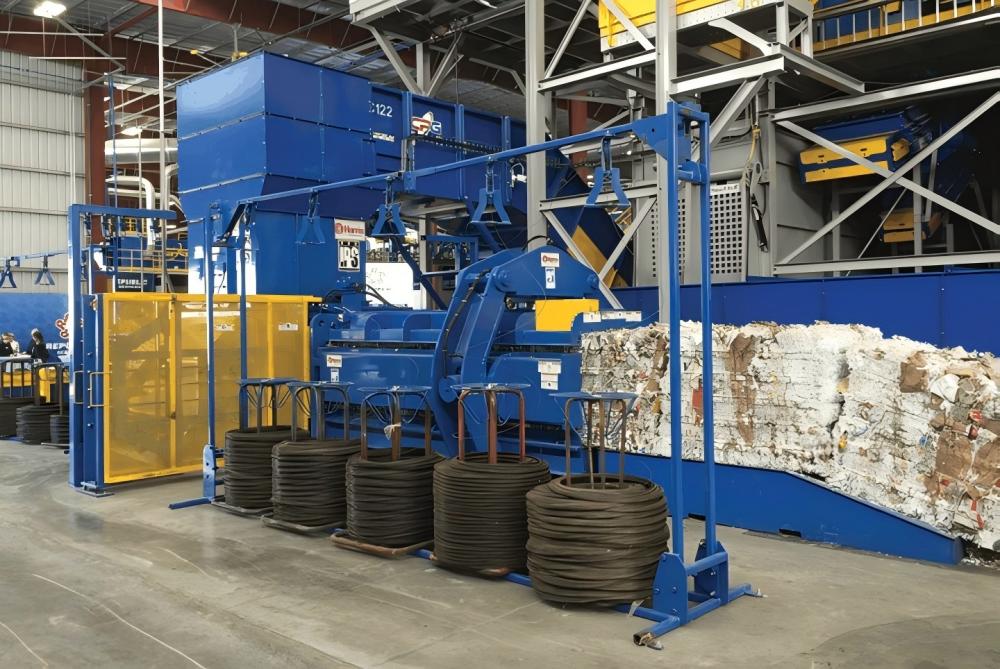
Maintenance accessibility is integrated into the design. HARSLE balers feature modular components that are easy to inspect and replace. Regular maintenance, such as checking hydraulic fluid levels, inspecting the ram face for wear, and ensuring the tying mechanism is clear of debris, is simplified through intuitive design, ensuring that downtime is kept to an absolute minimum.
Selection Advice for Metal Fabrication Equipment
Selecting the right horizontal baler involves balancing initial capital expenditure with long-term operational savings. A common mistake is purchasing a machine that is either undersized for the volume of scrap produced or oversized for the facility’s power capacity. It is recommended to calculate the average daily tonnage of scrap and select a baler that can process this volume in a single shift, leaving room for future growth.
Consider the material handling integration. Does your facility require a conveyor belt system to feed the baler, or will it be loaded via a forklift? HARSLE offers various infeed options, including hopper extensions and specialized conveyor belts designed to handle heavy metal loads. The integration of these systems is just as important as the baler itself for maintaining a smooth workflow.
Evaluate the tying system. For metal scrap, wire tying is standard. However, the degree of automation in the tying process can vary. Fully automatic tying systems are recommended for high-volume operations where labor efficiency is a priority. For lower-volume facilities, semi-automatic systems may provide a more cost-effective solution without sacrificing the quality of the bale.
Finally, look for a manufacturer that provides comprehensive support. A horizontal baler is a long-term investment. HARSLE provides not only the machinery but also technical support, spare parts availability, and training for operators. Ensuring that your team knows how to operate the machine safely and efficiently is the final step in making your metal scrap logistics truly efficient.
FAQ: Optimizing Your Baler Performance
- How often should I perform maintenance on my horizontal baler? Daily checks of the hydraulic system and weekly inspections of the ram and tying mechanism are recommended to ensure peak performance.
- Can a horizontal baler handle different types of metal? Yes, but it is important to adjust the pressure settings based on the density and hardness of the metal to prevent damage to the machine.
- What is the main advantage of a horizontal baler over a vertical one? Horizontal balers are designed for higher throughput and continuous feeding, making them ideal for large-scale industrial fabrication facilities.
- How do I determine the right bale size for my needs? The bale size should be determined by the requirements of your scrap buyer and the dimensions of the transport containers you use.
- Is it possible to automate the entire scrap collection process? Yes, by integrating conveyors and sensors, the entire process from the fabrication machine to the baler can be fully automated.
Wniosek
The transition to an efficient scrap management system is a strategic move that pays dividends in both operational cost savings and environmental responsibility. As demonstrated in this Horizontal Baler Case Study: Making Metal Scrap Logistics More Efficient, the right equipment can turn a logistical headache into a streamlined, value-added process. HARSLE remains committed to providing the metal fabrication industry with the tools necessary to achieve these goals.
By focusing on high-density compaction, automated workflows, and robust machine design, fabricators can ensure that their scrap logistics are as efficient as their production lines. Investing in a HARSLE horizontal baler is not just about buying a machine; it is about investing in the long-term sustainability and profitability of your metal fabrication business. As the industry continues to evolve, those who prioritize efficient waste management will undoubtedly maintain a competitive edge in the global market.
We encourage facility managers to assess their current scrap handling processes and consider how a horizontal baler could transform their floor space and logistics. With the right planning, the right equipment, and a commitment to operational excellence, your facility can achieve new levels of efficiency and profitability in the years to come.