From Manual Cutting to Alligator Shear: A Plant Efficiency Case Study

Introduction
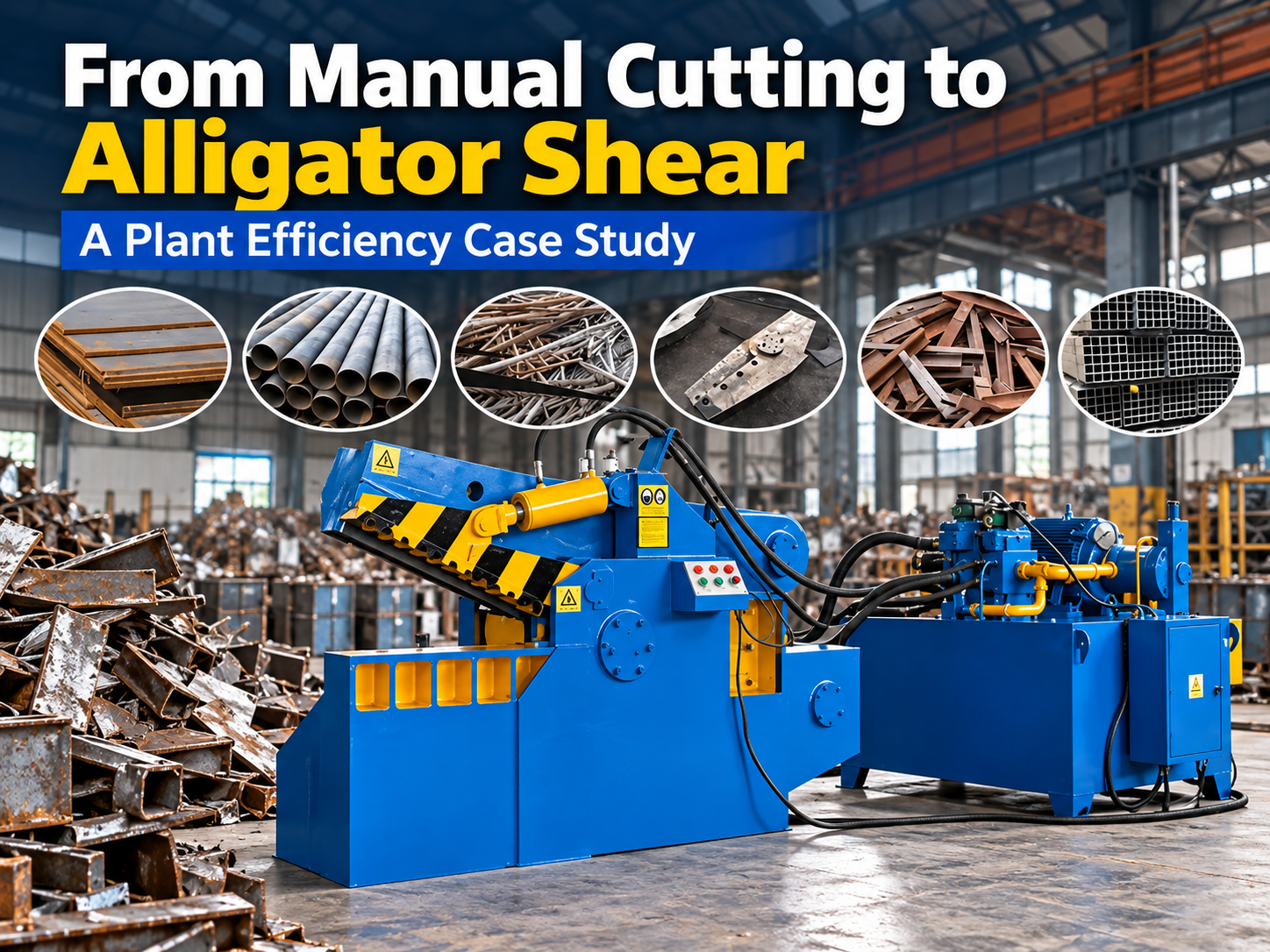
In the competitive landscape of modern metal fabrication and scrap recycling, the transition from manual labor to automated machinery is not merely an upgrade—it is a survival strategy. For many small-to-medium-sized metal processing plants, the reliance on manual cutting tools, such as oxy-fuel torches or handheld mechanical cutters, represents a significant bottleneck. This article explores the transformative journey of a mid-sized recycling facility as they moved from manual cutting to alligator shear technology, highlighting the measurable gains in productivity, safety, and operational cost reduction.
The shift from manual cutting to alligator shear: a plant efficiency case study reveals that the primary driver for change is often the hidden cost of labor and the inconsistency of manual output. When a facility processes tons of scrap metal daily, every second spent positioning a torch or manually feeding a cutter adds up to thousands of dollars in lost potential revenue. By integrating a high-performance HARSLE alligator shear, plants can standardize their output and drastically reduce the physical strain on their workforce.
This case study serves as a comprehensive guide for plant managers and business owners who are evaluating their current production methods. We will examine the technical advantages of hydraulic shearing, the selection criteria for choosing the right equipment, and the long-term return on investment (ROI) that such a transition provides. Whether you are dealing with structural steel, rebar, or non-ferrous scrap, understanding the mechanics of the alligator shear is the first step toward industrial modernization.
Ultimately, the goal of this analysis is to provide actionable insights. We will look at how the transition impacts workflow, the specific technical requirements for installation, and how to maintain equipment for maximum longevity. By the end of this guide, you will have a clear understanding of why the alligator shear is considered the workhorse of the scrap metal industry and how it can redefine your plant’s efficiency metrics.
Key Considerations for Transitioning to Automated Shearing
Before investing in new machinery, plant managers must conduct a thorough audit of their current manual processes. The most critical consideration is the volume and type of material being processed. Manual cutting is inherently limited by the operator’s fatigue and the speed of the cutting tool. An alligator shear, by contrast, operates on a continuous cycle, allowing for a consistent throughput that manual methods simply cannot match. When analyzing the transition from manual cutting to alligator shear, a plant efficiency case study often points to the reduction of ‘dead time’—the time spent waiting for a torch to heat up or for an operator to reposition a heavy piece of metal.
Safety is another paramount consideration. Manual cutting, particularly with torches, introduces significant fire hazards, toxic fumes, and the risk of burns. Alligator shears, when equipped with proper guarding and foot-pedal controls, provide a controlled environment that minimizes human exposure to sharp edges and high-heat zones. By moving to a hydraulic system, the facility not only improves its safety record but also reduces insurance premiums and the likelihood of workplace accidents that lead to costly downtime.
Space utilization is a third factor. Manual cutting stations often require large, open areas to accommodate long pieces of metal and the associated gas tanks or power cables. An alligator shear is a compact, self-contained unit that can be integrated into a streamlined production line. This allows for better floor space management, enabling the plant to organize material flow more effectively—from the raw scrap pile to the shear, and finally to the sorted output bins.
Finally, consider the skill level of your workforce. Manual cutting requires a high degree of skill and experience to ensure clean cuts and minimal waste. An alligator shear, while requiring training, allows for a more standardized operation. Once the machine is set up, even less experienced operators can achieve high-quality results, which helps in mitigating the impact of labor shortages or high turnover rates in the industrial sector.
Technical Details of HARSLE Alligator Shears
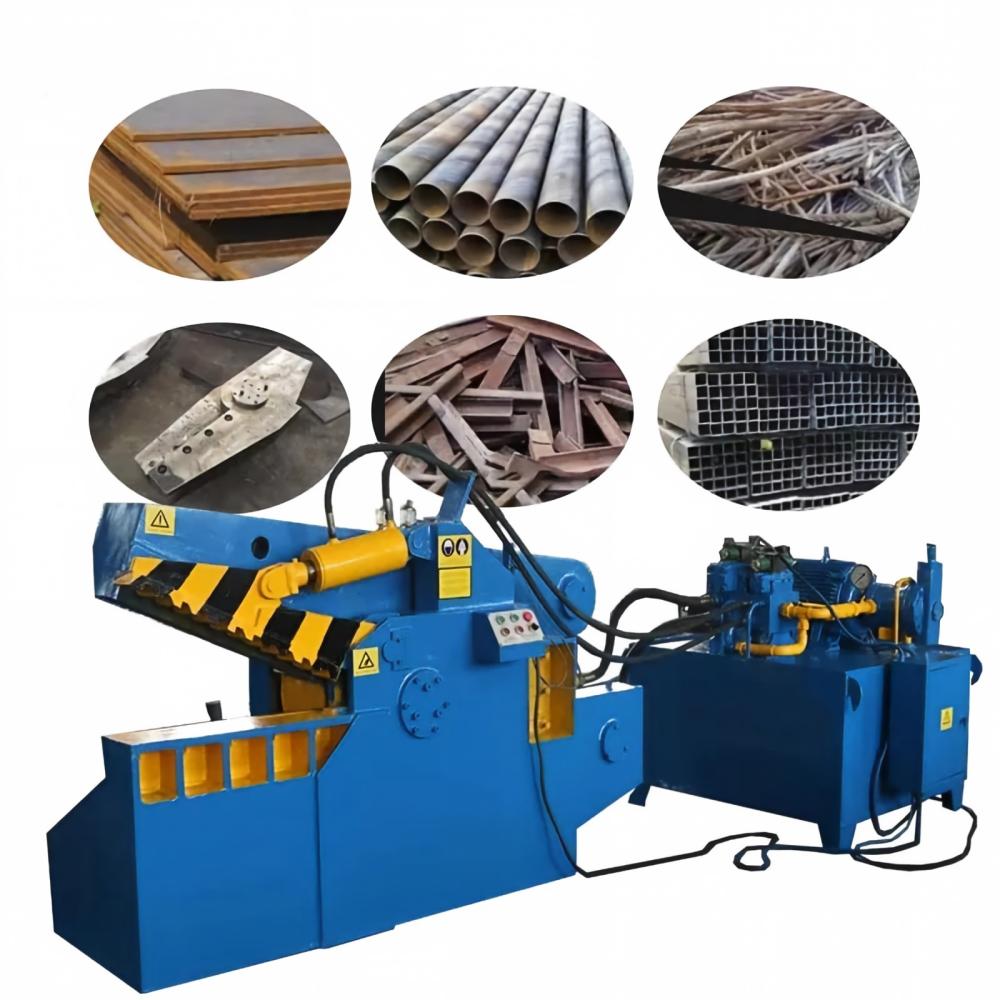
HARSLE alligator shears are engineered for durability and high-speed performance. At the heart of the machine is a robust hydraulic system that delivers consistent force, regardless of the material’s hardness. Unlike manual cutters that rely on the operator’s physical strength or the precision of a torch flame, the hydraulic shear utilizes a high-pressure cylinder to drive the upper blade through the material in a single, clean stroke. This mechanical advantage is what allows these machines to process thick structural steel, rebar, and pipes with ease.
The structural integrity of the machine is built upon a heavy-duty welded steel frame, designed to withstand the immense stress of continuous shearing cycles. The blades themselves are manufactured from high-grade, wear-resistant tool steel, which can be sharpened and shimmed to maintain a tight clearance. This clearance is the secret to a clean cut; if the gap between the blades is too wide, the material will bend rather than shear, leading to energy waste and potential machine damage. HARSLE designs its shears with adjustable blade gaps to accommodate different material thicknesses and types.
Another technical highlight is the control system. Modern alligator shears feature PLC-based controls that allow for adjustable stroke lengths and cycle speeds. This is particularly useful when processing smaller pieces of scrap, as the operator can shorten the stroke to increase the number of cuts per minute. This level of customization is impossible with manual cutting, where the operator must manually reset the tool for every single cut. The integration of foot-pedal operation also ensures that the operator’s hands remain clear of the cutting zone, enhancing safety protocols.
Maintenance of these systems is simplified through modular design. Hydraulic components, such as pumps, valves, and cylinders, are easily accessible for routine inspections and fluid changes. HARSLE provides comprehensive documentation for preventative maintenance, ensuring that the machine remains in peak condition for years. By adhering to a strict maintenance schedule—including regular lubrication of the pivot pin and checking hydraulic oil levels—plants can avoid the catastrophic failures that often plague older, poorly maintained manual equipment.
Selection Advice: Choosing the Right Equipment
Selecting the right alligator shear requires a deep understanding of your specific application. The first step is to categorize the material you process most frequently. Are you cutting thin-walled pipes, heavy-duty rebar, or large structural beams? The shear force (measured in tons) must be matched to the maximum cross-sectional area of the material you intend to cut. A common mistake is underestimating the force required, which leads to stalling the machine and premature wear on the hydraulic pump.
Consider the blade length as well. A longer blade allows for the processing of wider materials or multiple smaller pieces simultaneously. However, longer blades require more hydraulic power to maintain the same cutting force. You must balance the need for capacity with the power availability in your facility. If your plant is limited by electrical supply, you may need to opt for a more efficient, high-torque motor rather than simply choosing the largest machine available.
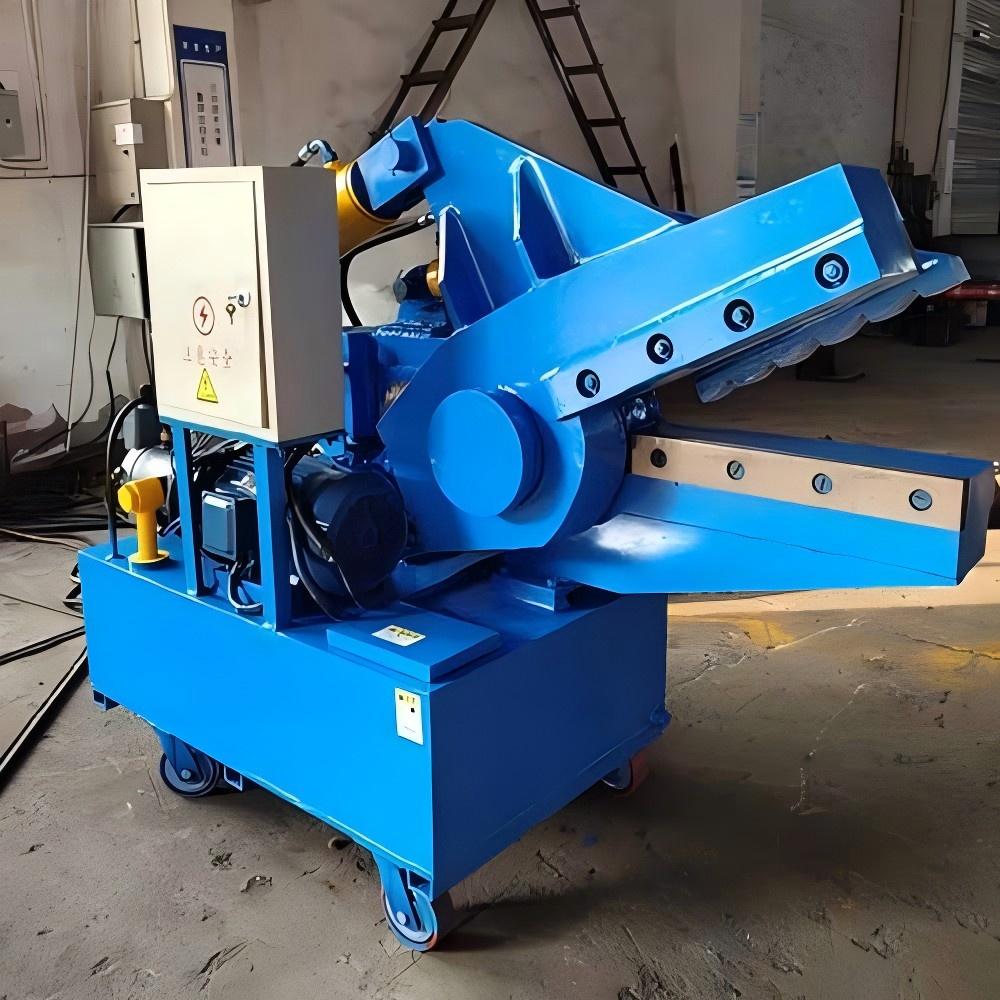
Portability is another factor. Some operations require the shear to be moved around the yard to reach different scrap piles. HARSLE offers models with varying footprints and mobility options. If your facility is stationary, a heavy-duty, floor-mounted unit is ideal for stability. If you operate a dynamic scrap yard, consider a model that can be easily transported by a forklift or one that comes with integrated wheels for short-distance repositioning.
Finally, look for after-sales support and parts availability. An alligator shear is a long-term investment. Choosing a reputable manufacturer like HARSLE ensures that you have access to technical support, spare blades, and replacement hydraulic components. Do not be tempted by low-cost, unbranded alternatives that may lack the structural integrity required for industrial use. The cost of downtime caused by a broken, unrepairable machine far outweighs the initial savings of a cheaper, inferior product.
Operational Efficiency: A Case Study Analysis
In our case study, a recycling plant in the Midwest transitioned from a team of four manual torch cutters to a single operator running a HARSLE alligator shear. The results were immediate and profound. Previously, the plant could process approximately 5 tons of mixed scrap per day, with significant downtime due to gas cylinder changes and operator fatigue. After the installation of the alligator shear, the same plant increased its throughput to 15 tons per day, a 200% increase in productivity.
The cost savings were equally impressive. The expense associated with purchasing oxygen and acetylene gases was eliminated, replaced by a modest increase in electricity consumption. Furthermore, the quality of the cut material improved significantly. The alligator shear produced clean, uniform pieces that were easier to stack, transport, and sell to steel mills. This ‘value-added’ processing allowed the plant to command higher prices for their scrap, as the mills preferred the consistent, high-density material produced by the shear.
The human element of the transition cannot be overlooked. The operators, who were previously exposed to the heat and fumes of the torches, reported higher job satisfaction and lower physical strain. The plant saw a reduction in workers’ compensation claims and a more stable workforce. By automating the most dangerous and repetitive part of the job, the plant was able to reassign staff to higher-value tasks, such as sorting non-ferrous metals and managing inventory, further increasing the overall profitability of the business.
This case study demonstrates that the transition from manual cutting to alligator shear is not just about replacing a tool; it is about re-engineering the entire workflow. By focusing on efficiency, safety, and output quality, the plant was able to transform from a labor-intensive operation into a streamlined, high-output facility. This model is replicable for any business looking to scale their operations and improve their bottom line in the competitive scrap metal market.
FAQ: Common Questions About Alligator Shears
1. How often should I sharpen the blades on my alligator shear?
The frequency of sharpening depends on the material being cut and the volume of production. As a general rule, if you notice the material is bending rather than shearing, or if the cut edges are becoming jagged, it is time to sharpen or shim the blades. Regular maintenance checks every 100-200 operating hours are recommended.
2. Can an alligator shear cut stainless steel?
Yes, but you must ensure the shear has sufficient force to handle the higher tensile strength of stainless steel. Always check the manufacturer’s specifications for the maximum cutting capacity in terms of both thickness and material hardness.
3. Is special training required to operate an alligator shear?
While the machines are designed for ease of use, formal training is essential. Operators must understand the safety protocols, the importance of keeping hands away from the cutting zone, and how to perform daily pre-operation checks to ensure the machine is safe to use.
4. What is the expected lifespan of a HARSLE alligator shear?
With proper maintenance, including regular lubrication, hydraulic fluid changes, and blade care, a HARSLE alligator shear can provide 10 to 20 years of reliable service in an industrial environment.
5. How do I choose between a manual-feed and an automated-feed shear?
Manual-feed shears are ideal for smaller, irregular scrap pieces where the operator needs to position each piece individually. Automated-feed systems are better suited for high-volume, consistent materials like rebar or long pipes, where speed and throughput are the primary objectives.
Wniosek
The transition from manual cutting to alligator shear represents a pivotal moment for any metal fabrication or recycling plant. As demonstrated in our case study, the move to automated hydraulic shearing provides a clear path to increased productivity, enhanced safety, and improved profitability. By replacing inefficient, labor-intensive manual methods with the precision and power of a HARSLE alligator shear, businesses can effectively scale their operations and meet the growing demands of the industrial market.
When considering this transition, remember that the success of the investment lies in careful planning—from selecting the right machine capacity to implementing a rigorous maintenance schedule. The alligator shear is more than just a piece of equipment; it is a strategic asset that allows your plant to operate at a higher level of efficiency. By focusing on the technical details and operational best practices outlined in this guide, you can ensure that your facility remains competitive and profitable for years to come.
If you are ready to take the next step in modernizing your plant, we encourage you to evaluate your current scrap processing bottlenecks and reach out to HARSLE for a consultation. Our team of experts can help you identify the perfect machine for your specific needs, ensuring that your transition from manual cutting to alligator shear is a seamless and highly rewarding experience. Invest in your plant’s future today and experience the difference that professional-grade metal fabrication equipment can make.