
Four-Shaft Shredder Case Study: Efficient Disposal of Bulky Industrial Offcuts

Introduction: The Challenge of Bulky Industrial Offcuts
In the modern metal fabrication landscape, the management of waste is as critical as the production process itself. As facilities scale their operations, the accumulation of bulky industrial offcuts—ranging from thick steel plates and tangled metal skeletons to oversized profiles—poses a significant logistical and financial burden. Without an effective reduction strategy, these materials occupy valuable floor space, increase transportation costs, and complicate recycling efforts. This is where the implementation of a high-performance shredding solution becomes a game-changer for manufacturing efficiency.
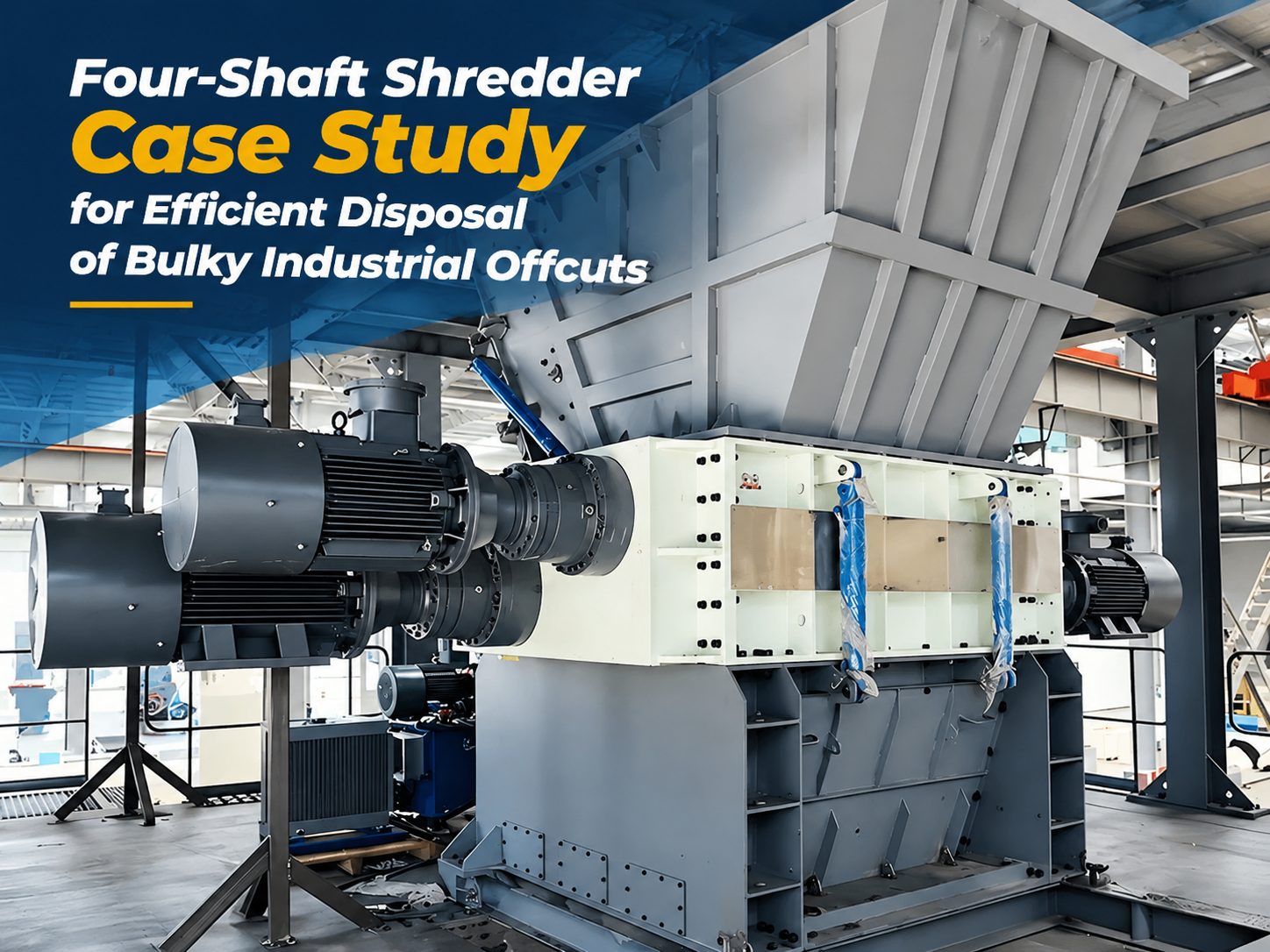
This article presents a comprehensive Four-Shaft Shredder Case Study for efficient disposal of bulky industrial offcuts, focusing on how HARSLE’s advanced engineering addresses these specific pain points. By transitioning from manual handling or inefficient shearing to an automated four-shaft shredding system, industrial plants can transform scrap management into a streamlined, profitable workflow. We will explore the technical nuances, operational benefits, and strategic considerations that define modern industrial shredding.
The primary goal of this analysis is to provide plant managers and procurement specialists with a clear understanding of why four-shaft technology is superior for high-volume, high-density metal waste. By examining real-world application scenarios, we demonstrate how the integration of robust machinery not only clears the shop floor but also enhances the purity and value of scrap metal for downstream recycling partners.

Efficiency in disposal is not merely about volume reduction; it is about the consistency of the output. When industrial offcuts are shredded into uniform, manageable pieces, they become easier to transport, store, and melt. This case study highlights the transition from chaotic waste piles to a systematic, automated process that aligns with Industry 4.0 standards for lean manufacturing.
Key Considerations for Industrial Waste Management
When evaluating the need for a shredding solution, facility managers must first assess the physical characteristics of their waste stream. Bulky industrial offcuts are often characterized by high tensile strength, irregular shapes, and varying thicknesses. A standard two-shaft shredder may struggle with the torque requirements or the tendency of long, stringy metal to wrap around the shafts. The four-shaft design, however, utilizes a secondary pair of shafts to actively pull and push material through the cutting zone, preventing bridging and ensuring continuous throughput.
Another critical consideration is the impact of scrap volume on operational overhead. Every square meter of a fabrication facility is a cost center. When bulky offcuts are left unprocessed, they require frequent forklift movements and large storage containers, which are inefficient and labor-intensive. By implementing a shredder, companies can achieve volume reduction ratios of up to 5:1 or even 10:1, depending on the material density. This drastic reduction allows for more efficient container utilization, meaning fewer truck trips to the recycling center and lower logistics costs.
Safety is a non-negotiable aspect of industrial operations. Handling sharp, jagged metal offcuts manually is a leading cause of workplace injuries. A four-shaft shredder automates the feeding and processing cycle, significantly reducing the need for human interaction with hazardous materials. Furthermore, the enclosed nature of modern shredding systems minimizes dust and noise pollution, contributing to a safer and more compliant working environment that meets stringent OSHA or local safety regulations.
Finally, the economic return on investment (ROI) must be calculated based on the increased value of the processed scrap. Recyclers pay a premium for shredded, clean, and uniform metal compared to mixed, bulky scrap. By processing offcuts in-house, a fabrication facility can classify its waste more accurately, potentially moving from low-grade mixed scrap to high-value, sorted material. This shift in scrap management strategy can turn a waste disposal cost into a consistent revenue stream.
Technical Details of HARSLE Four-Shaft Shredders
The HARSLE four-shaft shredder is engineered for extreme durability and precision. At the heart of the system are four counter-rotating shafts equipped with high-alloy steel cutters. These cutters are designed to interlock, creating a powerful shearing action that can slice through hardened steel, aluminum profiles, and even complex composite materials. The four-shaft configuration is unique because it provides two stages of cutting: the primary shafts perform the initial breakdown, while the secondary shafts ensure the material is sized correctly before exiting the chamber.
One of the standout technical features of these machines is the high-torque, low-speed drive system. Unlike high-speed granulators that rely on impact, the four-shaft shredder relies on sheer force and torque. This design is essential for metal fabrication because it prevents the machine from stalling when encountering high-density materials. The planetary gearboxes integrated into HARSLE systems are built to withstand the shock loads associated with shredding thick steel, ensuring a long service life even under continuous, heavy-duty operation.
The control system is another area where HARSLE excels. Modern shredders are equipped with intelligent PLC (Programmable Logic Controller) systems that monitor the load on the motors in real-time. If the machine detects an overload or an un-shreddable object, it automatically triggers an auto-reverse cycle. This feature prevents damage to the cutters and the drive train, significantly reducing downtime and maintenance requirements. Operators can also customize the shredding parameters, such as shaft speed and reverse timing, to optimize the process for different types of metal alloys.
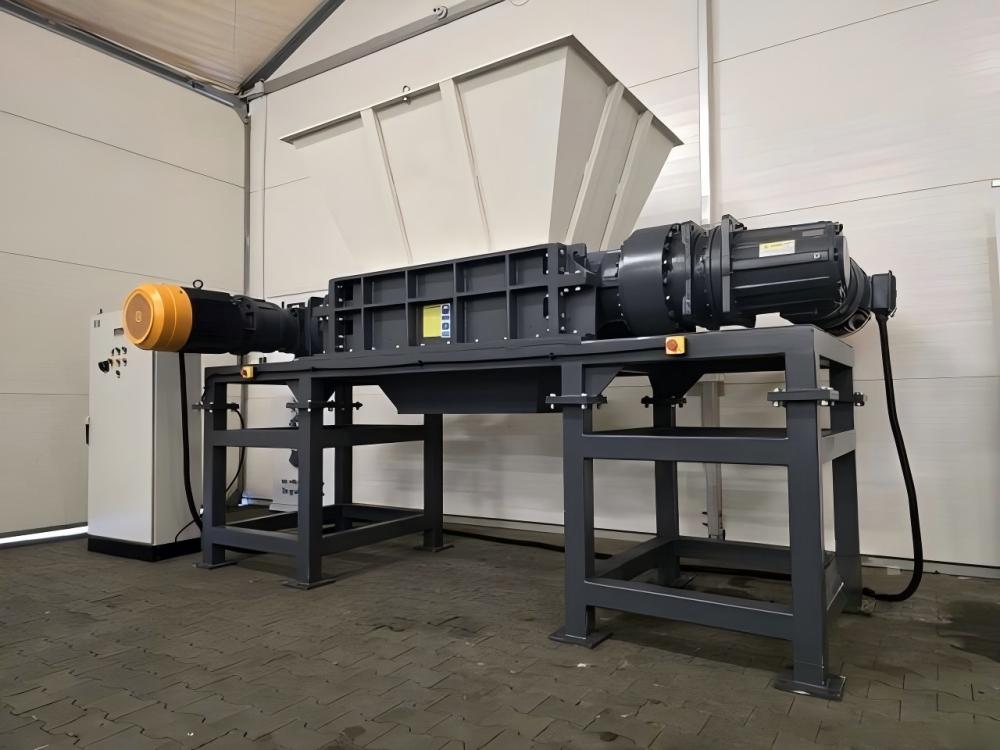
Maintenance accessibility is a core design philosophy. HARSLE shredders feature modular cutting decks that allow for quick inspection and replacement of individual blades. Because the blades are made from wear-resistant, heat-treated steel, they maintain their sharpness over extended periods. However, when replacement is necessary, the modular design ensures that the machine can be back in operation in a fraction of the time required by older, monolithic designs. This commitment to maintainability is what makes these machines a reliable choice for high-throughput fabrication environments.
Selection Advice: Choosing the Right Shredder
Selecting the appropriate shredder requires a deep dive into your facility’s specific waste profile. Not all industrial offcuts are created equal. A facility processing thin-gauge sheet metal will have different requirements than one handling thick structural beams. The first step in the selection process is to conduct a waste audit: identify the maximum thickness, the material type (carbon steel, stainless, aluminum, etc.), and the average daily volume of scrap generated. This data will dictate the required motor power, shaft diameter, and cutter configuration.
Consider the integration of the shredder into your existing production line. Will the shredder be fed manually, or will it be part of an automated conveyor system? For high-volume facilities, an automated in-feed conveyor with a magnetic separator is highly recommended. Magnetic separators are essential for removing ferrous contaminants from non-ferrous streams, further increasing the value of your recycled material. HARSLE offers customizable feed hoppers and discharge systems to ensure the shredder fits seamlessly into your current floor layout.
Another factor to consider is the desired output size. If your downstream recycling partner requires a specific particle size, you must ensure the shredder is equipped with the correct screen size. The screen acts as a final filter, ensuring that only material of the desired dimensions exits the shredding chamber. If the material is too large, it is recirculated back into the cutting zone. This ensures a consistent, high-quality output that meets the strict requirements of modern metal smelters and recycling facilities.
Finally, do not overlook the importance of after-sales support and spare parts availability. Industrial shredders are heavy-duty machines that operate under significant stress. Partnering with a manufacturer like HARSLE, which provides comprehensive technical support, training for operators, and a reliable supply of wear parts, is crucial. A shredder is a long-term investment, and the ability to source genuine replacement parts quickly will prevent costly production halts and ensure your waste management system remains efficient for years to come.
FAQ: Common Questions About Four-Shaft Shredders
- What makes a four-shaft shredder better than a two-shaft model? The four-shaft design provides superior control over the material. The secondary shafts act as a forced-feed mechanism, preventing the material from “riding” on top of the blades and ensuring that even the most difficult, bulky offcuts are pulled into the cutting zone.
- Can these shredders handle mixed metal waste? Yes, HARSLE four-shaft shredders are designed to handle a variety of metals. However, it is always recommended to use a magnetic separator if you intend to separate ferrous and non-ferrous metals for higher recycling value.
- How often do the blades need to be sharpened or replaced? This depends on the hardness of the material and the volume processed. HARSLE uses high-grade, wear-resistant alloys, and the modular design allows for easy maintenance. Regular inspection and proper lubrication are the best ways to extend blade life.
- Is the shredder noisy during operation? While all industrial shredders produce noise, the low-speed, high-torque design of the four-shaft system is significantly quieter than high-speed impact shredders. Sound-dampening enclosures can be added if your facility has strict noise level requirements.
- What is the typical ROI for this equipment? ROI is achieved through reduced logistics costs, lower labor requirements, and the increased market value of processed scrap. Many facilities see a full return on investment within 18 to 24 months, depending on their scrap volume and current disposal costs.
Conclusion: Transforming Waste into Value
The implementation of a four-shaft shredder is more than just a waste management upgrade; it is a strategic move toward a more efficient, profitable, and sustainable manufacturing operation. As demonstrated in this Four-Shaft Shredder Case Study for efficient disposal of bulky industrial offcuts, the ability to process scrap in-house allows fabrication facilities to regain control over their shop floor, reduce operational hazards, and maximize the value of their metal waste. HARSLE’s commitment to robust engineering and intelligent control systems ensures that these machines are not just tools, but essential components of a modern, high-performance production environment.
By carefully considering your facility’s specific needs—from material density to throughput requirements—and selecting a system that offers both durability and ease of maintenance, you can turn the challenge of bulky offcuts into a streamlined, automated process. The transition to advanced shredding technology is a clear indicator of a facility that values efficiency, safety, and environmental responsibility. As the metal fabrication industry continues to evolve, those who invest in the right equipment today will be the ones who lead the market tomorrow.
If you are ready to optimize your scrap management process, HARSLE provides the expertise and the machinery to help you achieve your goals. From initial consultation to installation and ongoing support, our team is dedicated to ensuring that your investment delivers the performance and reliability you expect. Contact us today to learn more about how our four-shaft shredding solutions can transform your industrial waste management strategy and contribute to the long-term success of your fabrication business.












