Container Shear Price Guide: What Impacts Delivery, Installation, and Warranty Costs

Price Range Overview: Understanding the Investment
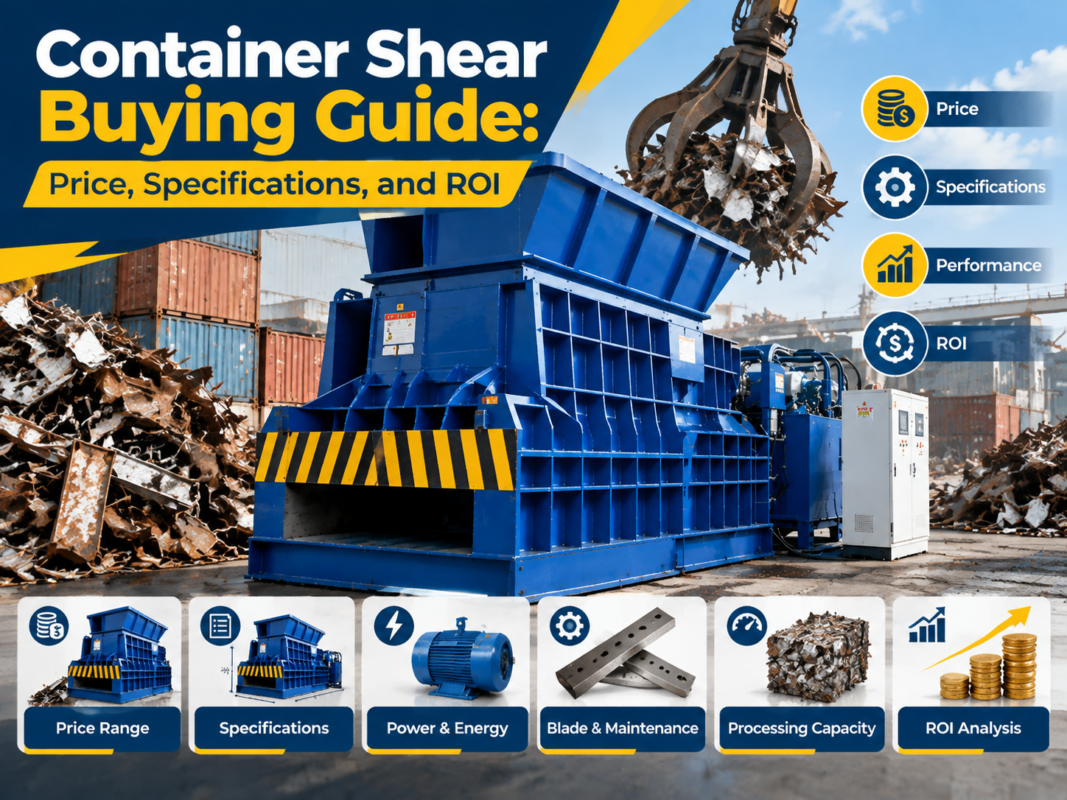
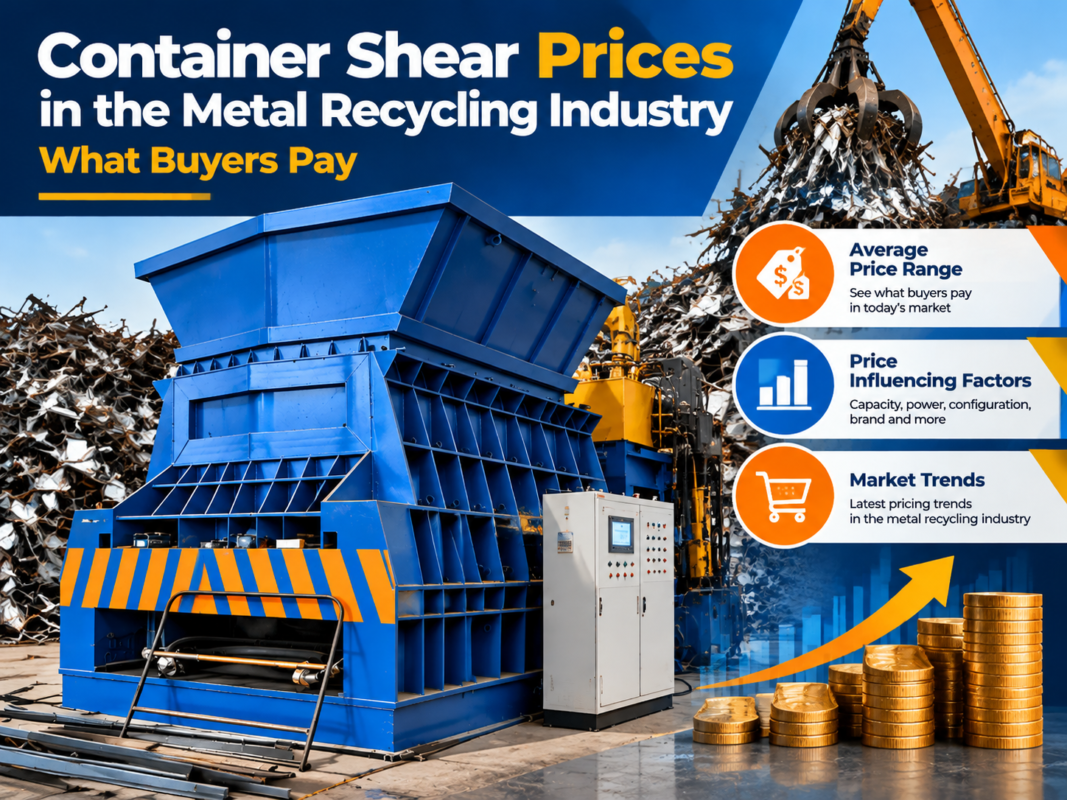
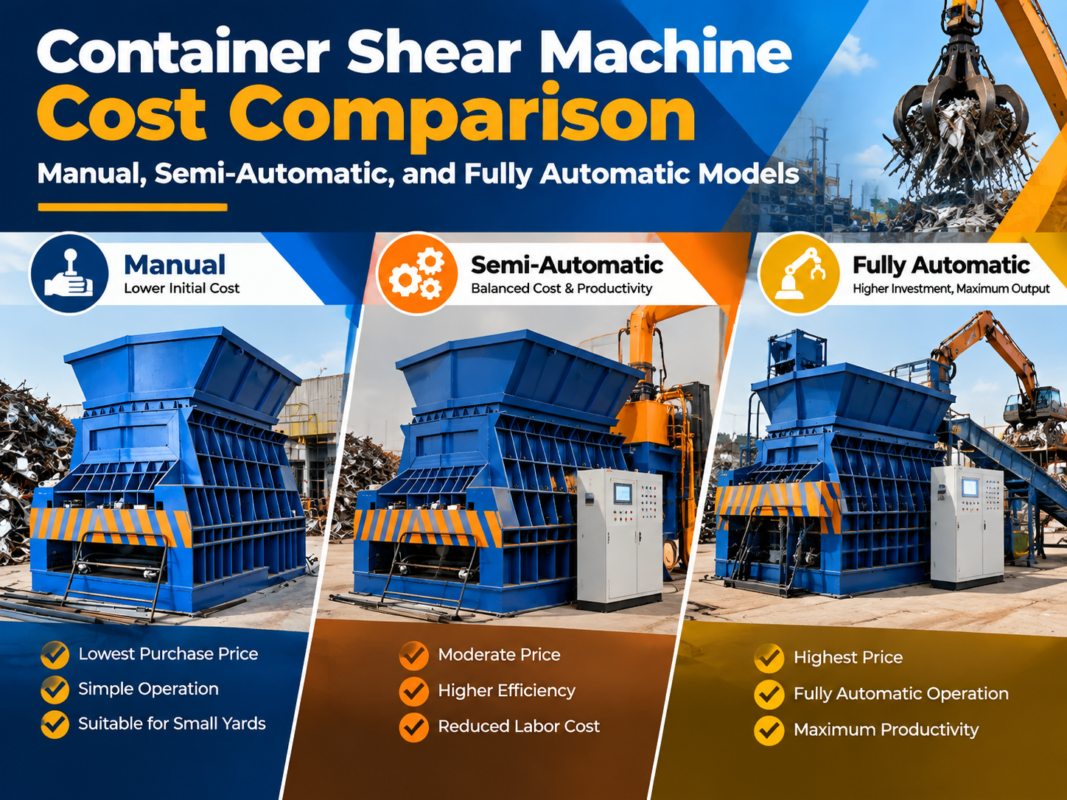
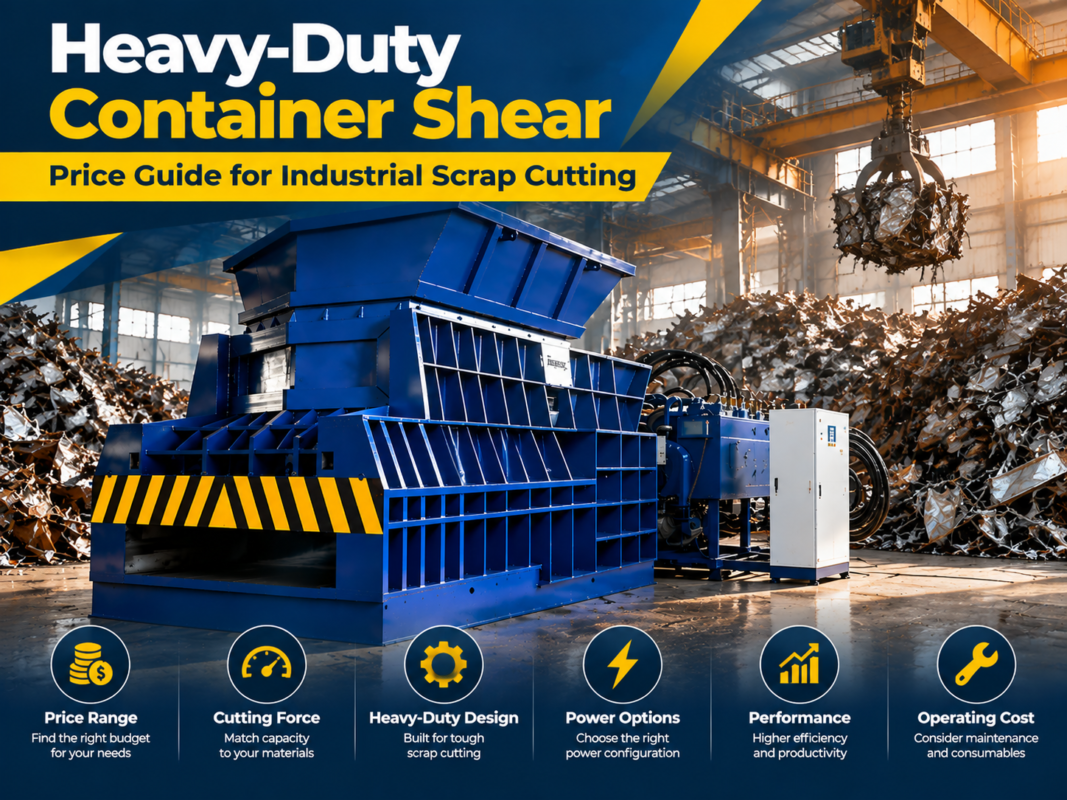
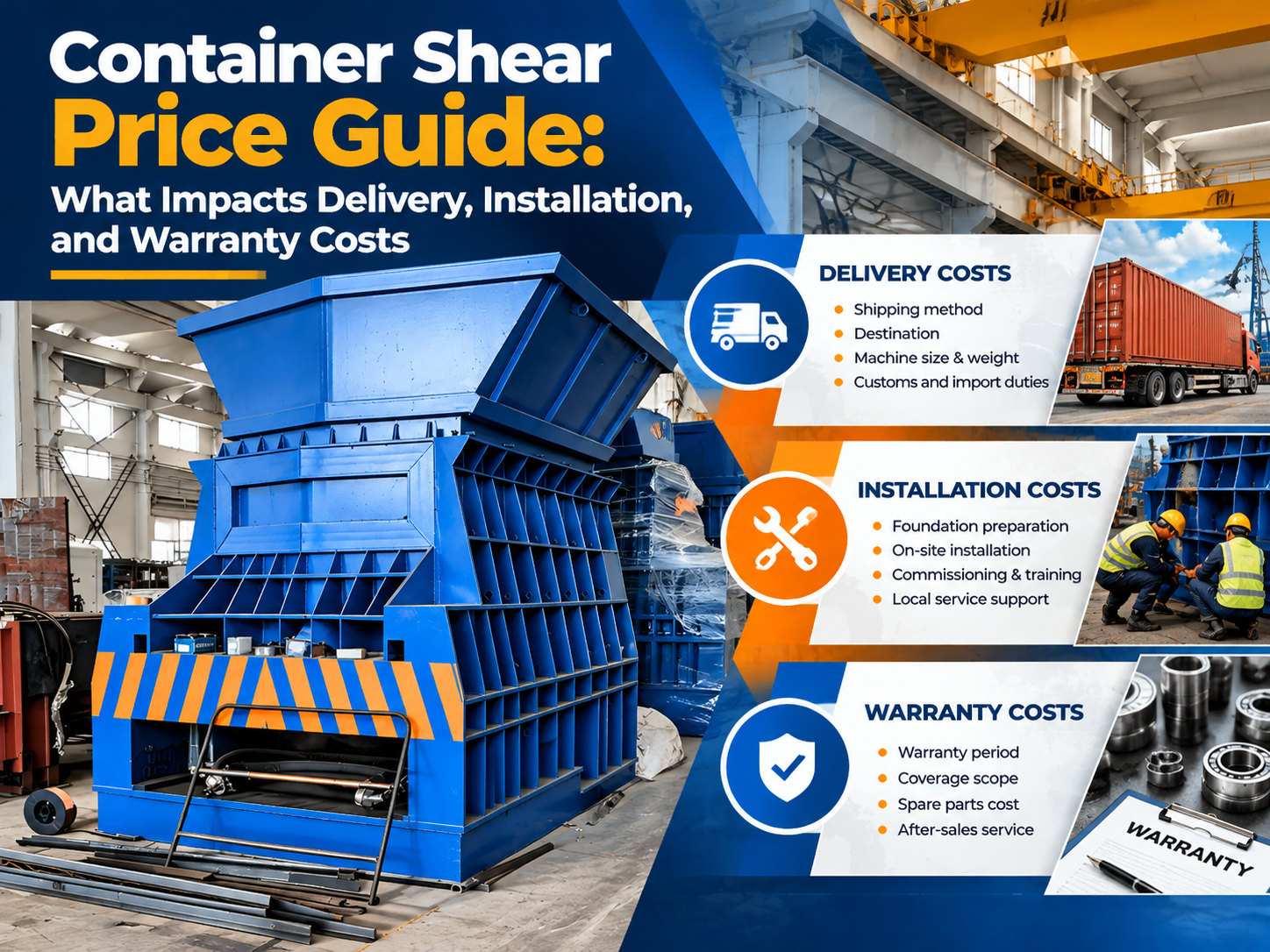
Investing in a container shear is a significant capital expenditure for any scrap metal recycling or metal fabrication facility. When researching a container shear price, it is essential to understand that these machines are not off-the-shelf products; they are high-capacity industrial systems engineered for extreme durability. Generally, the market price for a high-performance container shear ranges from $80,000 to over $350,000, depending on the cutting force, throughput capacity, and automation level required for your specific operations.
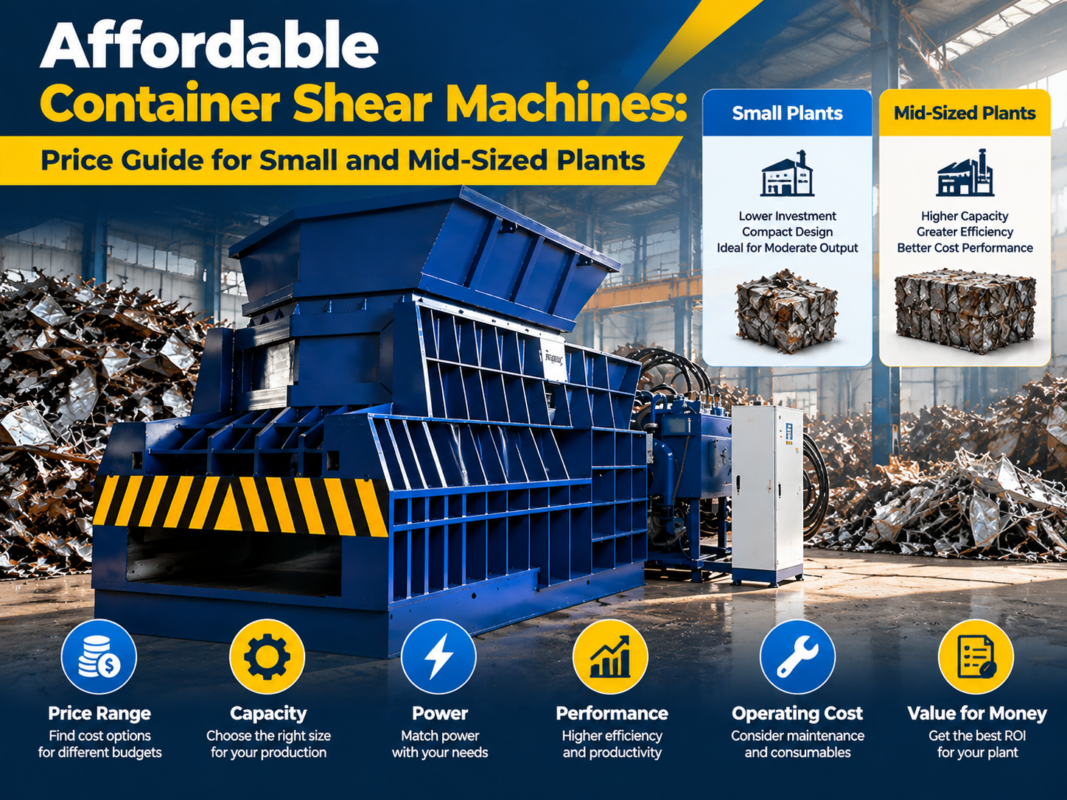
The entry-level models are typically designed for smaller scrap yards or specialized fabrication workshops, focusing on portability and ease of use. Mid-range models offer a balance between speed and force, making them the industry standard for medium-sized recycling centers. High-end, fully automated container shears represent the top tier of the market, offering advanced hydraulic systems, PLC controls, and heavy-duty structural integrity capable of processing thick-walled steel and complex scrap profiles.
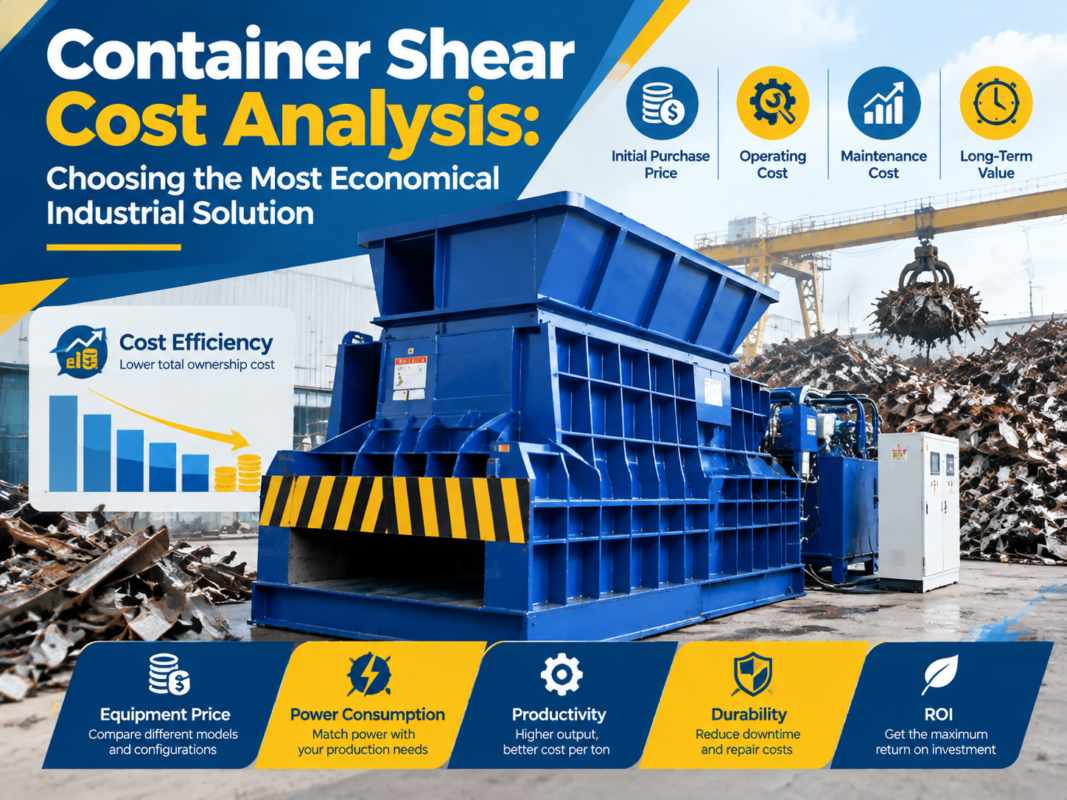
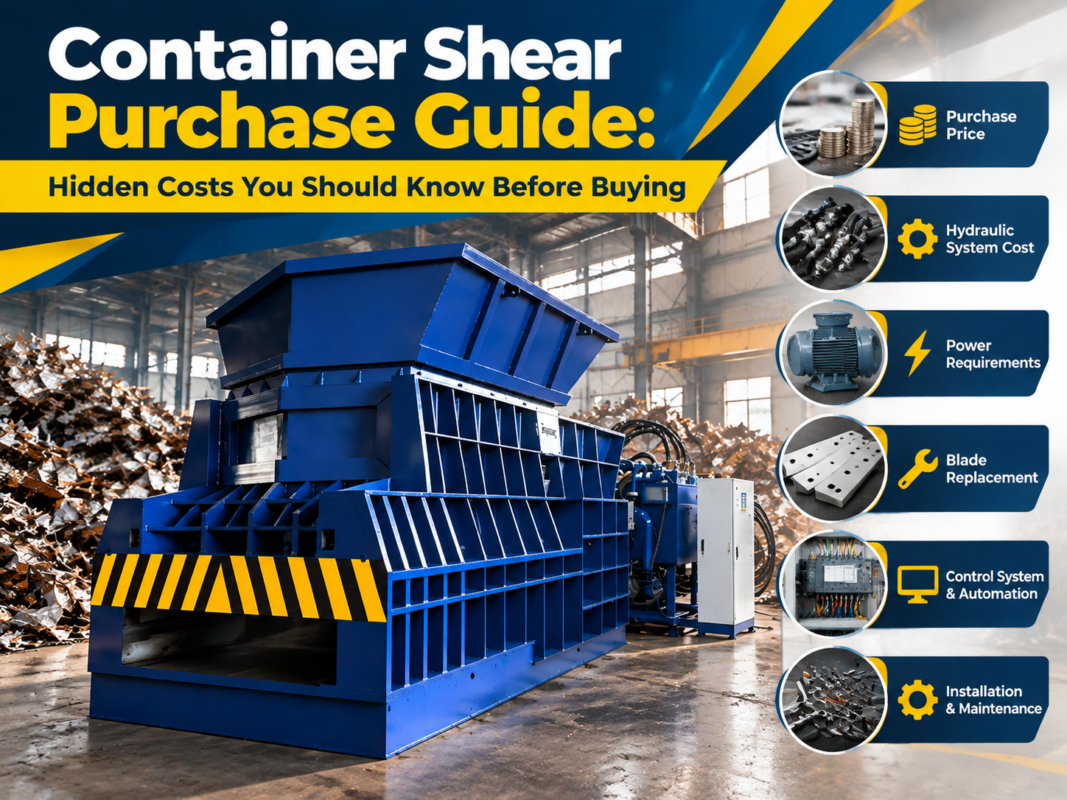
It is important to note that the base price often only covers the machine itself. When budgeting, buyers must account for the total cost of ownership, which includes the initial purchase price, logistics, site preparation, and long-term maintenance. A common mistake is focusing solely on the sticker price without considering the long-term operational efficiency that a higher-quality machine provides.
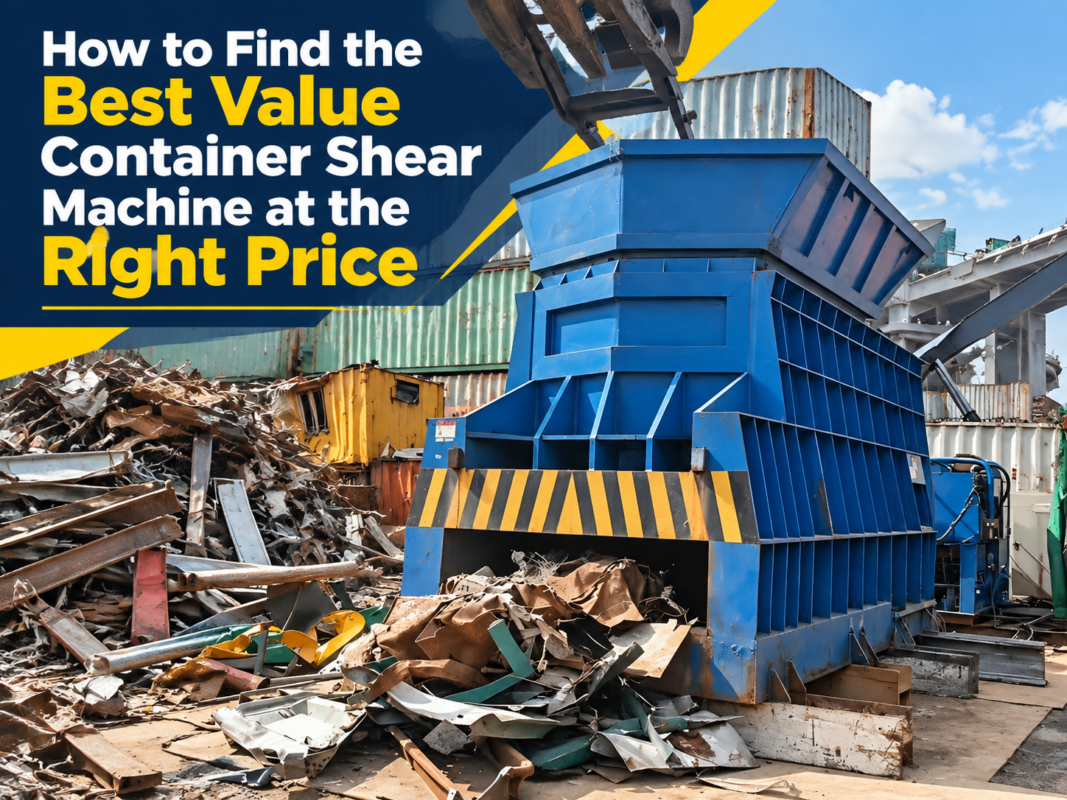
HARSLE provides a wide range of configurations to meet diverse industrial needs. By understanding the price range, you can better align your budget with your production goals. Whether you are looking for a mobile container shear for on-site demolition or a stationary unit for a permanent processing facility, the initial investment should be viewed through the lens of long-term productivity and reliability.
Main Cost Drivers: Beyond the Base Price
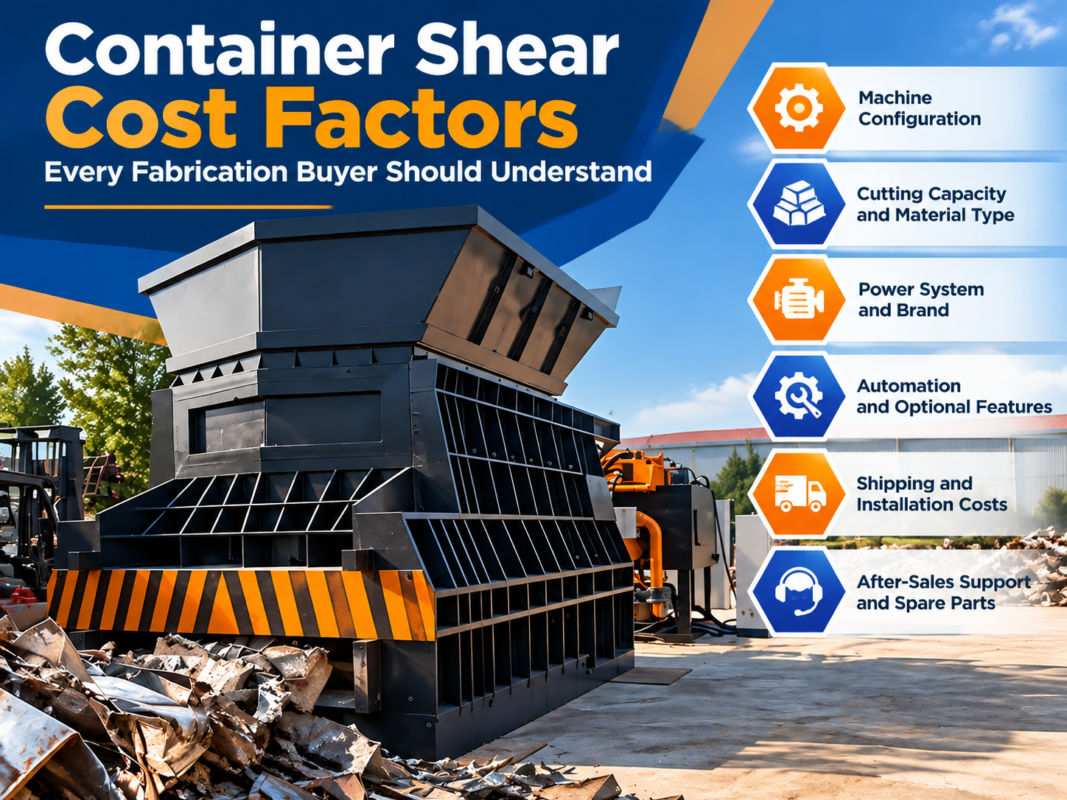
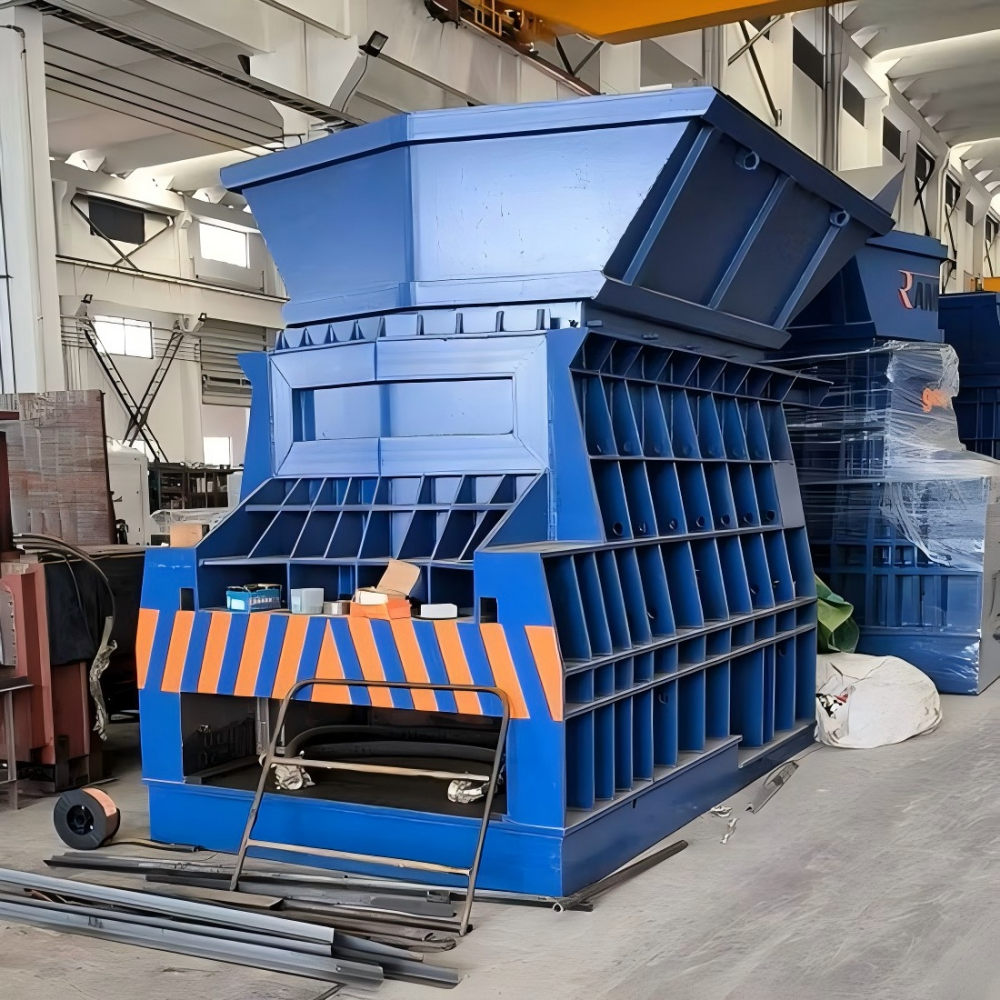
The primary driver of a container shear price is the cutting force, measured in tons. Higher cutting force requires larger hydraulic cylinders, more robust frame construction, and more powerful motor systems. As the force increases, so does the cost of the raw materials and the engineering required to ensure the machine can withstand the repetitive stress of shearing thick metal without structural fatigue.
Another significant cost driver is the throughput capacity. Machines designed to process more tons per hour require sophisticated feeding mechanisms, such as hydraulic pushers or conveyor systems. These auxiliary components add to the complexity of the machine and, consequently, the price. If your operation demands high-speed processing, the investment in a more advanced feeding system is non-negotiable.
Material quality also plays a critical role in the pricing structure. The blades, for instance, are subjected to extreme wear. High-quality, heat-treated alloy steel blades are more expensive than standard options but offer significantly longer service life and better cut quality. Investing in premium components during the initial purchase can reduce the frequency of blade replacements and downtime, ultimately saving money over the life of the machine.
Finally, the control system architecture influences the cost. Modern container shears often feature advanced PLC (Programmable Logic Controller) systems that allow for precise control over the shearing cycle, automatic lubrication, and remote diagnostics. While these systems increase the upfront cost, they provide invaluable data on machine health and operational efficiency, which is essential for modern industrial management.
Configuration Impact: Customization and Efficiency
Customization is a major factor in the final container shear price. Many facilities require specific modifications to fit their existing workflow. For example, adding an integrated discharge conveyor or a customized hopper size can significantly alter the machine’s footprint and cost. These modifications are often necessary to optimize the flow of materials through the facility, reducing manual labor and increasing safety.
The power source configuration also impacts the price. While electric motors are standard, some applications may require diesel-powered hydraulic units for remote sites where grid power is unavailable. Diesel-powered systems are generally more expensive due to the inclusion of the engine, fuel management systems, and specialized cooling requirements. Choosing the right power source is critical for operational flexibility.
Safety features are another area where configuration impacts cost. Modern regulations require advanced safety interlocks, emergency stop systems, and protective guarding. While these are essential, high-end safety packages—such as light curtains or automated zone monitoring—can add to the total cost. However, these features are vital for protecting personnel and minimizing liability, making them a necessary investment for any reputable company.
Finally, the integration of IoT (Internet of Things) capabilities allows for real-time monitoring of the machine’s performance. This includes tracking hydraulic pressure, oil temperature, and cycle counts. While this adds to the initial price, the ability to perform predictive maintenance based on real-time data can prevent catastrophic failures, making it a highly cost-effective configuration choice for high-volume operations.
Hidden Costs: Delivery, Installation, and Logistics
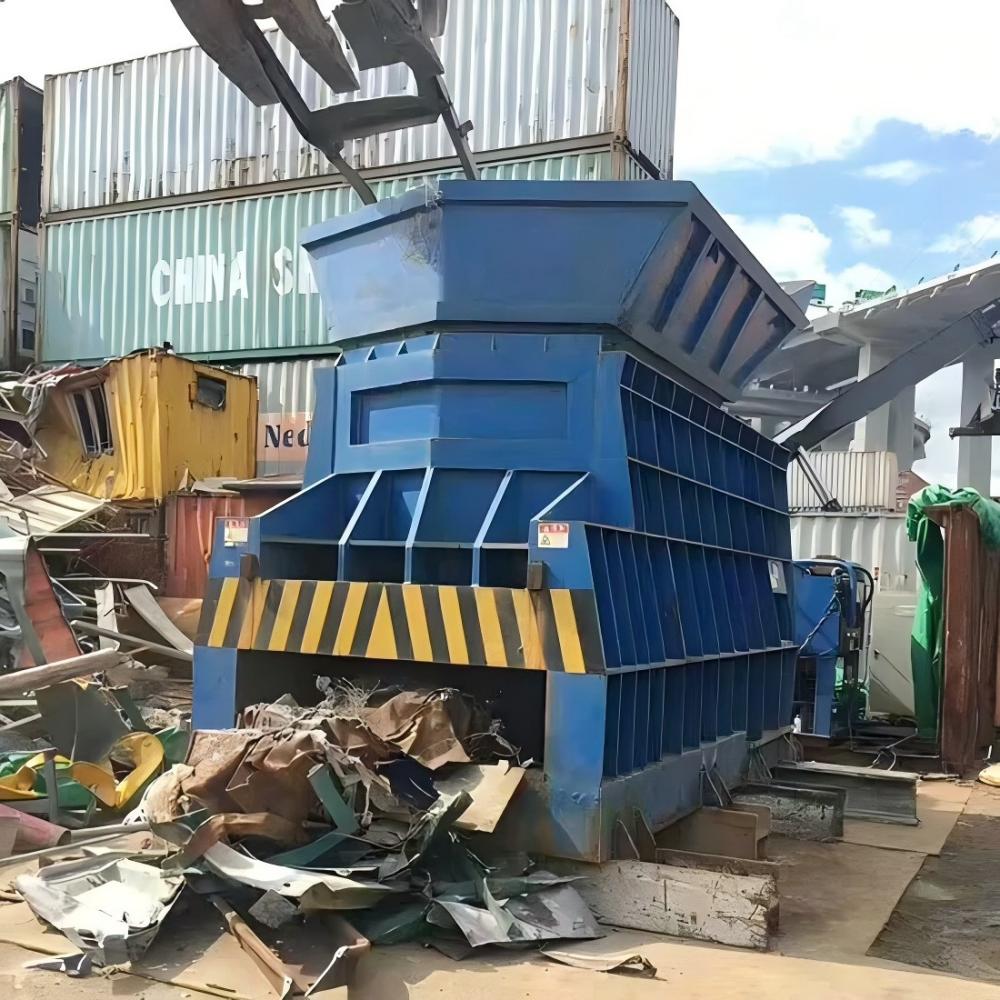
When calculating the total container shear price, delivery and installation are often overlooked. Because these machines are massive and heavy, shipping costs can be substantial. International shipping, customs duties, and specialized heavy-haul transport within your country must be factored into your budget. It is crucial to work with logistics providers experienced in handling industrial machinery to avoid damage during transit.
Installation costs involve more than just placing the machine on the floor. Proper site preparation is essential, including reinforced concrete foundations designed to handle the machine’s weight and the vibration generated during the shearing process. If the foundation is not correctly engineered, it can lead to machine misalignment, increased wear, and potential structural damage over time.
Utility connections are another hidden cost. You will need to ensure your facility has the appropriate electrical capacity, hydraulic fluid management systems, and, in some cases, compressed air lines. Hiring certified electricians and hydraulic technicians to perform the final hookups is a mandatory expense that ensures the machine operates within its design parameters and maintains its warranty status.
Commissioning and training are the final steps of the installation process. Even if the machine is physically installed, it must be calibrated and tested under load. Training your operators on the specific nuances of the machine—including safety protocols, maintenance routines, and troubleshooting—is a vital investment. Neglecting this training can lead to operator error, which is a leading cause of premature machine failure and safety incidents.
ROI Calculation: Justifying the Investment
To justify the container shear price, you must perform a thorough Return on Investment (ROI) analysis. Start by calculating the increase in processing speed compared to your current methods. If a new machine can process twice the amount of scrap in half the time, the labor cost savings alone can be significant. Additionally, higher-quality cuts often result in better pricing from scrap buyers, as the material is cleaner and easier to handle.
Consider the reduction in maintenance and downtime costs. Older, less efficient machines often require frequent repairs, which not only cost money in parts but also result in lost production time. A new, reliable container shear from HARSLE minimizes these interruptions, ensuring a consistent output that stabilizes your revenue stream. When calculating ROI, factor in the cost of lost production per hour to see the true value of reliability.
Energy efficiency is another factor that contributes to ROI. Modern hydraulic systems are designed to be much more energy-efficient than older models. By reducing the power consumption per ton of processed scrap, you can lower your monthly utility bills. Over the course of several years, these energy savings can represent a substantial portion of the initial investment.
Finally, consider the resale value. High-quality industrial machinery retains its value much better than cheaper, lower-grade alternatives. If you decide to upgrade or expand your operations in the future, a well-maintained HARSLE container shear will have a strong secondary market value, which should be factored into your long-term financial planning.
Buying Advice: Selecting the Right Machine
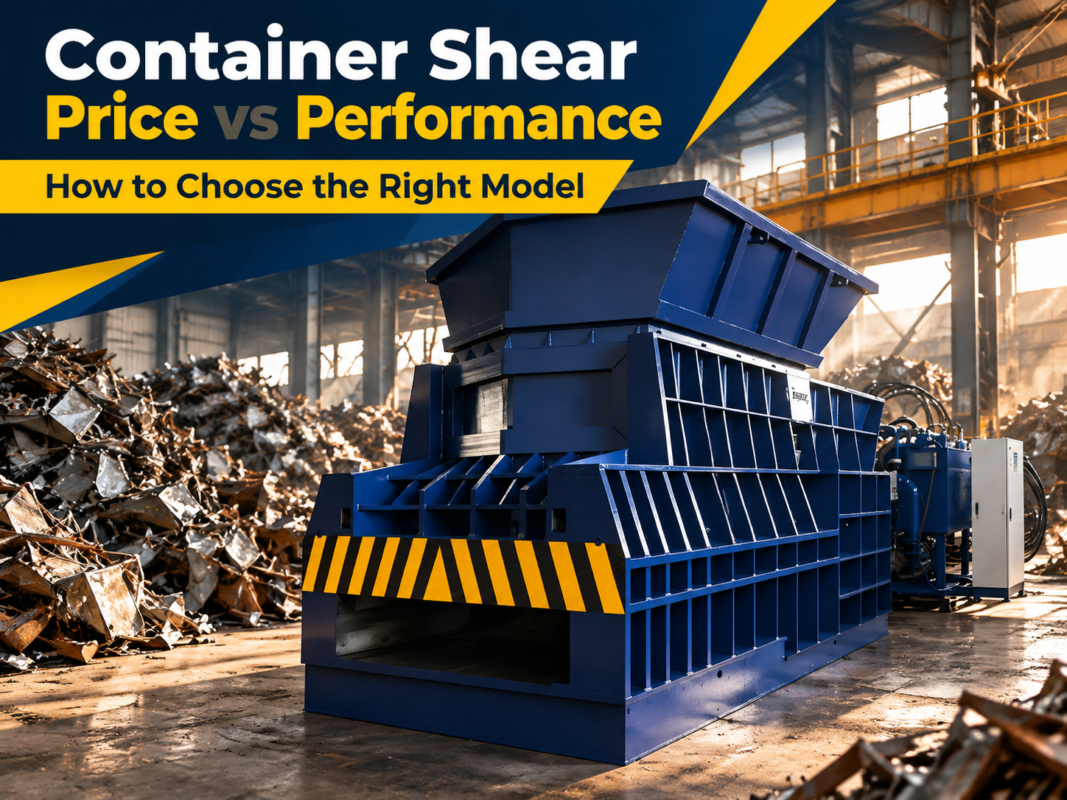
When you are ready to purchase, start by clearly defining your material requirements. What types of metal will you be shearing? What are the maximum thicknesses and lengths? Choosing a machine that is underpowered for your needs will lead to constant jams and mechanical stress, while choosing one that is significantly overpowered may result in unnecessary capital expenditure.
Always request a site visit or a consultation with the manufacturer’s technical team. They can assess your facility’s layout and recommend the best configuration for your workflow. At HARSLE, we prioritize understanding the specific challenges our clients face to ensure the machine provided is the perfect fit for their operational environment.
Check the warranty terms carefully. A comprehensive warranty is a sign of a manufacturer’s confidence in their product. Look for coverage that includes both parts and labor, and ensure there is a clear process for technical support. Knowing that you have access to expert assistance can provide peace of mind and help you resolve minor issues before they become major problems.
Finally, look for a partner, not just a vendor. The relationship with your machinery supplier should extend long after the sale. From spare parts availability to remote technical support and software updates, the ongoing support provided by the manufacturer is just as important as the machine itself. Choose a brand with a proven track record of customer service and technical excellence.
FAQ: Common Questions About Container Shear Pricing
- What is the average lead time for a container shear? Lead times vary based on customization, but typically range from 3 to 6 months. It is best to plan your purchase well in advance of your required operational date.
- Does the container shear price include shipping? Generally, no. Shipping is usually quoted separately based on your location and the specific logistics requirements of the machine’s size and weight.
- How often does a container shear require maintenance? Maintenance schedules depend on usage intensity. Daily inspections and routine lubrication are standard, with more comprehensive service intervals recommended every 500 to 1,000 operating hours.
- Can I finance my container shear purchase? Yes, many industrial machinery suppliers offer financing options or work with third-party lenders to help manage the capital expenditure.
- What happens if the machine breaks down? Reputable manufacturers like HARSLE provide remote diagnostic support and have a network of service technicians who can assist with repairs. Always ensure you have a clear service agreement in place.
- Is training included in the price? Most professional manufacturers include basic operator training during the commissioning phase. Additional or advanced training can often be arranged upon request.