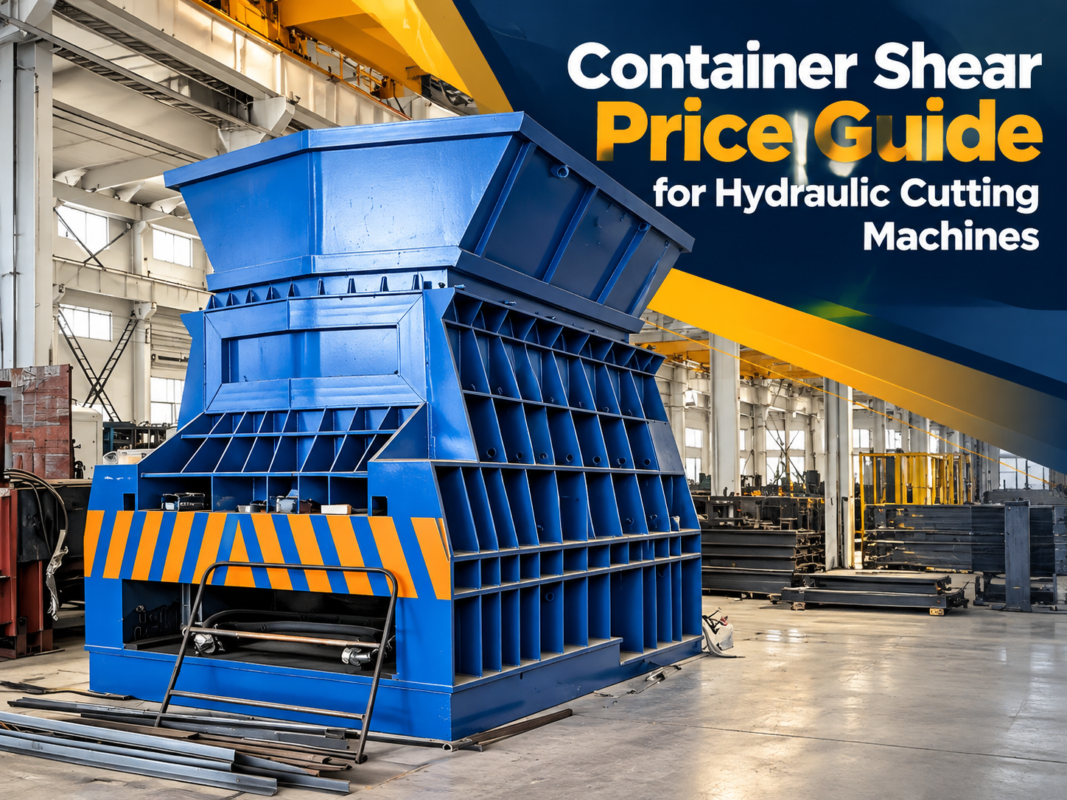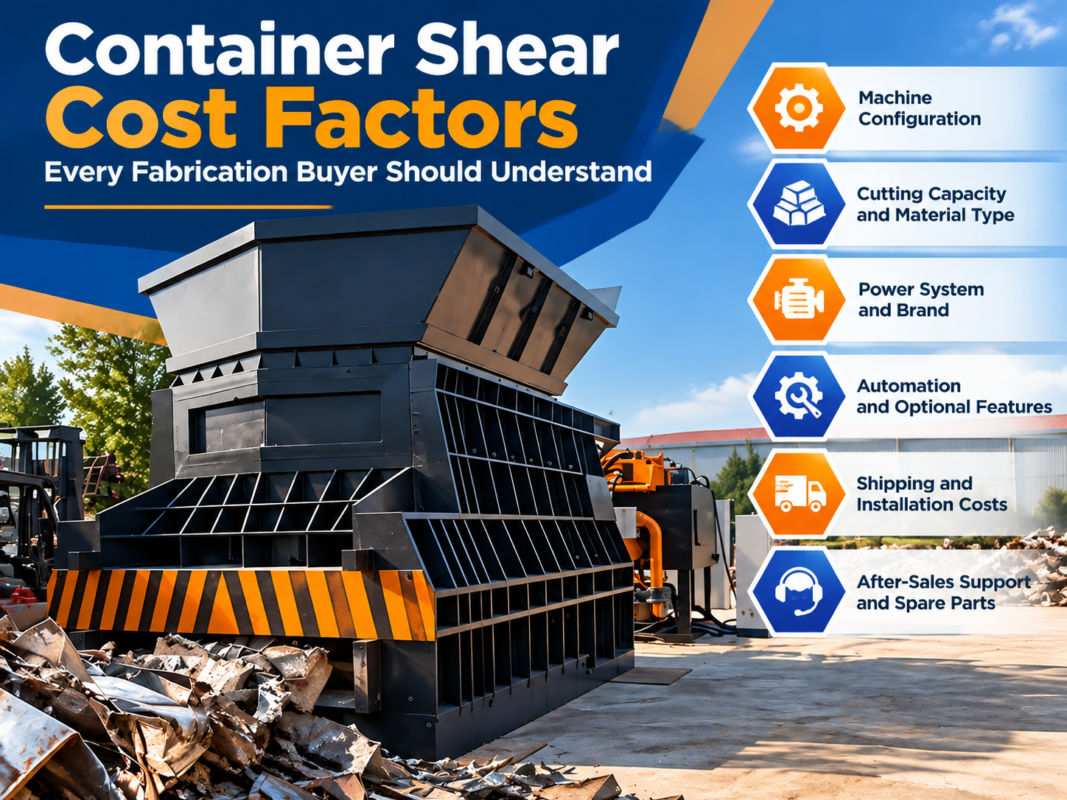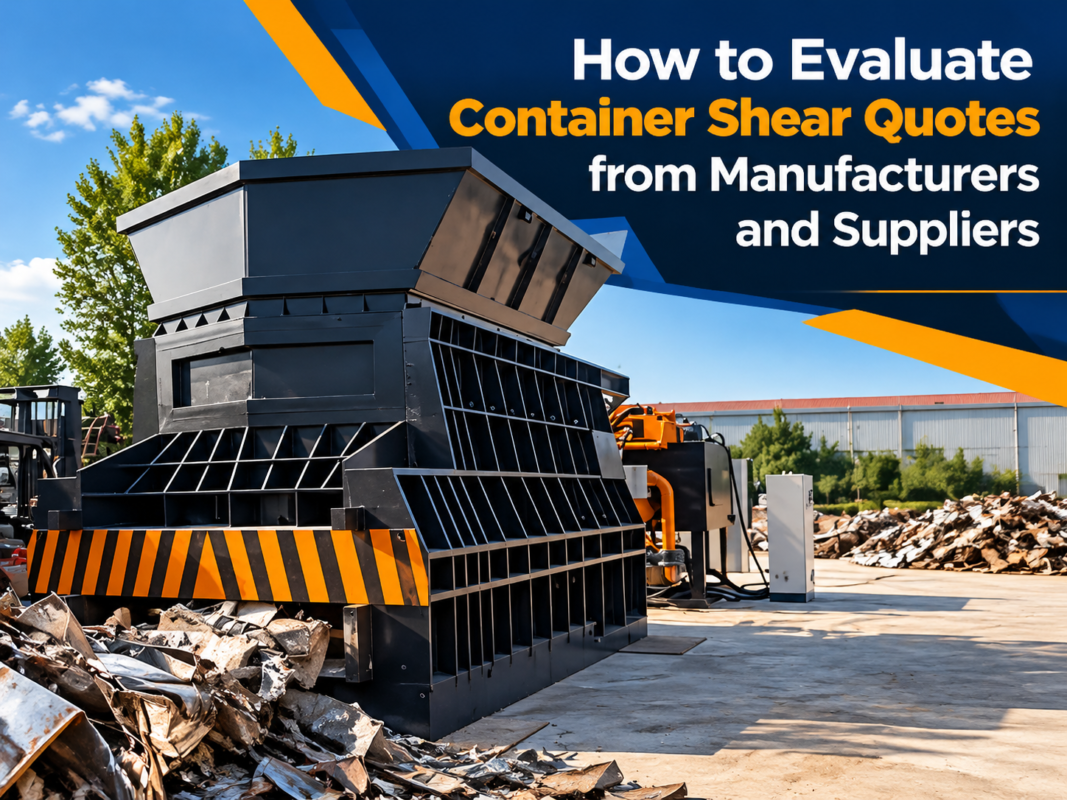
Container Shear Cost Analysis: Choosing the Most Economical Industrial Solution

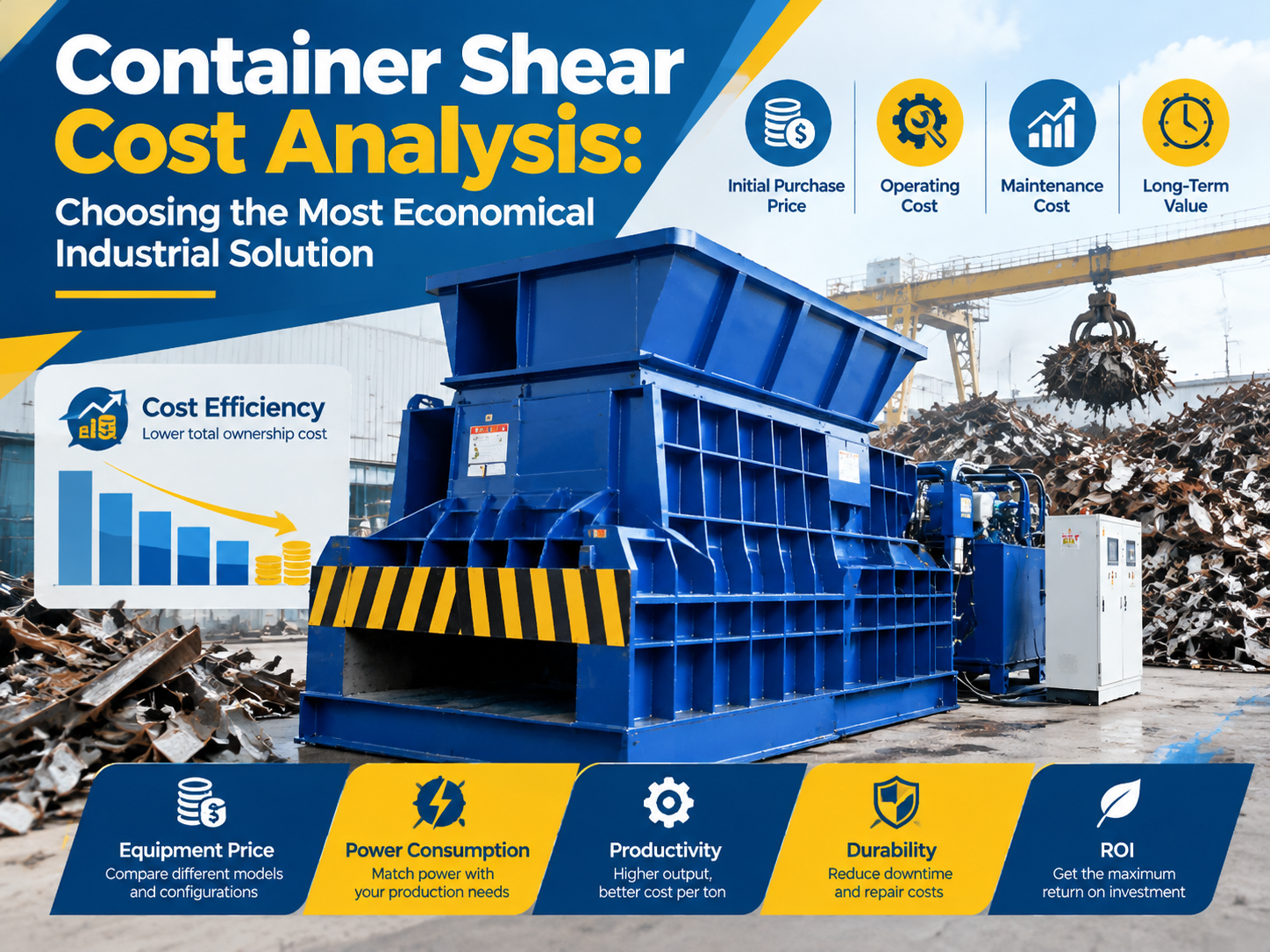
Price Range Overview: Understanding the Investment Landscape
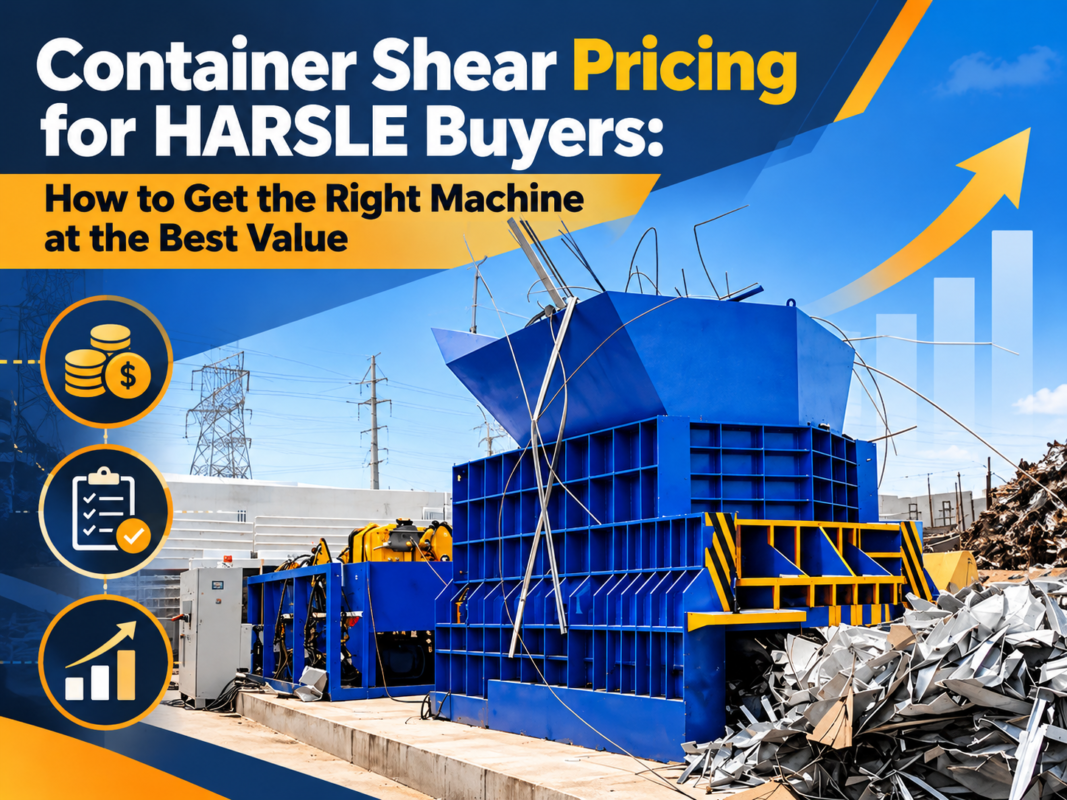
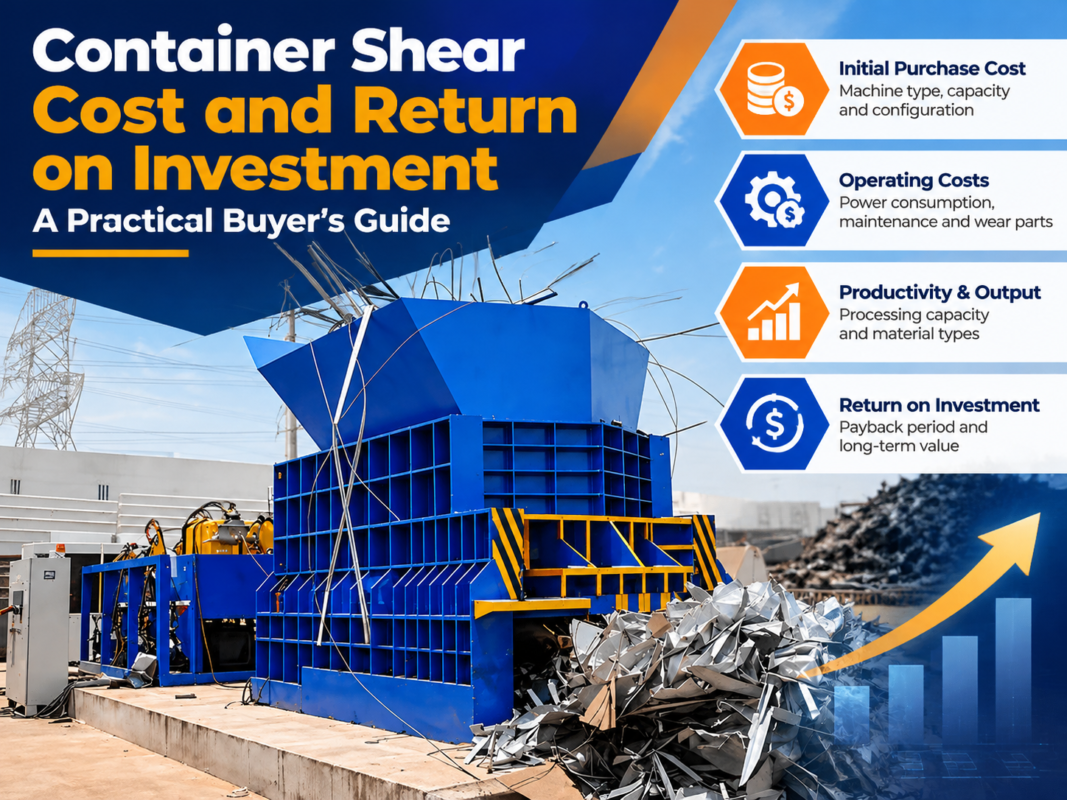
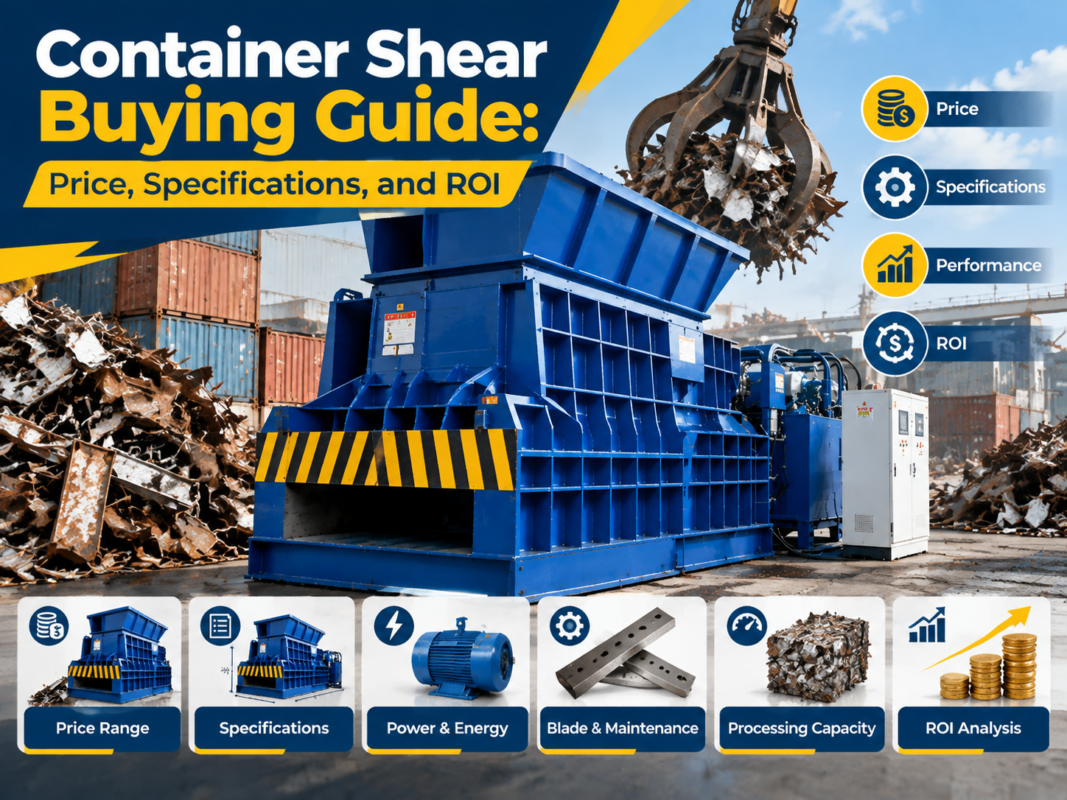
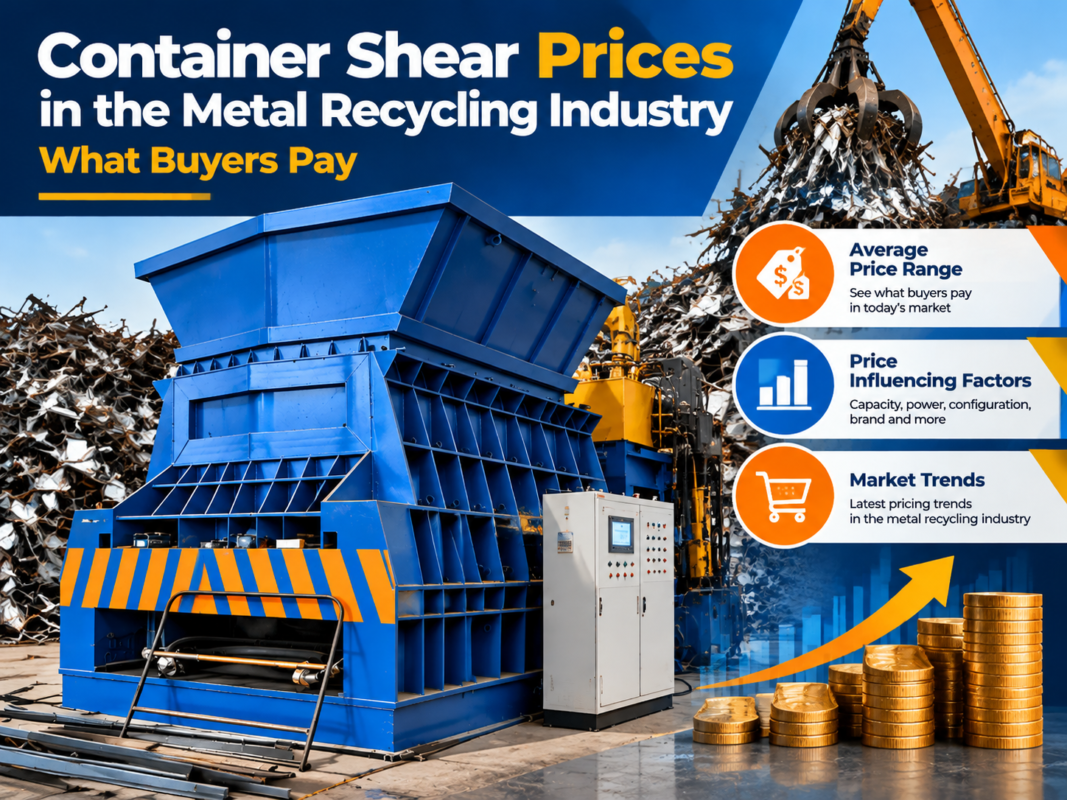
When embarking on a Container Shear Cost Analysis: Choosing the Most Economical Industrial Solution, the first hurdle is understanding the vast price spectrum of modern scrap processing equipment. Container shears, which are essentially mobile or semi-mobile hydraulic guillotine shears designed to fit within standard shipping container footprints, represent a significant capital expenditure. Generally, entry-level models start in the mid-five-figure range, while high-capacity, automated industrial units can easily exceed six figures. This price variance is not arbitrary; it reflects the engineering complexity, material quality, and the sheer force capacity of the machine.
For small-to-medium scrap yards, the investment often falls between $80,000 and $150,000. These machines are typically designed for intermittent use and handle lighter gauge materials. Conversely, large-scale recycling facilities requiring continuous, high-throughput operation will look at premium models ranging from $200,000 to $450,000+. These top-tier machines incorporate advanced metallurgy, sophisticated PLC controls, and high-speed hydraulic systems that justify the higher upfront cost through increased uptime and lower cost-per-ton processed.
It is essential to view the purchase price not as a static number, but as a component of your total cost of ownership (TCO). A cheaper machine might seem like an economical solution initially, but if it lacks the structural integrity to handle heavy-duty steel beams or thick plate, the repair costs and downtime will quickly erode any initial savings. HARSLE emphasizes that the most economical solution is the one that balances your specific throughput requirements with the machine’s rated capacity, ensuring you are not overpaying for unused power or under-investing in a machine that will fail under stress.
Furthermore, the market for container shears is influenced by global steel prices and the cost of hydraulic components. When steel prices are high, the demand for efficient scrap processing equipment rises, often leading to longer lead times and firmer pricing. Buyers should conduct their cost analysis by requesting quotes from reputable manufacturers like HARSLE, ensuring that the quote includes shipping, installation, and initial training, as these can add significant variance to the final landed cost.
Main Cost Drivers: What You Are Really Paying For
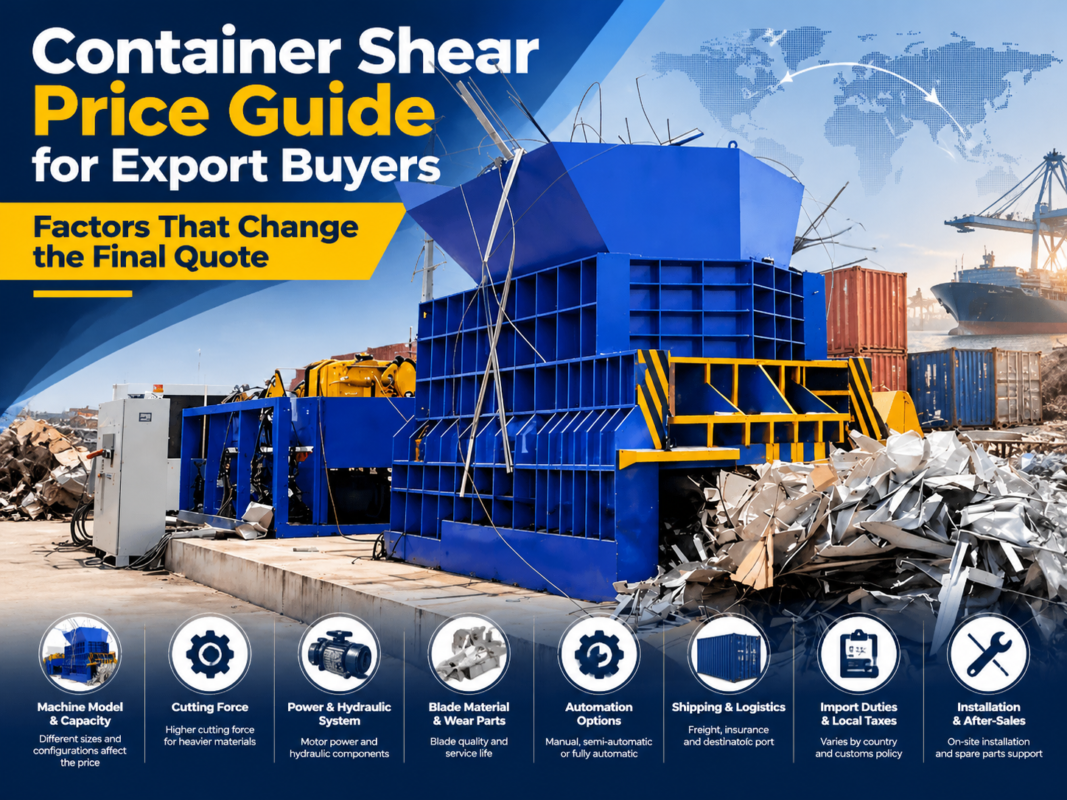
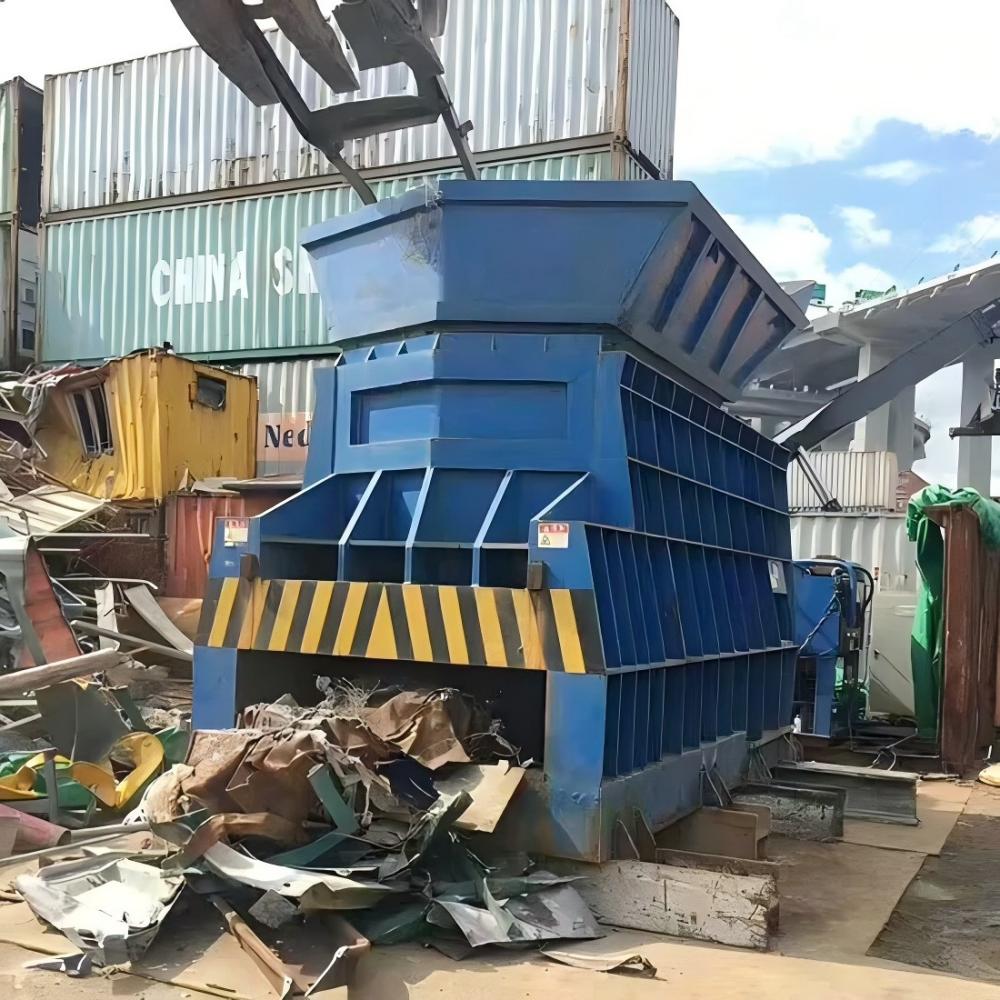
The primary cost driver in any container shear is the cutting force, measured in tons. The higher the force, the thicker the material the machine can process. Achieving higher force requires larger hydraulic cylinders, more robust steel frames, and more powerful electric motors or diesel engines. When performing a Container Shear Cost Analysis: Choosing the Most Economical Industrial Solution, you must accurately assess the material you intend to process. Paying for a 1000-ton shear when your daily operation only requires 500 tons is a common mistake that inflates your capital expenditure unnecessarily.
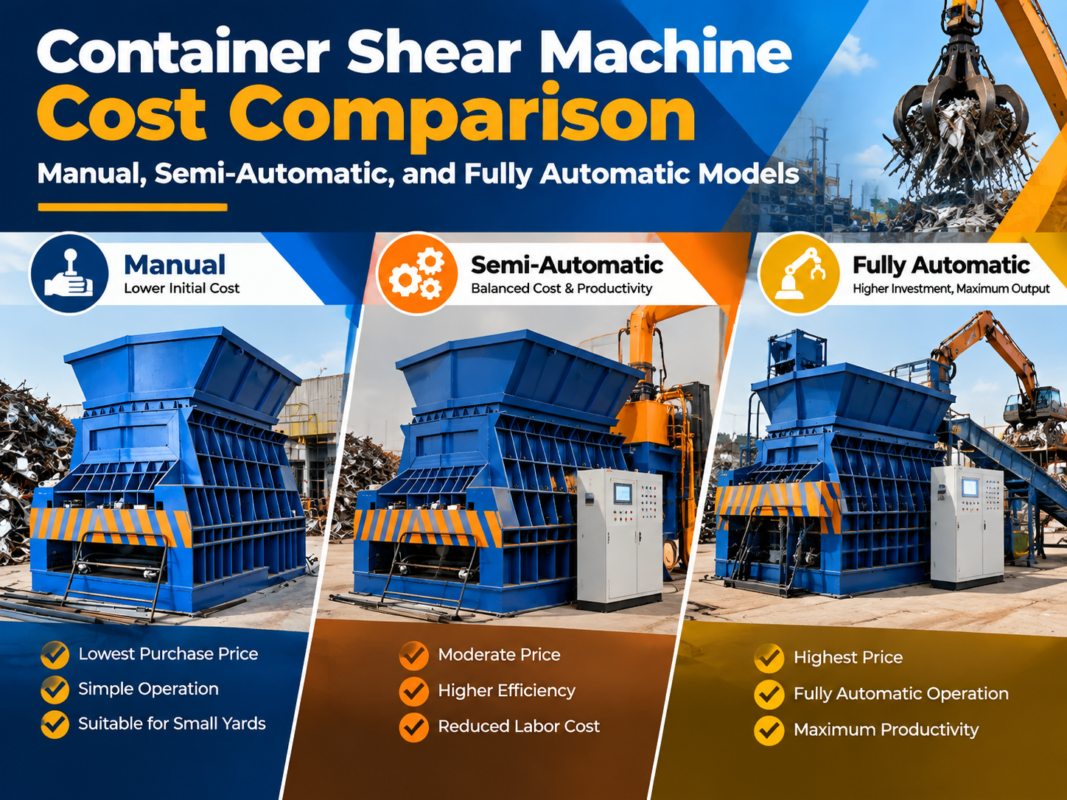
Another significant cost driver is the automation level. Modern container shears often feature PLC-controlled feeding systems, automatic lubrication, and remote monitoring capabilities. While these features increase the initial price, they significantly reduce labor costs and improve safety. A machine that requires a dedicated operator to manually feed every piece of scrap is far less economical in the long run than a semi-automated system that allows for continuous, hands-off operation. The integration of sensors and smart diagnostics also helps in predictive maintenance, preventing costly catastrophic failures.
The quality of the wear plates and blades is a critical, often overlooked, cost driver. High-grade, heat-treated alloy steel blades last significantly longer and provide cleaner cuts, reducing the frequency of blade changes and the associated downtime. While premium blades increase the initial purchase price, they are a hallmark of an economical solution because they minimize the total cost of consumables over the machine’s lifespan. HARSLE recommends evaluating the blade replacement cycle as part of your total cost analysis.
Finally, the power source—electric versus diesel—impacts both the purchase price and the ongoing operational costs. Electric-powered shears are generally more efficient and have lower maintenance requirements, but they require a stable, high-voltage power supply at the site. Diesel-powered units offer mobility and independence from the grid but come with higher fuel costs and more complex engine maintenance. Your choice here should be dictated by your site infrastructure and the intended mobility of the container shear.
Configuration Impact: Tailoring the Machine to Your Needs
Customization is a double-edged sword in the world of industrial machinery. While it allows you to tailor the machine to your specific scrap yard layout, it also adds to the complexity and price. A standard, off-the-shelf container shear is almost always the most economical solution because it benefits from economies of scale in manufacturing. Before requesting custom modifications, evaluate whether your operational requirements can be met by standard configurations. Often, minor adjustments to your workflow can accommodate a standard machine, saving you thousands in custom engineering fees.
The feeding mechanism is a major configuration variable. You can choose between side-loading, top-loading, or conveyor-fed systems. A side-loading system might be more economical for smaller yards with limited space, while a conveyor-fed system is essential for high-volume operations. The cost analysis must factor in the efficiency gain of the feeding system against the additional capital cost. If a more expensive conveyor system allows you to process 20% more scrap per hour, the ROI might be realized in just a few months.
Safety features are another area where configuration impacts cost. While basic safety guards are standard, advanced features like light curtains, emergency stop zones, and automated fire suppression systems are optional. While these increase the upfront cost, they are essential for risk management. In many jurisdictions, the cost of a single workplace accident far outweighs the investment in advanced safety configurations. Therefore, an economical solution must be viewed through the lens of risk mitigation and regulatory compliance.
Lastly, consider the container integration itself. Some shears are built into standard 20-foot or 40-foot containers, while others are modular units that require a custom frame. Standard container integration is usually the most cost-effective option, as it simplifies logistics and transport. If your business model involves moving the shear between different scrap collection sites, the ease of transport provided by a standard container design is a significant hidden cost-saver that should be prioritized in your analysis.
Hidden Costs: The Silent Profit Killers
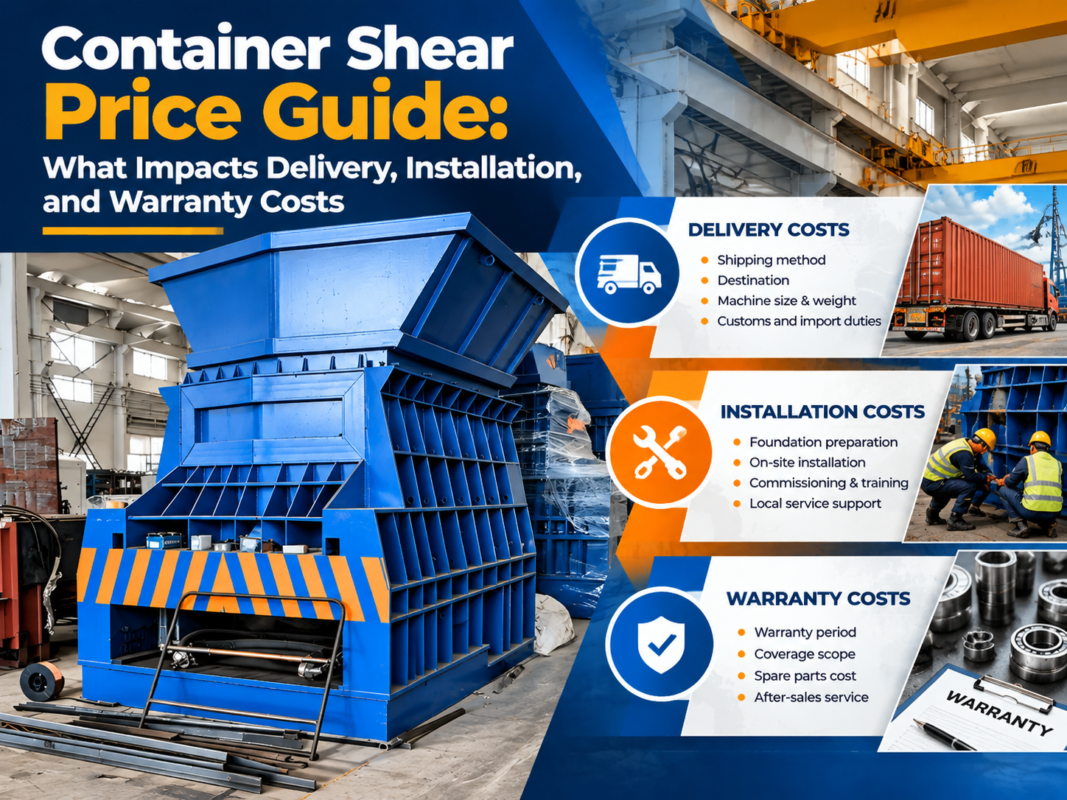
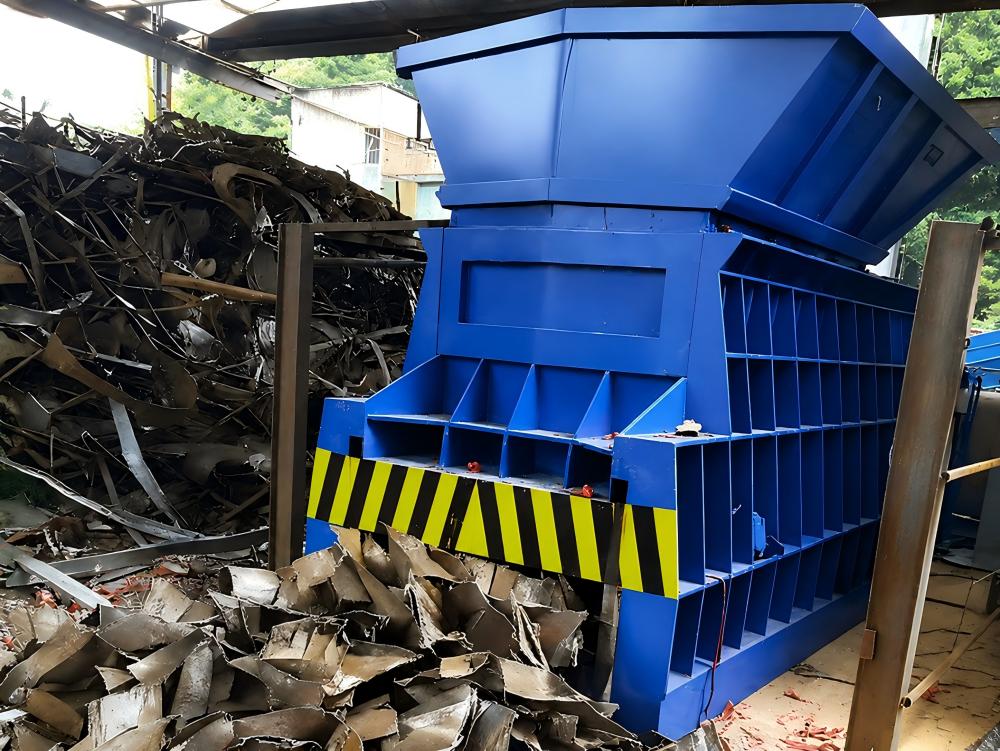
When performing a Container Shear Cost Analysis: Choosing the Most Economical Industrial Solution, many buyers focus solely on the invoice price and ignore the hidden costs that emerge during the machine’s lifecycle. Installation is the first hidden cost. Depending on your site, you may need to pour a reinforced concrete pad, upgrade your electrical transformer, or install specialized drainage systems to handle hydraulic fluid runoff. These site preparation costs can range from $5,000 to $50,000 and are rarely included in the machine’s purchase price.
Maintenance and consumables are the most significant ongoing hidden costs. Hydraulic oil, filters, seals, and blade sharpening are recurring expenses. A machine that is difficult to maintain will have higher labor costs associated with these tasks. HARSLE designs its shears with accessibility in mind, ensuring that routine maintenance points are easily reachable. When comparing quotes, ask for a detailed list of recommended spare parts and their costs. A machine that requires proprietary, expensive parts will be far less economical than one that uses standard, widely available components.
Energy consumption is another factor that is often underestimated. A machine that runs inefficiently can add thousands of dollars to your annual electricity bill. Look for models with variable frequency drives (VFDs) or energy-saving hydraulic systems that idle down when not in use. Over a five-year period, the energy savings from an efficient machine can easily offset a significant portion of the initial price difference compared to a less efficient competitor.
Finally, consider the cost of downtime. If your shear breaks down and you cannot process scrap, you are not just losing the revenue from the processed material; you are also potentially paying idle labor and missing delivery deadlines. The most economical solution is one with high reliability and a manufacturer that provides excellent after-sales support. A cheaper machine with poor support is a liability, whereas a slightly more expensive machine with a strong service network is an asset that protects your bottom line.
ROI Calculation: Making the Data-Driven Decision
Calculating the Return on Investment (ROI) for a container shear requires a structured approach. Start by determining your annual throughput in tons. Multiply this by the value-add per ton—the difference between the price of raw scrap and the price of processed, sheared scrap. This gives you your gross annual revenue increase. From this, subtract the annual operating costs, including electricity/fuel, labor, maintenance, and insurance. The resulting figure is your annual net profit contribution.
Next, divide the total investment cost (purchase price + shipping + installation + site prep) by the annual net profit contribution. This gives you the payback period in years. A payback period of 1.5 to 3 years is generally considered excellent for industrial machinery. If your calculated payback period is longer than 5 years, you should re-evaluate your throughput assumptions or look for a more cost-effective machine configuration.
It is also important to consider the residual value of the machine. High-quality container shears from reputable brands like HARSLE maintain their value well. When calculating ROI, you can estimate the resale value of the machine after 5 or 10 years and factor this into your total cost analysis. A machine that retains 40% of its value after a decade is a much more economical choice than one that is essentially scrap metal itself at the end of its service life.
Finally, perform a sensitivity analysis. What happens if scrap prices drop by 20%? What if your throughput is 30% lower than expected? By testing these scenarios, you can ensure that your investment is robust enough to withstand market volatility. An economical solution is not just one that performs well in the best-case scenario, but one that remains viable even when market conditions are challenging.
Buying Advice: A Checklist for Success
Before finalizing your purchase, use this checklist to ensure you are making the right decision. First, verify the machine’s actual cutting force and capacity against your heaviest scrap material. Do not rely on marketing brochures alone; ask for performance data and, if possible, a demonstration or a visit to a site where the machine is currently in operation. Seeing the machine handle the specific type of scrap you process is invaluable.
Second, evaluate the manufacturer’s support network. Do they have local technicians? How quickly can they ship critical spare parts? A container shear is a mission-critical piece of equipment; you cannot afford to wait weeks for a replacement part to arrive from overseas. HARSLE prides itself on a responsive support structure that minimizes downtime for our clients worldwide.
Third, review the warranty terms carefully. A comprehensive warranty that covers both parts and labor for at least the first year is a sign of manufacturer confidence. Be wary of machines with very short or limited warranties, as this may indicate a lack of durability. Additionally, ask about training programs for your operators. Proper operation is the single most effective way to extend the life of your shear and reduce maintenance costs.
Finally, consider the long-term scalability of your operation. If you expect your business to grow, choose a machine that can handle a slightly higher capacity than you currently need. While this may increase the initial cost, it prevents the need for a premature upgrade in the future. By following these steps, you can confidently navigate the Container Shear Cost Analysis: Choosing the Most Economical Industrial Solution and invest in a machine that will serve your business for years to come.
FAQ: Frequently Asked Questions
- What is the typical lifespan of a container shear? With proper maintenance and regular blade changes, a high-quality container shear can last 10 to 15 years or more in a standard industrial environment.
- Can I use a container shear for non-ferrous metals? Yes, but you must ensure the shear is configured correctly, as non-ferrous metals have different cutting characteristics than steel. Consult with the manufacturer to confirm compatibility.
- How often should I sharpen the blades? This depends on the volume and type of scrap processed. Typically, blades should be inspected weekly and sharpened or rotated every 3 to 6 months.
- Is it better to buy new or used? While used machines are cheaper, they often come with hidden maintenance issues and lack modern safety features. For most industrial applications, a new machine with a warranty is the more economical long-term choice.
- What power supply is required for an electric container shear? Most industrial container shears require a 3-phase power supply. The exact voltage and amperage will depend on the motor size, so check the technical specifications before installation.